In the Phoenix metropolitan area, up to 70% of residential water use occurs outdoors, which means a single leak can quickly become a major liability. When you notice a drop in pressure or a persistent soggy patch in the yard, learning how to fix broken sprinkler lines becomes an immediate priority for protecting your property and your budget. Dealing with Arizona's compacted desert soil is a unique challenge that requires more than a basic hardware store patch. It takes a grounded understanding of how heat and soil pressure affect your irrigation system over time.
Most homeowners feel the pressure to stop water waste immediately, especially with the 2026 updates regarding Colorado River water allocations. You likely want a solution that restores zone pressure without the high cost of a total system replacement. This guide provides the professional expertise you need to identify, excavate, and repair damaged lines with precision. We will cover the specific tools needed for hard ground, the differences between PVC and poly-pipe repairs, and the best practices for ensuring a long-term fix in our harsh climate.
Key Takeaways
- Learn how to pinpoint the source of water waste by identifying surface saturation and isolating the system at the backflow preventer.
- Master the specific steps to fix broken sprinkler lines using ratcheting cutters and proper cleaning techniques to ensure a durable, leak-free seal.
- Understand the technical difference between main lateral punctures and failed emitters to restore pressure to your drip irrigation zones.
- Protect your system from Arizona’s unique environmental stressors, including caliche soil expansion and root intrusion from desert trees.
- Recognize when complex manifold repairs require professional intervention and discover the long-term benefits of high-efficiency sprinkler upgrades
Locating the Leak and Preparing for Repair
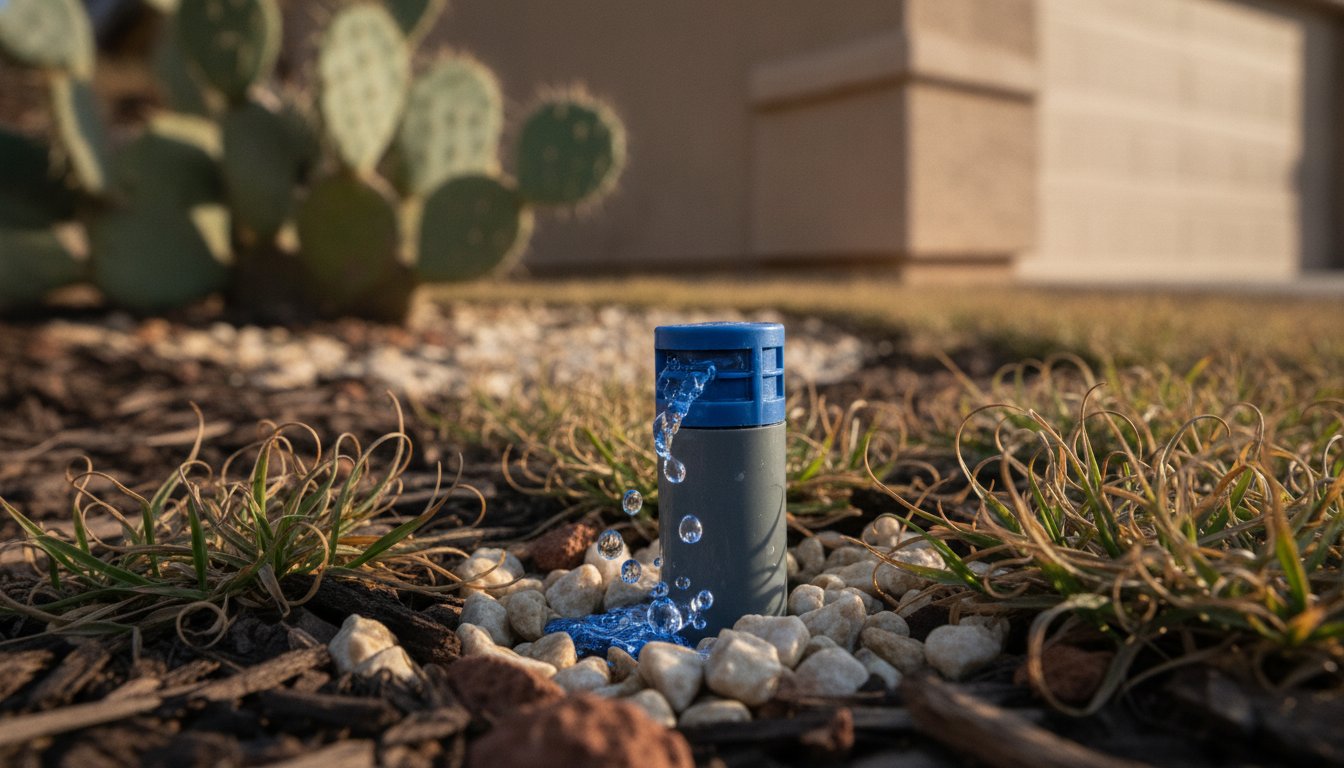
Identifying the exact point of failure is the first step toward a successful repair. In the arid environment of Surprise or Peoria, water doesn't always surface directly above the break. You might see a "bubbling" effect where the water pushes through the soil, or you may simply find a persistent soggy patch in your desert landscaping. Before you attempt to fix broken sprinkler lines , you must isolate the water source. Locate your backflow preventer or the main irrigation shut-off valve and turn it to the "off" position. This stops the immediate water waste and allows the saturated ground to drain slightly, which makes your workspace much cleaner.
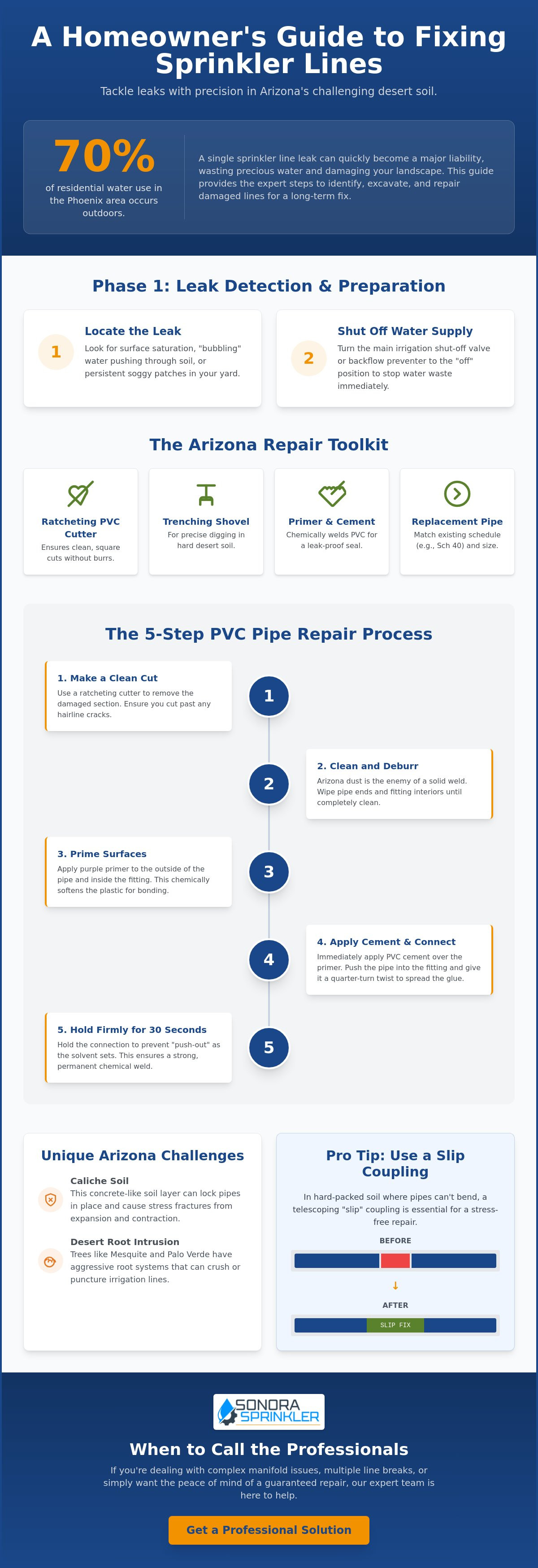
Preparation requires gathering the right materials before you break ground. You'll need a ratcheting PVC cutter, purple primer, and medium-bodied solvent cement. Keep a length of replacement pipe on hand that matches your existing system. Most modern irrigation sprinkler systems utilize specific pipe thicknesses that respond differently to desert heat. Once your tools are ready, clear away any decorative granite or desert mulch. Move these materials at least two feet away from the suspected leak site to prevent debris from falling into the open line during the repair process.
The "Trenching" Technique for Desert Soil
Digging in Arizona requires a different approach than in regions with soft topsoil. Use a narrow trenching shovel to create a precise opening, which helps minimize disruption to the root systems of nearby desert plants. You must dig at least 6 inches below and around the pipe to provide enough room for your hands and tools. Be extremely cautious as you descend; low-voltage lighting wires often run parallel to irrigation lines in local yards. Striking these can turn a simple pipe fix into a complex electrical diagnostic project. If you encounter caliche, a concrete-like layer of calcium carbonate common in our soil, use a hand pick to carefully chip it away.
Identifying Your Pipe Material
You cannot effectively fix broken sprinkler lines without knowing exactly what material you're working with. Most residential lateral lines use white, rigid Schedule 40 PVC, which is known for its durability. However, some systems utilize Class 200 PVC, which has a thinner wall and requires a more delicate touch when cutting. If you are working in a flower bed or near shrubs, you likely have flexible black poly-pipe used for drip irrigation. Always check the exterior of the pipe for sizing stamps; most Arizona residential systems use either 3/4-inch or 1-inch diameters. Matching the pipe schedule and size exactly is the only way to ensure the new fittings will hold under pressure.
Step-by-Step Guide to Repairing PVC Sprinkler Pipes
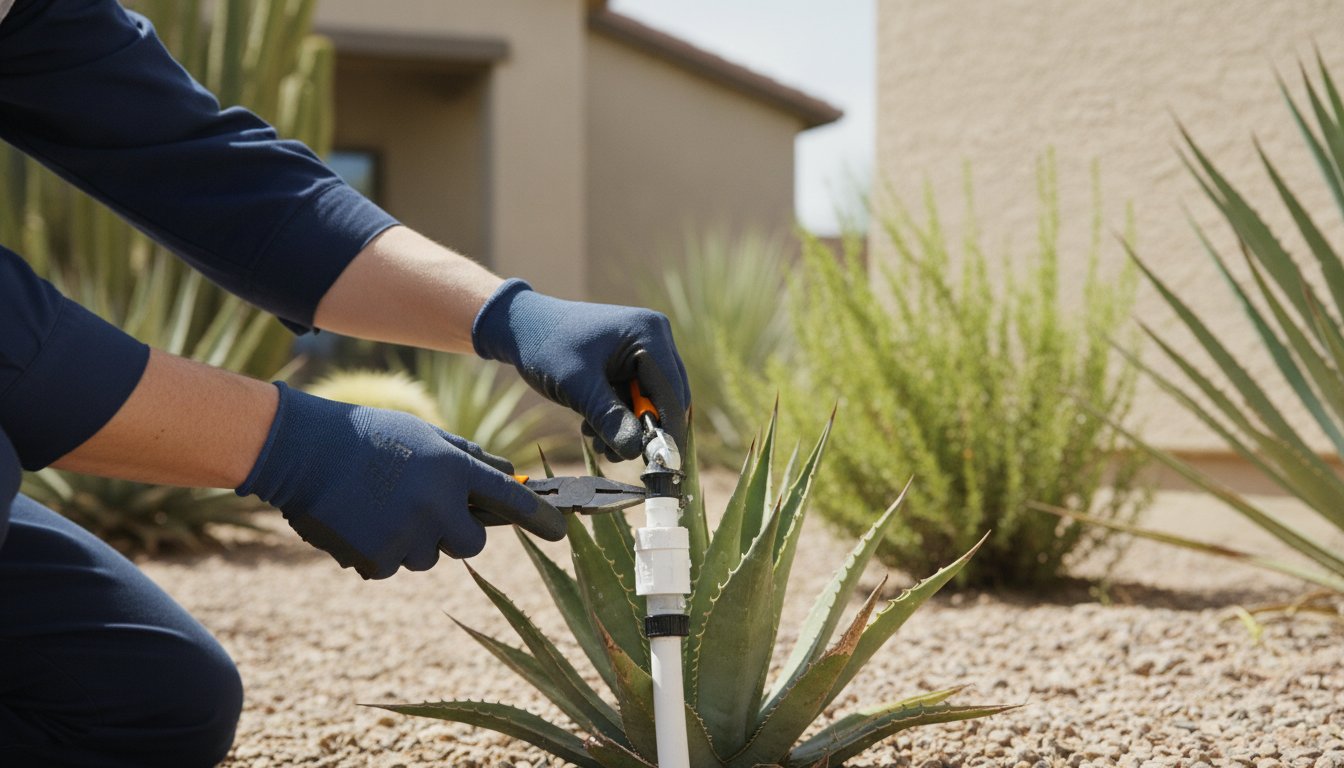
Once you've cleared the trench and exposed the damage, the physical repair process begins. To fix broken sprinkler lines with professional precision, you must start with a clean, square cut. Using a ratcheting PVC cutter is far superior to using a hacksaw. It produces a smooth edge without leaving behind plastic burrs or shavings that can migrate into your sprinkler heads and cause clogs. Cut out the damaged portion entirely, making sure you remove any hairline cracks that might extend an inch or two past the visible break.
In our desert environment, Arizona dust is the primary enemy of a solid chemical weld. Even a microscopic layer of grit can create a tiny channel for water to escape, eventually leading to another failure. Use a clean, dry rag to wipe the pipe ends until they're completely free of dirt. After cleaning, apply purple primer to the outside of the pipe and the inside of your new fittings. This primer isn't just a cleaner; it chemically softens the plastic to prepare it for the solvent. Apply the PVC cement immediately after the primer, slide the fitting on, and give it a quarter-turn twist to distribute the glue. You must hold the connection firmly for 30 seconds. This prevents "push-out," a common issue where the slick solvent naturally forces the pipe back out of the fitting before it has a chance to bond.
If you find that the damage is located near a complex manifold or involves multiple intersecting lines, our team offers expert irrigation PVC pipe replacement to ensure your system’s long-term integrity.
Using a Telescoping "Slip" Coupling
Standard couplings often require you to bend or flex the existing pipes to slide them into the sockets. In the hard-packed caliche soil of Surprise and Peoria, your pipes are often locked in place and lack the flexibility needed for standard fittings. A slip coupling is the secret to a successful repair in these conditions. A slip coupling is a specialized fitting that collapses and expands for easy installation in tight trenches. You simply slide the collapsed fitting onto one side of the pipe, align it with the other, and then expand it to bridge the gap. This specialized tool allows you to fix broken sprinkler lines without risking further cracks from forced bending.
Curing Times and Pressure Testing
Patience is a requirement for a lasting repair. You should wait at least 30 minutes for the solvent to cure before you introduce water pressure. If you're working during a humid monsoon afternoon or a particularly cold winter night, it's safer to wait a full hour. When you finally restore the water, turn the valve slowly. A sudden surge can cause a "water hammer," which is a pressure spike that can shatter new joints or damage sensitive internal valve components. Observe the repair under full pressure for several minutes to verify there's no weeping before you replace the soil and decorative rock.
Fixing Punctured or Brittle Drip Irrigation Lines
While rigid PVC handles your lawn's spray zones, the majority of desert landscaping in Surprise and Peoria depends on flexible poly-tubing. When you need to fix broken sprinkler lines in a drip zone, the symptoms and solutions differ significantly from standard pipe repair. A puncture in the main lateral line often manifests as a large pool of water or a "river" running across your decorative granite. Conversely, a failed emitter may simply leave a single plant parched or spray water into the air like a miniature geyser. Identifying this distinction early prevents you from excavating more than necessary.
The intense Phoenix-area UV exposure eventually robs poly-tubing of its flexibility, making it brittle and prone to longitudinal cracks. If the tubing feels stiff or "crunchy" when squeezed, a simple patch won't suffice; you'll need to perform a full line splice to ensure the system's longevity. For small, isolated punctures caused by gardening tools or picks, a "goof plug" is an effective and immediate remedy. During any repair, ensure that all barbed fittings are seated deeply. Summer temperature swings cause the plastic to expand and contract, which can pop loose a shallow connection and lead to a mid-season system failure.
Splicing Poly-Tubing with Barbed Couplings
To repair a damaged section of drip line, start by cutting the tubing cleanly with a sharp utility knife or a specialized tubing cutter. Achieving a perfectly flat edge is vital for a leak-free seal. A professional tip for working with stubborn poly-tubing is to keep a cup of hot water nearby. Dipping the ends of the tubing into the water for thirty seconds softens the material, allowing the barbed fittings to slide in much easier. You generally don't need to use clamps on these connections unless your system operates at unusually high pressure, as the barbs are designed to "bite" into the tubing once it cools and contracts.
Replacing Clogged Drip Emitters
Hard water is a reality for Arizona homeowners, and it often leads to salt buildup at the emitter head. This white, crusty residue is a primary cause of emitter failure. When you fix broken sprinkler lines or clogged heads, always select the correct Gallons Per Hour (GPH) rating to match your existing landscape. Replacing a 1 GPH emitter with a 2 GPH version can lead to overwatering and root rot for sensitive desert species. Once the new emitters are in place, test the entire zone. This ensures uniform watering and confirms that the pressure has been restored to the furthest plants on the line.
Avoiding Recurring Breaks in Arizona’s Desert Soil
Repairing a leak is only half the battle; ensuring the failure doesn't repeat requires an understanding of the local environment. Arizona's caliche soil is a frequent culprit in irrigation failures. This "desert concrete" undergoes subtle expansion and contraction cycles that can eventually "pinch" or crush rigid PVC pipes. When you fix broken sprinkler lines , you're often seeing the result of years of soil pressure finally reaching a breaking point. If you don't account for these subterranean shifts during the repair, the new joint may fail within a few seasons.
Root intrusion presents another significant threat, especially from fast-growing desert trees like Palo Verdes or Mesquites. These species have aggressive root systems that naturally seek out any source of moisture. A tiny weep in a fitting can attract a root that will eventually encircle and shatter the pipe. Additionally, any portion of your system exposed to the sun must be protected. Intense UV rays degrade standard plastic, making it brittle and prone to cracking. Applying professional-grade UV tape or a coat of outdoor-rated paint to exposed risers can add years to their lifespan.
Mechanical stress also plays a role in system longevity. "Water hammer" is a common phenomenon where high city pressure or a faulty valve causes a sudden shockwave through the lines. This vibration can rattle joints loose or cause hairline fractures in older pipes. If your system makes a loud thumping sound when a zone shuts off, it's a sign that your pipes are under excessive strain. For complex troubleshooting, our team provides comprehensive irrigation wiring & diagnostics to identify the mechanical failures that lead to repeated pipe breaks.
Proper Backfilling Techniques
The way you put the dirt back into the trench is just as important as the repair itself. You must remove large rocks from the backfill material to prevent "point loading." A sharp rock resting directly against a PVC pipe creates a concentrated pressure point that will eventually cause a puncture. If your soil is particularly rocky, consider using a sand "sleeve" around the repair area. Surround the pipe with two inches of clean sand before adding the native soil back on top. Compact the soil in layers rather than dumping it all at once to prevent future sinkholes or settling in your landscape.
Seasonal Maintenance for Surprise Homeowners
A proactive approach to maintenance helps you avoid the need to fix broken sprinkler lines during the hottest months. Adjust your timer settings to account for the Arizona monsoon season, as the extra moisture allows you to give your system a rest. During your monthly inspection, open your valve boxes and check for pests. Ants and crickets are attracted to the moisture and can chew through insulation, leading to wiring failures. Scheduling a professional tune-up once a year allows a specialist to catch small leaks or pressure imbalances before they cause major erosion or property damage.
Professional Irrigation Solutions in Surprise and Peoria
While the previous sections detailed how a homeowner can address lateral line breaks, some components are too critical for a standard DIY approach. The manifold and backflow preventer act as the central hubs of your entire system, regulating pressure and protecting your home's potable water supply from potential contamination. A mistake in these high-pressure areas can lead to significant property damage or compromised water safety. A licensed contractor brings the technical proficiency and professional assurance required to navigate these complex mechanical systems safely. When you need to fix broken sprinkler lines that feed directly into these essential hubs, the precision of a seasoned specialist is indispensable for long-term functional results.
Sonora Sprinkler Inc. specializes in the heavy-duty work that often follows a catastrophic system failure or deep-earth pipe collapse. Our team is uniquely equipped to handle comprehensive irrigation PVC pipe replacement in the most stubborn Arizona caliche, saving you the physical toll of manual excavation in our extreme desert heat. Transitioning from the frustration of a recurring leak to professional peace of mind allows you to focus on the health of your landscape rather than the labor of its maintenance. Beyond emergency fixes, we often recommend sprinkler system upgrades as a proactive measure. Modernizing your system with high-efficiency components ensures your property remains resilient even as Arizona faces tighter water management policies in 2026.
Expert Diagnostics and Custom Design
Intermittent zone failures often stem from subterranean electrical issues rather than visible pipe breaks. Our technicians utilize advanced irrigation wiring and diagnostics to pinpoint shorts or ground faults without the need for unnecessary trenching. This methodical approach saves time and prevents disruption to your established plants. If your current layout is no longer meeting the needs of your growing landscape, Sonora Sprinkler Inc. provides custom sprinkler system design to ensure every gallon of water is utilized effectively. A professionally maintained system offers a high return on investment, estimated at 86% for Valley homeowners, by protecting your property’s curb appeal and the longevity of your trees and shrubs.
Contact the Local Experts
Choosing a local partner means working with a neighborly, established business that understands the specific challenges of West Valley soil. We are a family-owned operation deeply committed to serving the Surprise and Peoria communities with a sense of quiet confidence and professional integrity. If you've reached the limit of your DIY efforts or simply want the stability of a professionally maintained system, reach out to us for residential irrigation repair in Surprise AZ. Let us perform a comprehensive system audit to identify hidden inefficiencies and provide the durable solutions your property deserves. We take pride in our tenure and our commitment to providing hardworking, detail-oriented results for every client.
Secure Your Irrigation System’s Long-Term Reliability
Maintaining a functional irrigation system in Arizona is a balance of technical precision and environmental awareness. You've learned how to accurately locate leaks beneath desert granite, the importance of using telescoping couplings in hard caliche, and the necessity of UV protection for exposed components. Taking the initiative to fix broken sprinkler lines promptly is the most effective way to prevent soil erosion and water waste on your property.
While small patches are manageable, complex mechanical issues often require the specialized touch of a master craftsman. Sonora Sprinkler Inc. has been family-owned and operated since 1999, serving as licensed residential experts who understand the unique demands of our local terrain. We prioritize the durability of every joint and the efficiency of every zone to keep your landscape thriving. Schedule Your Professional Irrigation Repair in Surprise Today to ensure your system is ready for the season ahead. With a properly maintained system, you can enjoy a lush, resilient yard that stands up to the most intense Arizona summers.
Frequently Asked Questions
How do I find a leak in my underground sprinkler line?
You can identify a leak by looking for surface indicators like bubbling water, overly green patches of grass, or depressions in the soil. If the leak isn't obvious, turn on the specific zone and watch for a drop in water pressure at the furthest sprinkler head. You can also use a thin metal probe or a small shovel to check for soft spots in areas where the irrigation line is buried.
Can I use duct tape to fix a leaking sprinkler pipe?
No, duct tape and other temporary wraps cannot withstand the constant water pressure of a residential irrigation system. These materials will eventually peel away, leading to a recurring leak and significant water waste. To properly fix broken sprinkler lines , you must use professional-grade PVC solvent and fittings that create a permanent chemical weld between the pipe sections.
What is the best way to dig in hard Arizona caliche soil?
Use a pickaxe or a heavy-duty hand pick to break up the top layer of compacted soil and caliche. Once the hard crust is broken, a narrow trenching shovel allows for more precise excavation around the delicate pipes. Watering the area deeply the night before you plan to dig can also help soften the ground, making the physical labor much more manageable for a homeowner.
How long does PVC glue need to dry before I turn the water on?
You should wait at least 30 minutes for the solvent to cure under standard weather conditions. In extreme Arizona heat or during the high humidity of the monsoon season, extending this wait to a full hour provides a safer margin. Rushing the process can cause the high-pressure water to blow out the joint before the chemical bond has fully solidified.
Why does my sprinkler pipe keep breaking in the same spot?
Repeated breaks often indicate an underlying mechanical issue such as water hammer or excessive soil pressure from nearby tree roots. If the pipe was previously repaired with a "forced" fit that put constant stress on the joint, it's likely to fail again. Addressing the root cause, such as installing a pressure regulator or removing large rocks from the backfill, is essential for a permanent fix.
Is it cheaper to fix a sprinkler line myself or call a pro?
A DIY repair is often cheaper in terms of upfront material costs, but a professional ensures the job is done correctly the first time. Mistakes in pipe sizing or solvent application can lead to larger, more expensive failures down the road. For complex issues near the main line or backflow preventer, a licensed expert provides the specialized tools and peace of mind that protect your property's value.
What is the difference between Schedule 40 and Class 200 PVC?
Schedule 40 PVC is a thicker, more durable pipe designed for higher pressure and long-term reliability in residential systems. Class 200 is a thinner-walled pipe that is easier to cut but more susceptible to punctures and environmental stress. Most professionals recommend using Schedule 40 when you fix broken sprinkler lines because of its superior resistance to Arizona's shifting desert soil and extreme temperatures.
How do I know if my irrigation leak is actually a faulty valve?
A faulty valve typically causes constant weeping or "weeping" from the sprinkler heads even when the system is turned off. If you see water pooling around a specific head long after the cycle ends, the valve diaphragm may be torn or obstructed by debris. In contrast, a pipe leak usually only shows surface water or a significant loss of pressure while the zone is actively running.