Did you know that up to 70% of residential water use in the Phoenix metropolitan area happens right in your yard? When temperatures climb toward 110 degrees, a routine sprinkler system tune up becomes your property's primary line of defense. It's common for homeowners to feel a sense of dread when opening a summer water bill or discovering a failed drip line that's already claimed an expensive desert tree. We understand that maintaining a healthy landscape in our unique environment requires more than just luck; it requires mechanical precision and a deep understanding of regional stressors.
You deserve a system that operates with steady reliability, even during the harshest months. This guide provides a professional framework for auditing your irrigation setup to save water, protect your plants, and prevent the kind of emergency repairs that always seem to happen at the worst times. We'll examine everything from mineral buildup in your nozzles to the new 2026 backflow testing requirements and local watering schedules. By following this structured checklist, you'll gain the quiet confidence that your yard is prepared for the season ahead while keeping your monthly utility costs manageable.
Key Takeaways
- Learn how the intense Arizona climate impacts the lifespan of PVC and poly-tubing, and why a proactive sprinkler system tune up is your best defense against hard water clogs.
- Discover the specific 2026 seasonal adjustment settings required to keep your landscape thriving while protecting your controller from program loss during monsoon power flickers.
- Master the steps to safely clean mineral-clogged nozzles and inspect your backflow preventer for subtle signs of weeping or pressure loss.
- Uncover the methods for auditing residential drip systems hidden under decorative rock to ensure your trees are receiving the precise gallon-per-hour flow they need.
- Identify the technical indicators that signal a need for professional diagnostics, such as complex wire tracing or the necessity of irrigation PVC pipe replacement.
Why a Seasonal Sprinkler System Tune Up is Critical in Surprise, AZ
Maintaining a functional landscape in Surprise, Arizona, requires more than a simple set-and-forget approach to irrigation. Our specific environment, characterized by extreme thermal expansion and aggressive mineral content, places immense stress on mechanical components. By 2026, we've seen ground temperatures reach levels that accelerate the degradation of standard PVC and poly-tubing. A professional sprinkler system tune up serves as a critical audit, identifying components that are reaching their breaking point before they fail during a record-breaking heatwave.
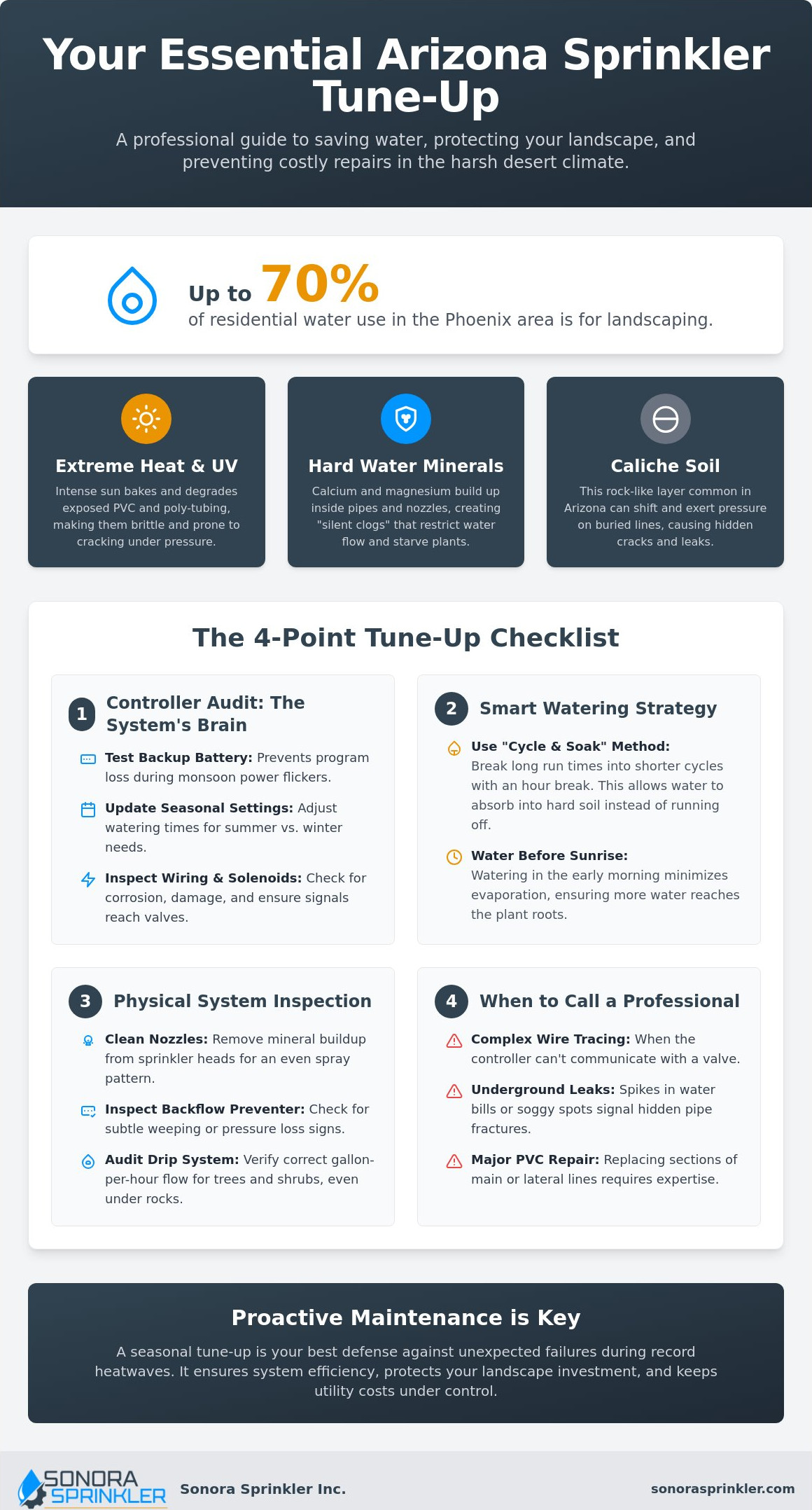
Arizona is known for its hard water, which carries high concentrations of calcium and magnesium. These minerals don't just stay in the water; they settle and solidify inside your irrigation sprinkler systems. This creates "silent clogs" that gradually restrict flow. You might not see a geyser in your yard, but your plants are receiving significantly less water than the timer suggests. When your system's efficiency drops by even 10%, your water bill climbs while your lawn's health declines. Transitioning from the low-frequency needs of winter to the high-demand summer schedule is the most common time for these hidden weaknesses to cause total system failure.
Combating the Effects of Desert Heat and Caliche
UV radiation is a constant threat to any exposed irrigation parts. Over time, the sun bakes the plastic until it becomes brittle and prone to shattering under pressure. This is particularly dangerous for drip lines and riser pipes. Underground, the challenge is caliche. This rock-like layer of calcium carbonate is common throughout Surprise and Peoria. It doesn't yield easily. As the ground shifts during our seasonal transitions, caliche can exert uneven pressure on buried lines, leading to cracks in your irrigation maintenance zones. Identifying these stress spots early prevents the loss of expensive desert-adapted trees that can't survive a week without water in July.
Water Conservation and Utility Bill Management
Utility rates in the West Valley are structured to penalize waste, making water conservation a financial priority. Small, "invisible" leaks are often the culprit behind a sudden spike in your monthly bill. A hairline fracture in a PVC pipe or a weeping valve can waste hundreds of gallons of water over a single billing cycle. Our audit process ensures your system aligns with the latest watering guidelines from the City of Surprise. This includes adjusting run times to minimize evaporation and ensuring that every drop reaches the root zone. Precision isn't just about plant health; it's about protecting your household budget from the high cost of mechanical inefficiency.
The Controller Audit: Programming Your Irrigation Brain
Your irrigation controller serves as the central command for your entire landscape. While many homeowners treat it as a "set and forget" device, the unique demands of the Arizona climate in 2026 require a more active management style. A proper sprinkler system tune up begins with a thorough audit of this digital brain. One of the first steps involves testing the backup battery. During our summer monsoon season, power flickers are frequent. If your battery is expired, your controller will reset to factory defaults. This often results in a daily watering schedule that can skyrocket your utility bill or drown your desert-adapted plants.
Beyond the battery, we look at the seasonal adjustment settings. In Surprise and the surrounding areas, a 100% run time in July is vastly different from what's needed in the cooler months. We also perform irrigation wiring diagnostics to ensure the signals from the controller are actually reaching the valves. Rodents and ants often find their way into housing boxes, chewing through insulation or creating nests that lead to short circuits and system failure.
Updating the Watering Schedule
Arizona's soil is notoriously non-porous. If you run a single zone for twenty minutes straight, you'll likely see water pooling on the sidewalk rather than reaching the roots. We recommend the "Cycle and Soak" method. This involves breaking a long run time into two or three shorter cycles separated by an hour. This allows the ground to actually absorb the moisture. Additionally, verify that your start times occur before sunrise. Watering during the heat of the day is inefficient, as a significant portion of that water evaporates before it even hits the soil.
Wiring and Solenoid Health Check
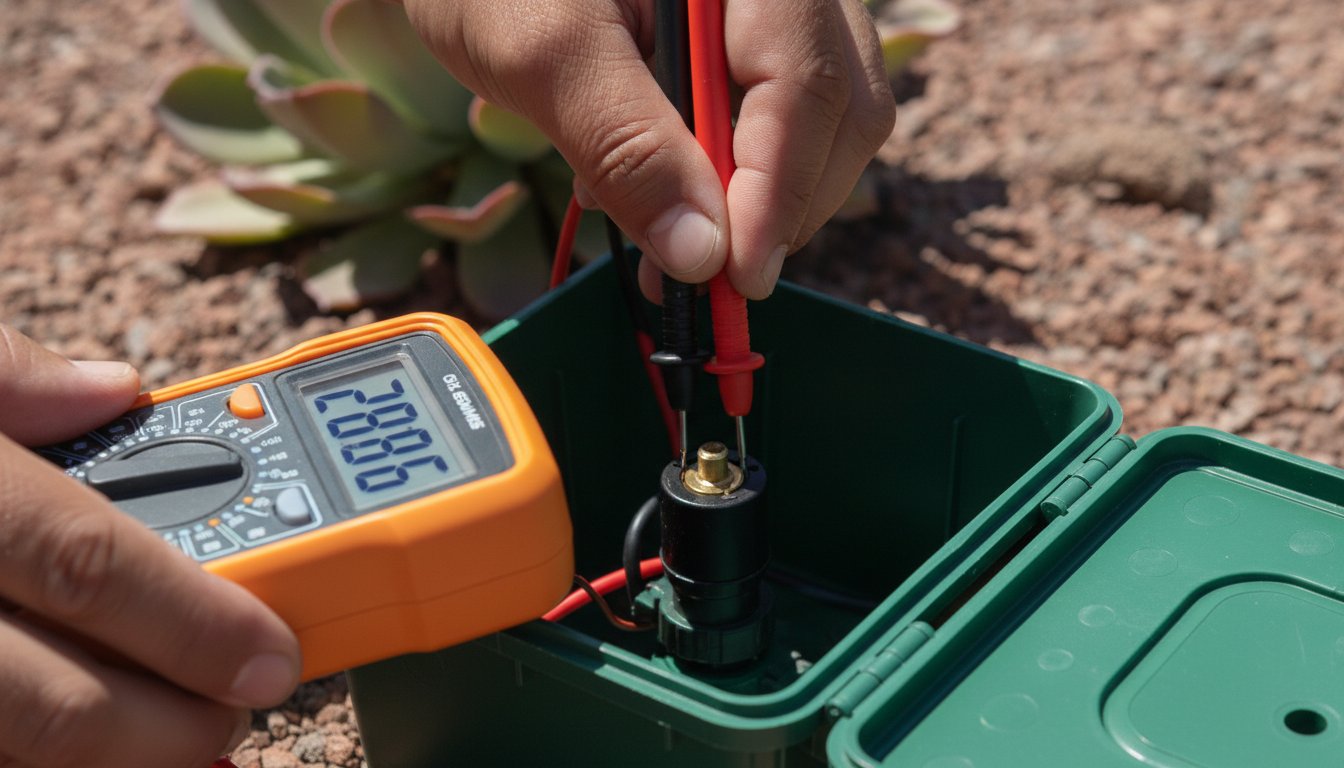
The physical connection between your controller and the valves is the system's nervous system. Check for wire corrosion, which often looks like a white or green crust on the copper connections. A failing solenoid can result in "ghost zones" where the controller thinks it's watering, but the valve never opens. Following the EPA’s guidelines for a seasonal sprinkler system tune up ensures you aren't just guessing about your system’s health. If you encounter persistent programming errors or unresponsive zones, consulting with a professional can help identify the underlying electrical faults before they lead to plant loss.
Hardware Inspection: Heads, Valves, and Backflow
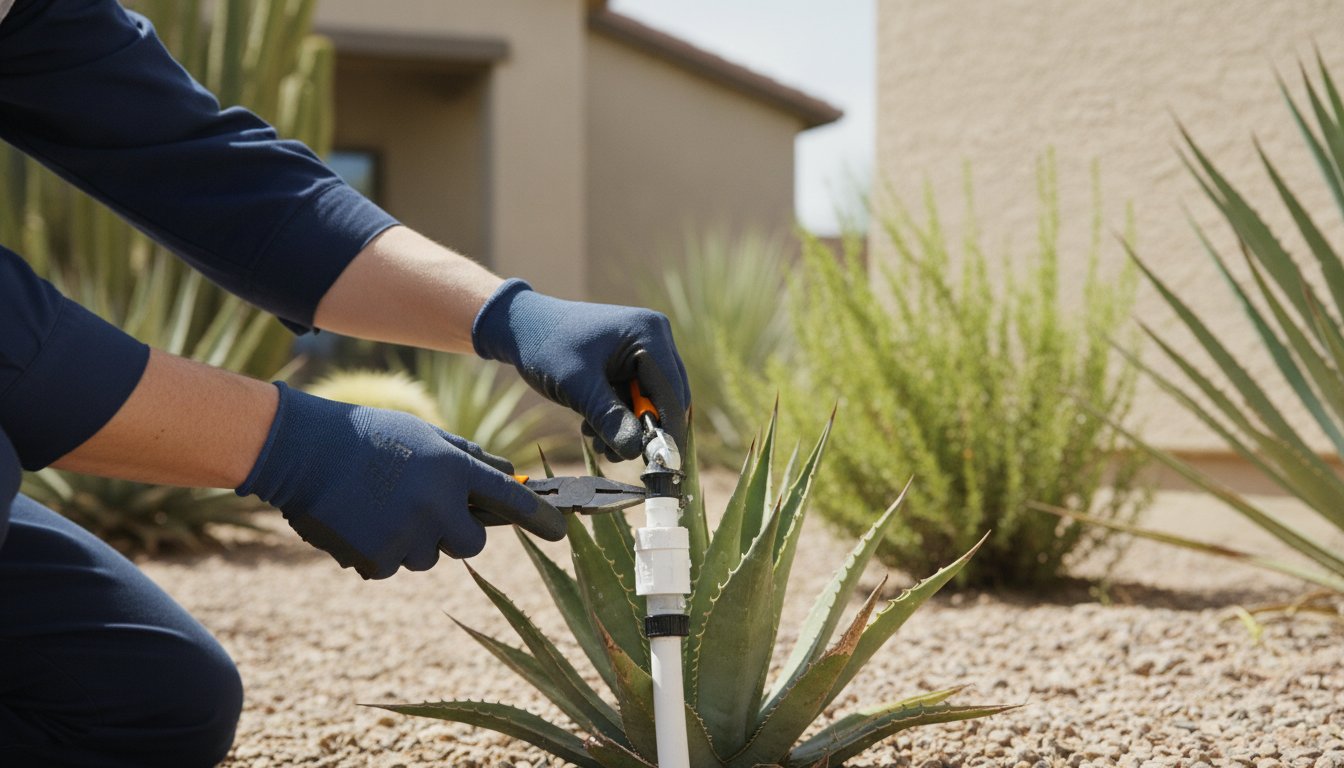
A thorough sprinkler system tune up requires a hands-on inspection of every mechanical component. We begin with the sprinkler heads, as they are the most vulnerable to physical damage and mineral accumulation. Start with the "Tug Test" by gently pulling up on each pop-up head while the system is off. If the head feels loose or wobbles, the underlying riser or fitting may be cracked. This is a frequent occurrence in Surprise yards where the shifting soil exerts pressure on buried components. Identifying these weak points early prevents underground leaks that can go unnoticed for months.
When the system is active, observe the spray patterns closely. Distorted or weak streams usually point to mineral deposits. To clean these safely, remove the nozzle and soak it in a mild descaling solution. It's vital to avoid poking the orifice with metal tools, as this can ruin the precision-engineered spray arc. For homeowners following a detailed sprinkler system maintenance checklist, checking for low-head drainage on sloped properties is a priority. If water continues to leak from the lowest head long after the zone shuts off, it's time to install a head with an internal check valve to prevent unnecessary waste.
Sprinkler Head Alignment and Height
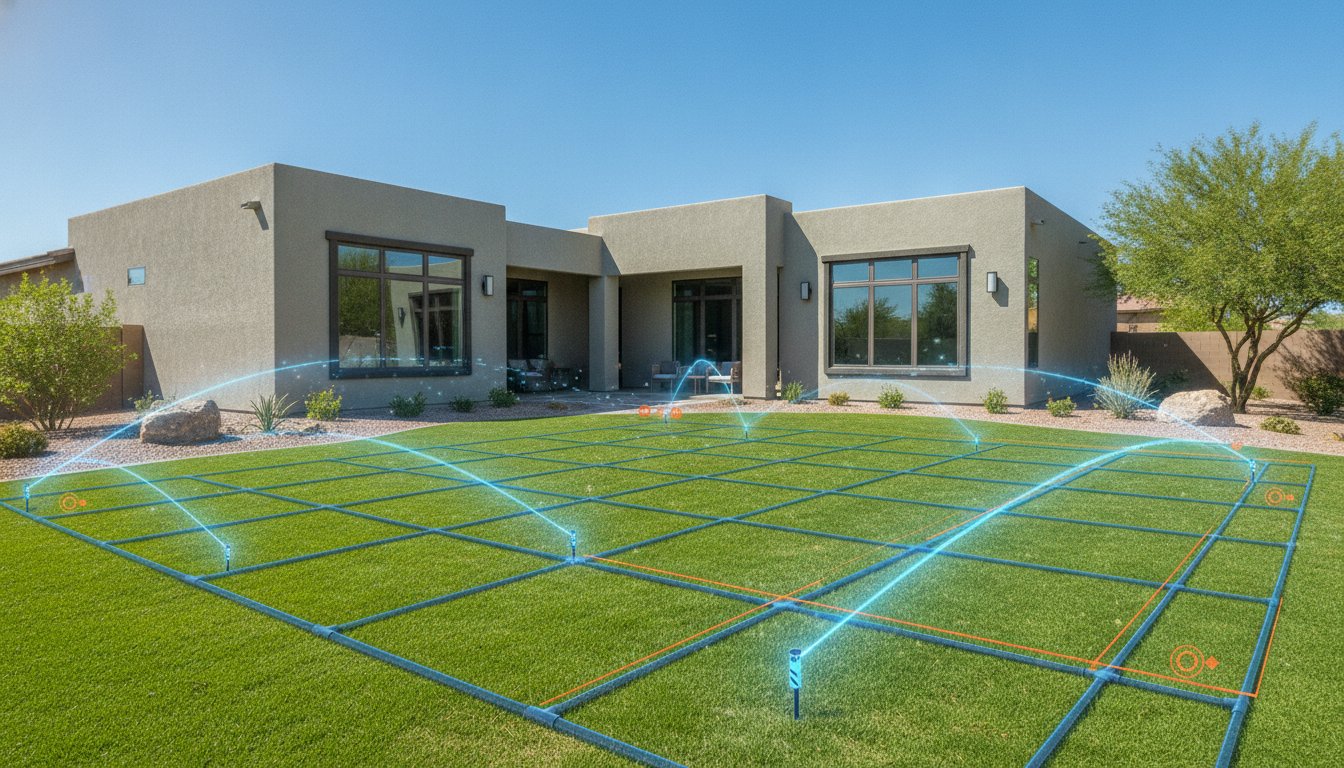
Misaligned heads are a primary source of water waste. If you find your system is watering the sidewalk or the side of your home, you're losing money to evaporation and runoff. Take the time to adjust the arc and radius of each head to ensure uniform coverage across the turf. It's also necessary to clear away grass, debris, or decorative rock that might obstruct the pop-up mechanism. If a head fails to retract or shows signs of weeping around the seal, a simple cleaning won't fix the problem. In these cases, a replacement is the only way to maintain proper system pressure.
Valve Box and Manifold Integrity
Your valves and backflow preventers act as the gatekeepers of your irrigation system. Open the valve box and look for mud or standing water, which are clear indicators of a failing diaphragm or a cracked manifold. Test the manual bleed screw on each valve to ensure it opens and closes fully. Regarding safety, remember that as of April 6, 2026, all backflow test reports for those in Arizona Water Company service areas must be submitted online. These assemblies require annual testing by a certified professional to protect your home's potable water from contamination. If you find a weeping backflow assembly, it’s a sign that internal seals are worn and require professional service.
Drip Irrigation Checklist: Auditing Arizona’s Lifeline
In the Arizona desert, residential drip systems are the primary delivery method for keeping high-value trees and shrubs alive. Unlike lawn sprinklers that are easily observed, drip components are typically hidden beneath layers of decorative rock and weed fabric. This "out of sight, out of mind" reality leads many homeowners to overlook them during a standard sprinkler system tune up . However, a single clogged emitter can quietly kill a mature desert tree that took a decade to grow. We begin our audit by manually locating each emitter to ensure it's still positioned over the plant’s root ball and providing the necessary moisture. This is especially vital when following the City of Surprise guidelines, which recommend watering established desert trees every 7 to 21 days during the peak heat of May through October.
Checking emitter flow is a precise task. You should look for "salt rings," which are white, crusty mineral deposits around the emitter head. These rings signal that our hard water is starting to solidify and restrict flow. If the emitter is barely dripping or the surrounding soil is bone dry, the internal diaphragm is likely compromised. Additionally, we inspect the pressure regulator located at the valve manifold. This small component is the single most common cause of drip line blowouts. Without it, the high pressure from your main line will eventually shatter the thin-walled poly-tubing or pop emitters right off the distribution line.
Emitter and Micro-Tubing Maintenance
The 1/4 inch distribution tubing that connects the main line to your plants is highly susceptible to UV damage. If the tubing feels brittle or cracks when squeezed, it's reached the end of its functional life and needs replacement. During a thorough sprinkler system tune up , we also recommend flushing the entire drip line. By opening the end caps and running the system for a few minutes, you can clear out the fine silt and sediment that naturally accumulates at the furthest points of the run. This simple maintenance step ensures that the emitters at the end of the line receive the same pressure as those at the beginning.
Pressure and Leak Detection
Subsurface leaks in a drip system are notoriously difficult to find. Look for telltale signs like unusually wet spots on your granite, moss growth, or a sudden decline in pressure in other zones. A clogged filter is another common culprit for poor performance. If your filter is packed with debris, your emitters won't have the force required to open their internal seals. Maintaining proper pressure regulation isn't just about preventing blowouts; it's about poly-pipe longevity. If you've noticed multiple emitters popping off or plants showing signs of drought stress despite a running timer, request a professional drip audit to stabilize your system's output.
When to Call Sonora Sprinkler Inc. for a Professional Tune-Up
While the audit steps outlined in this guide provide a strong foundation for seasonal maintenance, certain irrigation challenges require specialized equipment and years of local experience. A professional sprinkler system tune up goes beyond surface-level cleaning. It utilizes advanced diagnostics to find faults that are invisible to the naked eye. We often encounter homeowners who have spent hours digging only to find they were looking in the wrong place. Our team uses professional wire-tracing tools to locate underground shorts and "lost" valves without turning your yard into a series of trenches. This precision saves time and preserves the aesthetic of your landscape rock and turf.
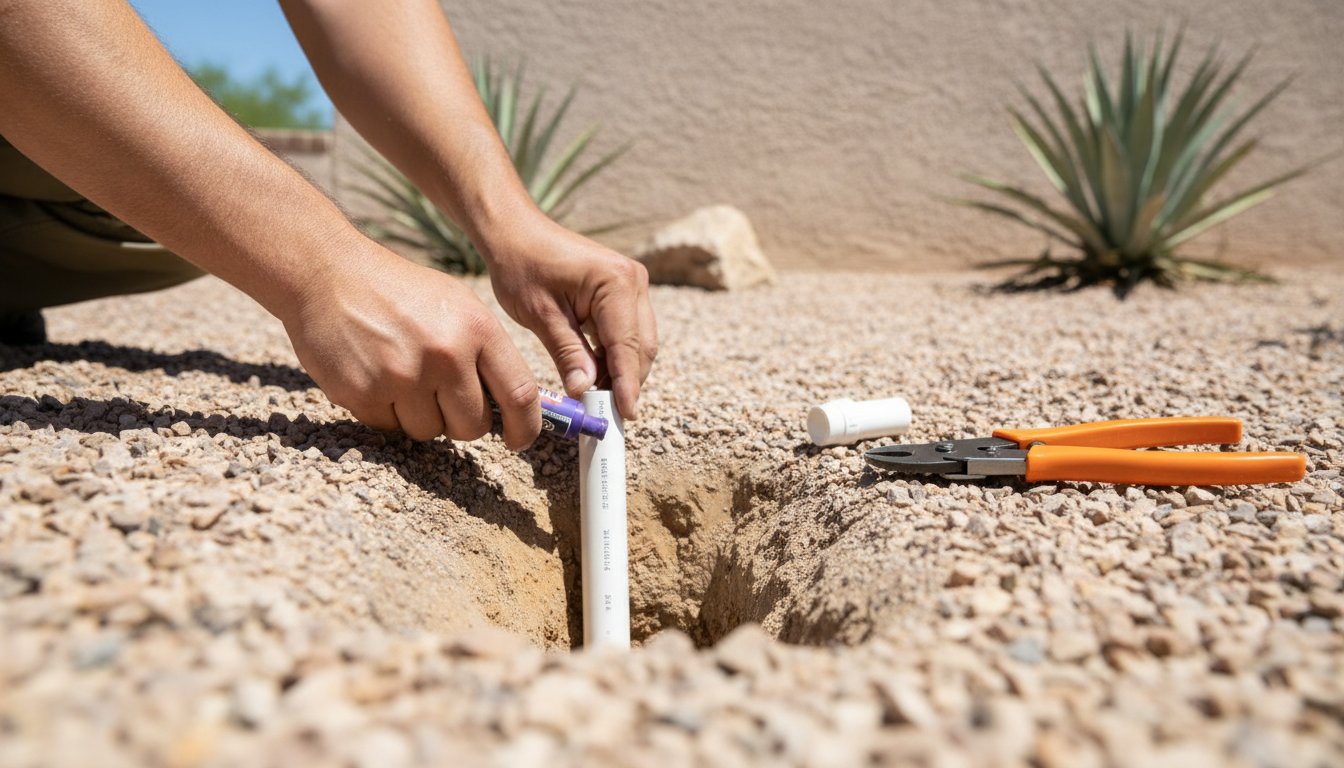
Sometimes, a simple patch isn't enough to fix a systemic issue. When a main line fails or multiple zones exhibit chronic pressure loss, a comprehensive irrigation PVC pipe replacement becomes the only way to restore system integrity. Sonora Sprinkler Inc. focuses exclusively on residential properties, which means we understand the specific nuances of Surprise neighborhoods and the local soil conditions that lead to these failures. By modernizing your system through custom design, it's possible to reduce your monthly water bill by up to 30% while actually improving the health of your plants.
Advanced Troubleshooting and Repair
Attempting a "DIY" fix on a main water line or a complex valve manifold carries significant risks. A single mistake can lead to a high-pressure blowout that damages your foundation or floods your home. Additionally, Arizona's 2026 regulations are strict regarding water safety. As of April 6, 2026, all backflow test reports for Arizona Water Company customers must be submitted through their online portal. This requires a certified tester to ensure your drinking water remains protected from irrigation contaminants. We also help homeowners transition to smart controllers that utilize real-time weather data, ensuring your system meets 2026 water efficiency standards without manual intervention.
Protect Your Landscape Investment
The financial logic of a professional audit is clear when you compare the cost of maintenance to the price of replacing a mature 15-year-old Mesquite or Palo Verde tree. Desert-adapted plants are resilient, but they are not invincible. Once a tree shows signs of severe drought stress, it's often too late to save it. Scheduling your seasonal sprinkler system tune up before the summer rush ensures your system is pressurized and programmed correctly before the first 100-degree day arrives. This proactive approach protects your property's value and your peace of mind. To ensure your yard is prepared for the coming heat, schedule your professional system tune-up today.
Secure Your Landscape Against the Coming Heat
Implementing a proactive sprinkler system tune up is a decisive step toward safeguarding your property’s long-term health. We have explored how precise controller programming, hardware cleaning, and drip line audits work together to defend against Arizona's environmental stressors. These measures do more than just lower your monthly utility costs; they ensure your desert-adapted trees and turf receive the exact hydration required to survive the upcoming summer surge. Taking these structured steps now prevents the mechanical failures that often lead to costly plant loss during our peak heat months.
Sonora Sprinkler Inc. has been family-owned and operated since 1999, specializing exclusively in residential desert irrigation. Our focus on high-efficiency drip and sprinkler design allows us to provide a level of grounded expertise that generalists simply cannot match. We understand that your landscape is a significant investment, and our team is committed to the professional standards required to keep it thriving. To ensure your system is ready for the rigors of the 2026 season, Book Your Expert Irrigation Tune-Up with Sonora Sprinkler Inc. today. We look forward to providing the steady, reliable service your home deserves.
Frequently Asked Questions
How often should I do a sprinkler system tune up in Arizona?
You should perform a professional sprinkler system tune up at least twice a year, specifically during the spring and fall transitions. These intervals allow you to recalibrate your programming for the extreme temperature shifts between our mild winters and the 110-degree summer heat. Regular mechanical audits help you identify brittle components and mineral clogs before they lead to catastrophic system failure during the peak of the growing season.
Why is my water bill so high when my sprinklers look fine?
High water bills often stem from "invisible" subsurface leaks or weeping valves that never fully close. Even if your lawn appears healthy, a hairline crack in a buried PVC line can waste thousands of gallons over a single billing cycle. We recommend checking your water meter when no indoor water is running to see if the leak indicator is moving. This often reveals a steady loss of water that is not visible on the surface.
Can I clean my own sprinkler nozzles or should I replace them?
You can often clean nozzles by soaking them in a mild descaling solution to remove stubborn calcium and magnesium buildup. However, if the plastic appears white and brittle from intense UV exposure, replacement is the more reliable choice for your sprinkler system tune up. Precision is essential for uniform coverage; a deformed nozzle orifice will create uneven spray patterns that lead to dry spots and significant plant stress.
What are the signs of a bad irrigation valve?
Common signs of a failing irrigation valve include standing water or mud inside the valve box and "weeping" heads where water trickles out even when the system is off. You might also notice that certain zones fail to trigger or stay on long after the timer has stopped. This usually indicates that the internal diaphragm is worn or that debris is preventing the valve from creating a watertight seal.
How long do drip irrigation systems last in the desert?
A well-maintained drip system typically lasts between 10 and 15 years in the Arizona desert environment. While the main poly-tubing is relatively durable, the smaller 1/4 inch distribution lines and emitters often require more frequent attention due to UV damage. The intense heat and high mineral content in our water are the primary factors that shorten the lifespan of these mechanical components over time.
Is it worth upgrading to a smart irrigation controller in 2026?
Upgrading to a smart controller is highly beneficial in 2026 due to advanced weather-sensing technology and regional rebate programs. Many municipalities in the Phoenix area offer financial incentives, sometimes up to $250, for WaterSense-labeled devices. These controllers automatically adjust your run times based on real-time local weather data and evapotranspiration rates, which significantly reduces water waste and protects your landscape from overwatering.
What should I do if I find a leak in my underground PVC pipe?
If you discover an underground leak, immediately shut off the water at the main irrigation supply valve to prevent further damage. Clear away the surrounding soil and mud to identify if the break is in a lateral line or the high-pressure main line. While small lateral repairs are manageable for some, main line leaks require professional expertise to ensure the integrity of the PVC joints and the longevity of the repair.
How do I know if my backflow preventer is failing?
A failing backflow preventer often exhibits constant dripping from the relief valve or visible mineral corrosion on the assembly body. Because these devices protect your home's drinking water from contamination, they require annual testing by a certified professional to meet Arizona safety regulations. If the internal seals are worn or the springs have lost tension, the assembly will fail to maintain the necessary pressure differential to keep your water safe.