Did you know that in the Phoenix metropolitan area, up to 70% of residential water usage occurs outdoors? When you see an unexpected spike on your monthly statement, performing a high water bill irrigation check is the first step toward resolving the issue. With 89% of Arizona currently facing drought conditions and municipal rates rising in cities like Tucson and Scottsdale, a hidden leak is more than just a nuisance. It is a direct threat to your property's efficiency. You might be struggling to determine if the culprit is an indoor appliance or a silent failure in your backyard piping.
We understand the importance of maintaining a healthy landscape without wasting a precious drop. This guide provides a step-by-step framework to help you confirm if the issue lies within your irrigation system, isolate the specific valve or line at fault, and evaluate whether the repair is a DIY task or necessitates the expertise of a professional. By following this logical progression, you can protect your home and ensure your water management remains precise and reliable. It's time to stop the sticker shock and regain control over your utility costs with grounded, local expertise.
Key Takeaways
- Identify why silent failures in desert irrigation systems are the primary driver behind unexpected water bill spikes.
- Learn how to use your property's water meter and leak indicator to confirm if the waste is occurring in your landscape.
- Master the process of a high water bill irrigation check by systematically auditing each zone and valve box for hidden signs of failure.
- Discover how to spot underground leaks through subtle environmental cues, even when water does not reach the surface.
- Determine when technical issues like wiring faults or deep line breaks require professional diagnostics for a long-term resolution.
Why Your Arizona Water Bill Spiked (And Why It Is Usually the Irrigation)
Opening the water bill shouldn't feel like a gamble, yet for many homeowners in Surprise and Peoria, a sudden spike is an all too common reality. While it's tempting to blame a running toilet or a long shower, the source of the waste is almost always outside. A single stuck irrigation valve can quietly waste thousands of gallons in a single billing cycle, often without leaving a single puddle on the surface. Conducting a thorough high water bill irrigation check is the most reliable way to identify these hidden failures before they compromise both your budget and your landscape's health.
To gain a deeper understanding of where your water goes, performing a professional water audit can quantify exactly how much flow is being lost to these mechanical issues. This systematic approach ensures that every drop is accounted for, moving from the meter to the furthest emitter. By understanding the specific mechanical needs of your system, you can transition from confusion to a practical solution.
The 70% Rule: Outdoor Water Use in the Desert
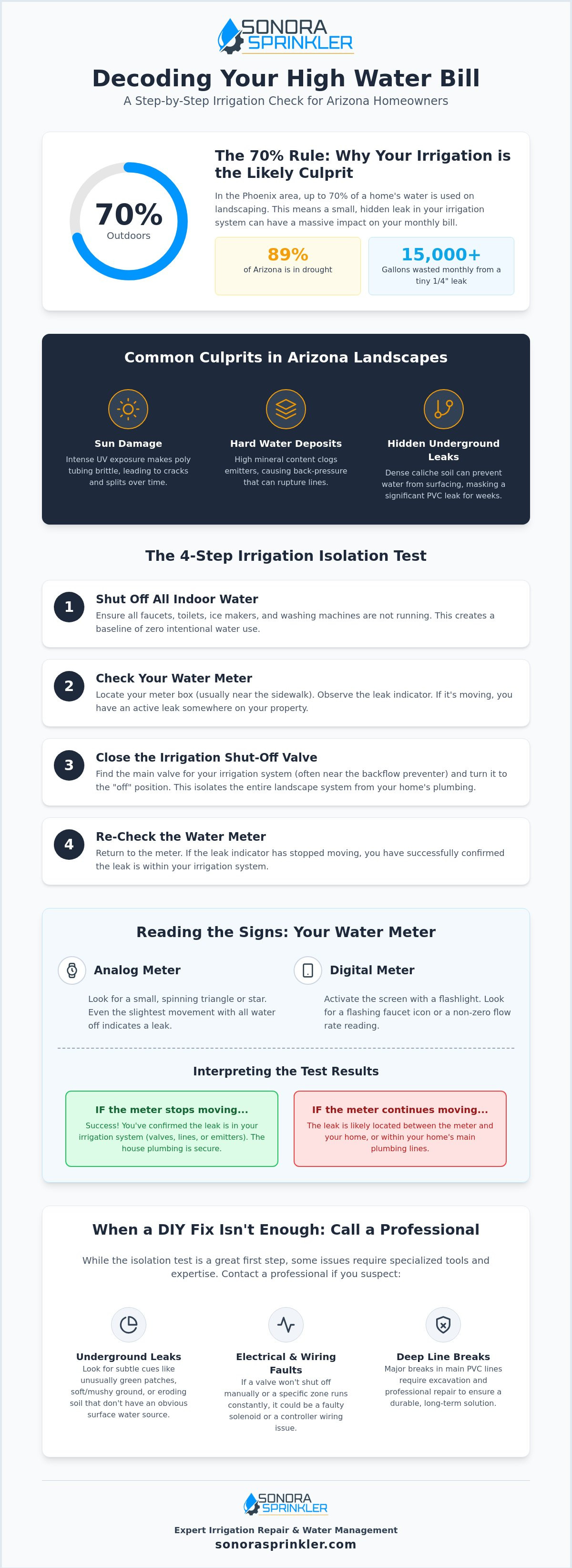
In the Phoenix metropolitan area, up to 70% of residential water consumption occurs outdoors, primarily through automated landscape systems. This high volume means that even a minor mechanical fault has a disproportionate impact on your monthly costs. It's vital to distinguish between a normal seasonal increase, where your timer adjusts for the summer heat, and a true mechanical failure. For perspective, a single 1/4 inch leak in a line under standard pressure can waste more than 15,000 gallons of water in a single month. This scale of waste is why the irrigation system is always the first place we look during a diagnostic visit.
Common Culprits in Surprise and Peoria Landscapes
Our local environment presents unique challenges that lead to silent irrigation failures. Sun-damaged poly tubing is a frequent issue, as intense UV exposure causes the material to become brittle and crack over time. Additionally, the high mineral content in our local water leads to hard water deposits that clog emitters, creating back-pressure that eventually causes line breaks. In many cases, the dense caliche soil common in our region acts as a cap, allowing water from an underground PVC leak to travel horizontally for yards rather than rising to the surface. This makes these issues difficult to spot without a professional high water bill irrigation check. Identifying these specific environmental stressors is the first step in maintaining a durable and efficient drip irrigation system that stands up to the Arizona heat.
Using Your Water Meter to Pinpoint the Leak Source
Locating your water meter is the first physical step in a high water bill irrigation check. In most Arizona communities like Surprise, the meter is housed in a concrete or plastic box near the sidewalk. Once you lift the lid, you will encounter either an analog dial or a modern digital display. Analog meters feature a large sweep hand for measuring gallons and a smaller, often triangular "leak indicator" that spins even during low-volume water loss. Digital meters often require a light source, such as a flashlight or sunlight, to activate the LCD screen, which then displays flow rates and specific alert icons.
Understanding how to read these devices is essential for isolating a leak. If the small dial is spinning or a "faucet" icon is flashing on your digital display while no water is being used, a leak is present. This doesn't immediately tell you where the water is going, but it confirms the waste is active. By using the meter as a diagnostic tool, you can systematically rule out different areas of your property's plumbing.
The Irrigation Isolation Test
To determine if your landscape is the primary culprit behind your rising costs, follow this logical isolation sequence:
-
Step 1: Shut off all indoor fixtures and appliances, including faucets, ice makers, and washing machines.
-
Step 2: Observe the meter; if the indicator continues to move, the leak is downstream of the meter and likely outdoors.
-
Step 3: Locate your irrigation main shut-off valve, typically found near the backflow prevention assembly or inside the main valve box.
-
Step 4: Turn this valve to the "off" position and re-examine the meter.
If the meter stops moving once the irrigation supply is cut, you have successfully isolated the leak to your outdoor system. This confirms that the house plumbing is secure and the waste is occurring within your watering lines or valves.
Interpreting the Meter Results
Interpreting these results requires a bit of patience. A "slow leak" might not cause the sweep hand to move visibly in a few seconds, but it will cause the low-flow indicator to creep over several minutes. On modern digital meters, the low-flow indicator provides a precise real-time reading of even the smallest drip, often represented by a flashing decimal point or a specific "leak" notification on the display screen.
For those looking to deepen their understanding of local water management, the University of Arizona's Water Irrigation Efficiency Program offers excellent resources on maintaining residential standards. If your meter only moves when a specific zone is activated by your controller, the issue is likely a broken lateral line or a failed emitter. If you find the meter continues to spin despite these isolation steps, it may be time to reach out to a specialist to perform a more technical diagnostic of your property's main lines.
Detecting Hidden Leaks in Drip and Sprinkler Systems
Finding a leak in an Arizona landscape is often more about detective work than simply looking for a puddle. Many homeowners assume an underground break will eventually bubble to the surface, but in our desert climate, this is rarely the case. A methodical high water bill irrigation check is necessary to identify the silent waste driving up your utility costs. Because our regional caliche soil is so dense, water from a broken PVC main line often follows the path of least resistance horizontally. It may travel dozens of feet away from the actual break before any moisture appears on the surface, if it appears at all.
Instead of looking for mud, look for "super-plants." These are unusually vibrant patches of grass or overgrown desert shrubs that seem to be thriving significantly better than the rest of your landscape. They're often feeding off a hidden subterranean leak. You can also use the "Hole in the Ground" test by probing suspected areas with a thin metal rod; if the rod slides into the earth with little resistance, you've likely found a saturated pocket of soil. Auditory cues are equally telling. If you stand near your valve box or backflow assembly while the system is off and hear a faint hissing, it often indicates a valve that hasn't fully seated.
Drip System Red Flags
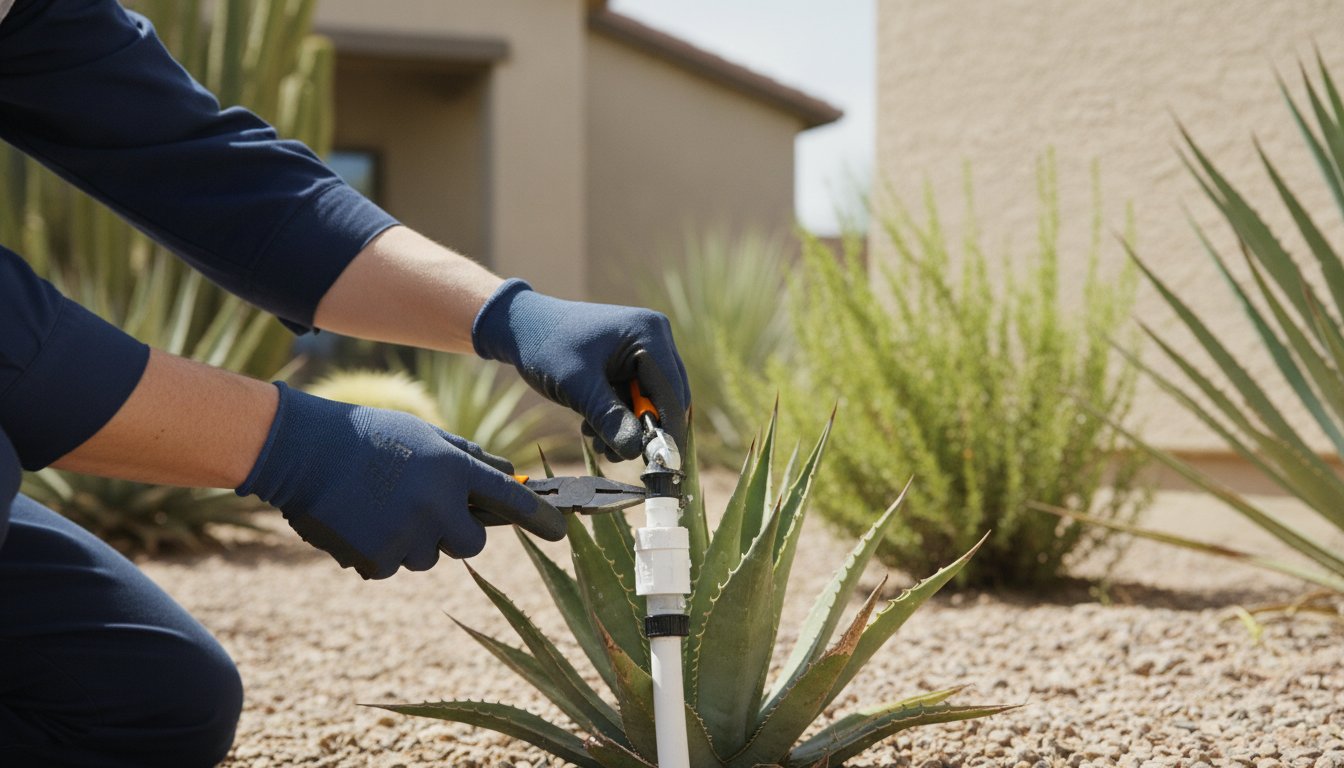
Drip systems are particularly prone to invisible failures that go unnoticed for months. A common issue is an emitter blowout. This occurs when a small 2-gallon-per-hour (GPH) emitter pops off the poly tubing, effectively turning the line into an open-ended pipe that gushes water. Rodent damage is another frequent culprit in Surprise and Peoria. Desert critters often chew through buried lines in search of moisture, leaving behind jagged holes. To find these, try flushing your drip headers by removing the end caps. If the water pressure seems weak at the end of the line, it's a strong sign that a crack or chew mark is bleeding off pressure somewhere upstream.
Sprinkler Head and Valve Failures
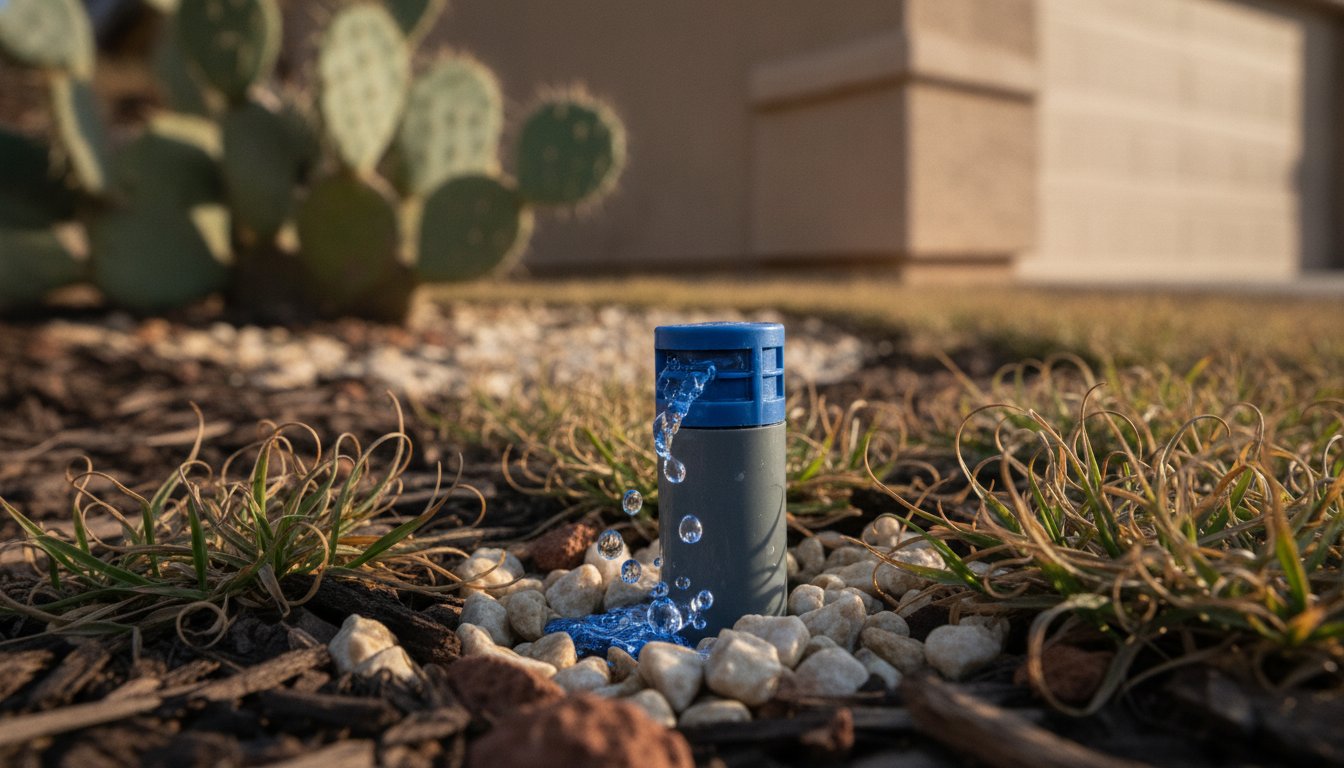
Sprinkler systems present different mechanical challenges. While a "geyser" from a broken head is easy to spot during a test run, "weeping" heads are more subtle. If a head continues to bubble or leak long after the zone has shut off, it usually points to a failed valve seal rather than a broken pipe. A stuck valve is a major bill killer. Even if it stays open only a fraction of an inch, it allows water to flow 24 hours a day. For more technical guidance on resolving these mechanical issues, understanding the operation of valves and backflow is essential for a thorough high water bill irrigation check. Addressing these failures promptly is the only way to ensure the long-term health of your property.
A Step-by-Step Irrigation Audit for Homeowners
Once you've confirmed that your meter is indicating water loss, it's time to move from the sidewalk into the yard for a thorough high water bill irrigation check. This phase of the investigation involves a physical inspection of every mechanical component, from the backflow preventer to the final emitter in each zone. By systematically auditing your property, you can pinpoint the exact failure point that is driving up your monthly expenses. It's a methodical process that requires patience, but it's the most reliable way to stop the waste.
The Zone-by-Zone Walkthrough
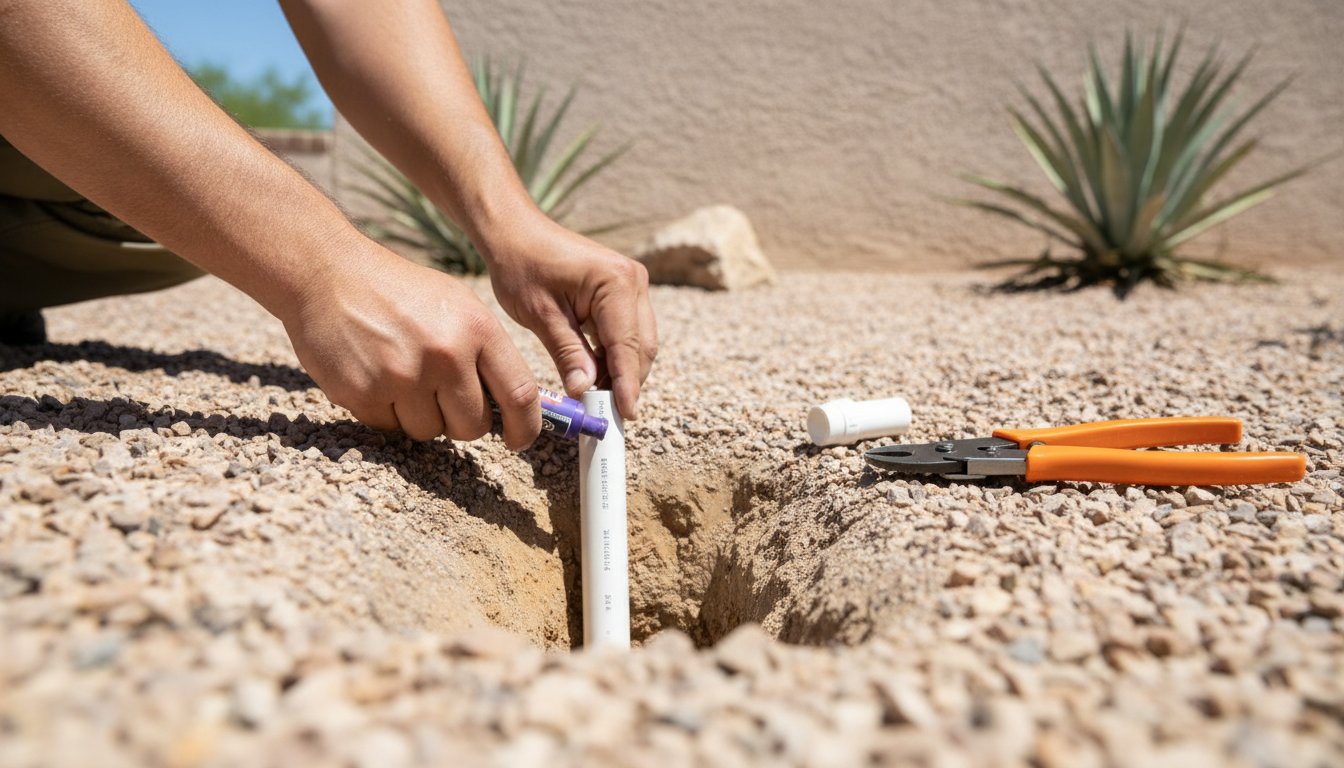
Begin by manually activating your irrigation controller one zone at a time. As each zone runs, walk the entire perimeter of the irrigated area. You aren't just looking for broken heads; you're looking for subtle signs of lateral line failure. Bubbling soil or sunken, spongy areas often indicate a crack in the PVC pipe beneath the surface. Don't forget to inspect your dedicated tree and shrub drip lines, as these are frequently neglected during a casual glance. Look for emitters that have popped off or areas where the soil remains bone-dry despite the system running, which may suggest a blockage or a break further up the line.
While the system is active, check your valve box. It should be dry. Standing water or mud inside the box usually points to a failing valve diaphragm or a loose solenoid connection. Similarly, inspect your backflow preventer. While a small amount of discharge is normal during the start or end of a cycle, a constant drip or a steady stream from the relief valve is a clear sign of internal component wear that requires immediate attention. These mechanical failures are often the primary drivers behind a high water bill irrigation check that reveals significant waste.
The Controller Audit
Sometimes, the leak isn't a physical hole in a pipe but a digital error in your programming. We often find that "hidden" high bills are caused by multiple start times that have been accidentally "stacked," causing the system to run twice as long as intended. Check your "Seasonal Adjust" or "Budget" settings; if these were set to 200% during a heatwave and never dialed back, your water usage has effectively doubled. Additionally, look for "Power Outage" resets. Many older controllers default to a daily watering schedule following a surge or battery failure, which can quickly lead to sticker shock on your next statement.
To ensure your system remains efficient throughout the year, it's helpful to follow a sprinkler system tune up routine. This proactive approach helps you catch controller errors before they impact your finances. If your audit reveals complexities beyond a simple timer adjustment, you can schedule a professional diagnostic to restore your system to its optimal performance standards and ensure your landscape remains healthy and efficient.
Professional Diagnostics: Resolving Complex Water Waste
While a homeowner audit is a critical first step, some irrigation failures remain hidden beneath layers of dense caliche soil or deep within the electrical control system. When your high water bill irrigation check doesn't yield a clear answer, it often means the problem is mechanical or electrical in nature. DIY troubleshooting reaches its limit when you're faced with pressurized main lines or intricate wiring harnesses that require specialized equipment to diagnose. Sonora Sprinkler Inc. utilizes professional diagnostic tools to identify the precise location of subsurface breaks and electrical faults that are invisible to the naked eye.
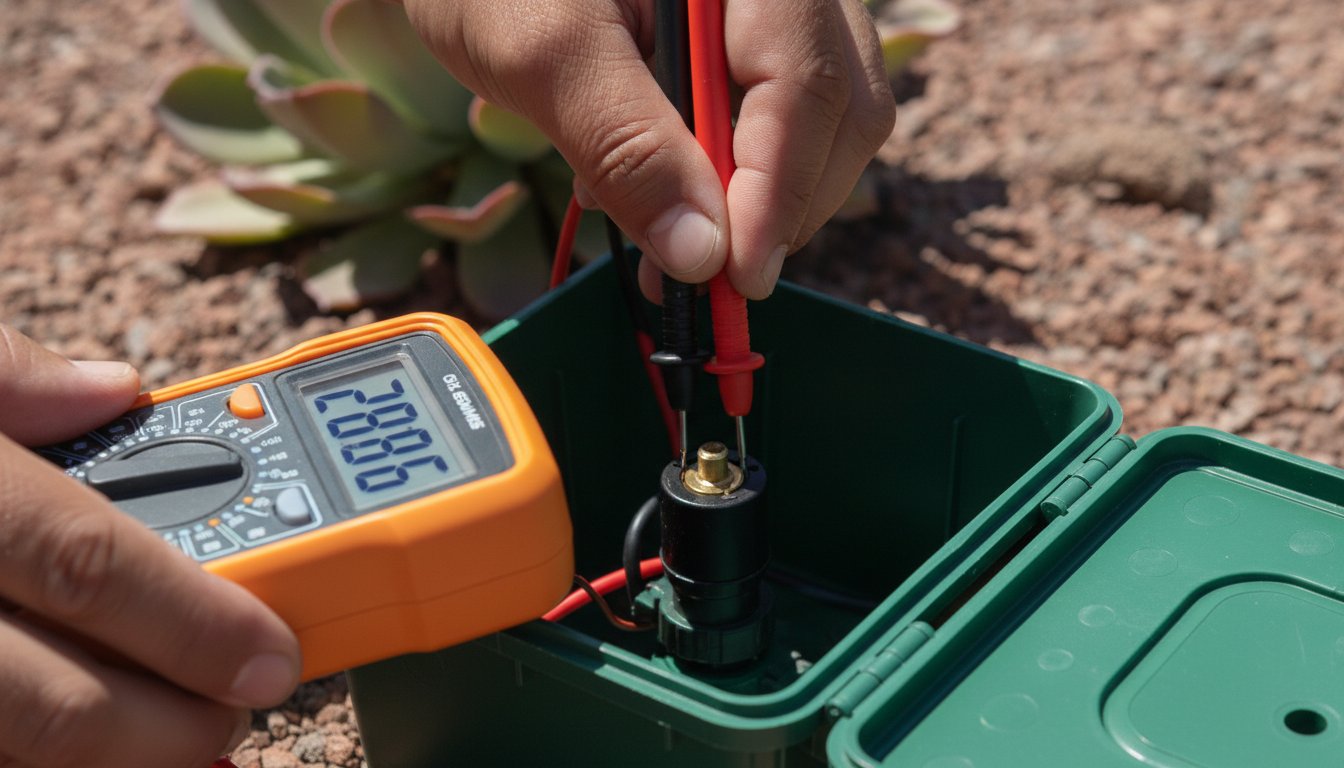
Technical issues, such as a valve that fails to close due to a faulty solenoid or a short in the field wiring, can be particularly difficult to isolate. Professional irrigation wiring diagnostics allow us to identify these silent failures. By measuring electrical resistance and checking continuity, we can determine if a valve is drawing too much current or if a wire has corroded underground. This level of precision prevents unnecessary digging and ensures that the repair addresses the root cause of the water waste.
The Dangers of Unresolved Leaks
Ignoring a slow leak doesn't just impact your wallet; it threatens the structural integrity of your property and the health of your landscape. Constant water saturation near the home's perimeter can lead to significant soil erosion and even foundation damage over time. In our desert environment, the soil is not meant to stay perpetually wet. When a leaking zone causes overwatering, it often leads to root rot, which can kill even the most established desert-adapted trees and shrubs. Future-proofing your property involves replacing brittle, sun-damaged poly tubing with high-durability drip systems that are designed to withstand Arizona's extreme temperature fluctuations and mineral-heavy water.
Scheduling a Professional High-Water-Bill Check
Investing in residential irrigation repair in Surprise, AZ provides the long-term assurance that your system is operating at peak efficiency. During a Sonora Sprinkler Inc. diagnostic visit, you can expect a methodical evaluation of your entire system, from the controller's programming to the furthest emitter. We take the time to explain the necessity of each repair, ensuring you understand how to maintain the efficiency of your landscape. The peace of mind that comes from a certified technician's expertise ensures your water management remains precise and reliable. Contact us today to stop the waste, protect your property, and restore the health of your desert landscape.
Restoring Efficiency to Your Arizona Landscape
Identifying the precise source of an unexpected utility expense requires a disciplined and methodical approach. By utilizing your water meter as a diagnostic tool and performing a thorough zone-by-zone audit, you can effectively isolate the mechanical failures driving up your costs. Whether the culprit is a silent leak in a drip line or a digital error in your controller settings, a high water bill irrigation check provides the clarity needed to take decisive action and regain control over your property's water management.
While many issues are manageable for a homeowner, complex subsurface breaks and electrical wiring faults often require specialized attention to ensure long-term durability. We are a family-owned and operated business serving the community since 1999, and our licensed experts specialize in the unique environmental stressors of the Arizona desert. We prioritize the health of your property through precise, reliable service in Surprise and Peoria. Schedule Your Professional Irrigation Diagnostic Check today to resolve your water waste and protect your investment. With the right expertise, you can maintain a thriving landscape and a sustainable budget.
Frequently Asked Questions
How do I know if my high water bill is from my irrigation or my house?
You can distinguish between indoor and outdoor leaks by using the isolation method at your water meter. First, ensure all indoor fixtures are off and check the meter's leak indicator. If it's moving, shut off the main irrigation valve, which is usually located near your backflow preventer. If the meter stops spinning once the irrigation supply is cut, you've confirmed the waste is occurring in your landscape rather than your home's plumbing.
Can a small leak in a drip line really cause a huge water bill?
A minor crack or a blown-out emitter can waste thousands of gallons of water because these systems often run under high pressure for long durations. A leak as small as 1/4 inch can lose more than 15,000 gallons in a single month. In the desert, where water rates are rising, these small issues quickly compound into significant financial stress and environmental waste if left unaddressed.
Why is my water meter still turning when everything is off?
If your meter continues to turn when all fixtures are off, an active leak exists downstream of the meter. This is often caused by a break in the main PVC line that supplies your irrigation valves. Since this line is constantly pressurized, water escapes 24 hours a day. Performing a high water bill irrigation check will help you determine if the break is before or after your control valves.
Is it possible for a sprinkler valve to leak even if the system is off?
Sprinkler valves can certainly leak while the controller is off if the internal diaphragm is damaged or obstructed by debris. This is known as "weeping." You might notice a single sprinkler head that always seems to have a small puddle around it or is constantly damp. This constant flow, even at a low volume, can significantly increase your monthly bill and cause localized soil saturation.
How often should I check my irrigation system for leaks in Arizona?
Given the intense UV exposure and extreme temperature shifts in Arizona, we recommend a monthly visual inspection of all emitters and a comprehensive quarterly audit. Materials like poly tubing become brittle over time and are prone to cracking. Regular checks allow you to catch these failures early, protecting the long-term health of your property and preventing the shock of an unexpectedly high water bill.
What is the most common cause of high water bills in Surprise, AZ?
In Surprise and Peoria, the most frequent culprit is a silent failure within the drip irrigation system. Because our caliche soil is dense, water from an underground leak often travels horizontally rather than rising to the surface. Homeowners often don't realize there's a problem until they receive a spiked bill. A professional high water bill irrigation check is often the only way to pinpoint these subterranean breaks.
Can a smart irrigation controller help reduce my water bill?
Smart controllers reduce waste by automatically adjusting watering schedules based on real-time weather data and soil moisture levels. They prevent common human errors, such as leaving the system on summer settings during the winter or accidentally stacking start times. Many local utilities, including the City of Surprise, provide rebates for WaterSense-labeled controllers because they are highly effective at reducing outdoor water waste.
Should I replace my entire irrigation system if I have a major leak?
Most leaks can be resolved with targeted repairs to specific valves or PVC sections. However, if your system is over 15 years old and the poly tubing is failing in multiple locations, a full upgrade may be the most reliable solution. Replacing an aging system with a modern, custom-designed layout often pays for itself through improved efficiency, lower utility costs, and reduced maintenance needs over the long term.