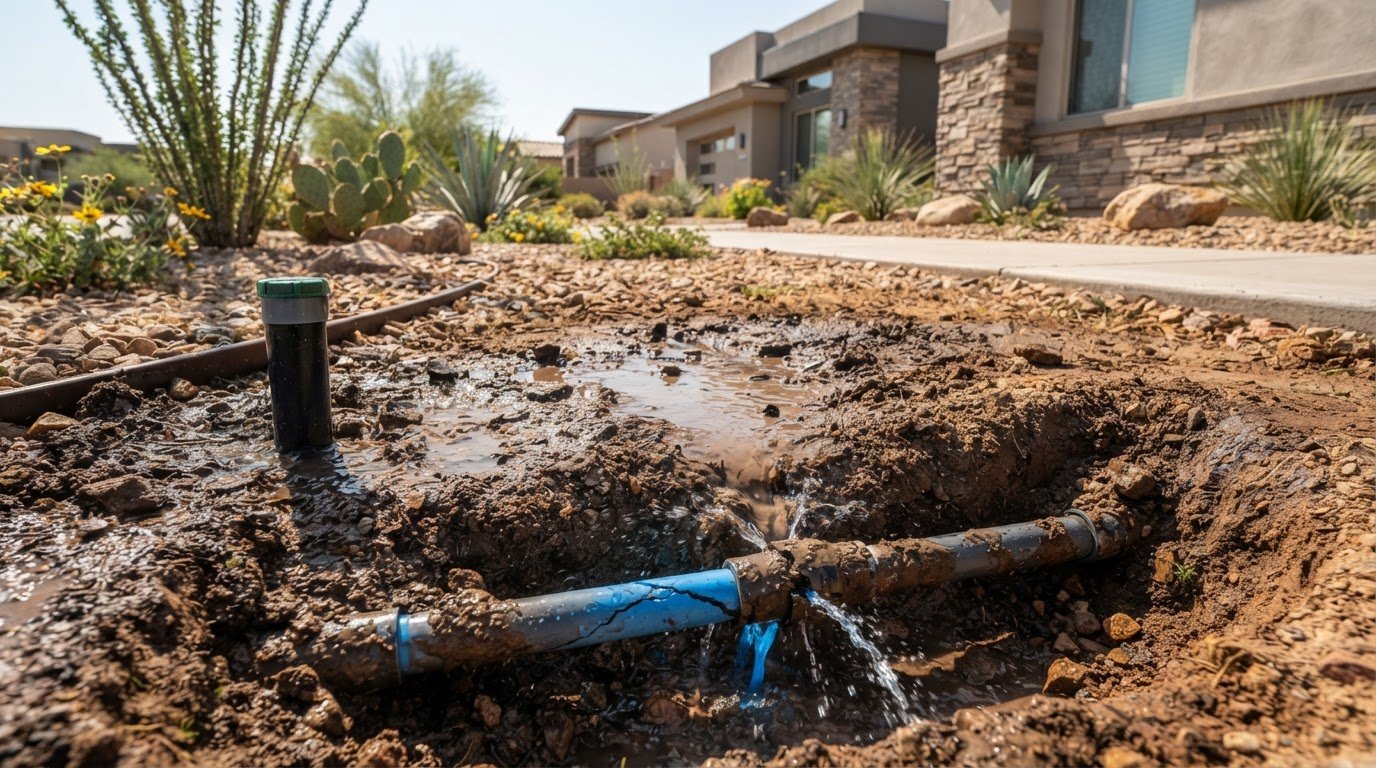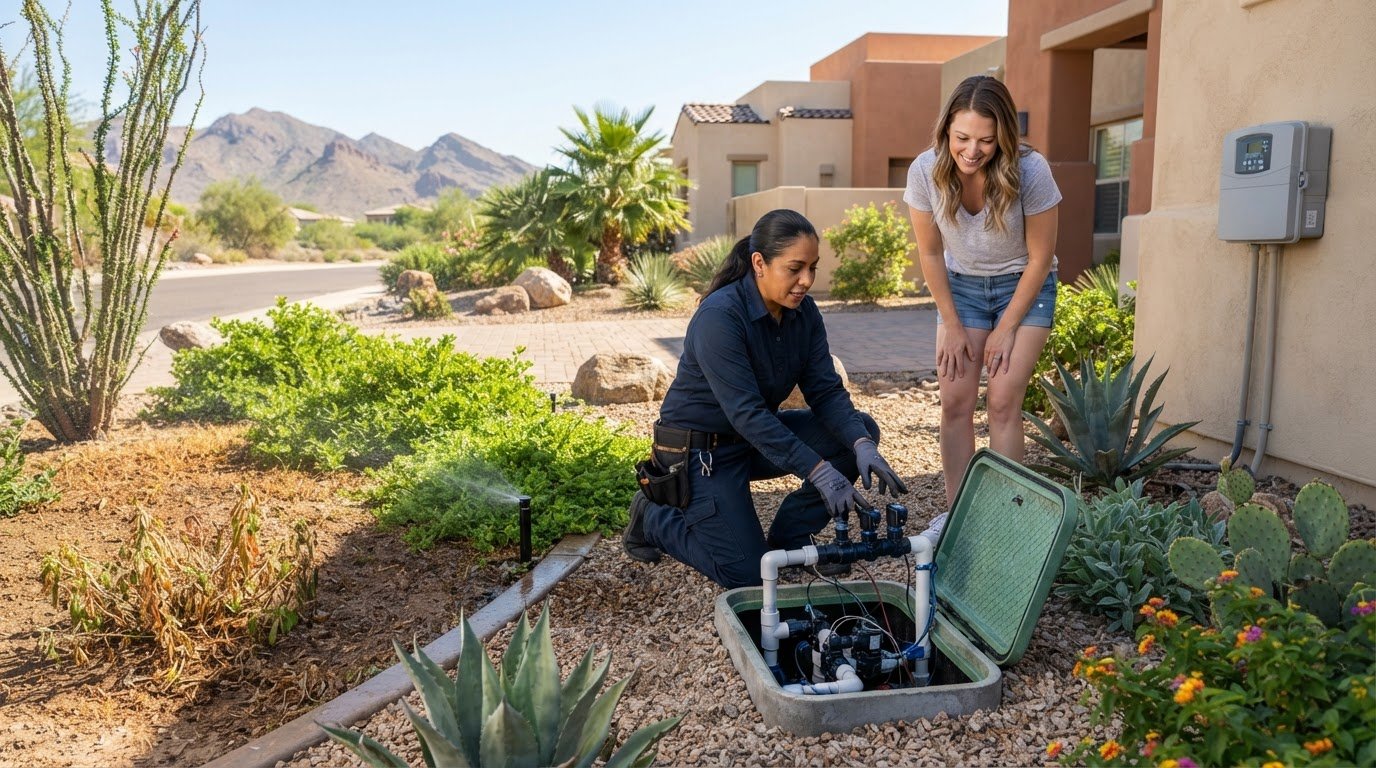
Imagine waking up to a saturated lawn and a skyrocketing utility bill, even though your controller insists the system is off. It's a common frustration for homeowners in Surprise, where the culprit isn't always a broken pipe but a silent failure in the electrical circuit. You've likely spent hours toggling the timer or poking around the valve box, only to find that the problem persists. We understand how exhausting it is to waste time on DIY guesswork or worry that an unlicensed generalist might make a technical issue even worse.
The reality is that desert heat and shifting soil create unique stressors for underground copper. Specialized irrigation wiring repair Surprise AZ homeowners can rely on requires more than just a wire nut and a prayer; it demands a methodical diagnostic approach. In this article, we'll explain how to identify complex electrical faults that cause stuck valves and wasted water. You'll learn how precision repairs target the specific point of failure, ensuring your residential system remains functional and efficient for the long haul. We'll walk through the technical indicators of wire degradation and show you how a professional diagnosis protects your property from the risks of trial and error maintenance.
Key Takeaways
- Identify the specific warning signs of electrical failure, including "Fault" or "Error" messages on your controller and zones that fail to trigger despite being programmed correctly.
- Understand the unique environmental factors necessitating irrigation wiring repair Surprise AZ homeowners encounter, such as insulation degradation from extreme heat and damage caused by local desert rodents.
- Learn why professional diagnostic tools like multimeters and "chatter" testing provide the precision needed to resolve complex faults that a simple visual inspection might miss.
- Gain insight into the methodical testing of controller terminals and solenoid resistance that ensures every repair targets the root cause of the issue rather than just the symptoms.
- Discover how utilizing high-quality waterproof connectors and multi-strand direct-burial wiring protects the long-term health and water efficiency of your residential irrigation system.
Common Signs You Need Irrigation Wiring Repair in Surprise, AZ
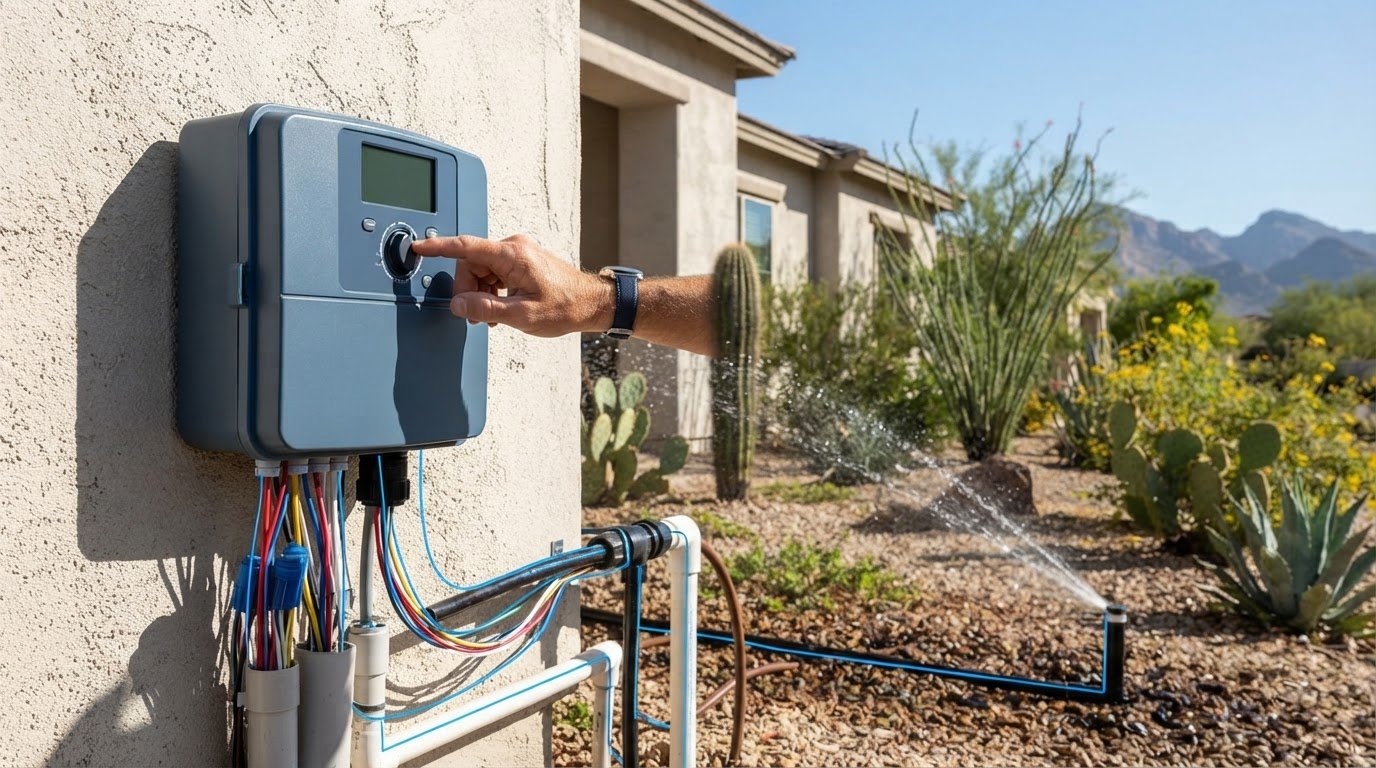
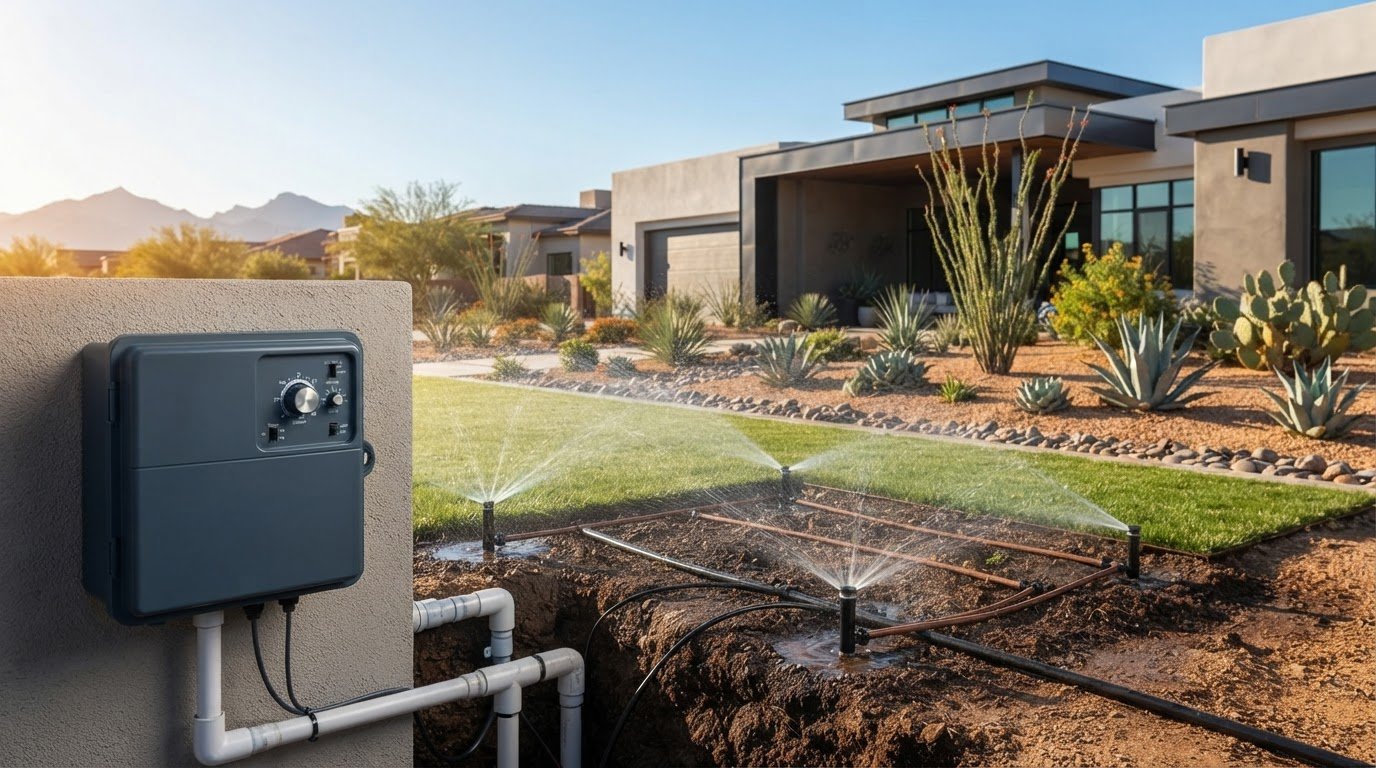
Identifying a failing irrigation system often starts at the controller. If you notice a single zone refusing to pop up while the rest of your yard receives water, you aren't necessarily looking at a broken pipe. Often, the issue is electrical. Modern timers are designed to detect these disruptions. If your screen displays "Fault" or "Error" next to a specific zone number, it indicates an electrical short or an open circuit. Understanding How Irrigation Controllers Work is vital because the unit is essentially a small computer sending low-voltage signals to the valves. When that signal is interrupted by a frayed wire or a corroded connection, the system protects itself by shutting down that specific circuit.
Beyond digital errors, physical signs can be more alarming. A faint smell of burning plastic or the sight of scorched, blackened insulation near the manifold indicates a serious electrical surge or a short. Sometimes, a zone might stay on indefinitely even after the timer stops. While this can be a mechanical valve issue, it's frequently caused by a solenoid that's "welded" itself into the open position due to an electrical malfunction. In the harsh environment of the West Valley, these symptoms require immediate attention to prevent further damage to the controller's internal components.
To better understand how these connections are secured against the elements, watch this helpful video:
Controller Errors vs. Field Wiring Issues
Determining whether the fault lies in your garage or out in the yard is the first step in irrigation wiring repair Surprise AZ homeowners need. A failing transformer inside the controller usually results in a completely blank screen or a system that resets every time a zone tries to start. Conversely, field wiring issues often involve the "common wire." This single wire connects every valve back to the timer. If it breaks, the entire system will fail to activate, even if the controller looks healthy. We also see "ghost" activations, where a zone turns on at the wrong time, which typically suggests a short circuit where two wires have melted together underground.
The "Stuck Zone" Mystery
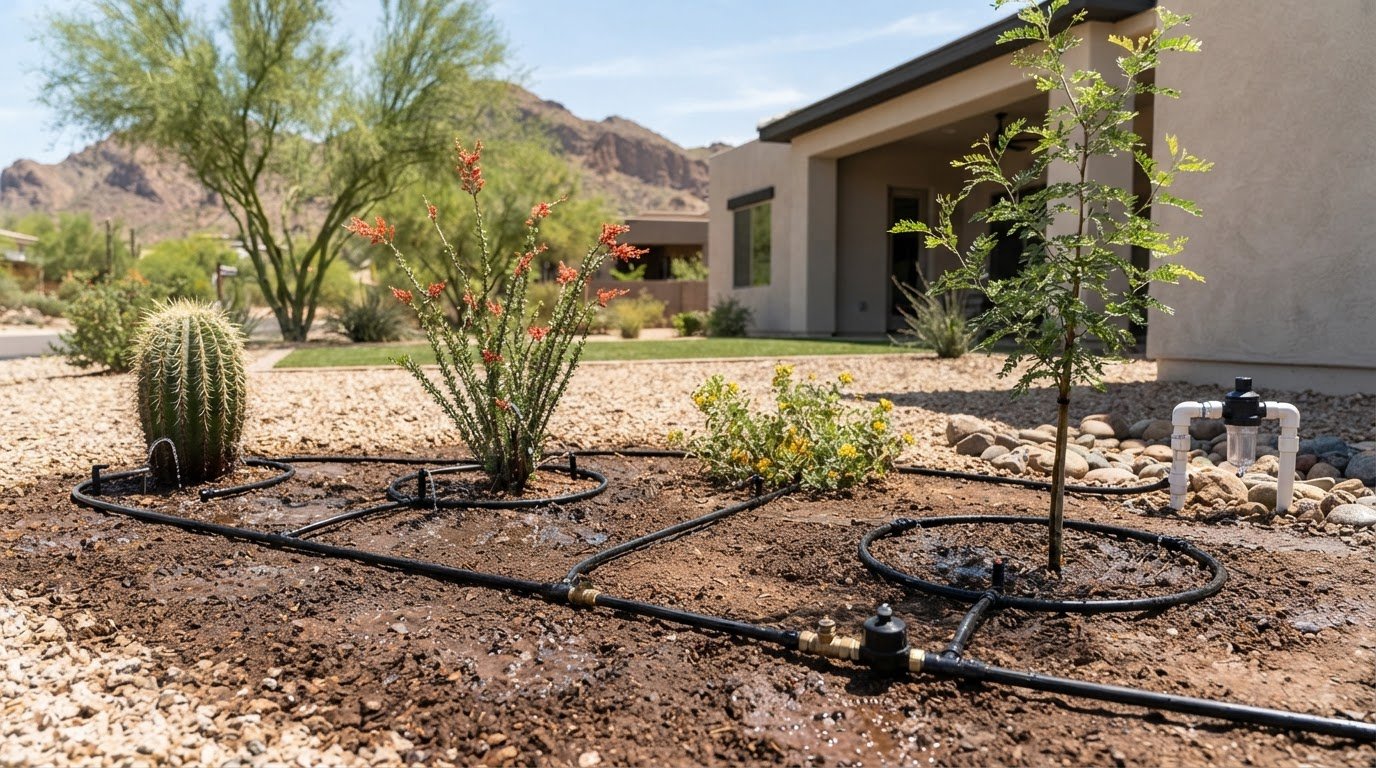
A zone that won't turn off is a classic mystery for many residents. Most people assume the valve is physically clogged with debris. However, an electrical solenoid short can mimic this behavior perfectly. In Surprise, our soil undergoes significant expansion and contraction between the dry season and the monsoons. This movement puts immense pressure on underground splices. If a splice wasn't properly waterproofed, moisture enters, causing resistance to spike. This electrical resistance can prevent a solenoid from seating correctly, leaving your water running and your bills climbing. Professional irrigation wiring and diagnostics can pinpoint exactly where these underground failures occur without digging up your entire landscape.
Why Desert Irrigation Wiring Fails: Heat, Rodents, and Age
In the Arizona desert, the ground isn't just soil; it's a high-temperature environment that constantly tests the limits of electrical components. While many homeowners assume their PVC pipes are the weak link, the electrical infrastructure often fails first. For those seeking irrigation wiring repair Surprise AZ residents frequently find that the combination of blistering summers and local wildlife creates a perfect storm for system failure. Understanding these environmental stressors is the first step toward building a more resilient landscape.
The Impact of Arizona Extreme Heat
Surprise summer temperatures regularly exceed 110 degrees, causing the upper layers of soil to bake. This intense heat penetrates the ground, especially when wires are buried shallowly. Over time, the plastic insulation on direct-burial wires becomes brittle and cracks. Once the copper core is exposed, the system's electrical resistance changes, leading to the controller errors mentioned in the previous section. At the valve box, UV exposure is even more aggressive. Entry points where wires transition from the soil into the box are often the first places to crumble, leaving the internal copper vulnerable to the heavy moisture of monsoon season.
Local Wildlife and Wiring Damage
Desert rodents like pack rats and ground squirrels view your valve box as a primary residence. It provides shade, relative moisture, and protection from predators. These animals have a biological need to gnaw on hard surfaces to manage their teeth, and the colorful insulation of your irrigation wires is a frequent target. You can identify this specific damage by the distinctive, jagged chew marks left on the wire strands. Beyond the immediate break, rodent activity often introduces debris into the valve box, which traps moisture and accelerates the corrosion of any exposed metal connections.
Systems installed in the late 1990s or early 2000s, which are common in established neighborhoods across Peoria and Surprise, are now reaching a critical age. "Wire rot" is a localized term we use for the systemic failure of copper conductivity due to decades of moisture exposure. This process accelerates rapidly when splices weren't properly waterproofed with specialized connectors during the original installation. Following a professional diagnostic and maintenance schedule helps identify these creeping failures before they result in a total system blackout. If you suspect your system is suffering from age or environmental damage, it's wise to reach out for a professional assessment before the next peak watering season arrives.
Professional Diagnostics vs. DIY Guesswork
Many homeowners assume they can fix a non-responsive zone by simply looking for a loose wire or a broken connection. While a broken pipe reveals itself through a muddy patch or a geyser, a broken wire remains hidden beneath the surface, offering no visual clues. You can't see electricity. Relying on a simple visual inspection often leads to frustration and wasted weekends. Professional irrigation wiring repair Surprise AZ requires technical precision and tools that go beyond the standard homeowner's toolkit. For a deeper dive into these technical steps, our guide on Irrigation Wiring Diagnostics details how we isolate faults in complex desert systems.
One of the most effective techniques we use is "chatter" testing. This involves sending a specific electrical signal to the solenoid that causes it to vibrate audibly. If we can't hear that chatter, we know the electrical path is broken. Without this test, many people start digging "exploratory holes" in their yard. This is a risky strategy in Surprise, where underground utilities and delicate drip lines are often packed closely together. Digging blindly frequently results in accidental pipe damage, turning a simple wiring fix into a major plumbing overhaul.
Specialized Tools of the Trade
We utilize advanced wire tracers and "toners" to find underground breaks without trenching your entire yard. These devices follow the path of the wire from the controller, emitting a signal that stops exactly where the break occurs. We also use a station master, which is a portable device that allows us to bypass your controller entirely. This helps us determine if the fault is in the timer's circuitry or the field wiring. By checking the Ohms, or electrical resistance, of a solenoid, we can identify a failing component before it completely burns out, saving you from a total system failure during a heatwave.
Why Guesswork Costs More
Guesswork is expensive. We've seen many residents replace a perfectly functional $200 controller because they assumed the "Error" message meant the unit was broken, when the real culprit was a $2 wire splice. There's also a significant risk that an unresolved electrical short will send a surge back to the controller, damaging the entire system board. Continuity is the presence of a complete and uninterrupted path for electrical current to flow through an irrigation circuit. If you don't have continuity, your system won't run. Taking a methodical approach ensures we replace only what's broken, protecting your investment and your landscape's health.
What to Expect During an Irrigation Wiring Diagnostic
A professional diagnostic visit follows a logical progression designed to eliminate variables and isolate the exact point of failure. We don't start by digging. Instead, we begin at the source of the electrical signal. Our process ensures that no component is replaced unnecessarily, protecting both your budget and the long-term health of your system. This methodical approach is the standard for high-quality irrigation wiring repair Surprise AZ residents expect from a specialized service provider.
The diagnostic process involves four primary steps:
- Step 1: Systematic testing of the controller terminals. We use a multimeter to verify the output voltage at the timer. This confirms whether the controller is actually sending the required 24-volt signal to the field.
- Step 2: Checking the solenoid at the valve box. We measure the electrical resistance of the solenoid. A reading outside the standard range, typically 20 to 60 ohms, indicates a failing or shorted component that needs replacement.
- Step 3: Utilizing a wire tracker. If the controller and solenoid are healthy, we use a specialized tracker to map the path of the underground lines. This allows us to follow the signal through your yard without disturbing the landscape.
- Step 4: Pinpointing the fault. By following the signal, we can identify the exact location of a short or an open circuit, allowing for a surgical repair rather than a full-scale trenching project.
The Valve Box Inspection
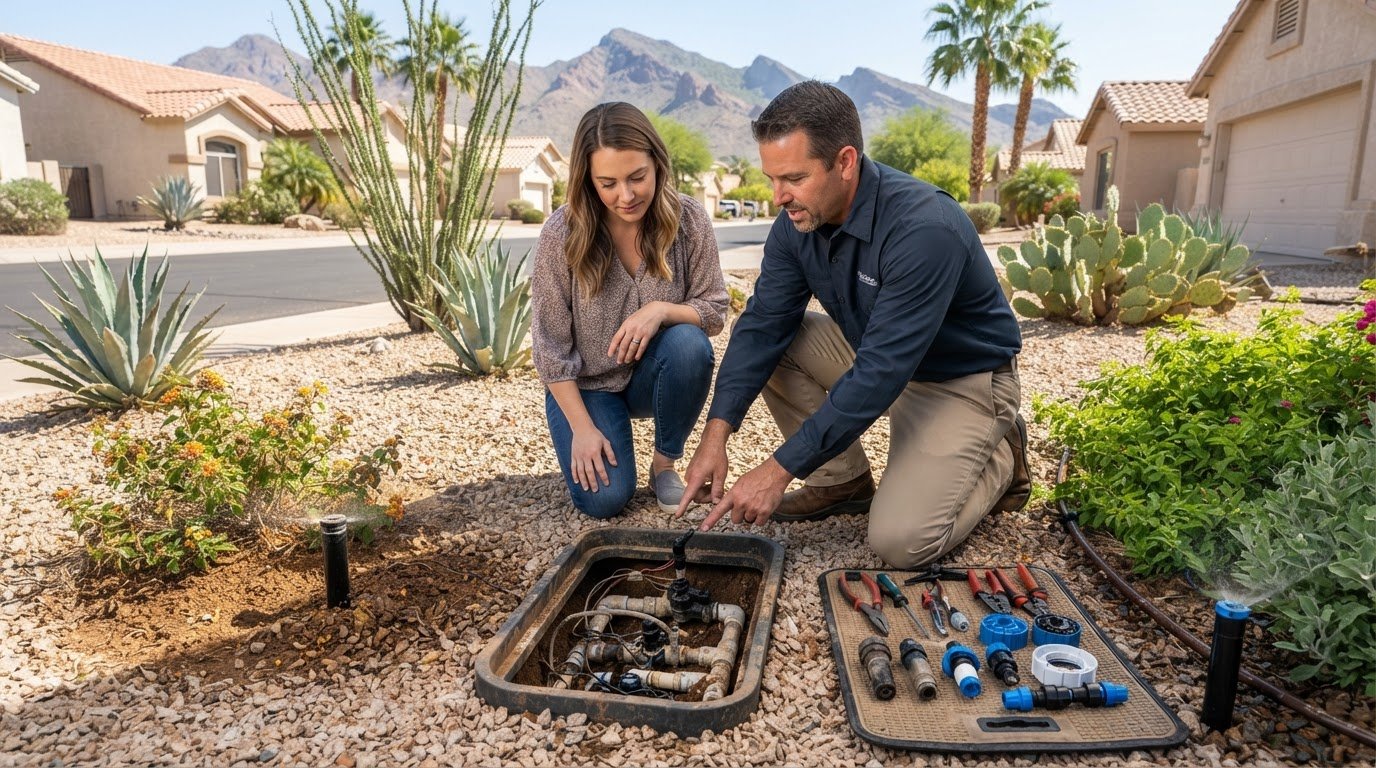
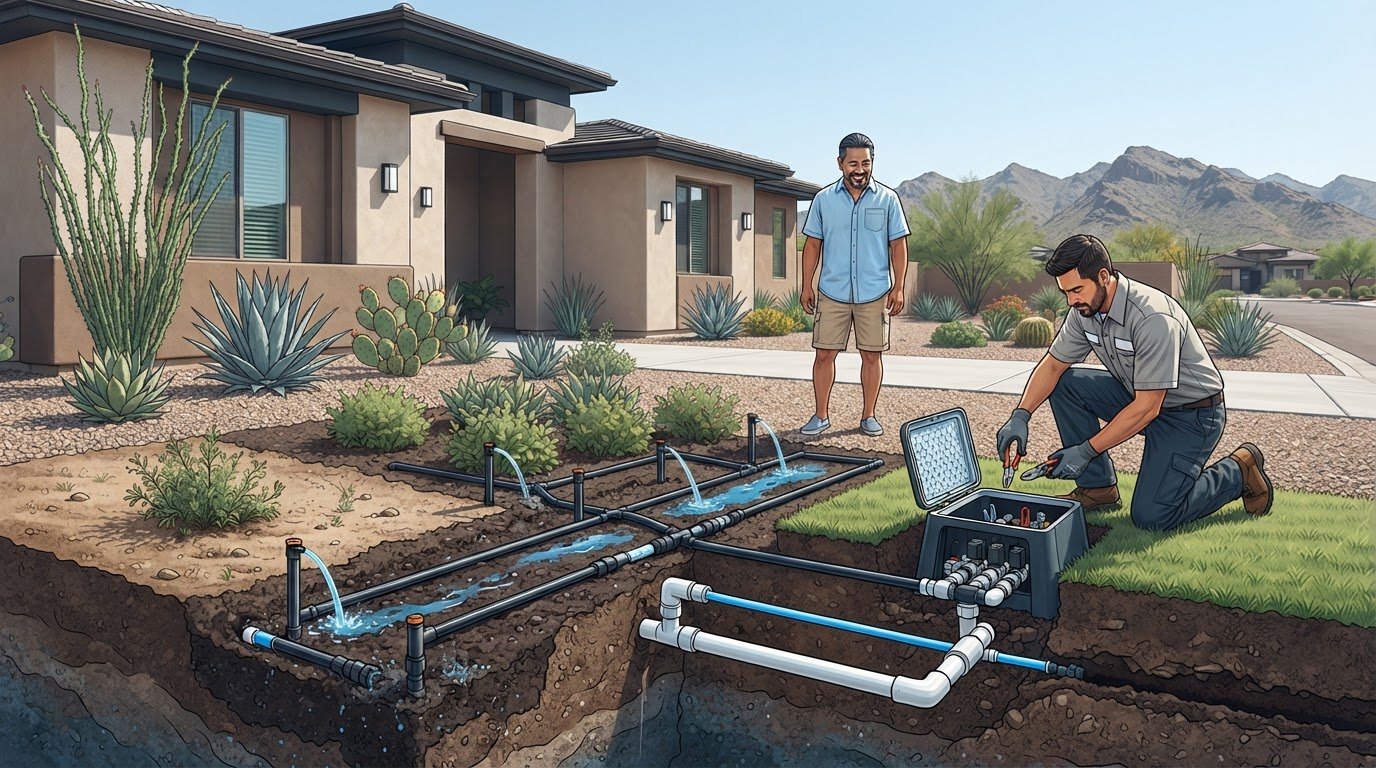
Many electrical failures occur within the valve box itself. We begin by cleaning out accumulated desert soil and debris to access the wiring manifold. This provides a clear view of the splices and allows us to test them for waterproof integrity and corrosion. If a connector wasn't properly sealed during the original installation, moisture from the soil or irrigation cycles will eventually cause a fault. For more information on the mechanical components housed within these boxes, you can view our specialized services for Valves and Backflow.
Tracing the Common Wire
The common wire is the backbone of your residential irrigation system. It's the single wire that connects every valve back to the controller. Because it's shared, a single break in this line can cause every zone in your yard to stop working simultaneously. In older Surprise landscapes, we often find "daisy-chained" wiring where multiple valves are linked together in a series. This setup makes troubleshooting difficult for generalists, but our systematic approach identifies these specific points of failure. We also test for grounding issues, which frequently cause the intermittent failures that frustrate homeowners during the monsoon season. If your system isn't responding as it should, schedule a professional diagnostic visit to find the root cause.
Precision Wiring Solutions from Sonora Sprinkler
Once the diagnostic phase is complete, the focus shifts to implementing durable solutions that restore the integrity of your system. We provide the irrigation wiring repair Surprise AZ homeowners need to ensure their landscapes remain healthy and efficient. Our repair protocol involves more than just twisting wires together; we utilize professional re-wiring techniques that address the root cause of electrical instability. This includes the use of DBY or DBR waterproof connectors, which are specifically designed for direct burial applications where moisture and soil contact are inevitable.
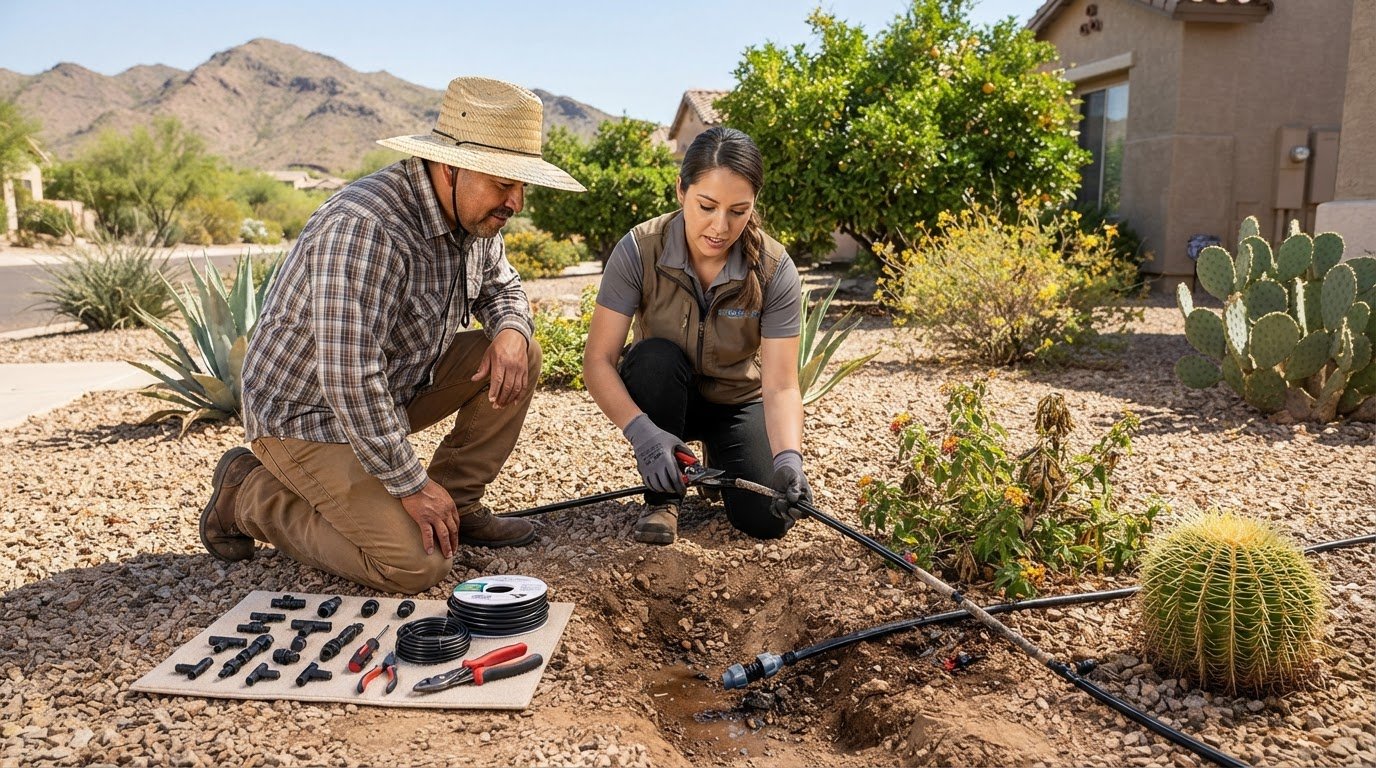
For systems with extensive damage from age or rodents, we install new multi-strand direct burial wire. This high-grade cabling is manufactured with a thick outer jacket that offers superior protection against the environmental stressors discussed earlier in this guide. Our team also performs comprehensive solenoid replacement and valve manifold electrical cleanup. By removing old, corroded splices and organizing the wiring harness into a manageable, color-coded layout, we eliminate the clutter that often leads to accidental shorts. These detailed steps are fundamental to our Irrigation Repairs and Maintenance services.
Long-Term Reliability for Desert Systems
Arizona soil is rich in minerals that can accelerate the corrosion of electrical connections if they aren't perfectly sealed against the elements. We use high-grade, silicone-filled connectors to create a permanent barrier against these corrosive elements and seasonal moisture. Beyond the splices, we ensure all wiring is neatly tucked and protected within a sturdy, debris-free valve box. This organized approach prevents physical strain on the connections and significantly discourages rodents from nesting in the manifold. For those looking to modernize their entire setup for better water management, we also offer Residential Sprinkler System Upgrades that integrate the latest in water-saving technology.
Your Local Surprise Irrigation Experts
Sonora Sprinkler is a family-owned and operated business that has served the West Valley since 1999. We understand the specific nuances of Surprise neighborhoods and the unique challenges posed by our local climate. By focusing exclusively on residential irrigation, we've honed a level of expertise that general landscaping companies simply cannot match. We don't just fix a wire; we restore the reliability of your home's most vital outdoor system. If your landscape is suffering from electrical failures, Contact Sonora Sprinkler today to schedule a diagnostic appointment with a seasoned specialist.
Protect Your Landscape with Precision Electrical Care
Maintaining a healthy residential landscape in the Arizona desert requires more than just water; it necessitates a reliable electrical infrastructure. We've explored how extreme heat and local wildlife compromise your system, and why a methodical diagnostic approach is superior to exploratory digging. By choosing a professional irrigation wiring repair Surprise AZ specialist, you ensure that every fault is addressed with precision, preventing unnecessary controller replacements and reducing water waste.
Sonora Sprinkler has been family-owned and operated since 1999, focusing exclusively on the unique needs of residential irrigation systems. Our team utilizes specialized wire tracing technology to locate underground breaks without disturbing your property's aesthetic. We take pride in our boots-on-the-ground expertise and our commitment to the long-term durability of your home’s outdoor systems. Don't let a hidden electrical short lead to a dead lawn or an inflated water bill. Schedule Your Professional Wiring Diagnostic in Surprise and gain the peace of mind that comes from grounded, expert service. We're here to help you keep your desert oasis thriving for years to come.
Frequently Asked Questions
How do I know if my irrigation issue is the wiring or the valve?
Testing the solenoid with a multimeter is the most reliable way to differentiate between the two. A mechanical valve failure usually involves physical leaks or debris, whereas wiring issues show up as "Error" codes on the timer or complete zone failure. Professionals check the electrical resistance; a reading between 20 and 60 ohms suggests the wiring is likely healthy, while zero or infinite resistance confirms an electrical fault.
Can I repair irrigation wiring myself?
While minor repairs are possible, diagnosing underground faults usually requires specialized equipment that most homeowners don't own. It's difficult to find the exact location of a break without a professional wire tracker. Incorrect splices can lead to corrosion or shorts that eventually damage the controller. Professional irrigation wiring repair Surprise AZ specialists use waterproof connectors and systematic testing to ensure the repair lasts in our harsh desert soil.
What causes a sprinkler zone to not turn on?
Common causes include a faulty solenoid, a broken field wire, or a failed controller port. In Surprise and Peoria, we often see damage from desert rodents chewing through insulation or extreme heat causing wire rot. If the common wire is disconnected, multiple zones will fail simultaneously. A systematic diagnostic process isolates whether the signal is leaving the timer and reaching the valve manifold as intended.
How much does it cost to find a broken wire underground?
The cost depends on the complexity of your system and the time required for tracing the electrical path. Professional diagnostics involve using high-tech toners and tracers to map the circuit without trenching your entire yard. Investing in a professional diagnostic visit prevents the much higher cost of exploratory digging. Blind digging can accidentally damage existing PVC pipes or other utility lines, leading to expensive secondary repairs.
Why is my sprinkler controller showing an "OFF" or "ERR" message?
These messages typically indicate an electrical short or a disconnected circuit within the system. Modern controllers have built-in circuit breakers to protect their internal boards from damage. When the unit detects a surge or a lack of resistance, it shuts down the specific zone and displays an error code. This is a clear indicator that you need a professional diagnostic to locate the short in the field wiring.
Do I need to dig up my whole lawn to find a wiring break?
No, specialized wire tracing technology allows us to pinpoint breaks with surgical precision. We use equipment that follows the electrical signal through the ground, identifying the exact spot where the path is interrupted. This boots-on-the-ground expertise means we only dig a small hole at the specific point of failure. This preserves your landscaping and saves significant time compared to traditional, destructive trenching methods used by generalists.
Will a bad solenoid ruin my sprinkler timer?
Yes, a shorted solenoid can send an electrical surge back to the controller. This surge can fry the individual station port or even the entire motherboard of the timer. Using a multimeter to check for proper resistance helps catch these issues before they become expensive hardware failures. Ensuring your system has functional, high-quality solenoids is a key part of long-term residential irrigation maintenance and system protection.
How long does irrigation wiring typically last in Arizona?
Irrigation wiring in the Surprise area generally lasts between 15 and 25 years. Lifespan depends heavily on the quality of the initial installation and the depth of the burial. Shallow wires are more susceptible to extreme desert heat and UV degradation over time. Systems installed near the turn of the century are currently reaching the end of their reliable life and often require professional upgrades to maintain water efficiency.