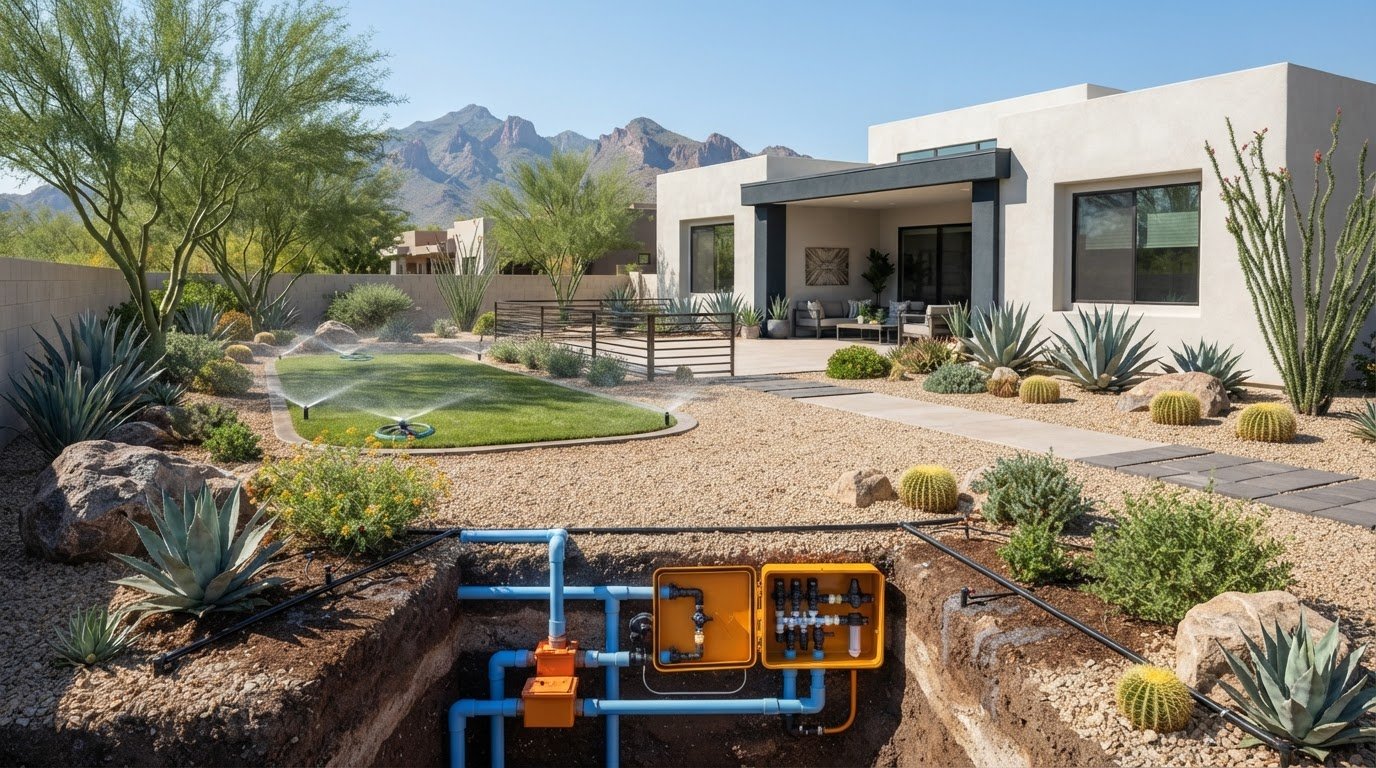
An irrigation system efficiency upgrade doesn’t always mean replacing the system. In Arizona’s desert conditions, a leak, a misdirected sprinkler head, or a watering schedule that doesn’t suit the plants can waste water or leave parts of the yard too dry. The first step is to find out where the problem occurs and whether it calls for a repair or a broader change.
This guide explains how to spot inefficient watering, observe your system safely, and compare practical upgrade options. It also covers how repairs, drip irrigation, sprinkler upgrades, and custom design address different needs around a residential property.
With clear observations about where water is going and how each zone performs, you can make a more informed decision. Sonora Sprinkler provides residential irrigation repair, installation, and custom system design in Surprise, Peoria, and surrounding communities.
Key Takeaways
- Dry patches, runoff, pooling, and overspray can have different causes. Look for repeatable patterns before choosing a fix.
- Watch a watering cycle and note which zones show problems. Leave wiring, valves, and repairs involving pressurized parts to professional diagnosis.
- The right irrigation system efficiency upgrade depends on the issue. A targeted sprinkler repair, drip irrigation, or custom system design may suit different conditions.
- Address active leaks and obvious coverage problems before considering broader upgrades.
- Sonora Sprinkler helps homeowners in Surprise, Peoria, and surrounding communities with residential irrigation repair, upgrades, drip irrigation, and system design.
Why an Irrigation System Efficiency Upgrade Starts with Finding the Waste
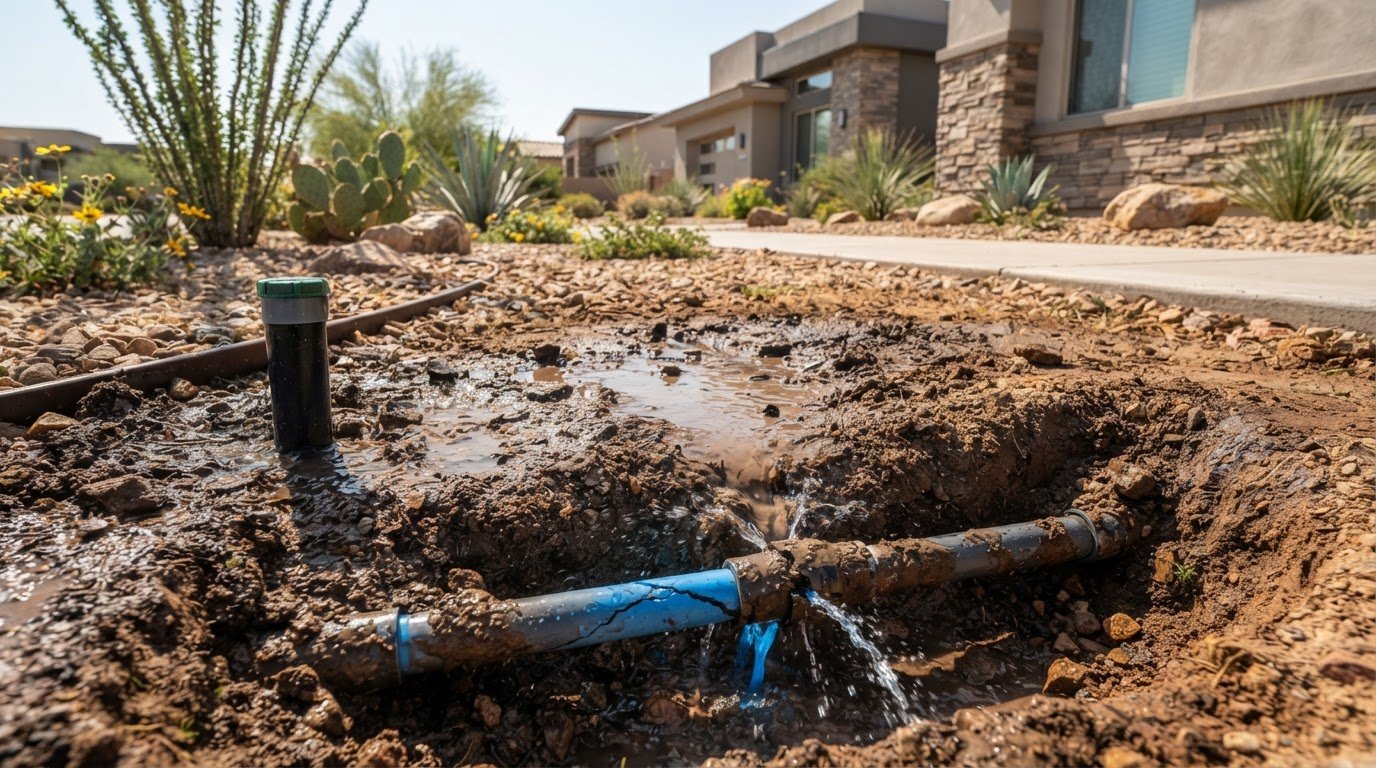
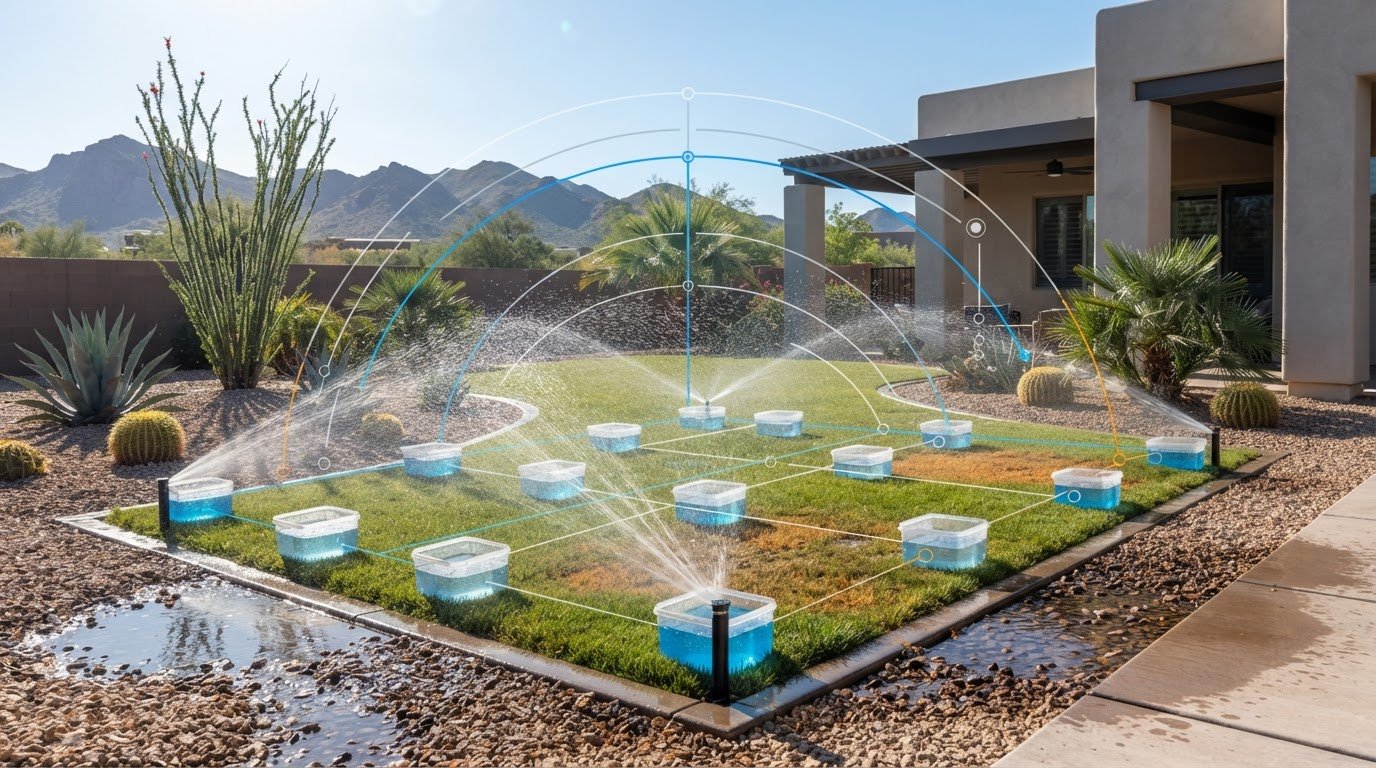
Dry patches beside soggy soil, water running onto a walkway, spray drifting past a planting bed, or a persistently wet area near a valve can all signal that watering isn’t working as intended. But the clues don’t all point to the same fix. A dry patch might indicate poor coverage, while pooling could result from excess watering, a leak, or water running downhill faster than the soil can absorb it.
In Surprise and Peoria, sun and wind exposure can affect how water reaches different parts of a yard. A sunny strip beside a wall may dry faster than a shaded bed, and wind can disrupt spray in exposed areas. Desert landscapes can also include plants with different watering needs, so one schedule or adjustment may not suit every zone.
Irrigation efficiency means delivering an appropriate amount of water to the parts of the landscape that need it, while avoiding unnecessary loss through overspray, runoff, or leaks. An irrigation system efficiency upgrade may involve one zone or component rather than replacing the whole system. Identifying the pattern first helps distinguish a repair from a change to coverage, controls, or irrigation method.
What inefficient watering looks like around an Arizona home
Look for spray landing on pavement, water flowing away before it can soak in, or plants in the same zone showing noticeably different moisture. One unusual cycle may follow a recent adjustment or a change in conditions. A problem that returns in the same place across multiple cycles is a stronger reason to investigate the system or watering plan.
Observe a normal cycle from a safe distance. Note which zones run, whether sprinkler heads cover their intended areas, and where water collects or escapes. You can record what you see without digging, removing components, or opening equipment. Noting the affected zone and location provides a more useful starting point than a general impression that the yard looks too wet or too dry.
Why the same symptom can have different causes
Similar symptoms can result from different mechanical issues. A leak may leave one area persistently wet, while a blocked component or poor coverage can leave nearby plants dry. Pressure problems can also affect how heads distribute water. Don’t treat a visible symptom as proof that a particular part needs replacement. Diagnosis should account for how the system is working as a whole.
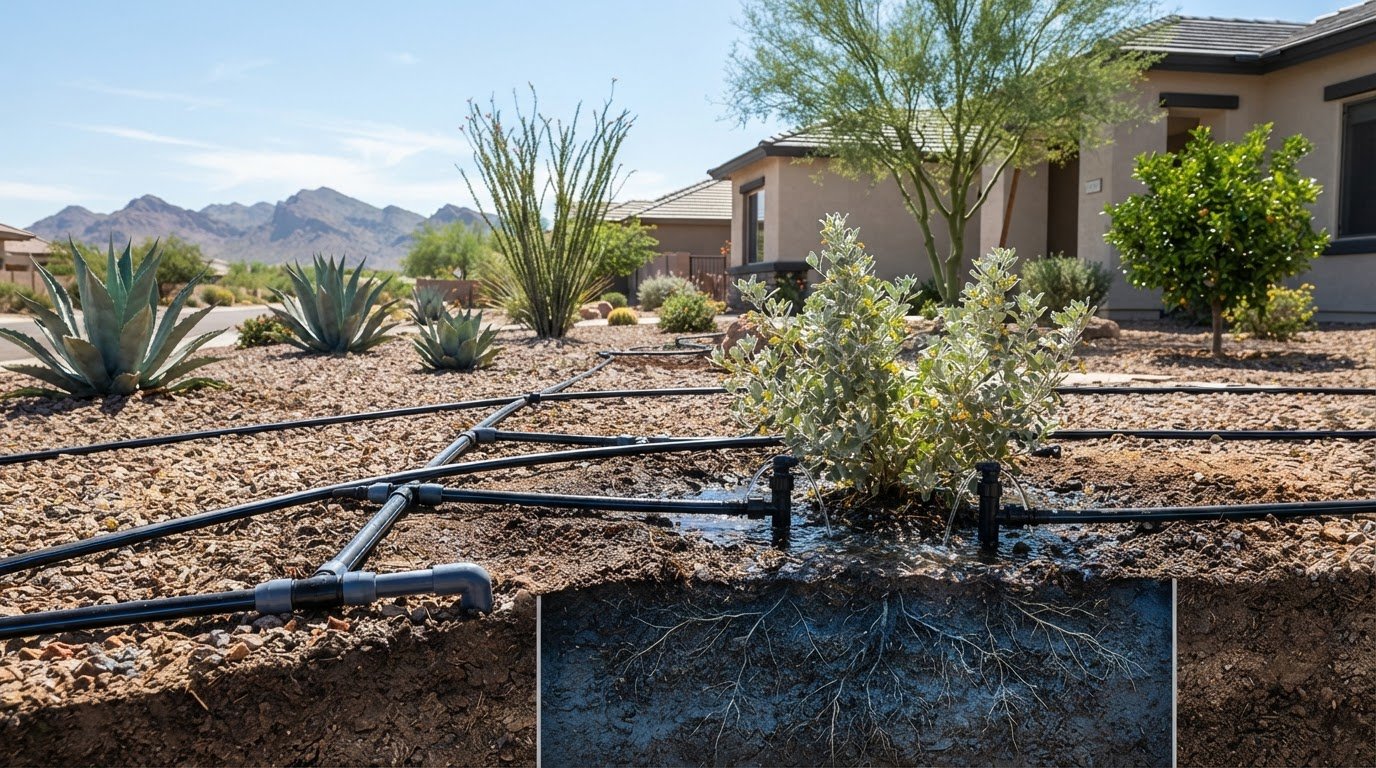
Site conditions matter, too. Soil, slope, plant type, and sun exposure influence how quickly water moves or evaporates and how much moisture different areas need. For example, runoff on a slope may call for a different response than overspray onto a walkway. Where the planting layout suits it, drip irrigation systems deliver water differently from spray heads. Whether drip irrigation fits depends on the plants, layout, and system setup. A careful diagnosis can show whether the practical next step is a repair, a focused sprinkler upgrade, drip installation, or a broader redesign.
How to Diagnose an Irrigation System Before Choosing an Upgrade
Follow a simple order: observe a complete watering cycle, note which zones show a pattern, inspect visible components, then consider the system’s overall condition. This helps separate an isolated fault from a wider mismatch between the irrigation layout and the landscape. Record where and when problems occur so the next step can be based on specific observations.
- Observe a cycle. Watch from a safe distance as each zone runs. Note when it starts and stops, and whether water reaches the intended planting areas.
- Compare zone patterns. Record which areas appear dry, saturated, or consistently uneven. Check whether the same pattern returns during another cycle.
- Inspect visible components. Look for sprinkler heads that don’t rise or spray evenly, water landing on pavement, visible damage, and persistent wet spots. Don’t open buried lines or dismantle equipment.
- Assess the system condition. Consider whether the issue is limited to one component or zone, or whether repeated problems suggest the existing design no longer suits the property.
A practical walk-through of each irrigation zone
Move through the yard as each zone operates, watching the spray pattern and the ground around visible heads and pipes. A head that fails to rise may leave a nearby area dry, while a misdirected spray can water a walkway. Note where moisture collects and where it seems lacking. You can document these clues without adjusting wiring, opening valves, or digging for buried lines.
One cycle can be misleading, so look for patterns that repeat. A brief wet area may not indicate an ongoing fault, but the same saturated spot after multiple cycles deserves attention. Record observations by zone and location, such as “front bed stays dry” or “water pools beside the path.” This helps connect visible symptoms with system behavior.
When pressure, wiring, or valves need closer attention
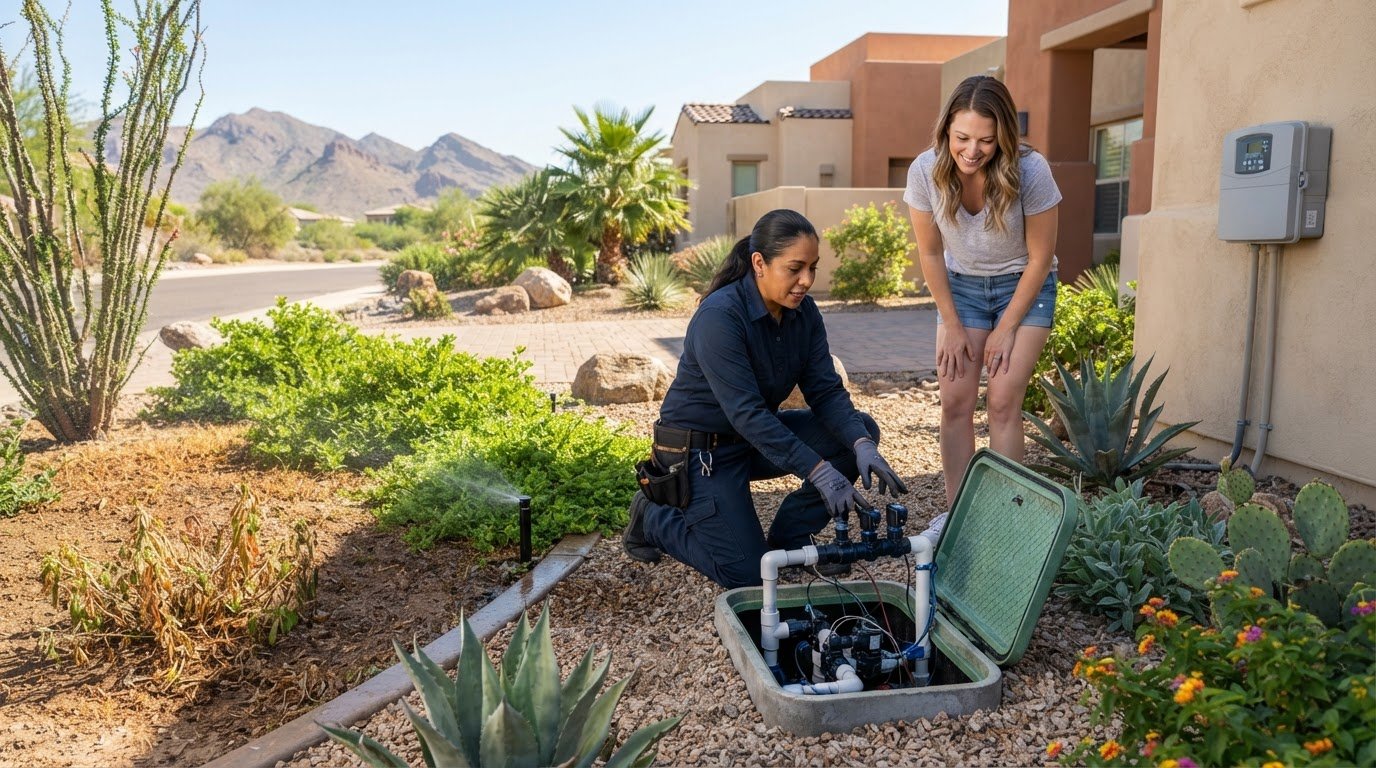
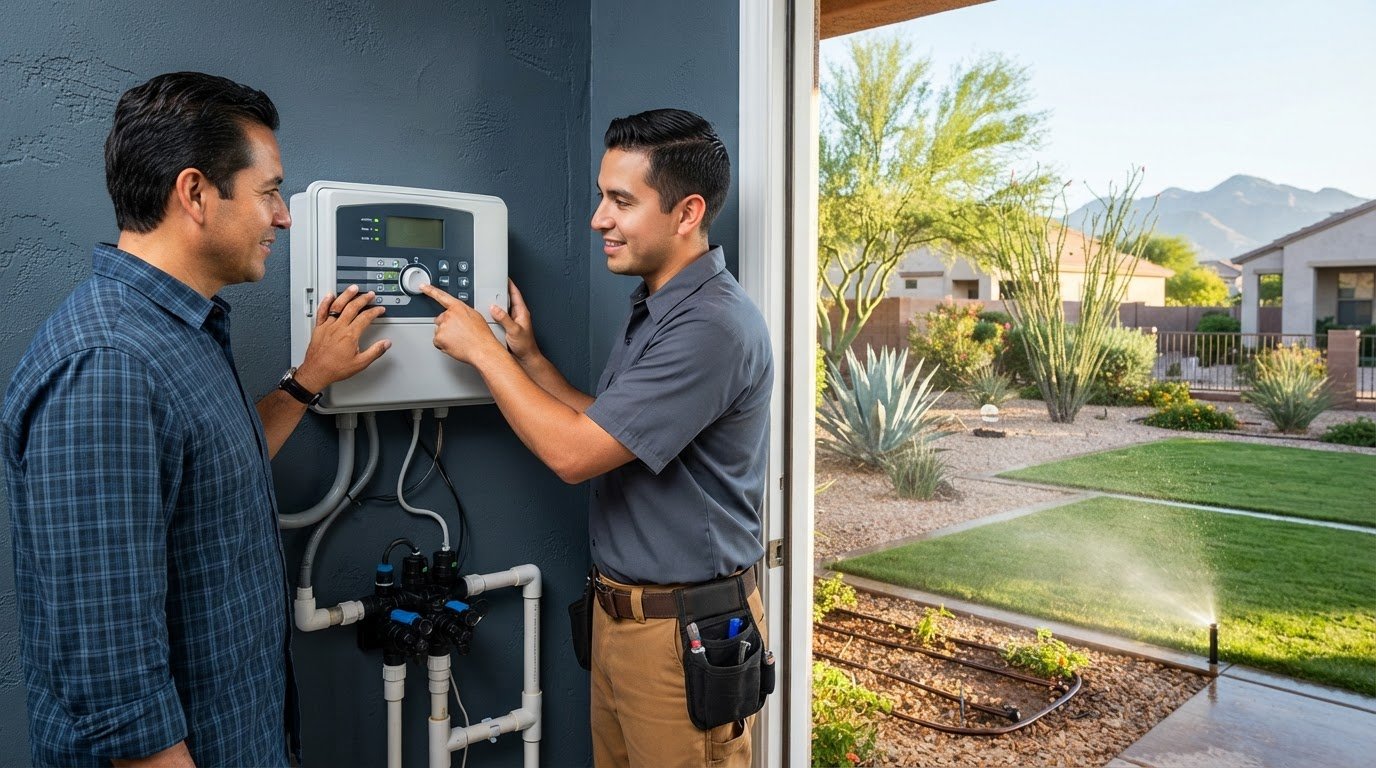
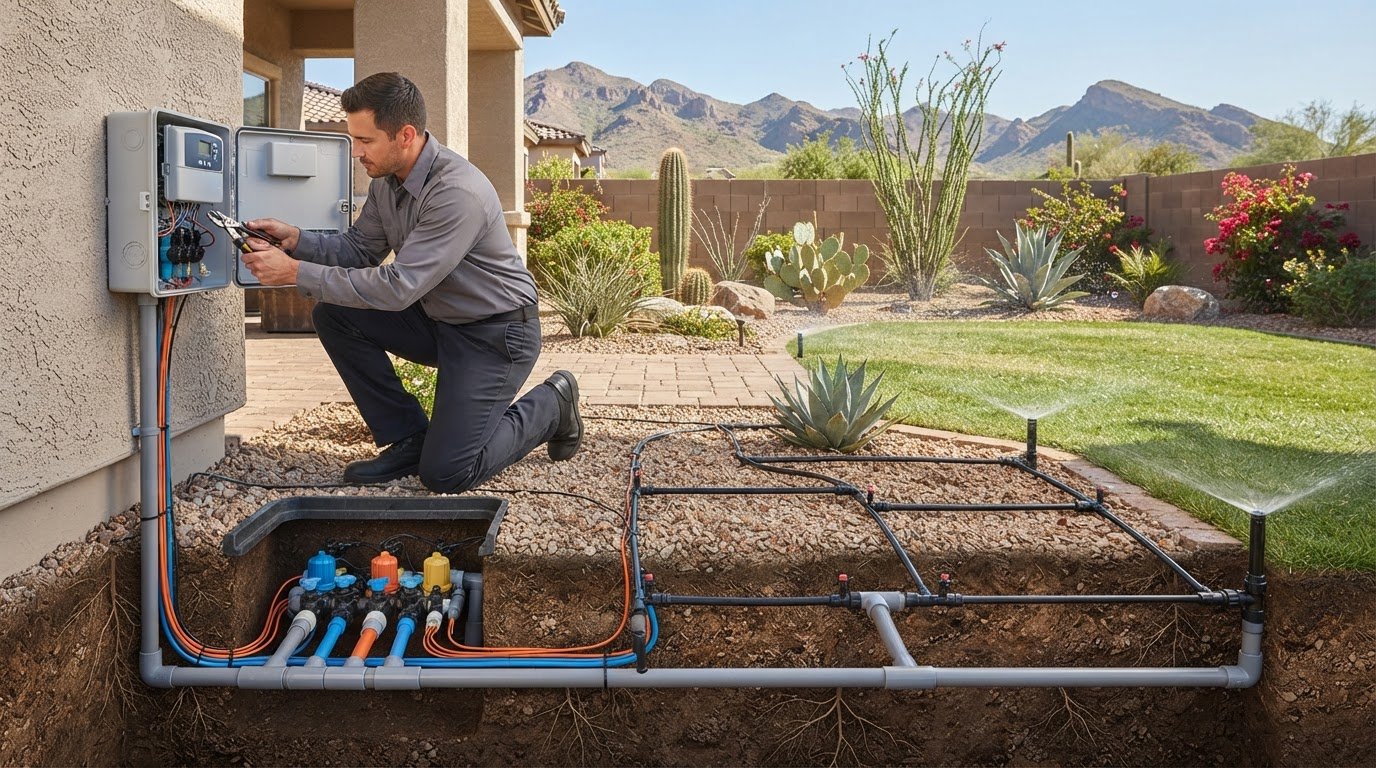
A zone that runs inconsistently may have a mechanical or electrical cause. Pressure problems can affect spray performance, while wiring or valve issues can interfere with a zone starting or stopping as expected. These components need closer diagnosis. Leave electrical troubleshooting, valve work, and repairs involving pressurized parts to a professional rather than opening or testing them yourself.
Diagnose the cause of uneven watering before selecting replacement components. A repair may be enough, while recurring coverage problems could call for an adjustment, a targeted sprinkler upgrade, or a broader redesign. An irrigation system efficiency upgrade should follow the evidence, not a guess based on one symptom. Sonora Sprinkler provides residential irrigation repair and diagnostics, including wiring, valve, and backflow troubleshooting. If you’ve documented a recurring issue, share your irrigation concerns to discuss the problem and possible next steps.
Comparing Irrigation System Efficiency Upgrades for Residential Landscapes
The right irrigation system efficiency upgrade depends on what the existing system is doing and what the landscape needs. A component that helps one yard may be unnecessary or unsuitable in another. Compare options with the diagnosed problem, the zones affected, and how well the current layout serves its plants in mind. For a residential property, common considerations include sprinklers, watering controls, drip irrigation, and system design.
| Observed problem | Possible upgrade path | What influences suitability |
|---|---|---|
| A small area has uneven sprinkler coverage | Targeted sprinkler adjustment or component replacement | Whether the issue is isolated and the rest of the zone covers its intended area |
| Watering times don’t fit changing conditions or household routines | Controller-related adjustment or upgrade | Whether the system’s zones and schedule are already set up appropriately for the landscape |
| Planting beds need a different watering approach from nearby turf | Drip irrigation for suitable planting areas | Plant arrangement, bed layout, and how the area can be served by the existing system |
| Recurring coverage problems affect multiple areas | Custom system design or broader redesign | Whether the existing layout can be adapted to the property’s planting areas and watering needs |
Use this comparison as a starting point, not as a promise of particular savings. A controller can help manage watering schedules, but it can’t correct a poorly matched layout or damaged component by itself. Replacing one sprinkler part won’t resolve a problem affecting several zones. The value of an upgrade depends on how directly it addresses the actual issue.
Targeted sprinkler changes versus a broader system redesign
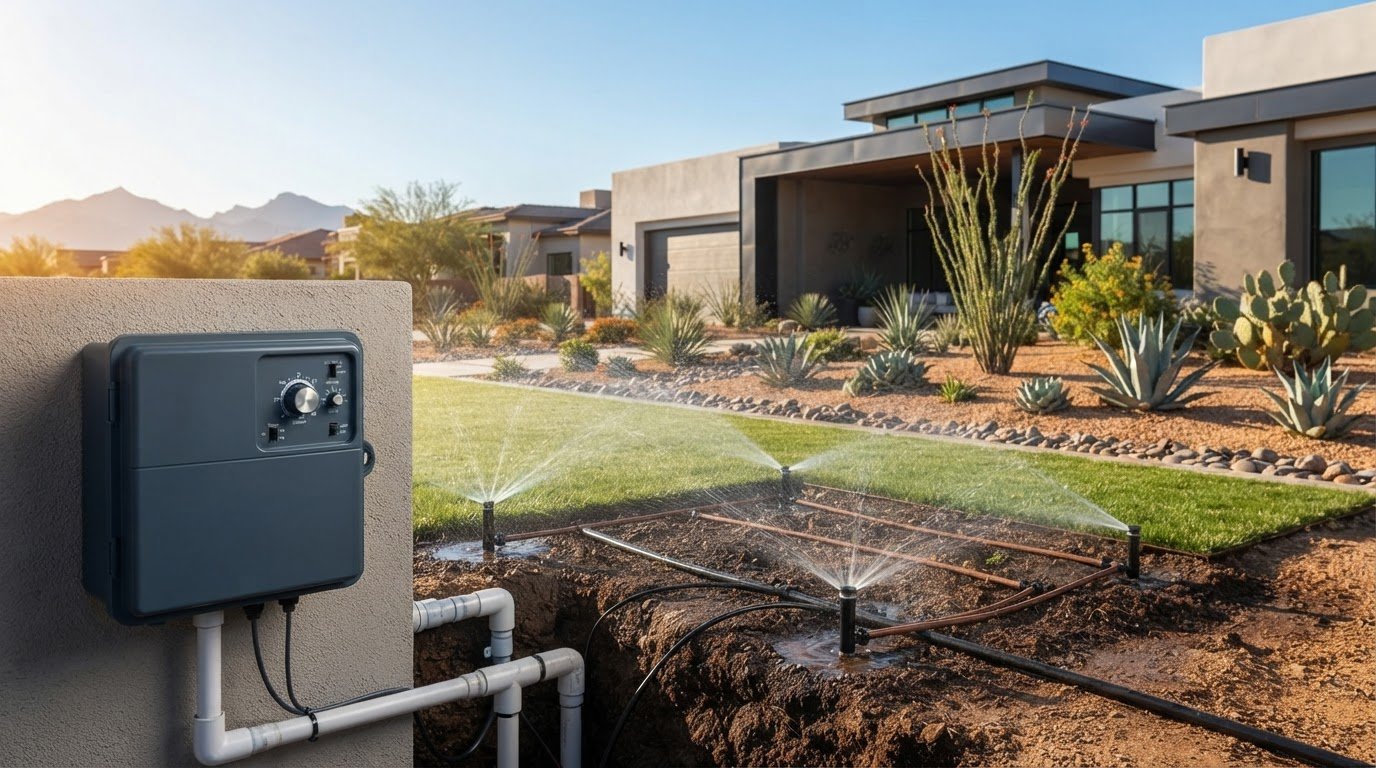
If one sprinkler head is damaged or its spray is misdirected, a focused adjustment or replacement may address the local issue without changing the rest of the system. If the layout repeatedly misses planting areas or no longer suits the property, custom design may be a better fit. Sonora Sprinkler designs and installs residential irrigation systems, with layouts tailored to the landscape.
Where drip irrigation may fit a desert landscape
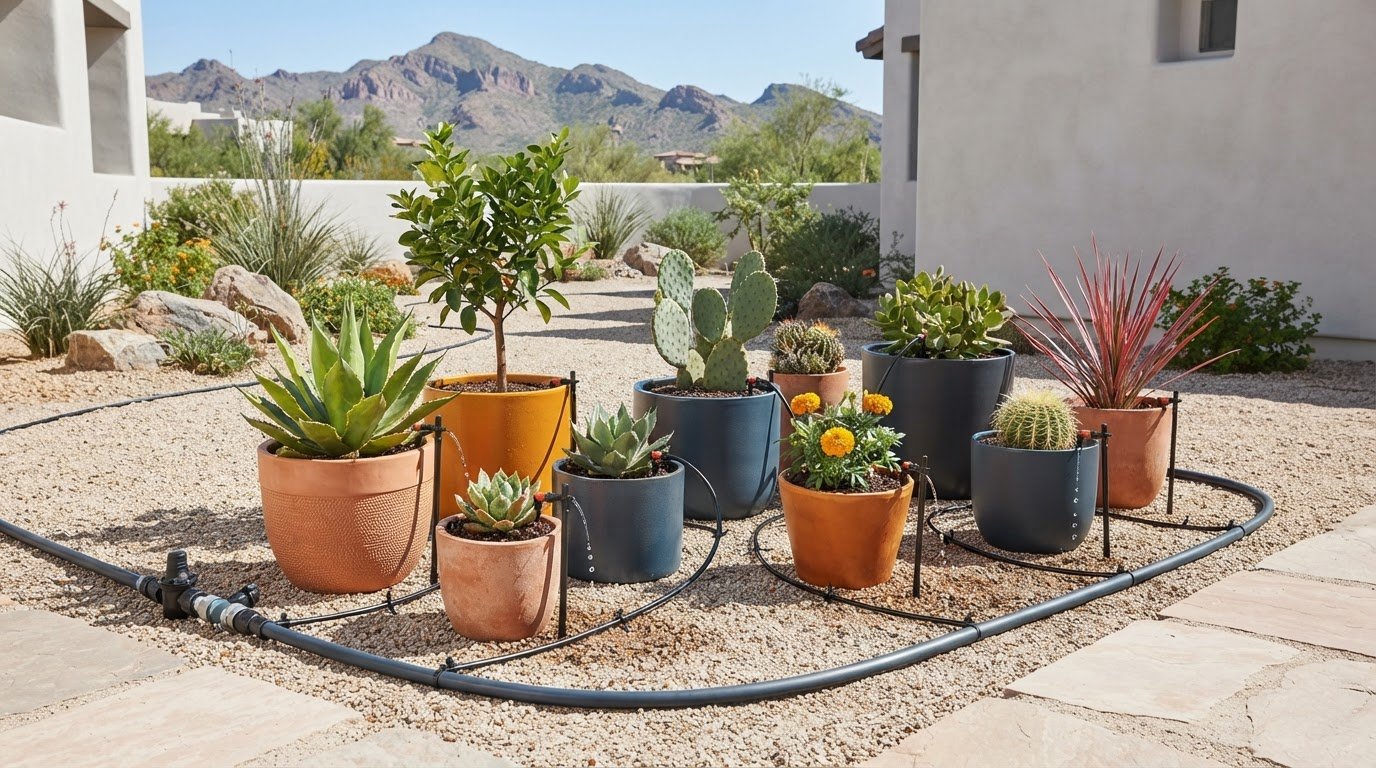
Drip irrigation can serve selected planting beds or other suitable areas without requiring every sprinkler zone to be converted. Its suitability depends on which plants are grouped together and how the planting area is arranged. A yard may use different irrigation approaches in different areas. For beds suited to this method, residential drip irrigation is an option to consider alongside existing sprinklers.
Match the upgrade to the scope of the problem: targeted work for a localized issue, or a broader layout solution when recurring problems point to a mismatch across the property. To discuss the options for your home, talk with Sonora Sprinkler about an irrigation system assessment.
How to Prioritize an Irrigation Efficiency Upgrade in Surprise or Peoria
A practical priority order helps protect the landscape while keeping the scope of work tied to the system’s needs. Start with conditions that can waste water or affect reliable operation, then address visible coverage problems. Once those issues are understood, consider whether a targeted upgrade or a broader change makes sense. One struggling area doesn’t automatically mean the entire residential system needs replacing.
- Address active leaks first. Visible leaking or persistent water where it shouldn’t be calls for attention before optional upgrades. Repairing a fault can restore proper operation and make other symptoms easier to assess.
- Correct obvious coverage issues. If a sprinkler zone consistently misses part of its intended area or sprays where it isn’t needed, assess the affected heads or components. Focus on the problem zone rather than changing equipment throughout the property by default.
- Assess upgrades after those needs are clear. Consider the system’s overall condition, the landscape it serves, and whether the same issues recur. Then weigh a controller-related change, drip irrigation, sprinkler upgrade, or redesign against the actual need.
Choose the scope based on evidence from the system
A repair may be enough when a localized fault is the main cause and the broader layout still serves the property. Several recurring problems across different areas may point to a mismatch between system design and landscape needs. Base the decision on inspection findings, not a fixed age threshold. The system’s condition and performance matter more than age alone.
Work through one problem area at a time. Note whether the issue returns after a repair or whether other zones show similar trouble. This helps distinguish a component problem from a broader pattern that may justify an upgrade. A focused scope also helps you prioritize work according to what most affects reliable watering.
Account for desert conditions and day-to-day use
In Surprise and Peoria, an exposed planting area may face different conditions from a shaded section of the same yard. Consider which plants share a zone, whether the landscape has changed, and how much routine adjustment you want to manage. An irrigation system efficiency upgrade should support consistent coverage while fitting the property’s current planting areas and day-to-day use.
Matching irrigation work to local landscape needs can support long-term care without expanding the project unnecessarily. Sonora Sprinkler serves residential irrigation needs in Surprise, Peoria, and surrounding communities, with repair, sprinkler upgrades, drip irrigation, and custom design. Discuss your residential irrigation upgrade and the priorities for your property.
Plan a Residential Irrigation System Efficiency Upgrade with Sonora Sprinkler
A well-planned irrigation system efficiency upgrade starts with the property, not a predetermined list of parts. Sonora Sprinkler serves residential irrigation needs in Surprise, Peoria, and surrounding communities. Heat, sun exposure, and varied planting areas can affect how a system performs, so first consider the existing system and the landscape it serves. Then match the work to the conditions you find.
The right solution may be repairing a leak or faulty component, upgrading part of a sprinkler system, installing drip irrigation in suitable planting areas, or creating a custom design when the existing layout no longer fits. These are distinct options, not steps every homeowner needs to take. A focused diagnosis helps determine the appropriate scope without assuming the whole system should be replaced.
What a project-focused conversation should clarify
Describe the symptoms you’ve observed and where they occur. Note whether an issue affects one planting bed, a particular sprinkler zone, or several parts of the yard, and whether it happens repeatedly. Mention changes to the landscape or watering needs as well. These details connect the concern to the existing system and give the project a useful starting point.
The work plan should reflect the system’s condition, the areas that need water, and the outcome you want. If a repair can resolve a localized issue, a broader redesign may not be needed. If the layout repeatedly struggles to serve the property, a larger change may be worth considering. The recommendation should address the observed problem rather than assume that one upgrade suits every home.
Why local residential irrigation experience matters
Residential irrigation in Arizona’s desert environment calls for attention to how the system and landscape work together. A sunny area, a sheltered bed, and different plant groupings can place different demands on watering. These conditions help frame practical choices around reliable coverage and long-term landscape care.
Sonora Sprinkler is family-owned and operated, with experience dating to circa 1999. Its residential services include irrigation repair, sprinkler upgrades, drip irrigation, and custom system design and installation. The work is matched to the home’s irrigation needs, whether the appropriate scope is a targeted repair or a more comprehensive design solution.
Before making a decision, gather your observations, identify which areas matter most, and be clear about the watering issues you want addressed. A measured plan can improve the existing system without presuming that every component needs to change. For a residential assessment in Surprise, Peoria, or surrounding communities, contact Sonora Sprinkler about your irrigation system.
Move Forward with a Plan That Fits Your Property
Your next step doesn’t need to be a major overhaul. Decide what you want your irrigation system to do better, whether that’s support a changed planting area, make routine operation easier, or address a recurring concern. A clear goal gives the upgrade a practical reference point and keeps the work focused on your home’s needs.
An irrigation system efficiency upgrade is most useful when it fits both the existing system and the way you use your landscape. As your yard changes, the irrigation plan may need to change with it. Treat the project as a chance to make a considered improvement, based on what the property actually requires.
Contact Sonora Sprinkler to discuss a residential irrigation upgrade for your home in Surprise, Peoria, or a surrounding community. Share the areas you want to improve and the symptoms you’ve observed to start planning a suitable next step.
Frequently Asked Questions
Can I improve irrigation efficiency without replacing the entire system?
Yes. Replacing the entire system isn’t the only option. A focused repair, adjustment, or component upgrade may address a specific problem, depending on what the system inspection finds. Before planning an irrigation system efficiency upgrade, note when the symptoms began, whether they followed a repair or landscape change, and which zones are affected. This history helps connect current performance to changes in the system or yard.
How much water can an irrigation efficiency upgrade save?
There’s no single reliable estimate for every home because results depend on the source of waste, system condition, and landscape. A broad statistic shouldn’t be treated as a prediction for your property. For a more useful comparison, track your household water-use pattern before and after addressing a documented irrigation issue. Keep in mind that indoor use and other outdoor activities can also affect the total.
Is drip irrigation always more efficient than sprinkler irrigation?
No. Drip irrigation and sprinklers suit different layouts, and neither method is automatically right for every planting area. A bed with grouped plants may suit a different delivery method from a lawn or a broad area already served by sprinklers. Consider the plants’ arrangement and the existing system’s ability to serve them. The goal is a suitable match, not replacing one method everywhere.
Does a smart irrigation controller fix an inefficient system by itself?
No. A controller can change watering schedules, but it can’t repair a leak, correct a damaged sprinkler head, resolve faulty wiring, or redesign poor coverage. Before changing controller settings or equipment, consider whether the system’s components and zones are operating as intended. In Surprise and Peoria, yard conditions can vary within one property, so scheduling is only one part of a plan for different landscape areas.
How often should I inspect my residential irrigation system?
Inspect it periodically while it runs, and pay closer attention when the landscape or watering needs change. A new planting area, a repaired section, or a revised schedule can alter how water reaches nearby plants. Keep a brief record of the date, affected zone, and what you noticed. Comparing notes over time can help show whether an irregularity has resolved or keeps returning.
Can irrigation problems increase my water bill even when I do not see a leak?
Yes, irrigation issues may contribute to water use even without an obvious leak, but a higher bill alone doesn’t identify the cause. Compare billing periods and note whether the increase coincides with a schedule change or a shift in outdoor use. Then look for runoff or overspray while the system operates. This gives you a more useful starting point than assuming irrigation accounts for the entire change.
What should I do if one irrigation zone waters differently from the others?
Note what makes that zone different, such as whether it starts reliably, covers the intended area, or leaves nearby plants noticeably wetter or drier. Check the controller’s visible settings, but don’t open electrical components, valves, or pressurized equipment. If the same zone continues to behave differently, irrigation repair and wiring diagnostics can help identify whether the issue is mechanical or electrical and guide an appropriate next step.