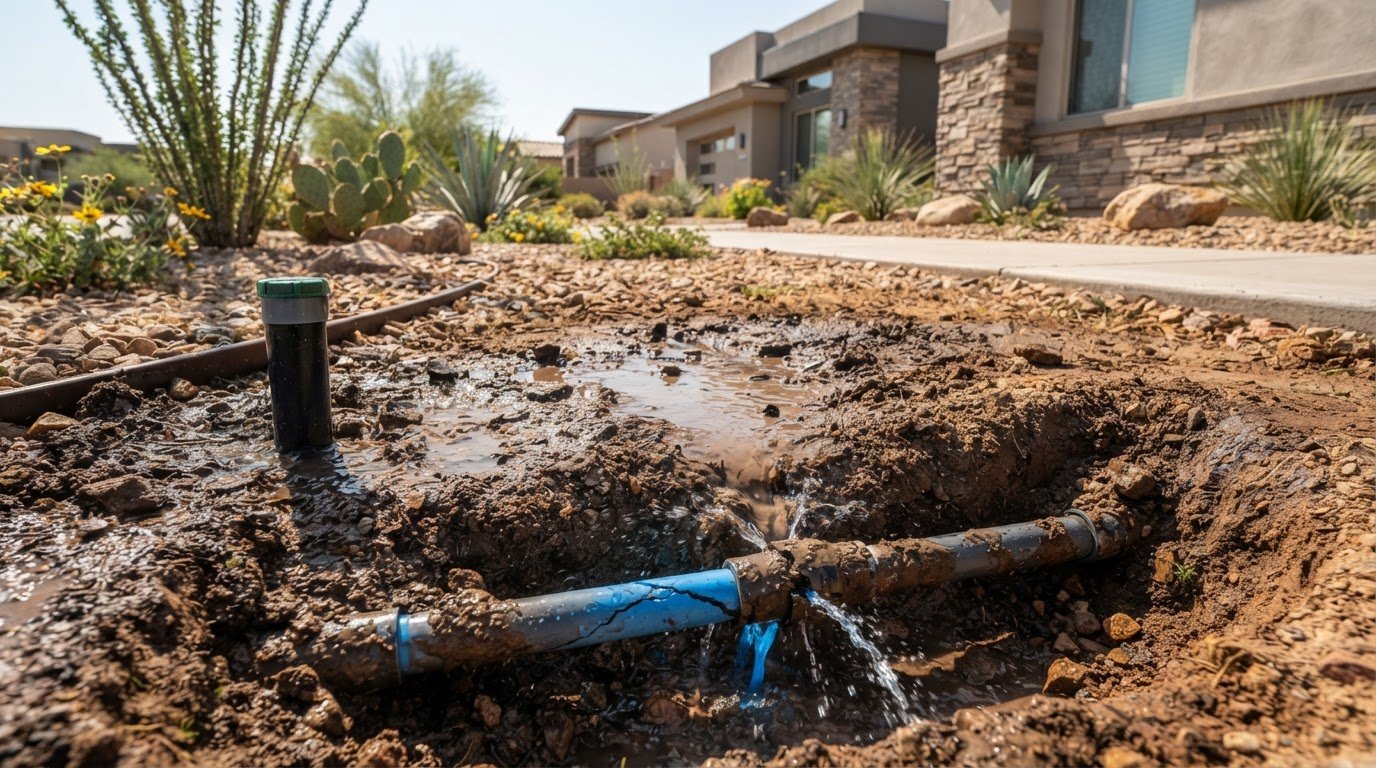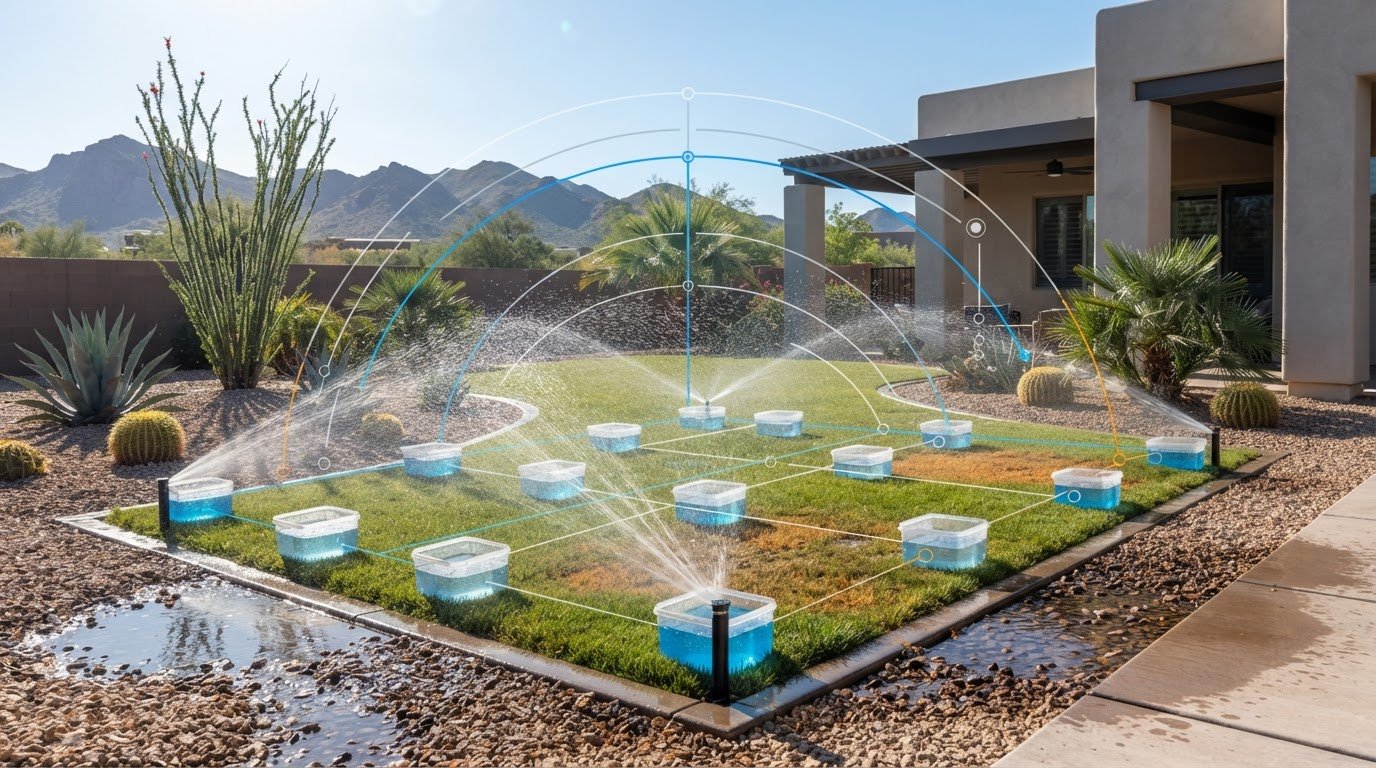
Imagine walking out to your Peoria driveway on a Tuesday morning only to see a steady stream of water flowing toward the street, a sight that's both frustrating and, under local regulations, illegal. In our desert climate, a malfunctioning irrigation component isn't just a nuisance; it's a direct threat to your landscape's health and your monthly budget. If you've noticed pooling water or zones that refuse to turn off, it's likely time to consider professional sprinkler valve replacement Peoria to restore your system's integrity. Most homeowners understand that keeping a lawn green in Arizona requires precision, and even a small leak can lead to the Stage 1 Water Watch concerns we all share.
We agree that your home deserves an irrigation setup that works reliably without constant monitoring. This article will show you how to identify the early warning signs of valve failure, from worn diaphragms to mineral buildup, and how expert service prevents system-wide breakdowns during a summer heatwave. You'll learn why a master craftsman's approach to replacing these high-pressure components ensures long-term durability. By the end, you'll have a clear roadmap for achieving lower water bills and the peace of mind that your residential system is built to last.
Key Takeaways
- Identify the early warning signs of mechanical failure, such as weeping sprinkler heads or buzzing solenoids, before they lead to expensive water waste.
- Discover why Peoria's unique combination of hard water minerals and extreme heat makes professional sprinkler valve replacement Peoria a necessary step for maintaining system pressure.
- Evaluate the long-term benefits of a full valve replacement over a simple rebuild when the valve body has suffered environmental degradation.
- Learn how a structured replacement process, including proper system shutdown and precise excavation, protects your landscape from secondary irrigation damage.
- Understand how a residential-focused approach to valve maintenance ensures your irrigation system remains reliable during the peak of the Arizona summer.
The Critical Role of Sprinkler Valves in Peoria Residential Systems
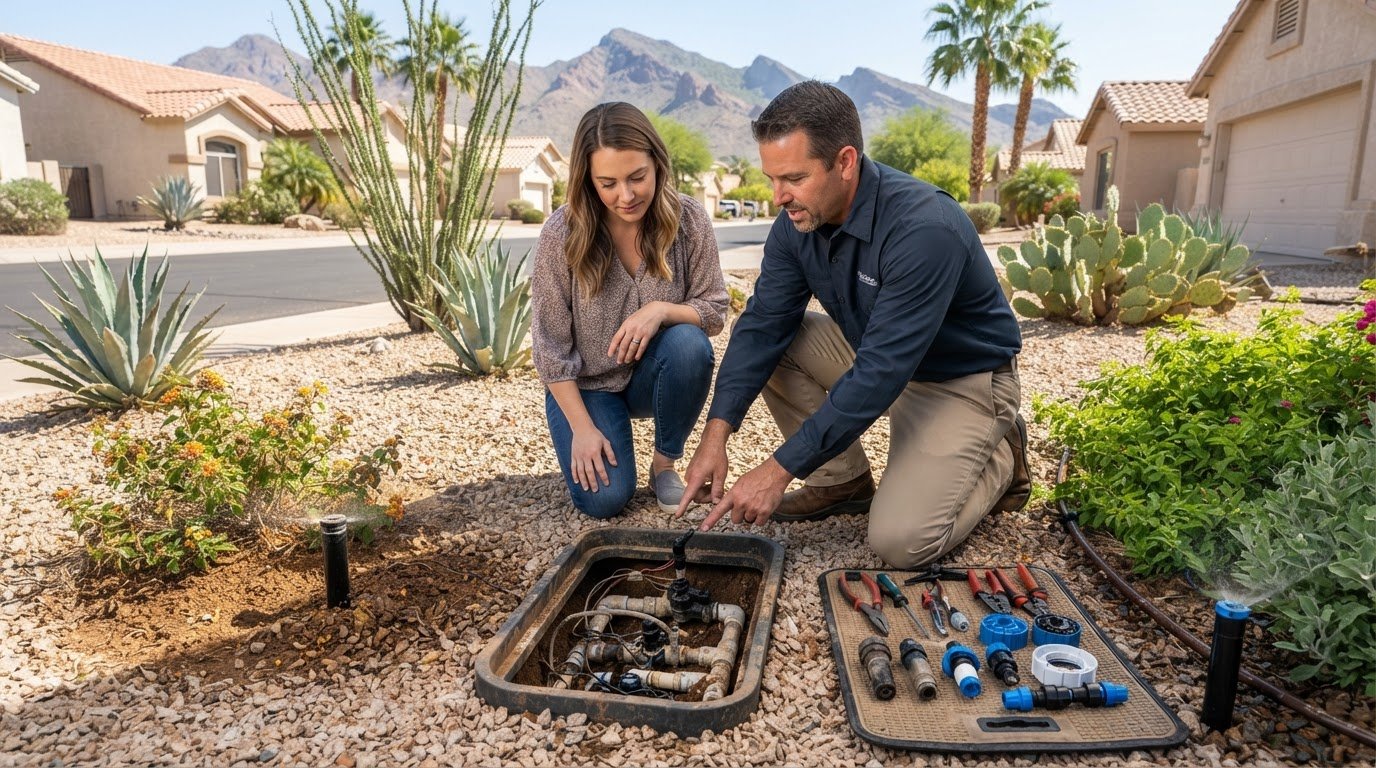
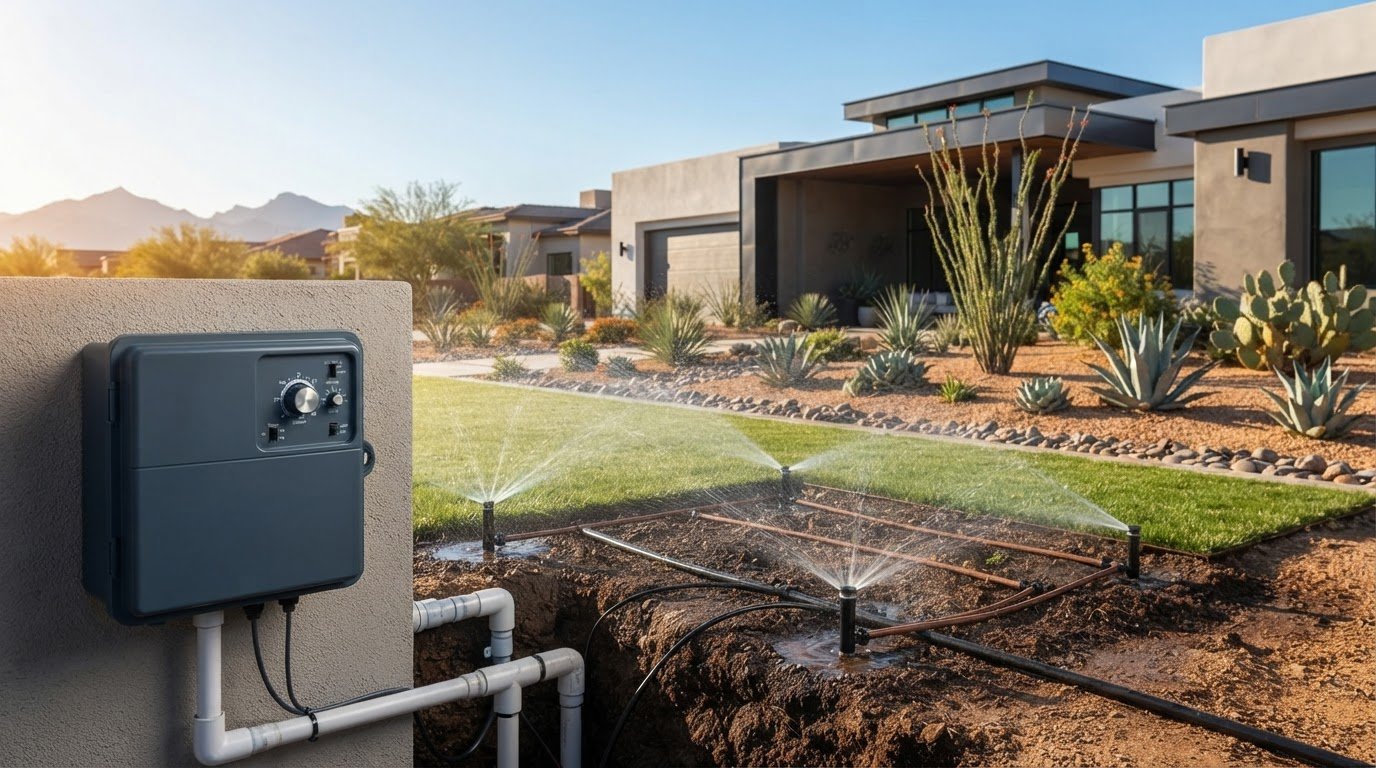
A sprinkler valve serves as the essential mechanical gateway within your home's irrigation network. It functions as the primary point of control, regulating exactly when and where water flows throughout your property. While often tucked away in underground boxes, these components act as the "heart" of the entire operation. When a valve fails, the rest of the sprinkler systems components cannot perform their jobs correctly. This often leads homeowners to seek professional sprinkler valve replacement Peoria to restore order to their landscape maintenance.
In a standard residential setup, you'll typically find two types of valves. The master valve acts as a fail-safe for the entire system, while individual zone valves manage specific areas like your front lawn or backyard flower beds. In our local desert environment, these valves are under constant pressure. Because Peoria encourages voluntary water reduction through its Drought Management Plan, a single malfunctioning valve can undermine your conservation efforts by allowing water to bypass the timer's schedule. It's a precision instrument that requires a steady hand to maintain.
Anatomy of a Residential Irrigation Valve
Understanding the internal mechanics helps clarify why these parts eventually require attention. Each valve consists of three primary elements that must work in perfect synchronization:
- The Solenoid: This is the electrical "brain" of the valve. It receives a low-voltage signal from your timer and uses an electromagnetic plunger to initiate the watering cycle.
- The Diaphragm: This flexible rubber seal is the most frequent point of failure. It physically opens and closes the water path. Even a tiny tear or piece of debris from Peoria's hard water can prevent it from sealing properly.
- The Valve Body and Bleed Screw: The body provides the structural housing for the internal components. The bleed screw allows for manual operation, which is helpful during system testing or if the electrical signal fails.
Why Proper Valve Function Matters in the Desert
The harsh Arizona climate places unique stressors on irrigation hardware. When a valve doesn't close fully, it creates "phantom leaks." These slow drips might not be visible on the surface, but they'll certainly appear on your monthly water bill. Additionally, a valve that struggles to open fully will cause a drop in pressure. This prevents sprinkler heads from popping up or rotating correctly, leaving dry spots in your lawn during 110-degree Peoria summers. Maintaining these components through professional Valve and Backflow Services ensures your landscape investment remains protected against the heat. Precision in these mechanical systems isn't just about convenience; it's about survival for your grass and plants.
Diagnosing Valve Failure: When to Choose Replacement Over Repair
When an irrigation system begins to act unpredictably, the valve is usually the primary suspect. Homeowners often face a choice between a quick patch and a full sprinkler valve replacement Peoria . While a minor fix might seem appealing, understanding the underlying cause of the failure is crucial for long-term reliability. Ignoring these signals in our arid climate doesn't just waste water; it risks the survival of your drought-sensitive plants and the stability of your monthly utility budget.
Signs Your Peoria Sprinkler Valve is Failing
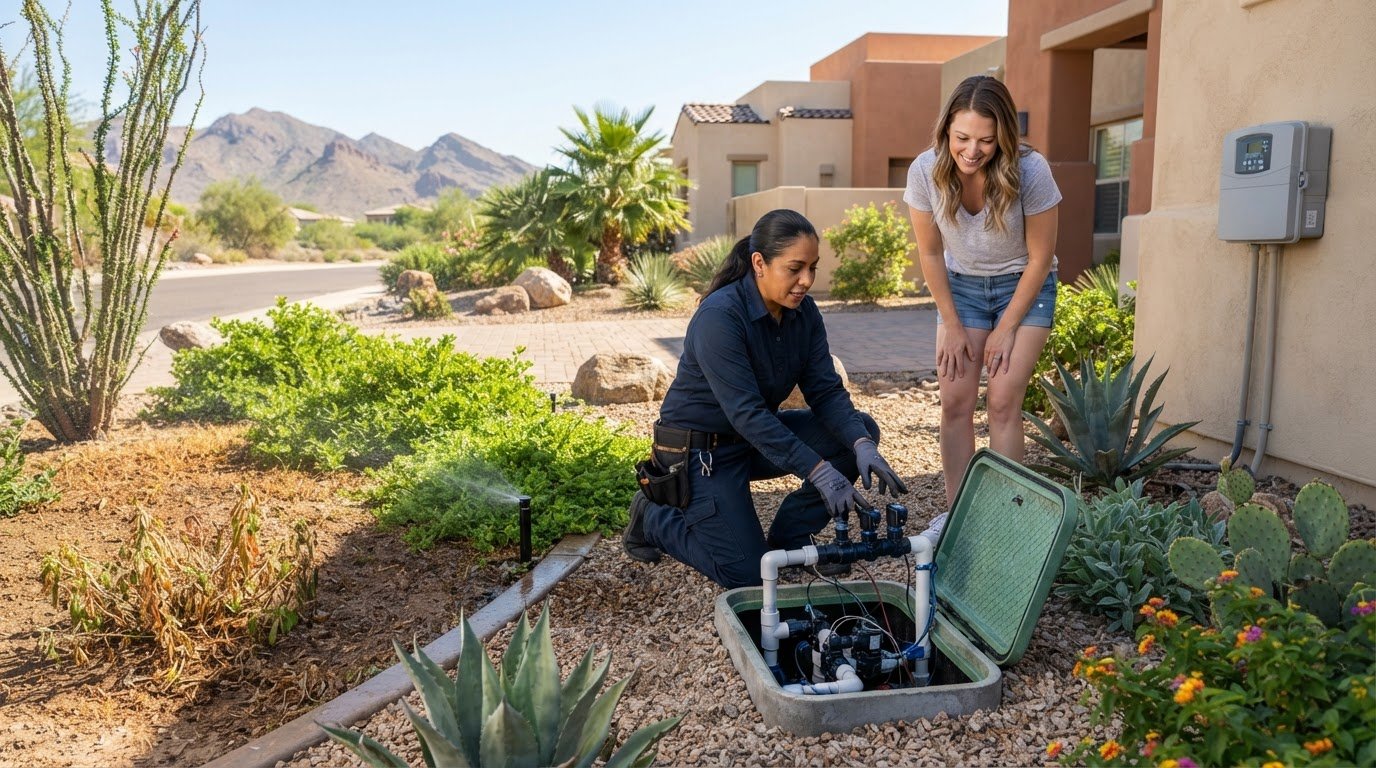
One of the most obvious indicators of trouble is visible water pooling inside the valve box or around the manifold area. If you see "weeping" sprinkler heads that never quite stop dripping, the internal seal has likely failed. Alternatively, you might experience low water pressure in a single zone while the rest of the system operates perfectly. The most urgent sign is a zone that refuses to shut down after the timer ends. This leads to catastrophic overwatering that can erode soil, drown root systems, and even damage your home's foundation if left unchecked.
Many residents wonder if they can simply swap out a single internal part to save money. While a step-by-step process for rebuilding a valve exists, it's often a temporary solution for older systems. In Peoria, the external plastic housing of the valve undergoes significant UV stress and extreme heat cycles. If the valve body is cracked or warped, replacing internal gaskets won't solve the problem. Investing in a full sprinkler valve replacement Peoria provides a fresh start with new warranties and modern, durable components, often costing only slightly more than a labor-intensive rebuild of a degrading part.
Mechanical vs. Electrical Failures
Distinguishing between a mechanical issue and an electrical one is the first step in a professional diagnostic. A buzzing sound usually points to a failing solenoid, while a silent valve that won't open could indicate a wiring break or a dead signal from the controller. We use specialized irrigation wiring diagnostics to ensure the problem isn't actually a faulty timer or a severed underground wire. Sometimes, what looks like a broken valve is simply a communication error between the timer and the manifold. If you're unsure where the breakdown is happening, you can request a professional system evaluation to pinpoint the exact failure point before committing to a specific repair.
Leaving a minor leak unaddressed is particularly risky in the desert. Hard water deposits will continue to build up in the breach, eventually preventing the valve from closing at all. This results in unpredictable water bills and potential fines for water waste, making proactive replacement the most logical choice for Peoria residents who value system longevity and predictable performance.
The Arizona Impact: Why Peoria Irrigation Valves Fail Prematurely
Peoria residents face a unique set of environmental challenges that aren't found in more temperate climates. Our local landscape is beautiful, but the elements are aggressive toward mechanical components. While a valve in the Pacific Northwest might last a decade, those in the West Valley often require attention much sooner. This environmental reality makes professional sprinkler valve replacement Peoria a frequent necessity for maintaining a healthy, water-efficient property. Understanding these specific local stressors helps you stay ahead of system failures before they result in a dead lawn.
One often overlooked factor is our soil composition. Peoria is known for caliche, a natural cement-like layer of calcium carbonate that makes excavation difficult and traps heat underground. As the desert soil shifts during our seasonal transition from dry heat to monsoon humidity, it places physical stress on valve boxes and the manifolds they house. Without proactive valves and backflow maintenance, these shifting pressures can lead to hairline fractures in the plastic housing that eventually become major leaks.
Mineral Deposits and Diaphragm Erosion
The water running through your pipes is notoriously "hard," meaning it carries a high concentration of dissolved minerals like calcium and magnesium. Over time, these minerals crystallize inside the valve, creating a rough, sandpaper-like buildup on the internal surfaces. As the rubber diaphragm moves to open and close, this abrasive scale tears at the flexible material, leading to premature erosion. Mineral buildup creates a calcified layer on the valve seat that physically obstructs the rubber diaphragm from forming a watertight seal. Once this seal is compromised, you'll notice the "weeping" heads mentioned earlier, as water constantly bypasses the closed valve.
Environmental Stress on Valve Boxes
Arizona summers create what we call the "oven effect" for buried components. While the surface temperature might be 110 degrees, the heat trapped inside a plastic valve box can climb even higher. This constant thermal expansion and contraction causes the plastic components to become brittle and lose their structural integrity. This is particularly problematic for delicate drip systems, which rely on precise pressure regulation. When the heat causes a valve body to warp even a fraction of a millimeter, it can lead to a total loss of zone control. Choosing high-quality sprinkler valve replacement Peoria ensures that the new hardware is rated for these extreme temperature swings, providing the durability your landscape requires to survive the summer months.
The Professional Step-by-Step Valve Replacement Process
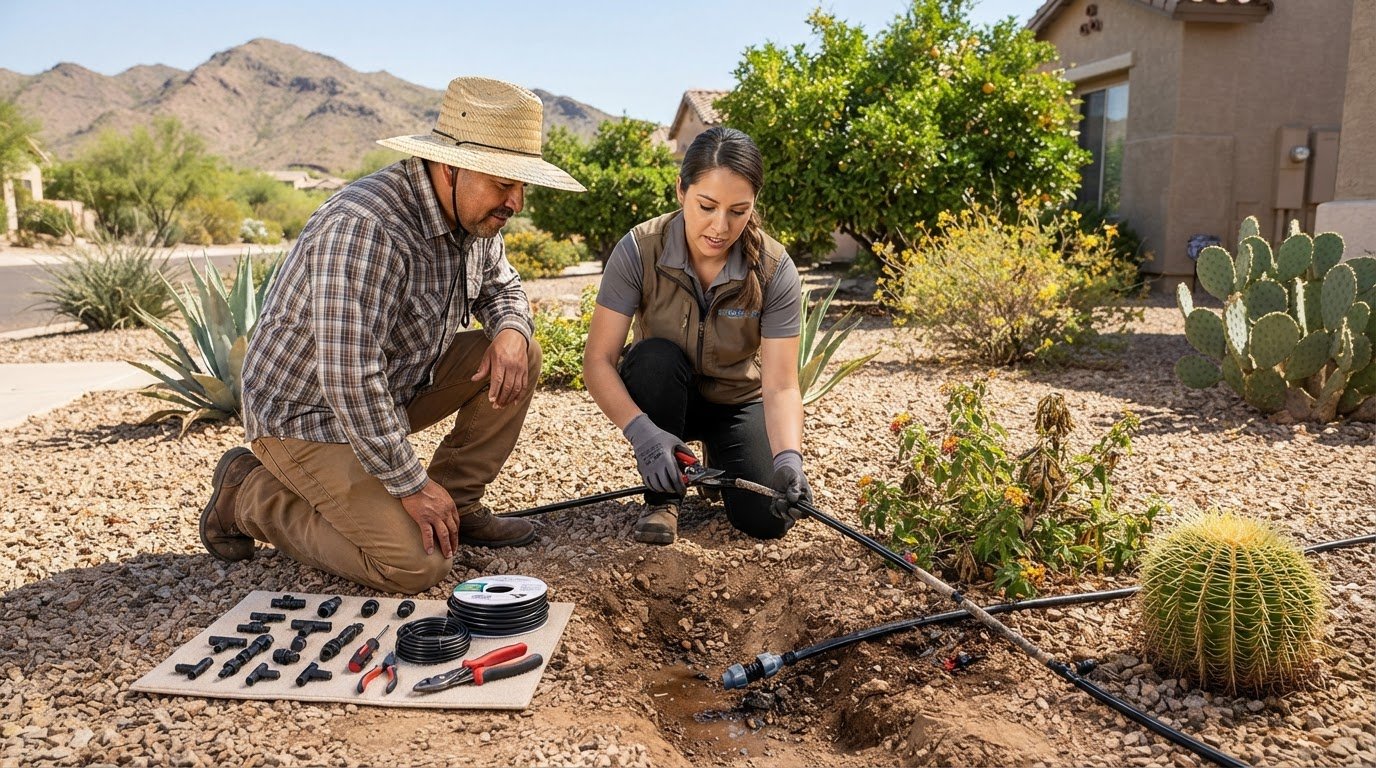
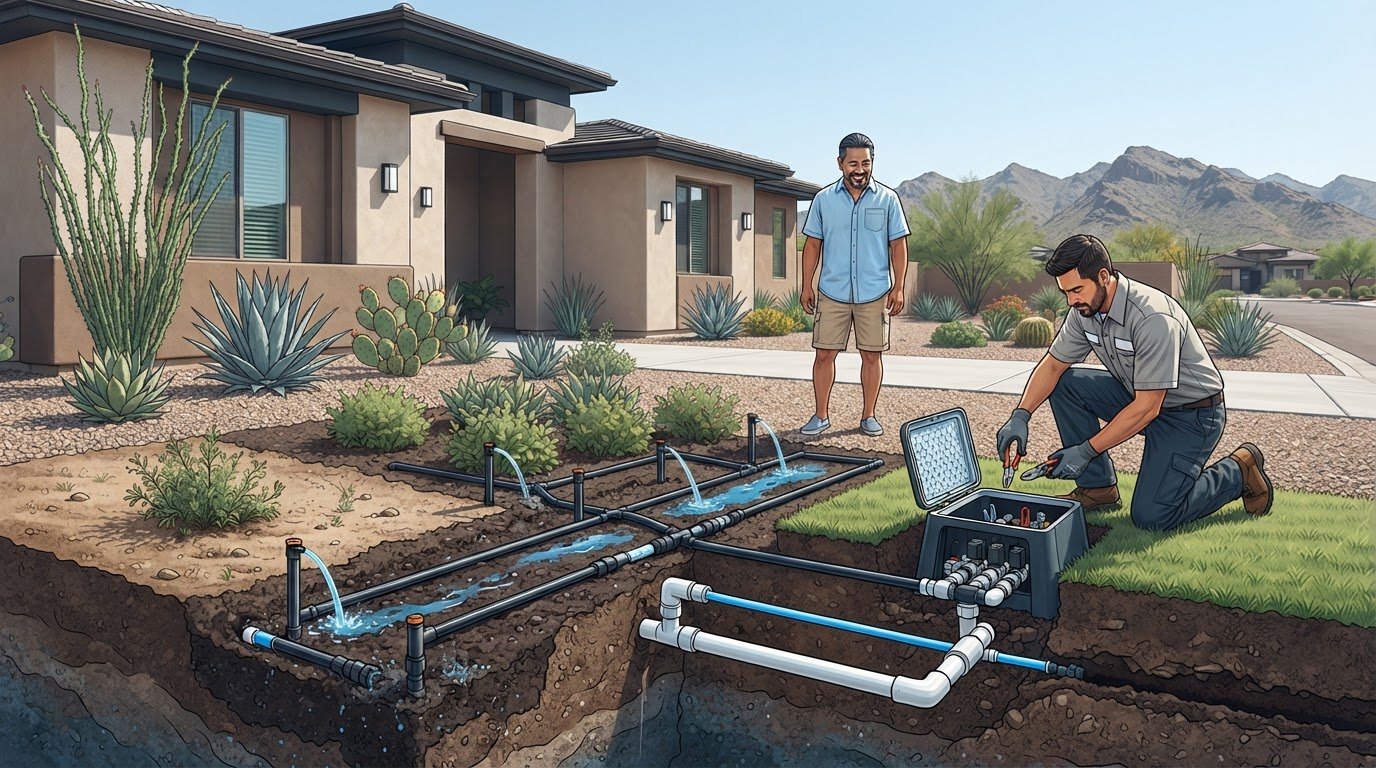
A successful sprinkler valve replacement Peoria requires a methodical approach that prioritizes system longevity over speed. The process begins with a complete system shutdown and pressure relief. This step is critical because attempting to remove a valve under pressure can cause "water hammer," which risks fracturing brittle irrigation PVC pipes further down the line. Once the pressure is neutralized, we carefully excavate the valve box. This isn't a job for a heavy shovel; we use hand tools to avoid nicking adjacent lines or buried wiring bundles.
After exposing the manifold, we inspect the entire housing for stress cracks that might've been caused by shifting desert soil. We then remove the old unit while ensuring the surrounding pipes remain stabilized. Installing the new professional-grade valve involves more than just threading it into place. We select components specifically designed to handle the high mineral content of local water and the extreme pressures of residential systems. This careful selection prevents the premature failure often seen with lower-quality hardware.
Protecting the Manifold Integrity
The manifold is the central hub for your irrigation zones, and it's often the most vulnerable part of the system. "Cutting out" an old valve requires extreme precision. If too much pipe is removed, the entire manifold might need to be rebuilt, which increases the scope and cost of the project. We use high-quality PVC primer and cement formulated to set correctly even in the intense Arizona heat. Because these adhesives dry faster in Peoria's low humidity, the application must be swift and accurate. We always ensure a leak-free seal is verified through a pressure test before we ever consider backfilling the valve box.
Electrical Integration and Testing
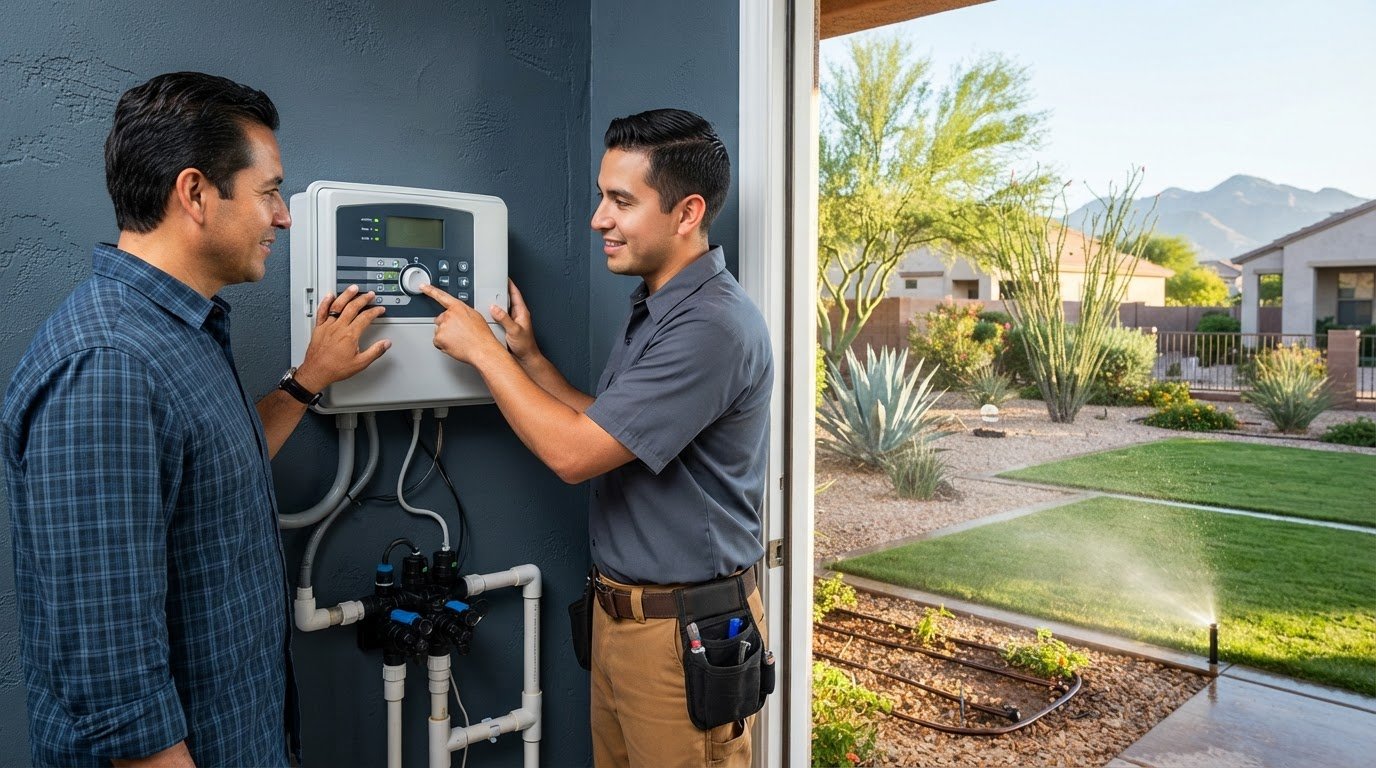
The mechanical install is only half the battle. Electrical integrity ensures your timer can actually communicate with the new hardware. We strip the wires to clean copper and use gel-filled, waterproof connectors to prevent the corrosion that's common in damp valve boxes. We also test the solenoid's resistance to confirm it's compatible with your specific controller. A final test involves both a manual check via the bleed screw and a remote activation from the timer. This dual-verification ensures the zone balances perfectly and delivers maximum efficiency to your landscape. If your system is showing signs of electrical or mechanical failure, you can schedule an expert valve replacement to secure your property's irrigation health.
Securing Your Landscape with Sonora Sprinkler’s Professional Valve Services
Since 1999, Sonora Sprinkler Inc. has operated as a family-owned business with a singular focus on residential systems. We don't divide our attention between commercial projects or landscaping; we dedicate ourselves entirely to the precision of home irrigation. This specialization allows us to provide a level of expertise in sprinkler valve replacement Peoria that generalists simply cannot match. We view ourselves as a dependable fixture in the community, committed to protecting the long-term health of your property through grounded expertise and reliable results.
Our deep-rooted design and installation expertise directly informs how we approach every repair. When we replace a valve, we aren't just swapping a part. We're applying the same standards of durability and water conservation that we use when engineering a custom system from the ground up. This ensures that every component we install is positioned for maximum efficiency and longevity in our specific desert niche. We take pride in our tenure and the professional standards that have made us a trusted neighbor for decades.
Expert Residential Diagnostics in Peoria
We believe in identifying the root cause of a failure rather than just treating the symptom. If a valve has failed due to the mineral buildup or thermal stress discussed in previous sections, we examine the surrounding manifold and wiring to ensure a "quick-fix" patch doesn't lead to another breakdown next month. Our boots-on-the-ground experience in Peoria neighborhoods means we understand the specific soil pressures and water conditions your system faces every day. This localized knowledge allows us to offer professional assurance that your repair is handled with the thoroughness it deserves, prioritizing functional results over temporary solutions.
Ready to Restore Your System?
A proactive approach to your irrigation system is one of the most effective ways to preserve your home's curb appeal and overall value. Waiting for a total system failure often results in high water bills and the loss of established plants that are difficult to replace. Our process for assessment is straightforward and logical, designed to give you clarity on your system's health without the pressure of flashy marketing. If you're ready to ensure your irrigation remains a reliable asset that can withstand the local climate, Contact Sonora Sprinkler Inc. today for expert sprinkler valve replacement Peoria . We're here to help you maintain a functional, efficient landscape for years to come.
Protecting Your Peoria Property with Reliable Irrigation Solutions
Maintaining a healthy landscape in our desert environment requires more than just a timer and some piping; it demands mechanical precision. By recognizing the early signs of failure and understanding how hard water affects your system, you can prevent the sudden water waste that often accompanies broken valves. Choosing professional sprinkler valve replacement Peoria ensures that your home is equipped with durable, high-pressure components capable of withstanding the intense Arizona heat.
Sonora Sprinkler Inc. has been serving the Surprise and Peoria area since 1999. As residential irrigation specialists, we focus exclusively on your system's performance without the distractions of landscaping or hardscaping projects. We're family-owned and operated, bringing deep local roots to every service call we perform. Our master craftsmen are ready to provide the stability and expertise your property needs to thrive. Your landscape is a significant investment, and we're here to help you protect it. Schedule Your Professional Valve Inspection with Sonora Sprinkler to ensure your system remains reliable all year long.
Frequently Asked Questions
How much does it cost to replace a sprinkler valve in Peoria?
Industry data suggests that professional valve replacement in the Peoria area typically ranges between $140 and $280, including labor and materials. The final price depends on the valve's accessibility, the type of hardware required, and whether the manifold needs rebuilding. While some service calls start at a lower base rate, investing in a high-quality replacement ensures long-term durability against our local hard water and extreme heat cycles.
Can I replace just the top of the sprinkler valve (the bonnet) instead of the whole thing?
You can replace just the bonnet or internal parts, but it's often a temporary fix for older systems. In the Arizona desert, the plastic valve body itself becomes brittle from heat and UV exposure over time. If the housing is warped or has hairline fractures, a new bonnet won't create a watertight seal. A full sprinkler valve replacement Peoria homeowners choose provides a completely new unit with a fresh manufacturer warranty.
How long do irrigation valves typically last in the Arizona desert?
Irrigation valves in Peoria usually last between 5 and 10 years, though environmental stressors often shorten this window. The combination of intense summer temperatures and mineral-heavy hard water causes rubber diaphragms to degrade and plastic components to become brittle. Regular maintenance and choosing professional-grade hardware can extend this lifespan. However, if your system is over a decade old, you'll likely see more frequent mechanical failures requiring expert attention.
Why is my sprinkler zone staying on even when the timer is off?
This issue is usually caused by a failed diaphragm or debris trapped inside the valve. If a small piece of sand or a mineral deposit prevents the rubber seal from closing, water will continue to flow regardless of the controller's signal. In some cases, a faulty solenoid might be physically stuck in the open position. It's a serious problem that leads to significant water waste and potentially high utility bills if not addressed quickly.
Is a leaking valve box a sign of a bad valve or a broken pipe?
It can be either, but a professional diagnostic is necessary to confirm the source. Water pooling in the box often points to a cracked valve body, a loose bonnet, or a failing solenoid seal. However, it could also be a leak in the manifold fittings or the irrigation PVC pipes connected to the valve. We carefully excavate the area to identify the exact failure point before recommending a specific repair or replacement.
What is the difference between an anti-siphon valve and an inline valve?
Anti-siphon valves are installed above ground and include a built-in backflow preventer to keep irrigation water from contaminating your home's clean supply. Inline valves are installed underground in a valve box and require a separate backflow prevention assembly. In Peoria, the choice depends on your existing system's layout and local plumbing codes. Most modern residential installations utilize inline valves paired with a dedicated backflow device for better protection and aesthetics.
Can a bad valve cause low water pressure in my other sprinkler zones?
A bad valve usually only affects the pressure in its specific zone, but a master valve failure can impact the entire system. If a valve doesn't open fully, the reduced flow prevents sprinkler heads from popping up or rotating correctly. If you notice low pressure across all zones, the problem might lie with the main shut-off or a leak in the supply line before it reaches the individual zone valves.
Do I need a permit for sprinkler valve replacement in Peoria, AZ?
Minor repairs and like-for-like valve replacements on existing residential systems generally don't require a permit in Peoria. However, if you're installing a completely new system or making significant changes to your home's main water connection, you should check with the city's building department. Arizona state law does require that backflow prevention assemblies are tested annually by a certified professional to ensure your household water remains safe and uncontaminated.