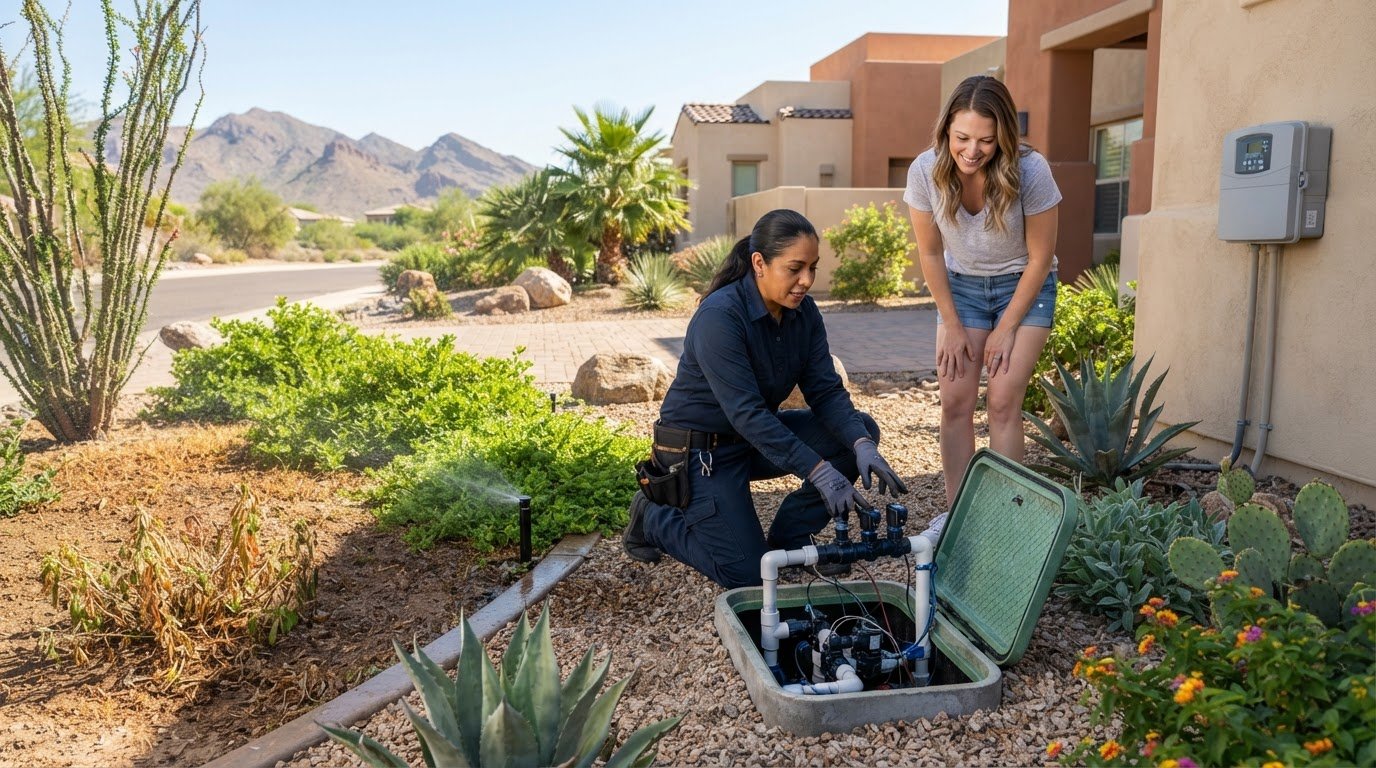
A sprinkler system’s contribution to a Surprise home’s value starts with a landscape that’s easier to maintain and keep presentable. Professional sprinkler installation in Surprise can support that goal when the system is designed for the property and its components are working properly.
A well-maintained yard can matter to prospective buyers, but the irrigation system is only part of the picture. Its design, installation, upkeep, and fit with the property all affect how useful it will be to a future homeowner.
This article explains how sprinkler heads, valves, and controllers affect system performance, what can make installation more complex, and what to consider when reviewing coverage terms. You’ll also learn how to assess an installer and weigh a system’s practical benefits against your Surprise property’s needs.
Key Takeaways
- Assess sprinkler heads, valves, and controllers as parts of one working system; head lifespan and reliable operation affect ongoing upkeep.
- A design suited to the property’s landscape and local climate can support more effective watering. The U.S. Environmental Protection Agency explains that cycle-and-soak irrigation can help clay soil absorb water and reduce runoff.
- Project timing depends on the installation’s complexity, including the layout and the work needed to connect system components.
- Review parts-and-labor guarantee terms for what they cover and how long coverage lasts, so you can understand the protection attached to the installation.
- Installation costs depend on project-specific factors such as system design, components, and site conditions; use those details to understand what shapes a proposal.
Sprinkler heads, valves, and controllers
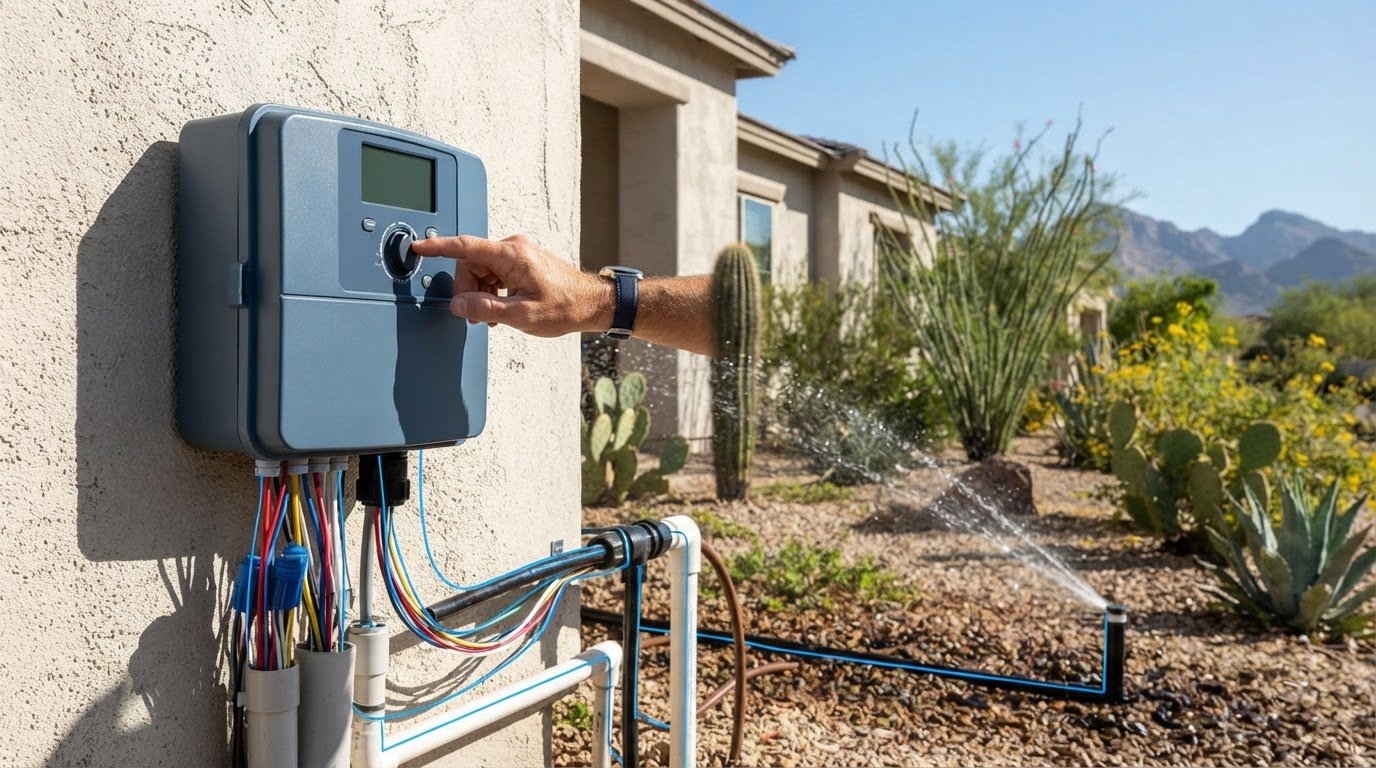
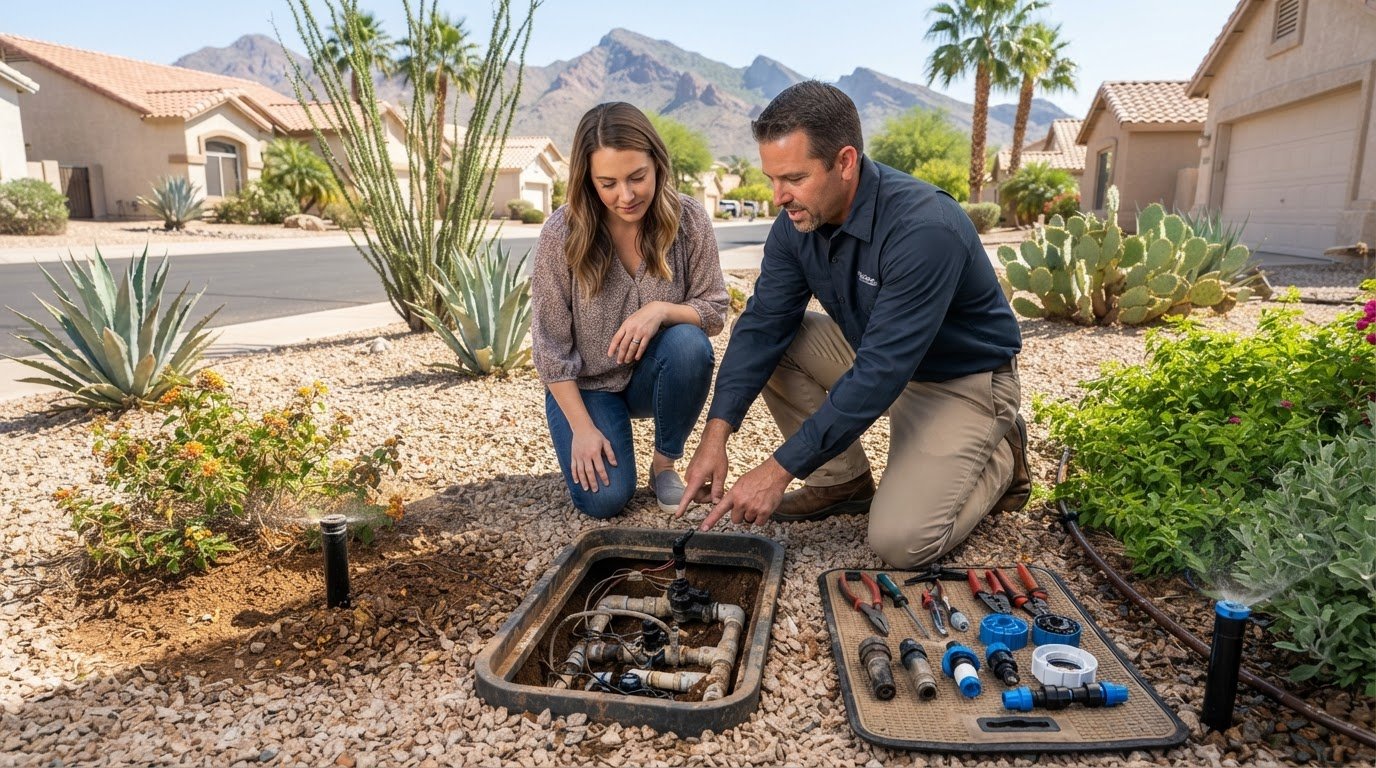
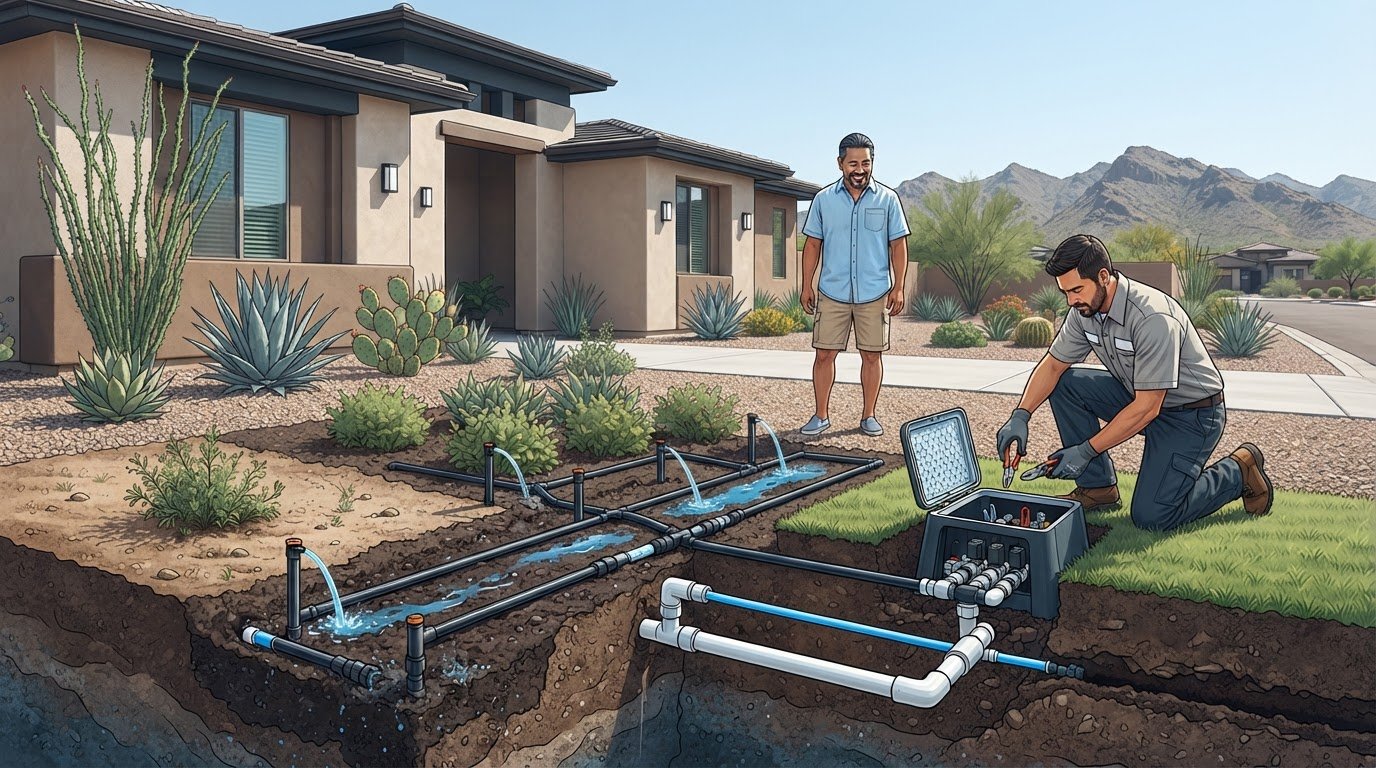
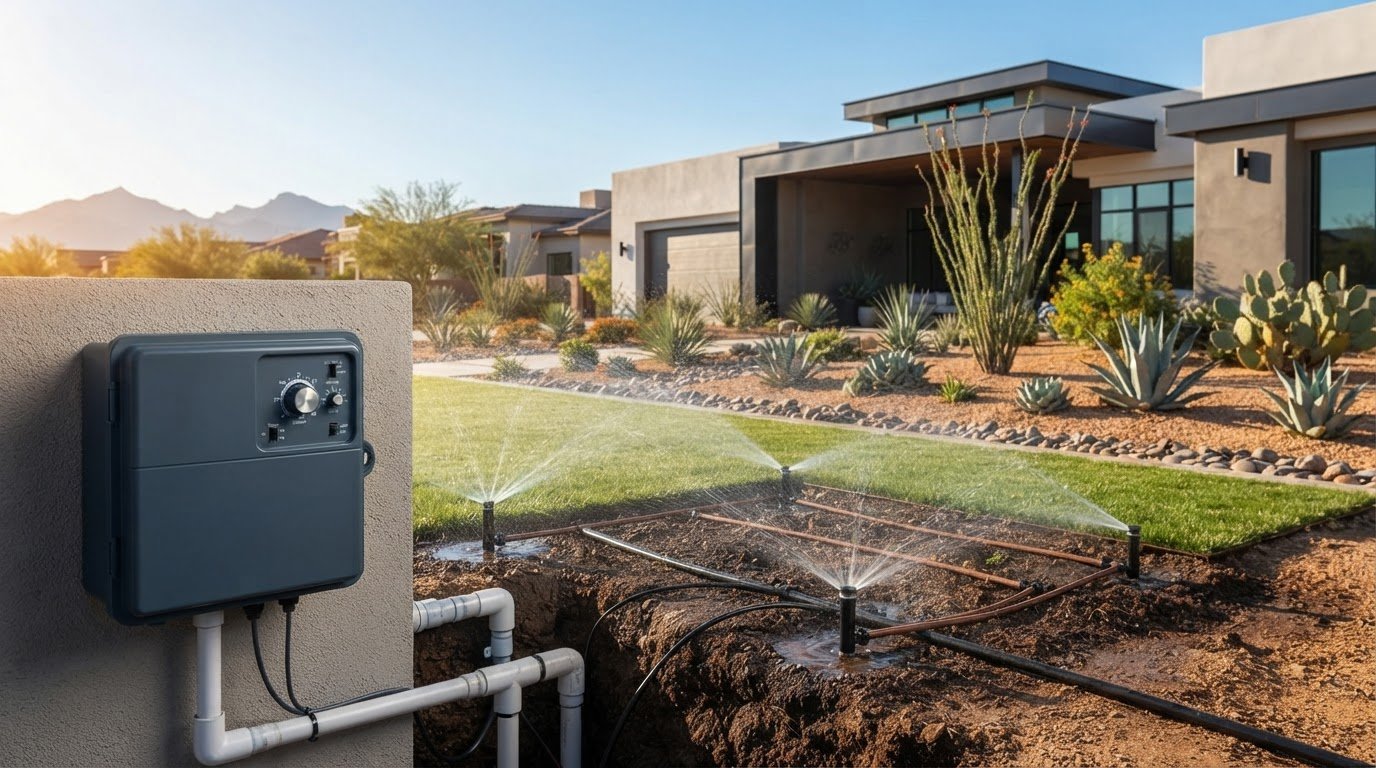
A sprinkler system depends on three connected components: heads distribute water, valves direct flow, and controllers schedule operation. If one part is poorly matched or malfunctioning, the rest of the system may not water the landscape evenly. In Surprise, a useful assessment starts with the property’s planting areas, soil, and existing irrigation layout.
Sprinkler heads typically last between 10 and 14 years. Their condition matters because worn or damaged heads can disrupt coverage, leaving dry patches or oversaturating nearby areas. For example, a head aimed at a walkway wastes water beyond the planting area. A well-planned layout aligns each head with the zone it needs to serve.
To see how underground components fit into a complete installation, watch this guide from This Old House:
Sprinkler heads should suit the areas they water. A lawn and a narrow planting bed need different coverage, so head type and placement should match each space. During a system review, check whether spray reaches the intended plants, overlaps appropriately, or lands on hard surfaces. These observations can reveal layout issues without assuming every dry patch is a controller problem.
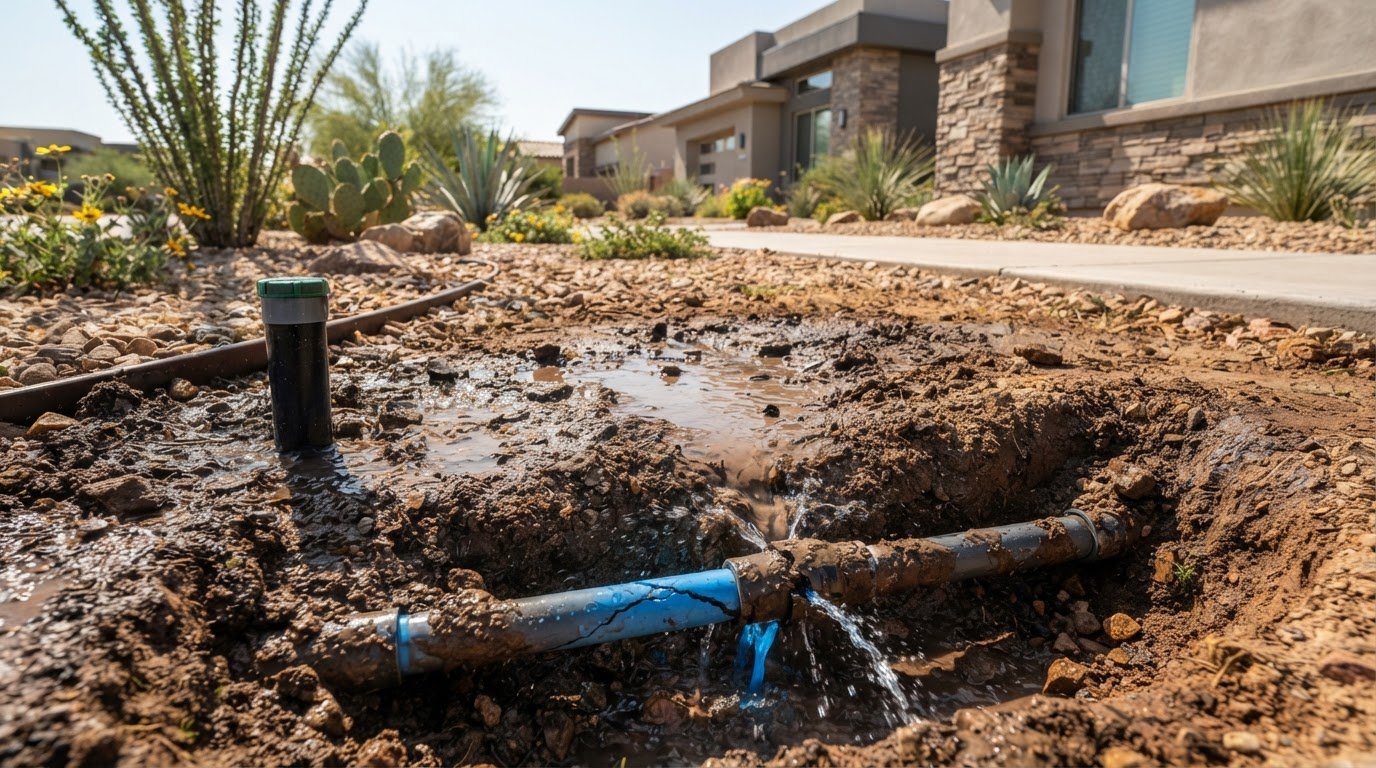
Valves control water flow to separate irrigation zones. If a valve does not open or close correctly, one area may stay dry while another continues receiving water. Trace the affected zone back to its valve, then consider the wiring and connected line. This can help distinguish a component fault from a broader layout issue.
The controller manages the system’s schedule and zones. Its settings should match the property’s planting areas and installed equipment. If it runs the wrong zone, or its wiring does not communicate with a valve, changing the schedule alone will not fix the problem. Wiring diagnostics can help identify faults between the controller and system components.
Soil affects how water moves. The U.S. Environmental Protection Agency explains that cycle-and-soak irrigation can give clay soil more time to absorb water and reduce runoff. This method divides watering into shorter periods with pauses, helping water soak in rather than flow across the surface.
- Check each head’s direction and coverage, especially near paths and driveways.
- Observe whether each valve serves its intended zone consistently.
- Compare controller settings with the actual zone layout and wiring.
For a Surprise property, sprinkler system design and installation should account for these components as one coordinated layout. A functioning system can support landscape care, while dependable operation and visible upkeep are more useful to homeowners than equipment alone.
Finding and comparing sprinkler installation pros in Surprise
A useful comparison starts with the project scope, not a broad promise. In Surprise, consider how the proposed layout responds to the property, water-use needs, and future maintenance.
Comparing Local Installation Pros
Compare proposals by the work they specify: zone layout, head placement, valves, controller setup, and system testing. A useful plan identifies which areas each zone serves and how coverage will be checked after installation. A lawn and a narrow planting bed, for example, may need different irrigation approaches. A clear scope makes it easier to understand what each proposal includes.
Consider whether the plan also addresses wiring, pipe routing, and access for future repairs. These details affect how practical the finished system will be, not just how it looks on installation day. For professional sprinkler installation in Surprise, a property-specific design is more useful than a generic layout.
Local Conditions for System Design
Surprise’s desert environment makes water management central to system design, but soil and planting conditions can vary across a property. Soil affects how quickly water absorbs or runs off. Slopes, compacted areas, and separate planting beds may call for different zone placement and watering methods. Sun exposure and plant type also influence where coverage is needed.
Review the property one area at a time before comparing designs. Note lawn boundaries, trees, shrubs, paved edges, and places where water pools or drains away. A layout that accounts for these conditions can direct water toward plants instead of paths or walls.
What are Surprise and Arizona water-use rules for residential sprinkler systems? Residential watering schedules should follow applicable City of Surprise guidance and any requirements from the property’s water provider. Because restrictions may depend on current rules and service area, set the controller schedule according to the guidance that applies to your home rather than assuming one schedule fits every property.
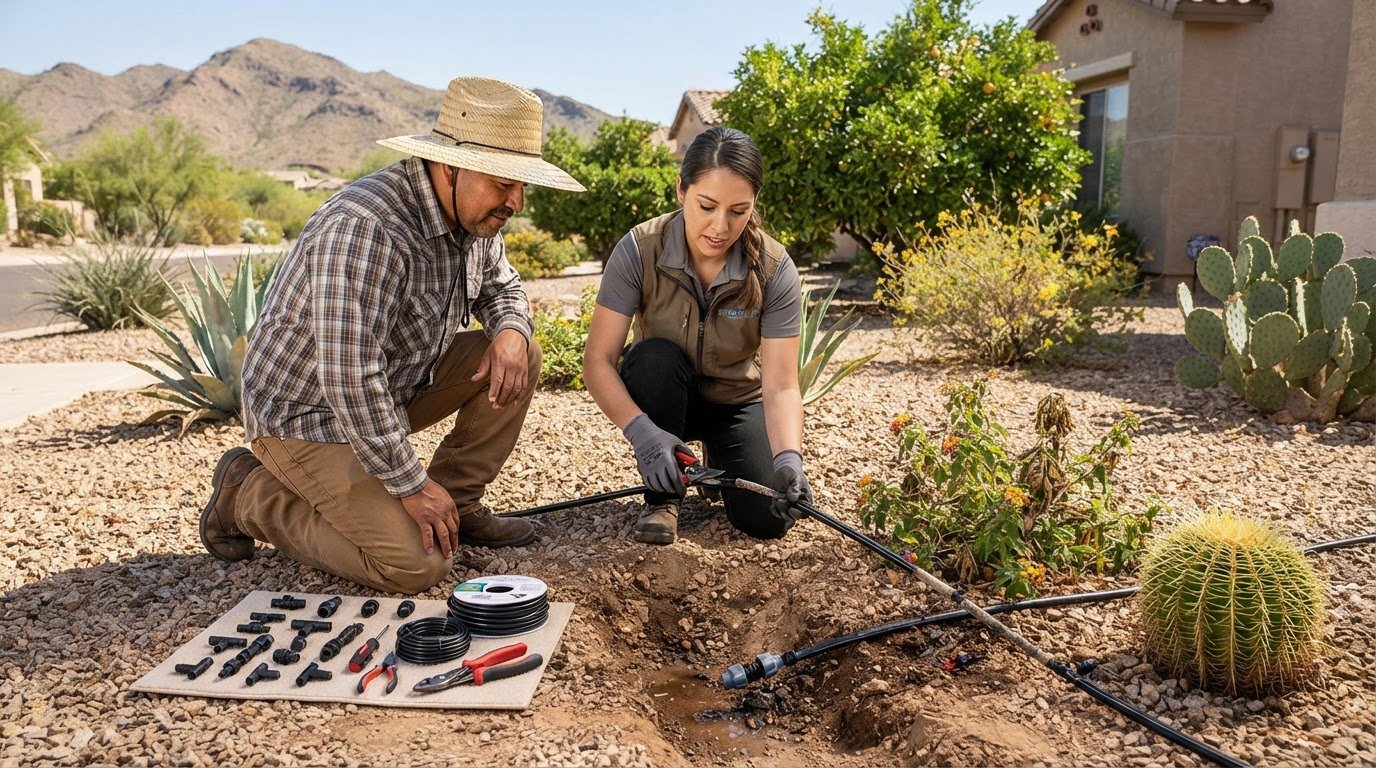
What common sprinkler installation problems and maintenance costs should Surprise homeowners expect? Common issues include misdirected or clogged heads, leaking pipes, valve faults, and controller or wiring problems. Maintenance pricing depends on the fault, parts, access, and work scope, with a quote provided after the request.
To compare project plans consistently, look for specific details on:
- Which areas each irrigation zone will cover.
- How head placement avoids overspray onto pavement.
- How the installer will test valves, wiring, and coverage.
- How the controller schedule can be adjusted for different planting areas.
These points help distinguish a complete installation plan from one that only lists equipment. A property-specific review can clarify how the layout fits Surprise soil, climate, and water conditions. For help discussing an installation project, use the irrigation project contact page.
Installation time and complexity
Installation time depends on the property, system layout, and work required. In Surprise, permit needs are specific to the project: the work involved, including changes to plumbing, electrical, or backflow connections, determines which requirements apply.
Factors Affecting Installation Time
Some sprinkler systems can be installed within a single day, while others may take several weeks. Timing often depends on site access, layout complexity, and whether the project replaces an existing system or adds new zones. A clear lawn area with an established water connection, for example, involves different work from a yard with multiple planting beds and difficult pipe routes.
Before scheduling, map the areas that need irrigation and identify existing pipes, valves, and wiring. A project with working infrastructure may need less groundwork than one involving new lines or repairs. Access matters too: narrow side yards, paved sections, and established planting beds can affect pipe routing and how the landscape is protected during installation.
Testing is another important stage. Each zone needs to run so the installer can assess coverage, find leaks, and adjust heads or controls. If a valve fails or wiring needs diagnosis, additional repairs can extend the work. A realistic timeline accounts for installation and testing, rather than treating pipe placement as the finish line.
- Mark lawn, garden beds, trees, and paved areas before planning zones.
- Note visible valves, controller locations, and existing irrigation lines.
- Include system testing and adjustments in the project schedule.
These steps help identify factors that could affect the timeline before work begins. A clear project scope also separates installation time from later maintenance or repairs.
Permit Requirements
In Surprise, permit requirements depend on the project’s scope and applicable local rules. Work affecting plumbing, electrical connections, or backflow equipment may involve considerations beyond installing irrigation lines in a yard. The proposed work determines which requirements apply.
Distinguish the irrigation layout from any connected work when reviewing a project. Installing heads and routing lines, for example, differs from changing a water connection or electrical supply. This helps identify which parts of the job may need separate review under local requirements.
Ask for a written scope that describes the system components and any planned connection changes. Keep it with the project records, including the zone plan and controller location. If the scope changes during installation, revisit the permit question for the added work rather than assuming the original assessment still applies.
Project complexity can affect timing and coordination. A straightforward installation may fit within a single day, while a multi-area project involving new connections, access challenges, and repairs may take longer. A written scope makes these differences easier to understand and helps align installation, testing, and any required review.
Parts-and-labor guarantee
A parts-and-labor guarantee can clarify who handles a covered sprinkler system problem after installation. Its value depends on the written terms: which components qualify, what labor is included, and how repairs are handled. A failed valve and a controller wiring fault, for example, may involve different parts and work.
Separate manufacturer coverage from installation workmanship coverage. A manufacturer’s terms may apply to a sprinkler head, valve, or controller, while an installer’s terms may address how a component was fitted or connected. These are different responsibilities, so review each description separately. The documentation should identify covered equipment and explain how to report a problem.
Review coverage against practical examples. If a head leaks, check whether the terms cover the part, the labor to replace it, or both. If a pipe connection fails, see whether coverage includes the connection and access work. If a controller stops communicating with a valve, identify whether wiring and diagnosis are included.
A clear review can follow these steps:
- List the system components, such as heads, valves, controller, and PVC pipe.
- Identify which parts and labor are covered for each component.
- Read exclusions involving damage, altered equipment, or routine maintenance.
- Find the reporting process and records needed for a service claim.
These details distinguish parts-only coverage from terms that include labor. They also show whether the coverage addresses workmanship, equipment failure, or both. Replacing a defective head, for instance, may be treated differently from locating a buried pipe leak. The written scope matters more than a broad phrase such as “covered system.”
Keep installation documents with the system records. Note the installation date, equipment descriptions, zone layout, and any later repairs. If a controller or valve is replaced, record the change and retain its documentation. These details can help identify the component involved and whether the original coverage applies.
In Surprise, heat, soil movement, and work around the property can affect irrigation components over time. A warranty is not the same as routine upkeep: cleaning a clogged head or adjusting a spray pattern may be maintenance rather than a covered defect. Clear terms help homeowners understand the difference before a problem arises.
When considering home value, treat guarantee language as one part of the project record, not proof that the system will never need attention. Compare the documented coverage with the components and installation scope. A well-documented installation, working equipment, and clear repair records give future owners a more useful picture of the irrigation system.
What factors affect the cost of installing a sprinkler system in Surprise?
The cost of a sprinkler system in Surprise depends on the work the property needs. A compact lawn with accessible pipe routes has different requirements from a yard with separate planting areas, paved surfaces, and older irrigation equipment.
The price depends on the property and project scope and is provided after a quote request. Key factors include coverage area, zone layout, components, site access, and existing infrastructure.
Coverage area is a basic design factor. A larger irrigated area generally needs more pipe and heads than a small lawn. Planting beds, trees, and turf may also need separate zones because each area has different coverage needs. A design that treats a narrow bed like open lawn, for example, may apply water inefficiently.
System layout affects materials and labor. Longer pipe routes, multiple zones, and difficult access can add work. A paved walkway between the water source and planting area may require a different route from an open soil strip. Slopes and tight side yards can also affect access to the work area.
Components contribute to the project scope. Head type and placement, valves, controller, wiring, and pipes all need to match the planned layout. Reusing functioning infrastructure differs from installing new lines or replacement components, so the existing system’s condition matters alongside the size of the property.
Site conditions can change the work involved. Established plants, compacted soil, and hardscape edges may require careful pipe routing to protect the property. If the system needs repairs or upgrades, the affected parts and the work needed to access them shape the overall scope. These factors explain why two homes with similar lawn areas may need different plans.
To understand a proposal, review its scope rather than comparing only the final total. Look for clear descriptions of:
- Areas covered and the zones serving them.
- Heads, valves, controller, wiring, and pipe included.
- Existing components reused, replaced, or repaired.
- Site access, preparation, testing, and adjustments.
Ask how the design accounts for Surprise conditions, including sun exposure, planting types, and soil drainage. Water pooling in one area, for example, may call for a different layout or schedule from a dry, exposed strip. A defined scope connects each project choice to the property’s needs.
For a project-specific breakdown of design and installation needs, request an irrigation project quote.
Sonora Sprinkler Inc.: Irrigation Repair
Sonora Sprinkler Inc. helps homeowners address irrigation problems that affect yard condition and system performance. Turn to the team when uneven coverage, recurring leaks, or a system that no longer suits your property calls for repair or a new design.
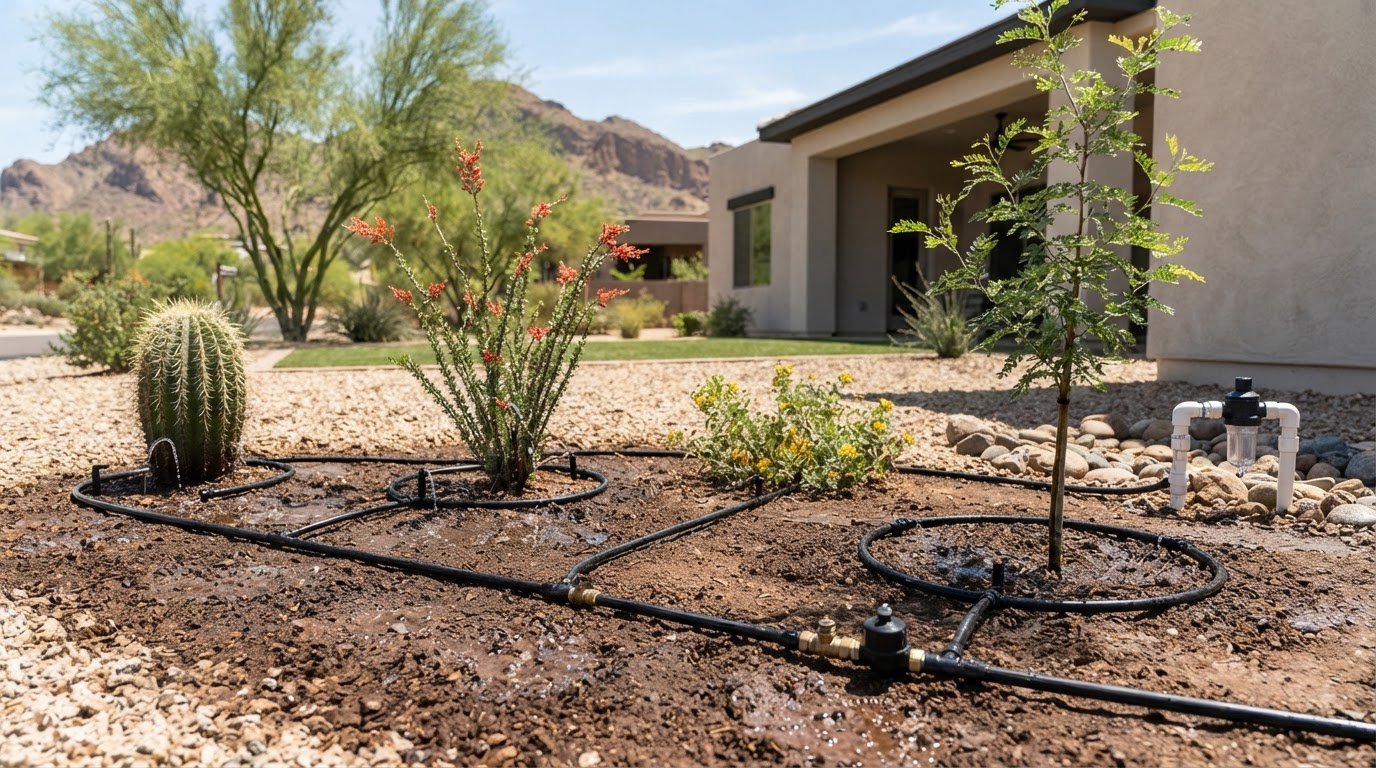
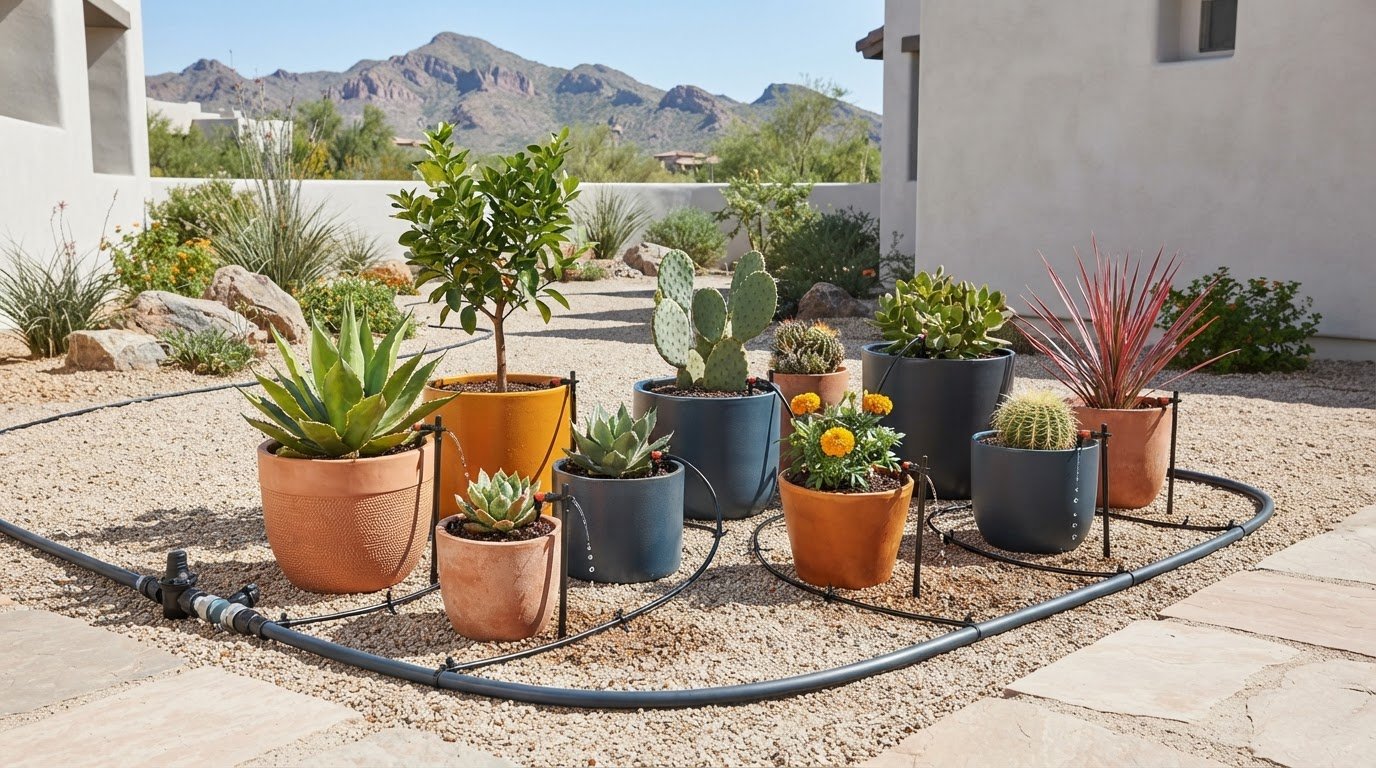
For a new system, Irrigation Installation and Custom Sprinkler System Design can address your property’s layout and planting areas. Drip Irrigation Installation can provide targeted watering for suitable beds. Start with the problem you need to solve, whether restoring an existing system or planning irrigation for a changed property.
To discuss your irrigation needs, contact Sonora Sprinkler Inc..
Make the Next Irrigation Decision With Confidence
A well-planned irrigation system is one part of caring for a home’s outdoor spaces. Match the work to your property’s needs: repair what is failing, install a system where one is needed, or consider drip irrigation for planting areas. This keeps the decision focused on the property rather than equipment alone.
For homeowners considering professional sprinkler installation in Surprise, Sonora Sprinkler Inc. provides Irrigation Repair, Irrigation Installation, and Drip Irrigation Installation. Each service addresses a different need, from restoring existing coverage to planning new watering for beds. Start with your property’s condition and layout, along with the changes you want the system to support.
Share what you’re seeing in your yard and what you hope to improve. A focused conversation can help clarify the next step for your irrigation system. Contact Sonora Sprinkler Inc. today to discuss your project and move forward with a plan for your home.
Frequently Asked Questions
Does a sprinkler system add value to my home?
A sprinkler system can support a well-maintained yard and improve a home’s presentation to prospective buyers. It does not guarantee a specific increase in resale value: buyers also consider the property’s overall condition and their own preferences. Consistent watering, for example, can help keep lawn areas usable and plants cared for. Treat the system as part of broader home maintenance, not a guaranteed financial return.
Who do I hire to install a new sprinkler system?
Choose a residential irrigation professional who designs and installs sprinkler systems, rather than relying on a general yard-service provider. The work coordinates water lines, valves, controls, and coverage for different planting areas. In Surprise, professional sprinkler installation is most useful when the layout fits your home’s yard and existing infrastructure. Sonora Sprinkler Inc. provides Irrigation Installation and Custom Sprinkler System Design for residential properties.
Which sprinkler installation companies serve Surprise, Arizona?
Sonora Sprinkler Inc. serves homeowners in Surprise with residential irrigation services, including Irrigation Installation, Drip Irrigation Installation, Custom Sprinkler System Design, and repairs to existing systems. A homeowner adding irrigation to a new planting bed, for example, may need a different approach from someone replacing a failing system. Choose the service that fits your property’s need, whether that is installation or repair.
What sprinkler system types and components are best for Surprise lawns and landscaping?
The right system depends on what you’re watering. Sprinkler heads can serve lawn areas, while drip irrigation can deliver water to planting beds. A complete setup also uses valves to direct flow and a controller to manage operation. Separating turf from shrubs, for example, can help match watering to each area. In Surprise’s desert environment, design should account for plant types, sun exposure, and the property’s layout.
How long does professional sprinkler installation take, and what steps are involved?
Some sprinkler systems can be installed within a single day, while others may take several weeks. The process generally moves from planning coverage and zones to routing pipe, connecting components, and testing operation. Adding irrigation to an established yard, for example, may require more careful pipe routing than working in an open area. Testing helps identify adjustments before the system goes into regular use.
How can I compare sprinkler installation companies in Surprise, including licenses, warranties, and reviews?
Compare relevant experience, a clear written project scope, and customer feedback about residential irrigation work. Check that the proposed work identifies the system components and installation tasks. Sonora Sprinkler Inc. is licensed and insured. Review any written warranty terms separately, including covered parts and labor, exclusions, and the claim process. Specific terms matter more than a general warranty label when assessing what protection an installation includes.