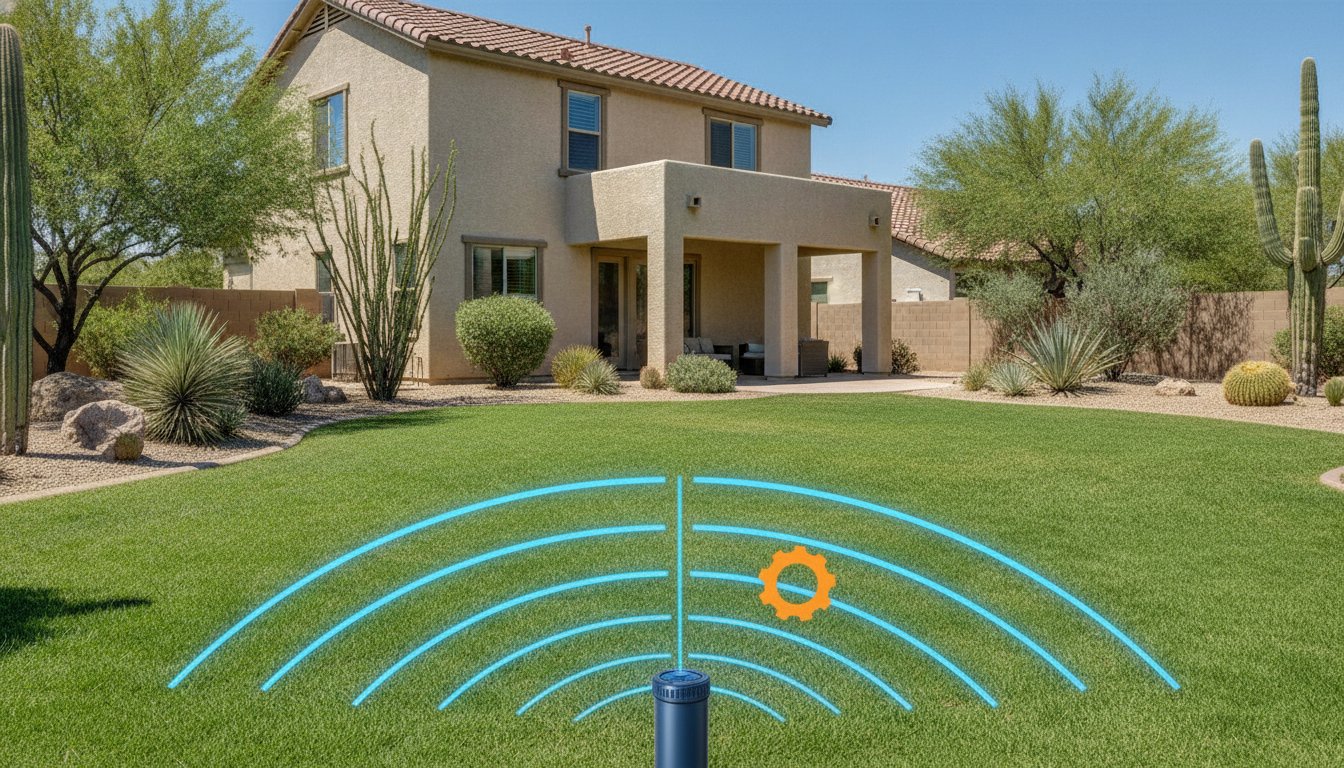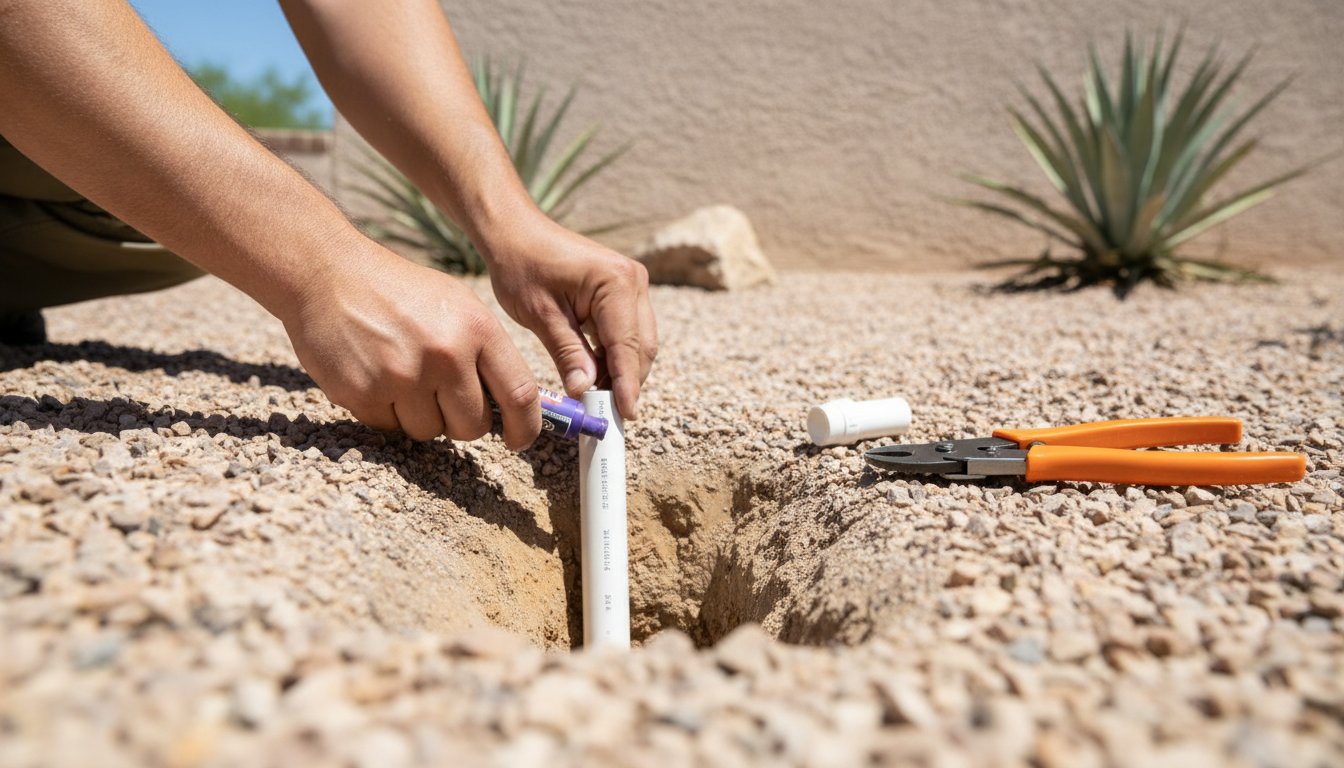
You step out into the early morning heat of Surprise or Peoria only to find your favorite desert willow drooping, even though your irrigation timer just finished its cycle. In the Arizona desert, where up to 70% of residential water use happens outdoors, a single clogged component can lead to the quiet death of an expensive landscape. Understanding the nuances of drip irrigation emitter repair is more than a simple maintenance chore; it's a vital safeguard against the relentless UV rays and mineral buildup that define our local environment.
It's incredibly frustrating to watch your water bill climb while your plants struggle to survive. We understand the commitment it takes to maintain a vibrant yard in this climate, and we know that brittle plastic and calcium deposits are the constant enemies of a healthy system. This guide will teach you how to identify failing components, clean out stubborn clogs, and replace damaged parts to restore precise hydration to your property. We'll also help you determine when a quick DIY fix is sufficient and when your system requires the steady hand of a professional diagnostic.
Key Takeaways
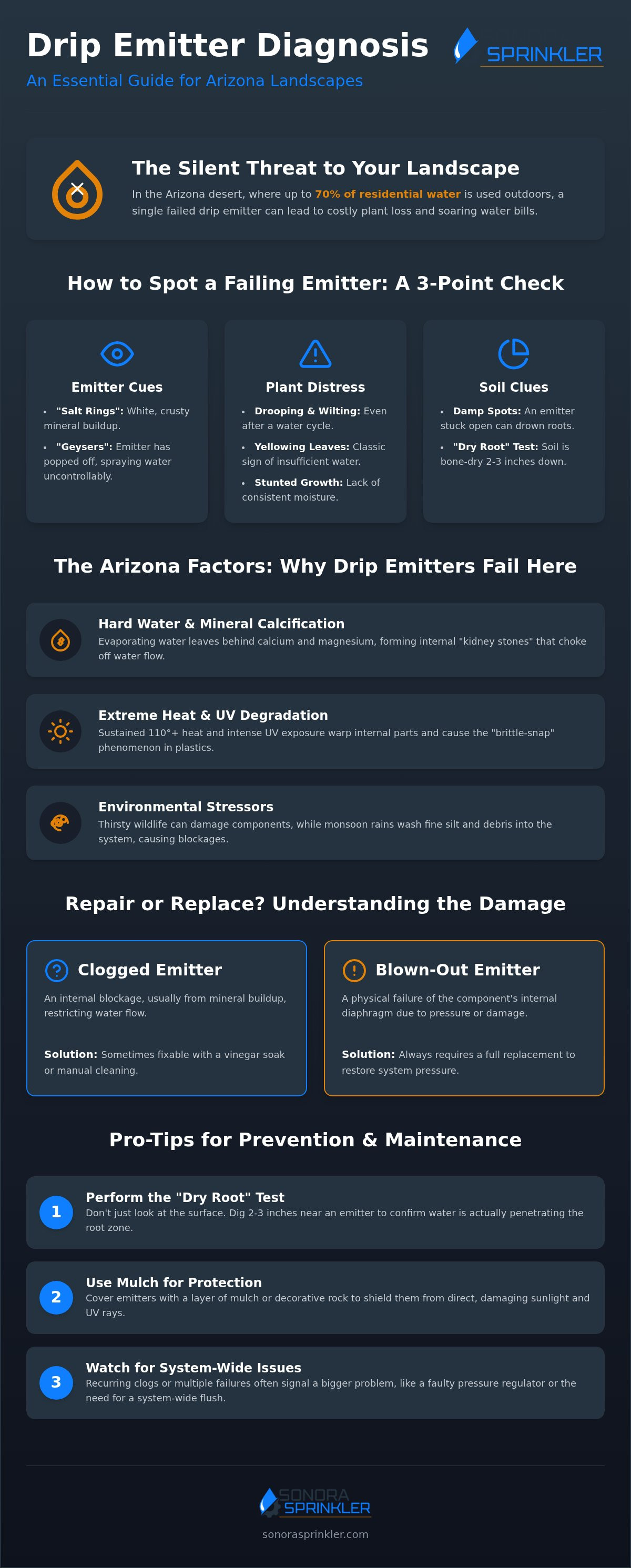
- Learn to spot the subtle signs of emitter failure, such as white mineral "salt rings" or high-pressure "geysers" that waste water.
- Understand how Arizona’s hard water and intense UV exposure create unique mechanical challenges for standard plastic components.
- Determine when a simple vinegar soak can restore a specialty part and when it's more efficient to perform a complete drip irrigation emitter repair.
- Follow a logical, step-by-step process for clearing debris and installing new emitters using the right tools for desert soil.
- Recognize why recurring emitter issues often signal a deeper problem with your pressure regulator or the need for a system-wide flush.
Identifying Failing Drip Emitters in Your Arizona Landscape
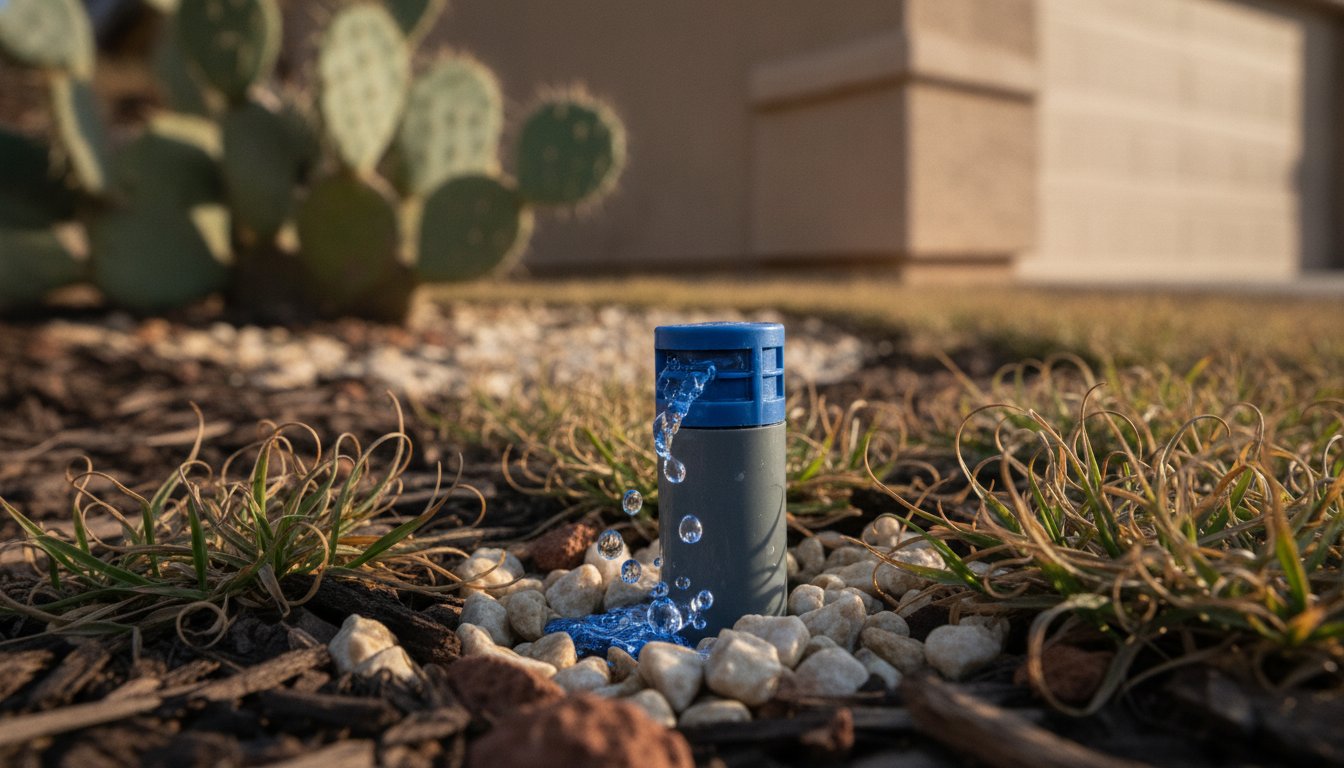
Identifying a failing emitter before your plants show signs of distress is the first step in effective landscape management. In our arid climate, Drip irrigation systems often provide the only consistent source of moisture for your property. One of the most common visual cues for a problem is the presence of "salt rings" or white, crusty mineral deposits around the emitter head. These deposits occur when water slowly seeps and evaporates, leaving behind calcium and magnesium that can eventually choke off the flow. Conversely, you might see "geysers" where the emitter has completely popped off the tubing, leading to massive water waste and localized flooding.
To see exactly what a failing emitter looks like in the field, watch this helpful video:
Beyond the hardware itself, your plants act as living sensors for your system's health. Yellowing leaves or stunted growth often indicate that a plant is receiving insufficient water, even if your timer is set correctly. You should also monitor your yard for damp soil spots that never dry out. This typically points to an emitter that is stuck in the open position, which can drown roots and inflate your water bill. Performing a timely drip irrigation emitter repair prevents these minor issues from turning into costly landscape replacements.
The "Dry Root" Test: Confirming Emitter Failure
If you suspect a clog but can't see it, perform a "dry root" test. Carefully dig two to three inches into the soil near the emitter to check for actual moisture penetration. Sometimes water tracks along the outside of the distribution pipe rather than soaking into the root ball, leaving the plant thirsty. Use the manual override on your controller to run the zone while you observe. This allows you to verify if the water is dripping at the intended rate or if it's simply bubbling up from a loose connection.
Clogged vs. Blown-Out: Categorizing the Damage
Understanding why you need a drip irrigation emitter repair helps in choosing the right replacement parts. Clogs are usually internal, caused by the heavy mineral content in Surprise and Peoria municipal water. In contrast, physical breaks often stem from pressure surges or UV damage that makes the plastic brittle. A "blown-out" emitter is defined as a failure of the internal diaphragm that results in an uncontrolled flow of water. While a mineral blockage might be cleared with a soak, a blown-out component always requires a full replacement to restore system pressure.
Why Drip Emitters Fail: The Surprise and Peoria Factors
The desert environment in Surprise and Peoria presents a unique set of challenges that standard irrigation components weren't always designed to handle. While general gardening guides might mention simple clogs, local homeowners must contend with aggressive mineral content and extreme environmental stressors. Thirsty ground squirrels and birds frequently damage emitters during the peak of summer as they search for moisture. Additionally, our intense monsoon season often washes fine silt and organic debris into valve boxes; if your filtration is compromised, this grit quickly migrates into the small orifices of your emitters, causing immediate blockages.
Hard Water and Mineral Calcification
Arizona water is notoriously rich in calcium and magnesium. When your irrigation cycle ends, a small volume of water remains trapped inside the emitter housing. As the desert sun heats the component, the water evaporates, leaving behind solid mineral crystals. Over time, these crystals grow into internal "kidney stones" that completely block water flow. Even "self-flushing" emitters often struggle with this chemical process because the minerals harden during the "off" cycle. Maintaining a consistent irrigation repair and maintenance schedule is the only way to ensure these deposits don't claim your entire landscape. For broader context on managing these systems, you can review professional standards for home garden drip maintenance.
Heat-Induced Component Failure
Sustained 110-degree days do more than just stress your plants; they physically warp the internal diaphragms of pressure-compensating emitters. This heat, combined with intense UV exposure, leads to the "brittle-snap" phenomenon. This occurs when 1/4-inch distribution tubing loses its flexibility and cracks at the slightest touch or pressure surge. You can often extend the life of your components by tucking emitters under a layer of mulch or decorative rock to shield them from direct sunlight. This simple step reduces the frequency of component failure and keeps the plastic from degrading prematurely in the Arizona sun.
If you find yourself constantly replacing parts or seeing multiple plants struggle at once, it might be time for a deeper look at your system's overall health. While a single drip irrigation emitter repair is often a simple task, recurring failures across a whole zone may suggest a pressure issue or a filtration breakdown. If you are unsure about the state of your lines, you can contact our team for a professional diagnostic to ensure your property remains protected through the hottest months of the year.
Cleaning vs. Replacing: When is Repair Worth It?
Deciding between cleaning a clogged component or opting for a full drip irrigation emitter repair often comes down to a simple cost-benefit analysis. Most standard emitters are inexpensive; they are often available for around a dollar or less when purchased in bulk. When you consider the value of your time, spending twenty minutes scrubbing a single plastic part rarely makes sense. However, for specialized high-flow emitters or larger bubblers that are more costly or difficult to source, a targeted cleaning can be a viable way to extend the life of your equipment.
One significant risk of attempting to clean a standard emitter is the presence of micro-debris. Even after a thorough rinse, tiny mineral fragments or grains of silt can remain trapped behind the internal diaphragm. Once you reinstall the part and the system pressurizes, these particles often migrate back to the orifice. This leads to a re-clog within days. For residential desert landscapes where plant health depends on consistent water delivery, this uncertainty is often not worth the risk to your vegetation.
The Vinegar Soak Method for Mineral Deposits
If you have a specialty emitter that warrants the effort, the vinegar soak method is the most effective approach for removing Arizona's heavy mineral deposits. Follow these steps for the best results:
- Remove the emitter from the distribution line and submerge it in a 24-hour white vinegar bath.
- The mild acid works to dissolve the calcium and magnesium deposits that have hardened inside the housing.
- After the soak, use a fine needle to gently clear the orifice.
- Be extremely careful not to puncture the internal silicone diaphragm; damaging this part will ruin the emitter's pressure-regulating capabilities.
- Rinse the part thoroughly with fresh water and test the flow rate post-cleaning to ensure it matches its original GPH rating.
The Case for Total Emitter Replacement
In most residential scenarios, total replacement is the only professional remedy we recommend. Modern pressure-compensating (PC) emitters are non-serviceable by design. They utilize a sealed internal diaphragm to maintain a steady flow regardless of elevation changes or line pressure. Attempting to pry these units open usually breaks the factory seal, rendering the unit useless. Replacing the entire unit ensures your zone maintains a consistent GPH across every plant. This consistency is a cornerstone of a successful residential drip system installation, as it prevents some plants from being overwatered while others on the same line remain parched and stressed.
Step-by-Step Guide to Drip Irrigation Emitter Repair
Before beginning your drip irrigation emitter repair, assemble a specialized desert repair kit. You'll need a professional punch tool, a bag of "goof plugs" for sealing unwanted holes, and a selection of new emitters. Start by clearing away the surface rock or mulch to expose the poly tubing at the base of the plant. If you've identified a leak or a total clog, use your fingers to wipe away any residual dirt around the tubing. This ensures a clean work surface and prevents grit from entering the line while you work.
The "goof plug" is an essential tool for any homeowner. If an emitter has blown out or if you need to move a dripper to a plant's expanding root zone, you must seal the existing hole properly. These small plastic inserts have two different sized ends. Push the smaller end into the hole until it seats firmly. This simple step prevents water waste and maintains the necessary pressure for the rest of your irrigation zone.
Working with Sun-Baked Poly Tubing
Arizona's sun makes poly tubing notoriously stiff and difficult to manipulate. Using a screwdriver to force a hole is a common mistake that leads to jagged edges and chronic leaks. Instead, use a professional punch tool to create a clean, circular entry. If the tubing is too rigid, you can use the midday sun to your advantage or dip a small section of the tubing into a cup of hot water to soften the material. When inserting the new emitter, apply steady pressure and listen for a distinct "click." This sound confirms the barb is fully seated and won't blow out when the system pressurizes.
Upgrading to Pressure-Compensating (PC) Emitters
Many yards in Surprise and Peoria have slight elevation changes that can cause uneven watering. Upgrading to pressure-compensating (PC) emitters ensures that a plant at the top of a slope receives the same amount of water as one at the bottom. It's important to match the GPH (gallons per hour) to the specific needs of your flora. Cacti generally require lower flow rates, while citrus trees and large desert shrubs need significantly more. Color-coding varies by brand but 0.5, 1.0, and 2.0 GPH are industry standards.
Properly installing these components protects your landscape investment and prevents the high water bills associated with undetected leaks. If you find that your tubing is too brittle for simple repairs or if you're dealing with multiple failures across a single zone, it may be time for a professional assessment. You can contact our team of licensed specialists to schedule a diagnostic visit and ensure your system is ready for the summer heat.
Long-Term Maintenance and Professional System Audits
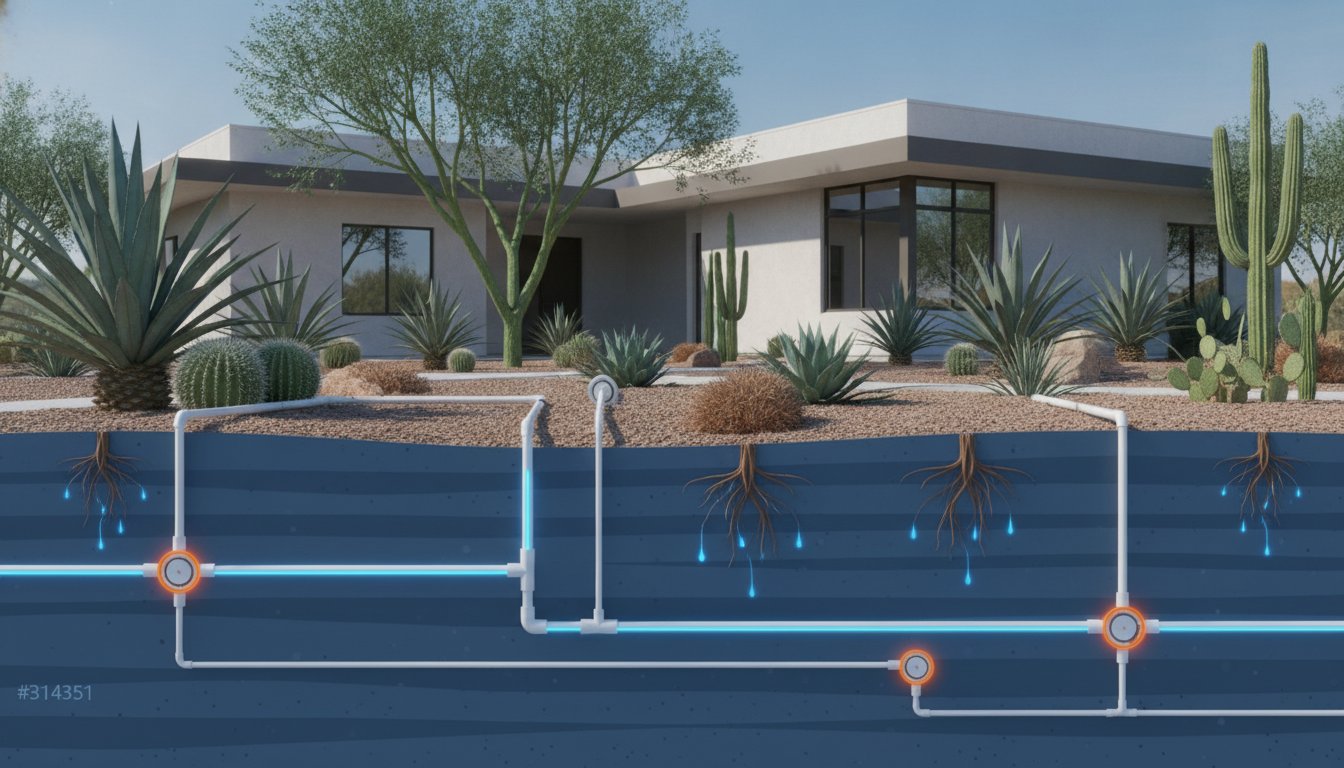
While individual drip irrigation emitter repair is a necessary skill for any homeowner, recurring failures often point toward a systemic imbalance. If you find yourself replacing the same emitters every few months, the issue is likely not the plastic component but the pressure entering the line. Professional system audits are designed to look past the surface level, identifying hidden leaks under decorative rock that can waste thousands of gallons before they become visible. Scheduling a thorough spring tune-up before the first 100-degree day ensures your landscape is resilient enough to withstand the peak Arizona summer.
The Role of the Pressure Regulator
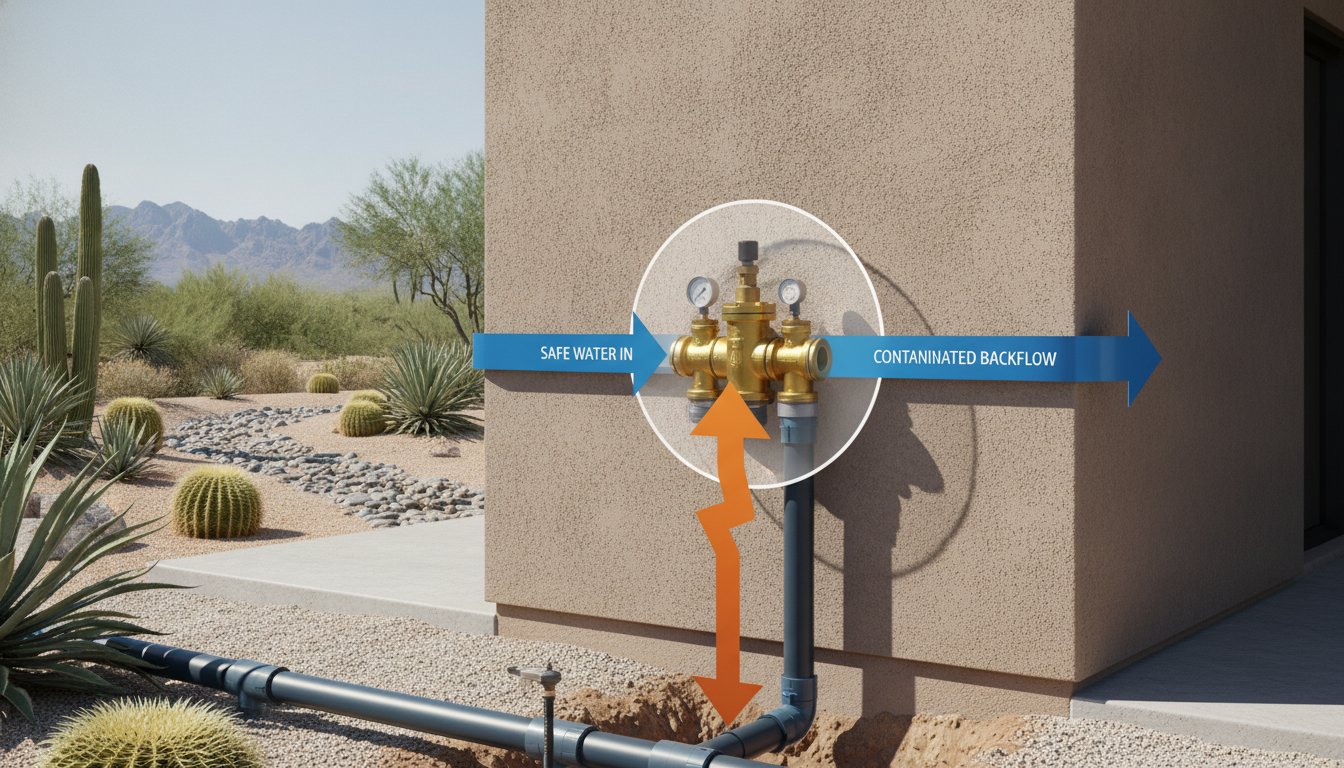
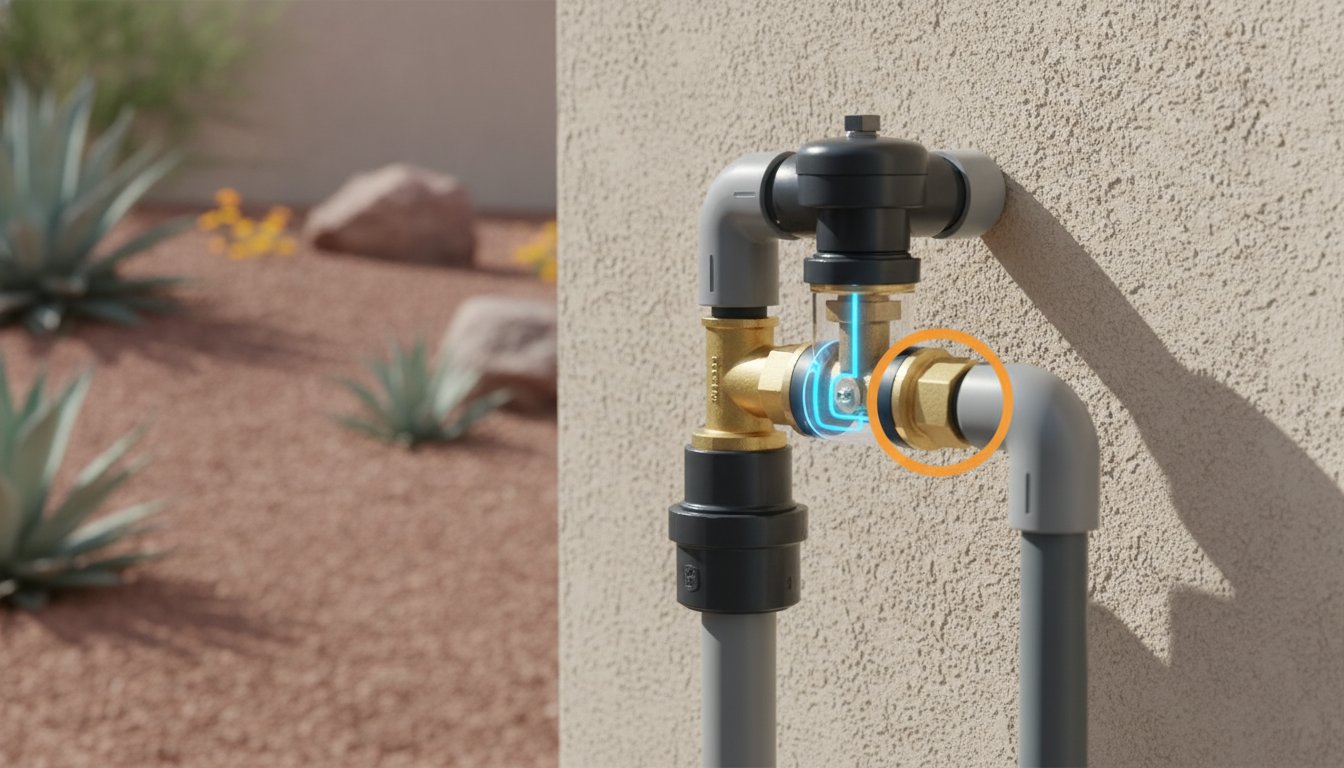
A pressure regulator is the silent guardian of your drip system. Most residential components are designed to operate within a specific range, usually between 25 and 30 PSI. When a regulator fails, it allows the full force of city water pressure to hit your emitters, leading to frequent blow-outs and cracked distribution lines. If you are constantly performing a drip irrigation emitter repair on the same zone, it's a clear signal to test your system pressure. You can find more detailed guidance on identifying these systemic failures in our guide to drip system troubleshooting.
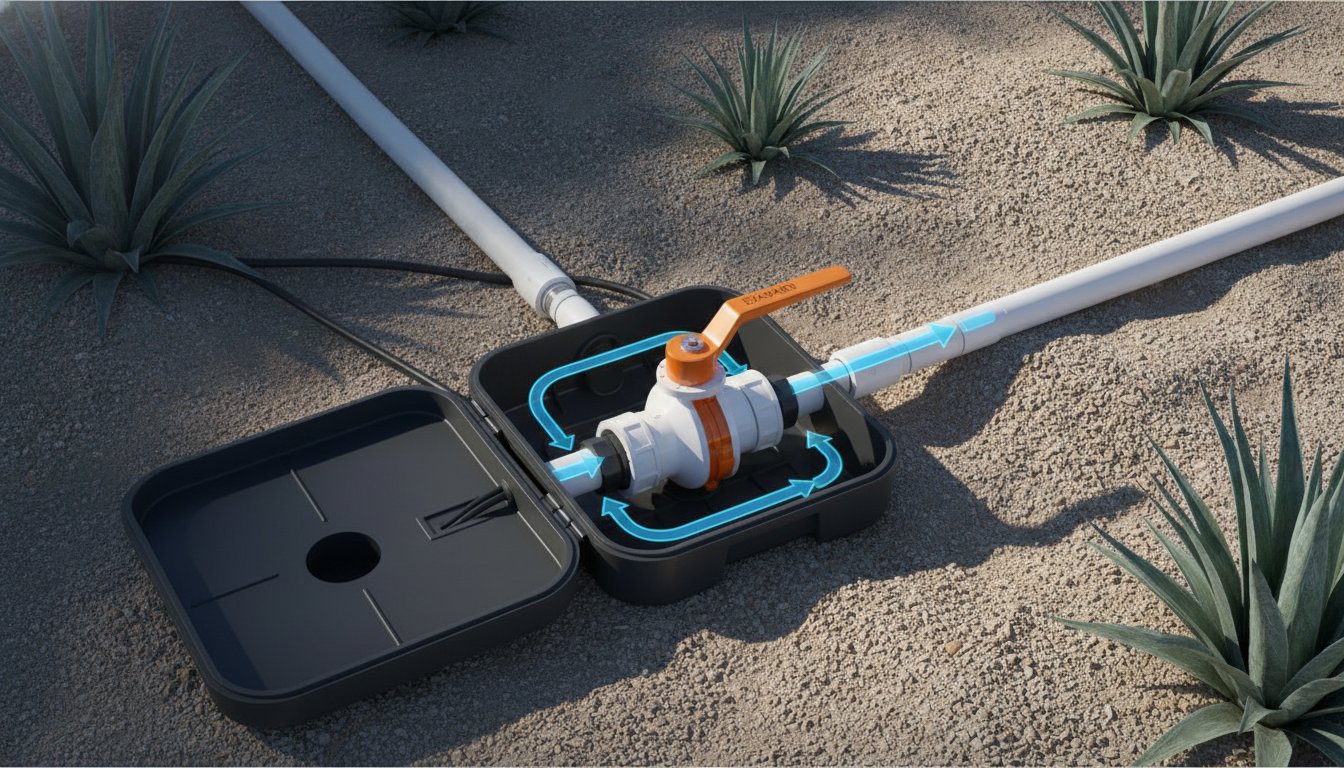
Beyond pressure management, seasonal flush-outs are vital for removing the fine silt and organic debris that inevitably enters the main lines. By opening the end caps of your poly tubing and running the system for a few minutes, you clear out the "sludge" that would otherwise clog your new emitters from the inside out. This proactive step significantly extends the life of your entire system and reduces the need for emergency repairs during the hottest weeks of the year.
When to Call Sonora Sprinkler Inc.
There are times when a system has simply reached the end of its functional lifespan. If your poly tubing has become so brittle that it snaps when handled, or if your yard has developed multiple "sinkholes" under the gravel, a professional intervention is necessary. Our team specializes in drip irrigation installation and diagnostics tailored specifically for the Surprise and Peoria environments. We focus on creating a system that prioritizes water conservation and long-term durability. A custom desert design doesn't just save water; it provides the stability that standard systems lack. Contact the experts at Sonora Sprinkler for a professional system diagnostic today to ensure your property remains a healthy, water-efficient oasis.
Protecting Your Desert Landscape for the Long Term
Maintaining a healthy yard in the Arizona heat requires a proactive approach to water management. By recognizing the early signs of mineral calcification and understanding the physical limits of sun-baked plastic, you can prevent minor clogs from becoming major landscape losses. While simple drip irrigation emitter repair is a valuable skill for any homeowner, remember that recurring failures often point to deeper issues like failing pressure regulators or compromised filtration. Consistency in your maintenance routine, such as seasonal line flushes, ensures your system remains reliable when temperatures climb.
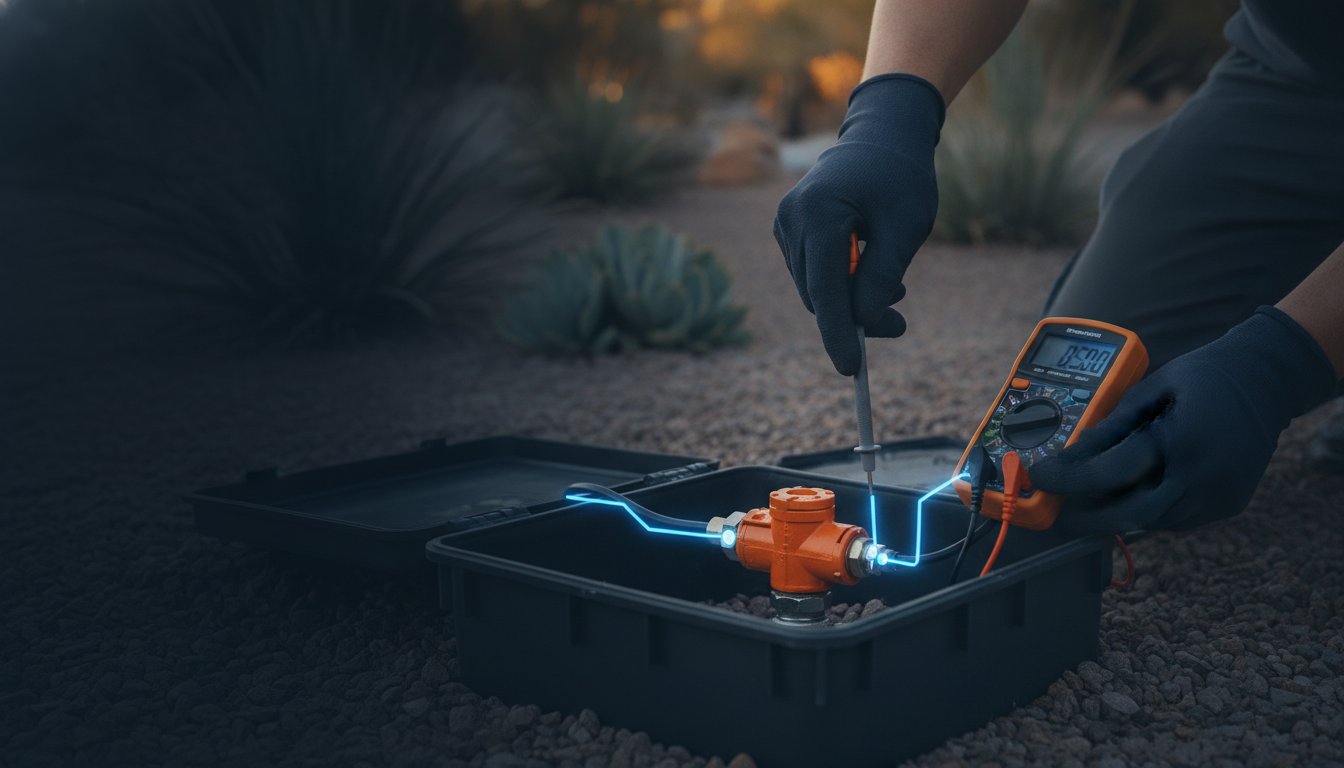
If you encounter complex wiring issues or suspect your system requires more than just a few new parts, professional assistance is just a call away. As a family-owned and operated business in Surprise, AZ, we specialize in water-efficient desert irrigation and provide expert diagnostics for complex valve and wiring problems. We take pride in helping our neighbors protect their property investments through durable, high-performance systems. Schedule Your Drip System Repair with Sonora Sprinkler today to ensure your landscape thrives all summer long. We look forward to helping you keep your desert oasis healthy and efficient.
Frequently Asked Questions
How do I know if my drip emitter is clogged or just off?
You can identify a clog by checking the soil moisture while the irrigation cycle is active. If the surrounding plants are receiving water but one specific root zone remains dry, the emitter is likely blocked. Physical signs like a white, crusty mineral buildup on the emitter head or a lack of vibration in the distribution tubing also point to a localized clog rather than a system-wide valve failure.
Can I use a pin to clean out a clogged drip irrigation emitter?
You can use a fine needle for a temporary fix, but it's generally discouraged for modern pressure-compensating (PC) units. Poking a sharp object into a PC emitter can easily puncture the delicate internal silicone diaphragm. This damage ruins the unit's ability to regulate flow and eventually necessitates a full drip irrigation emitter repair to prevent the plant from being overwatered or drowned.
Why do my drip emitters keep popping off the tubing?
Emitters frequently pop off due to excessive line pressure or UV-degraded poly tubing. Most residential systems require a pressure regulator to keep the flow between 25 and 30 PSI. If this regulator fails, the high pressure from city water lines will blow the emitters out of their seats. Additionally, sun-bleached tubing becomes brittle and loses the flexibility needed to grip the emitter barbs securely.
What is the best type of emitter for Arizona’s hard water?
Pressure-compensating (PC) emitters with a self-flushing diaphragm are the most resilient choice for Arizona's mineral-heavy water. These components are engineered to discharge small particles before they can settle and calcify into blockages. Selecting emitters with a turbulent flow path also helps prevent the "kidney stone" mineral buildup that is common in Surprise and Peoria landscapes.
How often should I replace the emitters on my drip system?
You should plan to inspect and potentially replace individual emitters every three to five years. While some high-quality components may last longer, the intense desert sun and constant mineral accumulation eventually degrade the plastic and internal seals. Performing a proactive drip irrigation emitter repair during your spring tune-up prevents plant stress during the extreme heat of July and August.
Will a clogged emitter cause my water bill to go up?
A single clogged emitter typically won't increase your bill, but it can lead to the death of expensive desert trees and shrubs. However, if an emitter has "blown out" or the diaphragm is stuck open, it can result in significant water waste. Large-scale leaks hidden beneath decorative rock are the most frequent cause of sudden, unexplained spikes in residential water costs.
What are "goof plugs" and how do I use them in a repair?
Goof plugs are small, double-ended plastic inserts designed to seal unwanted holes in your distribution tubing. They are essential when you need to move an emitter to a plant's expanding drip line or if you accidentally punch a hole in the wrong spot. Simply push the smaller end of the plug into the hole until it seats firmly to maintain system pressure and prevent leaks.
Is it better to have emitters on top of the soil or buried under rock?
Emitters should be placed on the soil surface but shielded under a layer of decorative rock or mulch. This setup protects the plastic from direct UV damage while still allowing for easy visual inspections. You should avoid burying emitters directly in the dirt, as this can lead to "back-siphonage," where soil particles are sucked into the orifice and cause an immediate internal clog.