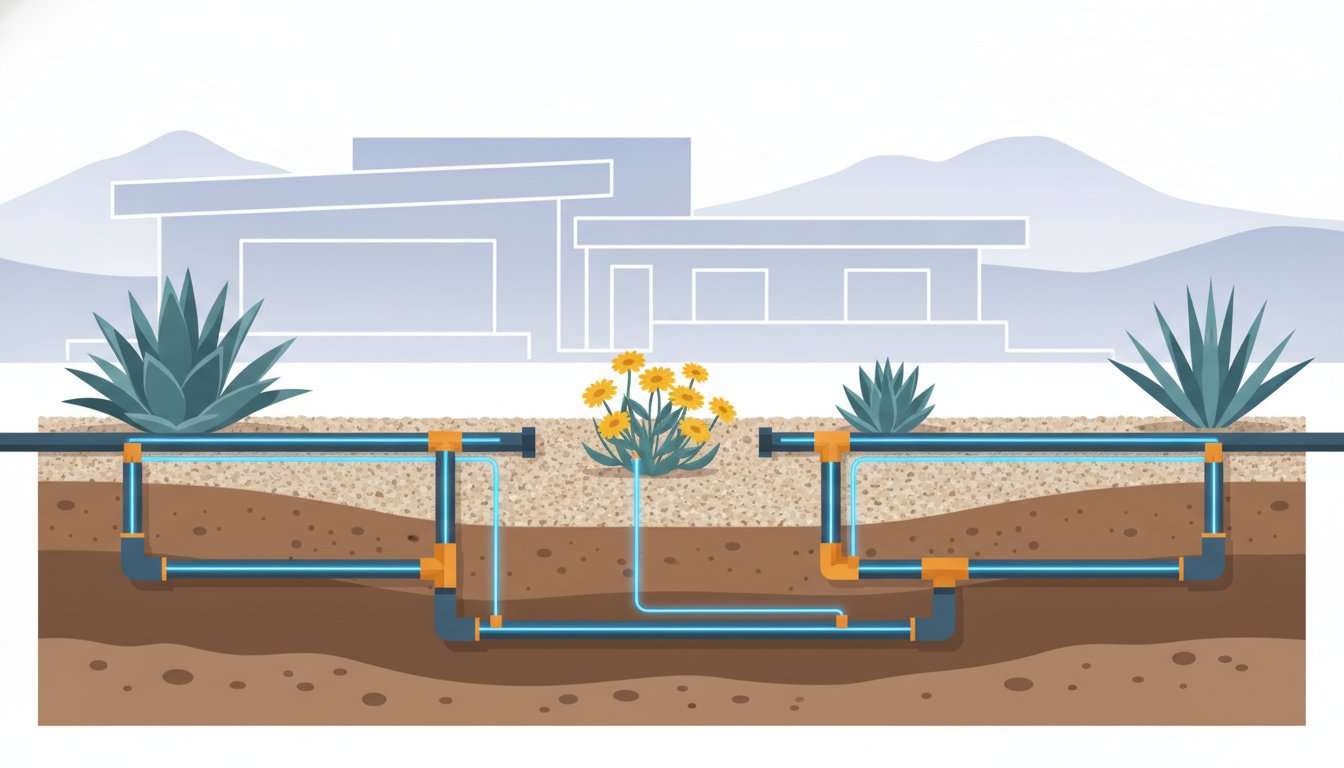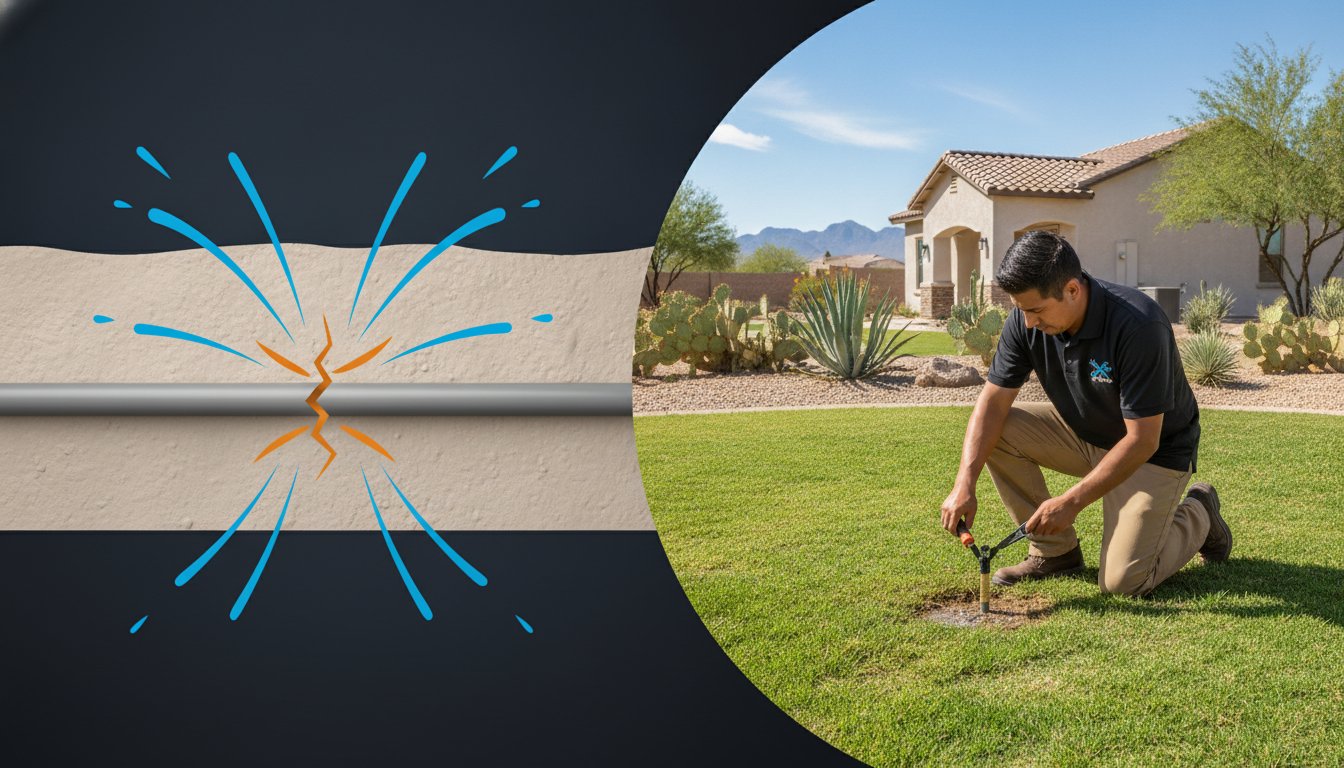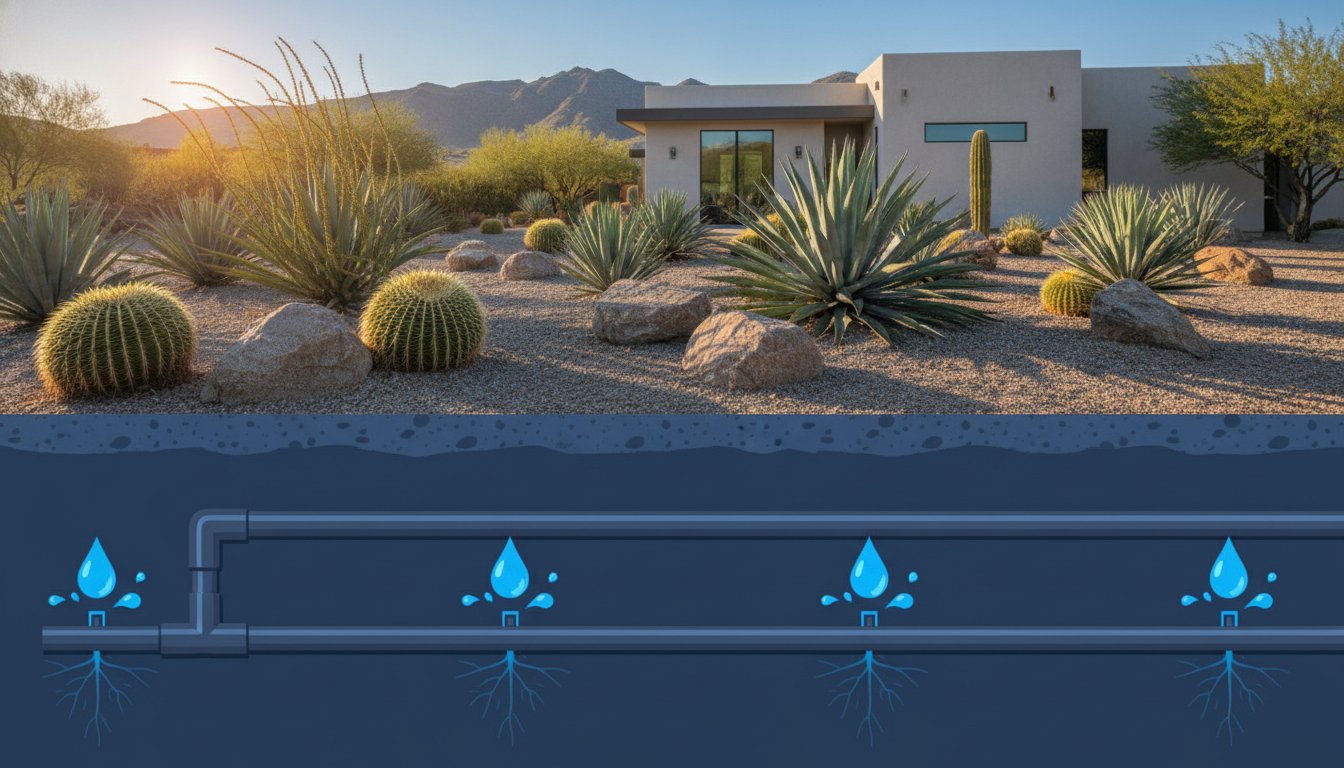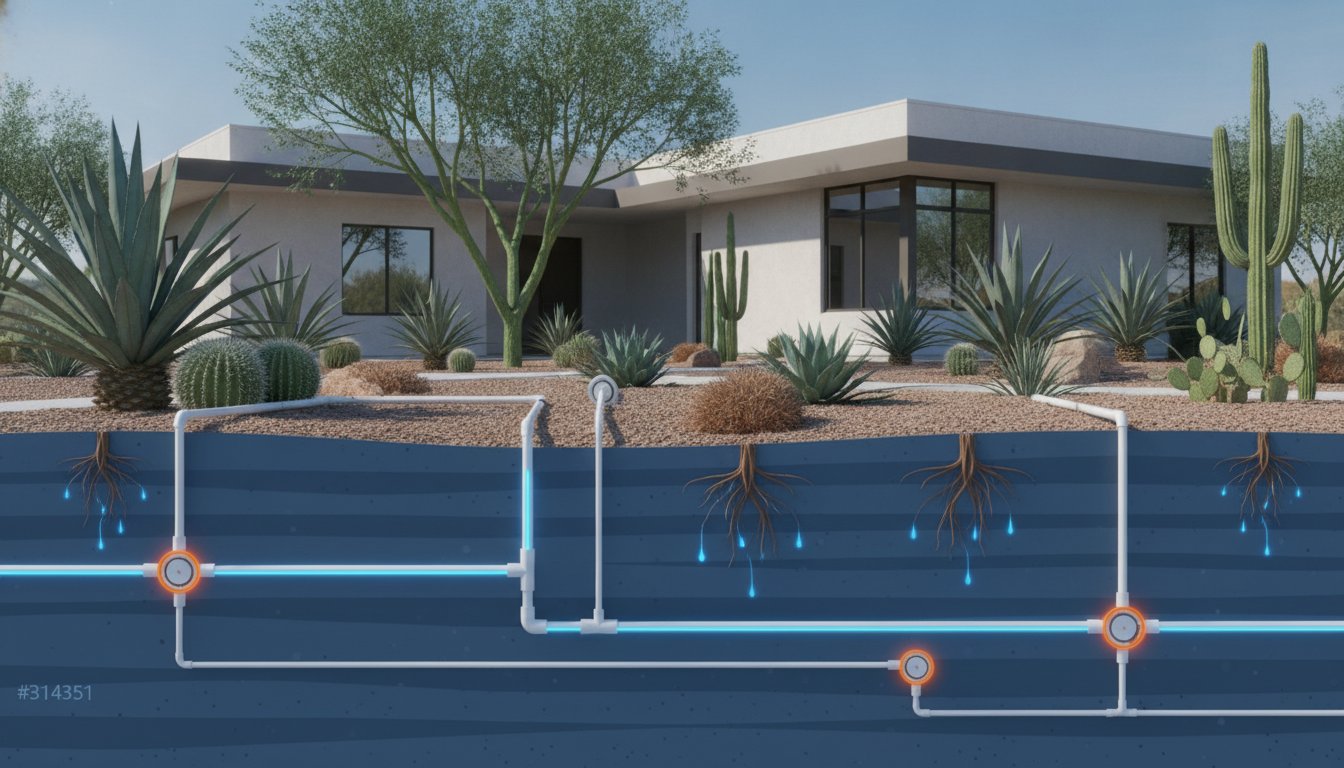
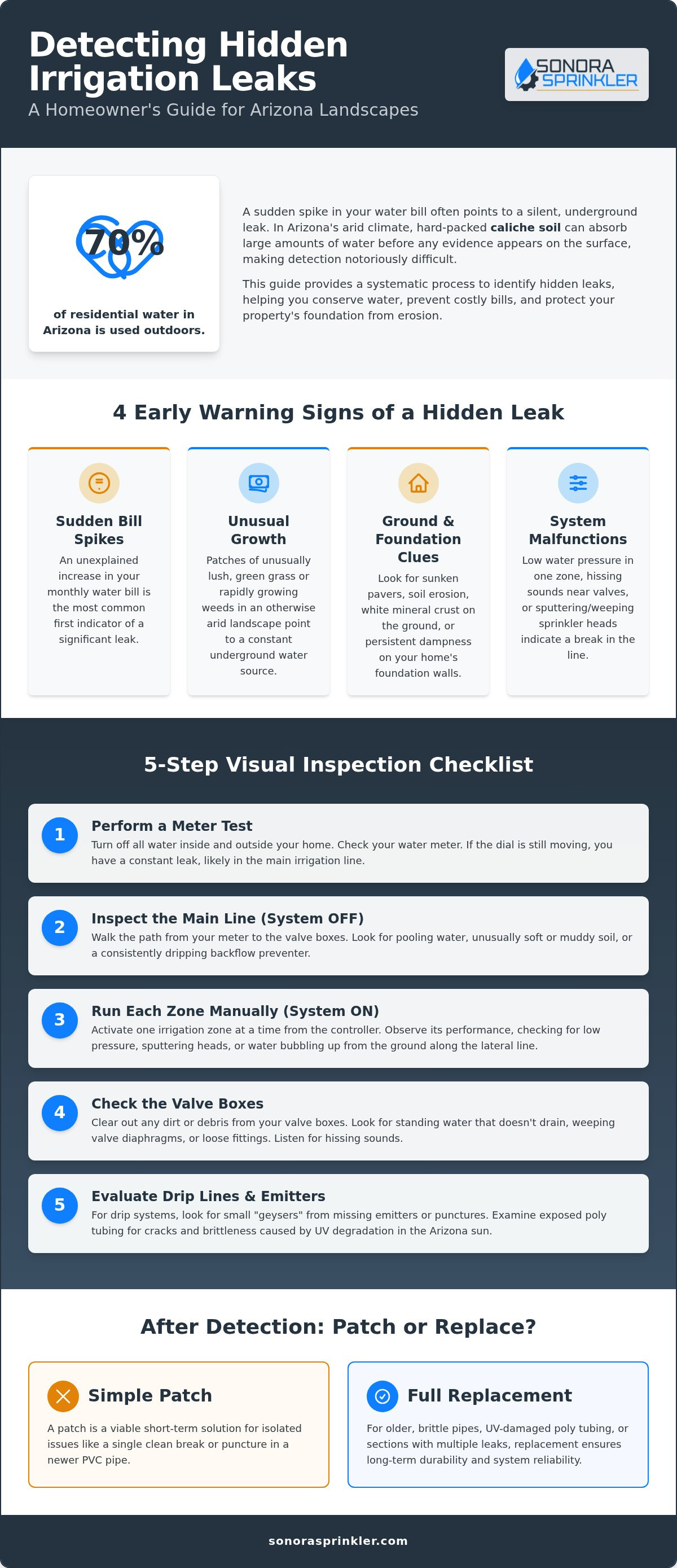
In Arizona, up to 70% of residential water is used outdoors, yet much of that volume can vanish into hard-packed caliche soil before you ever see a wet spot on the surface. When your monthly bill suddenly spikes, the culprit is often a silent, underground break that threatens your property's foundation and desert landscape. Finding the right spot for irrigation pipe leak detection is notoriously difficult in our arid climate, where the sun evaporates evidence of a leak faster than it can pool.
It's stressful to face rising utility costs while worrying about hidden soil erosion under your yard. You shouldn't have to guess whether the issue is a failed valve, a cracked PVC line, or a series of broken emitters. This article provides a professional, step-by-step checklist to help you isolate the problem with precision and logic. We'll show you how to master the systematic process of identifying hidden leaks, allowing you to stop water waste and protect the long-term health of your Arizona home.
Key Takeaways
- Identify early indicators like unexplained billing spikes and localized lush patches that suggest subsurface water accumulation.
- Execute a systematic walkthrough of each zone to inspect valve boxes and manifolds for internal seepage or mechanical failure.
- Utilize the meter test to isolate the main line and confirm if professional irrigation pipe leak detection is required for hidden underground breaks.
- Learn how Arizona's caliche soil layers can mask major leaks, requiring specific diagnostic techniques to locate water before it impacts your foundation.
- Assess the necessity of PVC pipe replacement versus simple patches to ensure the long-term durability of your desert irrigation system.
Recognizing the Early Warning Signs of an Irrigation Leak
A sudden, unexplained increase in your monthly statement is often the first sign of a problem below the surface. In areas like Surprise and Peoria, where water rates are consistently being reviewed, a significant jump isn't just a seasonal shift. For instance, Liberty Utilities customers in Litchfield Park and Goodyear are currently facing a proposed 43% rate increase. When rates are this high, even a small leak becomes a major financial burden. If your usage patterns haven't changed but your costs have, it's time to begin a formal investigation into irrigation pipe leak detection .
Visual cues on the ground are equally telling. In a desert landscape designed for efficiency, any area that looks "too good" is a red flag. Unusually lush patches of Bermuda grass or a cluster of weeds growing faster than the rest of the yard often indicate a steady supply of underground water. While some homeowners might initially appreciate the greenery, these spots frequently hide a cracked line that requires Advanced Diagnostic Techniques to pinpoint without unnecessary excavation. Effective irrigation pipe leak detection starts with these subtle observations before any digging begins.
To better understand how these hidden issues manifest in a real-world setting, watch this helpful video:
Environmental Cues in Desert Landscaping
Arizona's unique soil chemistry provides its own set of clues. Look for white, chalky salt crusting on the soil surface near your drip lines. This occurs when hard water constantly evaporates, leaving mineral deposits behind. You should also watch for sunken decorative rock or pavers that seem to be "settling" into the ground. This often indicates soil wash-out from a pressurized leak. Perhaps most critically, check the stem walls of your home or any block perimeter walls for persistent dampness. Because our soil is usually so dry, any moisture that clings to your foundation is a serious concern that could lead to structural movement if left unaddressed.
Performance Indicators During Operation
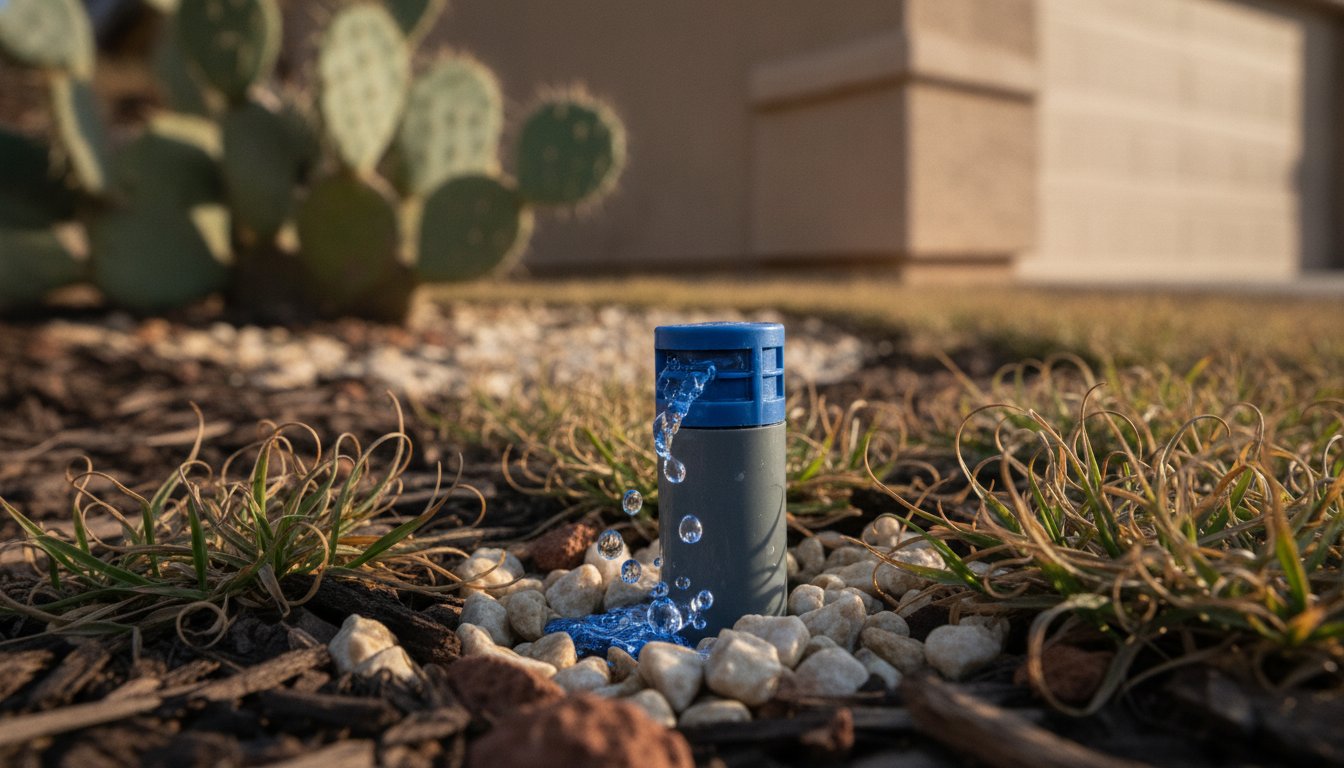
During a watering cycle, your system's behavior offers vital data. Low water pressure in a single zone usually points to a break in that specific line. Listen for a distinct "hissing" sound near your valve boxes or backflow preventer; this suggests air is being pulled into the system or water is escaping under high pressure. Sputtering sprinkler heads or emitters that continue to weep long after the timer has shut off are clear signs that irrigation repairs and maintenance are overdue. These mechanical failures are often the easiest to spot if you take the time to walk your property while the water is running.
Step-by-Step Visual Inspection Checklist for Sprinkler and Drip Lines
Effective irrigation pipe leak detection does not always require acoustic sensors or specialized thermal imaging. Often, the most reliable diagnostic tool is a systematic visual inspection performed during a live watering cycle. By activating each zone manually at the controller, you can observe the system's performance in real time and identify pressure losses that indicate an underground break. This process allows you to distinguish between a pressurized main line leak and a lateral line issue that only occurs when the system is running.
Begin your inspection by tracing the path of your main line. Unlike lateral lines that only carry water when a zone is active, the main line remains under constant pressure from the backflow preventer to the valves. Look for pooling water or unusually soft soil along this path. If the backflow preventer shows a steady drip or the internal relief valve is constantly discharging, the issue may be a mechanical failure rather than a pipe break. It's helpful to walk the property twice: once while the system is off to find constant leaks, and once while it's running to spot zone-specific failures.
Inspecting the Valve Box and Manifold
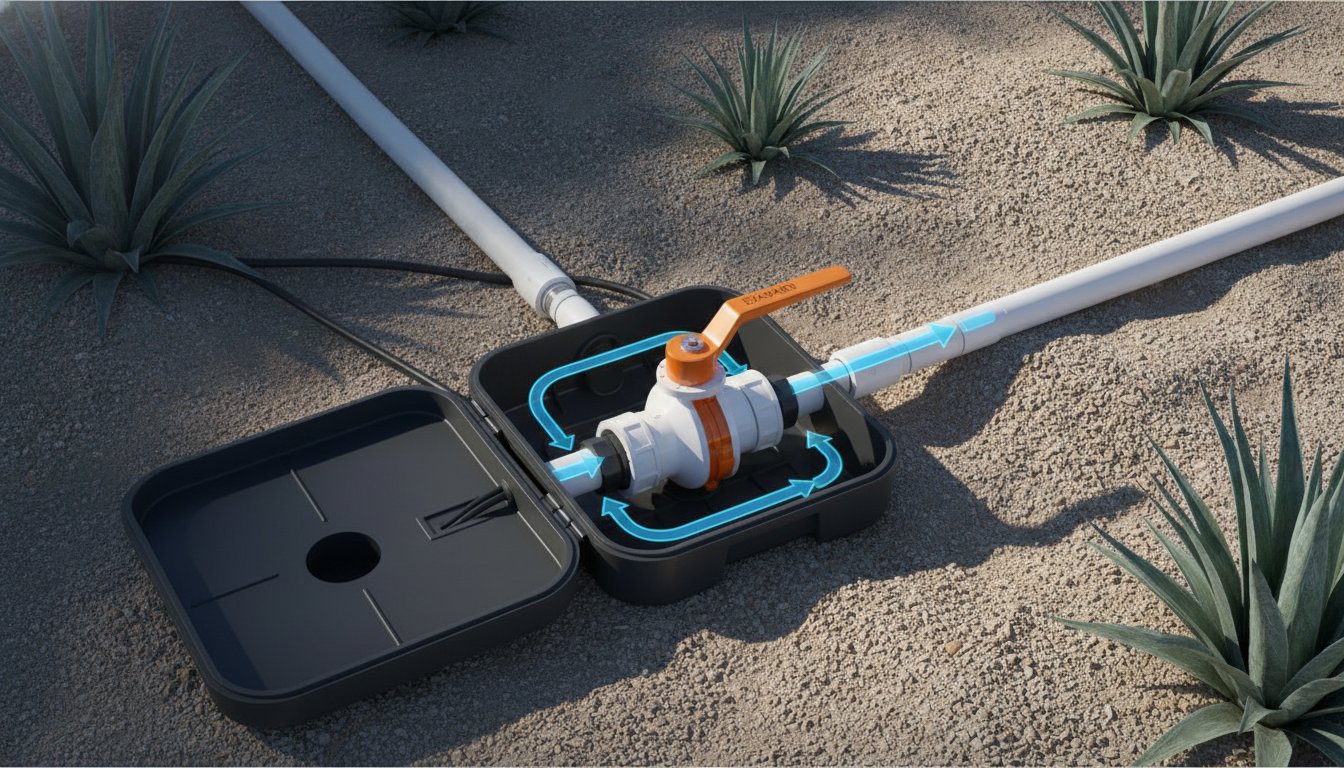
Over time, valve boxes often fill with silt and desert debris, obscuring the very components you need to see. Clear this out to expose the manifold and the bottom of the box. Watch for weeping valve diaphragms or cracked solenoid housings that allow water to seep into the box. If you notice standing water inside the box that doesn't drain, it's a clear sign of a failing component or a loose fitting. Our team provides specialized valve and backflow services to address these mechanical leaks before they lead to larger system failures.
Drip System and Poly Tubing Evaluation
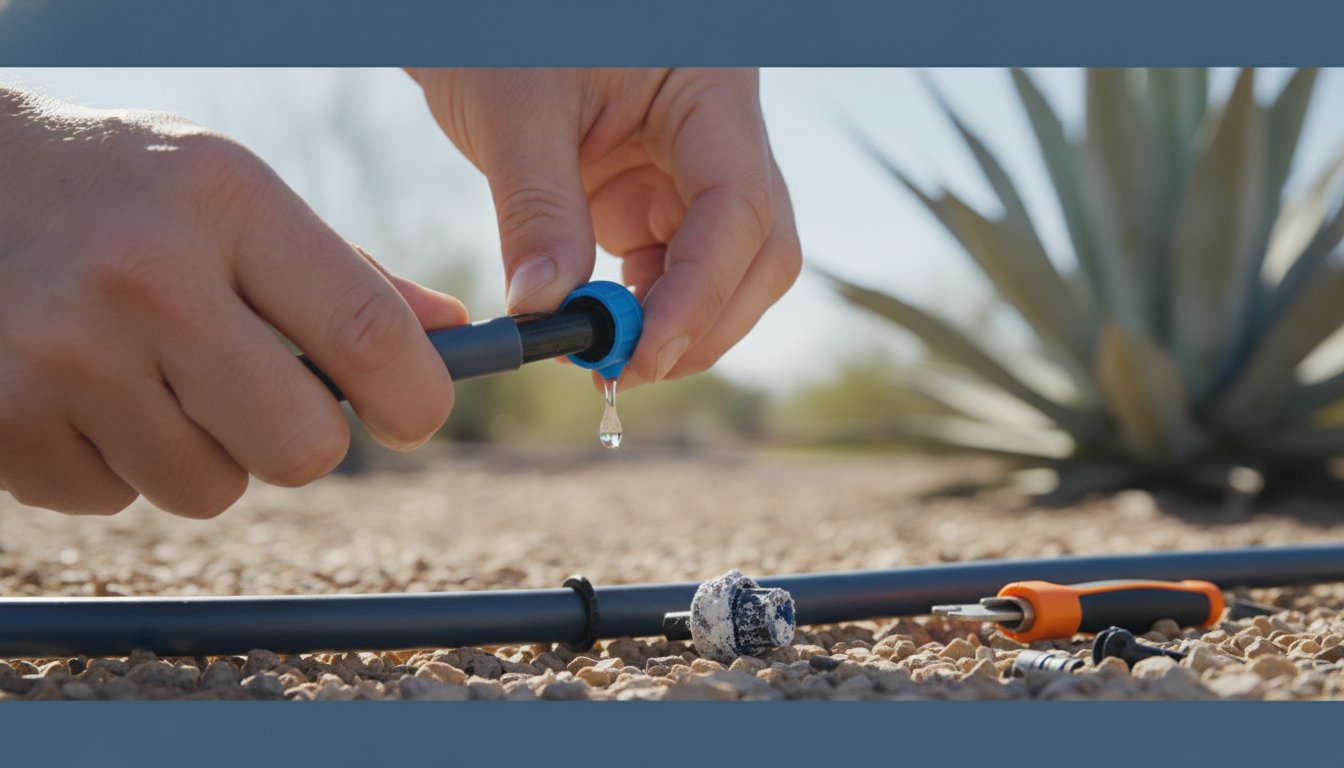
Drip systems present unique challenges because the tubing is often buried under layers of decorative rock. Look for "geysers" where a missing emitter or a puncture in the poly tubing sends water into the air. In the intense Arizona sun, exposed poly tubing can become brittle and crack due to UV degradation, leading to multiple small leaks along a single run. Check every connection point at the drip stakes; if the tubing has pulled away or the stake is loose, water will pool at the base of the plant rather than reaching the root zone. Identifying these surface-level issues is a critical component of irrigation pipe leak detection .
If your visual inspection reveals a complex underground break that requires professional diagnostics, reach out to a specialist to prevent further water waste and protect your landscape.
Advanced Diagnostic Techniques: Pressure Testing and Meter Monitoring
When a visual walkthrough fails to reveal the source of a high water bill, we move into the technical phase of irrigation pipe leak detection . This stage focuses on data rather than physical cues. By using your property's water meter as a diagnostic tool, you can confirm the existence of a leak within minutes. This process eliminates the guesswork and prevents you from digging up your yard based on a hunch. It's a methodical approach that separates indoor plumbing issues from outdoor irrigation failures.
The most effective starting point is the "Meter Test." Ensure all water-using appliances inside the home, such as dishwashers or laundry machines, are completely off. Locate your water meter and observe the flow indicator. On analog meters, this is usually a small red or white triangle that spins even with a tiny amount of flow. Digital meters may show a faucet icon or a flashing decimal point. If that indicator moves while everything inside is shut down, water is escaping somewhere on your property.
The Irrigation Isolation Test
To determine if the leak is specifically in your landscape lines, you must isolate the system. Locate the irrigation shut-off valve, which is typically found near your backflow preventer or where the main line branches off from the house. Close this valve and return to the meter. If the meter stops moving, you've confirmed the leak is downstream in the irrigation main or valve manifold. If the meter continues to spin, the leak is likely in your home's main service line or indoor plumbing.
For a more precise reading, you can utilize a pressure gauge attached to a hose bib on the irrigation side. Close the main supply and monitor the gauge for ten minutes. Leak-down is a diagnostic metric used to measure the loss of internal pressure within a closed system over time, indicating a compromise in PVC integrity. A steady drop in pressure confirms a static leak, meaning the pipe is leaking even when the zones aren't running.
Locating Underground PVC Pipe Failures
Understanding the nature of the break helps dictate the repair strategy. A pinhole leak, often caused by a small rock rubbing against the pipe, creates a consistent but slow pressure loss. In contrast, a catastrophic pipe burst results in an immediate and total loss of pressure. Low water pressure is the #1 symptom of an underground PVC break, often manifesting as sprinkler heads that fail to pop up fully or "weeping" emitters. Once you've identified the compromised zone, you can follow a guide on how to fix broken sprinkler lines to restore your system's efficiency. Professional irrigation pipe leak detection ensures you only cut the pipe where the damage actually exists.
Local Challenges: Why Arizona Soils Make Leak Detection Difficult
Arizona's environmental stressors create a unique set of obstacles that can render standard irrigation pipe leak detection methods ineffective. In many regions, a pipe break results in a visible puddle directly above the damage. However, the geology of Surprise and Peoria often forces water to behave unpredictably. These local conditions require a deeper understanding of how desert elements interact with mechanical systems, as the absence of surface water does not necessarily mean your system is airtight.
Beyond the soil itself, our extreme climate places immense physical stress on every component of an irrigation system. Shifting temperatures and high mineral content in the water supply lead to premature wear that homeowners in milder climates rarely face. Recognizing these regional factors is essential for maintaining a functional landscape and avoiding the erosion that can compromise your property's value.
The Caliche Factor
Caliche, a naturally occurring calcium carbonate layer common in the Southwest, acts as a subterranean shelf. This rock-like material is virtually waterproof, meaning an underground leak often cannot move vertically to the surface. Instead, the water hits the caliche layer and travels laterally for several yards before finding a soft spot in the dirt to emerge. This phenomenon can lead to "underground puddling," where thousands of gallons saturate the subsoil without ever dampening the decorative rock above.
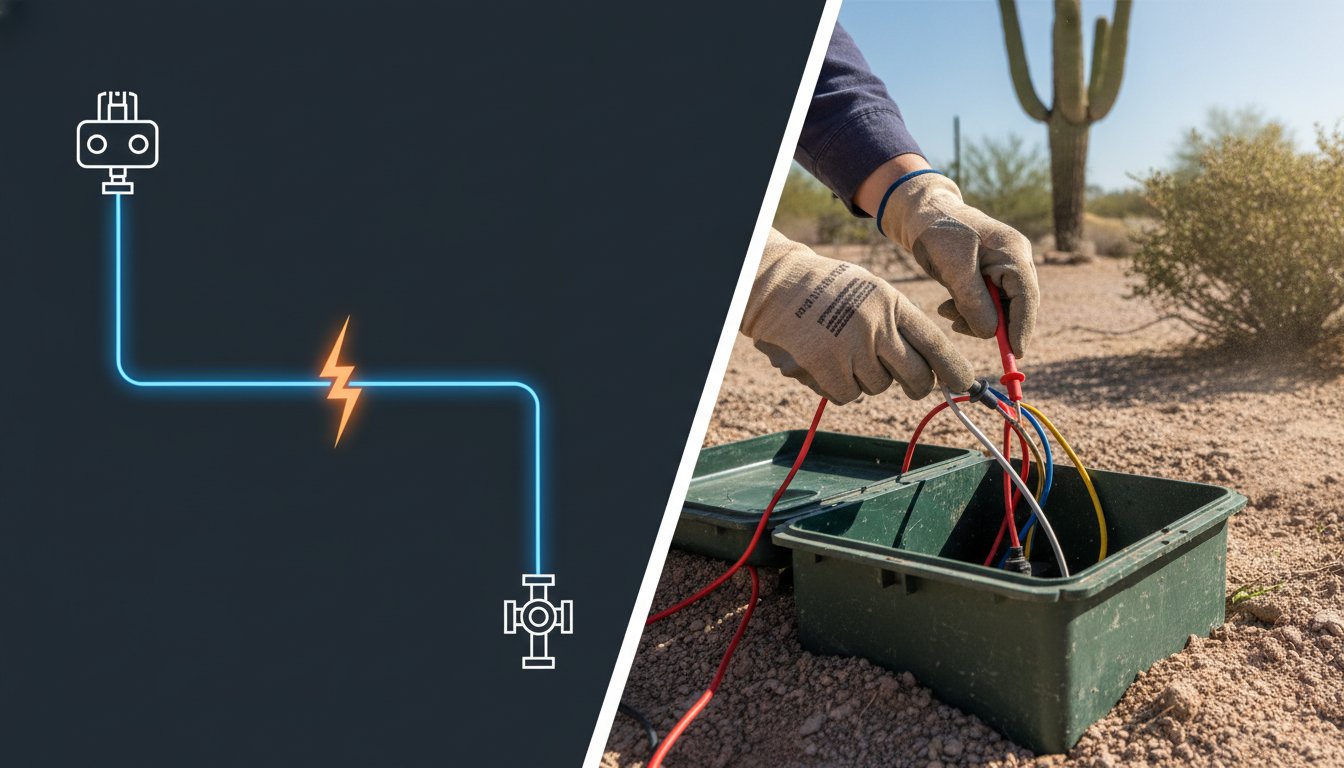
This lateral movement doesn't just hide leaks; it also contributes to "desert creep." As the soil around the caliche hydrates and dries, it shifts, placing significant tension on underground components. This movement can pull on connections or strip insulation from buried lines, which is why professional irrigation wiring diagnostics are often required alongside pipe repairs. When the ground moves, the electrical integrity of your valves is just as vulnerable as the PVC itself.
UV Damage and Thermal Expansion
The intense Arizona sun is a primary catalyst for system failure, particularly for drip irrigation. Exposed poly tubing is highly susceptible to UV degradation, often becoming brittle and prone to splitting in less than five years. While PVC is buried, it still faces the challenge of thermal expansion. During the transition from 115°F summer days to cooler nights, the pipes and fittings expand and contract, which can eventually stress glued joints to the point of failure. Schedule 40 PVC is the local standard for durability because its thicker walls provide the necessary structural integrity to withstand high-pressure surges and the abrasive nature of rocky desert soil.
If you suspect a hidden leak is traveling along a caliche shelf or your system has suffered from thermal stress, contact our team for a professional diagnostic review to locate the source before it impacts your foundation.
Repairing Detected Leaks and Preventing Future Failures
Once the diagnostic phase of irrigation pipe leak detection is complete, the focus shifts to selecting the most durable remedy. A single pinhole leak in a relatively new system might only require a simple coupling patch to restore functionality. However, if you discover multiple fractures or brittle, discolored pipe, a full PVC pipe replacement is often the more cost-effective long-term solution. Patching an aging, failing system often leads to a cycle of repetitive repairs where fixing one weak point simply forces the pressure to the next compromised joint.
To prevent future bursts, consider installing a master valve at the beginning of your irrigation main line. This component keeps the majority of your underground pipes depressurized until the timer actually calls for water. This significantly reduces the constant stress on your PVC fittings and prevents a single break from running unchecked for hours. Additionally, upgrading to pressure-compensating emitters ensures that plants receive a consistent flow regardless of elevation changes or pressure surges. These upgrades transform a reactive system into a proactive one, minimizing the need for frequent irrigation pipe leak detection in the future.
Strategic System Upgrades
Modern technology offers layers of protection that weren't available a decade ago. Smart controllers equipped with flow-sensing technology can detect an abnormal spike in water usage and automatically shut down the system before significant landscape damage occurs. Replacing old, thin-walled poly tubing with high-quality drip lines also prevents the UV-related failures common in the Arizona heat. For a deeper look at these technologies, explore our guide on residential sprinkler system upgrades to see how efficiency and durability go hand in hand.
Choosing a Contractor in Surprise or Peoria
While DIY repairs are possible for surface-level emitters, complex underground breaks require the expertise of a professional irrigation repair company. It's vital to choose a contractor who understands the specific water pressure variations in Surprise and the unique soil challenges of Peoria. A general landscaper may lack the specialized diagnostic tools needed to locate a leak without tearing up your entire yard. Look for a team that prioritizes precision and uses professional-grade materials designed for the desert climate.
If you're ready to stop the water waste and restore your system's integrity, Contact Sonora Sprinkler Inc. for expert leak detection and repair today.
Securing Your Property Against Hidden Water Waste
Managing a desert landscape requires a proactive approach to system health. By combining visual inspections with technical isolation tests, you can effectively narrow down the source of a high water bill. Remember that Arizona's unique soil conditions often mask the most severe issues, making systematic irrigation pipe leak detection an essential skill for protecting your home's foundation and your wallet. Whether you're dealing with caliche-driven lateral leaks or UV-damaged drip lines, taking action early prevents minor drips from turning into major repairs. Furthermore, just as you protect your yard from leaks, ensuring your home remains a healthy environment is essential; for those looking to manage common household pests, Mosquito Assassin Pest Control LLC provides expert guidance on maintaining a safe and pest-free property.
If your diagnostic efforts indicate a complex underground break, it's time to bring in a specialist who understands the nuances of our local terrain. Sonora Sprinkler has been family-owned and operated since 1999, bringing over 25 years of experience to every residential project. As a licensed, bonded, and insured provider, we specialize in Arizona desert irrigation and professional PVC replacement. Don't let a hidden leak compromise your property's stability. Schedule a Professional Leak Diagnostic with Sonora Sprinkler today to restore your system's precision. You can have confidence that your landscape is in expert hands.
Frequently Asked Questions
How can I tell if my underground sprinkler pipe is leaking?
Identify underground leaks by monitoring your water meter flow indicator while all indoor faucets and appliances are closed. Physical signs like unusually green patches of grass or soil that remains spongy long after a cycle ends also point to a break. Effective irrigation pipe leak detection often starts with these visual cues before moving to technical pressure tests to confirm the location.
Will a small irrigation leak really affect my water bill?
Yes, a small leak can cause a dramatic increase in your utility costs. With recent rate hikes, such as the 25% increase in Gilbert as of April 2026, every gallon of wasted water is more expensive than ever. A pinhole leak running constantly can waste thousands of gallons over a single billing cycle, turning a minor mechanical failure into an expensive financial burden for homeowners.
Why is my yard wet even when the sprinklers are off?
Constant wetness usually indicates a leak in the pressurized main line or a valve that isn't sealing properly. If the water continues to pool when the system is off, the issue is likely located between your backflow preventer and the zone valves. This constant pressure forces water out of any crack or compromised fitting without pause, regardless of your controller's schedule.
Can I use a smart home device to detect irrigation leaks?
Smart controllers with flow sensors are excellent tools for identifying system failures in real time. These devices monitor your typical usage and can send alerts or shut off the water automatically if they detect a sudden surge or a slow, persistent flow. Many Arizona municipalities, including Surprise and Scottsdale, offer rebates up to $250 for installing EPA WaterSense labeled controllers to encourage conservation.
What is the most common cause of irrigation leaks in Arizona?
Thermal stress and soil movement are the primary culprits for irrigation failures in our desert environment. The dramatic temperature swing between 115°F days and cooler nights causes PVC pipes to expand and contract, which eventually weakens glued joints. Additionally, shifting caliche layers can place physical tension on buried lines, leading to hairline cracks or complete pipe separation over time.
How do I find a leak in my drip irrigation system?
Find drip leaks by inspecting the poly tubing for "geysers" or white salt mineral deposits on the soil surface. In the intense Arizona sun, poly lines often become brittle within five years due to UV exposure. Look for emitters that have popped off or tubing that has split, as these are the most common points of failure in residential drip systems.
When should I call a professional for irrigation leak detection?
You should contact a specialist when the leak is not visible on the surface or if your meter continues to spin after you've closed the main isolation valve. Professional irrigation pipe leak detection is necessary when water is traveling laterally along caliche layers and surfacing far from the actual break. This specialized expertise prevents unnecessary digging and protects your property's foundation from water damage.
How much water can a leaking sprinkler valve waste per day?
A single weeping valve can waste hundreds of gallons per day if the internal diaphragm fails to seal completely. Since up to 70% of residential water in Arizona is used for outdoor landscaping, a silent leak can quickly double your average monthly consumption. Regular maintenance of valve components is essential for preventing this type of continuous, invisible water waste.