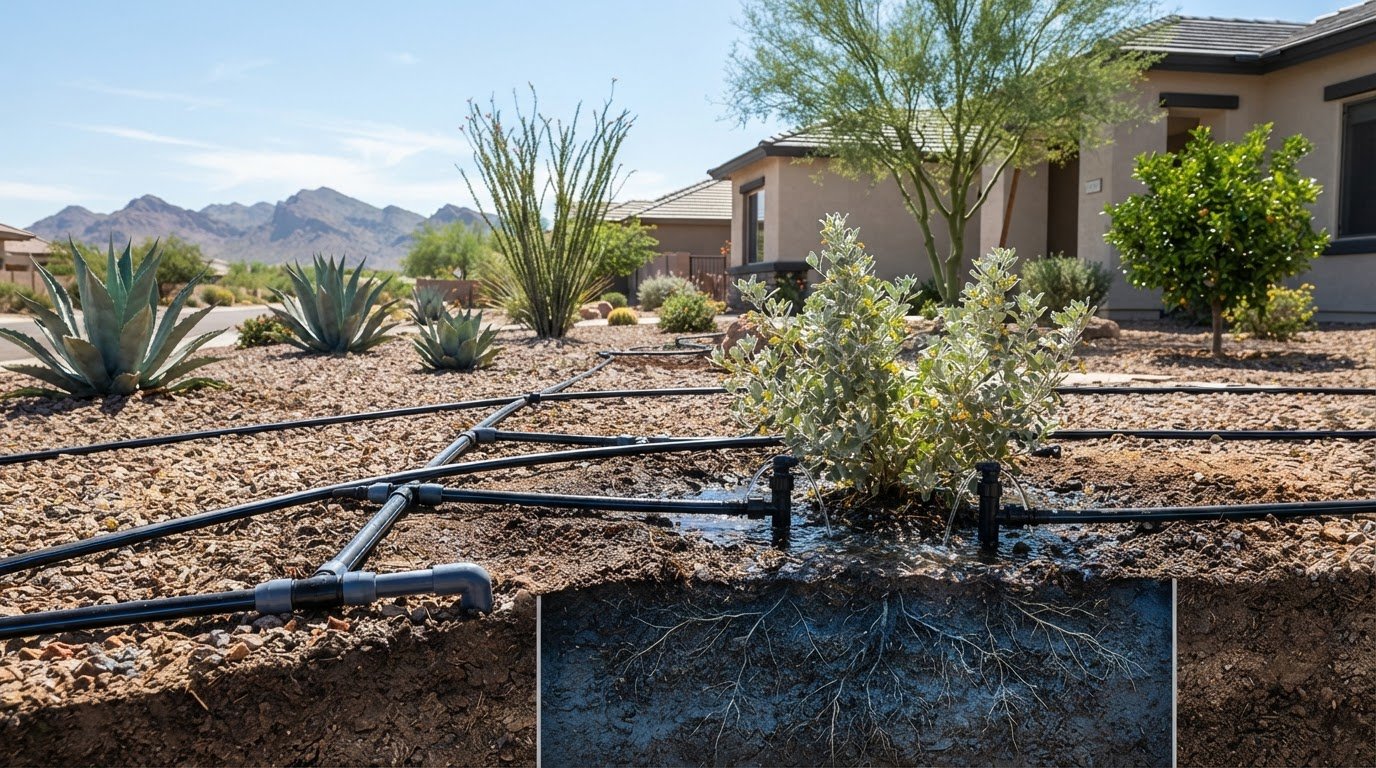
Imagine waking up to find your prize citrus trees wilting while your sprinkler heads barely dribble water onto the parched ground. It's a stressful sight for any homeowner, especially when the afternoon forecast calls for 115 degrees. You likely suspect a leak, but finding a reliable sprinkler system low pressure fix Arizona homeowners need involves more than just a quick guess.
We understand that your irrigation system is the only thing standing between a lush yard and the harsh desert sun. This guide provides the technical clarity you need to diagnose pressure loss, from mineral buildup to hidden PVC fractures. You'll learn the professional steps to restore your system's performance and lower your water bills through improved efficiency. We'll outline exactly how to troubleshoot these issues and clarify when a repair is a simple weekend task or a job for the team at Sonora Sprinkler.
Key Takeaways
- Learn to distinguish between municipal supply fluctuations and internal mechanical failures to save time on troubleshooting.
- Identify how desert debris and mineral scale compromise your irrigation efficiency and how a simple vinegar soak can restore nozzle flow.
- Find the specific sprinkler system low pressure fix Arizona residents need to address cracked PVC lines caused by shifting soil or root intrusion.
- Master a diagnostic hierarchy that checks main valves and isolates problem zones before you commit to expensive repairs.
- Explore professional upgrades like zone splitting and smart controllers that protect your property from the 110°F+ heat while lowering water bills.
Understanding Low Water Pressure in Arizona Sprinkler Systems
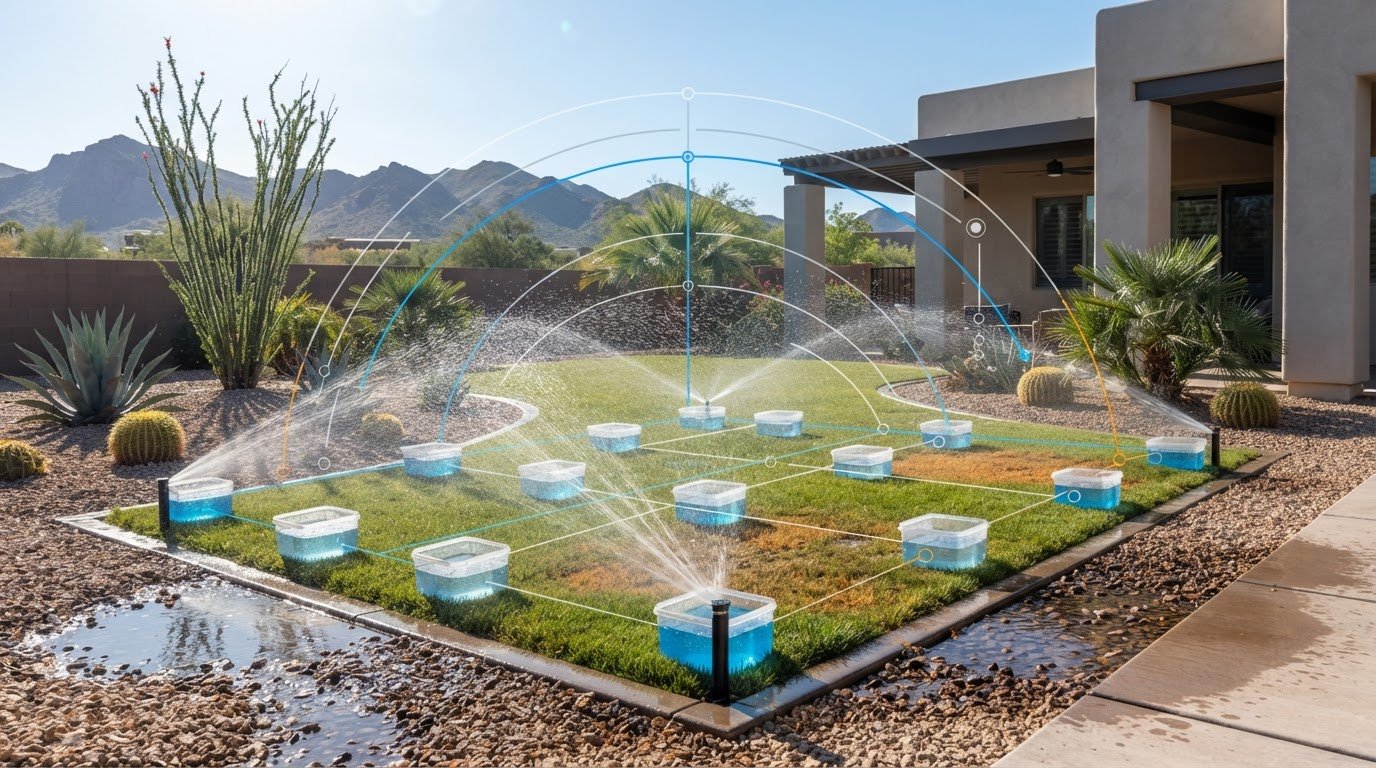
Low water pressure is more than a minor annoyance; it's a functional failure of your irrigation's hydraulic design. In professional terms, we define low pressure as the point where your sprinkler heads fail to fully extend or can no longer provide "head-to-head" coverage. This coverage is essential because each sprinkler head is designed to throw water all the way to the next head. When this overlap disappears, your lawn and plants receive uneven hydration, leading to rapid decline in our harsh environment.
For the majority of residential Arizona rotors, the "sweet spot" for operation sits between 40 and 50 PSI. This specific range provides enough force to engage internal gear drives and maintain a steady stream against the wind. If your pressure drops below 30 PSI, the system's efficiency collapses. Before diving into a sprinkler system low pressure fix Arizona residents often wonder if the city is at fault. A simple check of your home's indoor faucets can usually distinguish between a municipal supply drop and an internal system failure. If your indoor flow is strong, the problem is localized to your irrigation components.
The stakes are exceptionally high in the desert. During a typical 110°F+ July, your landscape relies on precision timing. Low pressure doesn't just result in brown grass; it causes a total lack of water reach that can kill expensive ornamental plants and citrus trees in a matter of days. Understanding these mechanics is the first step toward a permanent solution.
Symptoms of Pressure Loss You Can See
Identifying the early warning signs of pressure loss can save your landscape before the damage becomes irreversible. You might notice "doughnut-shaped" brown spots where the grass is green immediately around the head but dead just a few feet away. This occurs because the head lacks the force to throw water to its intended radius. You may also see rotor heads that fail to rotate or "weeping" at the base rather than spraying. While misting or fogging usually indicates pressure that is too high, it's a vital diagnostic clue that your pressure regulation has failed, which often precedes a total system drop.
The Impact of Arizona’s Hard Water
Our regional water supply contains high levels of calcium and magnesium, minerals that eventually solidify into a hard scale known as calcite. These mineral deposits act like a clogged artery inside your PVC pipes, narrowing the path for water and steadily choking off your system's output. Over years of operation, this buildup constricts flow and forces your valves to work harder. When combined with the stress of shifting desert soil, these conditions often lead to micro-leaks in older PVC lines. These small fractures bleed off pressure underground, robbing your sprinkler heads of the energy they need to perform correctly. For more complex issues, our wiring and diagnostics services can help pinpoint exactly where your flow is being interrupted.
Common Causes: Why Your System Lost Its Punch
Identifying the source of a performance drop requires looking beyond the sprinkler head itself. While many homeowners assume the pump or city supply has failed, the reality is usually found within the network of pipes and valves buried in your yard. Finding a permanent sprinkler system low pressure fix Arizona residents can rely on starts with understanding how desert conditions degrade mechanical parts over time. Fine desert dust, mineral scale, and extreme soil temperature fluctuations all play a role in reducing your system's hydraulic efficiency.
Valve and Diaphragm Failures
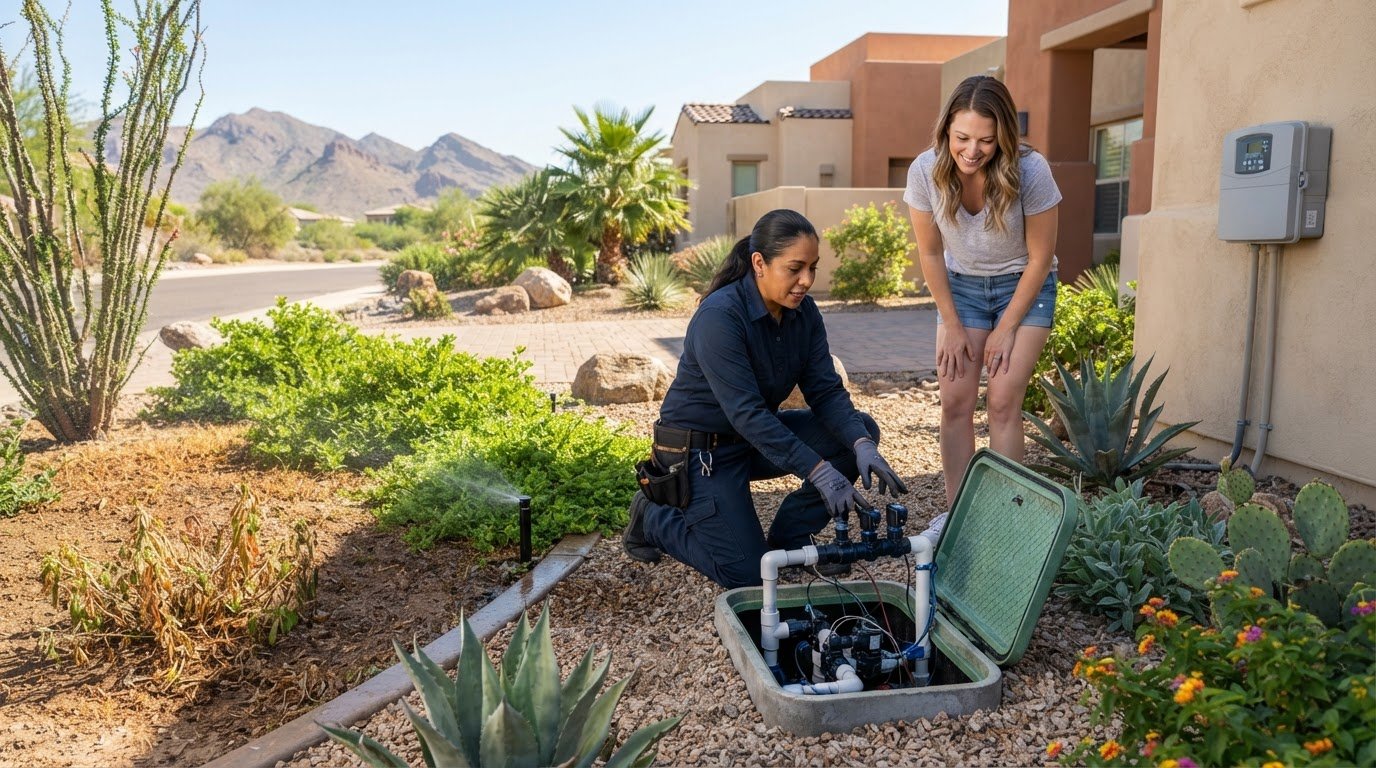
The irrigation valve acts as the gatekeeper for each zone. Inside these valves, a flexible rubber diaphragm opens and closes to control water flow. Over time, heat and hard water cause this rubber to become brittle or develop small tears. A damaged diaphragm often fails to open completely, which restricts the volume of water passing through and results in a significant pressure drop across the entire zone. You might also notice a "weeping" valve, where water leaks slowly even when the system is off. This constant bypass steals the necessary energy required to fully pop up the heads when the zone finally activates. For complex issues involving these components, expert irrigation valve and backflow services are often necessary to ensure the assembly meets local safety and performance standards.
Underground PVC Leaks in Dry Soil
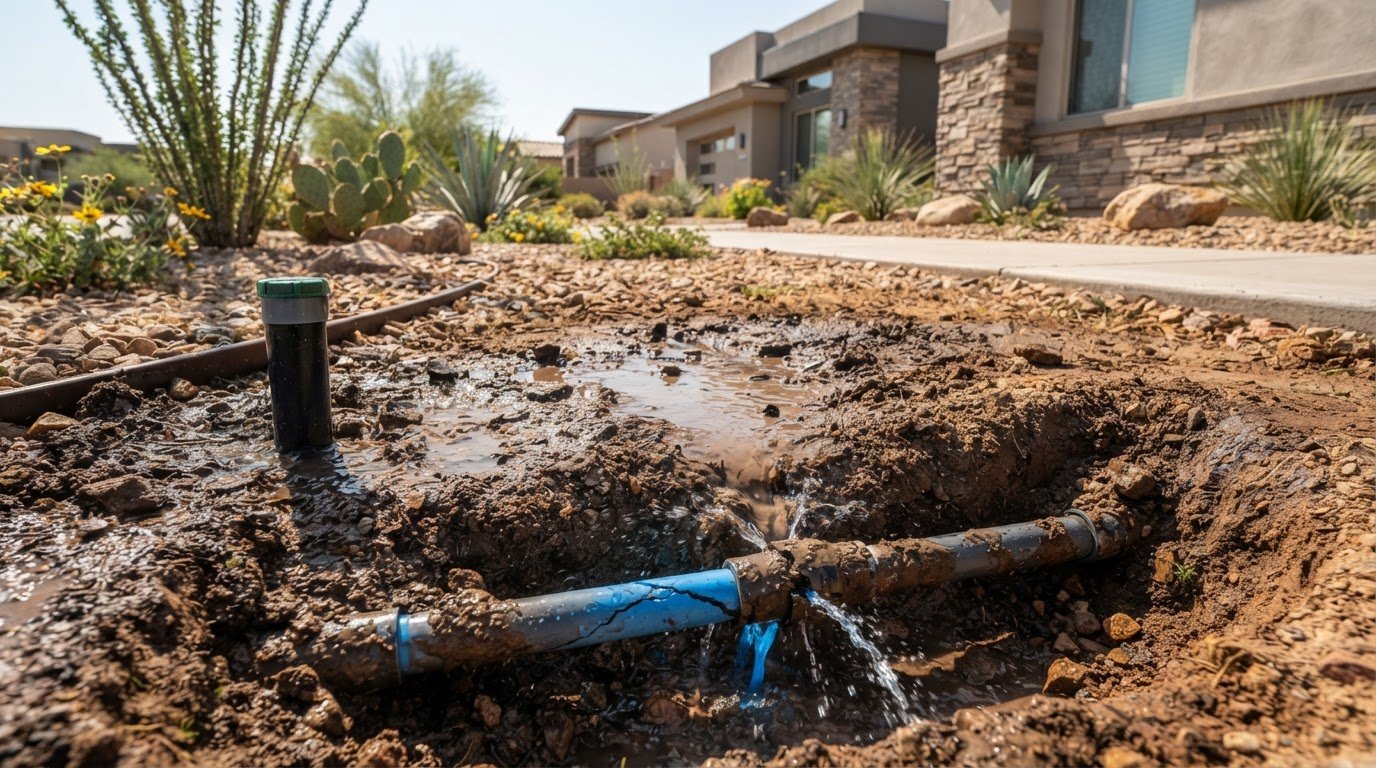
In many parts of the country, a broken pipe creates a telltale swampy mess. In the arid Arizona climate, our incredibly dry soil can act like a sponge, absorbing hundreds of gallons of water before a single puddle appears on the surface. These invisible leaks bleed off the pressure your sprinkler heads need to function. You can often spot these hidden fractures by looking for "unusually green" patches of Bermuda grass or a sudden cluster of desert weeds that seem to thrive while the rest of the yard struggles.
Root intrusion is another frequent culprit. The aggressive root systems of native trees like Mesquites and Paloverdes are naturally drawn to the moisture inside your lines. These roots can grow around and eventually crush older, thin-wall PVC pipes, creating a bottleneck that chokes your water supply. If you suspect your underground lines have been compromised, you can reach out to our diagnostic team to help locate the exact point of failure. We focus on providing durable solutions that account for the unique stressors of the local terrain.
Step-by-Step Diagnostic Hierarchy for Homeowners
To find a permanent sprinkler system low pressure fix Arizona homeowners should follow a methodical diagnostic hierarchy. This logical progression saves time by ruling out obvious external factors before you commit to digging up your yard or replacing expensive components. By starting at the water source and moving downstream, you can pinpoint whether the restriction is a simple valve adjustment or a more complex hydraulic failure.
Follow these five steps to evaluate your system's health:
- Verify the source: Ensure the main irrigation shut-off valve is turned completely to the "on" position.
- Scope the failure: Determine if the pressure loss affects every zone or is isolated to a single area.
- Inspect the nozzles: Remove the nozzles from a few struggling heads to check for trapped sand or calcium deposits.
- Listen for leaks: Conduct a "dry test" by walking the yard while the system runs, listening for the hissing or bubbling sounds of an underground PVC break.
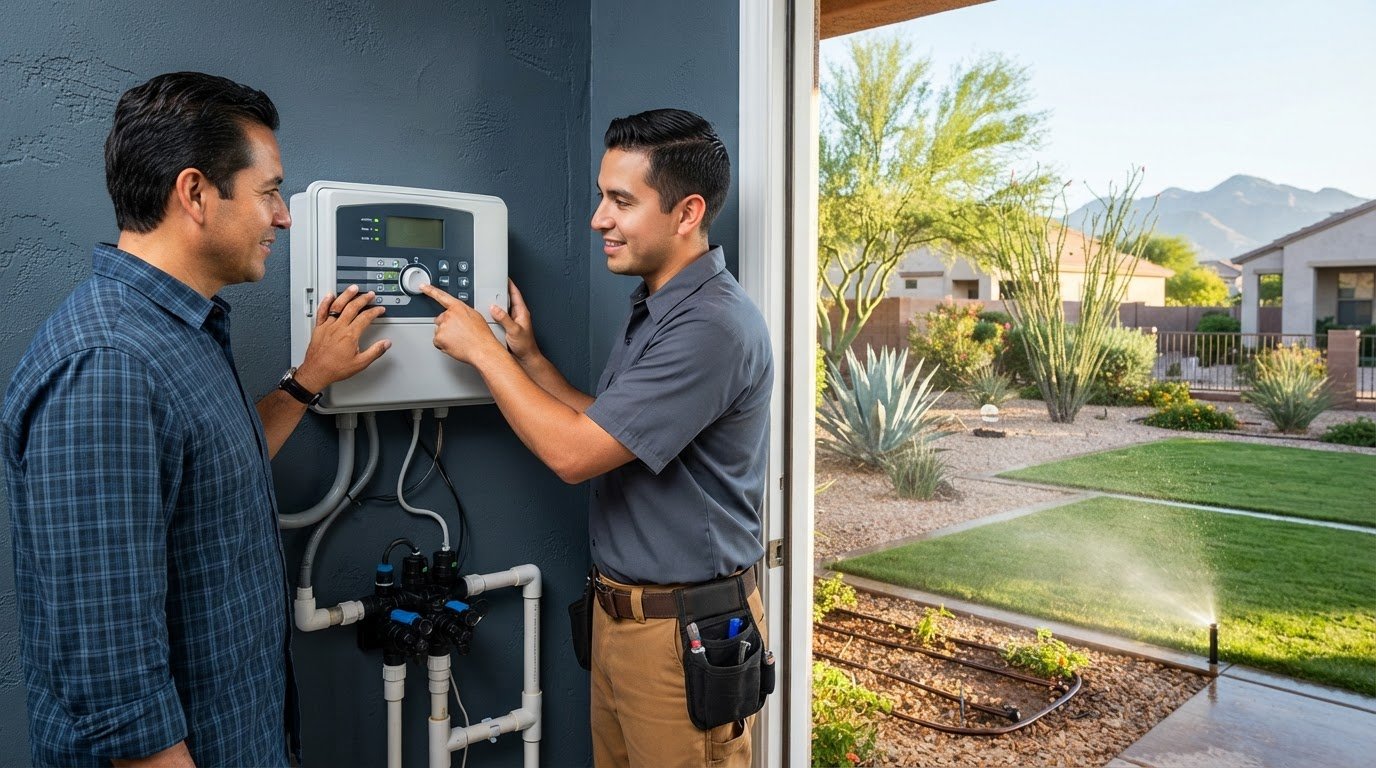
- Test the controller: Check your irrigation timer to ensure it's sending the correct signal to the valves without electrical interference.
Isolating the Pressure Issue
Comparing the performance between different zones is the fastest way to rule out a main line failure. If your front yard rotors are struggling but the backyard drip system is functioning normally, the problem is likely localized to a specific valve or lateral pipe. You can establish a baseline for your property by attaching a pressure gauge to an outdoor hose bib. If your house has 50 PSI of pressure but the sprinklers are barely reaching their targets, the bottleneck is within the irrigation system itself. In cases where the hardware looks fine but the heads won't activate, irrigation wiring diagnostics and repair can determine if a weak electrical signal is preventing the valve from opening fully.
Testing the Backflow and Main Valve
Your Pressure Vacuum Breaker (PVB) is a common site for flow restrictions. Check the two metal ball valve handles on the backflow assembly; they must be perfectly parallel to the pipe to allow maximum water volume. If a handle is slightly turned, it acts as a throttle that kills your operating pressure. A partially closed gate valve at the main tie-in is another frequent culprit, often bumped by accident during other home maintenance. For safety protocols and a deeper look at these assemblies, refer to our guide on expert backflow preventer repair in Surprise, AZ. Ensuring these "gatekeepers" are fully engaged is the simplest way to restore your system's punch.
Targeted Fixes: Restoring Flow to Your Landscape
Implementing a permanent sprinkler system low pressure fix Arizona yards require often involves a combination of precision cleaning and mechanical upgrades. Once you've identified the bottleneck through our diagnostic hierarchy, the focus shifts to restoring the hydraulic integrity of the system. Whether the issue is a clogged nozzle or a crushed lateral line, the goal is to ensure every drop of water reaches its intended destination without losing energy along the way.
Nozzle and Filter Maintenance
Mineral scale is the primary enemy of flow in the desert. To address this, start by unscrewing the nozzle from the sprinkler body and removing the small basket filter located directly beneath it. These filters often become packed with fine silt or calcium flakes. A 30-minute soak in a solution of white vinegar and water can dissolve most calcite buildup, but you must flush the lines before reattaching the clean parts. Simply run the zone for ten seconds without the nozzles to blow out any remaining debris.
Replacing a standard pop-up head is often more cost-effective than labor-intensive cleaning because modern internal seals provide a superior, leak-free fit that a used component simply cannot replicate. If your system has always struggled with reach, consider upgrading to high-efficiency rotary nozzles. These components operate more effectively at lower pressures and use a multi-stream delivery system that resists wind drift, making them ideal for the open, sun-drenched landscapes of Surprise and Peoria.
Solving Underground Pipe Failures
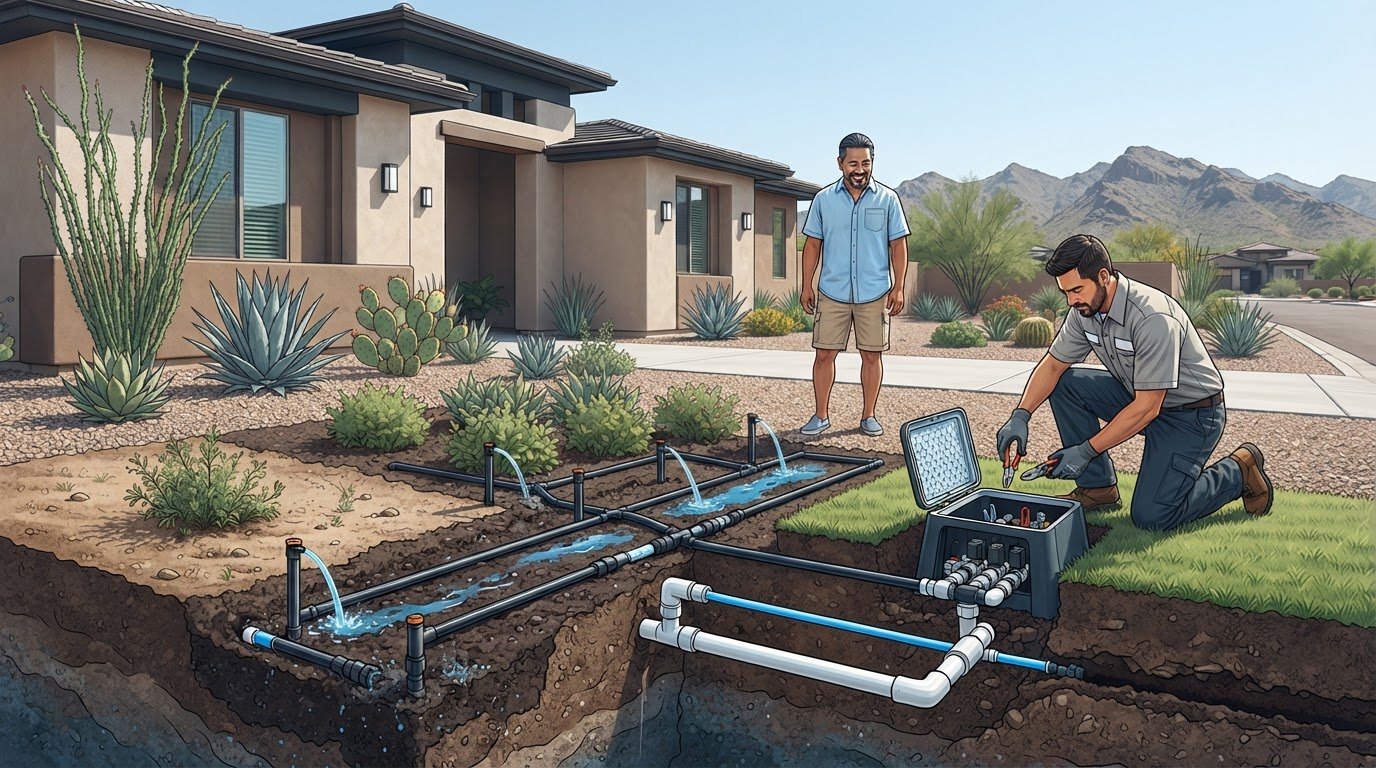
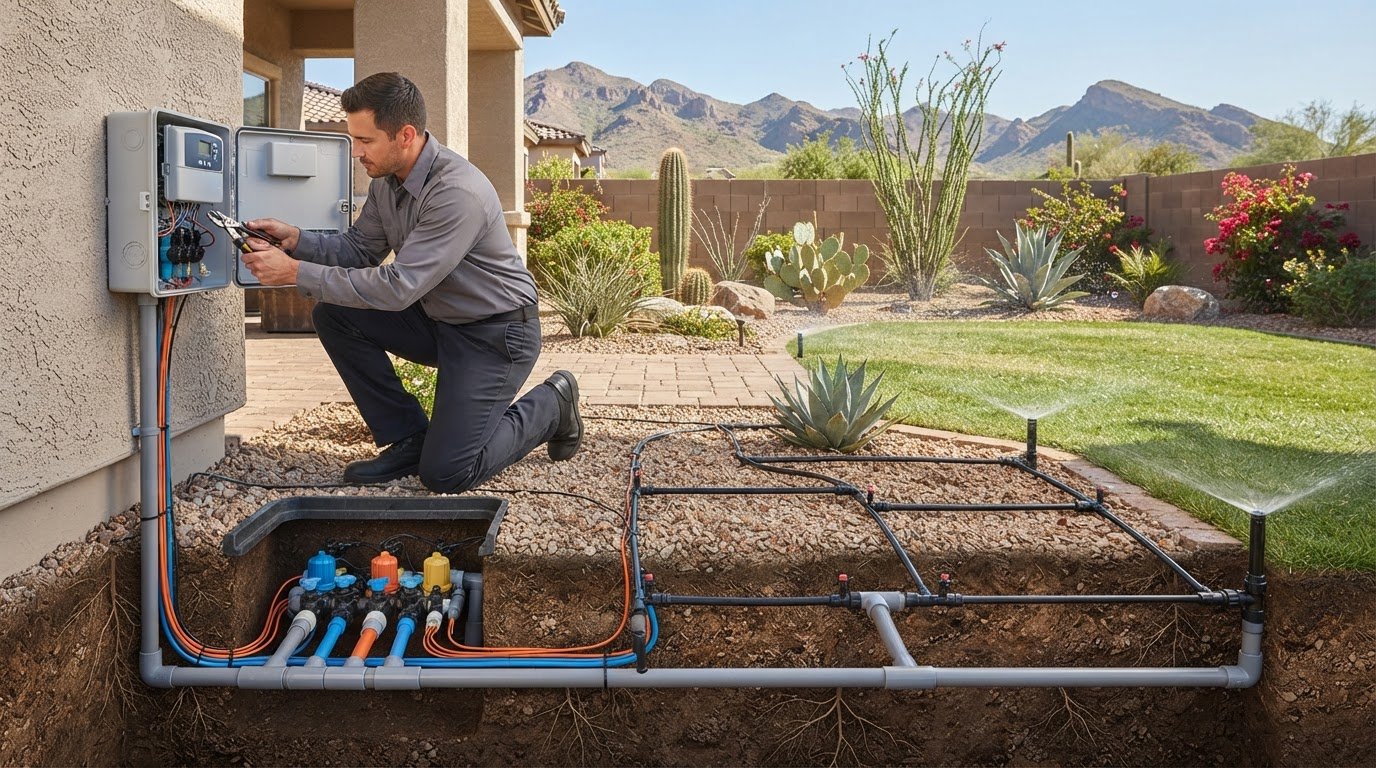
When an underground break is the culprit, the quality of the repair determines how long the fix will last. At Sonora Sprinkler, we utilize what we call the "Sonora Method" for all lateral line work. While many original installations use thin-wall Class 200 PVC to save on costs, we exclusively use Schedule 40 PVC for repairs. This thicker-walled pipe provides the structural integrity needed to withstand the pressure of expanding tree roots and the shifting of our local soil.
A professional repair requires more than just a patch; it requires proper chemical bonding. We use a heavy-duty primer and solvent cement specifically rated for high-temperature environments to ensure the joint can handle the extreme heat of Arizona’s ground during the summer months. For homeowners who want to ensure their system is built for the long haul, our Irrigation Repairs and Maintenance services focus on these durable, desert-tested standards. If you've found multiple leaks or feel overwhelmed by the digging required, you can schedule a professional pressure evaluation to get your system back to peak performance.
Professional Upgrades to Prevent Future Pressure Drops
While a one-time sprinkler system low pressure fix Arizona homeowners implement can solve a current leak, long-term stability requires a system designed for the local environment. Moving from reactive repairs to proactive upgrades ensures your landscape remains resilient against the heat. By addressing the underlying hydraulic limitations of your property, you can maintain consistent head-to-head coverage without overworking your mechanical components.
Zoning for Success
Friction loss is a physical reality in every irrigation system. It occurs when too much water is forced through a pipe that is too small, or when a single valve is tasked with powering too many sprinkler heads. This "over-taxing" of a zone is a frequent cause of poor performance in older Surprise and Peoria neighborhoods where landscapes have matured and expanded. Zone splitting, which involves adding a new valve to divide the workload, is the professional remedy for this issue. A custom sprinkler system design ensures that each section of your yard receives the specific pressure it needs to operate efficiently, preventing the "too many heads" syndrome from starving your rotors of energy.
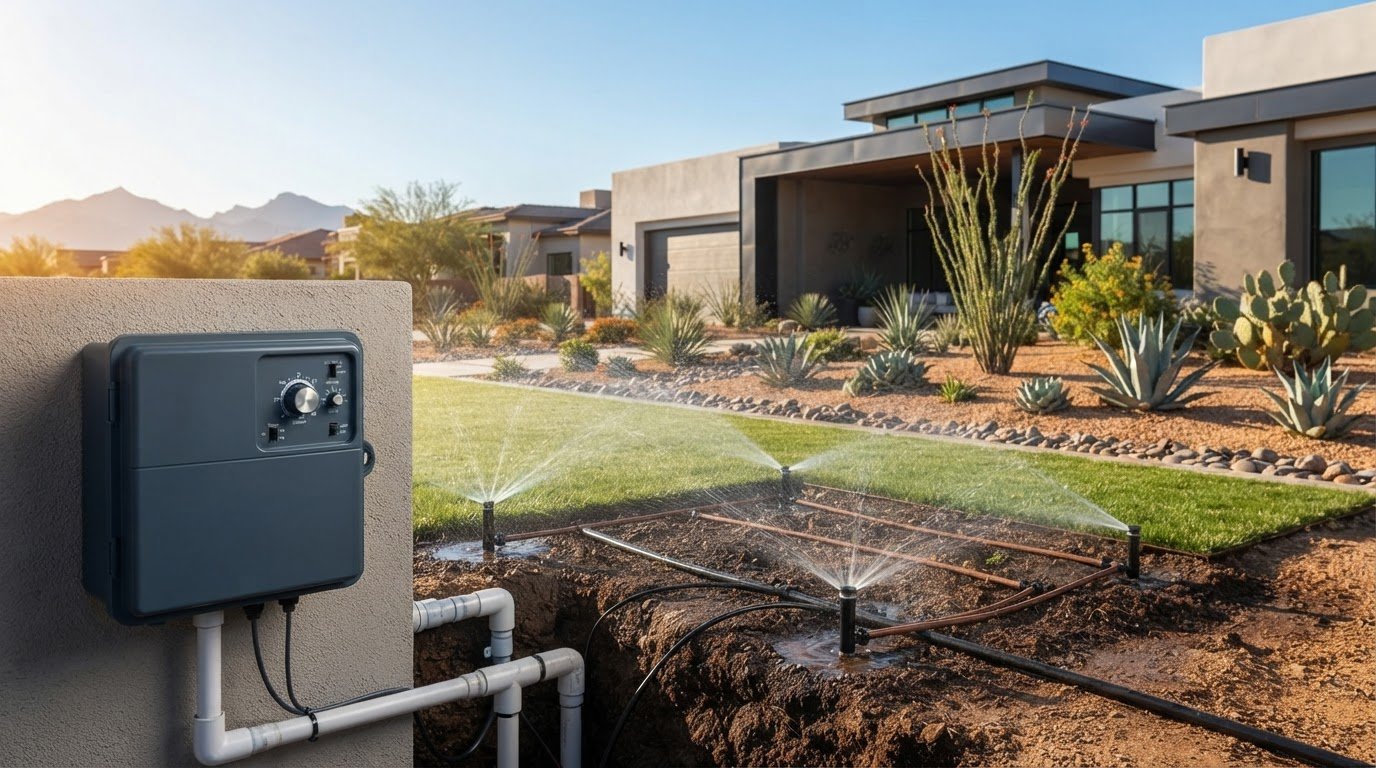
Integrating modern technology also provides a layer of protection against future failures. Upgrading to a smart controller equipped with flow sensors allows the system to monitor real-time water usage. If a pipe fractures underground, the sensor detects the abnormal surge in flow and automatically shuts down the affected zone. This immediate response prevents soil erosion and protects your water bill from the costs of an undetected leak.
The Drip System Alternative
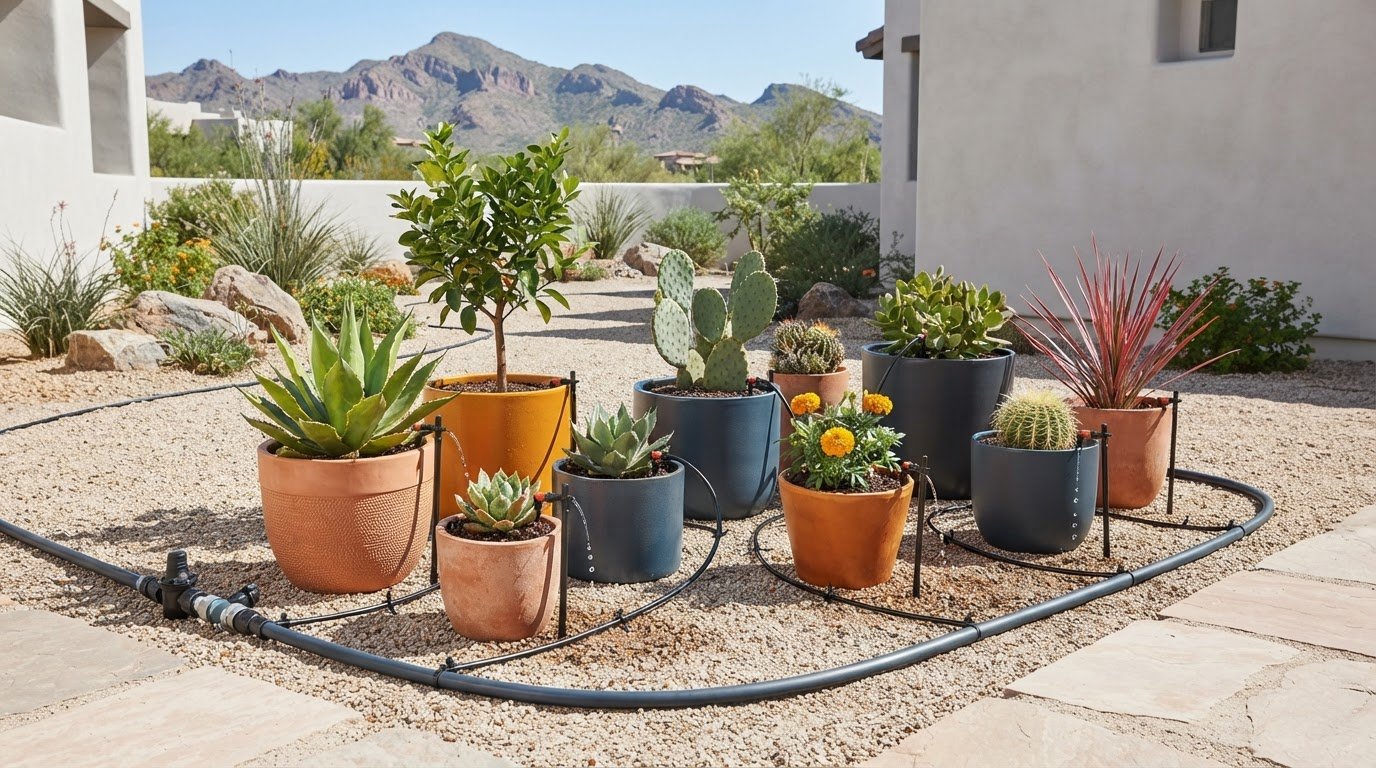
For many Arizona properties, converting high-maintenance lawn zones to desert-friendly drip irrigation is the most sustainable way to manage pressure. Drip systems are inherently more forgiving of lower pressure because they deliver water slowly and directly to the root zone through emitters rather than spraying it through the air. This conversion eliminates the need for high-PSI rotors and significantly reduces water waste. You can find detailed strategies for this transition in The Homeowner’s Guide to Residential Drip System Installation in Arizona.
A professional system "tune-up" twice a year is the final piece of the prevention puzzle. During these visits, we check valve diaphragms for wear, clear mineral deposits from filters, and adjust head heights to account for soil shifting. With over 25 years of local experience, we've found that these small adjustments prevent major hydraulic collapses during the peak of summer. Ready to stop struggling with low pressure? Contact Sonora Sprinkler for a professional diagnostic today.
Securing the Long-Term Health of Your Desert Landscape
Restoring your irrigation performance requires a logical approach that accounts for the specific challenges of our regional environment. By following a structured diagnostic hierarchy, you can determine if your issue is a simple nozzle cleaning or a more complex hydraulic failure. Implementing a permanent sprinkler system low pressure fix Arizona yards need means moving beyond temporary patches and choosing materials that can withstand our intense ground temperatures. Whether you're clearing mineral scale or splitting an over-taxed zone, the goal remains the same: efficient, head-to-head coverage that protects your plants.
If your diagnostic efforts reveal deeper valve failures or hidden line breaks, professional assistance ensures the job is done correctly. Sonora Sprinkler has been family-owned and operated since 1999; we specialize exclusively in residential desert irrigation systems. As licensed, bonded, and insured experts, we prioritize the durability and efficiency of your property's water management. Schedule Your Residential Irrigation Diagnostic in Surprise & Peoria today to protect your investment. Your landscape can thrive even in the peak of summer with the right technical support.
Frequently Asked Questions
Why is my sprinkler pressure low in only one zone?
If your pressure drop is isolated to a single zone, the problem is usually a failing valve diaphragm or a leak in the lateral line serving that area. Clogged filters on specific heads can also restrict flow. Since the other zones operate correctly, you can rule out issues with the main shut-off or backflow preventer. Identifying this specific sprinkler system low pressure fix Arizona homeowners need often requires checking the internal components of the zone valve.
Can a dirty backflow preventer cause low water pressure?
A compromised backflow preventer is a frequent cause of system-wide pressure loss. Mineral scale from Arizona’s hard water can accumulate inside the check valves, while internal debris can prevent the assembly from opening fully. Additionally, ensure the handles on your Pressure Vacuum Breaker (PVB) are perfectly parallel to the pipe. If they are even slightly turned, they act as a throttle that chokes the water supply to your entire yard.
How much does it cost to fix low water pressure in a sprinkler system?
The total investment for a repair depends entirely on the diagnostic findings. A simple nozzle cleaning or a minor valve adjustment is far less involved than a comprehensive irrigation PVC pipe replacement. We focus on identifying the exact point of failure to ensure you aren't paying for unnecessary parts. Professional diagnostics provide a clear roadmap for restoring your system's hydraulic integrity without the guesswork that often leads to repeated failures.
Will a new sprinkler head fix my low pressure issue?
Replacing a head only solves the problem if that specific component is physically damaged or leaking at the base. If water is "weeping" from the head instead of spraying, it's often a symptom of low pressure rather than the cause. You should first verify that the lateral line isn't broken and that the zone valve is opening completely. Adding a high-efficiency rotary nozzle can help in low-pressure environments, but it won't fix a ruptured pipe.
Can tree roots cause low water pressure in my irrigation lines?
Tree roots are a major environmental stressor for Arizona irrigation systems. Native species like Paloverdes have aggressive root systems that seek out the moisture inside your pipes. These roots can exert enough pressure to crush older, thin-wall PVC lines or infiltrate joints, creating a dense blockage. This restriction starves your sprinkler heads of the volume they need to pop up and rotate correctly, requiring professional pipe replacement to restore flow.
How do I know if my main water line is leaking underground?
An underground leak in our dry soil doesn't always create a visible puddle. You should monitor your water meter; if the dial moves while all household water is off, you likely have a main line breach. Other signs include localized soil sinking or a sudden surge in your monthly water bill. In Surprise and Peoria, these leaks often occur near the connection point where the irrigation line ties into your home's main supply.
Is low pressure caused by the city or my own sprinkler system?
You can determine the source of the issue by testing the water flow at your indoor kitchen or bathroom sinks. If your indoor faucets have strong, consistent pressure, the city's municipal supply is functioning correctly. In this scenario, the bottleneck is localized to your irrigation valves, filters, or pipes. If the low pressure affects your entire home, you should contact your local utility provider to check for a neighborhood water main break.
Should I upgrade to a drip system if I have low water pressure?
Upgrading to a drip system is a highly effective sprinkler system low pressure fix Arizona residents choose for desert-friendly plants. Drip emitters operate at significantly lower PSI than traditional spray heads, making them more resilient to minor pressure fluctuations. This conversion allows you to deliver water directly to root zones with minimal waste. It's an ideal solution for homeowners looking to improve efficiency while protecting their landscape from the extreme 110°F+ summer heat.