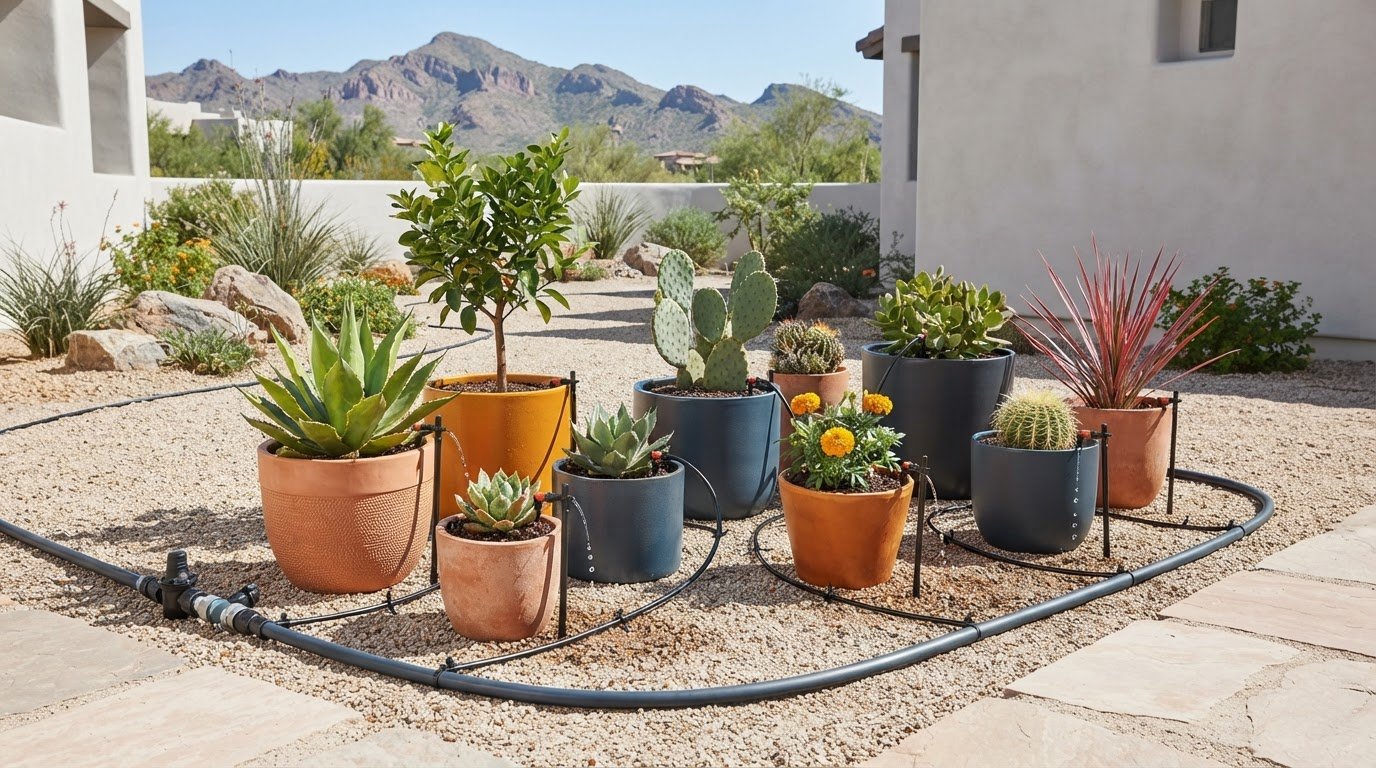
You might think that more water is the only way to save your plants from the Arizona heat, but in heavy clay soil, a higher flow rate is often your worst enemy. It's frustrating to watch your irrigation system run for an hour only to see water pooling on the surface while the roots underneath stay bone dry. Finding the best drip emitters for Arizona clay soil requires a shift in strategy. Instead of rushing the process, you need a system that mimics a slow, steady soak. This approach ensures that every drop penetrates the dense earth rather than wasting away as runoff.
With water rates in cities like Tucson and Surprise rising by at least 3.5% annually, an inefficient system is a liability for your property and your wallet. We understand the specific mechanical needs of the desert, where silt and mineral deposits frequently clog standard hardware. This guide will help you select durable, professional-grade emitters that resist clogging and keep your plants healthy. You will learn how to design a layout that delivers moisture deep into the root zone, ensuring your landscape remains resilient even as regional water supplies face new challenges.
Key Takeaways
- Understand how dense clay and caliche layers create drainage barriers that can lead to root rot if not managed with precise irrigation.
- Identify the best drip emitters for Arizona clay soil by matching low-flow rates to the soil's slow horizontal wetting pattern to prevent surface runoff.
- Select professional-grade, UV-resistant hardware that withstands the intense desert sun and resists clogging from local mineral deposits.
- Apply the "donut" layout strategy to position emitters at the canopy edge, ensuring deep root hydration for large desert trees.
- Implement a proactive maintenance schedule, including line flushing, to maintain system efficiency and protect your landscape before the summer heat arrives.
Understanding Arizona Clay: The 'Hardpan' Challenge
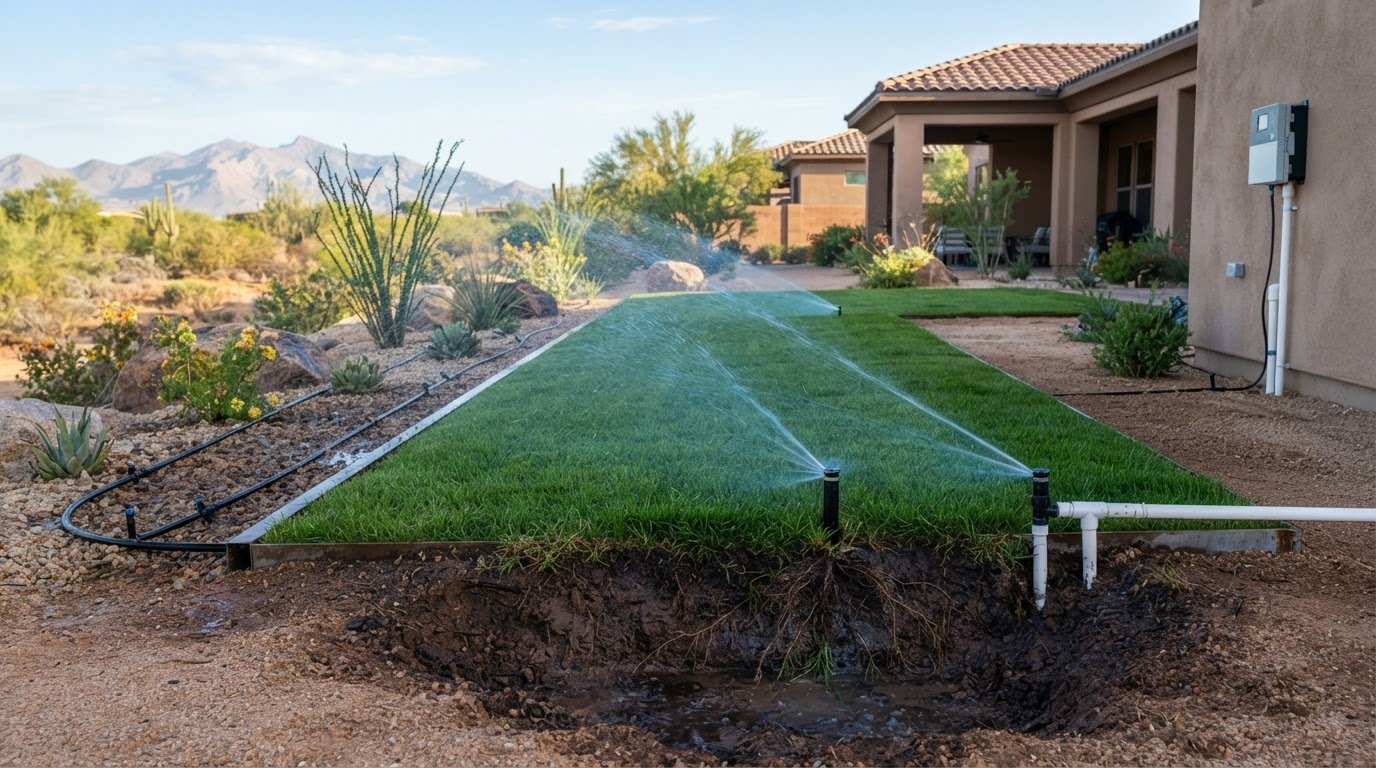
The soil in Surprise and Peoria is often more like concrete than garden earth. Arizona clay is composed of microscopic particles that pack together tightly, leaving very little room for water or oxygen to move. Infiltration rate is the speed at which soil absorbs water. In our local desert environment, this rate is exceptionally low. When you use high-flow emitters, the water simply can't sink in fast enough, leading to immediate runoff and wasted resources. This is why selecting the best drip emitters for Arizona clay soil is a requirement for a healthy landscape rather than a luxury.
Beyond the density of the clay itself, many homeowners struggle with caliche. This is a natural, cement-like layer of calcium carbonate found just below the surface. Caliche acts like the bottom of an underground swimming pool. It traps water in the upper soil layers, preventing it from draining away. While the surface might look dry, the roots of your plants could be sitting in stagnant water, which leads to root rot and eventual plant death. Effective drip irrigation installation must account for these barriers to ensure moisture reaches the root zone without drowning it.
The Mineral Factor: Arizona's 'Hard' Water
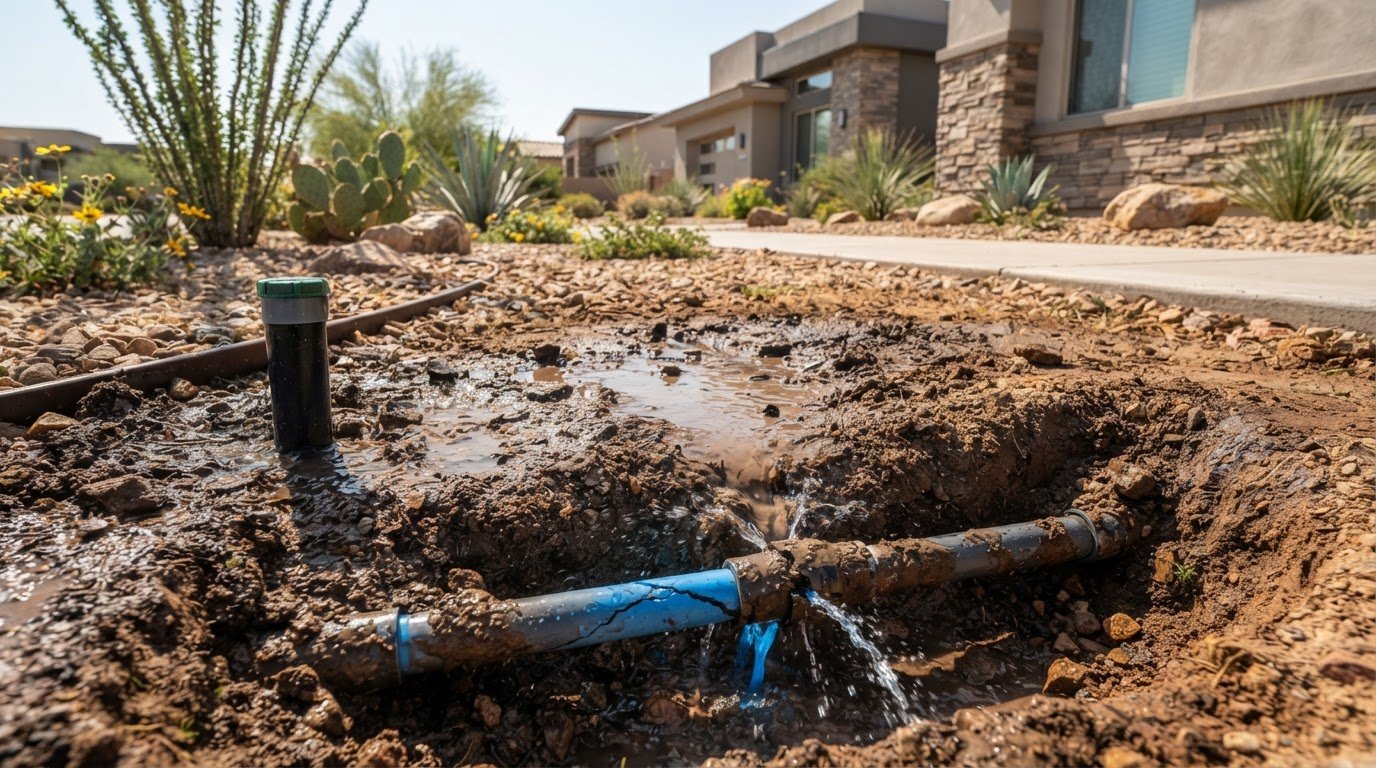
Our local water is notoriously high in calcium and magnesium. These minerals interact with our alkaline soil to create a stubborn, white crust around your plants and irrigation hardware. Over time, these deposits accumulate inside your lines and emitters. Standard hardware often fails because these minerals crystallize and block the flow. Drip irrigation systems in the desert require professional-grade components designed to resist this specific type of mineral scaling. Without the right equipment, your system's efficiency will degrade rapidly, often within just a few seasons of use.
Visual Signs of Soil Compaction
You can identify compaction issues in your Peoria yard by looking for specific clues. Surface pooling that lasts more than an hour after your system shuts off is a primary indicator of poor infiltration. You can perform a simple screwdriver test to check for deep saturation. If you can't easily push a long screwdriver at least six inches into the ground after watering, the moisture isn't penetrating deep enough. Don't be fooled by cracked soil during the peak of summer. Those cracks are a result of the clay shrinking as it dries; increasing the water flow will only cause more runoff. Instead, you need the best drip emitters for Arizona clay soil that deliver water slowly enough for the ground to actually accept it.
The Science of 'Low and Slow' Drip Delivery
Success in desert irrigation depends on patience. Clay soil particles are so small that they absorb water at a remarkably slow pace. If you apply water faster than the soil can take it in, you create surface rivers that bypass the plant entirely and flow into the street. This waste is especially critical given the Stage 1 Water Alert in Phoenix and rising rates in surrounding cities. The best drip emitters for Arizona clay soil are designed to deliver water at a pace that respects the soil's physical limits, typically around 0.5 gallons per hour (GPH).
Soil physics dictates the "wetting pattern" of your landscape. In sandy soils, water moves vertically like a pillar, sinking quickly. In Arizona clay, the movement is predominantly horizontal. The water spreads out wide before it ever sinks deep. By using a "low and slow" approach, you take advantage of this capillary action. This allows the moisture to saturate the entire root zone rather than just a narrow column of earth. This horizontal spread is essential for desert-adapted plants that have wide, shallow root systems designed to catch every bit of moisture.
Pressure Compensation (PC) Explained
Many residential landscapes in Surprise and Peoria have slight elevation changes or long irrigation runs that can cause uneven watering. Without Pressure Compensation, the emitters closest to the valve release more water than those at the end of the line due to pressure drops. PC emitters solve this by using an internal mechanism to ensure every plant receives the exact same amount of water. An internal silicone diaphragm flexes to regulate water output regardless of changes in incoming pressure. This precision is vital for maintaining a consistent landscape and preventing certain plants from being overwatered while others starve. If you are unsure if your current system uses these components, a professional irrigation diagnostic can identify areas where pressure imbalances are wasting water.
Flow Rate Comparisons: 0.5 GPH vs. 1.0 GPH
While a 1.0 GPH emitter might seem like it would save time, it often overwhelms heavy clay. High-flow rates can cause the "chimney effect," where water finds a single crack or loose pocket in the hardpan and rushes straight down, missing the majority of the roots. A 0.5 GPH emitter allows for longer, more thorough watering cycles that avoid this issue. Instead of a 30-minute rush that leads to puddling, a two-hour slow soak ensures deep penetration into the dense soil. For a typical desert shrub in Surprise, using two 0.5 GPH emitters running for a longer duration will provide a much healthier environment than a single high-flow unit. If you need help calculating the ideal run times for your specific soil depth, reach out to our team for expert guidance on your system design.
Top Emitter Types for Arizona's Desert Environment
Selecting the right hardware is the next critical step once you understand the physical limitations of clay. In the intense Peoria sun, UV resistance is not optional. Standard plastics often become brittle and crack within a few seasons, leading to hidden leaks that waste water and drive up your monthly bills. The best drip emitters for Arizona clay soil feature self-flushing mechanisms. These internal components allow small particles of silt or mineral deposits to pass through the emitter rather than clogging the orifice. This specific feature is a primary reason why expert drip system specialists in Surprise AZ prioritize professional-grade emitters over generic hardware store options.
Durability in the desert also depends on how well the hardware handles the heat. High-quality emitters are constructed from materials that resist the chemical breakdown caused by alkaline water and high soil temperatures. By investing in professional-grade components, you ensure that your system maintains its precision over many years, protecting the long-term health of your landscape.
Pressure-Compensating (PC) Button Emitters
Professional installers generally prefer button emitters for residential systems because they provide a fixed-flow rate. Unlike adjustable versions, these units cannot be accidentally turned or bumped out of calibration during routine yard work or seasonal pruning. This consistency is essential for sensitive desert plants like cacti and succulents that require precise moisture levels. By using a 0.5 GPH button emitter, you ensure a steady, reliable soak that matches the slow absorption rate of the local hardpan without the risk of human error changing the flow.
Inline Emitter Tubing for Clay Soil
For groundcovers or dense planting beds, inline emitter tubing is often more efficient than individual buttons. This tubing has emitters built directly into the line at specific intervals, such as 12 or 18 inches. In heavy clay, creating a grid pattern with this tubing allows water to spread horizontally and cover the entire root zone of a planting area. For most Arizona landscapes, 18-inch spacing is typically recommended. This wider gap accounts for the way water moves sideways through clay, preventing the soil from becoming oversaturated in small pockets while others remain dry.
Adjustable Flag Emitters: Pros and Cons
Flag emitters are popular in the DIY community because they allow you to change the flow rate by twisting a cap. While this flexibility seems helpful, it often leads to long-term consistency issues in a professional irrigation design. It is very easy to over-turn these caps, creating high-pressure geysers that cause massive runoff in clay soil. If you use flag emitters in Surprise, you must perform regular maintenance to check their calibration. You can take the tops off to clean out debris, but for most permanent desert landscapes, the fixed-flow button emitter remains the superior choice for durability and water conservation.
Design and Layout Strategies for Arizona Landscapes
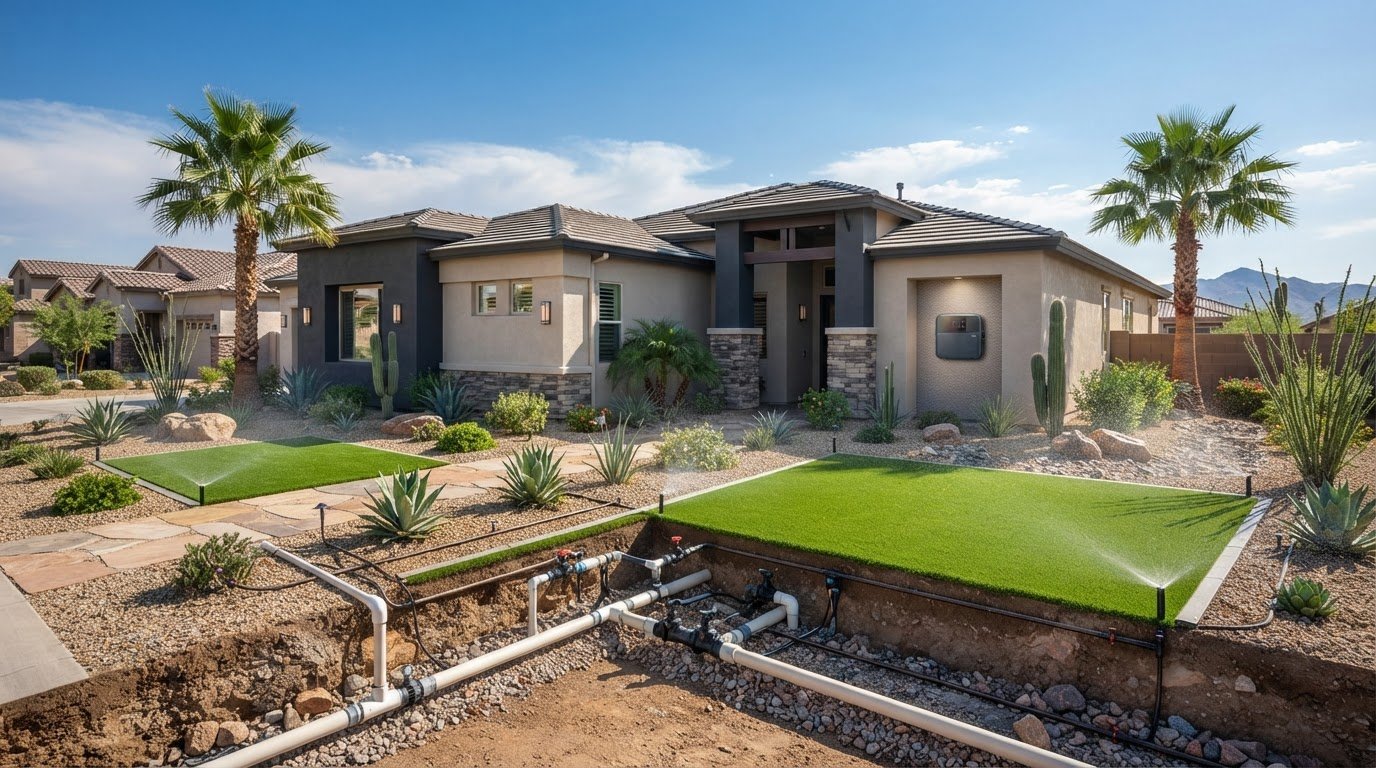
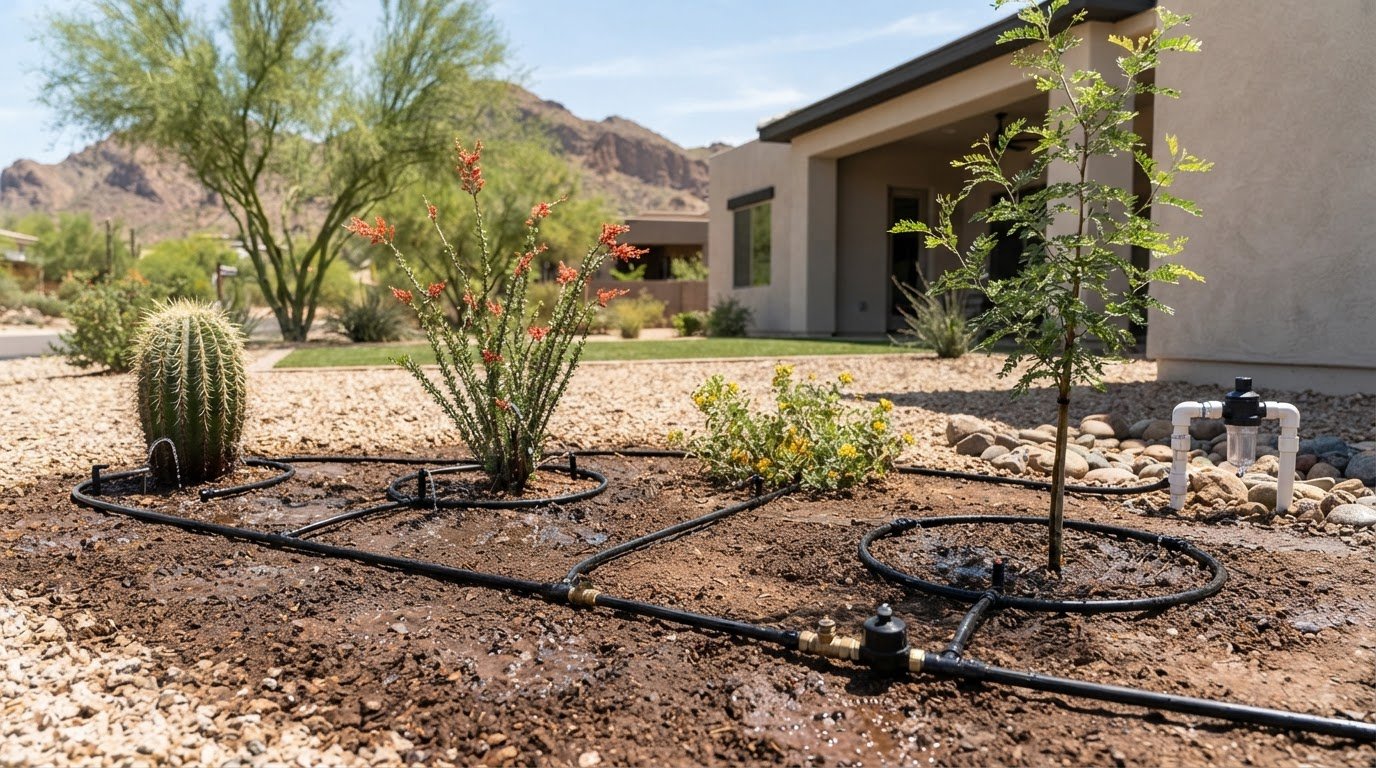
Designing a layout for heavy clay requires more than just punching holes in a distribution line. The most common mistake in residential irrigation is placing emitters directly at the base of a plant's trunk. This practice encourages root rot and creates a weak, unstable root ball. Instead, the "Donut" layout is the professional standard for desert success. By placing the best drip emitters for Arizona clay soil at the "drip line"—the outer edge of the plant's canopy—you deliver water to the active feeder roots. This placement encourages roots to grow outward, searching for moisture and creating a more resilient plant.
For large desert trees like Palo Verdes or Mesquites, a single emitter is never sufficient. You should utilize a multi-emitter strategy that circles the tree. This approach allows you to calculate the "Total GPH" required for deep saturation. If a tree needs 10 gallons per watering, using five 0.5 GPH emitters for four hours provides a much better saturation profile than a single high-flow unit. This distributed moisture ensures the entire root zone stays hydrated without overwhelming the soil's infiltration capacity. If you're starting from scratch, a custom drip irrigation design is the best way to ensure your layout matches your specific plant palette.
Zoning for Different Water Needs
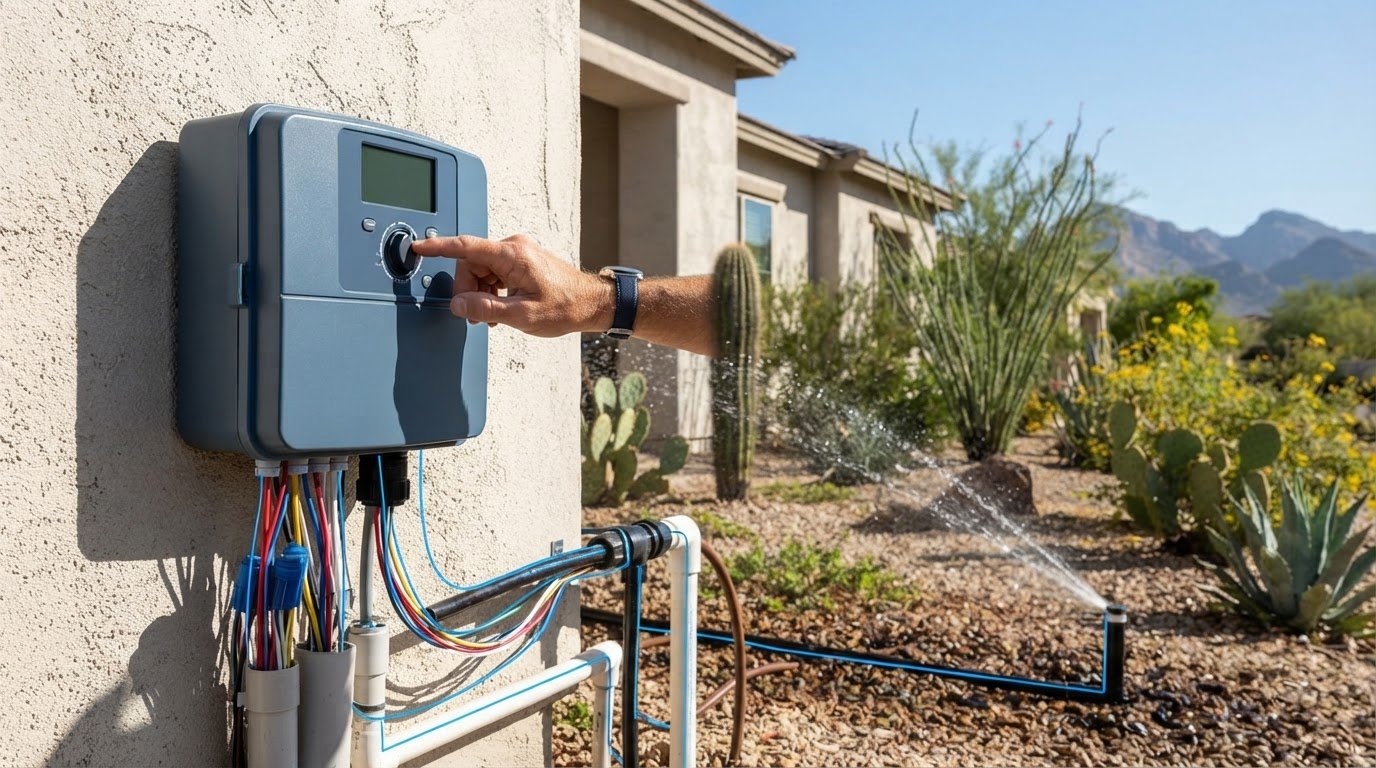
Effective water management in Surprise and Peoria depends on proper zoning. You should never place high-water plants on the same valve as low-water desert succulents. Each group has a different transpiration rate and requires a different frequency of care. For example, your Peoria lawn requires frequent, shallow watering, while your desert shrubs thrive on deep, infrequent cycles. Your irrigation controller plays a vital role here. Modern controllers allow you to set "Cycle and Soak" schedules, which are perfect for clay. This feature runs the water for a short period, lets it sink in, and then runs again, preventing the runoff common with continuous cycles.
Emitter Spacing for Optimal Root Expansion
Wide root systems are your landscape's best defense against the heavy winds of the Arizona Monsoon season. If you keep your emitters too close to the trunk, the tree won't develop the lateral roots needed for wind resistance. For a standard 15-gallon shrub, we typically recommend two to three emitters spaced evenly around the canopy. As your desert landscape matures, you must adjust the layout. Move the emitters further out as the canopy expands and add more units to meet the increasing water demand. This proactive adjustment prevents "root girdling" and ensures your plants continue to thrive as they grow. If your system hasn't been updated in several years, you should contact us for a system evaluation to ensure your layout still meets your plants' needs.
Maintenance: Keeping Your Emitters Flowing in the Desert
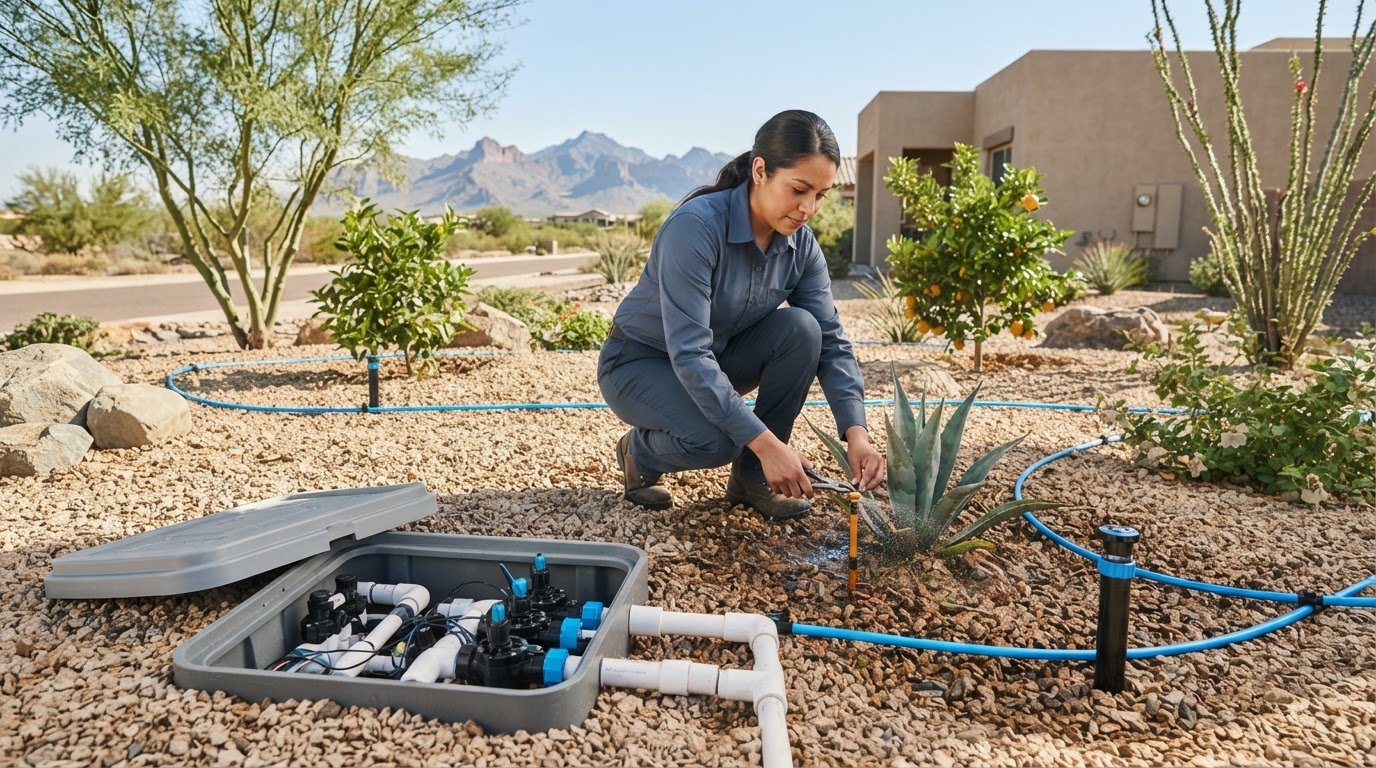
Maintaining a drip system in the West Valley requires a proactive approach to combat the relentless heat and mineral-heavy water. Before the extreme temperatures of July arrive, you should perform a comprehensive seasonal check of your entire layout. One of the most effective ways to preserve your hardware is the "Flush Valve" trick. By installing a removable cap or manual valve at the end of each irrigation line, you can periodically purge the system. This allows accumulated silt and mineral flakes to exit the pipe rather than being pushed into your emitters, where they cause permanent blockages. Even the best drip emitters for Arizona clay soil will eventually fail if they are forced to process a steady stream of debris from the bottom of the line.
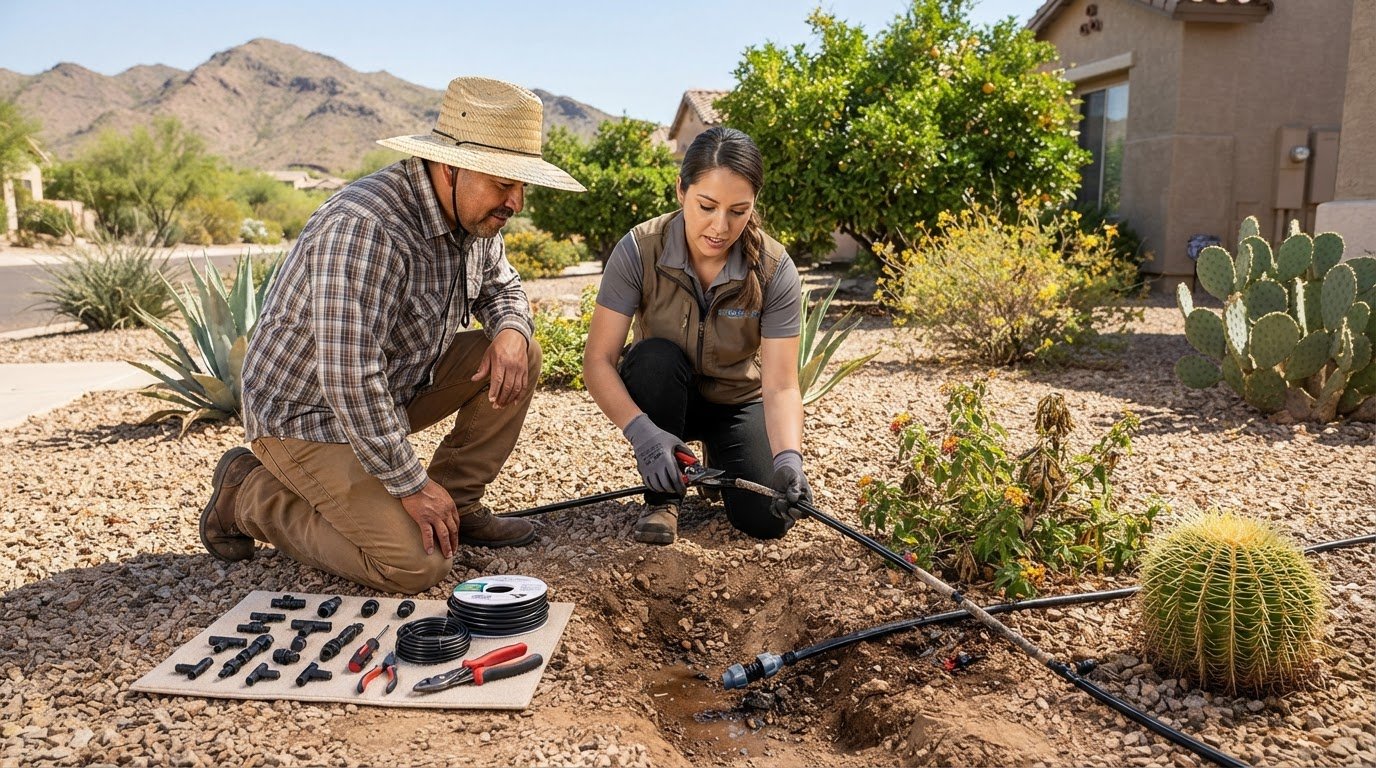
If you notice widespread pressure issues or multiple dry zones, it may be time for a more thorough expert irrigation system repair for desert landscapes. While individual emitters are easy to swap, a failing main line or a degraded manifold requires professional intervention to restore the system's integrity and efficiency.
Cleaning Clogged Emitters
You can often dissolve minor calcium buildup by soaking removable emitters in a vinegar solution for several hours. However, since professional-grade emitters are relatively inexpensive, we usually recommend replacing them entirely if they show signs of failure. It is also important to watch for "invisible" clogs. These occur when the distribution line remains pressurized, but the emitter orifice has been sealed by mineral crusting. A simple walk-through while the system is running can help you identify these silent killers before your plants begin to wilt or show signs of heat stress.
Protecting Systems from Desert Wildlife
Desert wildlife, including rabbits and coyotes, often view your irrigation lines as a water source during the dry months. Chewed lines lead to massive water waste and localized flooding, which is particularly damaging in clay soil that cannot absorb the sudden deluge. Burying your distribution lines at least four to six inches deep and covering them with decorative rock provides a necessary layer of protection. Sonora Sprinkler Inc.'s professional installation techniques prioritize these protective measures to ensure your system remains inaccessible to thirsty critters and shielded from the degrading effects of UV exposure.
Professional Diagnostics in Surprise and Peoria
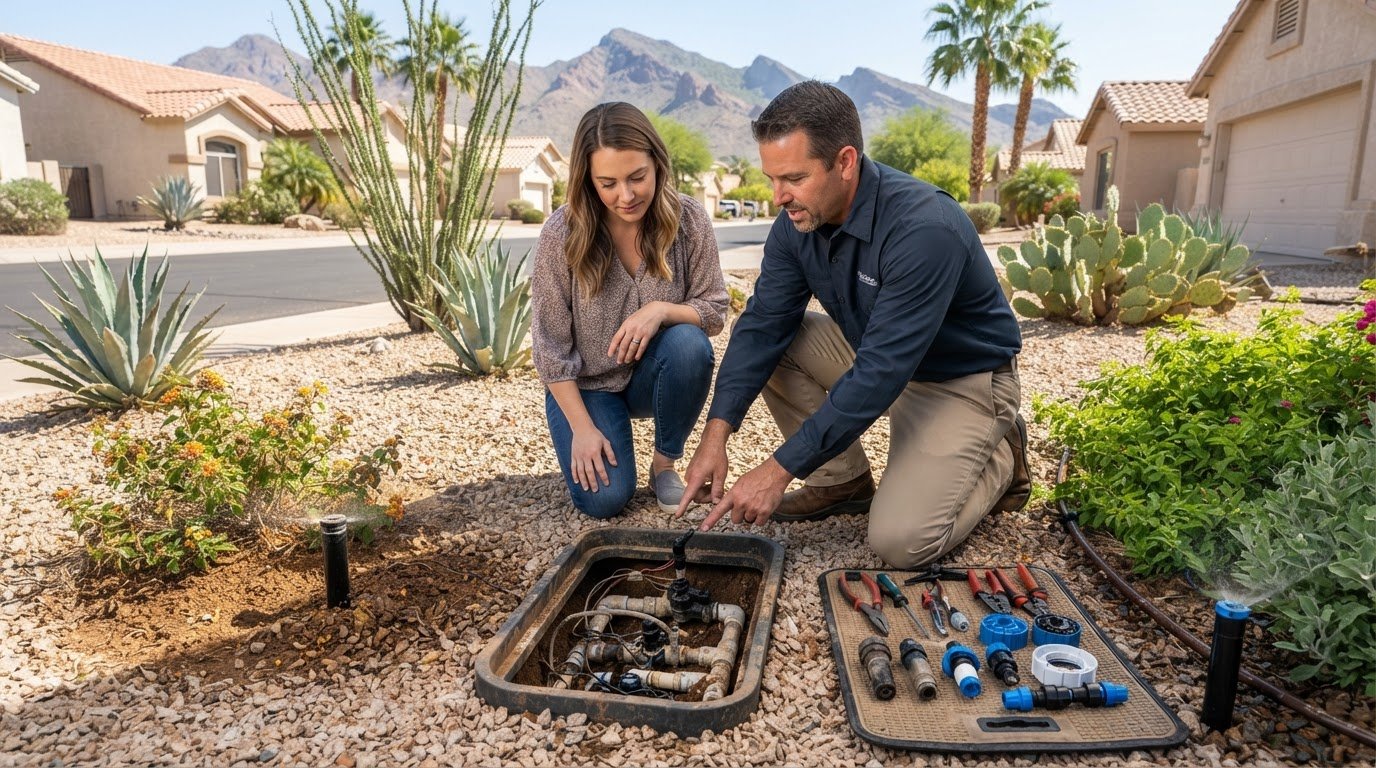
Sometimes, what appears to be a clogged emitter is actually a symptom of a larger mechanical failure. Faulty valves or damaged irrigation wiring can prevent zones from receiving the correct pressure, leading to anemic flow that mimics a blockage. A professional system tune-up can distinguish between a simple hardware swap and a complex electrical repair. To ensure your landscape is prepared for the upcoming season and to prevent costly water waste, schedule your professional drip system evaluation today with our experienced team.
Securing the Long-Term Health of Your Desert Landscape
The future of your landscape depends on how effectively you manage every gallon of water delivered to the root zone. Moving away from high-flow systems and embracing a strategy tailored to the physical realities of the hardpan ensures your property remains lush without the cost of excessive runoff. Selecting the best drip emitters for Arizona clay soil is more than a simple maintenance choice; it's a long-term investment in the structural integrity and heat resilience of your desert plants.
Since 1999, our family-owned team has focused exclusively on residential solutions that handle the specific environmental stressors of the West Valley. We combine decades of local expertise with professional-grade hardware to build systems that resist mineral scaling and heat degradation. If you're ready to transition to a more efficient, reliable irrigation setup, optimize your Arizona drip system with Sonora Sprinkler Inc. today. Our expert residential irrigation diagnostics and custom designs provide the quiet confidence that comes from a job done right. We look forward to helping you protect the health and beauty of your Arizona home.
Frequently Asked Questions
What is the best flow rate for drip emitters in Arizona clay soil?
The ideal flow rate for heavy desert clay is 0.5 gallons per hour (GPH). This slow delivery matches the low infiltration rate of Arizona soil, allowing moisture to spread horizontally and penetrate deep into the root zone. Higher flow rates, such as 1.0 or 2.0 GPH, often overwhelm the soil and lead to wasteful surface runoff. Using the best drip emitters for Arizona clay soil ensures that water actually reaches your plants instead of evaporating on the surface.
How many drip emitters should I put on a desert tree?
For a mature desert tree like a Palo Verde, we recommend installing four to six emitters spaced evenly around the canopy edge. Smaller shrubs typically thrive with two to three emitters. This multi-emitter strategy provides a wider wetting pattern, which encourages a strong, expansive root system. A single emitter at the trunk is insufficient and can lead to root rot or poor wind resistance during our local monsoon storms.
Why do my drip emitters keep clogging in Surprise, AZ?
Clogging in Surprise is usually caused by the high mineral content in our local water supply. Calcium and magnesium deposits crystallize inside the emitter, eventually blocking the flow. Additionally, fine silt can enter the lines if the system lacks proper filtration or regular flushing. We recommend using self-flushing, professional-grade emitters that are designed to handle these specific desert stressors and maintain a consistent flow rate over several seasons.
Can I mix different brands of emitters on the same drip line?
You can mix different brands of emitters, provided they are all pressure-compensating (PC) models with the same flow rate. However, for the most reliable performance, we suggest using consistent hardware throughout a single zone. Mixing flow rates on the same line will lead to uneven watering, as some plants will be oversaturated while others remain dry. Consistency is the key to maintaining the long-term health of your residential landscape.
How long should I run my drip system for plants in clay soil?
In clay soil, you should run your system for longer durations, typically between two and four hours. This "low and slow" approach allows water to move through the dense earth without pooling. Many Surprise homeowners find success with a "cycle and soak" schedule, where the system runs for an hour, rests for an hour, and then repeats. This method ensures deep saturation while respecting the soil's slow absorption limits.
Do I need a pressure regulator for my Arizona drip system?
A pressure regulator is a mandatory component for any drip system in Surprise or Peoria. Our local city water pressure often exceeds 70 or 80 PSI, which is far too high for drip components designed to operate at 25 to 30 PSI. Without a regulator, your emitters may pop off the line or fail prematurely. Installing a high-quality regulator protects your investment and ensures your drip system operates with professional precision.
How often should I replace my drip emitters in Peoria?
Standard emitters in Peoria typically require replacement every three to five years. The intense UV exposure and high mineral scaling in our region take a heavy toll on plastic components. If you notice plants wilting or see white crusting around the emitter heads, it is likely time for an upgrade. Professional-grade hardware often lasts longer, but regular inspections are necessary to ensure your system remains efficient and leak-free.
What is the difference between a dripper and an emitter?
While these terms are often used interchangeably, an "emitter" is the technical term for the device that regulates water flow from the distribution line. A "dripper" is a more casual term for the same component. In the context of professional irrigation, we focus on selecting the best drip emitters for Arizona clay soil that offer pressure compensation and self-flushing features. Both terms describe the hardware responsible for delivering precise moisture to your plants.