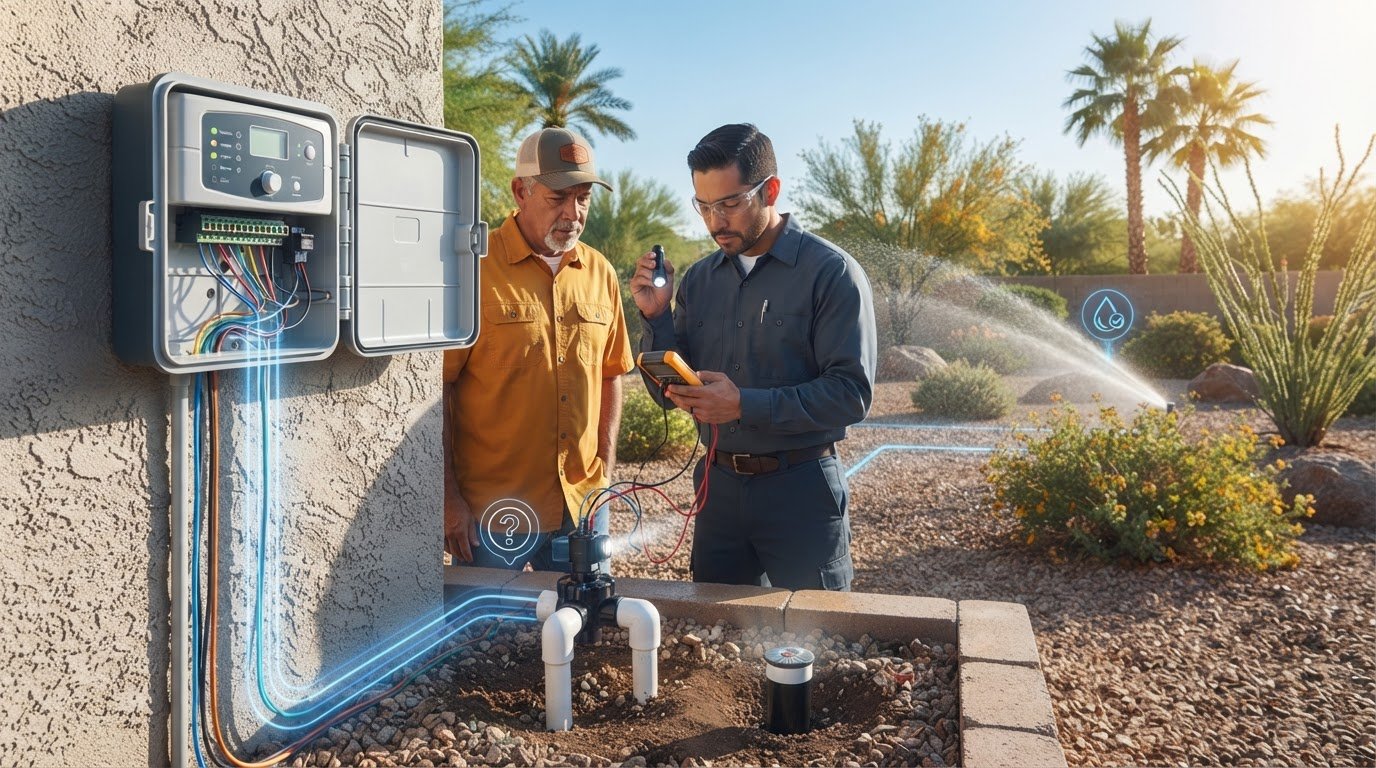
Why does an irrigation system that performed well in the spring often fail the moment Peoria's summer temperatures climb toward 115 degrees? For many local homeowners, the reality of maintaining a desert landscape involves a constant cycle of repairing brittle lines and digging through stubborn caliche soil. If you've spent your weekends chasing leaks or worrying about rising utility costs, you aren't alone. Achieving a reliable drip irrigation installation in Peoria requires more than just laying down plastic tubing; it demands a high-performance hydraulic tool engineered to withstand the specific environmental stressors of the West Valley.
We understand that you want a landscape that remains vibrant without requiring constant mechanical intervention. It's frustrating when inefficient emitters lead to water waste and struggling plants. This guide will show you how a professionally designed system protects your property from extreme heat while slashing your monthly water bill by up to 30 percent. We will examine the technical requirements for durable components, the necessity of deep-watering schedules, and how to build a system that finally offers the "set it and forget it" peace of mind you deserve.
Key Takeaways
- Learn why Schedule 40 PVC provides a more durable foundation than standard poly tubing for preventing main header leaks in abrasive desert soil.
- Understand the hydraulic requirements of a professional drip irrigation installation in Peoria to maintain uniform water pressure across all watering zones.
- Discover how proper valve protection and pressure regulation shield your irrigation components from intense UV exposure and mechanical failure.
- Identify the specific design strategies that allow for deep, infrequent watering to promote healthy desert plant growth while reducing monthly utility costs.
- See why a residential-only focus provides the specialized expertise needed to navigate the unique challenges of Peoria's local terrain and caliche soil.
The Essentials of Drip Irrigation Installation in Peoria, AZ
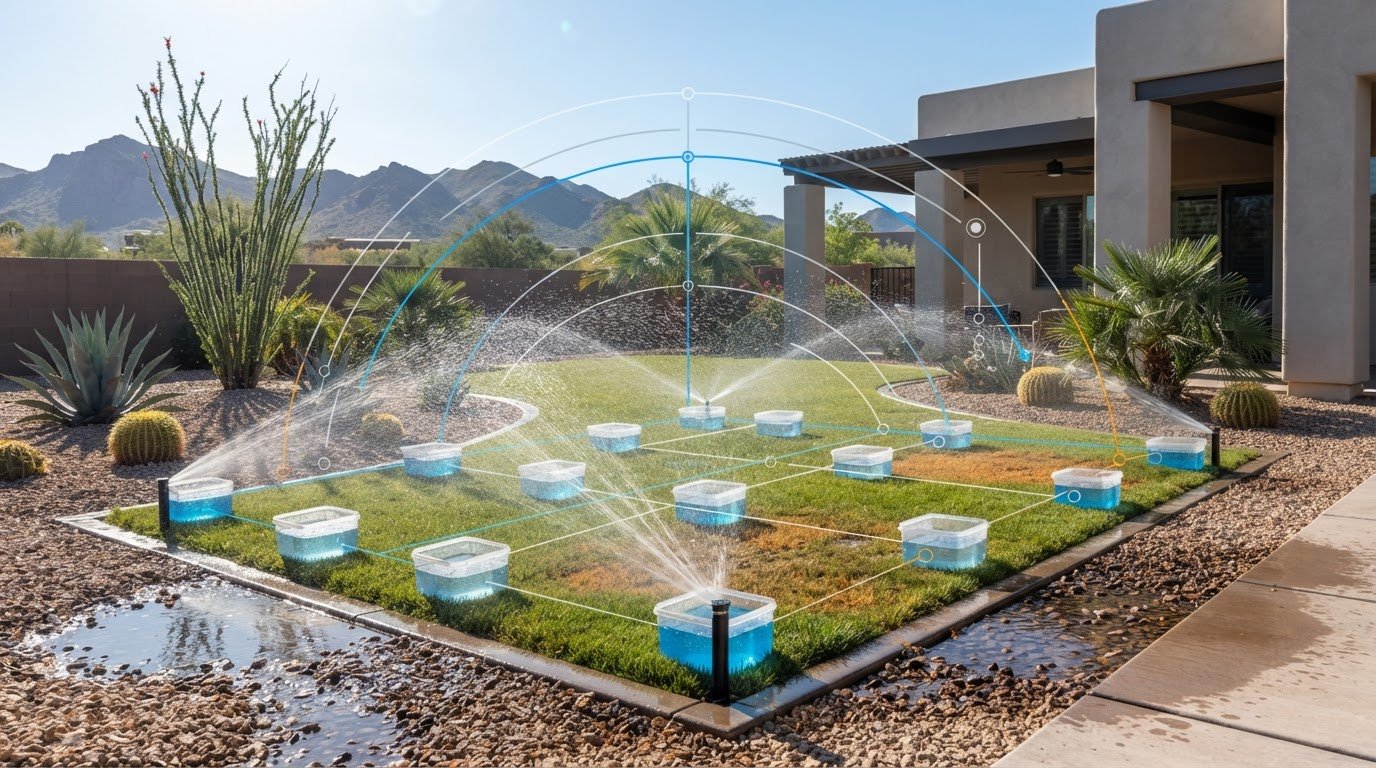
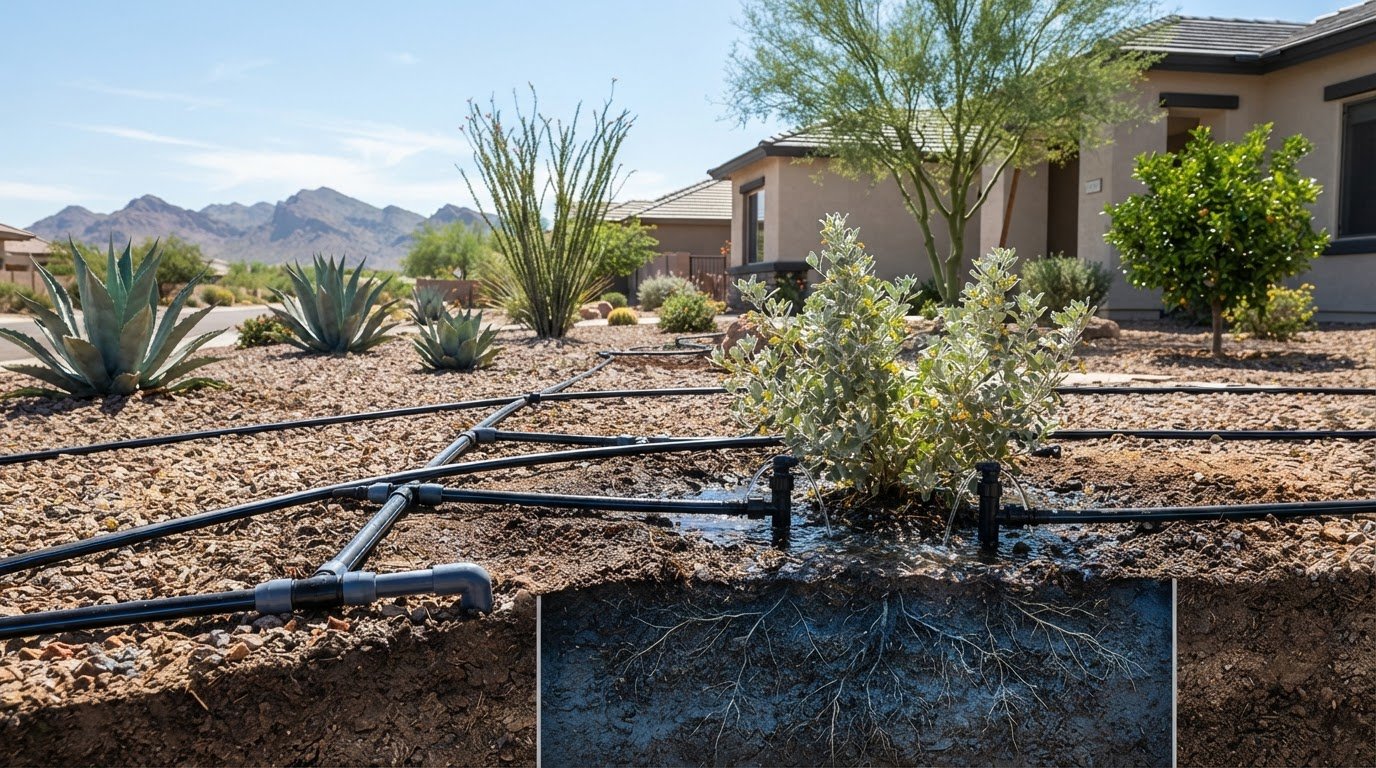
Drip irrigation is a low-pressure, high-efficiency method of delivering water directly to the root zone. In our local climate, drip irrigation isn't just a luxury; it's a structural necessity for maintaining the long-term health of your property. A professional drip irrigation installation in Peoria allows homeowners to move away from traditional spray heads, which often lose a significant percentage of their output to wind and high evaporation rates before the water even touches the soil. By delivering moisture with surgical precision, these systems serve as the backbone of successful Arizona xeriscaping. They ensure that every gallon of water is used effectively, which is critical as we face ongoing regional water conservation efforts and shifting climate patterns.
Why Desert Landscapes Require Specialized Solutions
Peoria's environment presents mechanical challenges that standard irrigation setups simply aren't built to handle. When summer temperatures climb past 110 degrees, surface water evaporates almost instantly, leaving plants stressed and thirsty. Drip systems solve this by applying water slowly beneath the surface or under a protective layer of mulch, ensuring the moisture reaches the roots where it's needed most. This targeted approach also plays a vital role in weed management. Since you aren't broadcasting water across your entire yard, opportunistic desert weeds don't receive the moisture they need to thrive between your intentional plants. Furthermore, controlled delivery protects your home's foundation. By managing water runoff and preventing soil saturation near the base of your house, a well-engineered system maintains the stability of your property's footprint.
Residential Benefits: Beyond Just Saving Water
While lower utility bills are a major draw, the health of your trees and shrubs is the most significant reward. A custom drip system encourages deep root growth by providing consistent moisture at lower soil levels. This makes your landscape far more resilient during extreme heat waves. You also eliminate the common problem of "overspray." Traditional sprinklers often coat home siding, windows, and wooden fences in mineral-heavy water, which leads to permanent staining and wood rot over time. By keeping the water on the ground and off your structures, you preserve the integrity of your home's exterior. Investing in professional design increases your property value by creating a sustainable, low-maintenance landscape that remains vibrant and healthy year-round without the constant need for manual intervention or frequent repairs.
PVC vs. Poly Pipe: Choosing the Right Foundation for Your System
When planning a drip irrigation installation Peoria homeowners often focus on the visible emitters, but the true durability of a system lies in the piping buried beneath the surface. The choice between standard poly tubing and rigid PVC piping determines whether your system remains functional for twenty years or fails in less than five. While many budget-focused installers rely on black polyethylene (poly) pipe for the entire layout, this material often struggles to survive the unique environmental stressors found in the West Valley. Selecting the right foundation is the first step in ensuring your landscape receives consistent, reliable hydration.
The Weakness of Standard Poly Tubing
Poly pipe is essentially a thin-walled plastic hose. In Peoria's intense summer heat, ground temperatures fluctuate significantly, causing poly lines to expand and contract. This constant movement leads to stress fractures, particularly near connection points and fittings. Additionally, native desert wildlife like ground squirrels and rabbits often chew through these soft lines in search of moisture. Perhaps the most frustrating issue is the "pop-out" effect; under high pressure or heat-induced softening, emitters can simply blow out of the tubing. This leads to massive water waste and potential plant loss. Most poly systems in Arizona require major repairs or full replacement within 3 to 5 years.
Why Sonora Sprinkler Recommends PVC Upgrades
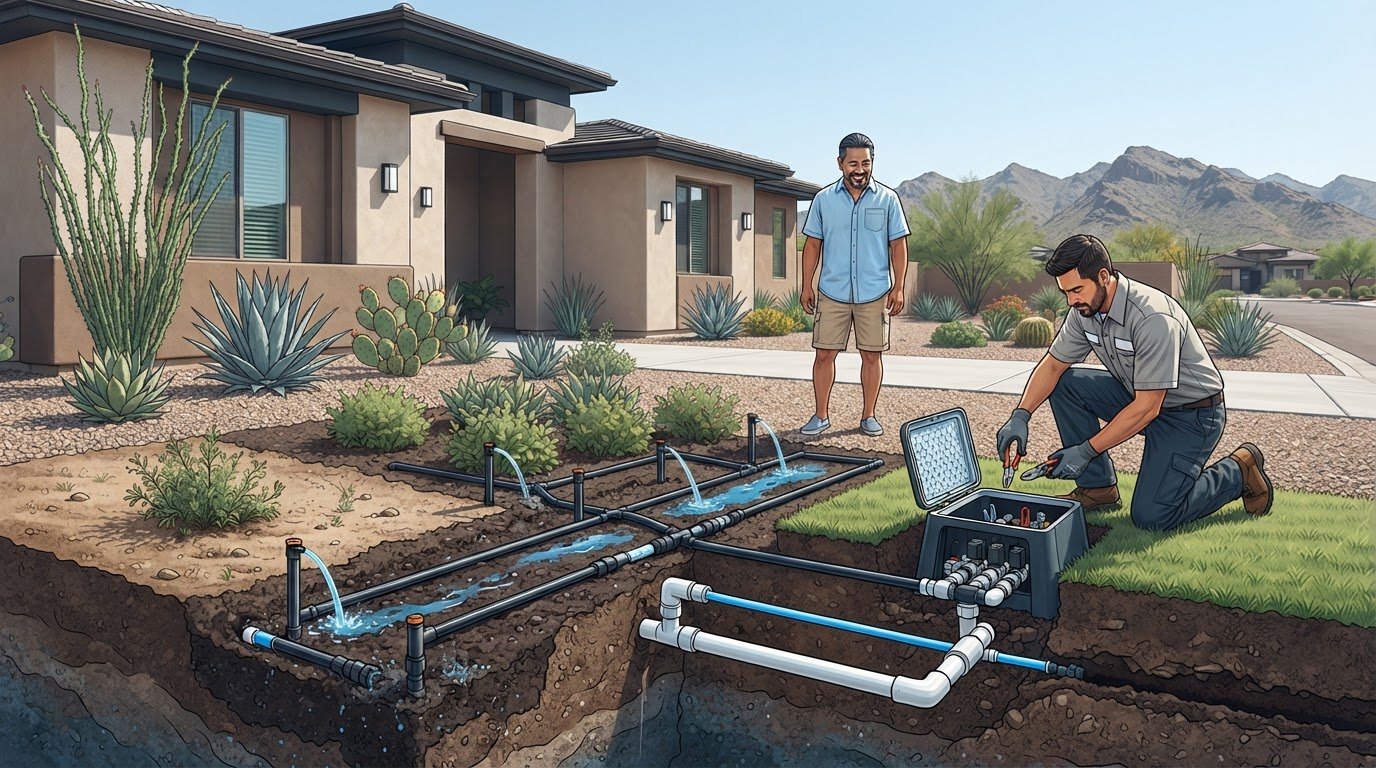
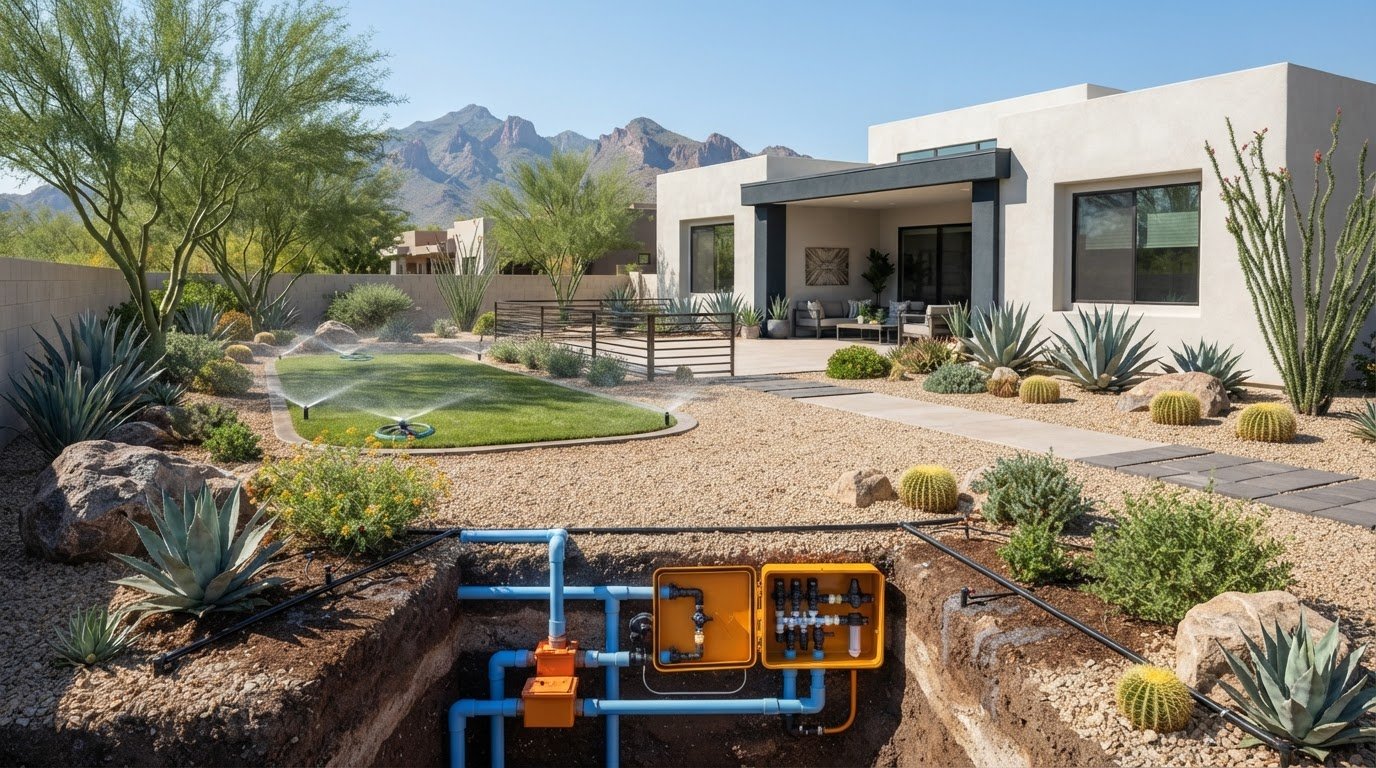
We advocate for using Schedule 40 PVC for the main distribution headers. This rigid piping provides a fortress-like foundation that resists UV degradation and mechanical damage from common landscaping tools. It's particularly effective against the abrasive caliche soil common in Peoria, which can easily puncture thinner materials during natural soil shifts. You can learn more about our PVC pipe replacement services to see how we transition old, failing systems into durable, professional-grade assets.
While the initial investment for a PVC-based water-efficient irrigation system is higher, the long-term value is undeniable. You avoid the recurring costs of leak detection and line patching that plague poly systems. A properly installed PVC header is a permanent solution that protects your landscape investment for decades. If you're tired of chasing leaks in your yard, reach out to our team to discuss a more reliable piping solution for your property.
Our Professional Installation Process: From Design to Distribution
A successful drip irrigation installation in Peoria begins long before the first trench is dug. We start with a comprehensive site evaluation to map the specific water requirements of your landscape. Every plant species has a different thirst level; established mesquite trees have different needs than a newly planted desert willow or a patch of agave. We also account for Peoria's stubborn caliche soil, which affects how water penetrates the ground. This initial assessment ensures that the system we build is tailored to your property's unique topography and biological needs.
Next, we focus on hydraulic design. This isn't just about connecting hoses; it's about engineering. We calculate the pressure loss across the entire length of the system to ensure uniform delivery. Without this step, plants at the end of a line might receive significantly less water than those near the valve. We balance the flow to provide consistent saturation, which prevents the "hot spots" often seen in poorly designed systems. This methodical approach guarantees that your landscape receives even coverage, regardless of its size or complexity.
Custom System Design for Peoria Landscapes
We group your plants into specific "hydro-zones." This strategy ensures that high-water plants aren't drowning their desert-adapted neighbors. By selecting the correct gallons per hour (GPH) emitters for each zone, we provide the exact amount of moisture required for healthy growth. You can explore our custom design and installation process to see how we prioritize efficiency in every layout we create. This precision prevents water waste and keeps your monthly utility costs manageable.
Trenching and Protecting Your Main Lines
Proper burial depth is essential in our climate. If lines are too shallow, the Arizona sun will bake the water inside the pipes before it reaches your plants. We trench to a depth that provides a natural thermal barrier, keeping the water at a safer temperature. In areas with heavy foot traffic or exceptionally rocky soil, we use protective sleeves to prevent mechanical damage. Our goal is to complete the installation with minimal disruption to your existing desert curb appeal, leaving your yard looking clean and professional.
Finally, we conduct rigorous system testing. We verify every emitter's flow rate and check that each valve operates precisely as programmed. We don't consider a job finished until we've confirmed that every component is functioning at peak efficiency. This final verification ensures your new irrigation system is ready to protect your landscape from the moment we leave your property.
Combating the Arizona Heat: Emitters, Valves, and System Longevity
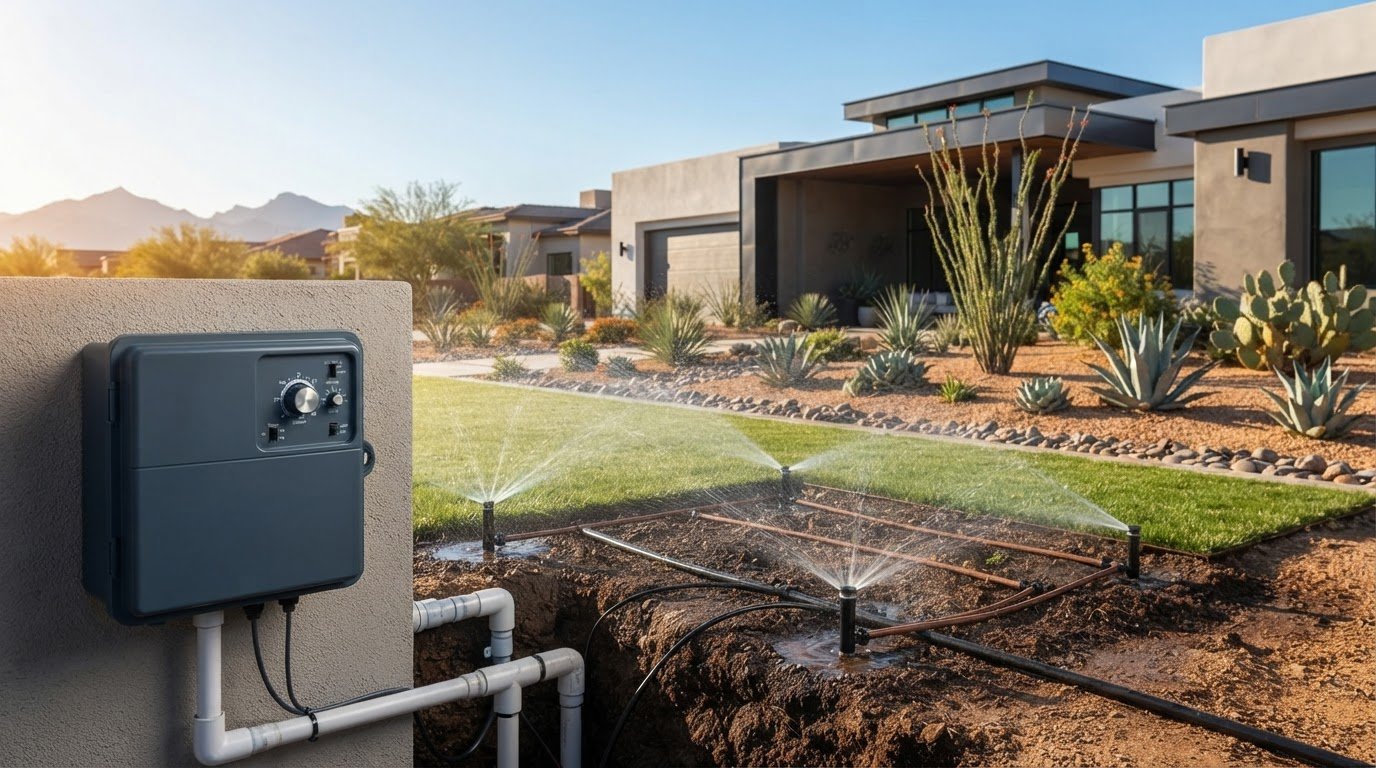
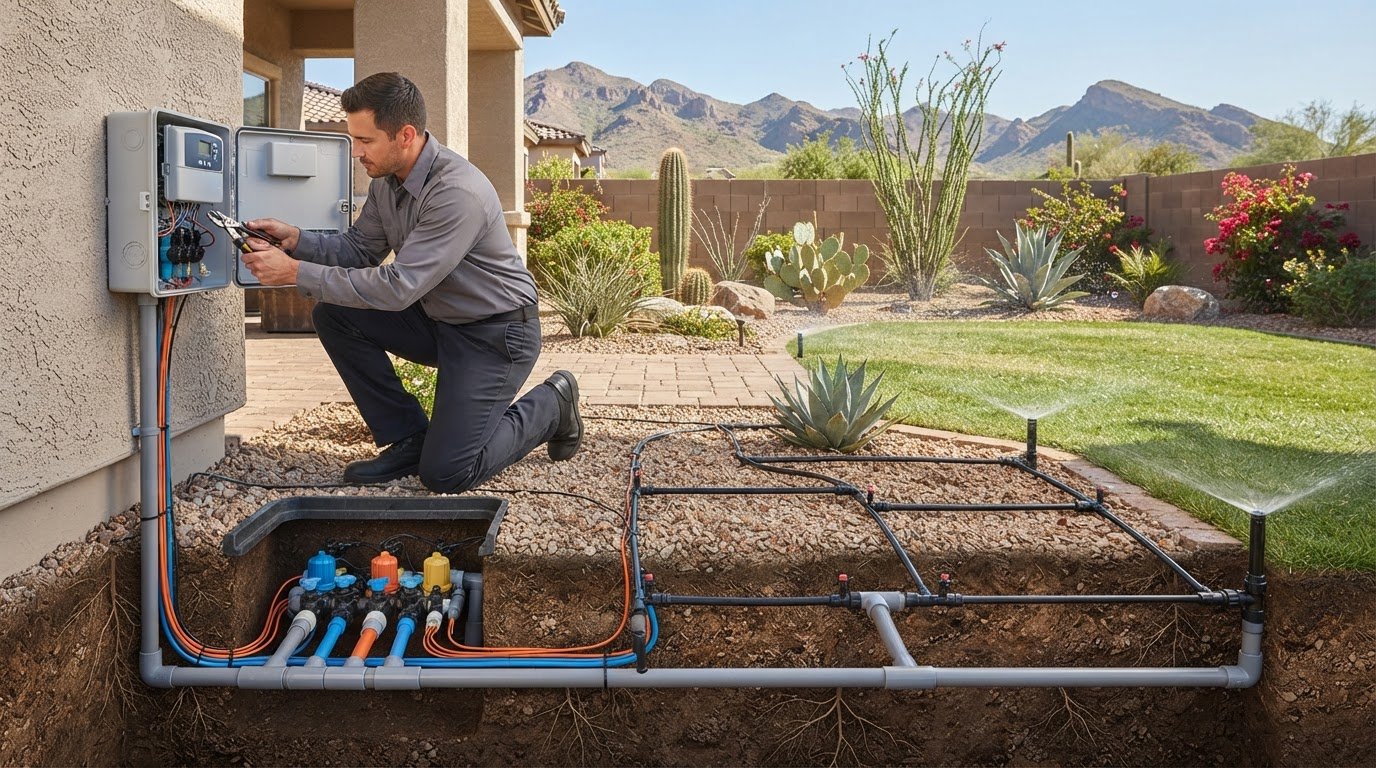
The desert sun is a relentless force that tests the mechanical limits of every component in your yard. While a standard drip irrigation installation in Peoria might look functional in March, the real test arrives when summer temperatures peak and water pressure fluctuates. Pressure regulation is the unsung hero of a durable system. Standard residential water pressure often hovers between 50 and 80 PSI, which is far too high for the delicate emitters used in desert landscapes. Without a dedicated pressure regulator, your lines are prone to blowouts, and your emitters will eventually fail under the strain. We prioritize the installation of high-quality regulators to ensure your system operates within a safe, consistent range.
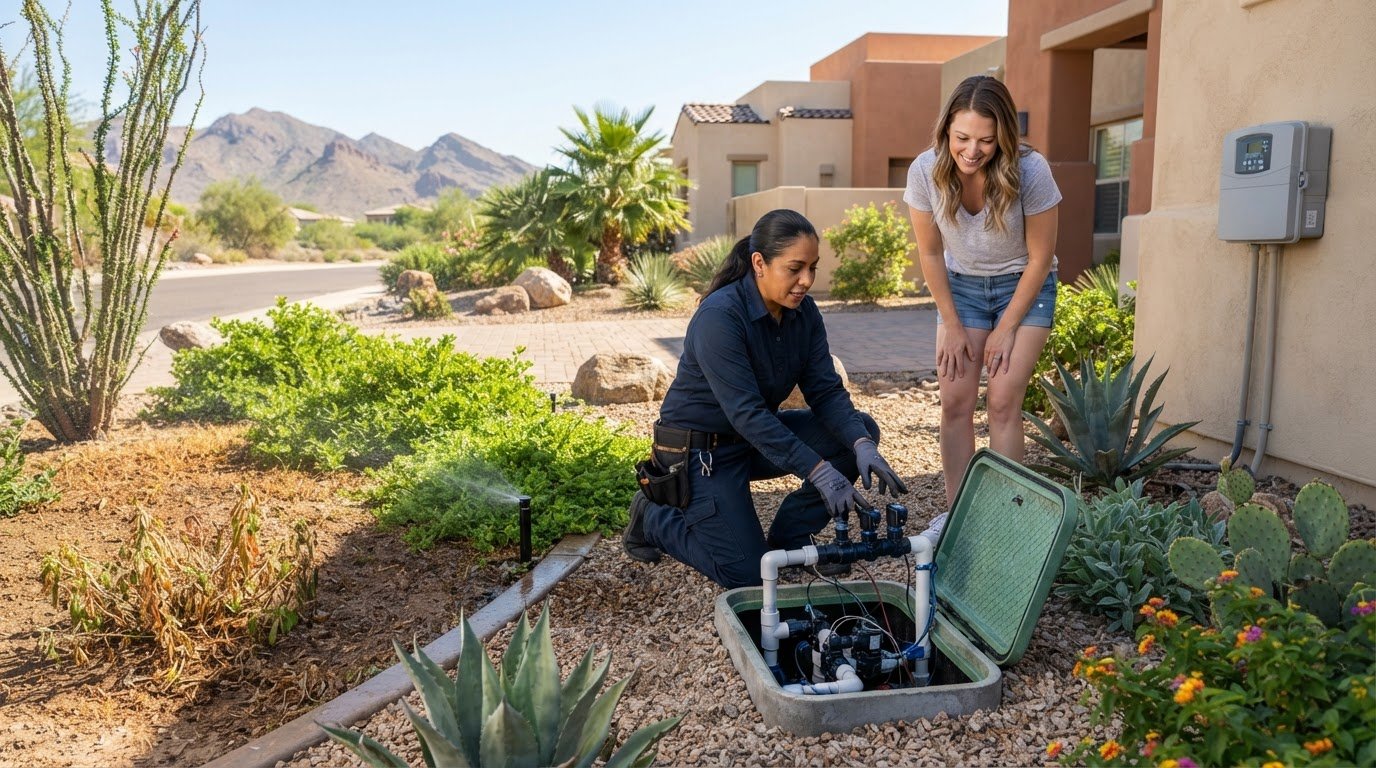
Protection extends beyond the pipes to your valves and backflow preventers. These components are often the most expensive parts of your setup, yet they're frequently left exposed to direct UV radiation. Intense sunlight degrades plastic valve covers and weakens internal diaphragms, leading to cracks and slow leaks that are difficult to detect. We recommend using insulated covers or strategically placing valve boxes to shield these vital parts from the sun's reach. Longevity isn't just about the parts you choose; it's about how you protect those parts from the environment.
Selecting UV-Resistant Components
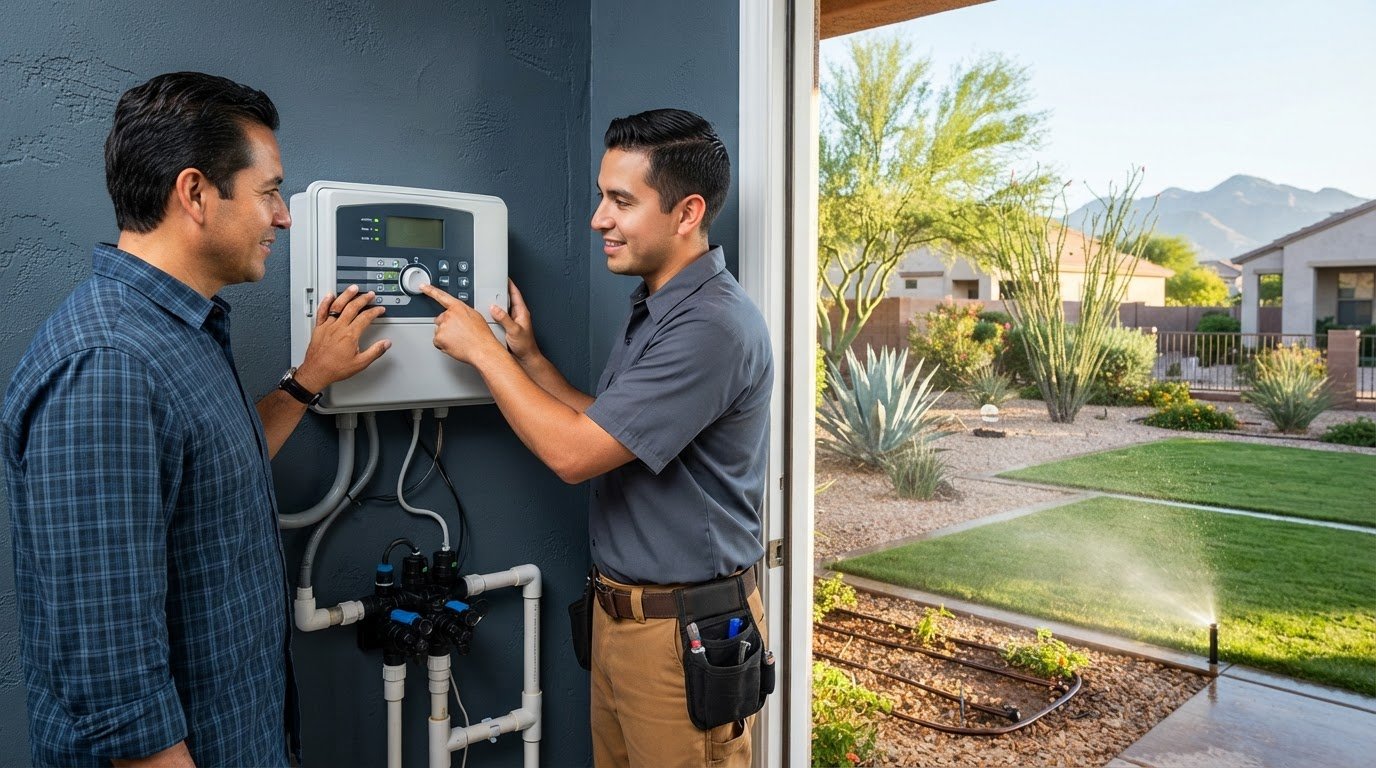
Standard plastic components found in big-box kits often crack within two seasons under the Peoria sun. We utilize professional-grade emitters and distribution tubing designed with carbon black and UV inhibitors to resist brittleness. These materials maintain their flexibility even during record-breaking heat waves. If your system is already showing signs of age, such as brittle lines or unresponsive valves, you may need professional assistance troubleshooting your wiring and diagnostics to identify the root cause of the failure before the next heat spike.
Managing Caliche and Soil Density
Peoria is notorious for caliche, a concrete-like layer of calcium carbonate that makes traditional drainage nearly impossible. In these "hardpan" areas, water tends to pool rather than sink, which can drown sensitive root systems. Engineering a system for caliche requires precise emitter placement and potentially higher-flow emitters to ensure water penetrates the soil before it evaporates or runs off. We also ensure that all valves remain accessible for future maintenance, even when buried in dense, rocky terrain. Properly managing soil density is a hallmark of an expert drip irrigation installation in Peoria.
Your 2026 drip schedule cannot remain static. As the seasons shift, your plants' metabolic needs change. A summer schedule that keeps a palm tree thriving in July will cause root rot if left active in December. We recommend adjusting your controller at least four times a year to account for the transition between the growing season, the monsoon humidity, and the winter dormancy. If you're ready to upgrade to a system built for the long haul, contact our team today to schedule a professional evaluation of your property's irrigation needs.
Why Local Expertise Matters for Your Peoria Drip System
Choosing a partner for your drip irrigation installation Peoria project involves more than just selecting the lowest bid. It requires finding a team that lives and works in the same environmental conditions as you do. Since 1999, Sonora Sprinkler has operated as a family-owned business with a singular focus on residential systems. This specialization is vital because residential landscapes have different hydraulic needs and aesthetic priorities than large-scale commercial properties. We don't split our attention between shopping centers and backyards; we dedicate our entire expertise to the health and efficiency of your home's outdoor space.
Local knowledge is particularly important when handling Peoria-specific codes and backflow requirements. The city has strict regulations regarding backflow prevention to ensure that irrigation water doesn't contaminate the municipal supply. We understand these standards and ensure every system we install or upgrade meets local safety protocols. Our "boots-on-the-ground" experience means we've dealt with every soil variation in the West Valley, from the sandy pockets near the New River to the dense caliche found in Vistancia. We build systems that account for these nuances, ensuring your investment remains durable for years to come.
The Sonora Sprinkler Difference
Our approach is rooted in steady, professional expertise tailored specifically to the Surprise and Peoria area. We prioritize the long-term health of your property over quick, cheap fixes that lead to recurring leaks and plant loss. By focusing on precision engineering and high-quality materials, we provide a level of reliability that generalists often overlook. We invite you to contact our team for a professional consultation to discuss how we can optimize your yard for the unique desert climate.
Protecting Your Investment with Professional Maintenance
A high-performance drip system is a significant investment that requires consistent oversight to remain efficient. Regular valve and backflow checks are non-negotiable in the desert. Small mechanical failures in these components can lead to massive water waste or system-wide pressure drops that starve your plants. You can find more detail on this in our guide on Expert Backflow Preventer Repair in Surprise, AZ, which covers the essential steps for residential irrigation solutions. Ensuring your system is professionally maintained is the only way to guarantee it's ready for the record-breaking heat of 2026. We take pride in being a dependable fixture in the community, helping our neighbors maintain beautiful, water-efficient landscapes through every season.
Securing Your Peoria Landscape for the Future
A reliable irrigation system is the most critical investment you can make for your home's exterior. By choosing high-quality Schedule 40 PVC headers over temporary poly tubing, you establish a foundation that withstands the West Valley's abrasive soil and intense summer heat. A professional drip irrigation installation Peoria homeowners can trust relies on precision hydraulic design and UV-resistant components that protect your valves from degradation. These technical choices ensure your plants thrive while your monthly water bills remain manageable.
Since 1999, Sonora Sprinkler has served as a family-owned residential specialist, providing the local expertise required to navigate Peoria's unique caliche and environmental stressors. We are dedicated to delivering durable, water-efficient solutions that offer long-term peace of mind. If you're ready to move away from constant leaks and inefficient watering, we invite you to Schedule Your Professional Drip Installation Consultation today. Protecting the health and beauty of your desert landscape starts with a system engineered for longevity. We look forward to helping you build a more resilient property.
Frequently Asked Questions
How much does drip irrigation installation cost in Peoria?
The total investment for a professional drip irrigation installation in Peoria varies based on property size, the number of watering zones, and the complexity of the landscape design. While basic DIY kits are inexpensive, professional systems utilize durable materials like Schedule 40 PVC to ensure longevity. Factors such as soil density and the total number of emitters required will influence the final project scope. We recommend a consultation to assess your specific residential needs and provide an accurate estimate.
Is PVC better than poly tubing for Arizona drip systems?
Yes, Schedule 40 PVC is the superior choice for main distribution lines in desert environments. Unlike thin-walled poly tubing, which often becomes brittle and cracks after a few years of UV exposure, PVC offers significant resistance to mechanical damage and soil movement. It provides a permanent foundation that eliminates the frequent leak repairs associated with standard polyethylene hoses. This durability is essential for homeowners looking for a reliable, long-term irrigation solution that survives harsh summer heat.
How long should a professional drip system last in the desert?
A professionally engineered system using high-quality PVC components can last 20 years or more with proper maintenance. In contrast, cheaper systems relying on poly pipe often require major repairs or full replacement within 3 to 5 years. The lifespan of your system depends heavily on the quality of the initial installation and regular seasonal adjustments. Protecting your valves and backflow preventers from direct sunlight is also a critical factor in extending the life of the hardware.
Does a drip system require a backflow preventer in Peoria?
Yes, the City of Peoria requires a backflow prevention device on all irrigation systems connected to the municipal water supply. This safety component prevents non-potable water, fertilizers, and soil bacteria from siphoning back into your home's drinking water. These devices must be installed correctly and checked periodically to ensure they meet local safety standards. Our team specializes in valve and backflow services to keep your residential system compliant and your family's water supply protected.
Can I convert my existing sprinkler system to drip irrigation?
Most traditional spray systems can be converted to drip irrigation by installing a pressure regulator and a filter at the valve. This allows you to utilize your existing underground piping while switching to more efficient emitters for your desert plants. It's an excellent way to reduce water waste and protect your home's foundation from overspray. We often perform these upgrades for homeowners looking to transition their turf areas into sustainable, low-maintenance xeriscapes.
How often should I clean or replace my drip emitters?
You should inspect your emitters at least twice a year to check for salt buildup or physical blockages. In Peoria, the high mineral content in the water can lead to calcification, which eventually restricts flow. While some professional-grade emitters are self-flushing, others may need manual cleaning or replacement if they become completely clogged. Regular maintenance ensures that your plants receive the consistent hydration they need to survive the most intense heat of the growing season.
What is the best time of day to run my drip system in Peoria?
The ideal time to run your irrigation is in the early morning hours, typically between 2:00 AM and 6:00 AM. Watering during this window allows moisture to soak deeply into the root zone before the sun rises and increases evaporation rates. It also ensures that the water remains cool, preventing the thermal shock that can occur when hot water sits in shallow lines during the day. Early morning watering is a key strategy for maximizing efficiency.
How do I know if my underground drip line is leaking?
Common signs of an underground leak include unusually green patches of weeds or a sudden spike in your monthly water bill. Because desert soil can hide leaks deep beneath the surface, it's important to monitor your meter's leak indicator. If you suspect a break after a drip irrigation installation in Peoria, professional diagnostics can locate the issue without unnecessary digging. This proactive approach saves water and prevents structural damage to your property's foundation.