One silent sprinkler zone doesn’t automatically mean the valve has failed. If you’re searching for “sprinkler zone not working troubleshoot,” the fault could start earlier in the control path, with a schedule or controller setting, or farther along at the wiring, valve, or water supply. Replacing parts before narrowing it down can add expense and make the cause harder to identify.
It’s understandable to worry about what to touch, especially when the lawn or plants are missing a needed watering cycle. A few basic checks are safe: confirm the schedule and zone settings, check whether other zones run, and look for an obvious water-supply issue. Electrical testing or opening a valve requires more care.
This guide walks you through a practical sequence to identify the likely fault area without guessing. You’ll learn what to check yourself, which symptoms may point toward a controller, wiring, valve, or water-delivery problem, and when an irrigation repair professional should take over. These observations can help you plan the next step for your Surprise or Peoria home.
Key Takeaways
- Check whether other zones run to help distinguish a single-zone fault from a wider water-supply or controller issue.
- Follow a step-by-step troubleshooting sequence from controller settings toward the valve and water delivery.
- Compare symptoms such as no flow, weak spray, or a zone that keeps running to narrow down possible causes.
- Use safe, simple checks to gather information without taking apart electrical connections or valves.
- Share the affected zone’s symptoms and your observations with an irrigation repair professional if the fault remains unclear.
Sprinkler Zone Not Working? Start With What the System Is Doing
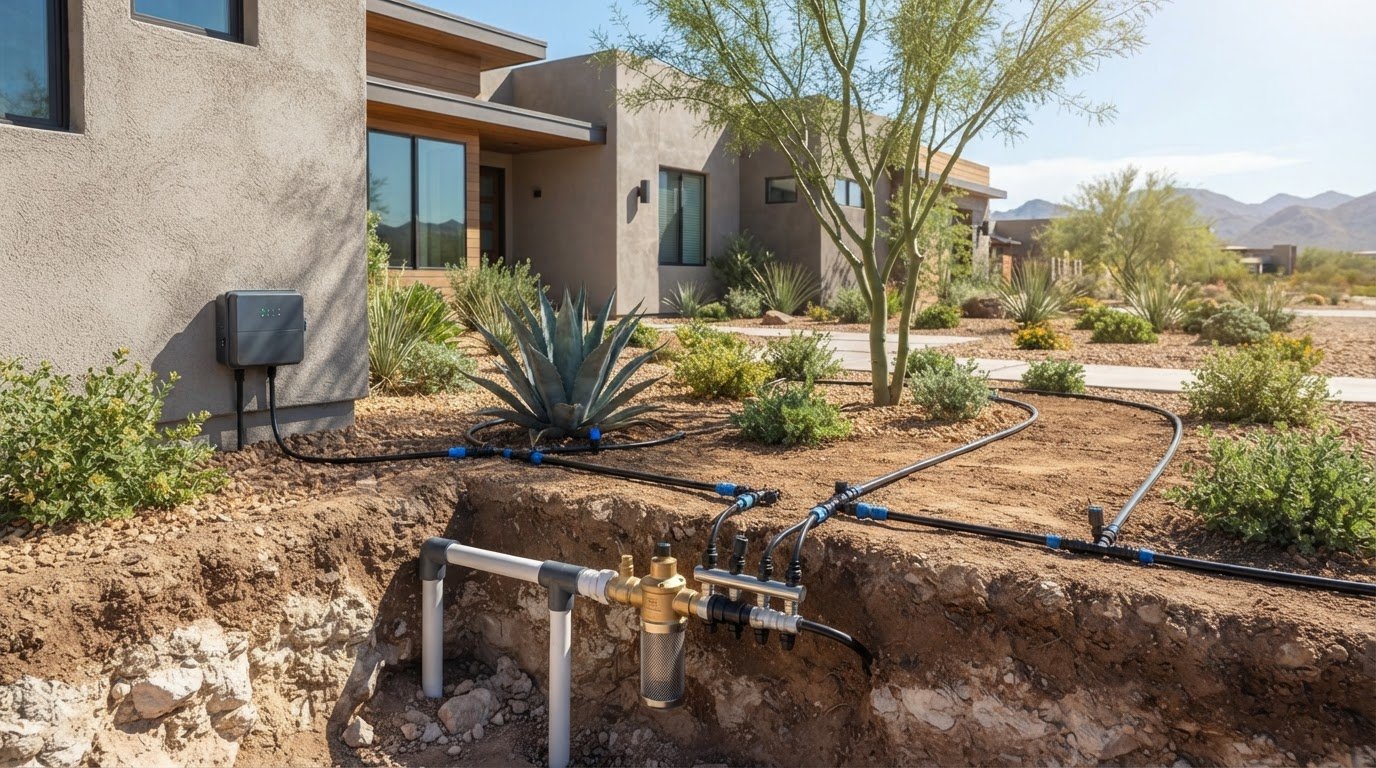
A sprinkler zone is a group of heads that the irrigation controller operates together through a shared valve. The controller sends a signal to open that zone’s valve, allowing water to flow to its heads. A basic overview of an irrigation sprinkler system can help you see how these components work together.
First, check whether the other zones run as expected. If they do, the system’s water supply and controller may be working overall, making a zone-specific control, wiring, valve, or flow issue more likely. If several zones fail, the cause could affect more of the system. These clues narrow the search, but they don’t confirm a particular fault.
For a visual overview of troubleshooting a failed zone, watch this video:
What does it mean when only one sprinkler zone fails?
Because zones operate individually, one zone can stop responding while the rest continue on schedule. The controller may not be sending the right signal, a wire connection may be interrupted, or the valve may not be opening properly. Water may also reach the zone but fail to flow through the heads as expected. If several zones fail together, note that pattern because it can point to a broader controller or water-supply problem.
Which symptoms help narrow down the cause?
Look at the controller display during a scheduled cycle. Does it show the intended zone as active, or does the zone appear to be skipped? Then observe the heads: are they completely dry, partly running with weak or uneven spray, or still flowing after the zone should have stopped? A delayed start may relate to the programmed schedule or zone sequence, while a zone that won’t shut off deserves prompt attention.
Observe the system during a normal scheduled cycle if possible, and record what you see. This is a useful first step in any sprinkler zone not working troubleshoot process: compare the controller’s behavior with the actual water flow. That distinction helps you decide whether the next checks should focus on settings, electrical control, the valve, or water delivery.
Trace the Problem From the Irrigation Controller to the Zone Valve
Work through the system in order rather than jumping straight to the valve. A useful sprinkler zone not working troubleshoot sequence is: controller settings, controller power, zone wiring, valve response, then water delivery. If one step appears normal, move to the next. Avoid opening electrical components or replacing parts based on symptoms alone.
- Controller settings: Confirm the intended zone is enabled and check its start time, watering days, and any pause or rain-delay setting.
- Power: Check whether the controller display is on and responding. If it’s blank, the issue may affect more than one zone.
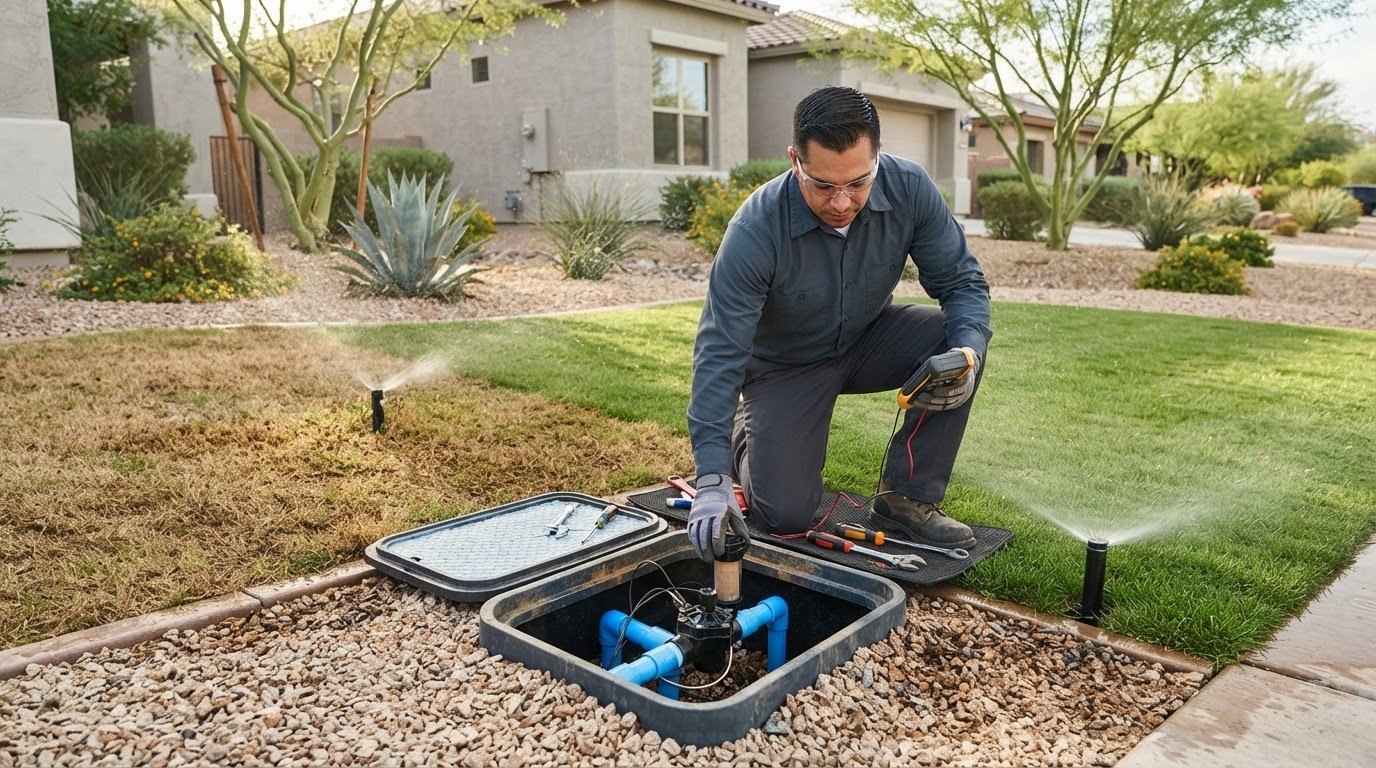
- Wiring and valve: If the controller attempts to run the zone but nothing happens, a wiring connection or valve solenoid may be involved.
- Water delivery: If the valve appears to operate but the heads stay dry or spray weakly, the fault may be farther along the water path.
Could the controller or schedule be the reason a zone will not run?
Start with the display and settings. Make sure you’re checking the correct zone, then verify its schedule and confirm that watering hasn’t been paused. Before changing or resetting anything, take a photo or write down the existing settings so you can restore them if needed.
If the controller allows it, run the affected zone briefly in manual mode while watching the display and sprinkler heads. Does the controller show that the zone is active? Does water begin flowing? This check can help distinguish a schedule issue from a problem farther downstream. For general care practices such as inspecting heads and looking for leaks, see the University of Florida’s guide to routine sprinkler maintenance.
When do wiring or solenoid problems become more likely?
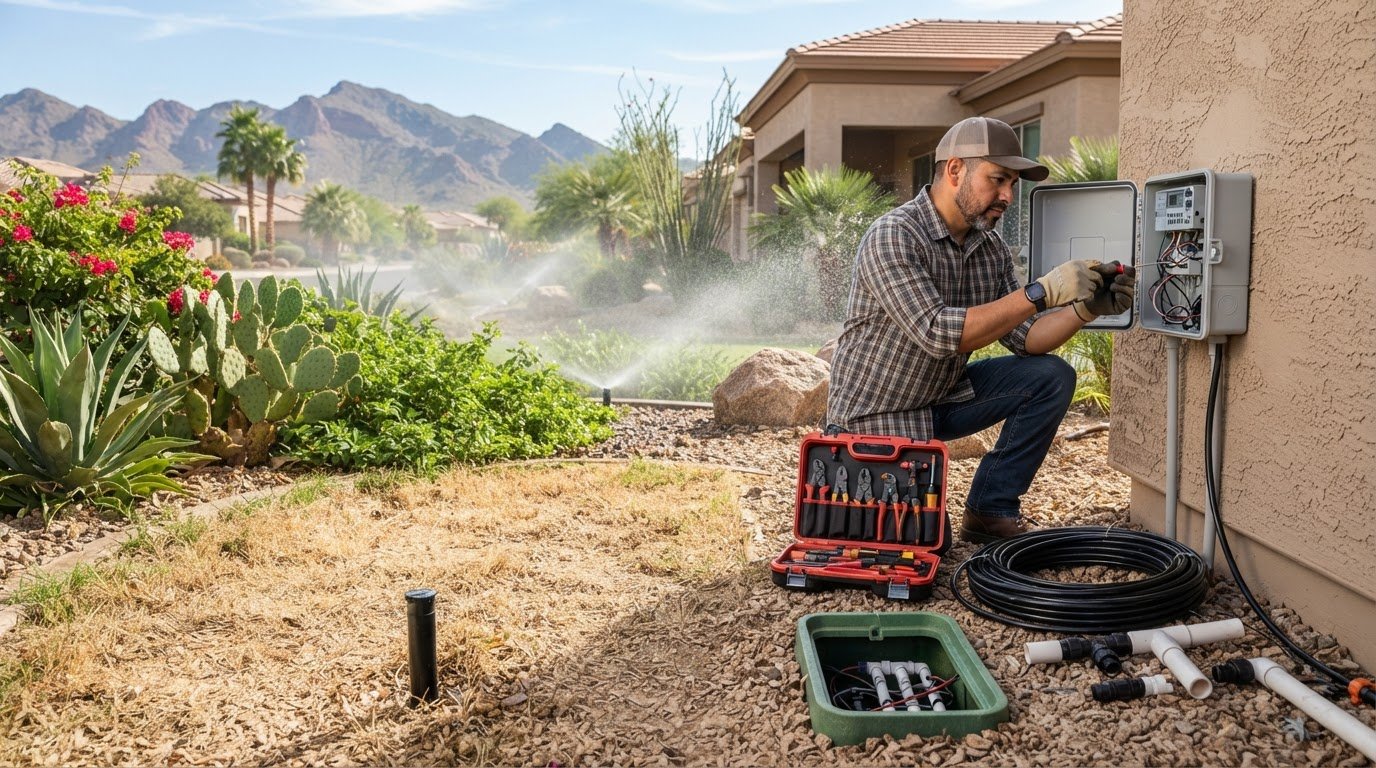
If settings are correct and the controller has power, but one zone doesn’t respond, its control wiring deserves attention. The solenoid is the valve component that receives the controller’s electrical signal and helps open the valve. A damaged connection or faulty solenoid can prevent that response, but the symptom alone won’t confirm which part has failed.
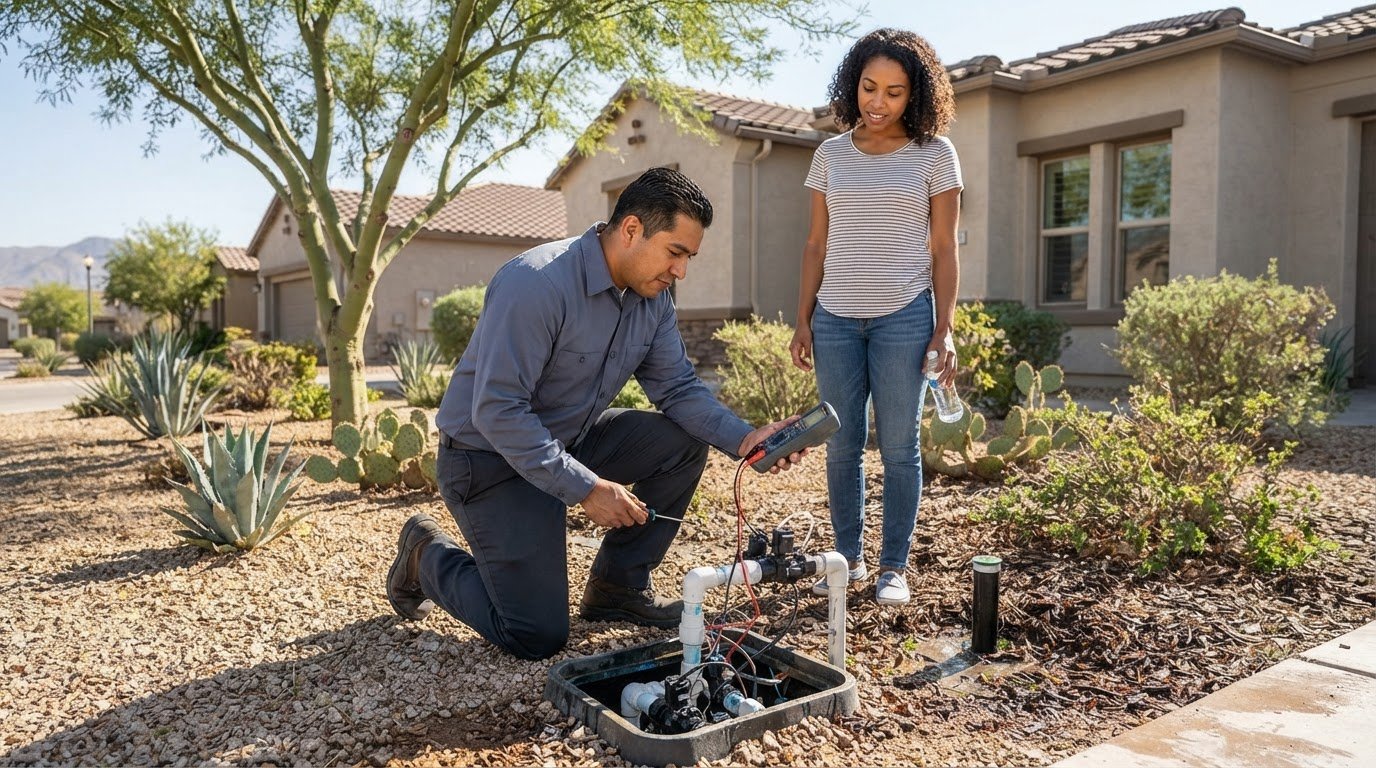
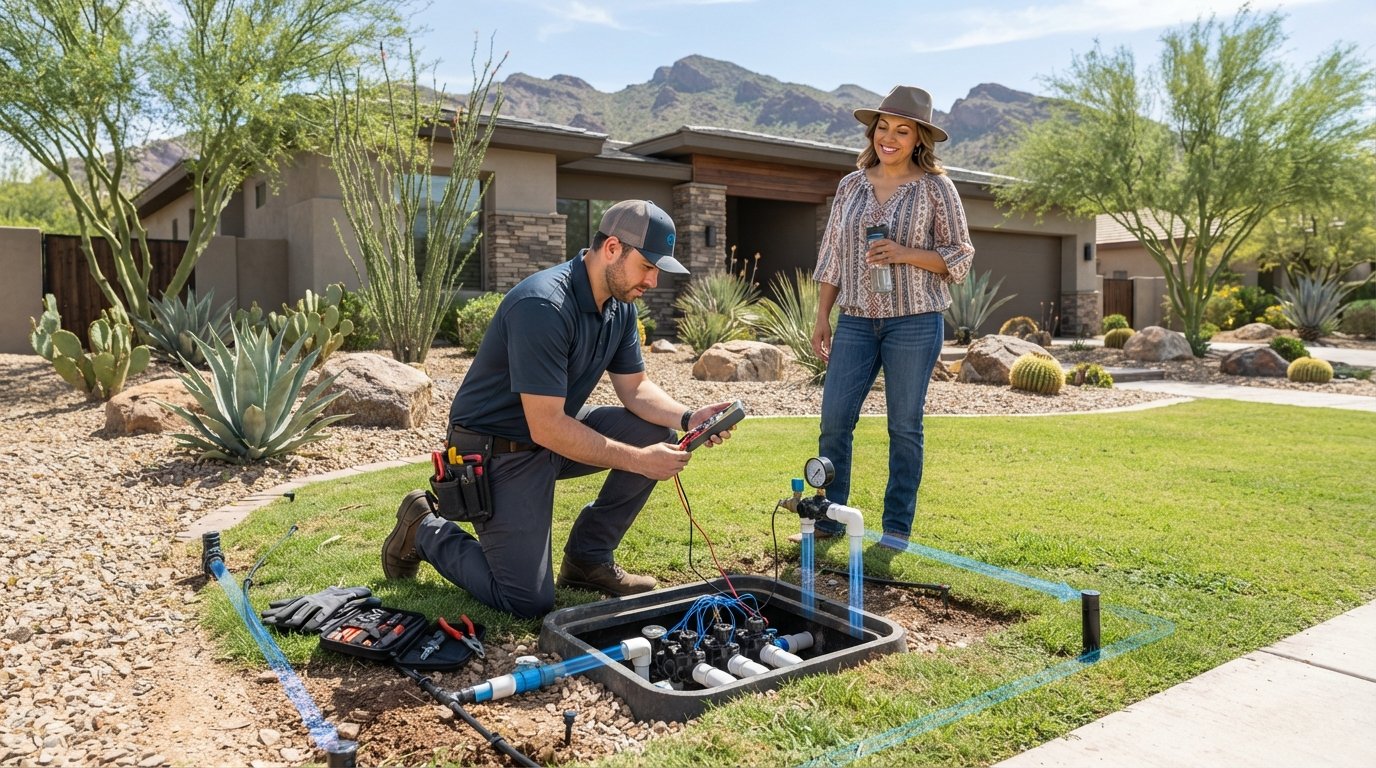
Leave wire tracing and multimeter testing to an irrigation professional. These checks require suitable tools and care around electrical components. If the pattern points to a control issue, irrigation wiring diagnostics can help identify the fault without guessing at replacement parts. For residential irrigation concerns in Surprise, Peoria, and surrounding communities, you can contact Sonora Sprinkler Inc. to discuss the symptoms and confirm service availability for your address.
Compare Valve, Water-Flow, and Sprinkler-Head Symptoms
How a zone behaves can offer clues about where water delivery is breaking down. Treat these signs as possibilities, not diagnoses: a valve that doesn’t open can leave every head in the zone dry, while a blocked or damaged head may affect only the area it serves. Compare the symptoms across the zone before deciding what needs attention.
| What you observe | Possible causes |
|---|---|
| All heads in one zone stay dry | The zone valve may not be opening, or there may be a control, wiring, or water-flow issue. |
| One head sprays weakly or unevenly | Debris, damage, or an obstruction at that head may be affecting its coverage. |
| Several heads have low or uneven flow | A zone-wide flow problem or an issue affecting more than one head may be involved. |
| Water continues after the cycle ends | The valve may not be closing fully, or another fault may be allowing water to keep flowing. |
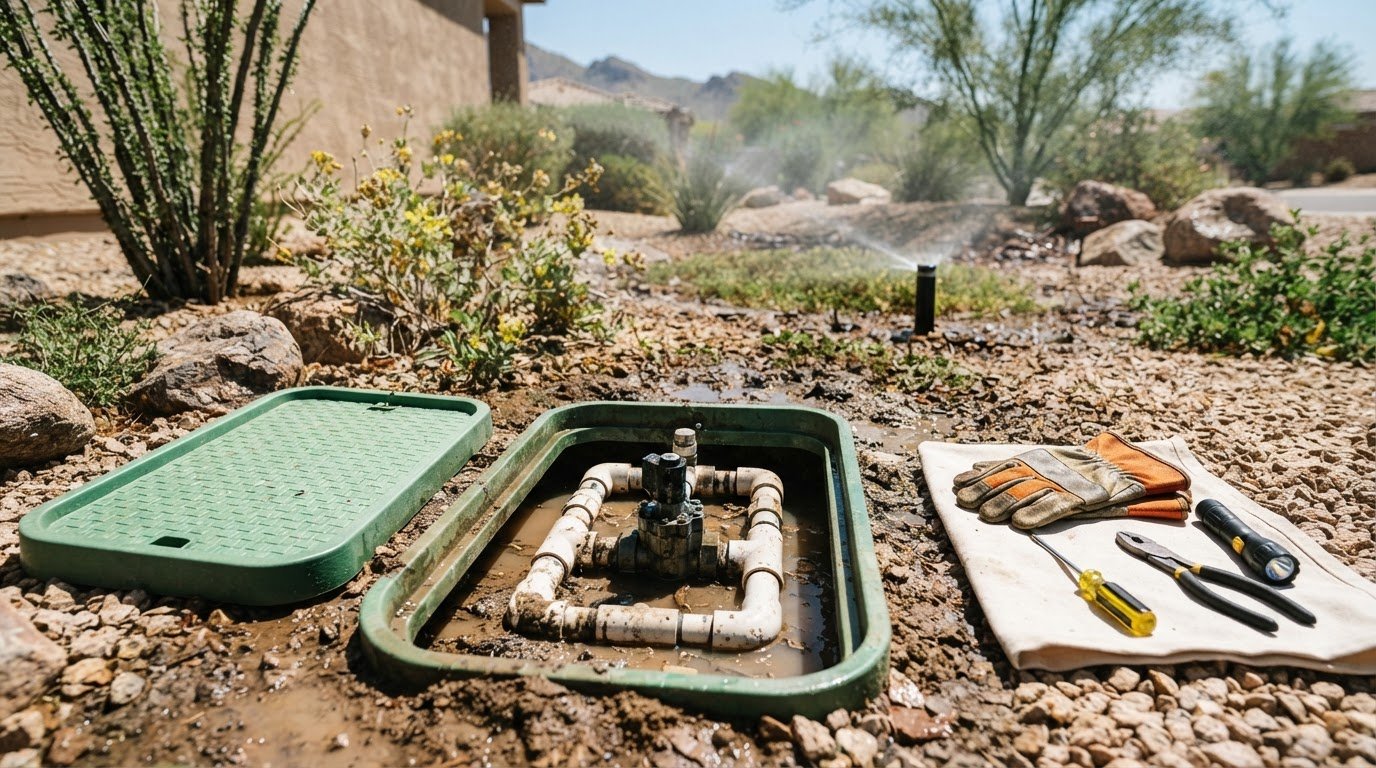
What can a failed or stuck zone valve look like?
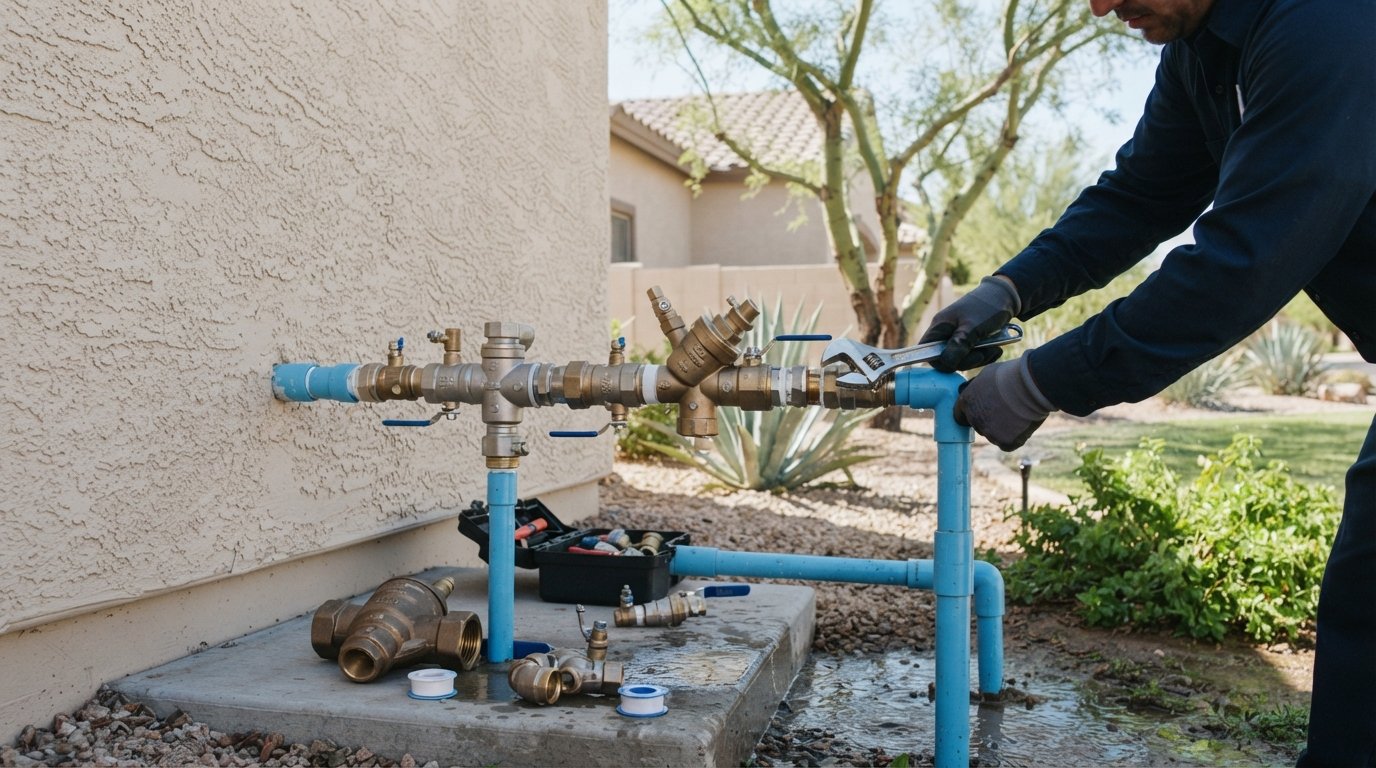
If a valve doesn’t open, the controller may appear to run the zone while its heads remain dry. If it doesn’t close, water may keep flowing after the scheduled cycle ends. Either symptom can have more than one cause, so avoid opening pressurized components or replacing valve parts before the system has been assessed. If valve behavior is unclear, professional valve and backflow services can help pinpoint the issue.
How can a clogged head differ from a zone-wide problem?
A single head with weak or distorted spray, while nearby heads operate normally, suggests a localized obstruction or physical damage may be affecting coverage. Look for visible debris or damage around the head, but don’t dismantle the system. If several heads across the same zone have weak flow, the issue may be broader than one clogged nozzle. Arizona soil and outdoor conditions can contribute to wear, but they don’t prove what caused a particular fault.
As you sprinkler zone not working troubleshoot , note whether the symptom affects one head, several heads, or the entire zone, and whether water stops at the end of the cycle. That pattern can help an irrigation professional narrow the diagnosis. The Irrigation Association also provides guidance on how to troubleshoot irrigation problems and maintain a system. If the symptoms point to a valve issue, you can contact Sonora Sprinkler Inc. to discuss residential irrigation repair and confirm service availability for your address.
Troubleshoot a Nonworking Sprinkler Zone With Safe, Simple Checks
A few careful observations can help you describe the problem without disturbing wiring, valves, or buried pipe. Follow this sequence, and stop if you see exposed wiring, water that won’t stop flowing, or signs of a possible underground leak.
- Observe the system first. Note which zone is affected and whether other zones operate normally. Look for dry areas, weak spray, pooling, or water continuing after a cycle.
- Check controller power and settings. Confirm the display is on and the affected zone is included in the schedule. Check for a pause or rain-delay setting, and note the current settings before making changes.
- Run only the affected zone briefly. If the controller permits a manual test, watch the display and the yard as the zone starts. Don’t run other zones as part of this check.
- Record what responds. Note which heads operate, whether flow is weak or uneven, and whether you see pooling or water around the visible valve area. Don’t open the valve or dig to investigate.
- Decide whether to stop and arrange service. If the cause remains unclear after these checks, or a warning sign appears, stop troubleshooting and contact an irrigation professional.
What can a homeowner check without special tools?
Keep your checks visual and limited to accessible controls and sprinkler heads. You can verify that the controller has power, review the affected zone’s schedule, and run a brief manual cycle. Look for visible debris or damage around a head, but don’t dismantle it if doing so requires tools or disturbing system components. Write down what happened, including whether the controller showed the zone as active.
When should you stop troubleshooting and call a professional?
Stop if the zone continues running after you end the test, if wiring is exposed or damaged, or if you suspect a buried-pipe leak. Also arrange diagnosis if the safe checks don’t identify the problem. Wiring, valve, and underground-pipe faults can require specialized testing, and guessing at repairs can make the issue harder to pinpoint. For electrical symptoms, review this irrigation wiring diagnostics guidance and leave testing or wire tracing to a professional.
If you’re working through a sprinkler zone not working troubleshoot checklist and the cause still isn’t clear, contact Sonora Sprinkler Inc. to discuss residential irrigation repair. Share the affected zone, what the controller displayed, which heads operated, and the checks you completed. Confirm service availability for your address.
When a Sprinkler Zone Still Will Not Work, Arrange a Local Diagnosis
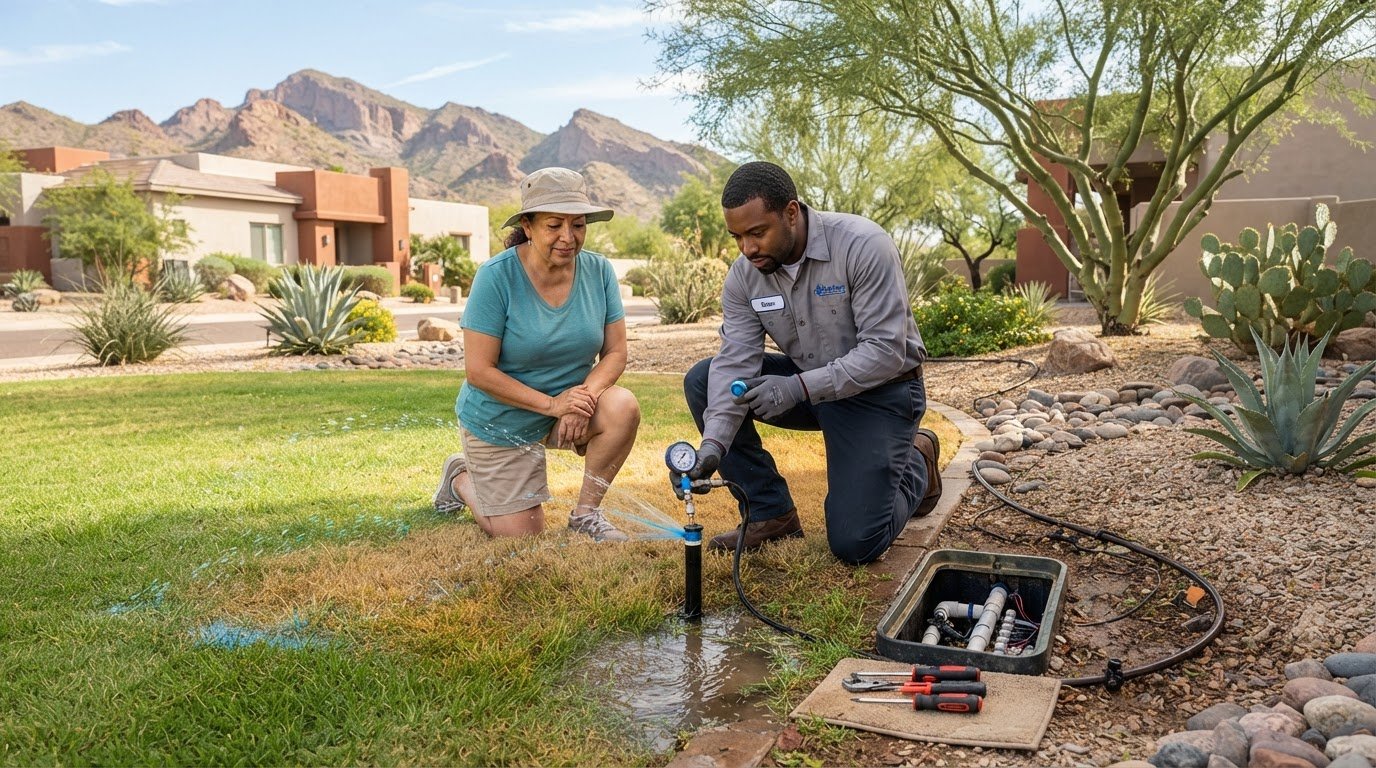
If the basic checks haven’t revealed why the zone stopped running, a professional diagnosis can help narrow the fault without replacing parts on a guess. This is especially useful when symptoms suggest a wiring or valve issue, water continues flowing after a cycle, or the cause remains unclear. An irrigation professional can assess how the controller, electrical connections, valve, and water delivery are working together.
What information helps an irrigation technician diagnose the fault?
Clear observations help focus the inspection. Before arranging service, write down what you’ve noticed and which safe checks you completed. Include:
- Which zone is affected, and whether the other zones run normally.
- Whether the zone starts during a brief manual test, and what the controller display shows.
- Whether the heads stay dry, spray weakly or unevenly, or continue running after the cycle.
- Any visible pooling or unusual water flow near the valve area.
- The zone’s schedule and any displayed error or warning, without changing wiring or valve components.
These details provide useful context, but they don’t determine the fault by themselves. Avoid opening electrical connections or valve components to investigate; leave those checks for an irrigation professional.
What should you expect from a professional zone diagnosis?
An assessment may trace the system from the controller toward the affected zone, checking whether the controller sends an output, whether wiring carries the signal, how the valve responds, and whether water reaches the heads. The specific checks depend on the symptoms. For example, a zone that remains dry despite an apparent controller signal may need different investigation from one that keeps flowing after the cycle ends.
Diagnosis helps identify where the problem may be, but the repair needed can’t be confirmed until the system is inspected. Sonora Sprinkler Inc. provides residential irrigation repair and diagnostics in Surprise, Peoria, and surrounding communities. Confirm current service availability for your address when you get in touch.
If your sprinkler zone not working troubleshoot checks haven’t isolated the cause, share your observations and request a professional assessment. Request residential irrigation repair.
Get the Right Help for a Stubborn Sprinkler Zone
A useful sprinkler zone not working troubleshoot process starts with the controller and follows the system toward the valve and sprinkler heads. Check whether other zones run, note what happens during a brief test, and compare symptoms such as no flow, weak spray, or water that keeps running. These observations can help narrow the fault without opening electrical components or replacing parts unnecessarily.
If safe checks don’t clarify the cause, or symptoms point to wiring, a valve, or a possible buried-pipe issue, a professional diagnosis can identify where further attention is needed. Sonora Sprinkler Inc. specializes in residential irrigation repair and diagnostics in Surprise, Peoria, and surrounding communities, including irrigation wiring, valve, and backflow services. Confirm current service availability for your address.
Share what you observed and which checks you completed when you request residential irrigation repair. With a clear diagnosis, you can plan the next step and help get your watering system back on track.
Frequently Asked Questions
Why is one sprinkler zone not working while the others are?
One zone may fail because of a problem specific to its controller settings, wiring, valve, or water delivery. If the other zones run normally, the issue is less likely to affect the entire system, but that alone doesn’t confirm the cause. Check whether the controller displays the affected zone during its schedule and note whether the zone is completely dry, weak, or partially operating.
Can a bad sprinkler valve cause one zone not to work?
Yes, a valve that doesn’t open properly can prevent water from reaching the zone’s sprinkler heads. A valve that doesn’t close fully may let water continue flowing after the cycle ends. These symptoms can have other causes, so don’t open or replace valve parts based on appearance alone. Note what happens during a cycle and have a professional assess the valve if the problem persists.
How do I check whether my sprinkler controller is causing the problem?
Confirm that the controller has power and check that the affected zone is enabled, scheduled for the correct watering days, and not paused. Note the settings before changing anything. If available, run only that zone briefly in manual mode and watch whether the display indicates it’s active. If the controller doesn’t respond as expected, or other zones also fail, share those observations with an irrigation professional.
What should I do if a sprinkler zone will not turn off?
Turn off the zone at the controller and see whether the water stops. If it continues running, don’t open the valve or attempt an unfamiliar repair. If you know where the irrigation shutoff is and can operate it safely, use it to stop the flow; otherwise, keep clear and seek professional help. Make a note of how long water continues and where it appears.
Can clogged sprinkler heads stop an entire zone from working?
A clogged head usually affects its own spray pattern or nearby coverage, rather than making every head in the zone stop. If one head sprays weakly while others operate normally, visible debris or damage may be a factor. If all heads remain dry or several have low flow, consider a broader issue involving the valve or water delivery. Inspect visible heads, but don’t dismantle system components.
Is it safe to troubleshoot sprinkler wiring myself?
Keep homeowner checks to visual observations, such as noting exposed or damaged wire without touching it. Electrical testing, wire tracing, and solenoid checks can require tools and system knowledge, so leave those tasks to an irrigation professional. If wiring appears damaged, stop troubleshooting and record what you saw. This helps the technician investigate without risking injury or disturbing connections that may still be intact.
When should I call an irrigation repair professional for a failed zone?
Arrange professional diagnosis if basic controller checks don’t clarify the problem, or if symptoms point to wiring, a valve, persistent water flow, or a suspected buried-pipe leak. Sonora Sprinkler Inc. provides residential irrigation repair and diagnostics in Surprise, Peoria, and surrounding communities, including wiring and valve services. Describe which zones work, what the affected zone does, and what you’ve checked. Confirm service availability for your address.