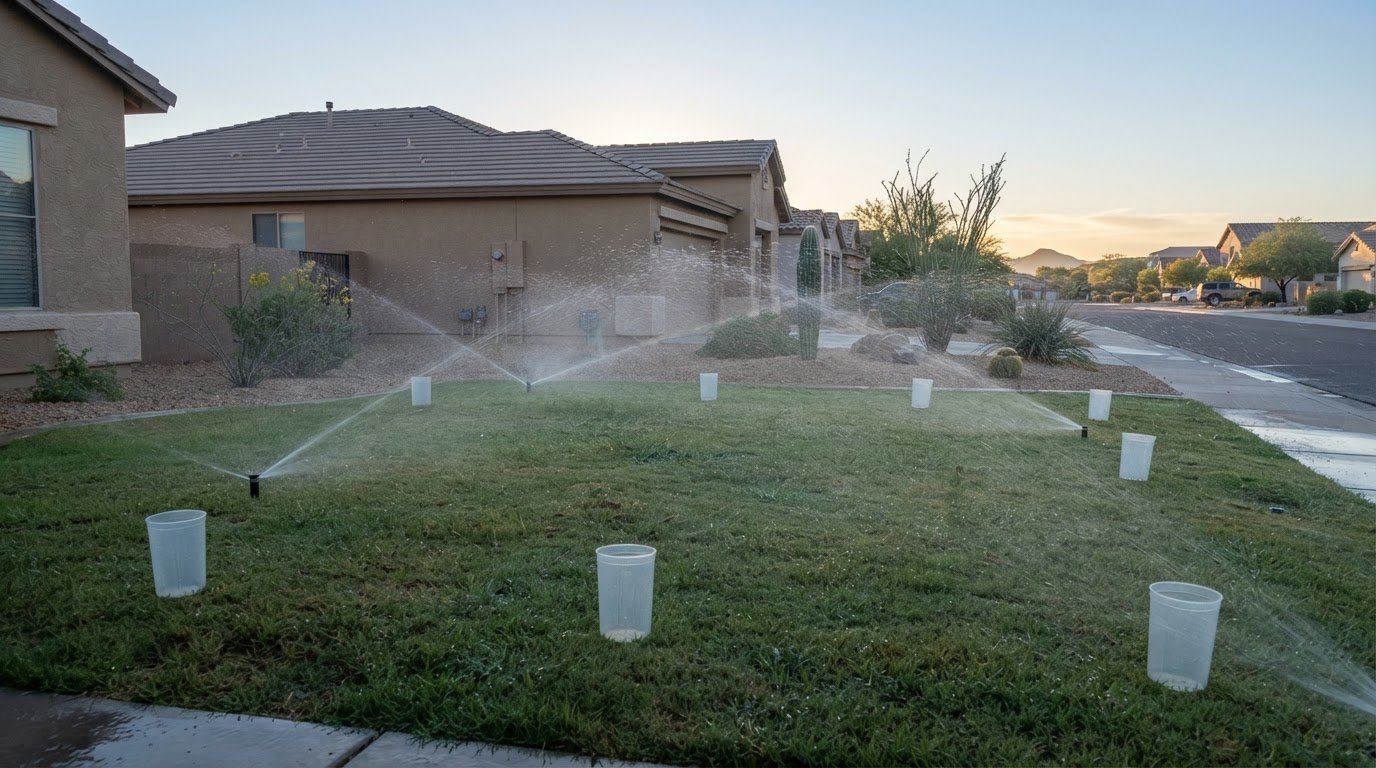
A schedule that ignores community watering rules can turn a routine irrigation adjustment into an HOA notice. An HOA-compliant irrigation system in Surprise needs a controller schedule aligned with the community’s rules and water-source limits, with zones and run times set to deliver water where it’s needed without disrupting shared supply.
It’s understandable to want healthy plants without unexpected notices or water interruptions. A professional can review the system’s programming and operation, identify practices that may be causing a violation, and adjust the schedule to fit the community’s requirements. This article explains how HOA rules affect irrigation timing, what to do when a notice arrives, and how system design and professional service can support reliable watering in Surprise’s desert conditions.
Key Takeaways
- A professional can trace an irrigation-related HOA notice to schedule settings, system operation, or a water-supply issue and identify a practical correction.
- Community rules can shape watering schedules, equipment choices, and landscape plans, so understanding the approval process helps prevent avoidable conflicts.
- In Surprise’s dry climate, system design should account for plant needs, soil conditions, water pressure, and the community’s irrigation requirements.
- Drip irrigation and sprinklers serve different areas and planting needs; keeping delivery methods in suitable zones supports more controlled watering.
- A clear proposal showing the system layout, equipment, and intended watering approach can help the HOA review an installation request.
How a professional can help respond to irrigation-related HOA violations
An irrigation-related notice calls for two responses: address the stated issue and identify its cause. A professional can review the notice, connect its concern to the controller or irrigation components, and explain what corrective work may resolve the problem. Pay attention to the stated deadline, since HOA enforcement can progress while the underlying fault remains.
A typical timeline may allow 14-30 days after the first notice to meet its compliance deadline. These are typical examples, not a substitute for the community’s own notice and governing rules.
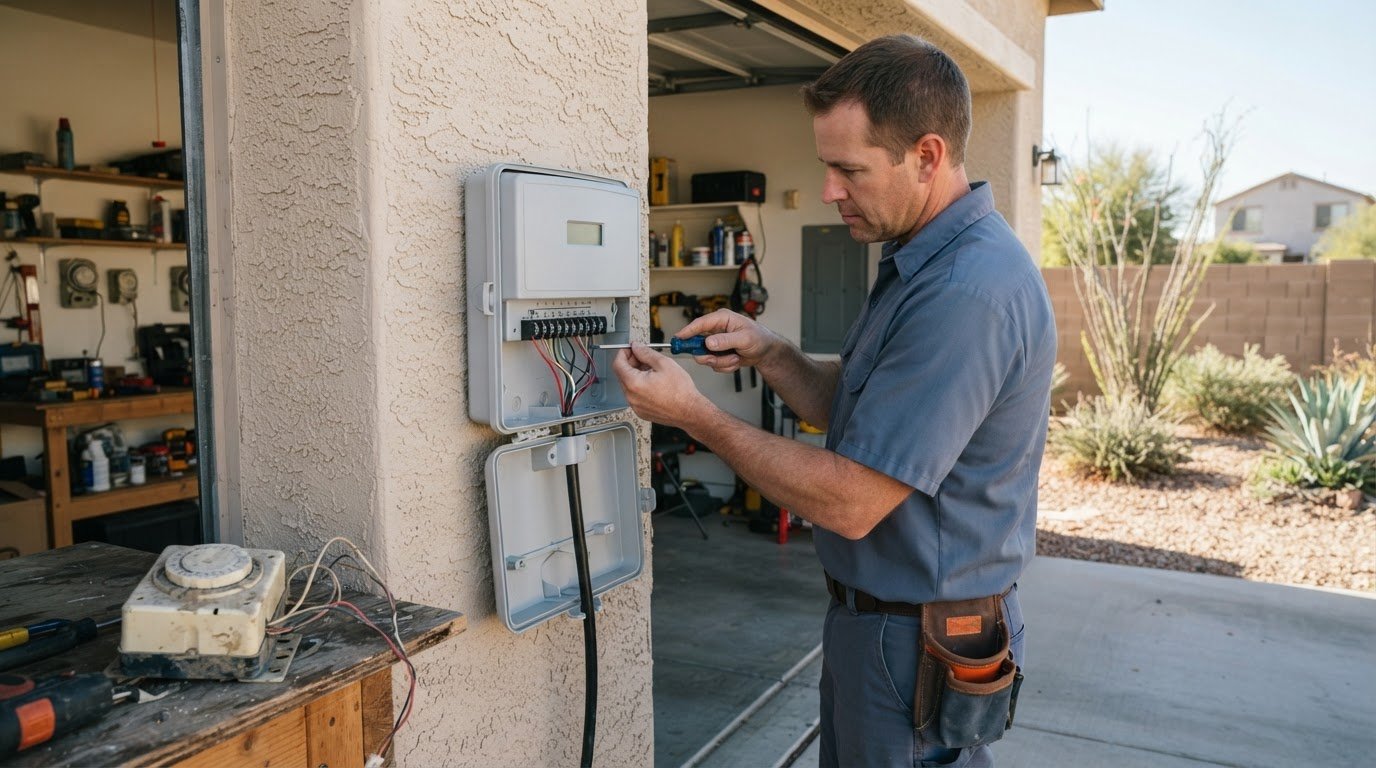
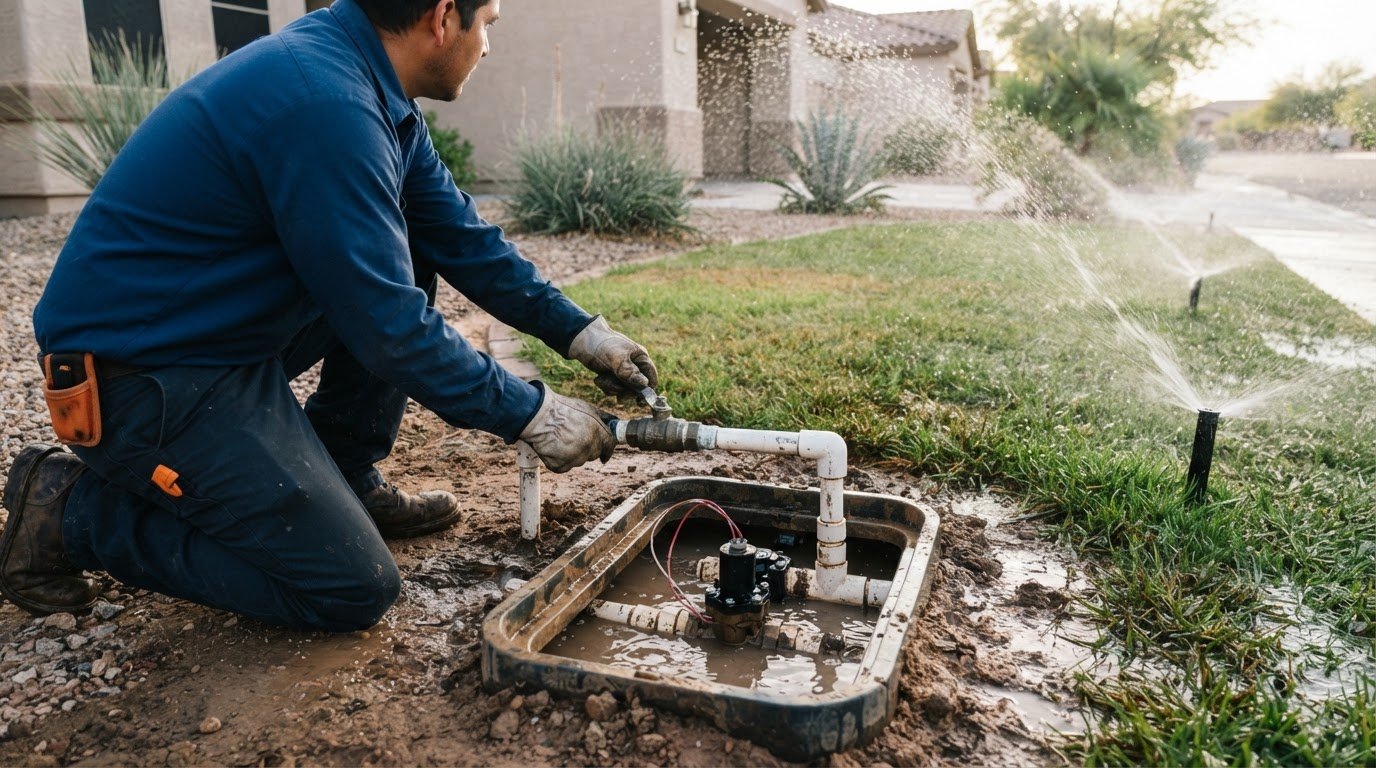
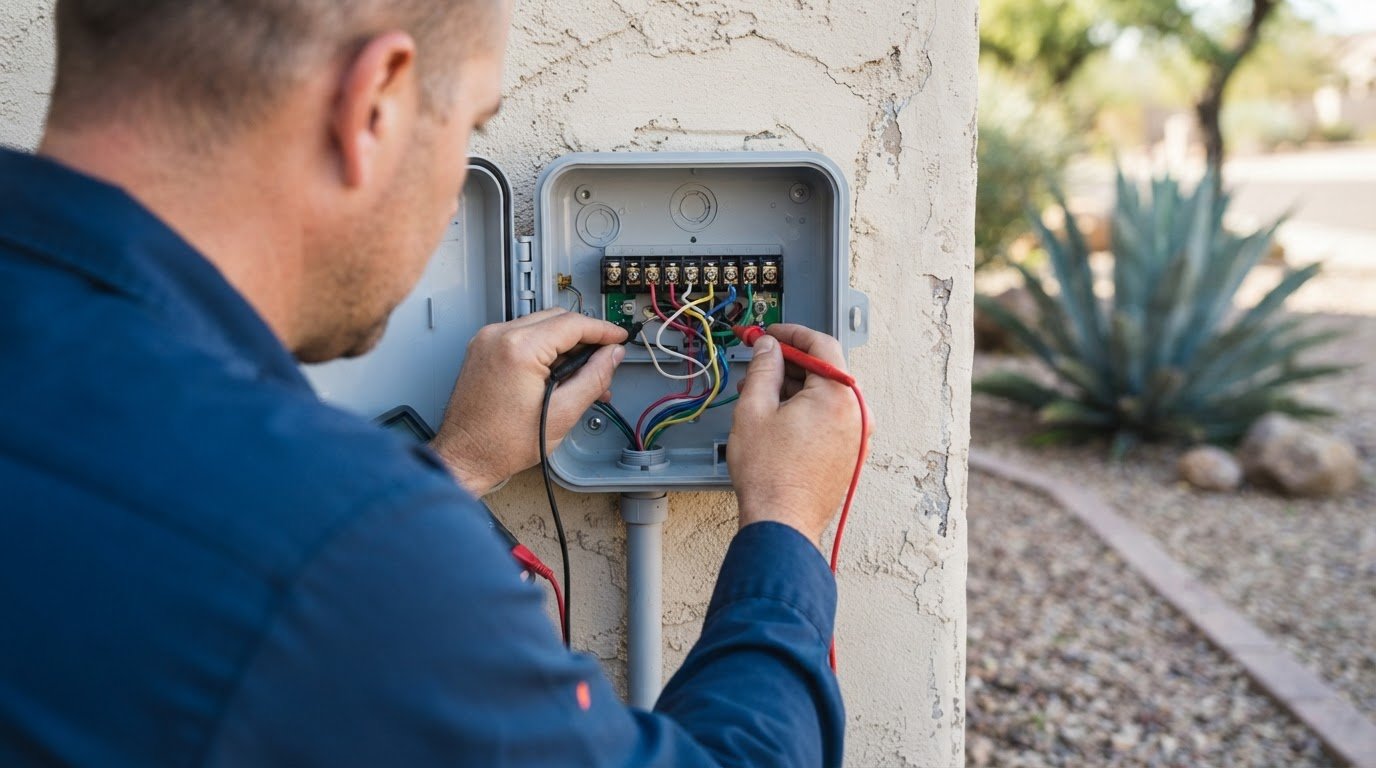
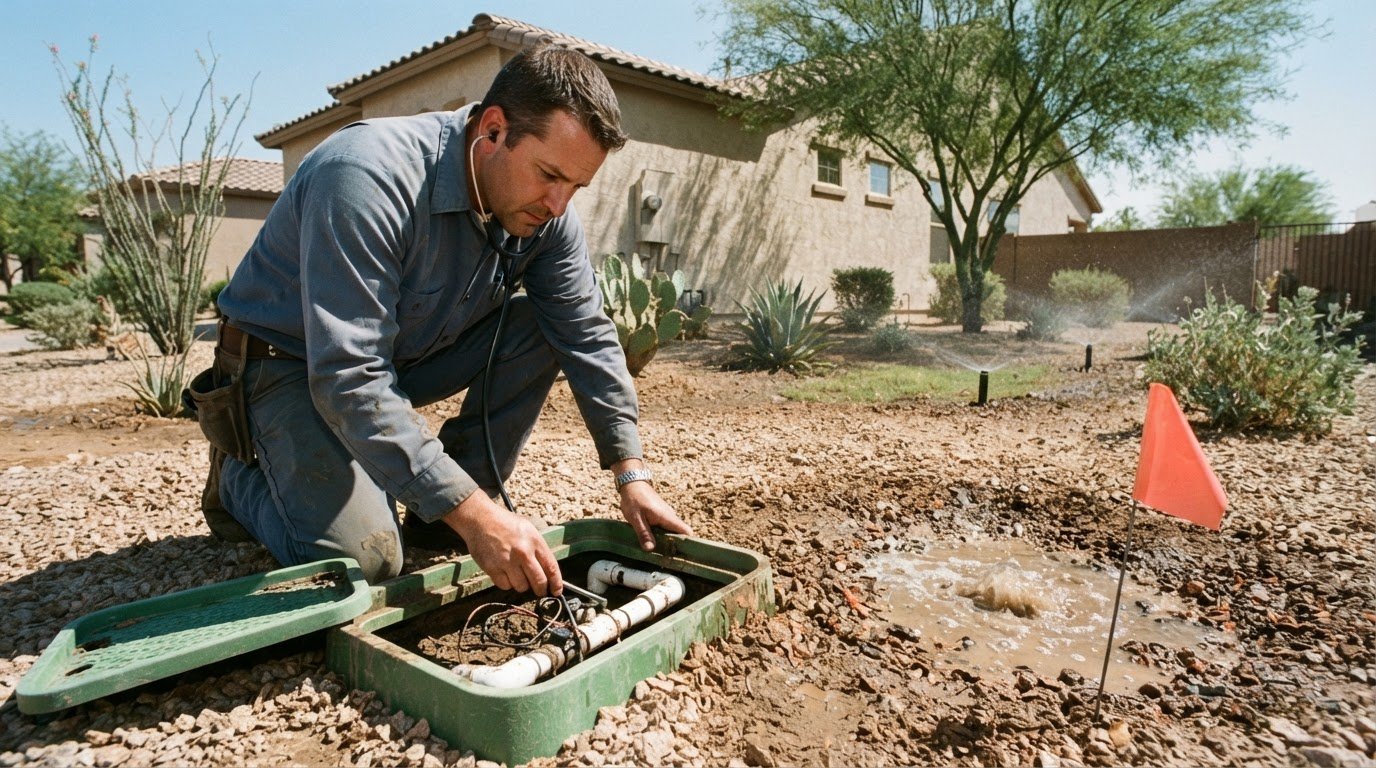
The assessment can start with the schedule and water supply. A technician can review controller programming, observe each zone in operation, and inspect valves, wiring, or damaged PVC piping. These checks help distinguish a scheduling issue from a mechanical fault. For example, extended runtimes on a shared system may interrupt service to other residents.
In one reported example, residents in a 32-home community adjusted timers because management hadn’t explained a water-source issue. Manual timer changes can disrupt schedules, reduce pressure, increase landscape crew time, or conflict with community restrictions. A professional can trace the system’s operation and explain how the adjustment affects other zones or shared equipment.
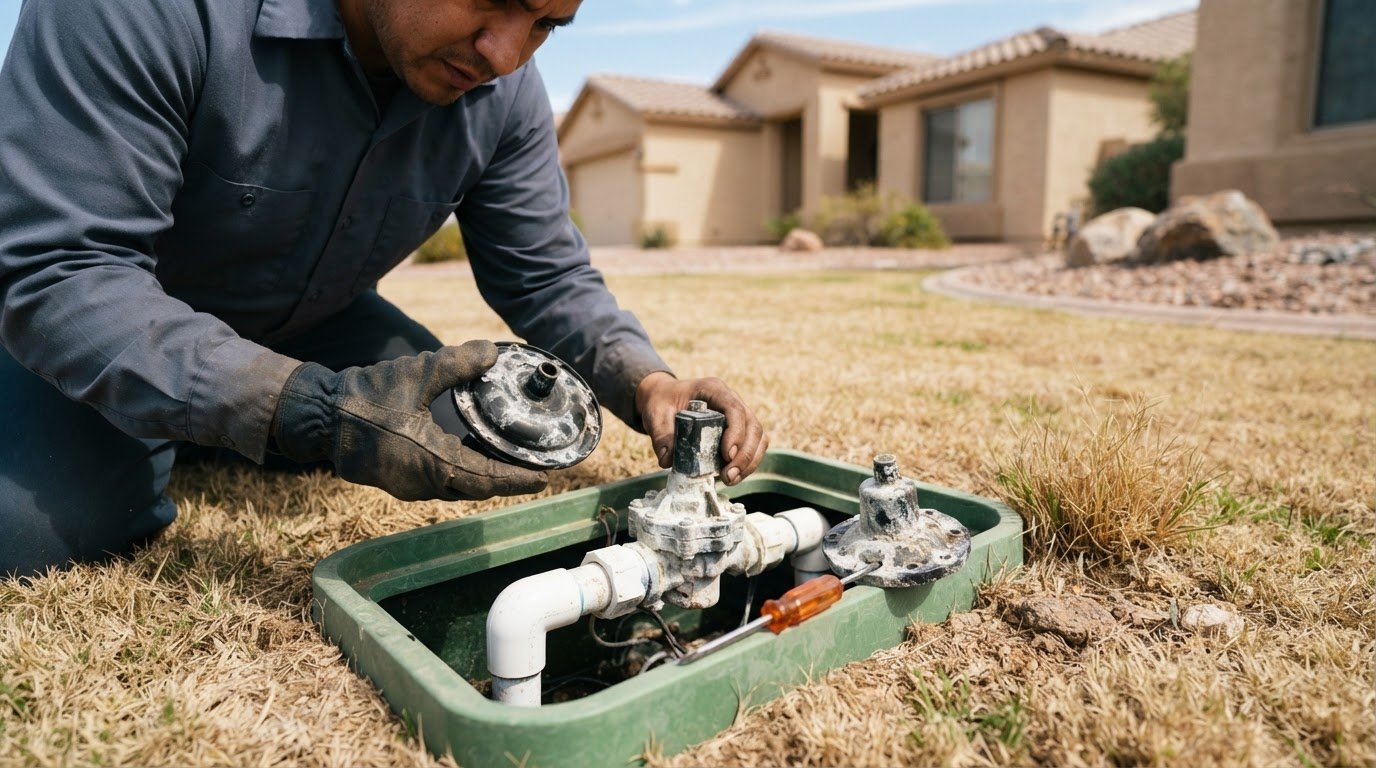
Valve operation needs particular care. Manually running a system at its valve can sometimes lead to an emergency call charged to the homeowner or HOA. The call’s cost depends on the fault, access, diagnostic work, and any needed repair; repair pricing depends on the case and follows a quote request. A clear diagnosis identifies the work involved before repairs proceed.
After identifying the cause, a professional can correct the schedule or repair the affected component, then document the work and explain the system’s operating settings. If the notice calls for a written response, that record can help the homeowner or association describe what changed. For an irrigation-related violation, requesting a repair quote within 48 hours can help clarify the scope while the compliance deadline is approaching.
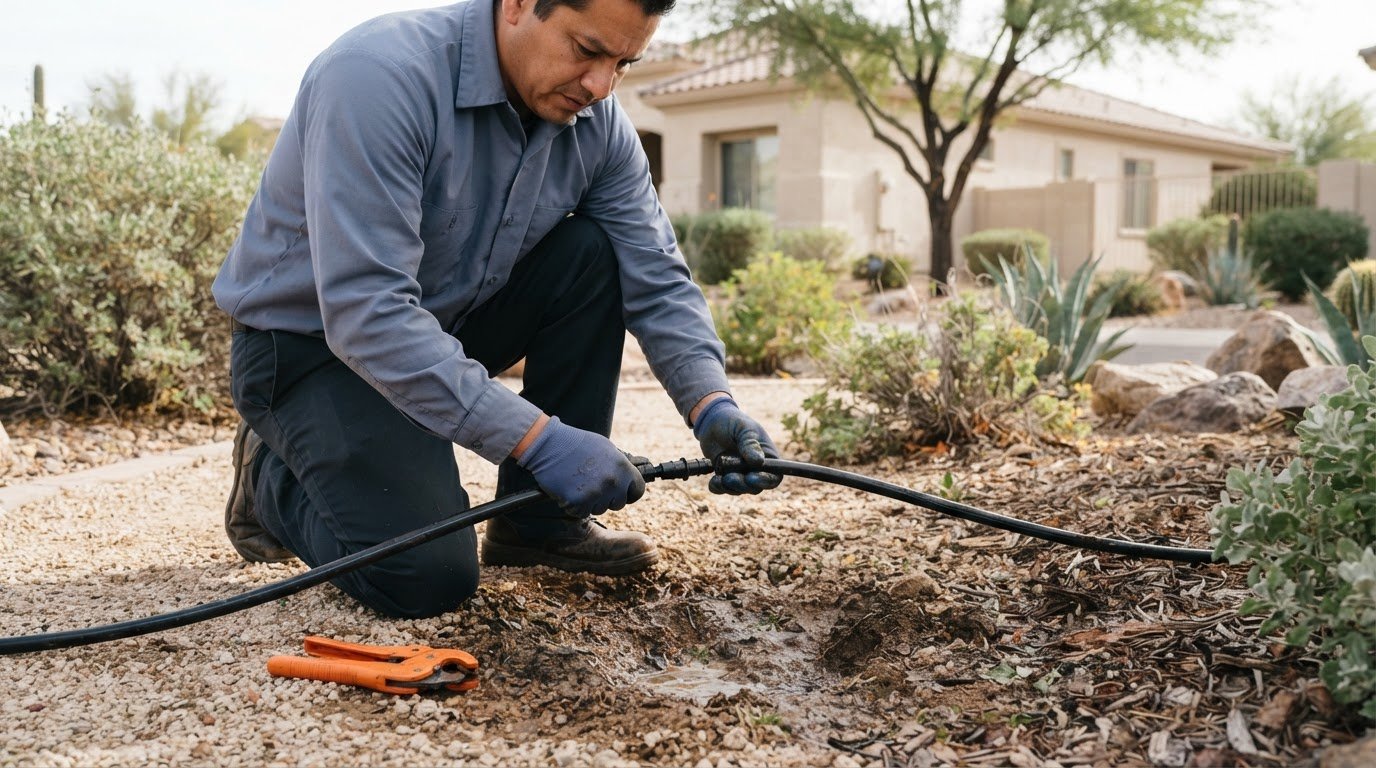
Prompt attention can keep a small fault from affecting shared watering. A leaking valve, wiring issue, or damaged pipe can produce symptoms that resemble incorrect scheduling. A focused inspection connects the notice to the system’s condition, helping address the cause instead of making another timer adjustment that could disrupt service.
How can an irrigation professional identify the landscaping and irrigation rules for a specific Surprise community?
Surprise communities can set different standards for landscaping and irrigation. Start with the specific HOA’s governing documents, design guidelines, and current application forms. These materials distinguish written requirements from assumptions based on nearby neighborhoods. The community name and property address help identify which rules apply.
Focus on requirements that affect the proposed work. Landscape guidelines may address plant selections, turf areas, visible equipment, or changes to shared spaces. Irrigation instructions may cover controller locations, pipe routing, water runoff, or scheduling expectations. Relate each relevant provision to the property’s design rather than assuming every HOA has identical rules.
Compare the project details with those requirements. For example, a plan replacing a lawn area with desert plants may need review for both plant approval and irrigation changes. A proposal to place a controller in view may raise a different design concern. Identifying these details early helps keep the plan aligned with community-specific conditions.
Water source is another practical consideration. HOA systems may draw from municipal providers, source ponds, or private wells. The source can affect how irrigation operates and which scheduling limits the community must accommodate. If residents share irrigation infrastructure, consider how changing one schedule or zone could affect other users.
A clear review can follow a consistent sequence:
- Identify the HOA and the property’s governing community documents.
- Locate landscaping, irrigation, and architectural review requirements.
- Match each relevant rule to the proposed equipment, layout, and schedule.
- Record questions that require a decision from the association.
This process also separates HOA standards from water-supply limitations. The community’s documents explain its review process, while the irrigation layout shows whether the proposed zones and equipment suit the site. Organizing the relevant plan details gives homeowners a clearer basis for an approval request.
Rules can change, and older plans may not reflect current review practices. Use the community’s current materials and relate them to actual property conditions. If an HOA document is unclear about a particular design feature, ask the association for its interpretation before work begins.
For a property in Surprise, a rule-aware irrigation plan connects community requirements with working system details. If you need help interpreting how the irrigation layout fits your project, discuss your community’s irrigation requirements.
Which irrigation systems can a professional recommend for Surprise, Arizona's hot, dry climate and desert landscaping?
In Surprise, system selection starts with the plants and the areas they occupy. A desert planting bed has different watering needs from a turf strip or a row of trees. Map those areas first, then match delivery equipment to each planting type. Account for soil, available pressure, runoff risk, and HOA design requirements. One layout rarely suits every part of a community’s landscape.
Drip irrigation can serve trees, shrubs, and grouped desert plants. Drip lines and emitters deliver water near plant roots, rather than spraying broad areas. This makes them useful where foliage spacing and bed shapes vary. A professional can plan emitter placement and separate drip areas from sprinkler zones. For an HOA-compliant irrigation system in Surprise, this separation helps match delivery to distinct planting needs.
Sprinklers can suit turf and planting areas that need broader coverage. Pop-up spray heads can use nozzles for quarter-circle, half-circle, or full-circle patterns. Rotating spray heads, called rotors, distribute water across a larger arc. Choose head types and spacing based on the area’s shape, pressure, and coverage needs. A narrow lawn edge, for example, may need a different pattern from an open grass area.
Pressure matters because it influences how many heads can operate together. Higher pressure may allow larger zones, while lower pressure could require smaller ones. Check operating conditions before assigning heads to zones. If pressure is low, dividing an area into smaller zones can help maintain suitable coverage. Keep different delivery devices in separate zones, an important design choice for an HOA-compliant irrigation system in Surprise.
- Desert plant beds: Drip lines can direct water toward individual plants.
- Turf areas: Spray heads or rotors can provide broader coverage.
- Mixed landscapes: Separate drip and sprinkler equipment into distinct zones.
- Uneven pressure: Adjust zone size to suit system performance.
Controller programming completes the design. Automated controllers use solenoids and valves to regulate flow through irrigation zones. A professional aligns run times with the chosen equipment and landscape areas, while leaving room for adjustments as conditions change. Irrigation supplements rainfall rather than replacing it, so a schedule should account for rain and avoid unnecessary watering.
The right system is a coordinated layout, not simply a choice between drip and sprinklers. In an HOA community, visible equipment and proposed landscape changes also need to fit the association’s requirements. A tree bed, for example, may use drip delivery while nearby turf receives sprinkler coverage in a separate zone.
How can a professional assess drip irrigation and sprinkler systems for HOA-compliant landscaping in Surprise?
Compare each irrigation method with the plants, site layout, and HOA requirements. Drip irrigation directs water through lines and emitters near plants, while sprinklers distribute water across broader areas. Look beyond equipment type to coverage, pressure, runoff, and schedule compatibility.
Drip lines and emitters in HOA irrigation systems typically flow at less than four gallons per hour. This low-flow delivery can suit shrubs, trees, and desert planting beds where water needs vary by plant. Check that emitters reach root areas and lines serve the intended plants. An emitter placed away from a tree’s root zone, for example, may leave it poorly watered despite an active schedule.
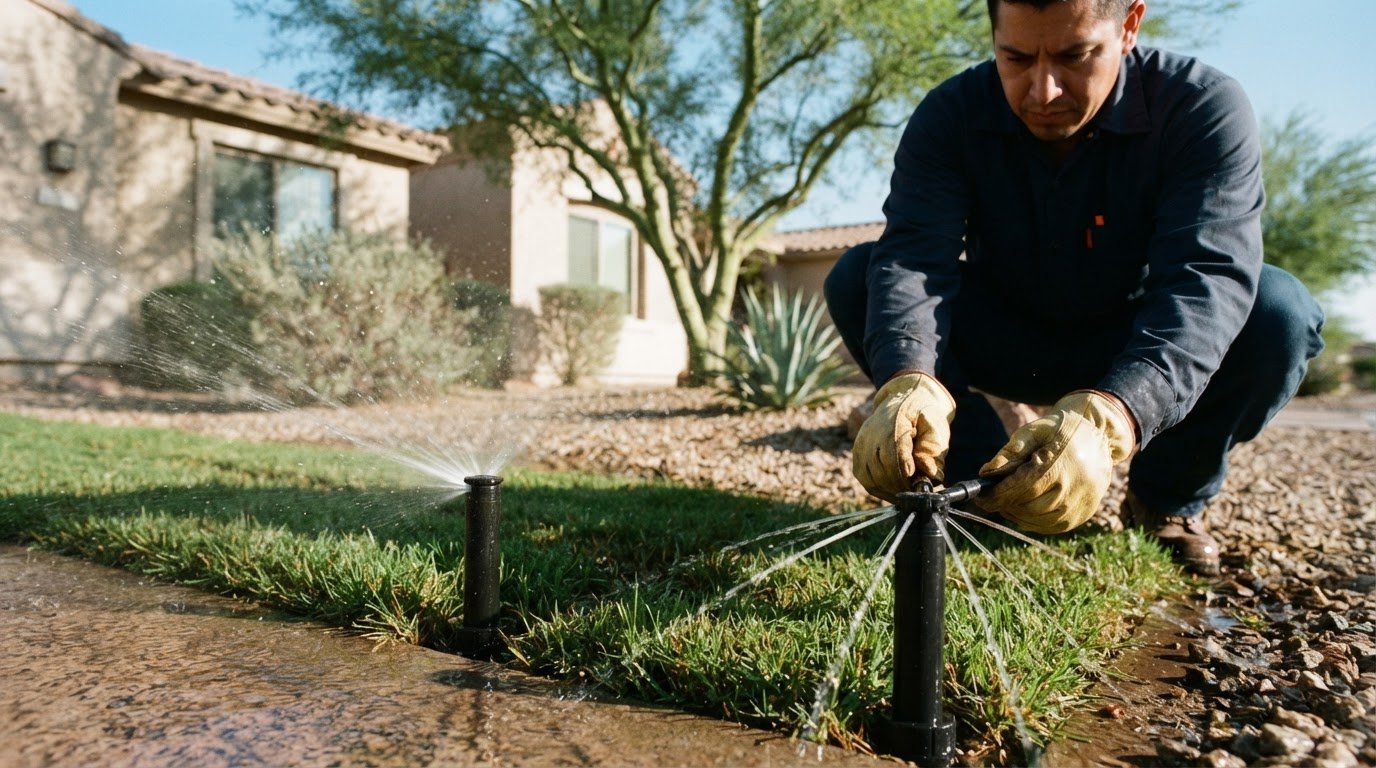
Sprinkler systems need a different review. Observe each zone in operation and check whether spray reaches the intended landscape without crossing sidewalks or neighboring areas. Pop-up heads can use quarter-circle, half-circle, or full-circle nozzles. Rotors distribute water in rotating spray patterns. Match head type and placement to the bed or turf shape while avoiding overspray and dry gaps.
Pressure and zone design affect both methods. Evaluate operating pressure because it influences coverage and the number of devices a zone can serve. Keep different delivery devices in separate zones, so drip emitters and spray heads do not run together. If pressure varies across the property, smaller zones or component adjustments may help provide consistent delivery.
The assessment also considers visible evidence of system problems. A technician checks for clogged emitters, damaged tubing, tilted sprinkler heads, leaks, and uneven spray. These faults can make a compliant schedule ineffective. For instance, a misdirected spray head may wet a walkway, while a blocked emitter may leave one shrub dry even as nearby plants receive water.
- Drip systems: Assess emitter placement, line condition, and plant coverage.
- Sprinklers: Review spray pattern, head alignment, and coverage boundaries.
- Both systems: Evaluate pressure, zone separation, controller operation, and HOA requirements.
After inspection, the professional can explain which method suits each landscape area and where adjustments are needed. A community with desert beds and turf may need both systems, separated into suitable zones. That approach lets the schedule match different planting needs while limiting overspray and unnecessary watering.
Connect observed performance with the HOA’s landscaping expectations. If the association restricts visible equipment or requires a particular landscape appearance, those conditions affect system selection and placement. A site-specific assessment gives homeowners a clear basis for discussing proposed changes with the HOA.
What steps can an irrigation professional take to help get HOA approval for an irrigation system in Surprise?
Approval starts with the specific community’s review process, not a standard form assumed to fit every Surprise property. Review the HOA’s current landscaping guidelines and application materials, then identify details that affect the proposed work. The homeowner can provide the property address and existing plans to focus the review on the right community and project.
Develop a plan that connects equipment choices with site conditions and HOA expectations. A useful drawing can identify planting areas, irrigation zones, controller location, and proposed pipe routes. A plan replacing turf with desert plants, for example, should show how the irrigation layout serves those beds. The drawing can also make visible changes easier for the association to assess.
The professional can organize the submission around the information the HOA requests. Depending on its application materials, this may include:
- A property plan showing the areas affected by the irrigation work.
- A description of proposed sprinkler heads, drip lines, and controller placement.
- Zone details explaining which landscape areas receive water.
- Schedule information that accounts for community watering practices.
These details help reviewers understand what will change and where. A separate drip zone for shrubs, for instance, clarifies that those plants won’t receive the same delivery method as nearby turf. Note shared-system considerations when a property connects to community water infrastructure. This context helps the HOA assess how the proposed work fits its operating practices.
Before submission, compare the plan with the community’s stated design criteria and revise any conflicting details. If the HOA requires a particular form or supporting drawing, include those materials with the application. Explain system details, such as zone layout or spray direction, in straightforward terms for the association’s review.
After the HOA responds, share any requested revisions with the irrigation professional. A change to the approved planting area, for example, may require adjustments to emitter placement or sprinkler coverage. Keeping the final design aligned with the association’s response reduces the chance of installing a layout that differs from the reviewed plan.
Approval decisions and submission procedures vary by community, so the applicable HOA documents guide the process. For a Surprise project, professional design and installation planning can translate those requirements into a functional system proposal. Discuss your irrigation approval plan and the system details needed for your community.
Sonora Sprinkler: Custom Sprinkler System Design
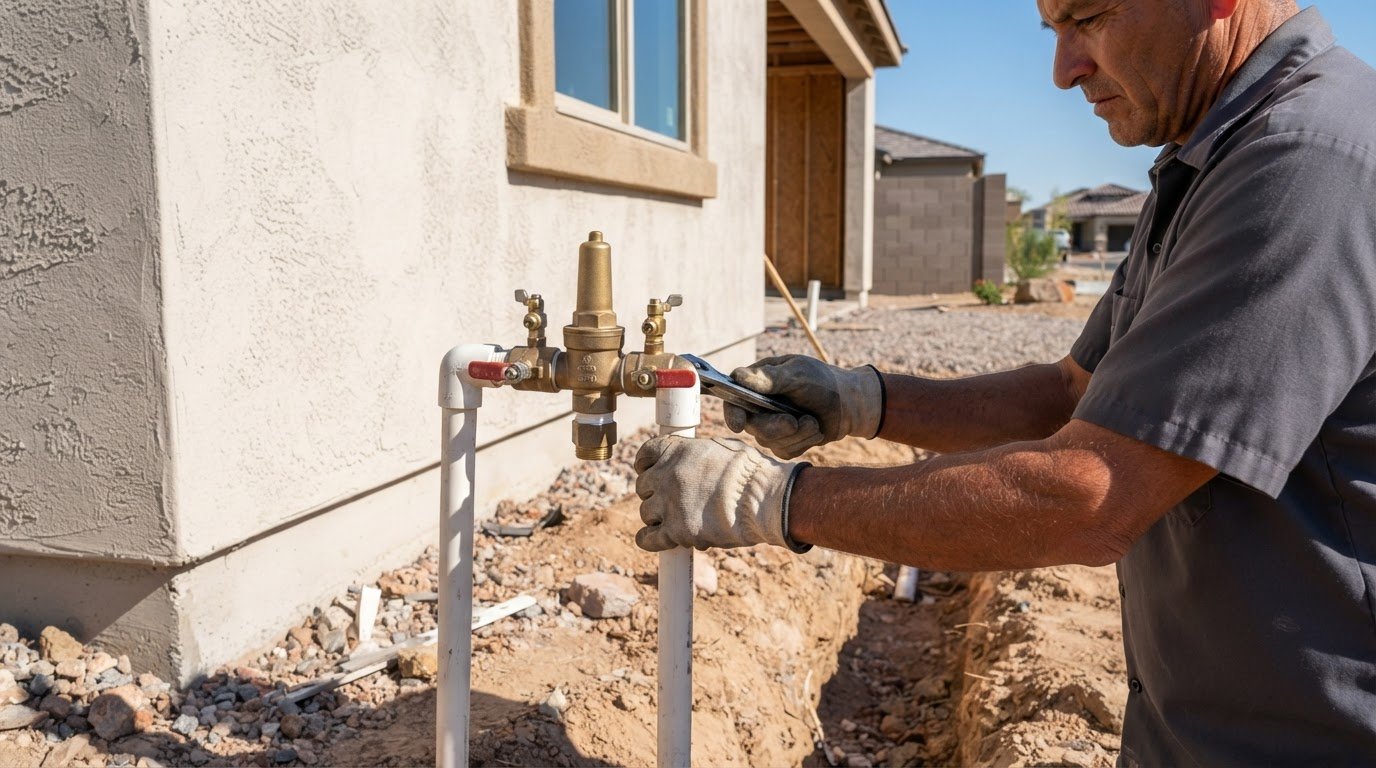
Sonora Sprinkler Inc. helps homeowners turn irrigation needs and community requirements into a practical system plan. Its Custom Sprinkler System Design considers planting areas, coverage, zones, and controller placement, giving the project a clear technical foundation. This is a useful next step when planning a new installation, adjusting an existing layout, or addressing irrigation problems that affect HOA compliance.
For established systems, Irrigation Repair can address faults that interfere with scheduled watering. Where planting beds need targeted delivery, Drip Irrigation Installation provides another option. The appropriate work depends on the site layout, system condition, and intended planting areas.
Contact Sonora Sprinkler Inc. to discuss your irrigation project.
Keep your irrigation plan aligned as your landscape changes
An HOA-compliant irrigation system in Surprise should remain aligned with the landscape it serves. As planting beds, turf areas, or system components change, the design and controller settings may need a coordinated review. Keeping the approved plan and current system information together gives homeowners and community managers a practical reference for future decisions.
If you’re planning an installation or addressing an existing system concern, a professional assessment can clarify the appropriate next step. Sonora Sprinkler Inc. provides irrigation repair, irrigation installation, and drip irrigation installation for residential systems in Surprise and Peoria. The right service depends on the system’s condition and the work required.
Contact Sonora Sprinkler Inc. to discuss your irrigation project and move forward with a plan that fits your property and community.
Frequently Asked Questions
What irrigation system requirements do HOAs in Surprise, Arizona typically enforce?
Requirements depend on the specific HOA’s governing documents and review process. Communities may set expectations for landscaping changes, equipment placement, irrigation schedules, and how a proposed system fits shared infrastructure. A plan changing a front-yard planting bed, for example, may need review alongside the irrigation layout. The association’s current guidelines and application materials are the best basis for understanding which requirements apply to the property.
What irrigation violations or fines can Surprise HOA homeowners face?
Violations may involve watering practices or system changes that conflict with a community’s rules. Each HOA’s notice and governing documents determine the applicable process and penalties.