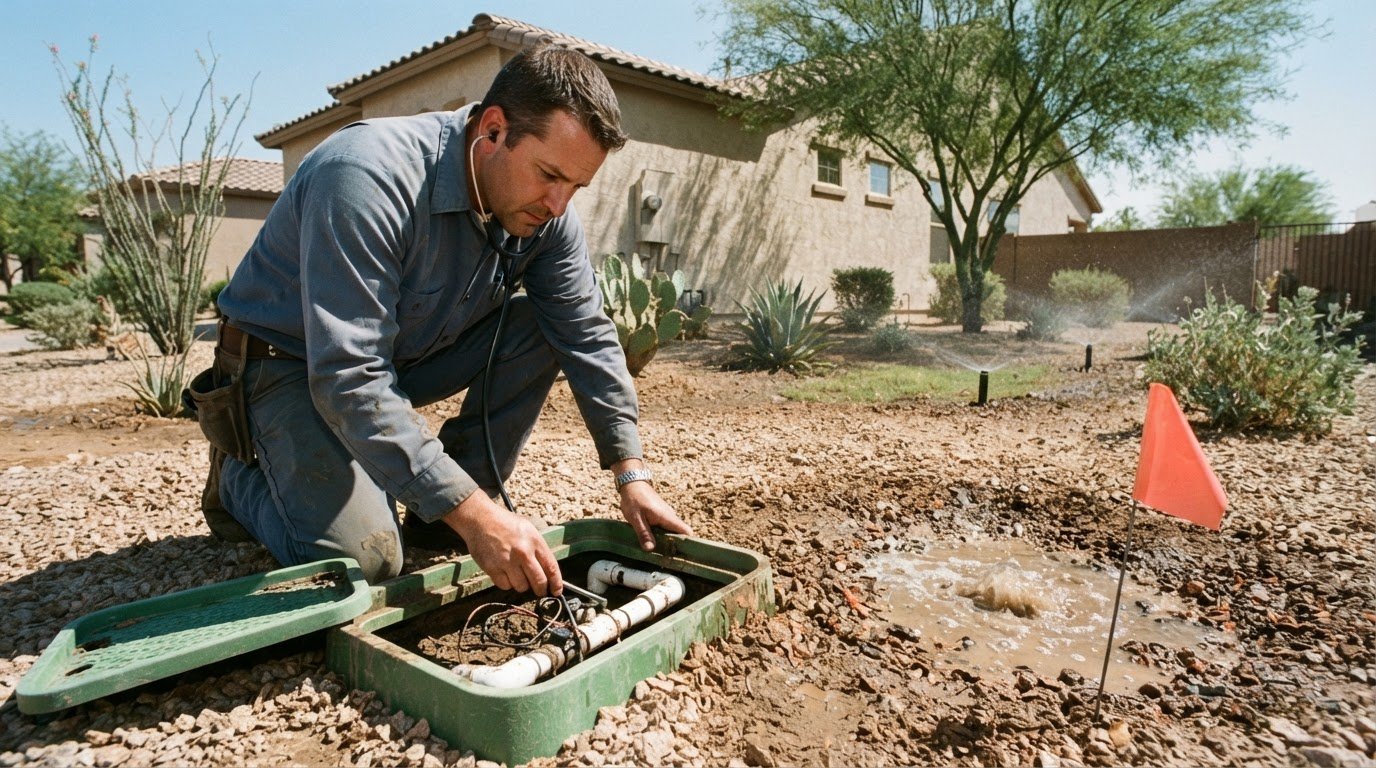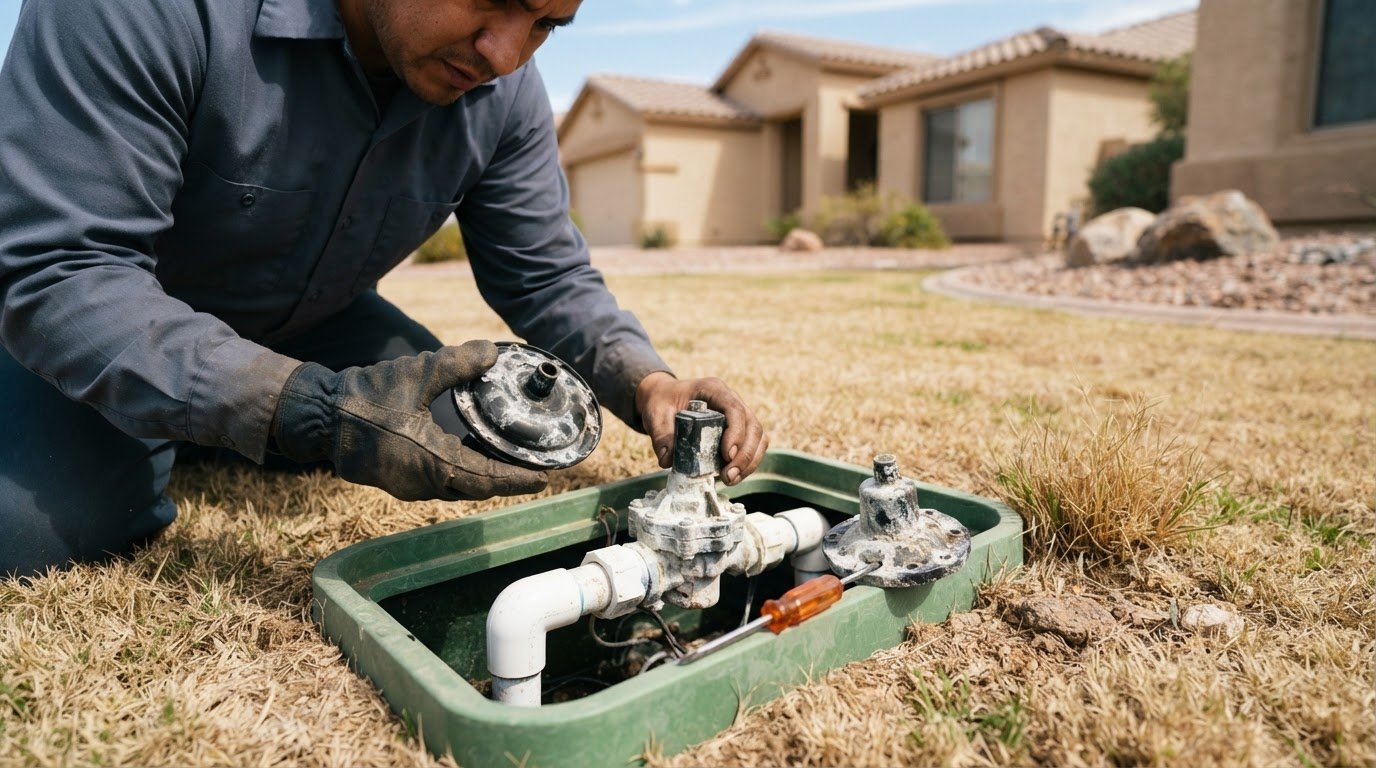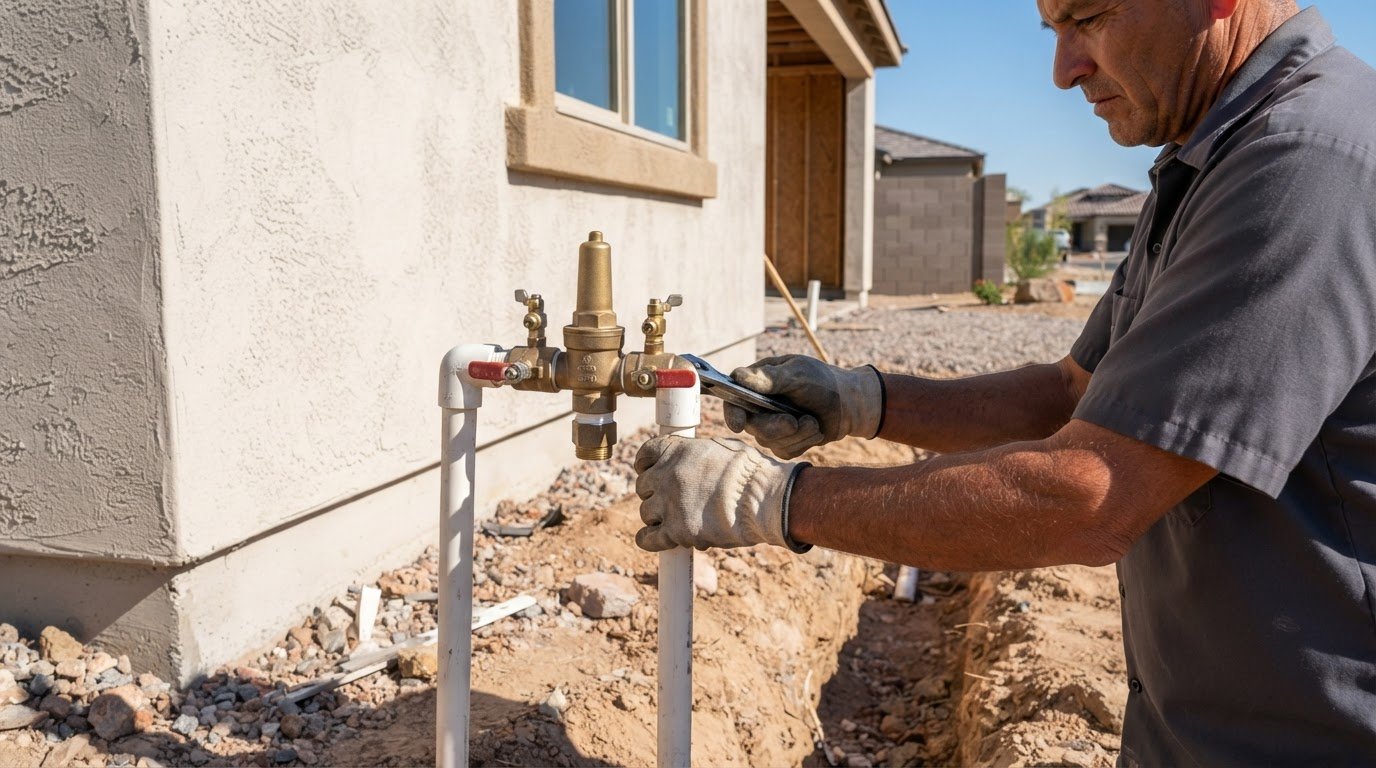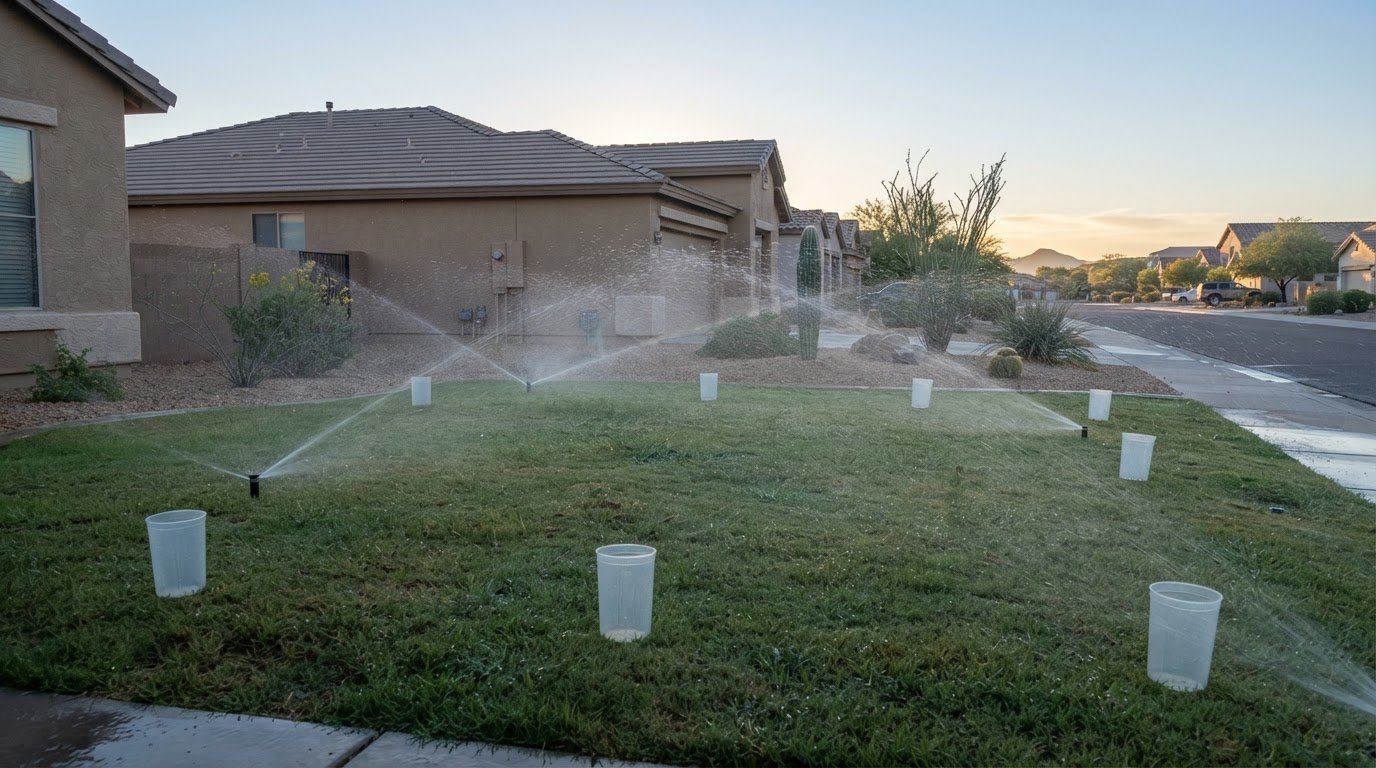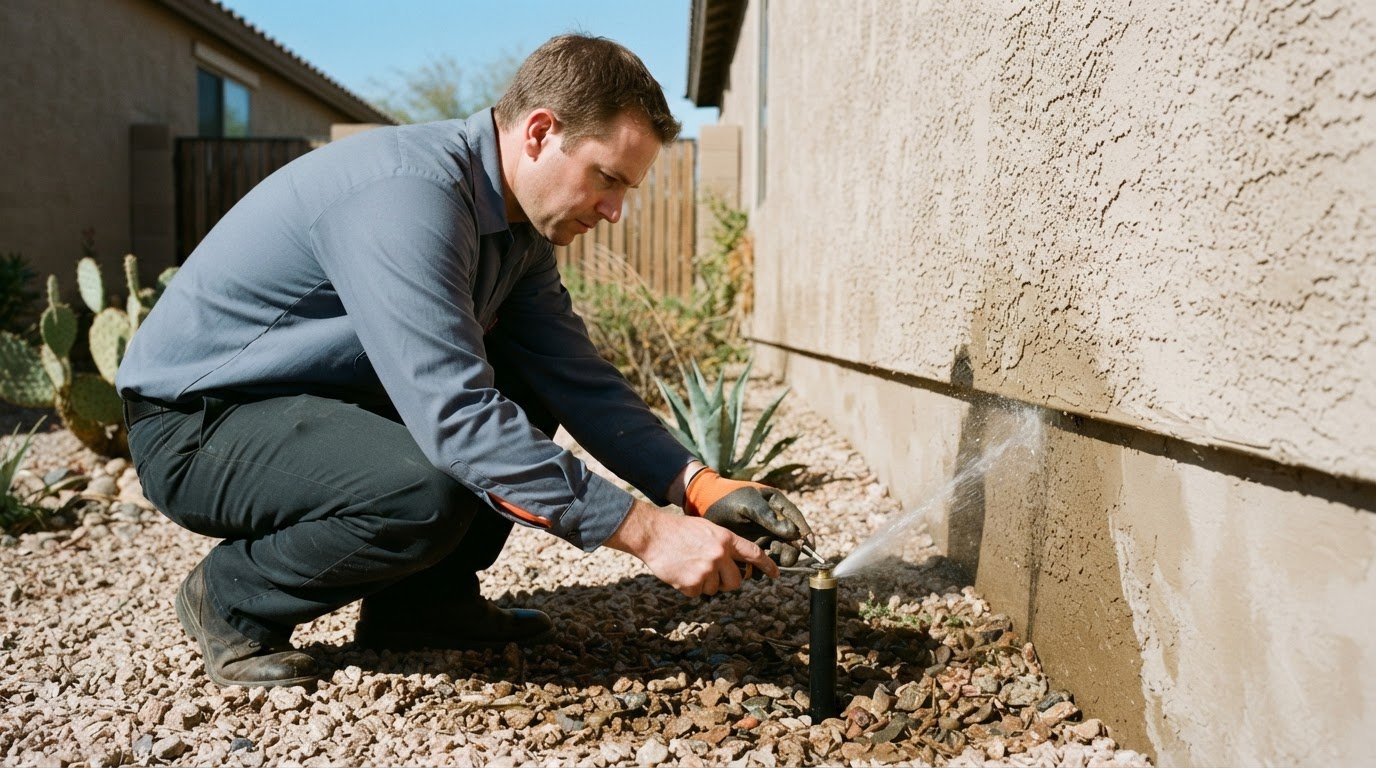
The controller is only one part of the replacement cost. The cost to replace an irrigation control panel depends on the system’s zone count, the controller selected, wiring condition, and whether installation requires weatherproof housing or other work. The project scope determines the estimate.
A straightforward swap may be possible when an existing timer stops working, but an upgrade can involve more than changing the panel. A smart controller may need a suitable installation location and compatible wiring, and the existing setup affects the work involved.
This article explains what affects replacement cost, how to choose a new controller, and when a smart sprinkler controller may be worthwhile. You’ll learn how zone capacity, wiring, and installation conditions shape the work, helping you make an informed decision about your irrigation system.
Key Takeaways
- Replacement costs depend on more than the controller itself, including zone capacity, wiring condition, installation location, and any additional work.
- Match a replacement controller’s zone capacity to the existing irrigation system to support its current layout.
- Smart controllers may need indoor installation or weatherproof housing, so the installation location can affect the project.
- Weigh an upgrade against your watering needs and consider how a smarter schedule could help manage outdoor water use.
Conditions that can increase project costs
A replacement estimate reflects the controller, installation conditions, and any related repairs. The cost to replace an irrigation control panel can increase when the new unit needs greater zone capacity, wiring changes, or protection from outdoor exposure. Each factor adds work or equipment, so the estimate depends on the system’s layout and the planned upgrade.
Zone capacity is the number of separate watering areas a controller can operate. Common system sizes include four, eight, or 16 zones, and the replacement should support the zones already in use. A controller with too few zones cannot run the full layout, while extra capacity may add equipment cost without serving a current need. Modular controllers can also allow capacity to expand, but that feature should match an actual system requirement.
Wiring condition describes whether the low-voltage connections between the controller and irrigation valves are intact and suitable for the replacement. A direct swap may use existing wiring, but damaged, disconnected, or poorly identified conductors can require diagnostic work or repair. Wiring changes may also be needed if the new controller’s terminals differ from the old unit’s. The estimate should distinguish controller installation from wiring diagnosis or repair.
Weather protection means keeping a controller suitable for its installation location. Most tested smart sprinkler controllers need indoor installation or additional weatherproof housing, and only two tested controllers are weatherproof. If an outdoor location is necessary, housing adds a material and fitting requirement. Local weather data may guide watering schedules, but weather data does not make an indoor-rated controller safe to expose outdoors. The chosen unit’s location and protection needs affect the project scope.
Excluded costs are repairs or materials outside the work described in the estimate. A controller replacement estimate may not include a faulty valve, damaged wiring, sensor work, or a separate irrigation leak. These issues matter if testing shows the controller is not the only source of a system problem. Clarifying what the estimate includes separates panel replacement from related repairs without assuming those repairs are necessary.
Permit and code requirements are local rules that may apply to particular work. Whether permits or code requirements apply when replacing an irrigation control panel depends on local requirements and the work’s scope. A like-for-like controller change differs from a project that also changes wiring or other system components, so installation details determine what requirements apply.
Cost of replacing an existing irrigation controller
Replacement cost reflects the controller, the existing sprinkler system, and the labor needed to connect and test them. The scope can change if the work also involves a system retrofit, wiring corrections, or schedule setup.
Programmable Timer Replacement
A programmable timer runs irrigation zones according to set watering times. Replacing one usually means removing the existing unit, connecting a compatible replacement, and programming its schedule. A smart sprinkler controller can also use weather data to adjust schedules, rather than relying only on fixed run times.
For an existing programmable timer, zone capacity is a key selection point. Common systems have four, eight, or 16 zones, and the replacement should support the zones already connected. A connected controller with fewer zones cannot manage the full system. Matching capacity also helps avoid paying for features or capacity the irrigation layout doesn’t need.
Professional Replacement Tools and Steps
Professional replacement means matching a controller to the system, transferring its connections, and testing operation. A homeowner may be able to change a panel, but low-voltage wiring and zone configuration must be handled correctly for the system to run as intended.
A professional typically identifies existing zone wires, checks terminal compatibility, connects the new controller, and tests each zone. The work may also include programming start times and checking whether connected weather data can guide scheduling. The tools and time required depend on the panel design, wiring condition, and whether the replacement is a direct match or a retrofit.
Retrofitting means adding a smart controller to an existing in-ground sprinkler system rather than replacing the entire system. It can involve adapting the controller to current wiring and zone assignments. The estimate should distinguish this installation from separate repairs found during testing.
Regional Replacement Costs
Replacement costs can vary by location because labor and project requirements differ across the United States. The available information does not provide comparable regional price ranges, so a precise regional ranking would be misleading. Location can affect labor availability, travel, and installation conditions, while the controller type and system condition shape the work itself.
How much does irrigation controller replacement cost in different U.S. regions? The price depends on the specific project and is provided after a quote request. The estimate can reflect controller selection, zone count, existing wiring, retrofit needs, and local installation conditions.
For a useful estimate, define the controller type, number of active zones, and whether existing wiring will be reused. Include any plans for connected scheduling or changes to the system layout. These details help distinguish a direct timer replacement from a broader retrofit.
If the existing panel has wiring or zone issues, discuss the replacement project alongside the controller change.
Factors that affect whether an upgrade is worthwhile
An irrigation controller upgrade is worthwhile when its scheduling capabilities address an actual watering need. Consider current system performance, the property’s irrigation layout, and whether a newer controller can manage existing zones more effectively.
A WaterSense-labeled controller is a sprinkler controller that carries the EPA’s WaterSense label. According to the U.S. Environmental Protection Agency, a WaterSense sprinkler controller can save the average U.S. home up to 15,000 gallons of water per year. The U.S. Environmental Protection Agency also says replacing a standard clock-based controller with a WaterSense-labeled irrigation controller can save an average home up to 15,000 gallons of water annually.
Water use is one consideration, but watering needs determine whether an upgrade is relevant. A fixed schedule runs at programmed times, while smart models can use weather data to adjust watering. For example, a schedule that continues unchanged in rainy conditions may water when less irrigation is needed. A controller that responds to local weather data can make scheduling more adaptable.
System size and layout also matter. A model must operate the installed zones, and its scheduling features should suit the plants and irrigation methods in those areas. A property with drip-irrigated planting beds and lawn sprinklers may need different run times across zones. Controller features are most useful when they fit the existing system and solve a real watering problem.
Signs a panel may need replacement rather than repair include repeated failure to start scheduled watering, settings that won’t hold, or several zones failing despite intact wiring. A single malfunctioning zone may instead point to a valve or wiring issue, so diagnosis helps distinguish a controller fault from a localized problem.
Repair restores a faulty part or function without replacing the entire controller. Replacement may be more practical when the panel repeatedly loses programming, fails to operate multiple zones, or cannot support the required schedule. Consider a Rain Bird controller or another replacement based on zone compatibility and desired features, not brand name alone. The system’s wiring and connected components also help determine whether the panel is at fault.
A useful decision process starts with identifying the problem, then comparing the current controller’s capabilities with the property’s watering requirements. If the existing unit operates reliably and meets those needs, an upgrade may offer little practical benefit. If recurring controller faults disrupt multiple zones, or fixed scheduling doesn’t suit changing conditions, an upgrade may be more relevant. Discuss your controller’s symptoms and upgrade needs as part of that assessment.
Residential and commercial controller options
A residential controller manages watering for a home’s lawn, garden, and planting zones. A commercial controller manages irrigation for a business or other nonresidential property. The right category depends on the property and system, not just the controller’s connectivity or brand.
For a residence, start with the system’s zone layout. Existing irrigation may include lawn sprinklers, garden beds, or separate planting areas, each controlled as its own zone. Check that a replacement controller can operate every zone in the layout. A home with more zones needs a controller with sufficient capacity, rather than one selected only for its app or scheduling features.
Smart Wi-Fi models can connect to online weather information and adjust watering schedules. This can help homeowners manage changing conditions without relying solely on a fixed clock schedule. Features still need to suit the property: a small garden with distinct drip zones has different scheduling needs from a broad lawn using spray heads. Choose a controller whose zone capacity and schedule options fit those uses.
WaterSense is a label for qualifying irrigation controllers. The tested smart sprinkler models carry WaterSense certification, a label indicating at least 20% less water use than non-smart irrigation timers. That figure describes the label’s indicated comparison, not a promised reduction for every property. Watering needs, existing schedules, and the system’s design affect how a controller performs at a specific home.
Commercial controller selection is a separate planning decision for nonresidential sites. The controller must fit the irrigation layout and the way watering areas are organized. A home controller designed for a limited residential zone count may not suit a more involved layout. The system’s zones and scheduling requirements should guide selection before connectivity or convenience features.
For either property type, compare the proposed model with the existing system in three steps: identify the zones it must operate, consider how schedules need to adjust, and determine whether connected weather information is useful. A controller that supports fewer zones than the system requires is a poor match. An option with features that don’t address the site’s watering needs may add complexity without improving daily control.
The product category alone doesn’t determine whether an upgrade fits. A residential property may need a straightforward replacement, while another may benefit from a smart model that adjusts watering using weather data. A commercial site requires its own system assessment and controller match. These distinctions help keep the choice focused on the property’s irrigation layout, rather than assuming one model suits every lawn, garden, or site.
Does replacing an irrigation controller require replacing wiring, valves, or sensors?
Replacing a controller does not automatically require replacing wiring, valves, or sensors. These components perform separate jobs, so each should be assessed when diagnosing the system. For example, a controller that fails to start several zones may have a panel fault, while a single-zone problem can involve its wiring or valve.
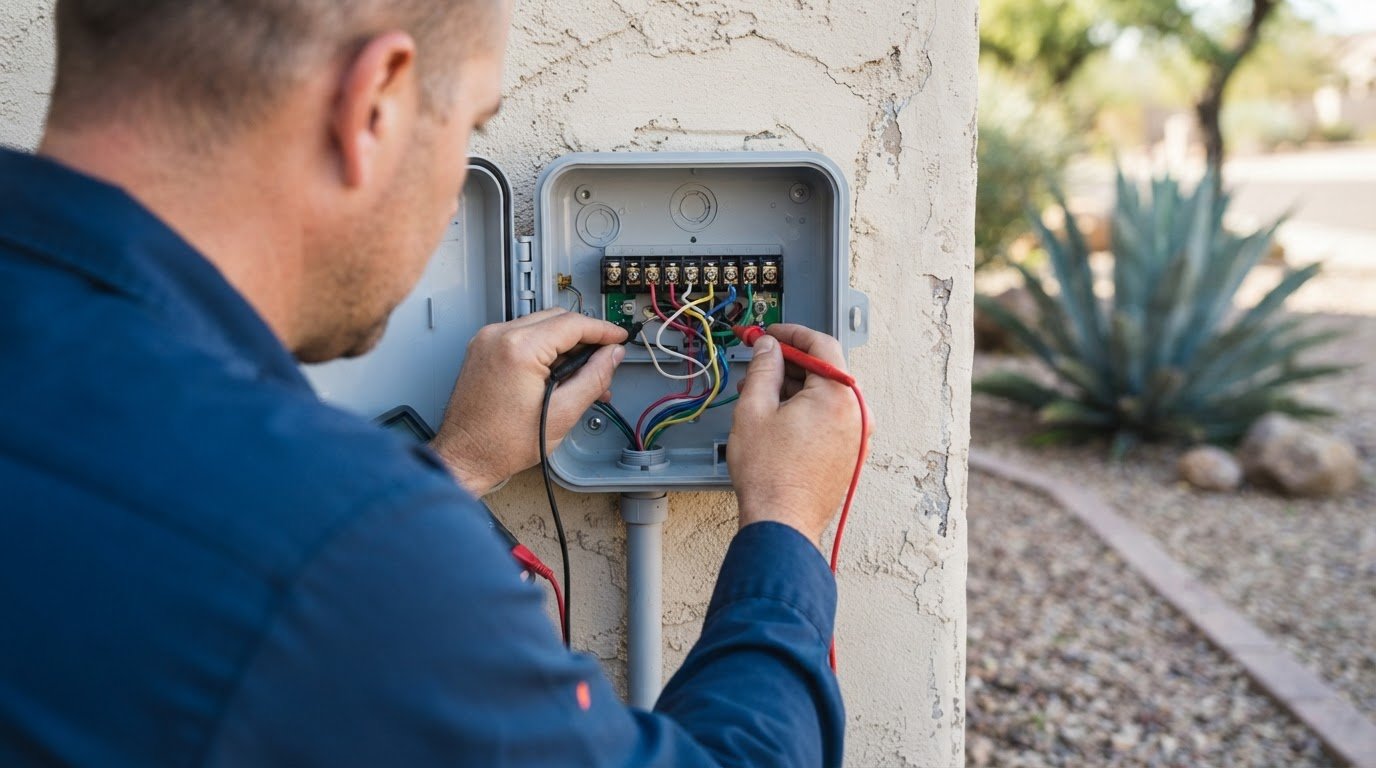
Wiring carries low-voltage signals from the controller to irrigation valves. During installation, the controller connects to designated terminals, and existing wiring can remain if it is intact and compatible. A professional checks the connections and investigates wiring concerns when a zone won’t respond or connections appear damaged. Replacing the panel alone will not fix a break or fault elsewhere in the wiring path.
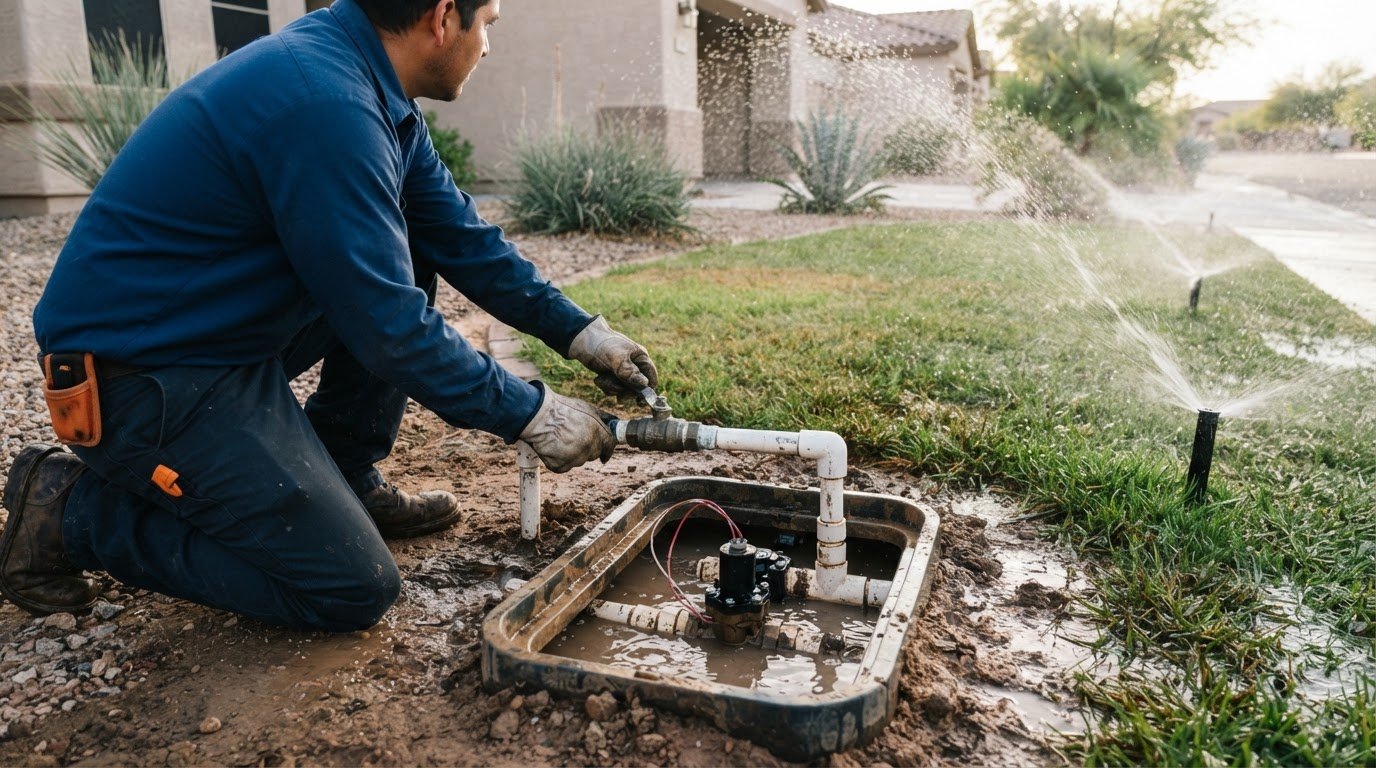
A valve opens or closes water flow to an irrigation zone. A new controller can operate a working valve through its wiring, so replacing the panel does not by itself require new valves. If one zone fails to water while others operate, the fault may be localized to that zone’s valve or wiring. Diagnosis helps distinguish a controller issue from a component problem.
A sensor provides information that can affect how an irrigation system runs. A compatible, functioning sensor may remain in place during controller replacement. The new panel’s connection points and the sensor’s role in the existing setup matter. For instance, a rain sensor connected to an old controller needs compatible connections to keep serving its intended function after the change.
System diagnosis identifies which component is causing an operating problem. A professional considers whether the issue affects one zone or several, whether the controller retains its settings, and whether valves respond to its signals. Several zones failing together can point to the controller or a shared connection; one unresponsive zone may indicate a local valve or wire fault. Symptoms guide inspection but do not identify the cause on their own.
Controller commissioning means connecting and configuring the replacement so it can operate the irrigation system. The professional identifies existing zone connections, matches them to designated terminals, and tests operation after installation. If the setup includes a sensor, its connection and response are also considered. This process can show whether separate repairs are needed, rather than assuming every component must be replaced.
When a controller change coincides with intermittent zones, wiring diagnostics can help pinpoint the source before unrelated parts are replaced. This keeps the project focused on the actual fault, whether it involves the panel, a connection, or a valve. Request irrigation wiring and controller diagnostics to assess the system’s connections and operating issues.
Sonora Sprinkler: Irrigation PVC Pipe Replacement
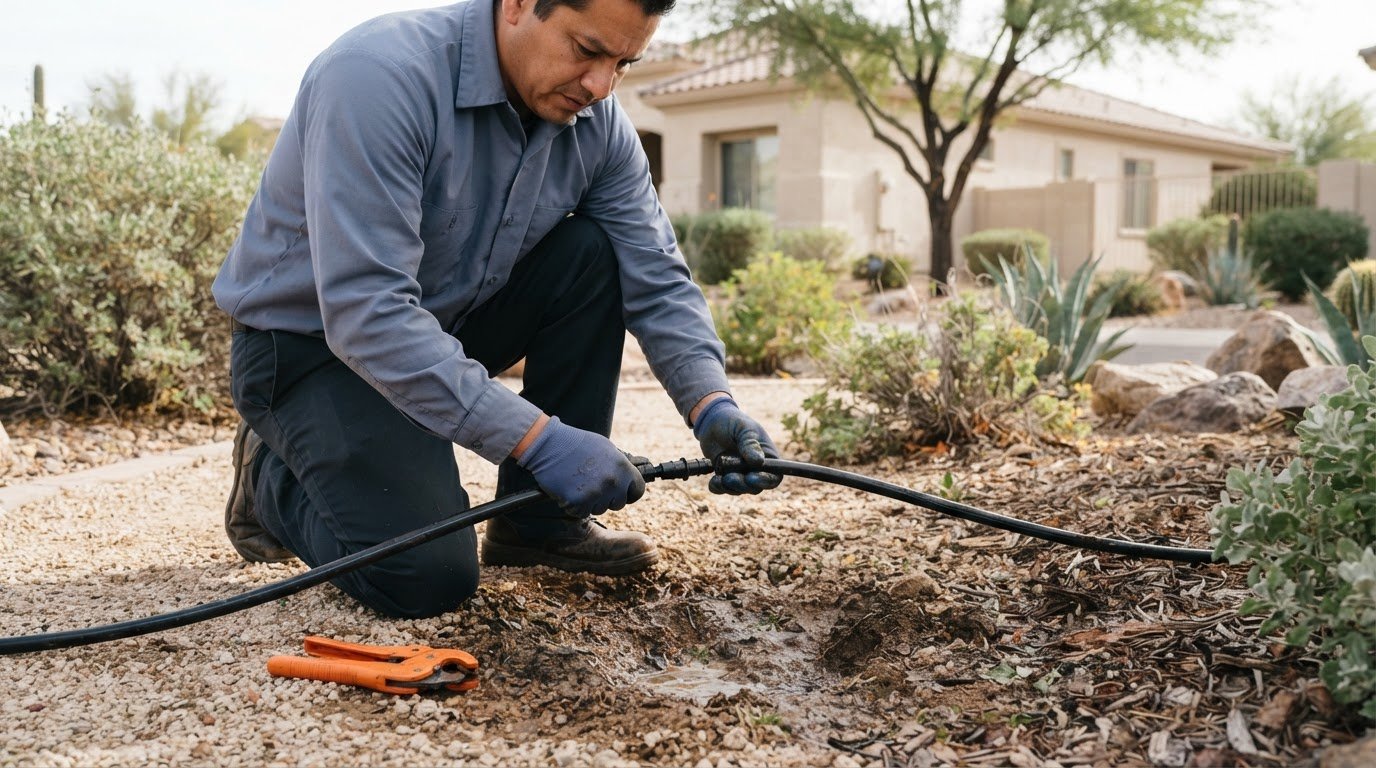
Sonora Sprinkler Inc. provides irrigation PVC pipe replacement when damaged irrigation lines need attention alongside controller concerns. Replacing a control panel does not itself require new PVC pipe, but a leak or broken line can affect system performance and may need separate repair.
For example, if irrigation testing reveals a pipe leak, repairing it can help restore water delivery to the affected area. Sonora Sprinkler Inc. also provides irrigation repair, irrigation installation, and drip irrigation installation for residential systems. The appropriate service depends on whether the issue involves the controller, a pipe, or another system component.
For help with an irrigation issue, contact Sonora Sprinkler Inc.
Plan the Next Step for Your Irrigation System
Use the next service decision to clarify what the system needs, not just which panel to install. If you’re considering a replacement, an assessment can distinguish a controller issue from a wider irrigation concern and define the work accurately. This context makes the cost to replace an irrigation control panel easier to assess against your property’s needs.
Sonora Sprinkler Inc. provides irrigation repair, irrigation installation, and drip irrigation installation for residential systems in Surprise and Peoria. These services can address system problems or installation needs identified during irrigation planning. The right next step depends on the issue affecting your property and the result you want from your watering system.
When describing the project, include the controller’s symptoms, the affected zones, and any known system changes. These details help focus the conversation on the work that matters, whether you’re planning a replacement or addressing a related irrigation problem.
Contact Sonora Sprinkler Inc. for help with your irrigation project and take the next step toward a system that suits your property.
Frequently Asked Questions
How much does it cost to replace an irrigation control panel in the United States?
The cost to replace an irrigation control panel depends on the controller and the work required for the property. The estimate reflects the controller selected, zone needs, installation conditions, and any related work. A direct replacement has a different scope from a project that also addresses a fault elsewhere in the irrigation system.
What is the average labor cost to install a replacement irrigation controller?
Labor depends on the installation scope rather than a single national figure. A straightforward replacement differs from work that includes diagnosing wiring, adapting connections, or configuring a new controller. In Surprise and Peoria, the estimate can reflect the existing system’s condition and the work needed to connect and test the replacement. Labor is included in the project-specific estimate.
How much do irrigation control panels cost by number of zones?
Panel prices vary by model and supported zone capacity, so there is no fixed price for each zone count. A controller must accommodate the active zones, while its features and design also affect the selection. For example, a property with separate lawn and planting areas may need more zone capacity than a compact layout. The installed project estimate also reflects setup and related system work.
What factors affect the cost of replacing an irrigation control panel?
The main cost considerations are the replacement model, zone capacity, installation location, and whether the project includes diagnosis or repairs. For homes in Surprise and Peoria, the existing system helps determine the work involved. An estimate should distinguish controller replacement from separate concerns, such as a faulty valve or damaged connection, so the scope reflects the work being addressed.
How much does a smart Wi-Fi irrigation controller cost compared with a standard controller?
The price difference depends on the specific models and their features; there is no standard premium for every comparison. A smart Wi-Fi model may offer connected scheduling, while a standard controller may meet the need with a fixed program. Installation costs also depend on compatibility and setup, not just the device. The project estimate separates the selected controller from the work required to install it.