A dependable lawn-watering routine is less about watering every day than getting the timing and amount right. The best time to water a lawn in Peoria, AZ, is generally between 5 a.m. and 10 a.m., when cooler conditions help limit evaporation. For warm-season grass, plan on about 1 to 2 inches of water per week, then adjust for rainfall, soil, and signs of stress.
It can be hard to tell whether dry-looking grass needs more water or whether the sprinkler schedule is keeping the soil too wet. For Peoria, AZ, early morning is generally the best time to water lawn areas: cooler temperatures and calmer winds can help more water reach the soil. This guide explains how to set a practical weekly target, why deep watering is usually more useful than frequent shallow cycles, and how to spot signs of underwatering and overwatering. You’ll also learn what to consider as Peoria’s weather changes and how sprinkler coverage affects how much water reaches the grass. Use these checks to make decisions based on your lawn and soil, rather than following a fixed schedule that may not suit your yard.
Key Takeaways
- Water in the cooler morning hours to reduce evaporation and help sprinkler coverage reach the lawn.
- Use 1 to 2 inches of water per week as a general target for warm-season grass, adjusting for rainfall and yard conditions.
- In summer, established bermudagrass generally benefits from deep watering every three days rather than shallow daily cycles.
- Look for signs of stress and check how easily a screwdriver enters the soil to help judge whether the lawn needs water.
- Inspect sprinkler coverage and adjust the schedule when water runs off or misses areas of grass.
1. Signs of underwatering and overwatering
A Peoria lawn can show signs of water stress before the whole yard changes color. Underwatered grass may look dull, fold its blades, or keep footprints visible after someone walks across it. These clues matter most when they appear in several areas, rather than in one isolated patch. A dry strip beside healthy grass may point to uneven sprinkler coverage, not a watering shortage across the whole yard.
Check the soil before adding another cycle. Push a screwdriver with a six-inch shaft into the lawn. If it enters easily, the soil has accessible moisture and watering can wait. If it is difficult to push in, the root zone may be dry. Test more than one spot, including a sunny section and an area near a sprinkler head, because moisture can vary across the same lawn.
Underwatering often shows up as a pattern. Grass may lose its rich green color, feel dry underfoot, or recover slowly after foot traffic. A sunny edge beside a driveway can show stress sooner than a shaded area. Before increasing runtime across the whole system, check whether a dry zone is receiving less spray. A sprinkler head aimed away from the grass can leave one area thirsty while nearby soil stays damp.
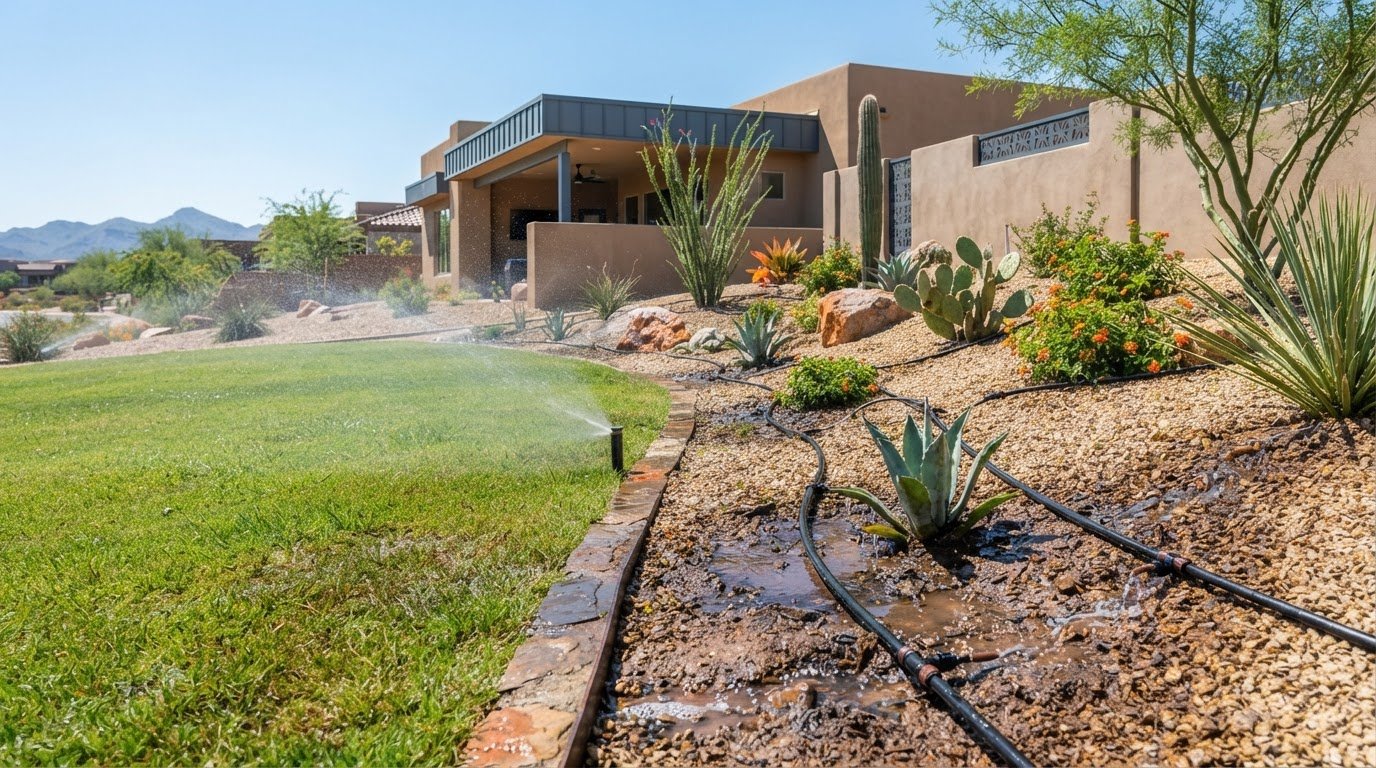
Overwatering has different clues. Persistently soggy soil, standing water, and runoff suggest the ground is receiving water faster than it can absorb it. Grass that stays wet between irrigation cycles also needs attention. Overwatered lawns can be more susceptible to fungus and root rots, so watering every discolored patch can make the problem worse. Check whether the affected area feels wet before changing the schedule.
When the symptoms are unclear, use a simple sequence: inspect the grass, feel the soil, then observe the next irrigation cycle. If water runs across the surface before soaking in, use shorter cycles with time between them instead of one longer, uninterrupted run. If water pools around one head, the problem may be localized. If the whole lawn feels saturated, reduce irrigation and reassess the soil before the next cycle.
Compare several signals rather than relying on color alone. Heat and direct sun can make one section look stressed while other areas remain moist. A six-inch screwdriver test helps distinguish dry soil from grass that only looks tired. Soft ground and persistent wetness, by contrast, are reasons not to add water. These checks help Peoria homeowners avoid both letting roots dry out and keeping them in saturated soil.
Keep a short record over a few watering days. Note where footprints linger, where the screwdriver meets resistance, and whether water pools or runs off. If the same patch repeatedly stays dry, check its sprinkler coverage. If it stays soggy, reduce the water reaching it. These specific observations make it easier to adjust irrigation to the lawn’s actual condition.
2. Best time of day to water
For Peoria lawns, schedule irrigation between 5 a.m. and 10 a.m. Cooler morning conditions reduce evaporation before water reaches the soil. Early watering also gives grass time to dry during the day. That timing is a practical starting point for a sprinkler timer, especially during hot, dry weather.
Midday watering is less efficient under the Arizona sun. In hot conditions, up to half the water can evaporate before it benefits the lawn. Wind can also push sprinkler spray away from its intended area. If a cycle runs at noon, more water may miss the grass or evaporate before soaking into the ground.
Night watering avoids daytime heat, but it can leave grass blades wet for hours. Prolonged wetness creates conditions that can encourage fungal or bacterial disease. Set the timer to finish in the morning rather than leaving the lawn damp overnight. A cycle ending near sunrise gives the grass daylight to dry.
Seasonal timing calls for a different schedule. In fall, water before 7:00 a.m. or after 7:00 p.m. In winter, the suggested window is between 8:00 a.m. and 4:00 p.m. These cooler-season windows differ from the usual morning recommendation, so reset the timer as temperatures change instead of keeping summer settings all year.
Use the weather as another timing cue. After rain, skip irrigation rather than adding water to already-wet ground. If clouds bring only a brief sprinkle, assess whether the soil received meaningful moisture before deciding on the next cycle. A fixed timer cannot account for every rain event, so adjusting the schedule can prevent unnecessary watering.
Wind and sprinkler direction also affect when watering is most effective. For lawns in the Phoenix area, night or early morning is generally more effective than exposed daytime hours, when wind and evaporation can be higher. Check that spray reaches the grass rather than a wall, driveway, or sidewalk. A head aimed across hardscape wastes water, even if the timer starts at the right time.
For a simple routine, program the main cycle in the morning, then adjust it for seasonal conditions and rainfall. In fall, use the stated evening window only when needed; in winter, move watering into the 8:00 a.m. to 4:00 p.m. period. Avoid overnight cycles that leave blades wet for hours. If a timer or sprinkler schedule needs adjustment because of an irrigation problem, you can discuss your irrigation system.
3. Deep, infrequent summer watering
Peoria’s temperatures change through the year, so lawn watering needs change by season. Established bermudagrass needs no supplemental water during winter dormancy, while established winter ryegrass needs water every 3 to 7 days. In spring, supplement rainfall only when the lawn goes more than a week without significant rain. Fall watering generally follows spring needs.
During summer, water established bermudagrass once every three days. Apply water deeply enough to reach about 6-8 inches into the soil, instead of relying on light daily sprinkling. Deep moisture supports roots below the surface, while shallow watering keeps moisture nearer the top. Clay soil holds water longer and can become oversaturated if watered too often.
Approximately ¾ inch of water per irrigation cycle is a useful starting point for an Arizona lawn. The runtime needed to apply that amount depends on sprinkler output, so a schedule that works for one system may not suit another. Measure how much water reaches the lawn rather than assuming a set number of minutes delivers the same depth across Peoria properties.
Count rainfall toward the lawn’s water needs. If your property receives at least ½ inch of rain, skip the next irrigation cycle. This avoids adding water after the lawn has already received meaningful moisture. Rain can fall unevenly, so consider whether the irrigated areas received it before resuming the regular schedule.
Runoff means water is moving away before the soil absorbs it. Divide the recommended runtime into shorter irrigation events, with at least 30 minutes between them. For example, if water flows onto a paved edge during a cycle, pause and let the soil absorb moisture before running the next portion. This limits waste while maintaining a deep-watering approach.
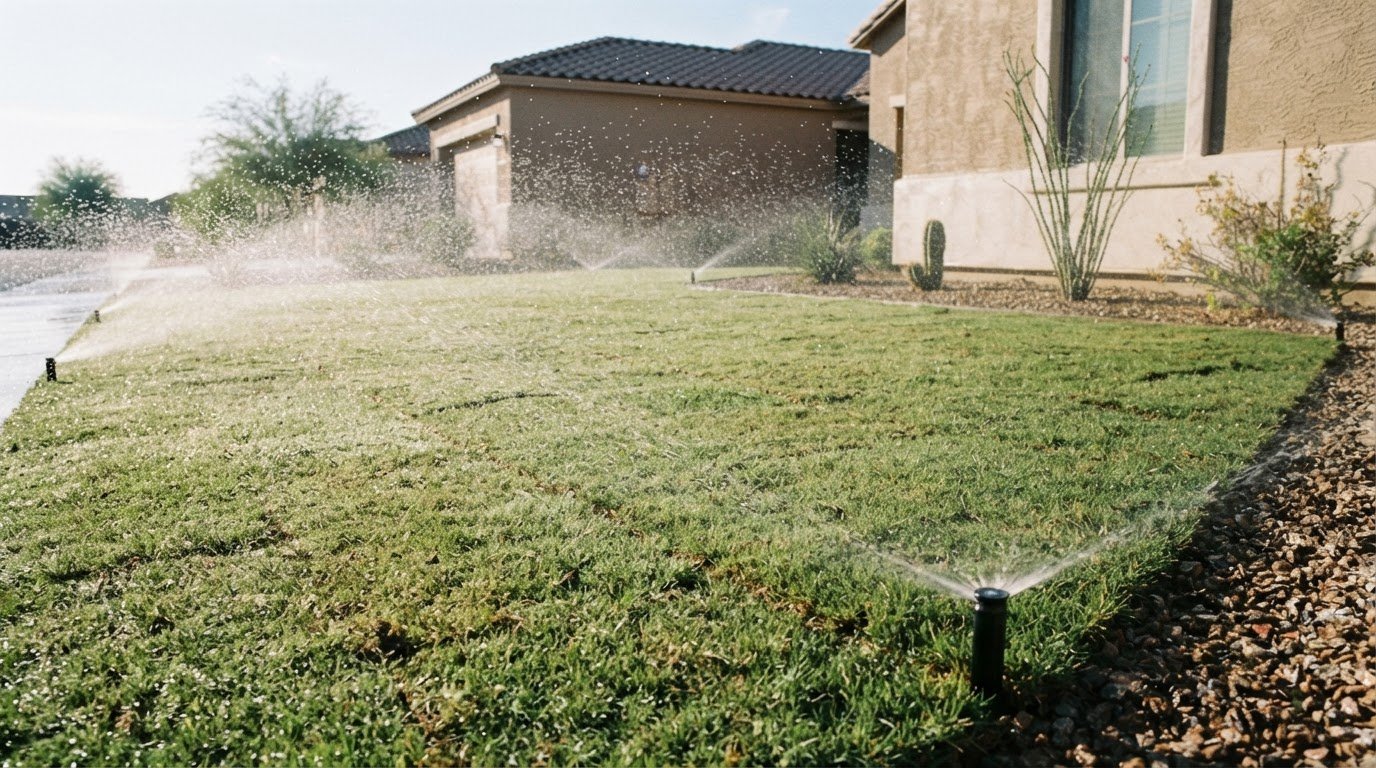
Sprinkler direction and coverage also affect how much water the lawn receives. Adjust heads to spray grass rather than walls, driveways, or sidewalks. To measure output, run the sprinklers for 15 minutes and measure the collected water. If coverage is uneven, reposition the collection cans and run the system for another 15 minutes to compare distribution.
Reduce water waste by combining seasonal scheduling, rainfall adjustments, and measured sprinkler output. Use the summer bermudagrass interval as a starting point, then account for soil conditions and runoff. Skip a cycle after at least ½ inch of rain, and split cycles when water runs off. These steps help Peoria lawns get useful moisture without repeatedly watering paved surfaces or already-wet soil.
Established bermudagrass needs no supplemental water during winter dormancy, while established winter ryegrass needs water every 3 to 7 days. In spring and fall, supplement rainfall only when the lawn goes more than a week without significant rain; in summer, water established bermudagrass once every three days.
4. Early-morning irrigation
Early morning gives Peoria sprinklers a useful window before daytime heat builds. During summer, schedule irrigation between 5 a.m. and 10 a.m. Cooler air and calmer wind help water reach the grass instead of drifting or evaporating. The goal is even delivery across the lawn, not simply starting the timer early.
Set the timer with the lawn’s zones in mind. If several zones run in sequence, allow enough time in the morning for every zone to finish. A start time that suits the first area may leave the last one running later. Review the sequence when seasons change, especially if watering days or runtimes change.
Use collection cans to see how evenly water reaches the lawn. Place them across the grass, including areas near and farther from sprinkler heads. Run the system for 15 minutes, then compare the water collected in each can. Differences can reveal uneven output that a timer setting alone won’t show.
If the cans collect different amounts, empty and reposition them before another test. Run the irrigation system for another 15 minutes, then compare the results. This helps distinguish uneven distribution from an incorrect runtime. For example, a dry corner may need improved spray coverage rather than a longer cycle across the entire lawn.
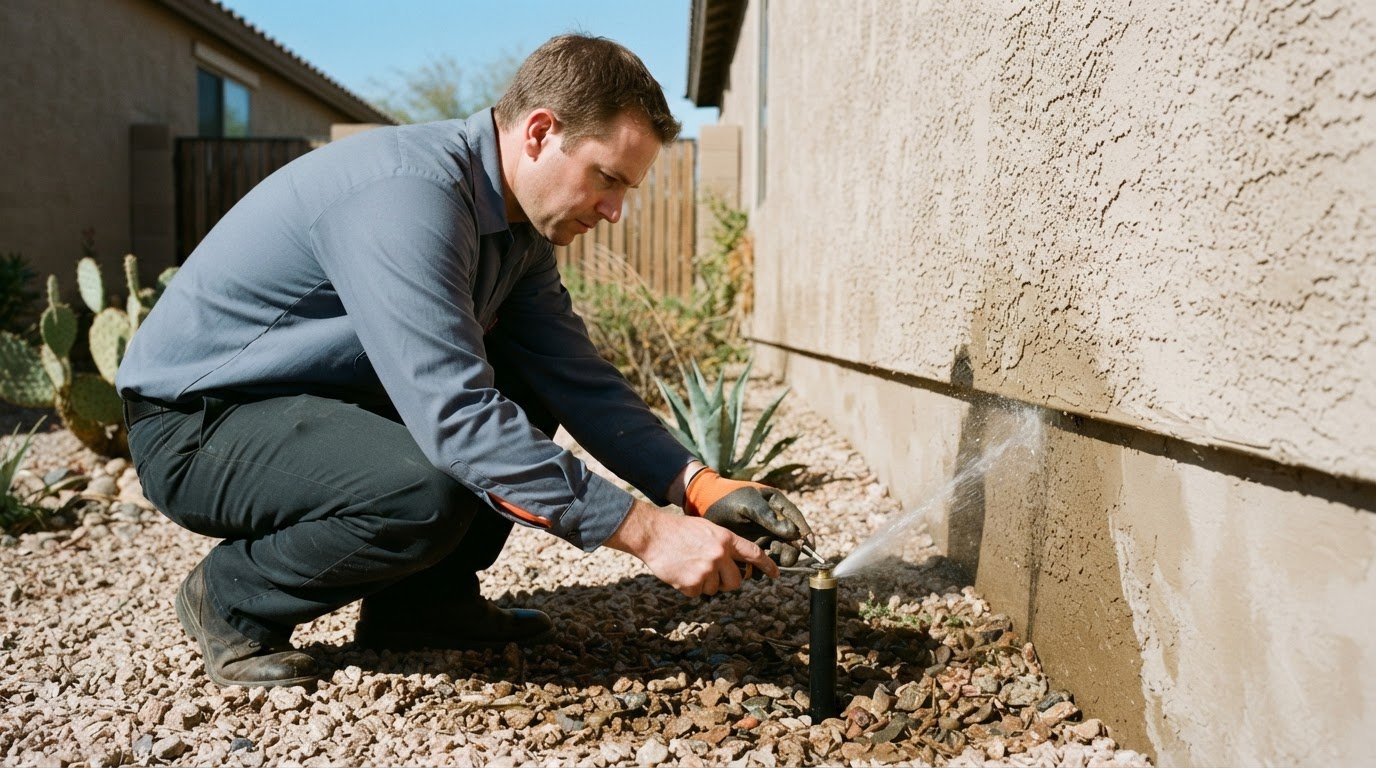
Watch the sprinkler pattern during the test. Heads should direct water onto grass, not walls, driveways, or sidewalks. Misdirected spray wastes water, even during cooler morning hours. If a head fails to rotate or leaves a dry strip, note the affected area and address that coverage problem before changing every zone’s schedule.
Morning testing also makes it easier to see where water lands while the system runs. Look for spray that misses turf, pools in one spot, or reaches hardscape. If water runs off before soaking in, divide the recommended runtime into shorter events. Leave at least 30 minutes between them so the soil can absorb water.
Use the test results to refine the schedule: confirm each zone runs in the morning, measure its output, and fix coverage gaps. Recheck after adjusting sprinkler heads or runtimes. In Peoria and Surprise, consistent distribution helps direct water onto the grass instead of letting part of each cycle miss the lawn.
In summer, early morning is usually the best time to water lawns: temperatures are cooler, evaporation is lower, winds are calmer, and sprinkler coverage can be more effective.
5. Recommended weekly lawn watering amounts
For warm-season grass, use 1 to 2 inches of water weekly as a general target. Cool-season grasses, including ryegrass and fescue, often need more because their roots are shallower and less efficient at drawing moisture. The amount depends on grass type, soil, rainfall, and sprinkler output. Knowing the best time to water a lawn in Peoria, AZ, helps, but the weekly total also needs to suit the grass.
During summer, established bermudagrass in Peoria should be watered once every three days. During winter dormancy, bermudagrass needs no supplemental watering. Established winter ryegrass needs watering every 3 to 7 days. Identify which grass is growing before applying a seasonal schedule, since Bermuda and ryegrass have different needs.
There isn’t one reliable number of minutes for watering Bermuda grass in Peoria. Runtime depends on how quickly the sprinkler system applies water. Measure its output, then adjust the cycle to reach the lawn’s target. Fescue and ryegrass also have no universal minute setting. Their shallower roots can mean they need more water than warm-season grass.
An empty tuna can can help measure sprinkler output. Collecting one inch is described as enough water for the week. For a measured system check, run the sprinklers for 15 minutes and measure the collected water. Use that result to work out how long the system needs to run for the intended amount.
Deep watering once or twice weekly encourages deeper root growth. Hot, dry summer weather may call for more frequent watering. Soil matters too: clay holds water longer and can become oversaturated if watered too often, while sandy soil drains quickly and may need more frequent cycles.
Count monsoon rainfall toward the weekly total. If the property receives at least ½ inch of rain, skip the next irrigation cycle. With less rainfall, account for the moisture received before adding a full cycle. New plantings need additional water beyond these general guidelines, since established-lawn targets may not meet their needs.
Measure the water your system delivers before setting a fixed runtime. Uneven collection across the lawn means runtime alone may not solve coverage gaps. Match the schedule to grass type, soil drainage, and rainfall, then use measured output to set cycles. The best time to water a lawn in Peoria, AZ, works alongside a measured amount and consistent coverage. If your system isn’t applying water evenly, request irrigation system assistance.
There is no fixed number of minutes for fescue or ryegrass; runtime depends on sprinkler output. Run the sprinklers for 15 minutes, measure the collected water, and use that result to set the time needed to reach the lawn’s target.
Sonora Sprinkler
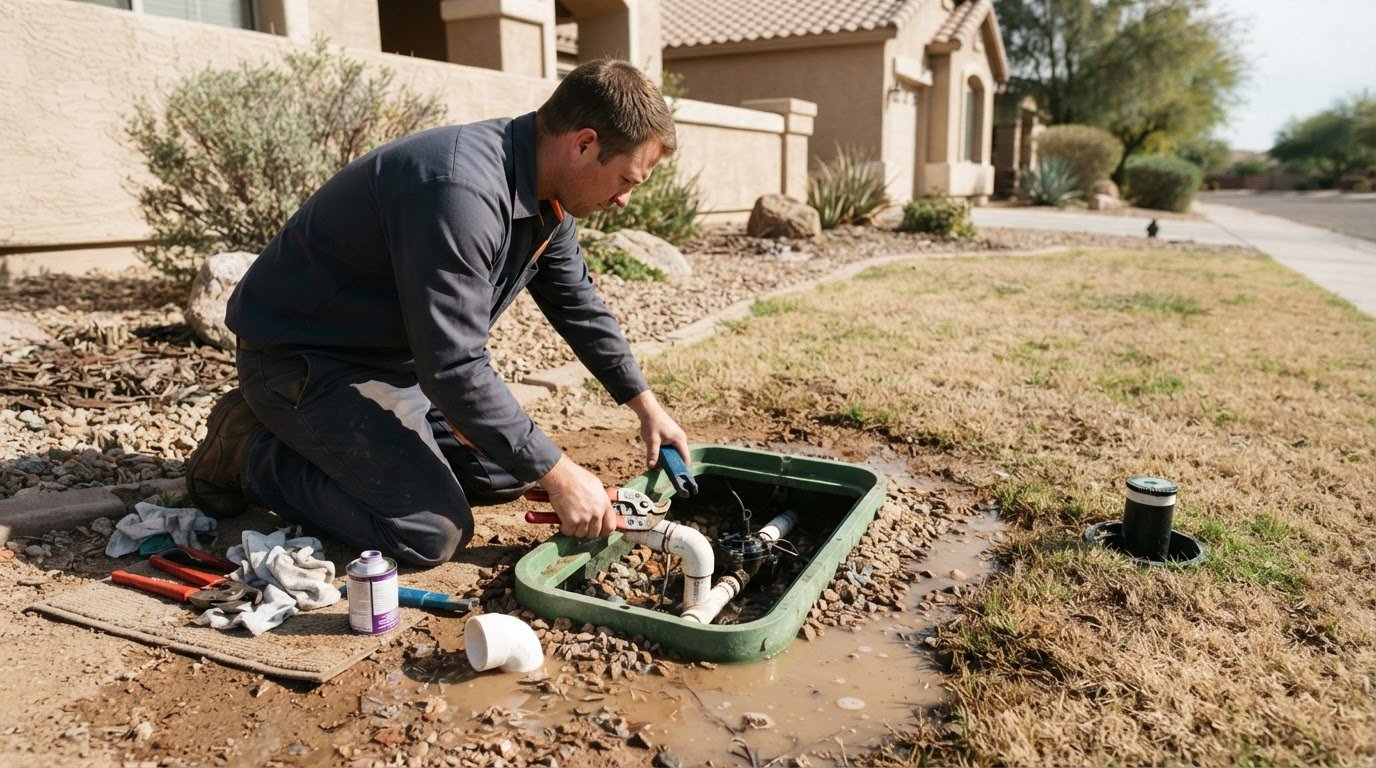
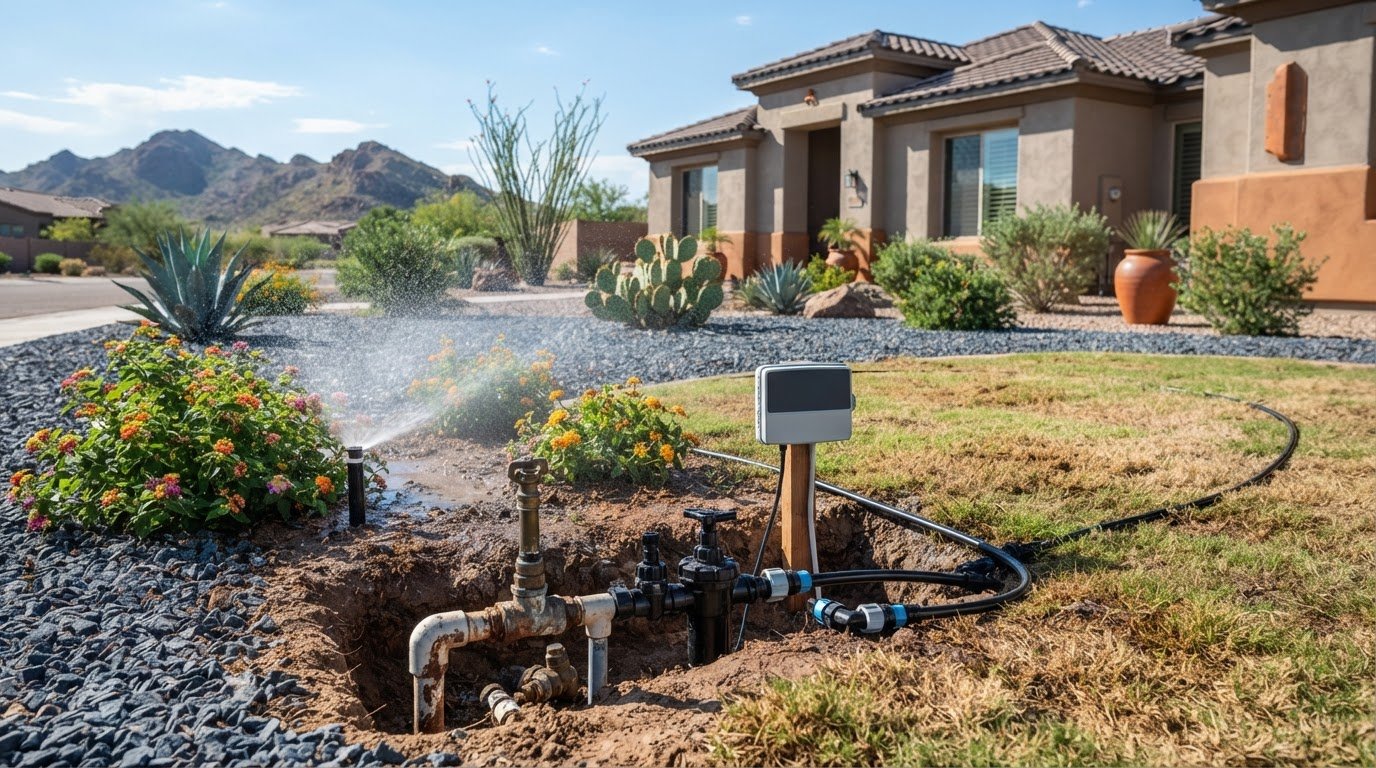
Sonora Sprinkler Inc. helps Peoria homeowners address irrigation problems that make lawn watering inconsistent. If a zone misses the grass, a sprinkler head wastes water, or the system struggles to deliver even coverage, the company’s Irrigation Repair service can address the fault. For a new setup or a lawn that needs a better-planned layout, Irrigation Installation and Custom Sprinkler System Design offer practical options.
Choosing the right watering schedule for the best time to water lawn in Peoria AZ is only part of maintaining a healthy turf. The irrigation system also needs to deliver water where the grass can use it. Sonora Sprinkler Inc. provides system repairs, installation, and design suited to your property. Contact Sonora Sprinkler Inc. to discuss your lawn’s irrigation needs.
Make your watering routine work for the long term
A reliable watering plan isn’t a timer setting you can forget. Revisit it as seasons change, the lawn’s condition shifts, or irrigation coverage becomes uneven. Brief observations over time can reveal patterns that one dry patch or unusually hot day might hide.
Ongoing attention can help you decide whether to adjust the schedule or address the irrigation system itself. If the same area repeatedly receives too much or too little water, system performance may be affecting the result. Choosing the best time to water your lawn in Peoria, AZ, matters, but consistent water delivery helps the schedule work as intended.
Sonora Sprinkler can help when irrigation equipment needs attention or a property needs a system suited to its layout. Describing the affected area and what happens during watering gives the conversation a practical starting point. Contact Sonora Sprinkler to discuss your irrigation concerns, and take a considered next step toward a routine that supports your lawn.
Frequently Asked Questions
When should I water?
Water a Peoria lawn in the morning, ideally between 5 a.m. and 10 a.m. Set the timer so each zone finishes within that window, rather than starting a cycle that runs into hotter hours. Adjust the schedule as seasons change: winter watering uses a different time window than summer watering. After rain, account for the moisture received before running the next scheduled cycle.
I have dry, brown patches, what can I do?
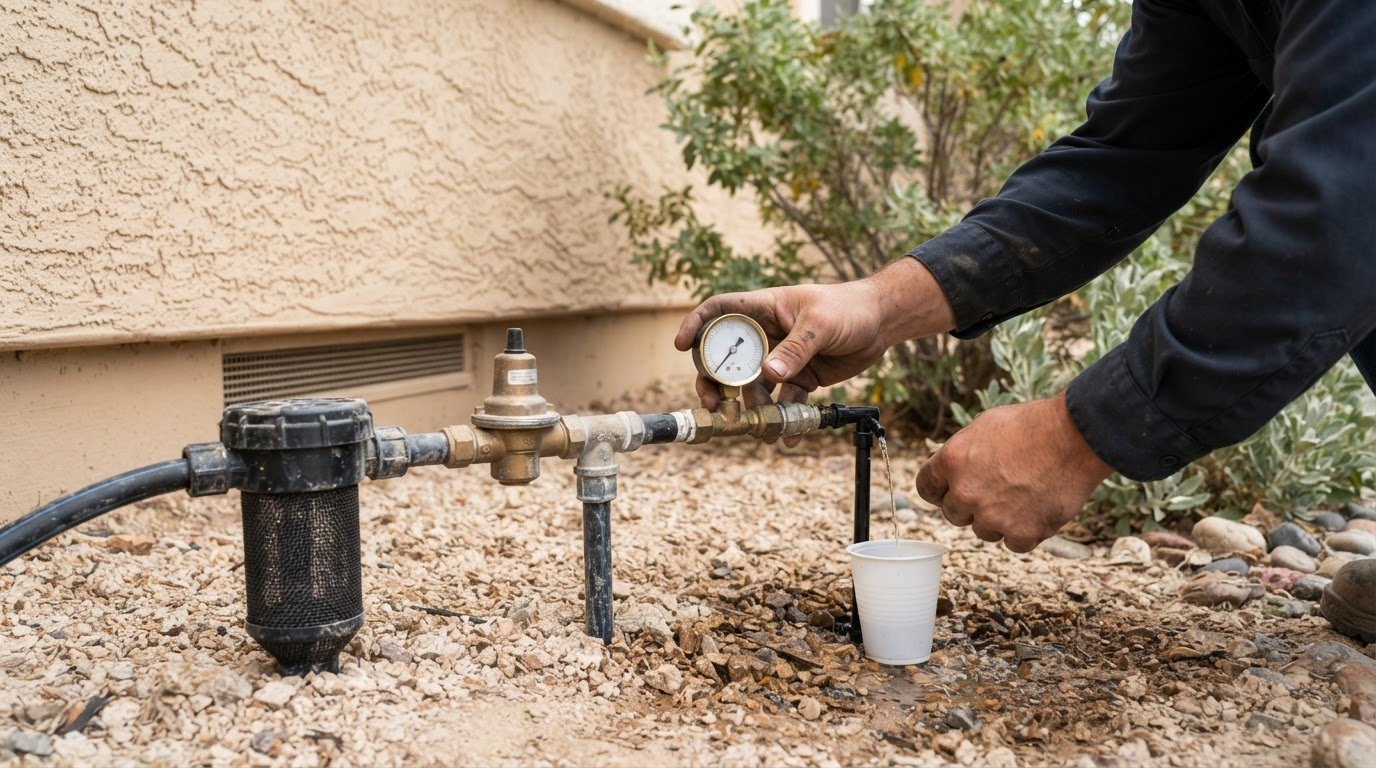
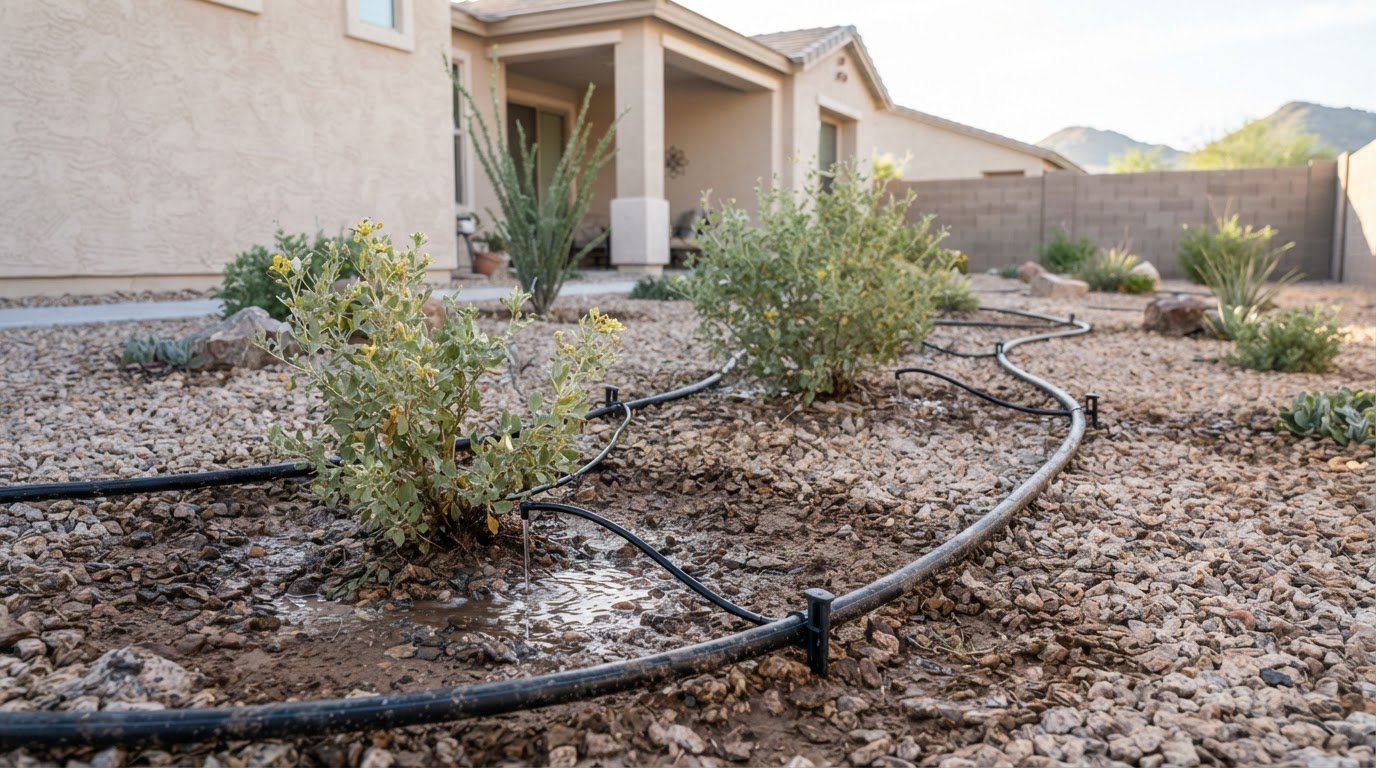
Check whether the affected patch receives sprinkler water before adding time to every zone. Look for a head that doesn’t pop up, retract, or spray across the grass. Debris, dirt, worn components, or a hidden leak affecting pressure can cause these problems. Compare the soil in the brown patch with nearby grass. If the patch is wet, adding water isn’t the right first adjustment.
How can I tell whether my lawn in Peoria needs water?
Check several areas, not just one discolored patch. Grass that folds, feels dry, or keeps footprints after someone walks across it can indicate stress. Then check soil moisture in more than one location, such as a sunny edge and the middle of the lawn. If one area differs from the rest, uneven sprinkler coverage may be the issue rather than a lawn-wide need for water.
What are the risks of watering a Peoria lawn at night or during the hottest part of the day?
Night watering can leave grass blades wet for hours, creating conditions favorable to fungal or bacterial disease. At the hottest time of day, evaporation can reduce how much water reaches the soil, while wind can push spray away from the lawn. If a timer runs during either period, adjust its schedule so irrigation better matches cooler conditions and reaches the intended grass.
What are Peoria's monthly temperatures and seasonal lawn watering needs?
Established bermudagrass needs no supplemental water during winter dormancy, while established winter ryegrass needs water every 3 to 7 days. In spring and fall, supplement rainfall only after more than a week without significant rain; in summer, water established bermudagrass every three days.