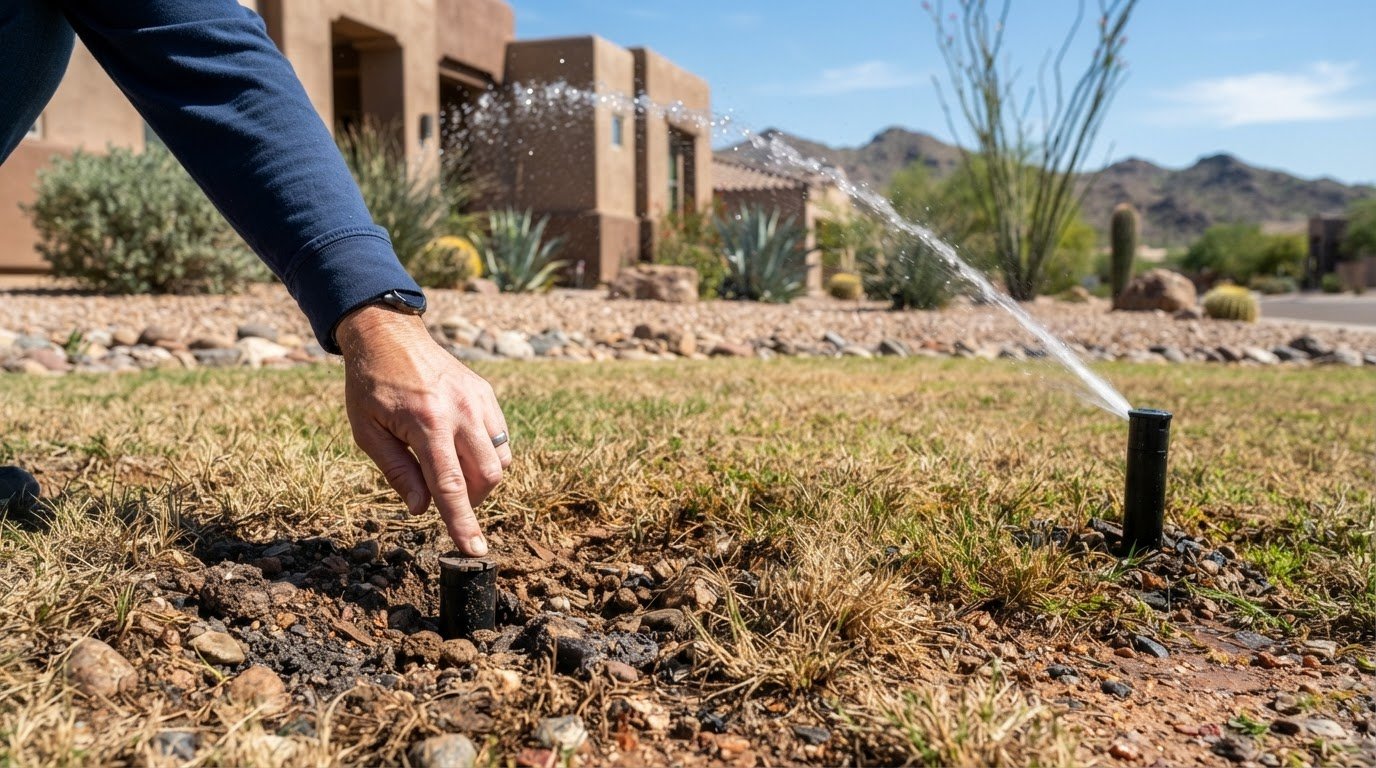
Sunlight can weaken the exposed surface of plastic irrigation pipe, making it more prone to fading, chalking, brittleness, and impact damage. Preventing sun damage to irrigation pipes means limiting direct UV exposure with light-colored latex paint, UV-rated covers or wraps, shade, or underground installation. These measures help protect exposed pipe, but cracked or otherwise damaged sections still need attention.
It’s easy to assume plastic pipe can sit in the sun indefinitely without changing. In practice, the surface may show wear even when the pipe’s core remains intact. Recognizing the signs helps you choose the right response.
This guide explains what UV exposure can do to plastic pipe and how to reduce it with paint, barriers, wraps, insulation, shade, and thoughtful installation. You’ll also learn what to look for during inspections and when a protective coating needs maintenance, so you can make practical choices for a more durable irrigation system.
Key Takeaways
- UV damage is concentrated at the pipe’s surface, but it can reduce impact resistance and leave exposed plastic more vulnerable to knocks.
- For paint protection, prepare the pipe carefully and use light-colored water-based latex rather than petroleum-based or oil-based coatings.
- Barriers, covers, and underground routing can limit direct sunlight on exposed sections; keep access to valves and connections in mind.
- Choose exterior wraps or insulation rated for UV exposure and moisture, and watch for fading, peeling, or damage during inspections.
- Shade and installation choices can reduce sun exposure from the start, while cracked or notably brittle pipe may need replacement rather than a surface covering.
1. What are the effects of UV exposure on plastic pipe?
The most vulnerable irrigation pipes are plastic sections left above ground in direct sunlight, including PVC, ABS, and CPVC. Exposure depends on how much pipe is uncovered and how long sunlight reaches it, rather than on a clear ranking among these materials. A shaded or buried section receives less direct UV exposure than an exposed run.
UV radiation changes the exposed surface of ABS, CPVC, and PVC to a depth of 0.001 to 0.003 inches. The degradation occurs at the surface, and its effects don’t continue after sunlight exposure ends. That doesn’t mean existing wear disappears: a surface already made brittle or cracked remains vulnerable to physical impacts.
For PVC, UV exposure primarily affects the outer surface. The pipe may turn yellow or brown, and its surface can become chalky as oxidation and pigment breakdown occur. A powdery film that wipes away is a sign to inspect. PVC’s core tensile strength and stiffness can remain within standard limits for years, so surface discoloration alone doesn’t establish the condition of the entire pipe.
UV exposure can reduce tensile strength and impact resistance, making plastic pipe more susceptible to knocks. Cracks and pronounced brittleness deserve closer attention than fading alone, especially on pressurized sections. CPVC may discolor and lose impact strength, although UV exposure doesn’t reduce its pressure-bearing capability compared with other piping materials. ABS can bleach or fade. These differences make visible condition and material type useful inspection clues, not interchangeable damage tests.
Some plastic pipes contain UV inhibitors, such as titanium dioxide or carbon black, but those additives don’t eliminate adverse effects. A plastic pressure pipe stored outdoors without UV protection for 15 years illustrates prolonged exposure, not a standard service-life estimate. Inspect outdoor sections for discoloration, chalking, cracks, and brittleness; pay particular attention to exposed joints and areas vulnerable to accidental impact.
Routing changes can reduce exposure before pipe is installed. Place plastic runs underground or in shaded areas, or route them beneath shade-providing structures where the system layout allows. Burying an outdoor plastic pipeline underground provides full protection against UV degradation. Sunlight can also raise plastic pipe’s surface temperature by 50 F or more, so limiting direct exposure reduces both UV contact and solar heating. For an existing exposed run, identify the sun-facing sections first; those locations help guide practical protection choices in the following sections.
2. Light-colored latex paint for UV protection
Water-based latex paint is a common way to shield aboveground ABS, CPVC, and PVC pipe from sunlight. A light color helps avoid the extra heat that dark coatings can absorb. For homeowners preventing sun damage to irrigation pipes, paint can protect a sound exposed section, but it won’t repair cracks or brittle plastic. Check the pipe’s condition before treating it as a coating project.
Prepare the surface carefully so the paint can adhere. Clean the pipe to remove moisture, dirt, and oil, then wipe it with a clean, dry cloth. For PVC, light sanding after cleaning can help the coating bond. Remove sanding dust before painting so it won’t interfere with adhesion.
Use water-based latex, not petroleum-based paint or oil-based enamel. Petroleum can prevent bonding, and these coatings may be chemically incompatible with the piping system. Oil-based or solvent-heavy paints that aren’t approved for PVC can soften the plastic or fail prematurely. Check the paint label for compatibility before applying it.
Apply paint to the exposed pipe, keeping it out of valve openings, threaded connections, and moving components. These parts need to remain accessible and operate freely. Don’t paint over dirt or moisture; clean and dry the surface first.
Inspect the coating during routine outdoor checks. Recoat latex paint when it shows significant fading or peeling, since exposed plastic can then receive direct sunlight. Paint helps prevent sun damage to irrigation pipes, but it doesn’t conceal structural problems. Check the pipe itself for cracks or brittleness rather than judging its condition by color alone.
If you find cracked pipe or need help addressing an exposed damaged section, discuss irrigation pipe repair as the next step.
Treat preparation as part of the coating choice, not an optional finishing step. Remove moisture, dirt, and oil from the plastic pipe, then wipe it with a clean, dry cloth. For PVC, lightly sanding the cleaned surface before applying latex paint can help the coating adhere. Use water-based latex only: petroleum-based paints and oil-based enamels should not be used on plastic pipe because petroleum can prevent paint from bonding and may be chemically incompatible with the piping system. A clean surface and suitable paint support adhesion, while an unsuitable coating can undermine it.
3. Protective barriers and covers
For an exposed irrigation line, a barrier works by keeping direct sunlight off the pipe. A cover can shield a short section beside a wall, valve assembly, or raised planting bed, while a longer screen can protect a run that crosses an open area. Choose a solution that blocks sunlight without pressing against the pipe or obstructing access to joints and controls. The barrier should stay in place while keeping the system inspectable.
Local installation requirements may apply to buried or protected piping, but UV guidance doesn’t establish a burial depth or replace local requirements. Treat sunlight protection and code compliance as separate considerations when planning an underground run. The installation details and jurisdiction determine which local requirements apply.
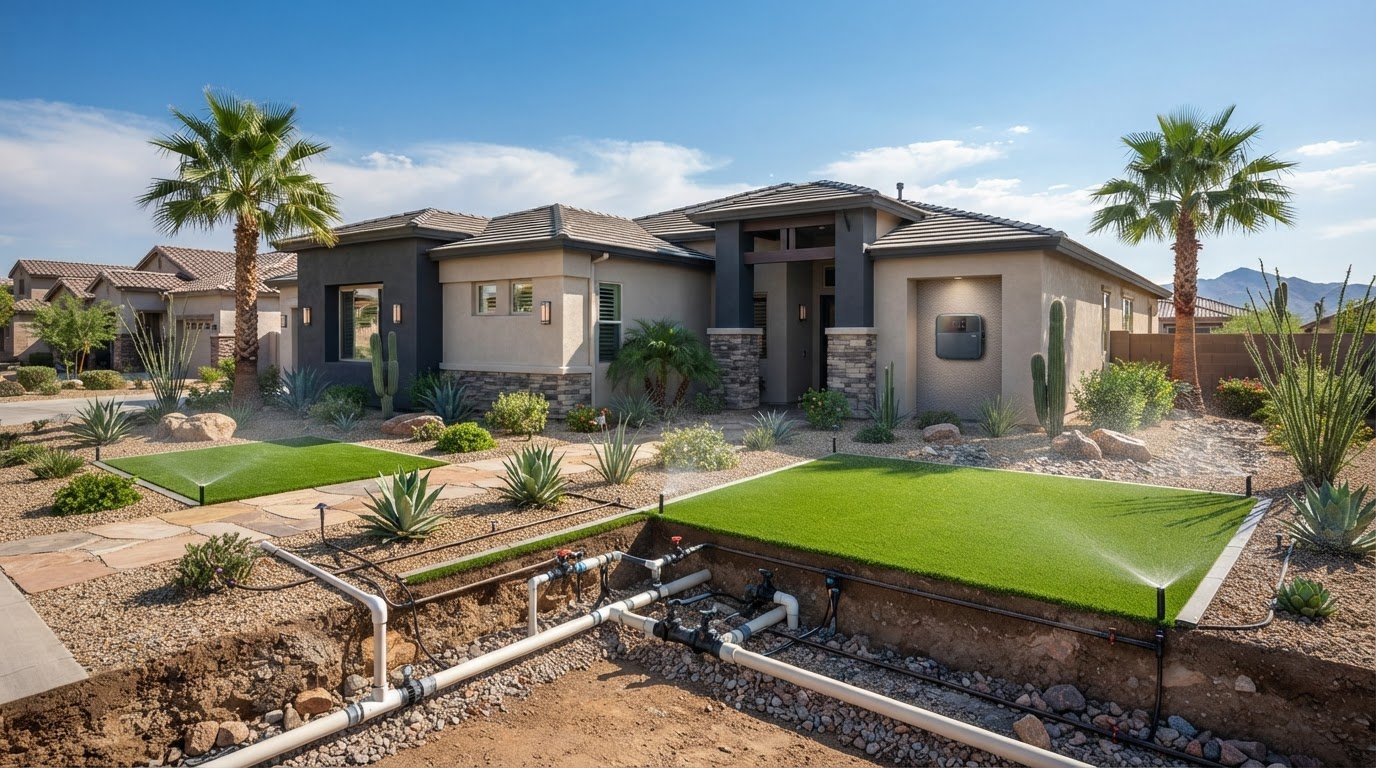
Underground routing provides a direct barrier against sunlight: burying an outdoor plastic pipeline protects it from UV degradation. Running PVC pipe underground or through crawlspaces also shields it from direct sun. Before changing a route, map the irrigation layout and identify valves, connections, and areas that need future access. A buried section protects pipe from UV, but access points still need to remain reachable for inspection and maintenance.
Where burial isn’t practical, use a shade-providing structure or a purpose-built cover to block the sun. A section beneath an existing structure may not need a separate barrier if it stays shaded throughout the day. Check the exposed edges, since sunlight can still reach pipe where a cover ends or around an open side. Don’t mistake a narrow patch of shade for protection across the whole run.
Fit barriers around the pipe without concealing damage. A loose screen or cover can protect a straight exposed length, while a removable cover may suit joints that need regular inspection. Keep valves and connections accessible, and make sure the barrier doesn’t interfere with system operation. If water, debris, or trapped moisture collects around a covered section, adjust the arrangement so the pipe can be inspected and the area can dry.
Inspect covers as well as the plastic beneath them. Look for gaps that admit direct sunlight, movement that exposes a previously shaded section, and signs of cracking or brittleness on accessible pipe. A cover hides the surface, so lift or open removable barriers during inspections. Check outdoor plastic pipe for discoloration, cracks, and brittleness; a protective barrier doesn’t make those signs irrelevant.
Match the approach to the layout: underground routing for a run that can be buried, shade or a barrier for an exposed segment, and accessible covers near service points. These choices reduce direct UV exposure without assuming every irrigation line needs the same treatment. Before planning a route, mark each exposed section and its connections. This helps identify where a barrier can protect pipe without limiting access.
4. UV-resistant pipe wrap and insulation
Pipe wrap can shield an exposed irrigation line, but choose material designed for outdoor conditions. Exterior wrap or insulation should be rated for UV exposure and moisture resistance. Both ratings matter because an outdoor covering must handle sunlight and damp conditions while protecting the pipe beneath it. A sleeve intended only for indoor use isn’t an equivalent choice for an exposed run.
Yes, UV-resistant sleeves, wraps, or covers can protect exposed irrigation pipe when they block direct sunlight and are suited to exterior moisture exposure. Insulation by itself doesn’t guarantee UV protection, so look for both properties in the product information before fitting it outdoors.
Fit the covering closely enough to shield the pipe, but don’t obstruct valves, joints, or other service points. Leave access where components need inspection or operation. At a connection, trim or position the wrap carefully so sunlight can’t pass through a gap onto the pipe. Follow the wrap’s installation instructions, since fastening and overlap details depend on the material.
Color also matters for sun-exposed PVC. Dark paint or wraps can absorb more heat and accelerate thermal and UV degradation. Don’t assume a dark covering offers better protection simply because it looks substantial. Choose a UV-rated, moisture-resistant exterior product, and consider how its color may affect heat absorption in direct sun.
UV ratings, warranty terms, and installation requirements are product-specific. Use the documentation for the exact pipe and covering rather than assuming a rating or warranty applies across materials. Check whether the instructions address outdoor UV exposure and moisture, and follow their guidance for fitting the product around bends and connections.
Pipe material also affects the decision. Plastic pipe may contain UV inhibitors such as titanium dioxide or carbon black, but these additives don’t eliminate UV effects. A protective wrap adds an external barrier; it doesn’t change the pipe’s underlying material or make existing cracks sound. Inspect exposed areas before covering them, then keep the wrap removable or accessible enough to examine the pipe later.
After installation, inspect both the covering and visible pipe edges for gaps, tears, movement, or moisture intrusion. A damaged wrap can expose a narrow strip of PVC while the rest remains covered. Replace or reposition compromised protection, and don’t use a sleeve to conceal brittle or cracked pipe. An outdoor-rated wrap and accessible inspection points make protection practical as the irrigation system is maintained.
5. Shade and installation practices
Plan sun protection before laying an irrigation line, rather than treating shade as an afterthought. Sunlight can raise plastic pipe’s surface temperature by 50 F or more, adding heat alongside UV exposure. For homeowners preventing sun damage to irrigation pipes, the route matters from the start. Trace the planned line and note where it would sit in direct sun, then adjust the route or use shade from a structure where the layout permits.
Check shade along the full exposed length. A wall or overhead structure may shade one section while leaving a bend or connection uncovered. Walk the planned route and mark those gaps before installing the line. Keep valves and service points reachable, and avoid placing pipe where a future cover would obstruct maintenance. A continuous shaded path is more useful than scattered patches.
Installation choices can limit exposure before, during, and after the work. Keep pipe shaded while staging it outdoors, then install it in a shaded area or beneath a shade-providing structure when the system design allows. This helps avoid leaving a long exposed section simply because an aboveground route seemed convenient. Consider the final position of every visible run, including short connections near system components.
- Map the route: Mark exposed stretches, bends, and service connections before installation.
- Plan shade: Use an existing shade-providing structure where it can protect the full run.
- Preserve access: Keep valves and connections reachable for inspection and maintenance.
For a new system, coordinate the pipe route with the irrigation layout. A drip line may follow a different path from a sprinkler supply line, but both benefit from avoiding unnecessary exposure. Where a route must remain exposed, plan suitable protection for that section. Burying outdoor plastic pipelines protects them from UV degradation. The site layout determines whether that approach is practical.
For an existing installation, note where shade ends, structures change, or exposed pipe crosses open ground. That map can reveal whether the issue affects one short section or the broader route. A layout designed for preventing sun damage to irrigation pipes should also preserve access for future inspection. If you’re planning a new layout or revising an exposed run, discuss irrigation installation options for the property.
Installing plastic piping in shaded areas or under shade-providing structures can reduce UV exposure before, during, and after installation, helping limit exposure throughout the process.
Sonora Sprinkler: Irrigation Repair
Sonora Sprinkler Inc. provides irrigation repair when exposed pipe shows cracks, pronounced brittleness, or damage that a coating cannot address. Repair can help assess affected sections and determine whether irrigation PVC pipe replacement is needed, rather than covering damage with paint or a wrap. For a new layout, irrigation installation or custom sprinkler system design can account for routing and shade; drip irrigation installation is another option for a system planned around the property’s watering needs. The right next step depends on whether the issue is localized pipe damage or a broader installation concern. Contact Sonora Sprinkler Inc. to discuss irrigation repair for your system.
Plan for a More Durable Irrigation System
A lasting approach to preventing sun damage to irrigation pipes starts with treating pipe protection as part of the system’s overall design. Look beyond the immediately exposed section: consider how future changes to planting, access, or irrigation layout could affect the pipe’s exposure. A durable plan leaves room to inspect and maintain the system as the property changes.
If you’re deciding whether to protect an existing run or rethink its layout, focus on the pipe’s condition and how it serves the rest of the system. Sonora Sprinkler offers irrigation repair, irrigation installation, and drip irrigation installation to address those needs. The next step is to discuss the specific irrigation issue and the work involved.
Contact Sonora Sprinkler to discuss your irrigation system. Thoughtful planning can help you move forward with greater confidence in the long-term care of your property.
Frequently Asked Questions
What are the effects of UV exposure on plastic pipe?
UV exposure can weaken a plastic pipe’s surface and reduce its resistance to impacts. Fading, chalking, brittleness, and cracking are visible clues, but discoloration alone doesn’t show the full condition of a line. For example, a faded section beside a valve may still need closer inspection before you decide whether it can remain in service. Check for physical damage and consider whether the pipe is pressurized.
How quickly does sunlight degrade exposed PVC, polyethylene, and drip irrigation tubing?
There isn’t one reliable timeline for all exposed pipe: the rate of change depends on the material, sunlight exposure, and protection around the line. PVC, polyethylene, and drip tubing shouldn’t be assigned the same lifespan based on appearance alone. A short exposed segment under a roof differs from tubing left in direct sun. Look for changes over time, and assess each section by its material and condition.
Does painting irrigation pipes protect them from sun damage, and which paint is safe?
Yes, compatible light-colored, water-based latex paint can protect aboveground plastic pipe from direct sun. For example, use it on a clean, dry exposed PVC section and lightly sand the PVC to help the paint adhere. Avoid petroleum-based paints and oil-based enamels, which can interfere with bonding or be chemically incompatible. If paint fades or peels, the coating needs attention; paint doesn’t repair a cracked pipe.
Are UV-resistant irrigation pipes worth the extra cost compared with standard pipes?
Whether UV-resistant pipe is a good fit depends on how much of the system will remain exposed and the product’s documented properties. Plastic may contain UV inhibitors, including titanium dioxide or carbon black, but those additives don’t eliminate UV effects. Compare the pipe’s intended use and product information with the planned route. Sunlight exposure differs between buried lines and aboveground runs, so the installation context matters.
How deep should irrigation pipes be buried to prevent UV damage and freezing?
Buried plastic pipe is protected from UV, but there isn’t one depth that can be recommended for both sunlight and freezing conditions. Freeze protection depends on local conditions and the installation, while UV protection comes from keeping the pipe underground. For a property in Surprise or Peoria, plan the route around its soil, access points, and system layout rather than treating UV protection as a complete freeze-prevention plan.
What are the signs of UV damage in irrigation pipes, and when should they be replaced?
Look for surface fading or discoloration, chalky residue, cracks, and pipe that feels brittle. Compare exposed sections with protected portions of the same line, then examine joints and bends for physical damage. Cracks or pronounced brittleness are reasons to replace pipe, especially in pressurized applications. A protective cover won’t restore damaged material, so assess the pipe itself before covering it.