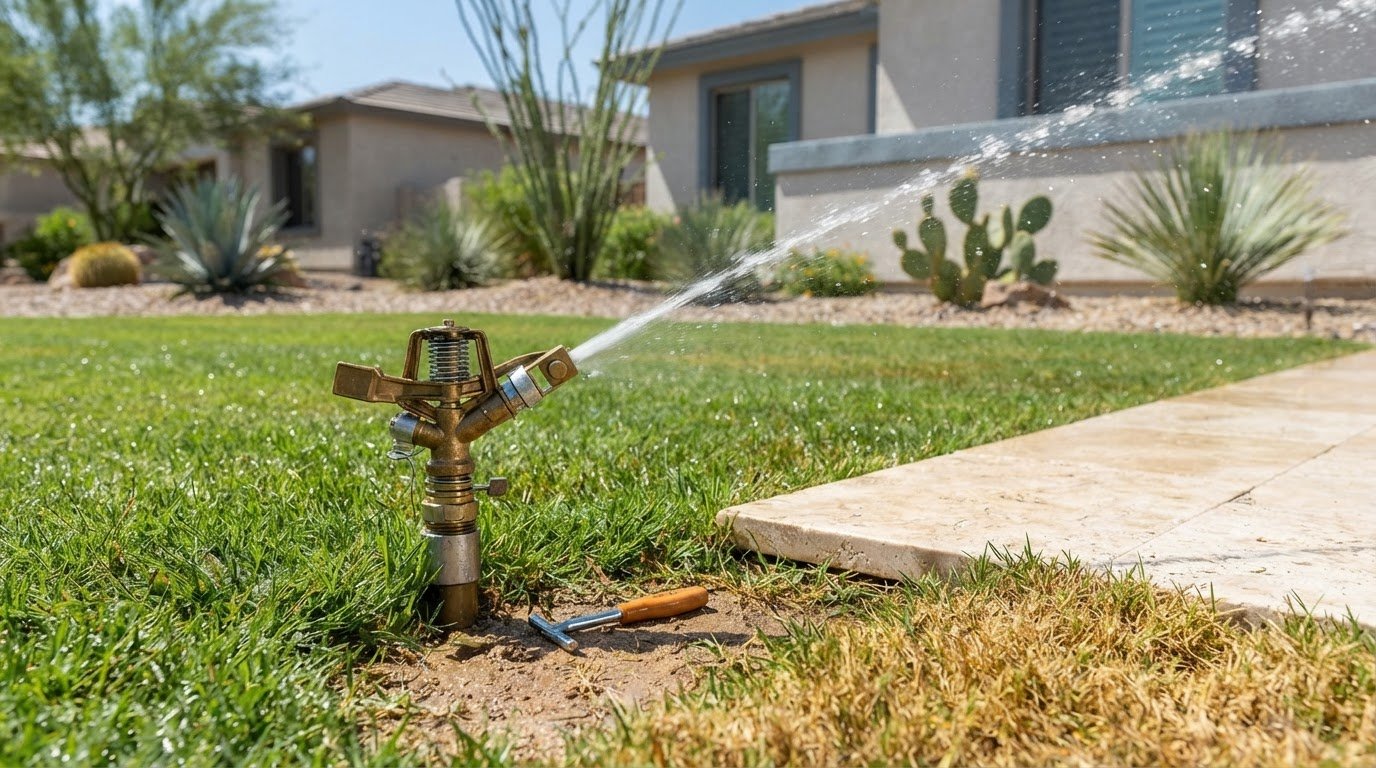
A tree can look watered while a clogged emitter leaves part of its root zone dry. Reliable drip line maintenance for citrus trees starts with measuring emitter output and checking how evenly water reaches the soil. A flow rate of 1 to 2 gallons per hour suits fruit trees, while mature citrus may need around 1 to 1.5 inches of water per week during the growing season.
It’s easy to judge an irrigation system by whether it turns on, but that doesn’t show whether each tree gets the intended amount of water. Effective drip line maintenance for citrus trees includes checking for slow leaks, blocked emitters, and pressure changes that can disrupt delivery without an obvious warning.
This guide explains how to spot faults, compare flow, assess soil moisture, and build a preventive maintenance routine. With consistent drip line maintenance for citrus trees, you can catch uneven watering early and adjust as trees grow and conditions change.
Key Takeaways
- Compare emitter output across the line to spot clogs, leaks, or uneven pressure before trees show signs of stress.
- Track run time alongside measured flow to estimate how much water each tree receives, then adjust for soil moisture and tree needs.
- Use a simple maintenance log and alerts to flag missed inspections, unusual flow changes, and follow-up repairs.
- Inspect and flush the system regularly, paying close attention to filters, emitter openings, and line ends where debris can collect.
- Clear accessible clogs and flush lines methodically; persistent faults or recurring pressure problems may call for irrigation repair.
Detecting clogged emitters, leaks, and pressure drops
Walk each citrus row while irrigation runs, then compare emitter output and inspect the soil around every tree. Salt crust can form as water evaporates and leaves dissolved salts behind; maintain even watering, and use a suitable leaching irrigation when salt accumulation affects the root zone.
-
Check Emitters, Filters, and Hoses
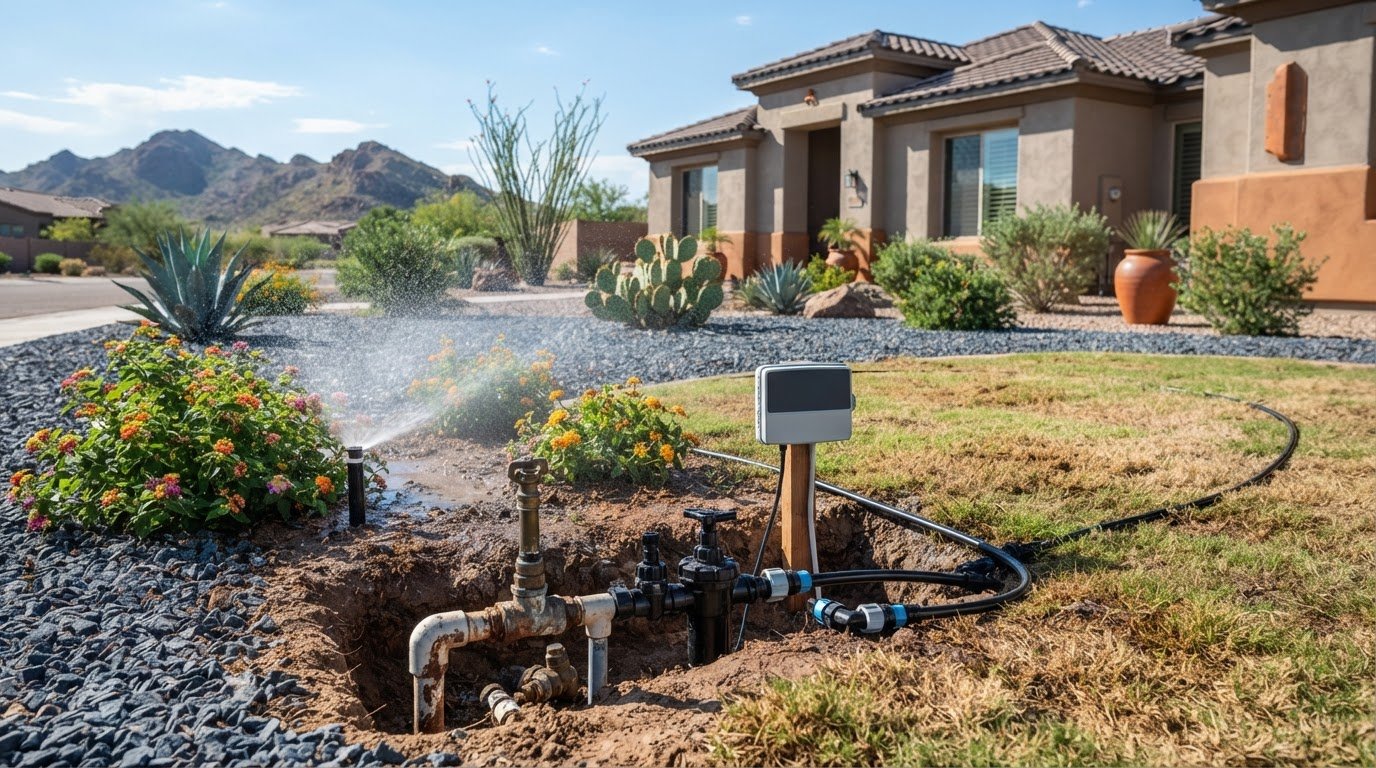
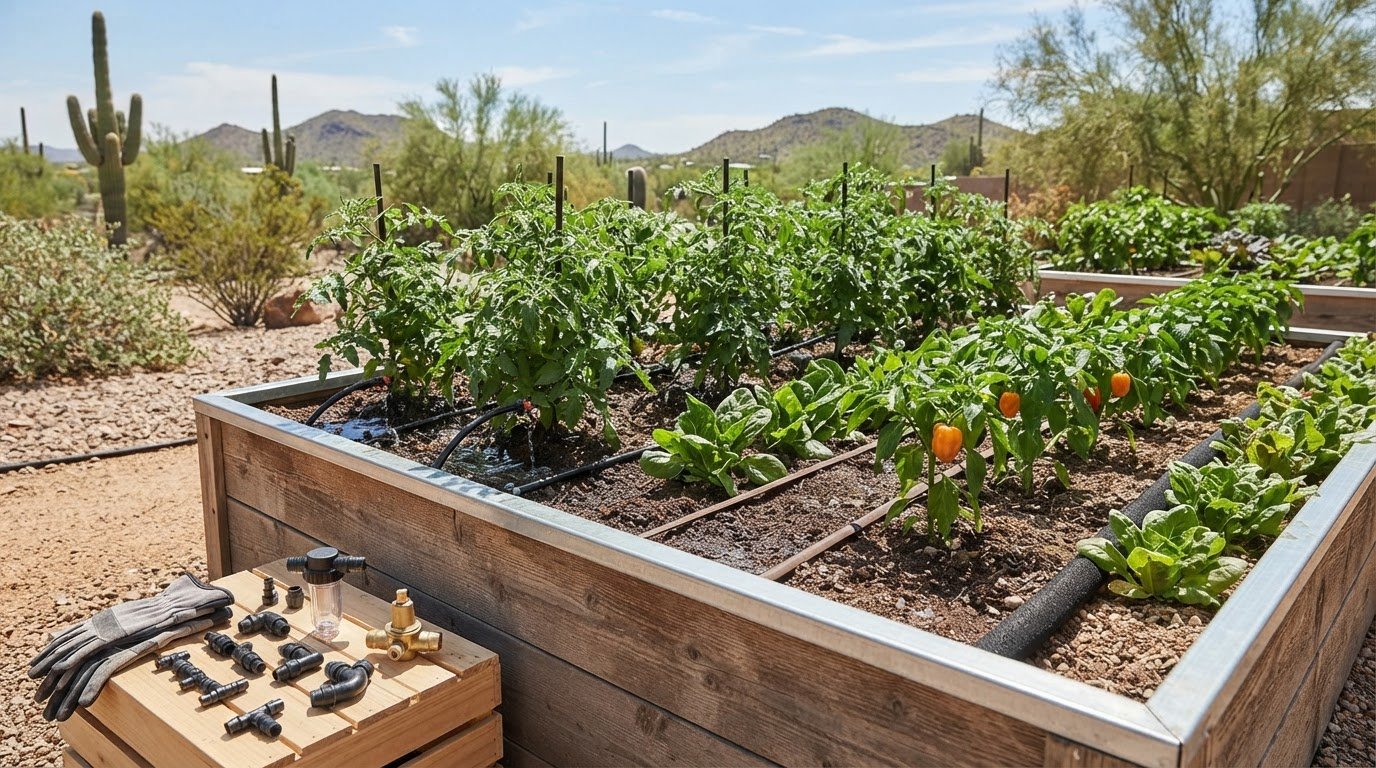
Run one irrigation zone and inspect every emitter, filter, and hose connection, from the supply line to the last tree. Look for blocked openings, cracked tubing, wet patches, and emitters delivering less water than nearby units. Clear debris from filters and compare output at both ends of the line. A consistent difference can point to a clog, leak, or pressure loss.
-
Unclog Emitters and Flush the System
Turn off the system before removing an accessible emitter for cleaning, and follow its design rather than forcing a tool through the opening. Clear debris from the filter, open line ends designed for flushing, and run water until it flows clear. Refit components securely, restart the zone, and compare emitter output again. Replace damaged parts that continue to leak or remain blocked.
-
Trace Pressure Changes Along the Row
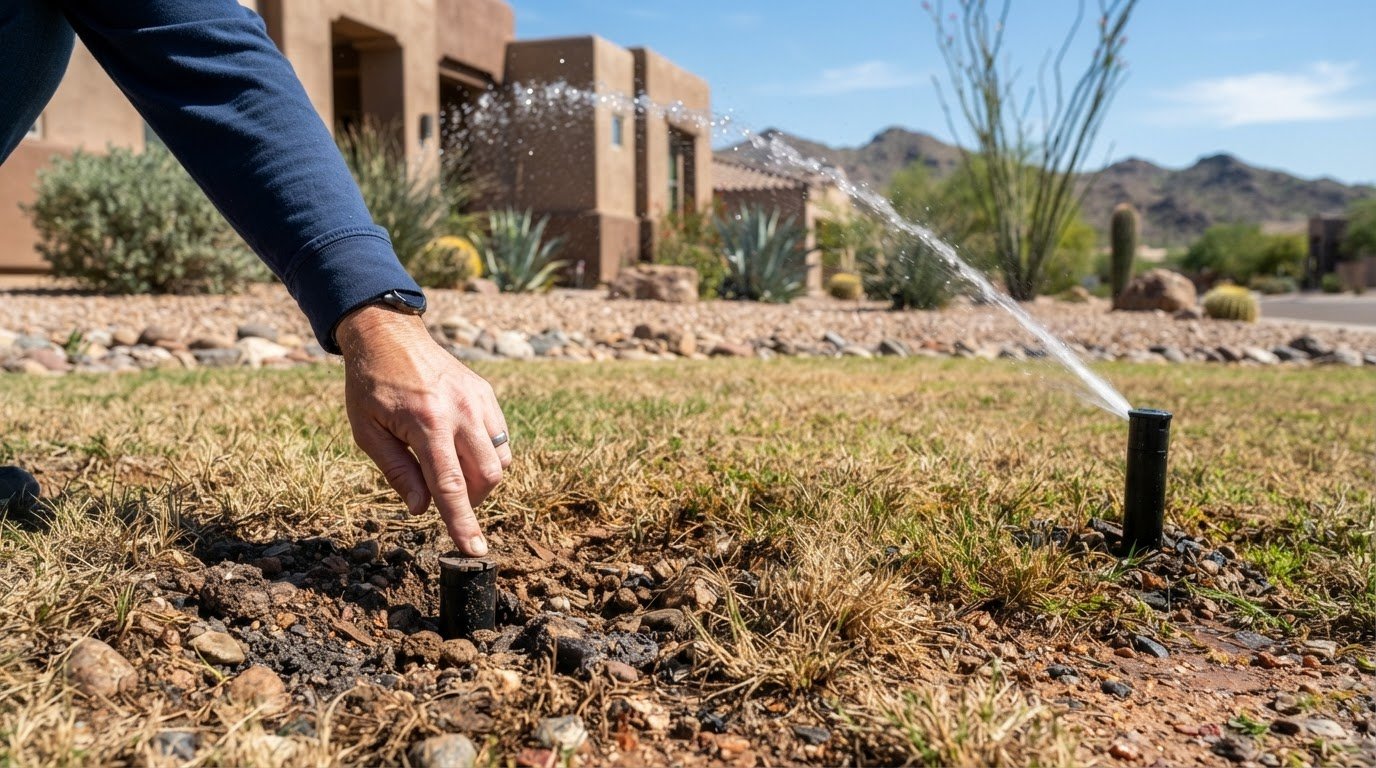
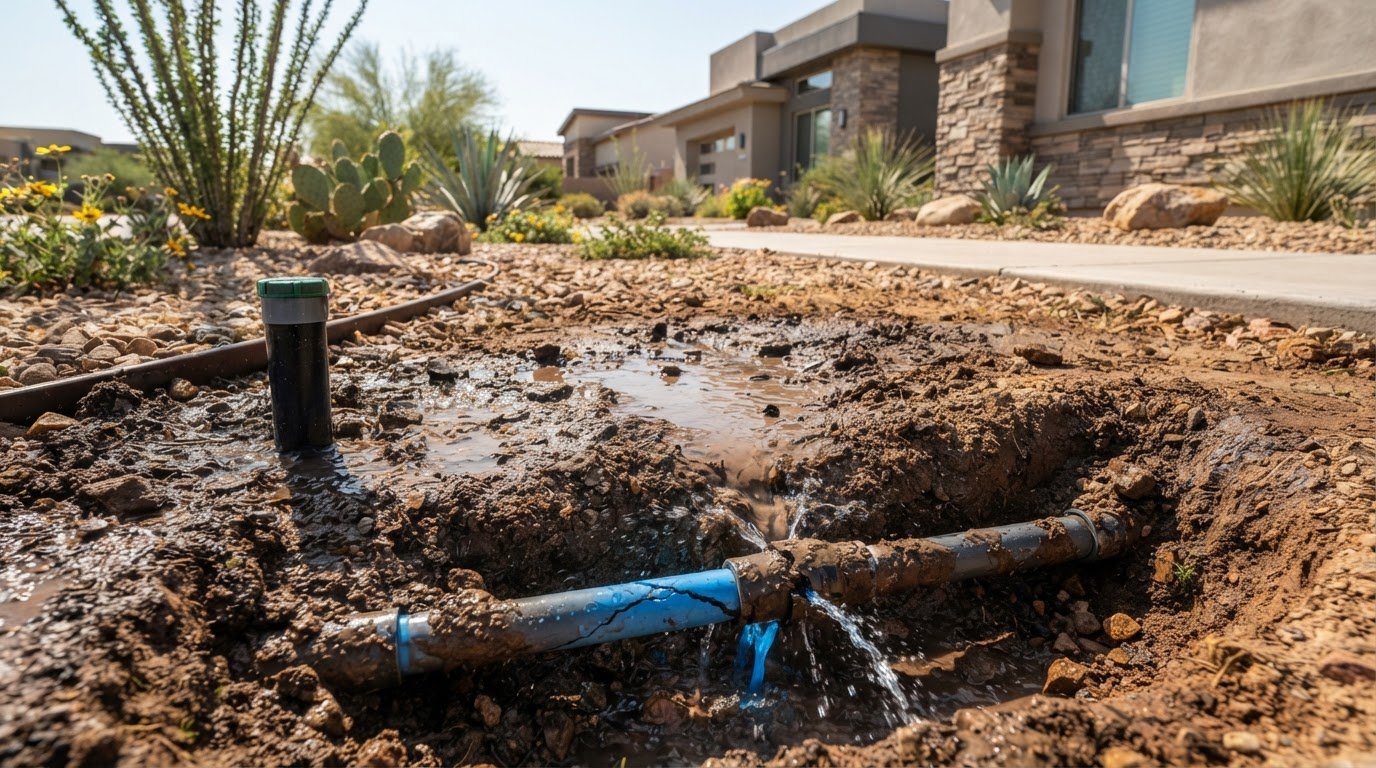
Notice whether weak flow affects one emitter, several emitters, or a whole row. A single weak outlet suggests a local blockage; reduced delivery across a section can indicate a leak, dirty filter, or pressure issue. Check for soft, saturated soil around fittings and visible water escaping from tubing. On sloped ground, pressure-compensating emitters can help maintain more consistent flow despite elevation changes.
-
Review Emitter Placement and Tree Growth
Check that water reaches the active root area, not only the trunk. Citrus drip lines are commonly spaced 30-70 cm apart, with wider spacing used in heavier soils. As the canopy and root zone expand, adjust the wetted area rather than leaving emitters in their original positions. Plan for additional laterals after 3-4 years as the planting develops.
-
Compare Drip Emitters and Microsprayers
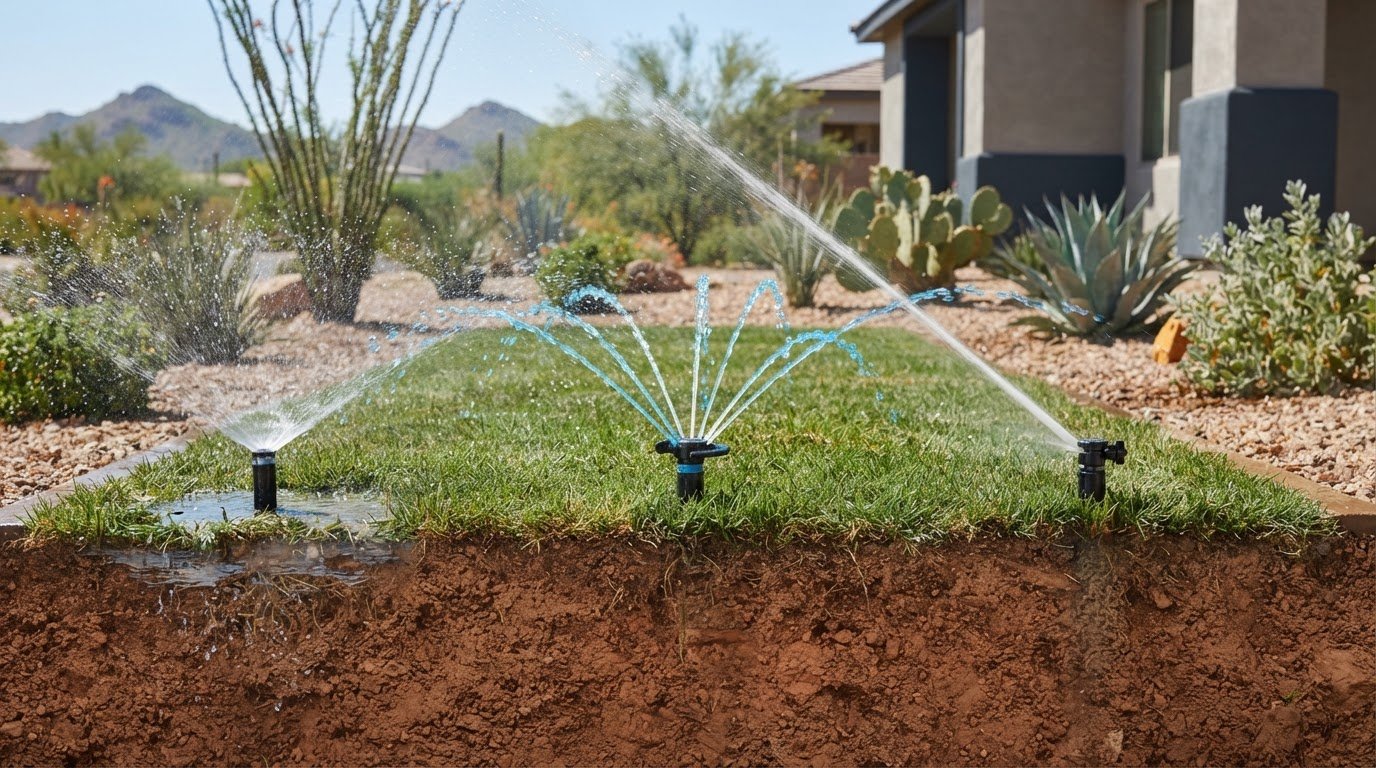
Check the wetting pattern after irrigation. Drip emitters deliver water at fixed points, while microsprayers cover a broader area; blocked outlets or uneven spray can leave dry patches. Confirm that each device wets the intended root zone and that foliage, tubing, or debris isn’t obstructing the spray. Record which trees show uneven coverage for targeted follow-up.
-
Account for Row Layout and Salt Movement
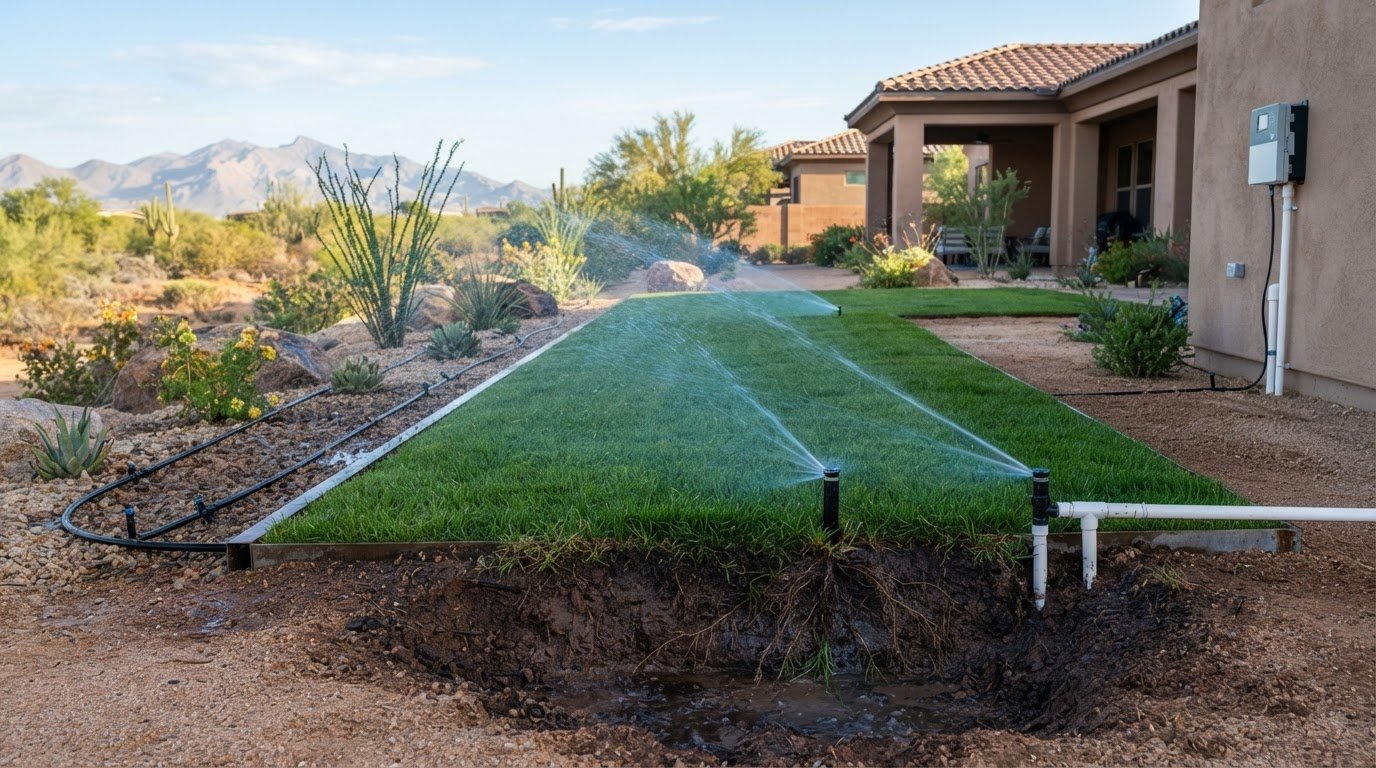
Use the row layout as a baseline when assessing flow. Citrus orchards commonly use two irrigation laterals per row under normal conditions, and infrastructure may be prepared to operate up to 3-4 laterals per row as trees develop. For persistent faults after flushing, record the affected zone and symptoms; troubleshooting recurring irrigation faults can help identify whether the issue lies in the line, fittings, or pressure supply.
Monitoring flow rates and applied water
In the United States, watering restrictions depend on local rules, so check the requirements that apply to your property. Citrus watering intervals also vary with season and soil: mature trees under drip or microsprinkler irrigation are commonly watered every 10 to 14 days from July through September.
- Measure the output of representative emitters before changing run time. Catch water from one emitter for a timed interval, then use the collected volume to calculate its hourly flow. A flow rate of 1 to 2 gallons per hour suits fruit trees. Compare emitters at the start, middle, and end of a line to see whether delivery changes across the row.
- Estimate the water delivered to each tree using emitter flow and operating time. For example, six emitters supplying one gallon per hour each deliver six gallons for every hour the system runs. Multiply that hourly total by the irrigation duration, then record the result alongside the date and zone. Comparing records across watering cycles makes changes in delivery easier to spot.
- Use soil moisture and season together to set an interval. Citrus trees are generally irrigated every 7 to 28 days, depending on season and soil type. Mature trees may need around 1 to 1.5 inches of water per week during the growing season, but that amount doesn’t translate into one fixed run time for every system. Soil texture, emitter flow, and wetted area all affect delivery.
- Check moisture before the next cycle instead of relying on the controller alone. Citrus soil should be allowed to dry to about 6 inches deep before the next irrigation. If the surface looks dry but soil at that depth remains moist, avoid adding water just because the top layer has changed. If the root zone dries sooner, review measured flow and run time together.
- Keep a simple log with flow readings, run duration, soil condition, and seasonal changes. For mature citrus under drip or microsprinkler irrigation, compare your schedule with the 10 to 14 day interval used from July through September, then adjust for soil and observed moisture. If measured delivery stays uneven after basic checks, discuss irrigation system concerns with a specialist.
Water demand can vary widely: depending on tree size, citrus water use can reach 17 gallons per day in winter and 135 gallons per day in summer. A 14-foot-canopy navel orange tree requires 29.5 gallons of water per day in July. For volume conversions, one cubic foot of water equals 7.5 gallons. A hose flowing at five gallons per minute applies 150 gallons when left running for 30 minutes, illustrating how quickly an unchecked source can add water.
Preventative maintenance and fault alerts
Build a maintenance record for each irrigation zone, not just the controller’s watering schedule. A dated log helps distinguish a developing fault from a one-time change in soil or weather.
- Establish a baseline once you’ve confirmed the system is operating normally. Record the zone name, operating duration, pressure behavior, and representative emitter output. Note where filters, valves, line ends, and repairs are located. A simple sketch of the citrus rows and valve locations, for example, makes later inspections easier to repeat consistently.
- Set calendar reminders for recurring inspections of filters, hoses, and visible fittings. Tie them to useful points, such as the start of a growing season, a system adjustment, or a repair. Give each reminder a specific task, such as “inspect the north row,” rather than a general prompt to check irrigation.
- Set a separate reminder whenever conditions differ from the baseline. A zone that runs but leaves part of a row dry, a new wet patch, or an unusual change in delivery warrants a follow-up inspection. Log the affected row and date, then check the same area during the next system run. This creates a useful fault history instead of relying on memory.
- Link reminders to the work performed. After cleaning a filter, flushing a line, or replacing a damaged fitting, record the action and schedule a follow-up observation. If an emitter was repeatedly blocked, note whether its output stays steady after cleaning. A recurring problem in the same location may point to an upstream issue that needs further diagnosis.
- Review the alert log whenever the irrigation layout changes. Tree growth, relocated tubing, or added laterals can make an old zone map and inspection route inaccurate. Update the map and assign new labels to affected valves or rows. A clear record helps anyone maintaining the system connect a warning, such as uneven watering, to the correct section.
- Keep reminders practical and specific. A calendar entry can prompt a visual inspection, while a note can identify which rows need attention after a fault. Don’t treat a reminder as proof that the system is working; use it to trigger an inspection and record what you find. Over time, those entries reveal recurring patterns and help prioritize preventive work.
How often should drip lines be inspected and flushed for citrus trees?
- Inspect the system while it runs instead of relying only on the controller. Walk each citrus row and look for blocked emitters, damaged tubing, leaks, and uneven wetting. Check the filter during the same inspection. Because debris and water conditions vary between systems, use changes in flow or visible buildup to decide when cleaning and flushing are needed.
- Check the lines before the growing season’s watering schedule becomes routine. Run each zone and compare delivery at the beginning and end of a row. Look for emitters that start slowly, stop, or deliver noticeably less than nearby outlets. Record problem locations. This early inspection gives you a reference for later checks as watering needs and system use change.
- Flush a line when you find debris, restricted flow, or sediment at an outlet. Clean the filter first, then open line ends designed for flushing and let water carry loose material out. Close the ends and run the zone again. Check the same outlets to see whether delivery has improved. Flushing doesn’t replace damaged tubing or emitters that need replacement.
- Inspect the system again after repairs, layout changes, or a noticeable shift in water delivery. For example, adding a lateral as citrus trees grow can change which lines and connections need attention. Check affected rows while the system runs, then record the repair and results. A recurring fault in the same place deserves closer attention than a one-time debris blockage.
- Set the next inspection based on what you see, not an arbitrary flushing interval. If a filter collects debris or emitters clog again soon after cleaning, look more closely for the source. If outlets stay clear and flow remains consistent, continue regular checks and note the results. This responsive routine ties maintenance to actual system conditions and helps catch small restrictions.
- Keep your inspection route consistent: follow each line from its filter and connection to the final emitter. Check for wet soil around fittings, dry patches near trees, and visible damage as you go. Clear filter debris and replace broken components when found. Recording these observations helps distinguish normal changes from developing faults and makes the next inspection more focused.
How do you unclog drip emitters and flush a citrus irrigation system?
- Shut off the irrigation zone before opening a filter or removing an emitter. Note the affected tree and outlet so you can compare results afterward. Check whether nearby emitters are also restricted. A single blocked outlet may need local cleaning, while several weak outlets can point to debris farther upstream.
- Remove a clogged emitter carefully, following its fitting style. Rinse off loose debris and inspect the opening for mineral deposits or damage. Don’t force a pin or sharp tool into the outlet, since enlarging it can change its flow. Replace an emitter that remains blocked or has a cracked body.
- Clean the filter before flushing the line, so trapped debris doesn’t immediately reach the emitters again. Remove collected material and rinse the filter screen with clean water. Reinstall it securely, then check its housing for leaks after restarting the zone. A neglected filter can restrict delivery throughout the connected section.
- Open line ends designed for flushing, then run the system so water carries loose sediment out. Work through one zone at a time and watch the discharge. Securely close each line end once the water runs clear. Restart the zone and inspect the outlets, nearby fittings, and soil around the citrus trees.
- Check for salt buildup separately from loose debris. Evaporation can leave salts behind near emitters, while flushing removes material carried through the tubing. Citrus drip or microsprinkler systems used to leach salts from soil are usually run for 12 to 24 hours. Treat that as soil leaching, not a routine emitter-cleaning duration.
- Compare the repaired area with unaffected outlets after cleaning. If the same emitter clogs again, note its location and inspect the filter and upstream line for a continuing source. Look for damaged tubing or fittings if flow remains uneven. For persistent blockages or recurring leaks, request help diagnosing irrigation faults.
After flow is restored, keep checking drip emitters regularly for clogs or damage; clear debris from filters and replace broken components. Make these checks part of ongoing care rather than waiting for a tree to show uneven watering. Emitter numbers vary with tree size and establishment needs, so do not assume that the same layout suits every citrus tree. Smaller fruit trees can be irrigated with single or two drip emitters. A gardener describes a tree-watering ring with about 3 emitters, another arrangement to consider when reviewing how water is delivered around a tree.
For immature fruit trees with a canopy diameter under 15 feet, the page recommends at least one emitter for every 2.5 feet of canopy. Larger fruit trees may require six emitters under the canopy. A newly planted fruit tree near established plants should receive three or more emitters for root establishment. Use these recommendations when inspecting a repaired zone: compare the emitter layout with the tree’s size and planting situation, then continue checking for clogs or damage, clearing filter debris, and replacing broken components.
Sonora Sprinkler: Irrigation Repair
Sonora Sprinkler Inc. provides irrigation repair for citrus systems with recurring leaks, damaged tubing, or uneven delivery that persists after cleaning. Repairs address faults that affect water flow, while drip irrigation installation can help when an existing layout needs a new drip system. If repeated emitter problems suggest a wider system issue, an irrigation system review can identify what needs attention.
Keep notes on affected rows, visible leaks, and changes in emitter output. These details help clarify the problem and guide the next repair step. For persistent faults that disrupt water delivery to your citrus trees, contact Sonora Sprinkler Inc. to discuss irrigation repair.
Keep Your Citrus Irrigation Ready for What Comes Next
As citrus trees grow, their root zones and watering needs change. Use your maintenance notes as a working record, updating them after repairs, seasonal adjustments, or layout changes. That history can help you recognize when a familiar pattern shifts and decide what needs attention next. Consistent drip line maintenance for citrus trees supports informed decisions over time, rather than relying on a schedule that may no longer suit the orchard.
For persistent faults or a system that needs a broader update, Sonora Sprinkler offers Irrigation Repair, Irrigation Installation, and Drip Irrigation Installation. The right next step depends on whether the issue is a damaged component, an aging layout, or a need for new drip lines. Contact Sonora Sprinkler to discuss your citrus irrigation system and keep your trees on a sound path forward.
Frequently Asked Questions
What drip emitter flow rate and spacing are best for citrus trees?
A flow rate of 1 to 2 gallons per hour suits fruit trees, with citrus drip lines commonly spaced 30-70 cm apart. Heavier soils generally call for wider spacing. Tree size also affects the setup: citrus systems commonly use two to six emitters per tree. For example, a larger canopy may need more outlets to spread water across its root area, rather than concentrating delivery beside the trunk.
How should drip-line placement change as a citrus tree grows?
Move emitters outward as the tree’s active root area expands, keeping the wetted area beneath and beyond the canopy rather than close to the trunk alone. Check the soil after watering to see where moisture reaches. If roots have grown beyond the current wet zone, reposition or extend the line. This keeps water aligned with the developing root area instead of the original planting footprint.
How can you tell if citrus trees are getting too much or too little water from drip lines?
Check moisture within the root zone, not just at the surface. Soil that stays saturated after watering, or water that runs away from the tree, can indicate excessive delivery. If soil around the emitters dries quickly while nearby root areas remain dry, coverage or flow may be insufficient. Compare the same locations after separate watering cycles, noting changes with the season or soil texture.
How do you check drip-line pressure and find leaks or uneven flow?
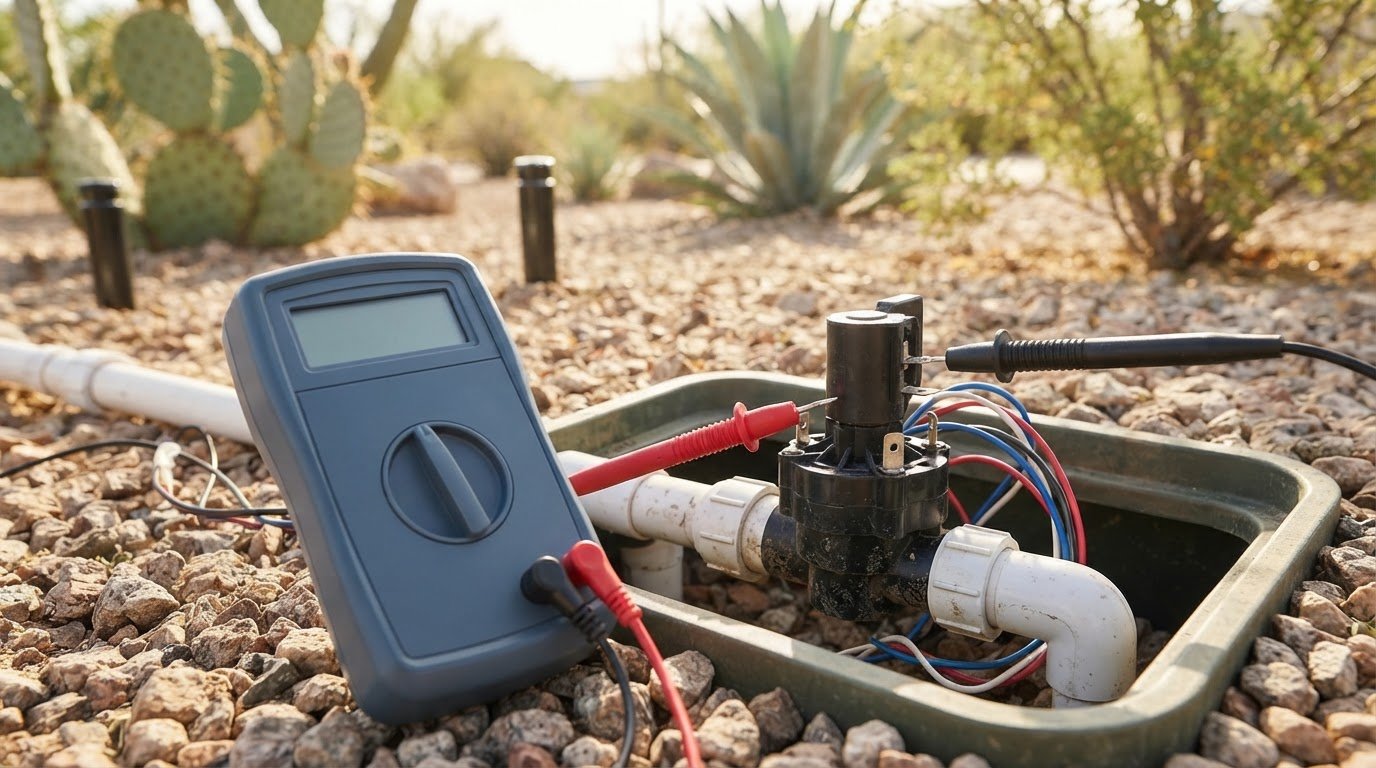
Run one zone and compare output from emitters near the line’s start and end. A pressure gauge at an accessible test point can help identify a pressure change, while a visual inspection can reveal leaks. Look for persistent wet soil around fittings and dry areas near trees. If an entire zone appears weak, inspect shared components; a problem limited to one outlet may be local.
How often should drip irrigation filters be cleaned or replaced?
Clean a filter when debris is visible or reduced flow suggests a restriction, rather than following an arbitrary replacement interval. Turn off the system, remove trapped material, and inspect the screen for damage before reinstalling it. Replace a damaged screen that can no longer retain debris properly. For citrus irrigation at homes in Surprise and Peoria, record the filter’s condition alongside flow changes to make future checks more useful.