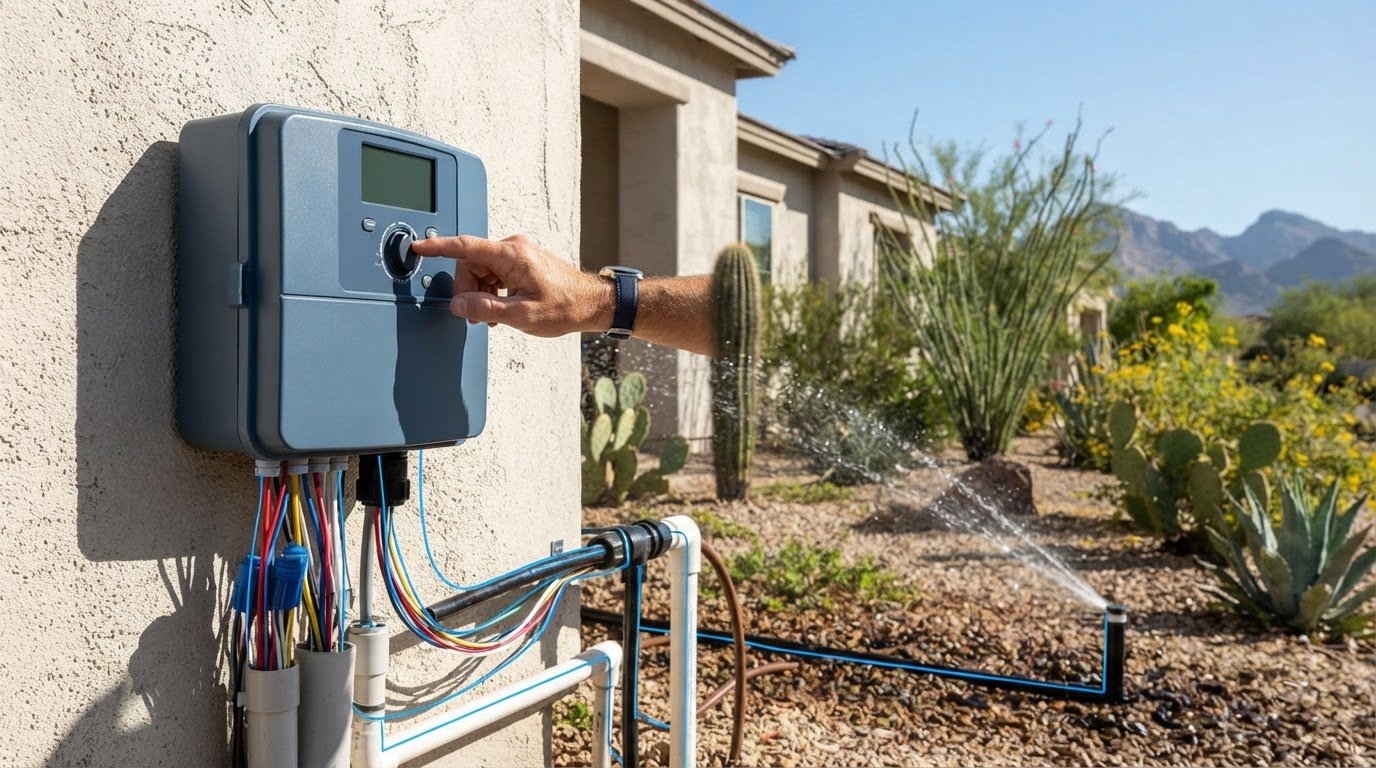
An old sprinkler system isn't automatically due for full replacement. Golf-course irrigation systems have an approximate expected lifespan of 10 to 30 years, and upgrading an old sprinkler system in Surprise may mean improving selected components rather than replacing the entire setup. Age is a useful prompt to assess performance, not the only measure of whether a system still serves your property well.
It makes sense to question an irrigation system that leaves dry patches, leaks, or waters unevenly. Controls, valves, wiring, pipes, and sprinkler heads all affect performance, so upgrading an old sprinkler system in Surprise starts with identifying what is failing and what still works.
This guide explains how system lifespan relates to condition, which modernization options can improve efficiency, what influences project cost, and which warning signs deserve attention. You’ll also learn why a phased upgrade may be practical when the system has working components worth keeping. With a clearer picture of the likely needs and trade-offs, you can make a more informed decision about maintaining or modernizing your irrigation.
Key Takeaways
- Use system age as a reason to assess performance, not as the sole reason to replace everything; inspect how well each component works together.
- Learn how nozzle choice and pressure regulation can help deliver water more evenly across different areas of the landscape.
- Understand how updated controls, sensors, and diagnostics can help match irrigation to changing conditions and reveal system problems.
- See which project details influence modernization scope, duration, and cost, so you can compare repair, partial upgrades, and broader improvements.
- Recognize warning signs such as uneven coverage, leaks, and recurring control or wiring issues, and identify when repair or redesign may be appropriate.
How long should an irrigation system last?
Irrigation systems don’t have one fixed lifespan. U.S. golf-course irrigation systems have an approximate expected lifespan of 10 to 30 years, while their control systems are expected to last 10 to 15 years. These ranges offer context, but a residential system’s condition, design, and maintenance matter more than age alone.
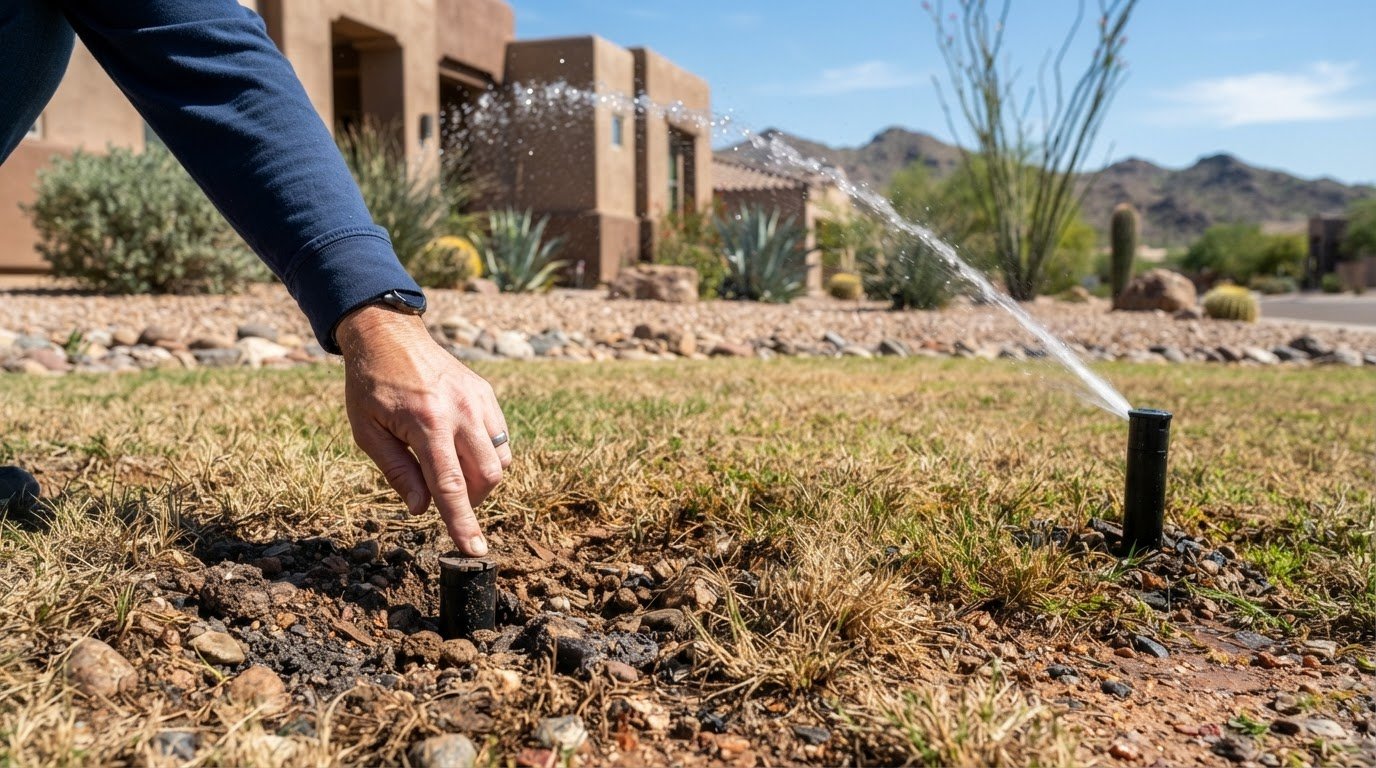
Assess the system as a connected network, not by judging a single sprinkler head. Run each zone and look for dry areas, overspray onto pavement, weak or uneven spray, leaks, and heads that fail to rise or rotate. Compare the watering pattern with the planting layout. A zone serving different plants or areas with different sun exposure may need a design adjustment, even if its components still operate.
Inspect accessible components, too. A controller that misses its schedule, damaged wiring, leaking valves, and cracked or repeatedly repaired pipe can point to different problems. Finding the underlying cause helps distinguish a targeted repair from a wider upgrade. For example, a dry patch may result from a blocked nozzle, low pressure, a leak, or a layout that no longer suits the planting area.
Keeping existing pipes during modernization can make sense when they remain intact and work with the revised layout. PVC pipe under pressure in irrigation systems has an expected lifespan of 10 to 30 years. That range isn’t a pass-or-fail test: visible leaks, weak delivery, and repeated failures are practical reasons to inspect a line before retaining it. Where only some sections are damaged, replacing those sections may preserve usable pipe elsewhere.
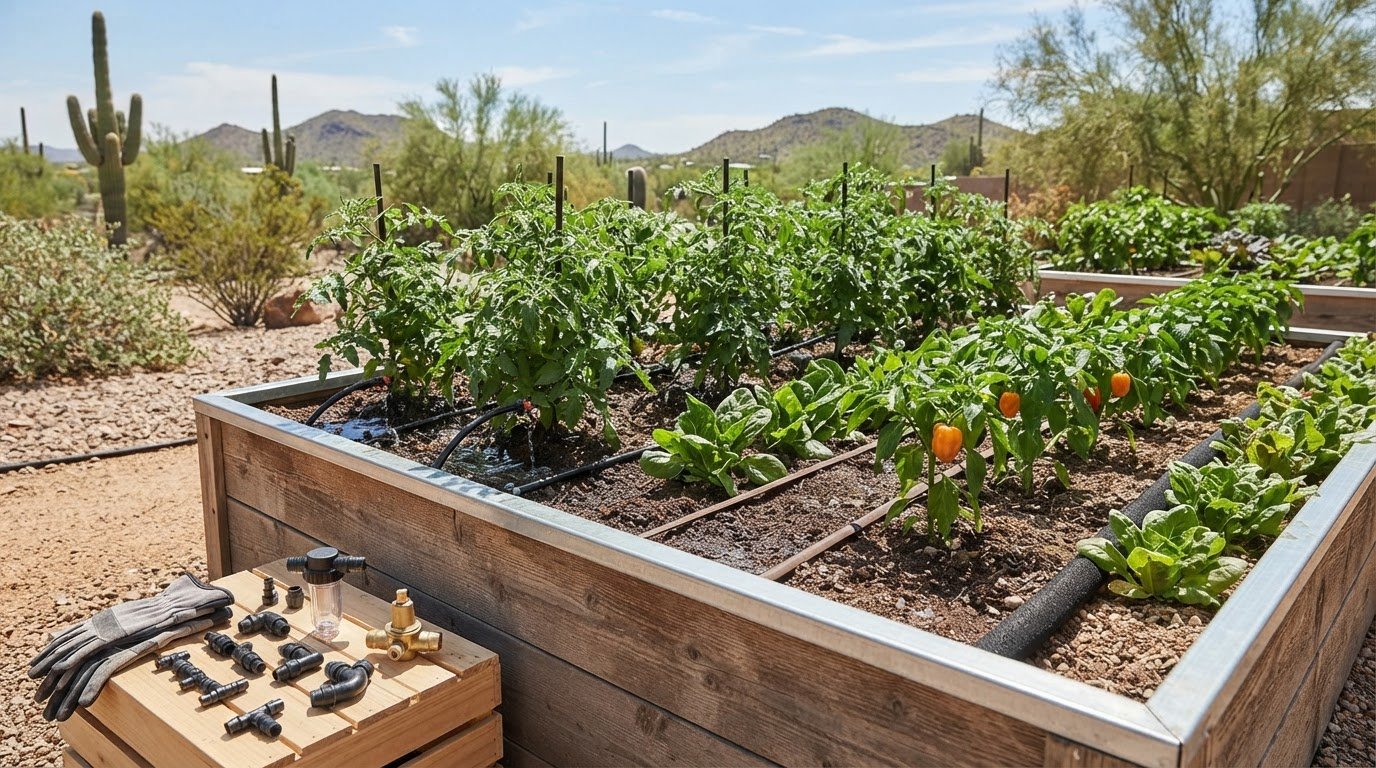
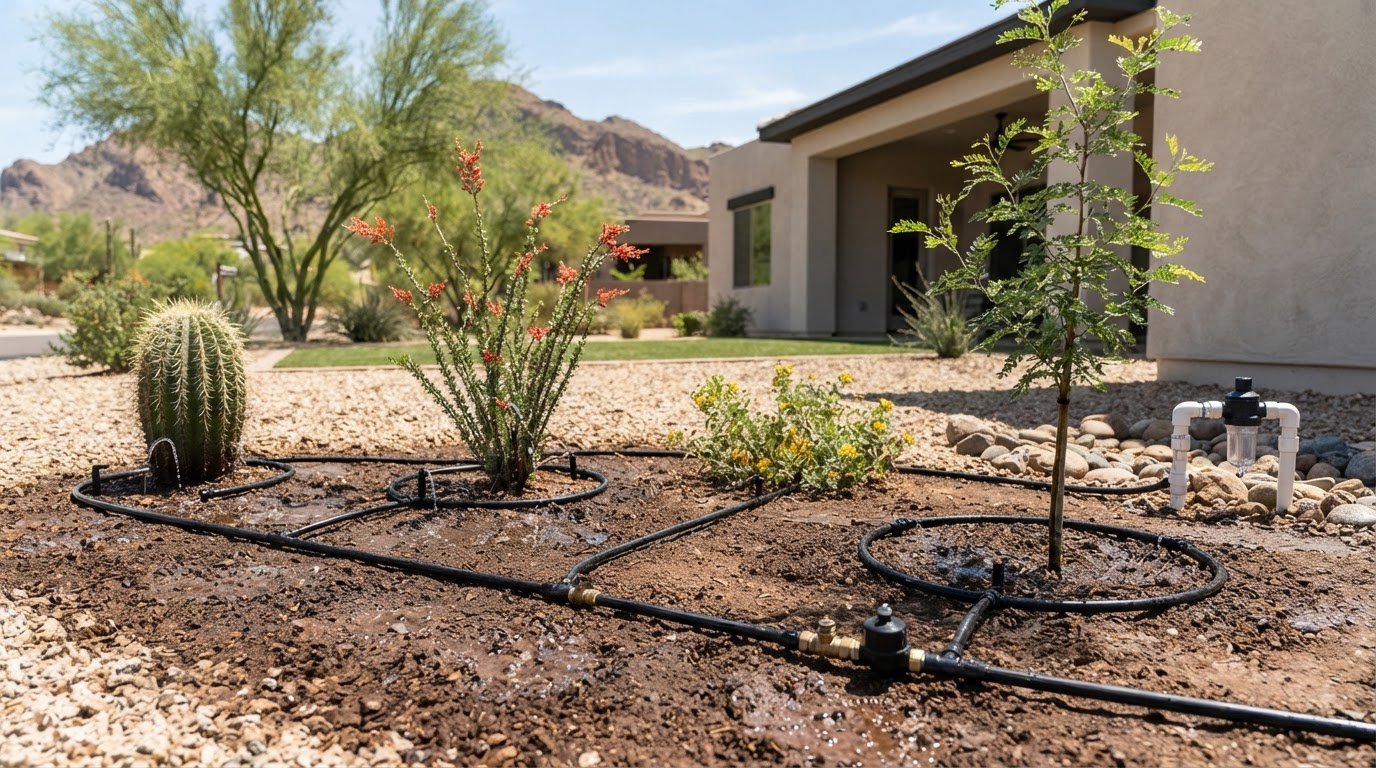
Can an old sprinkler system be converted to drip irrigation in Surprise? Yes, if the pipe layout, pressure, valves, and planting arrangement can support drip delivery. The design should match the emitters and zones to the plants’ water needs.
What are Surprise Arizona watering restrictions and irrigation rules? Requirements can depend on the property and its water provider. Follow current City of Surprise and provider guidance for applicable schedules or restrictions. A system’s age does not determine which rules apply.
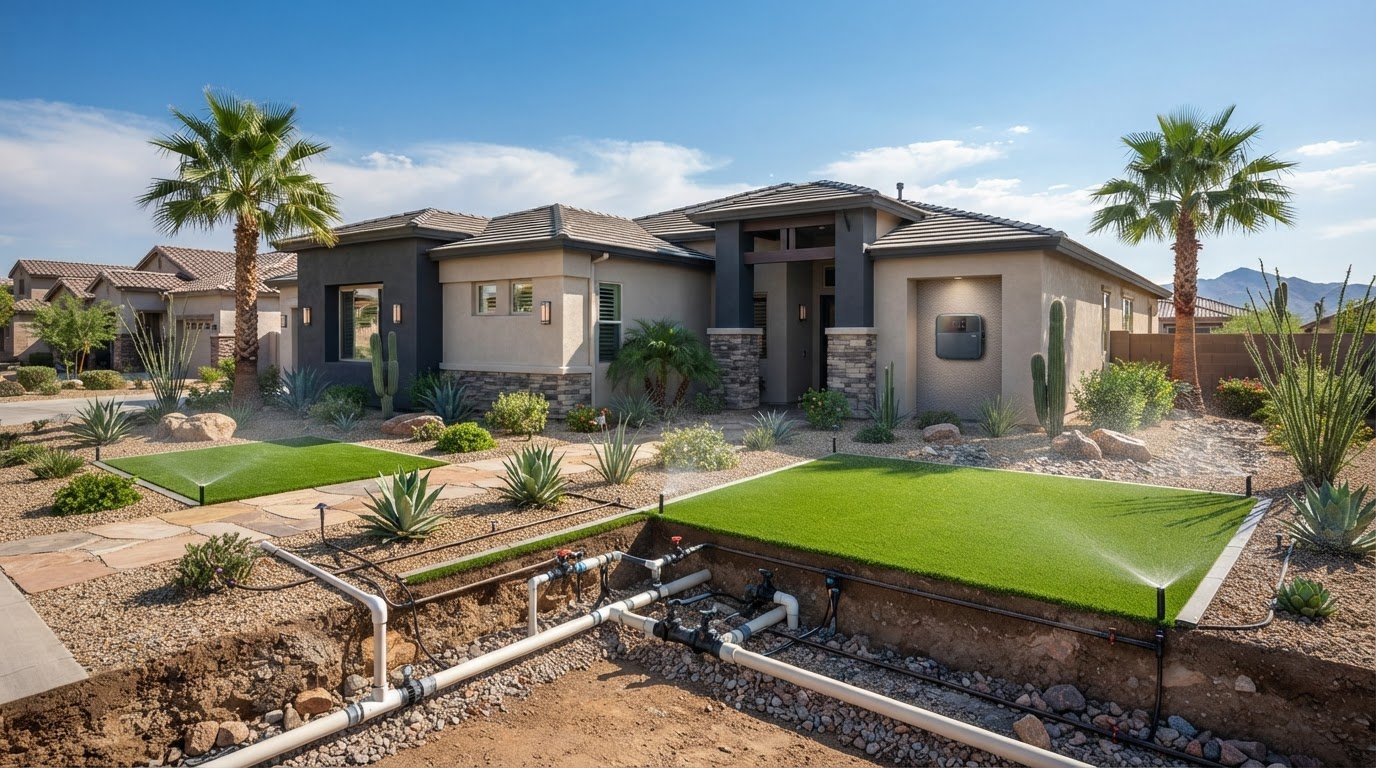
What is the process for upgrading an existing sprinkler system? First, map the zones and assess coverage, controls, wiring, valves, and pipe condition. Then determine what can stay, what needs repair, and which changes suit the planting layout before adjusting or replacing components.
Older equipment isn’t automatically unusable. Toro sprinklers dating back to the 1960s can be renovated, showing why inspection matters more than age alone. For upgrading an old sprinkler system in Surprise, the practical decision comes from matching each component’s condition to the system’s intended coverage.
Efficient nozzles and pressure-regulated sprinkler heads
Nozzle choice and operating pressure affect how evenly a zone waters. In Surprise, matching these components to the planting area can improve coverage without replacing every part.
Which water-efficient sprinkler heads and smart controllers work best in Surprise, AZ? Choose heads that match each zone’s layout and pressure, then pair them with controls that suit the landscape’s watering needs. Smart irrigation upgrades are estimated to reduce homeowners’ outdoor water use by 30-50%.
Efficient Nozzle and Head Options
A nozzle should distribute water in a pattern suited to its planting area, while a pressure-regulated head helps manage pressure at the sprinkler. Mismatched spray can leave dry gaps or send water beyond the intended area. For example, a narrow planting strip needs a different pattern from a broad lawn zone.
Before changing nozzles, compare the existing head type, spray reach, and coverage. A nozzle that throws farther is not automatically a better fit; its pattern should overlap neighboring coverage without wetting pavement or walls. Pressure regulation may help with misting or uneven distribution when pressure is the cause. Assess each zone to determine whether the problem stems from the head, pressure, spacing, or layout.
Water Use and Sprinkler Performance
Water-use efficiency means delivering water where plants can use it, with less loss from overspray, misting, or uneven coverage. Simply reducing run time at the controller will not help if a zone still leaves dry areas or misses plant roots. In a lawn zone, consistent head-to-head coverage distributes water more evenly than isolated spray patterns.
Run each zone and compare its spray pattern with the ground receiving water. Fine mist that drifts away may point to a pressure issue; persistent dry patches may result from spacing or a blocked nozzle. A controller can manage timing, but it cannot correct a physical coverage problem on its own. Address nozzle output and head placement first, then adjust the schedule to the zone’s needs.
- Look for spray crossing sidewalks or driveways.
- Note heads producing mist instead of a clear pattern.
- Compare wet and dry areas within the same zone.
These observations help distinguish a nozzle change from a larger layout adjustment. A lawn zone with inconsistent coverage may need matched heads, while a narrow bed may benefit from a more targeted pattern. The right choice depends on pressure, spacing, plant placement, and the condition of the existing system.
For help evaluating head selection and system layout, discuss your irrigation concerns with a qualified irrigation professional.
Irrigation control systems, sensors, and diagnostics
A controller sets when irrigation runs, while sensors and diagnostics help tailor or troubleshoot its operation. For a Surprise property, these components matter because a schedule alone cannot fix faulty wiring, leaking valves, or uneven zone coverage.
Smart controllers can adjust watering schedules using weather-based information rather than relying only on a fixed program. Smart irrigation upgrades are estimated to reduce homeowners’ outdoor water use by 30-50%. The result depends on how the controller is configured and whether the system’s zones, heads, and valves work as intended. A well-chosen controller can support better scheduling, but it can’t repair a broken component.
Weather-based adjustments can help when outdoor conditions change a property’s watering needs. For example, a rain sensor can signal the system to pause after rainfall, while a weather-based controller can use local conditions to modify a schedule. These controls work best when settings reflect the plants and irrigation zones. A lawn and a drip-irrigated planting bed have different delivery needs, so they should not automatically share one schedule.
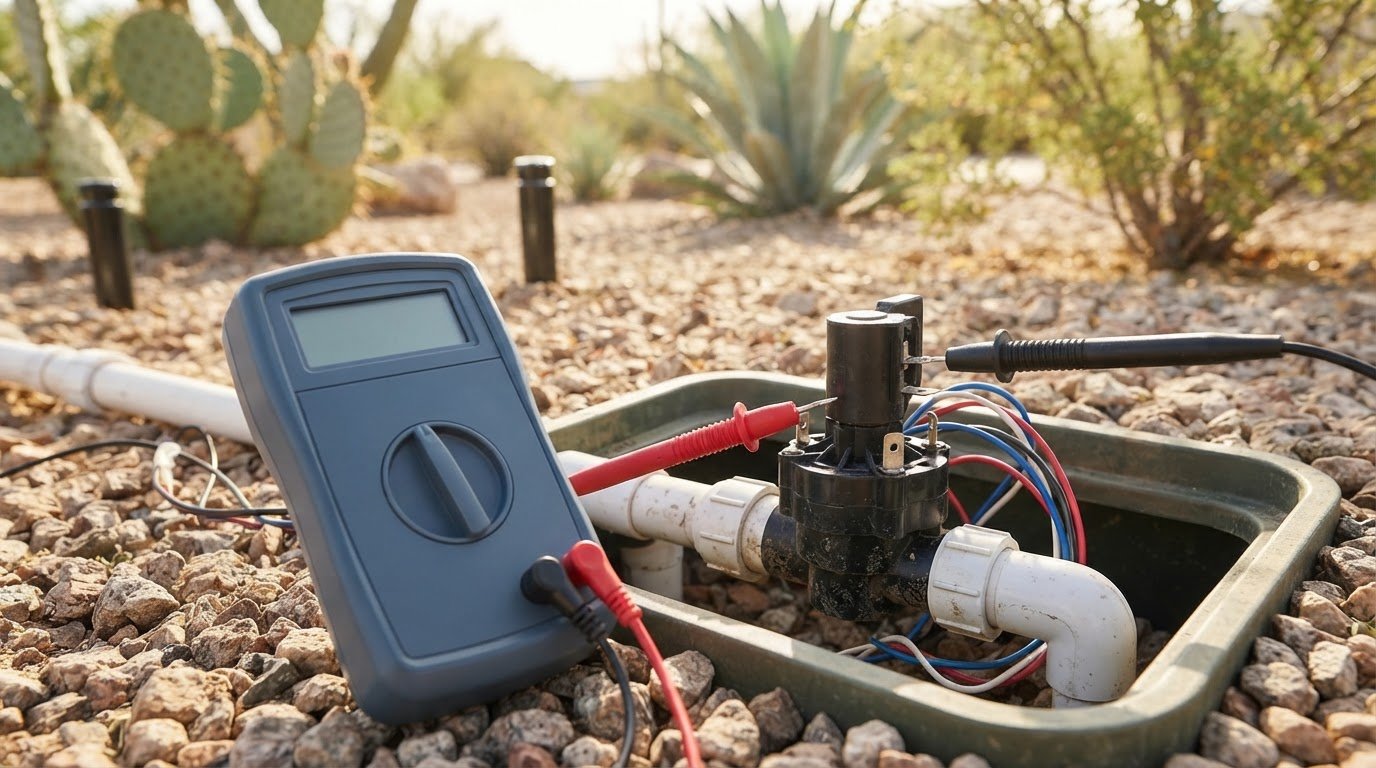
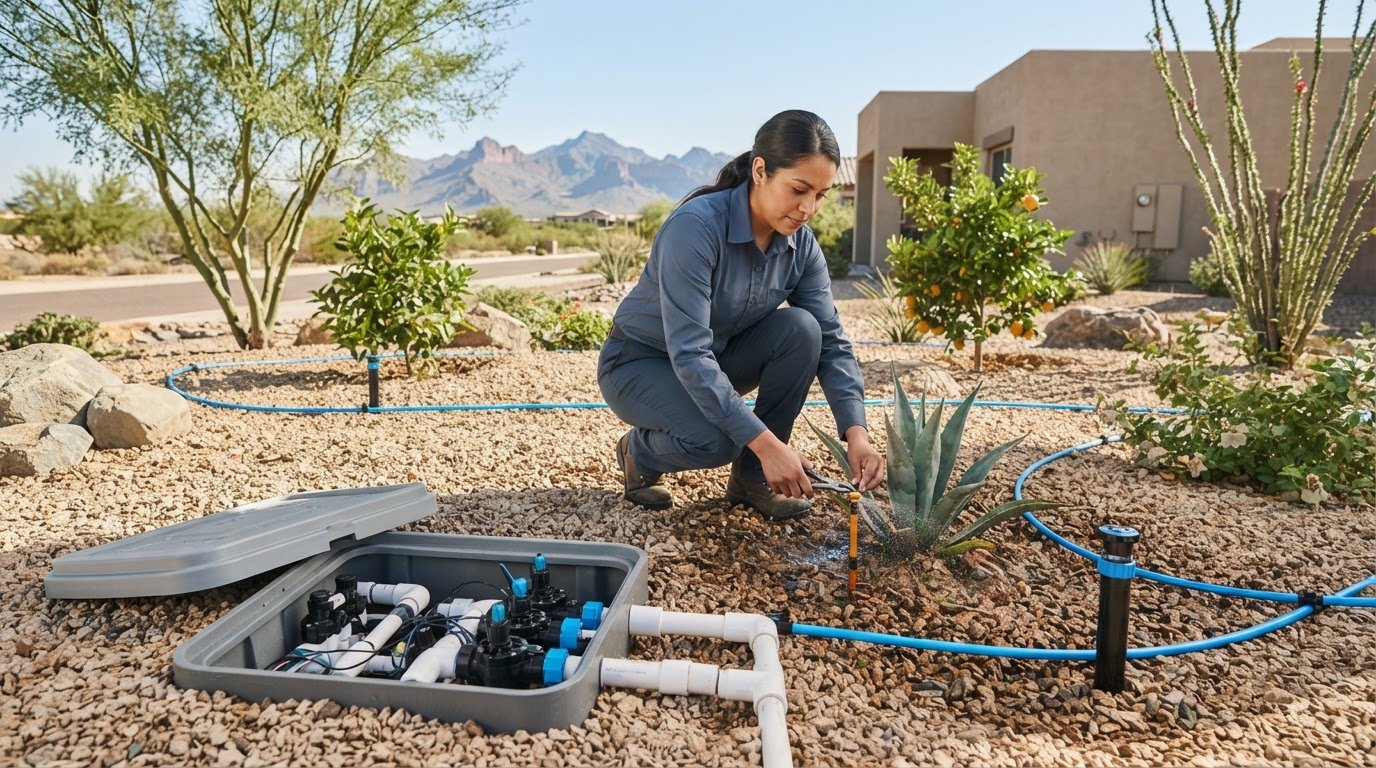
Diagnostics help trace the electrical and mechanical connections between the controller and each zone. If a zone does not start, the cause may be programming, wiring, a valve, or the water supply. When a controller shows an error or a valve fails to respond, testing the control signal and field wiring can narrow down the fault. This helps prevent replacing a controller when a damaged wire or valve is the real issue.
Modernization does not have to happen all at once. One practical approach is to start with the controller and one or two zones, then assess how they perform before updating more areas. This can suit a system with mixed conditions, such as working lawn zones alongside a garden bed that needs a different watering approach. Each phase should remain compatible with the zones that stay.
- Compare the programmed schedule with the actual plant layout.
- Observe whether each zone starts, runs, and shuts off properly.
- Note controller alerts, unresponsive valves, or repeated wiring faults.
Observations help distinguish a settings issue from a component failure. If only one zone fails while others work, the fault may be in that zone’s wiring, valve, or connection. If the schedule runs but plants receive uneven coverage, check the delivery components as well. Controller diagnostics are most useful when considered alongside what happens at the sprinkler heads.
Before changing settings, record the existing program and zone assignments. This baseline makes it easier to identify which adjustment affects coverage, especially on a property with lawn, trees, and drip zones. Accurate programming works best alongside sound wiring and functioning valves, helping a modern controller manage irrigation more effectively.
Modernization costs and project duration
The scope of an upgrade affects both project duration and cost. Replacing a controller differs from rebuilding several zones, replacing damaged PVC, or changing sprinkler coverage across a property. For Surprise homeowners, first determine whether the system needs targeted repairs, selected upgrades, or a broader redesign.
A full sprinkler system modernization typically takes 1-2 days, depending on system size. That timeframe can shift with the number of zones, the condition of valves and wiring, pipe access, and the amount of excavation. Replacing a controller is generally a narrower task than tracing multiple electrical faults or correcting a layout that no longer fits the landscape. Existing components that remain functional can also affect the project’s scope.
The project price depends on the case and is provided after a quote request; key cost factors include system size, the number of zones, component condition, and the work required. For example, a property needing a new controller and a few head adjustments differs from one with leaking pipe, failed valves, and inconsistent coverage. The materials and labor required follow the actual scope, not the system’s age alone.
A clear assessment defines the scope before work begins. Inspect the zones for coverage, leaks, and operating problems, and evaluate the controller, wiring, valves, and accessible pipe as connected parts. This helps identify which components can stay and which need attention. It also reduces the risk of replacing working equipment while missing a fault elsewhere.
A project can be divided into practical phases. For instance, a homeowner might prioritize a faulty valve and uneven lawn coverage before addressing a separate planting area. The sequence depends on which problems disrupt operation most and whether the existing layout can support planned changes. Phasing can keep usable components in service and make the upgrade easier to define.
- System size: More zones generally mean more components to inspect and test.
- Pipe condition: Accessible, intact pipe may remain useful; damaged sections add replacement work.
- Electrical condition: Fault tracing can expand the scope when several zones fail to respond.
- Coverage goals: A layout change may require different heads or zone adjustments.
These factors explain why two properties can need different work even if their systems are a similar age. A compact setup with sound pipe and one control issue differs from a larger property with uneven coverage and several failing components. The number of zones, condition of existing parts, and desired coverage all shape the work plan.
Before approving an upgrade, understand which components will be repaired, retained, or replaced. A defined scope connects each task to a specific problem, such as a leaking line or a zone that does not operate. This makes it easier to see how the planned work addresses the system’s needs.
Signs an old sprinkler system needs modernization
A system’s performance gives clearer clues than age alone. Sprinkler systems considered top-of-the-line 15 years ago may now be outdated compared with modern systems, but the condition of each zone shows whether an upgrade is worthwhile.
Start by observing a full watering cycle. Watch for heads that sputter, fail to rise, spray in the wrong direction, or leave dry and saturated patches within one zone. For example, a lawn strip that stays dry while nearby pavement gets wet may have a blocked nozzle, poor spacing, or a pressure problem. One symptom can have several causes, so note where and when it occurs.
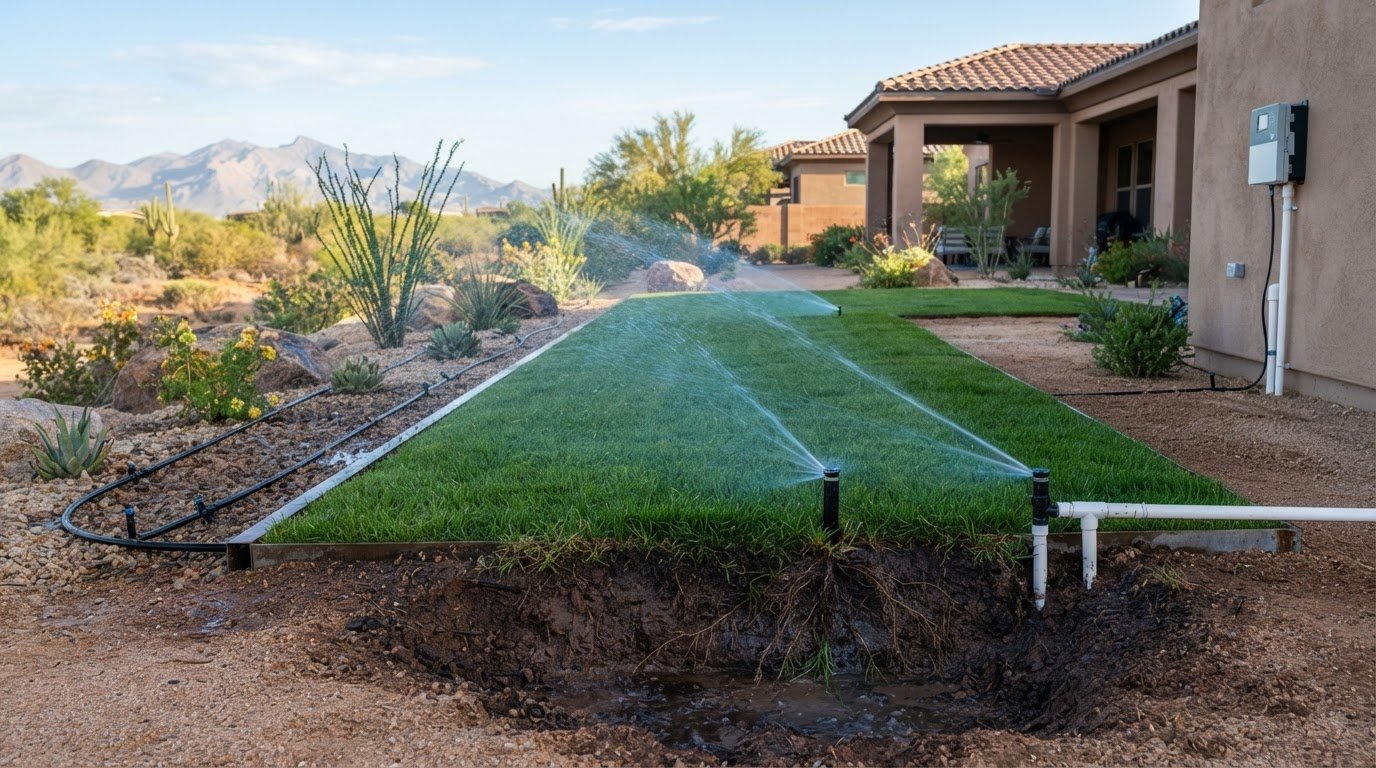
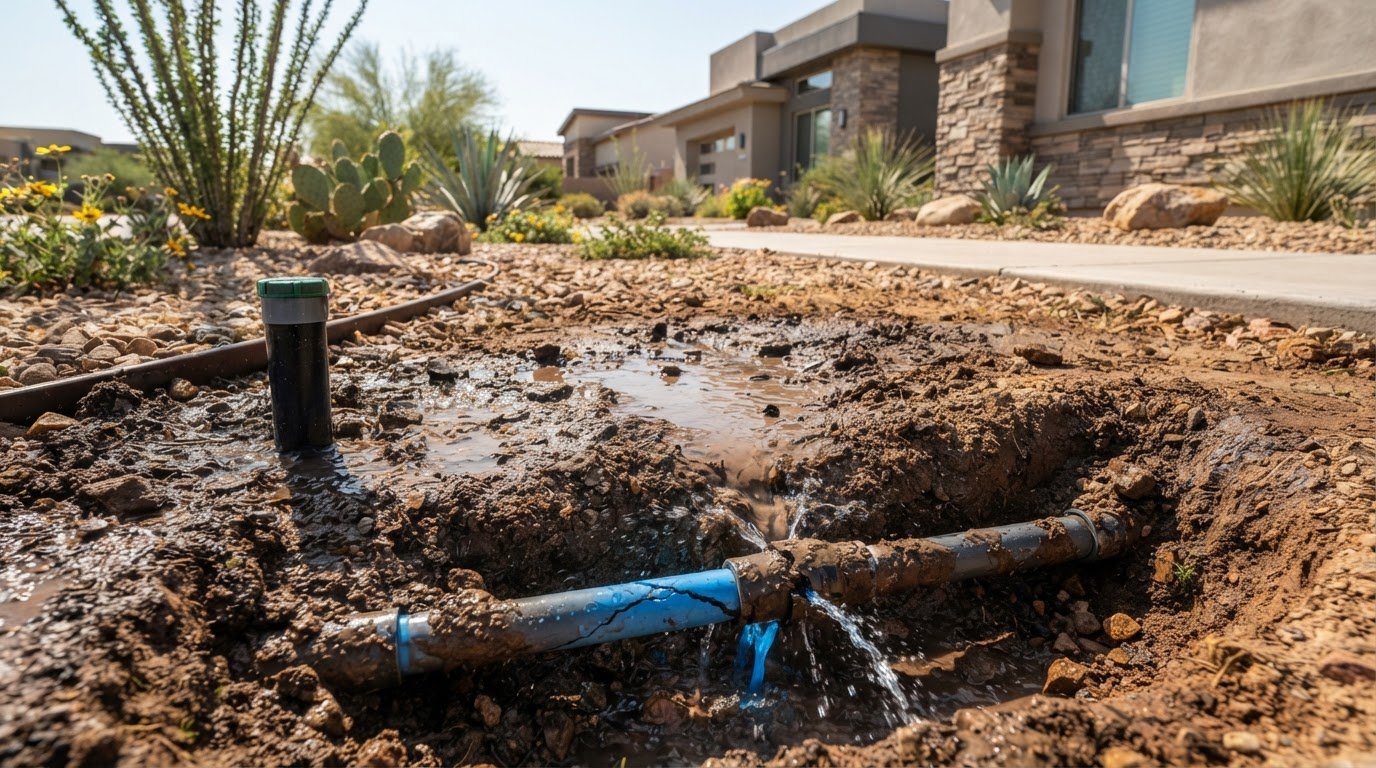
Leaks and recurring repairs deserve attention, especially when the same area repeatedly loses pressure or becomes unusually wet. A valve that will not close can keep a zone running after its scheduled cycle. A cracked pipe may cause pooling or a soft patch of ground. These signs can help distinguish an isolated component failure from a system-wide pattern.
Controls and wiring can reveal a different set of problems. A schedule that no longer suits the planting layout, zones that fail to start, or a controller that loses its settings can affect operation. If several zones stop responding, investigate the control system and wiring instead of assuming every sprinkler head has failed. Repeated electrical or valve issues may make a broader upgrade more practical than treating each symptom separately.
Changes to the planting layout matter, too. A lawn converted to planting beds, new trees, or expanded paved areas can make an old zone layout inefficient. For example, a single zone serving both turf and shrubs may not deliver water appropriately to either. A system that still turns on may need redesign if its original coverage no longer fits the property.
Are permits required to replace or modify a residential sprinkler system in Surprise, AZ? Requirements depend on the project’s scope and applicable local rules. A component repair differs from work that changes the system layout or involves associated construction, so determine the requirements for the specific work before it begins.
- Record which zones show dry patches, overspray, or pooling.
- Note recurring leaks, valves that fail to close, and heads that don’t operate.
- Compare the current planting layout with the zones’ coverage.
- Track controller or wiring problems that affect more than one area.
These observations help clarify whether targeted repairs or broader modernization better addresses the problem. If recurring symptoms or changed planting areas point to a design issue, discuss your sprinkler system concerns with Sonora Sprinkler Inc.
Sonora Sprinkler Inc.: Irrigation Repair
Sonora Sprinkler Inc. helps homeowners address aging irrigation equipment with targeted repairs and system upgrades. If a zone leaks, wiring faults interrupt operation, or coverage no longer suits the planting layout, irrigation repair can address the specific problem. For broader changes, sprinkler upgrades or custom sprinkler system design can better match the system to the property’s current needs. Drip irrigation installation is an option for areas suited to drip delivery rather than overhead spray.
The right next step depends on what the system is doing and which components remain useful. A clear assessment can help distinguish an isolated fault from a layout that needs a more comprehensive change. Contact Sonora Sprinkler Inc. to discuss your irrigation system.
Plan the Next Irrigation Step
A useful next step is to set clear priorities: keep what works, address what disrupts watering, and adapt the system to the planting layout you want to maintain. This makes upgrading an old sprinkler system in Surprise a practical property improvement, not an all-or-nothing decision.
Sonora Sprinkler Inc. provides irrigation repair for specific operating problems, irrigation installation when a system needs broader work, and drip irrigation installation for planting areas suited to drip delivery. The right approach depends on the planting layout and the condition of the existing system. Note the areas that concern you so the conversation can focus on the work that matters.
Arrange a conversation with Sonora Sprinkler Inc. about your irrigation needs, and take a considered next step toward a system that better serves your property.
Frequently Asked Questions
How much does it cost to upgrade an old sprinkler system in Surprise, Arizona?
Cost depends on the work required. A focused controller or component change differs from replacing buried pipe or reworking several zones. To help define the scope, identify affected areas, note recurring faults, and describe any changes to the planting layout. A clear scope helps separate essential repairs from optional improvements without assuming every older component needs replacement.
What are signs an existing irrigation system needs replacement or upgrades?
Repeated faults across several zones can signal that isolated repairs are not addressing the underlying system issue. Consider whether the controller’s settings suit the property’s current planting plan, too. For example, a yard with new trees and less lawn may need different zone arrangements from its original setup. Track recurring problems and changes to the property to decide whether targeted repairs or broader upgrades make sense.
How can I check sprinkler coverage, leaks, and water pressure before upgrading?
Run each zone separately and observe the full watering cycle. Place straight-sided containers across a lawn area to compare how much water different spots receive; uneven amounts point to inconsistent distribution. Look for pooling, unusually lush patches, and heads that sputter or fail to rise. To assess pressure more directly, use a suitable gauge at an accessible connection. Record the zone and location of each symptom.
How much water can smart irrigation controllers and high-efficiency sprinkler heads save in Arizona?
Smart irrigation upgrades are estimated to reduce homeowners’ outdoor water use by 30-50%. That estimate applies to smart irrigation upgrades overall, not a guaranteed result for each Arizona property or a specific savings figure for individual sprinkler heads. Head efficiency depends on matching spray patterns and pressure to each zone. A controller can adjust watering schedules, while well-matched heads help distribute water more effectively across the area.
What risks or common problems arise when upgrading old irrigation pipes and valves?
Common complications include finding additional worn sections, mismatched connections, or debris that interferes with valve operation. Connecting new pipe to aging material can expose weak points nearby, so assess adjoining sections, not just the visible break. A replacement valve also needs to suit the zone’s wiring and flow requirements. Keeping a record of repaired areas can help identify recurring problems and guide future maintenance.
How do local irrigation contractors in Surprise price and warranty system upgrades?
Project cost depends on system size, component condition, access to buried pipe, and the changes requested. A clear quote should describe the work included. Warranty terms are separate from price, so review the written scope to understand applicable coverage, what parts or labor it covers, and any exclusions. For residential irrigation in Surprise and Peoria, an itemized proposal makes it easier to compare the planned work with the problems you observed.