A drip system’s cost isn’t determined by tubing alone. In Peoria, regulations vary and a permit may be required, while the project cost depends on the system type, location, materials, and property design. That’s why how much a new drip system costs in Peoria depends on the details of the yard and installation.
It’s reasonable to want a clearer picture before deciding how to water your landscape. The main factors are whether the system is above ground or subsurface, how much area it needs to serve, and how the property’s layout affects materials and installation work. This article explains how permits can affect planning, how system type and site conditions shape the estimate, and which design choices influence the final scope, so you can understand what goes into a well-planned drip system.
Key Takeaways
- Peoria permit requirements can vary, so include local rules in your project planning before installation begins.
- Above-ground and subsurface systems involve different layouts and installation needs, which affect the project’s overall scope.
- Local labor, soil conditions, water costs, and available rebates can all influence installation costs.
- Tubing, connectors, emitters, and other components contribute to material needs; the right mix depends on the system design.
- Assess the planting areas, existing irrigation, and property layout to understand how much coverage and system planning the project requires.
Are regulations or permits required to install a drip irrigation system in Peoria?
Peoria’s drip irrigation requirements can vary, and a permit may be required. Before work starts, establish whether the project changes an existing sprinkler system, adds new watering zones, or places tubing near a foundation. Those details help define the work and identify which local requirements apply. Reclaimed water can also affect system planning where local rules and infrastructure support its use.
Costs reflect the property as well as the equipment. Local labor rates, water costs, rebates, and soil conditions differ by location, so they can change an estimate. Soil matters because it affects how water moves and where emitters should be placed. For example, a planting bed with uneven moisture needs may call for a different layout than a level bed with consistent soil. Rebates may influence the overall budget when available, but they don’t determine the system’s design.
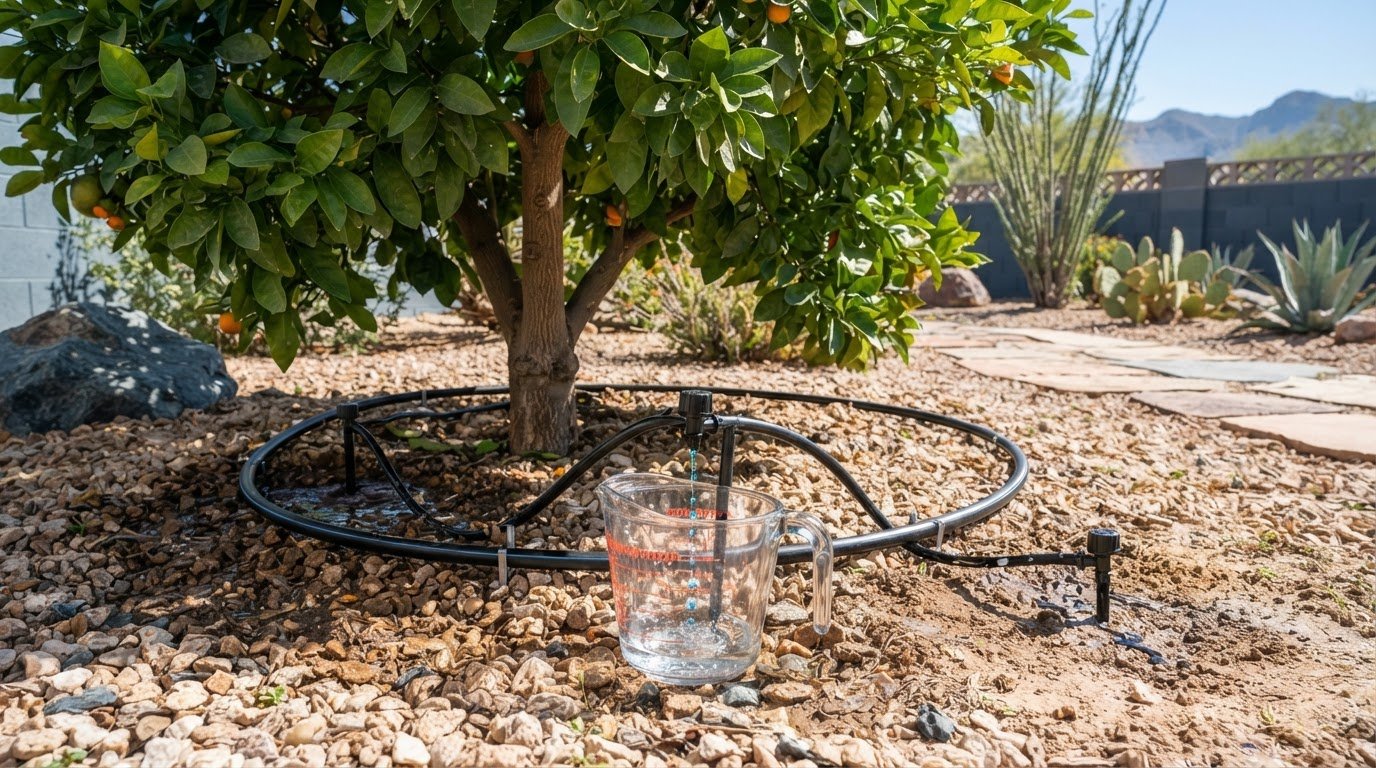
Do costs differ for lawns, gardens, trees, and container plants? Yes. Each area has different coverage needs. A lawn conversion may use existing irrigation zones, while trees and containers need water directed toward specific root areas. Garden-bed dimensions and plant arrangement also affect tubing routes and emitter placement.
How much does drip irrigation cost per square foot or planting bed in Peoria? A useful estimate starts with the area, bed shape, plant locations, and whether the tubing will be above ground or buried. The scope also depends on how each bed connects to the water supply and existing irrigation. These details define the work before a price can be assessed.
What do labor and materials cost? The price depends on the project and is provided after a quote request. Key factors include labor, tubing, fittings, emitters, valves, and site access. A sprinkler conversion may use suitable existing infrastructure, while foundation drip is scoped according to the area served. Neither has one price that fits every property.
Conversions and foundation drip projects differ in scope. A conversion may require adapting the sprinkler system and its zones, while foundation drip follows the relevant perimeter. A more extensive layout, difficult access, extra tubing or fittings, or repairs to existing components can add work. The estimate should separate irrigation installation from unrelated property changes or repairs outside its scope.
What ongoing maintenance and repair costs should homeowners expect? They depend on the problem and affected components. Clogged emitters, damaged tubing, leaking connections, and valve issues each require different diagnostic and repair work. Regular inspections can help identify problems before they disrupt watering across a bed.
How much can a drip system save on water bills? Drip irrigation can use up to 60% less water than other irrigation methods, but that is not a guaranteed bill reduction. Peoria water rates, watering schedules, and the previous system’s efficiency affect the bill impact.
Above-ground and subsurface system pricing
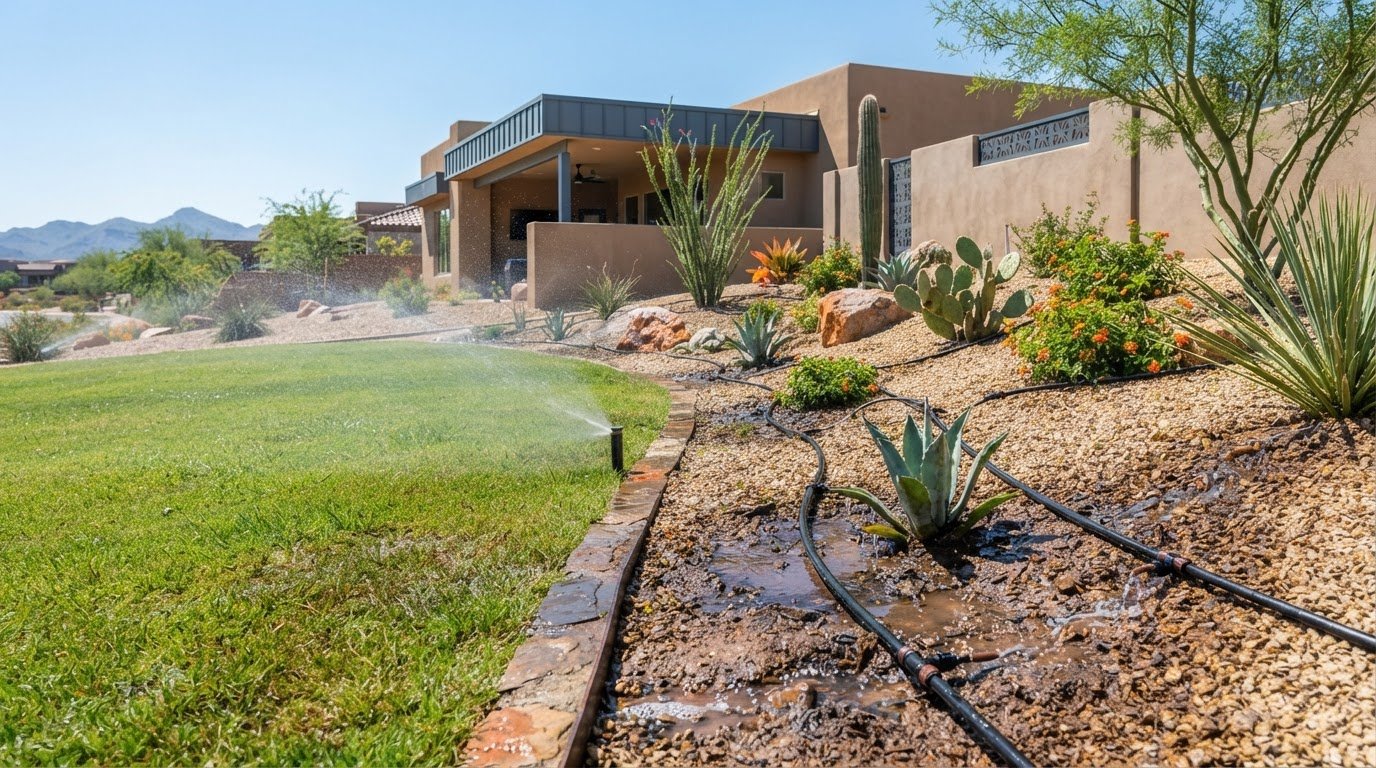
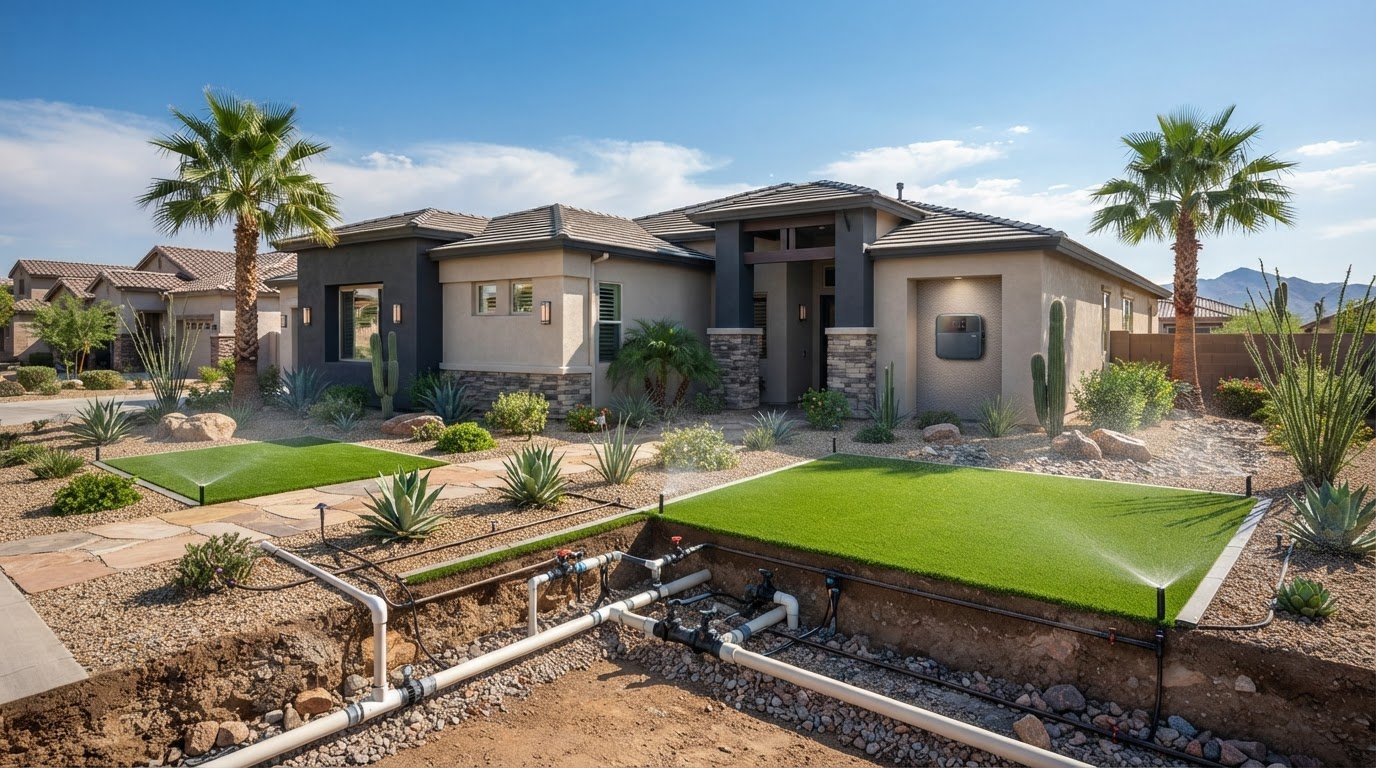
Above-ground and subsurface drip irrigation systems differ in placement, access, and installation work. Those choices shape the project scope more than a simple average can show. Above-ground tubing remains visible along garden beds, making its route easier to inspect and adjust. Subsurface tubing sits below the ground, so planning must account for burial depth, planting locations, and future access. In Peoria, the right option depends on how the garden is used and maintained.
An above-ground system can suit defined beds where tubing follows plant rows without crossing walkways. A bed with trees, shrubs, and seasonal plants may need several branches and carefully placed emitters. The estimate reflects tubing routes, connections, and watering coverage, not just square footage. Existing irrigation connections can also affect the amount of new work.
Buried drip lines sit beneath the surface, keeping tubing out of sight and reducing exposure to everyday foot traffic. The layout needs careful planning before the ground is covered. Routing around roots, paths, or underground features—such as septic systems—requires extra care, and septic professionals like lilstinkyseptic.com emphasize the importance of identifying subsurface utilities before digging. Mapping the line clearly also makes its location easier to identify if access is needed later.
Compare estimates by checking whether they describe the same system and scope. Look for the covered area, tubing placement, number of watering zones, and included components. A pressure regulator may appear as a separate component, and its inclusion should be clear in the system specification. Also distinguish installation labor and materials from unrelated work, such as replacing damaged landscape features or modifying areas outside the irrigation footprint.
- Above ground: The estimate should reflect visible tubing routes, bed layout, fittings, and emitter placement.
- Subsurface: The scope should account for ground access, burial work, planting locations, and future line identification.
- Either system: Coverage, zone arrangement, and connection to existing irrigation affect the design.
For example, a compact garden with accessible rows may be simpler to install than a bed divided by paths and mature trees. The latter may require more routing decisions and ground work. That’s why square footage alone cannot establish a reliable estimate. Compare system type, coverage, materials, and site preparation.
The project price depends on the case and is provided after a quote request; system type, property layout, materials, and installation work shape the scope. If you’re planning a surface or subsurface layout, share your irrigation project details to discuss the work involved.
Location-related cost factors
In Peoria, Arizona, a drip irrigation installation estimate reflects both the property and local conditions. Labor rates, water costs, rebates, and soil conditions vary by location, so they can shift the project’s scope and overall price. The location also determines how easily installers can reach planting areas, existing irrigation connections, and the water supply. A front-yard garden beside an accessible valve presents different access needs from a narrow bed behind a house.
The property layout affects the work needed to prepare and install the system. An open planting area is typically easier to plan than one interrupted by paths, walls, or established plants. Separate beds may require additional routing and connection work. An estimate should reflect the actual yard rather than assume every Peoria property has the same access or planting pattern.
Soil conditions influence how water reaches plants and where emitters should sit. Uneven water movement may call for more deliberate emitter placement than a consistently prepared bed. A site assessment can identify changes in grade, compacted ground, and differences in planting needs. These details help determine tubing routes and coverage before installation.
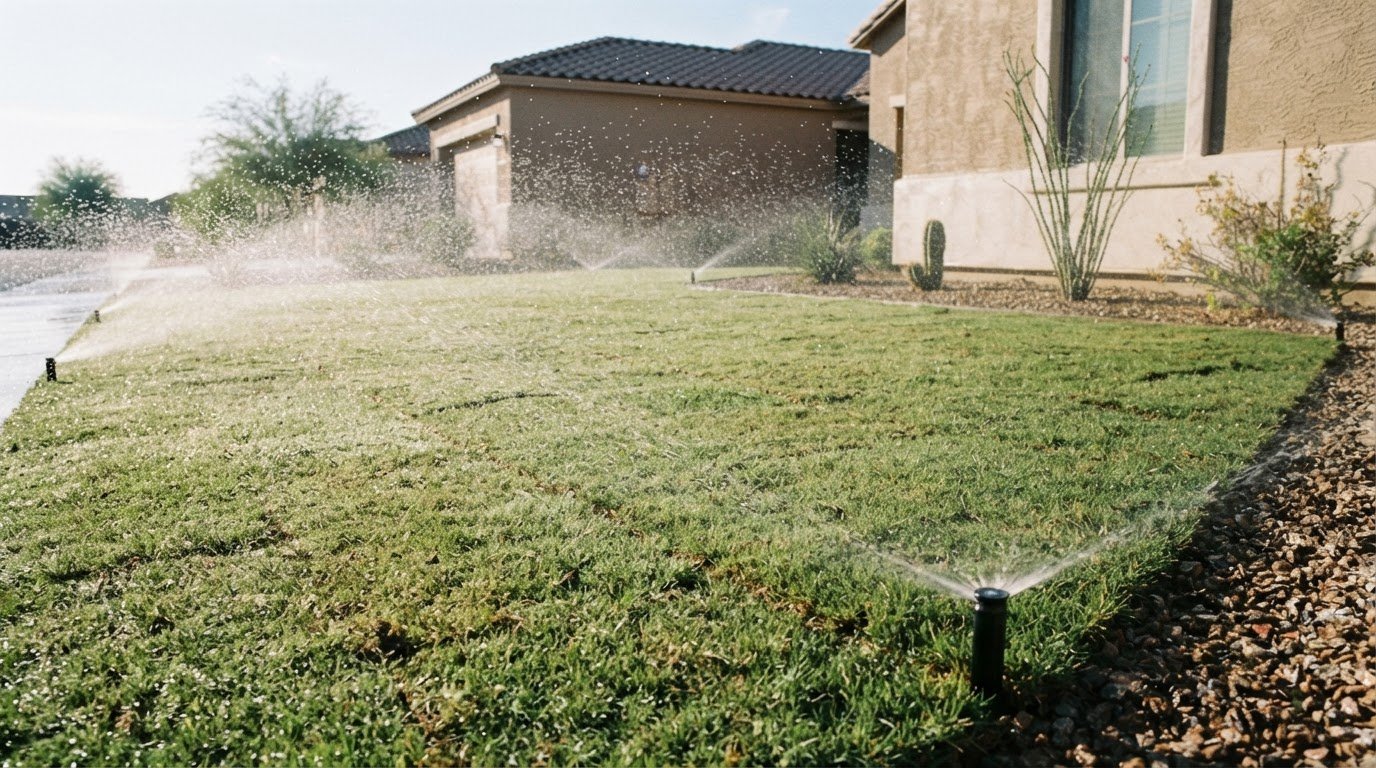
Water use is another consideration, though it doesn’t set the installation price on its own. When comparing an existing sprinkler system with drip irrigation, consider how well the current watering pattern serves each area. Water rates and usage affect the potential value of changing irrigation methods. Drip irrigation can save water, but an individual bill also depends on previous usage and watering schedules.
Rebates may affect the budget when a local program supports a qualifying project. Availability and terms are location-specific, so treat a rebate as a possible budget factor, not guaranteed savings. Reclaimed water matters only where local regulations and infrastructure support its use. The water source can affect system compatibility and design.
For a useful estimate, gather the details that explain the site:
- Location: Identify each planting area and note access barriers between them.
- Existing irrigation: Mark usable lines, valves, and sprinkler zones.
- Ground conditions: Note changes in soil, slope, and established landscaping.
- Water source: Record the current supply and any applicable local rebate information.
These inputs show why two Peoria properties with similar garden sizes can require different installation plans. A clear site description helps connect labor, soil, water, and layout factors to the work being estimated.
Materials and supplies
Materials are one part of a drip irrigation estimate, and the required mix depends on the layout. Tubing carries water through the garden, fittings connect sections, and emitters direct water toward plants. Surface systems and foundation drip use different tubing routes, so their material lists may differ. Counting the planting areas and connections helps explain why some projects need more supplies than others.
These figures refer to different tubing measurements, so don’t treat them as interchangeable. The required length depends on the distance from the water connection to each bed and the route between plants.
Small components add up across a system. The estimate should identify what’s included; a project with several beds may need more connections and emitters than a single straight planting row.
Coverage and included parts vary by kit, so compare the stated area with the actual planting footprint. A kit’s coverage alone doesn’t show whether its fittings and tubing suit the property layout.
That example shows how a defined footprint can be matched with a materials list, but it isn’t a Peoria installation price. A separate material calculation should account for tubing routes, connectors, emitters, and other included parts. Keep labor and site preparation separate from the supply total.
Before comparing estimates, check these material details:
- Tubing: Confirm the listed length and whether mainline distribution tubing is included.
- Fittings: Identify adapters and connectors needed for the planned route.
- Emitters: Match the quantity to the plant locations and bed layout.
- Other components: Check whether a backflow preventer appears in the materials scope.
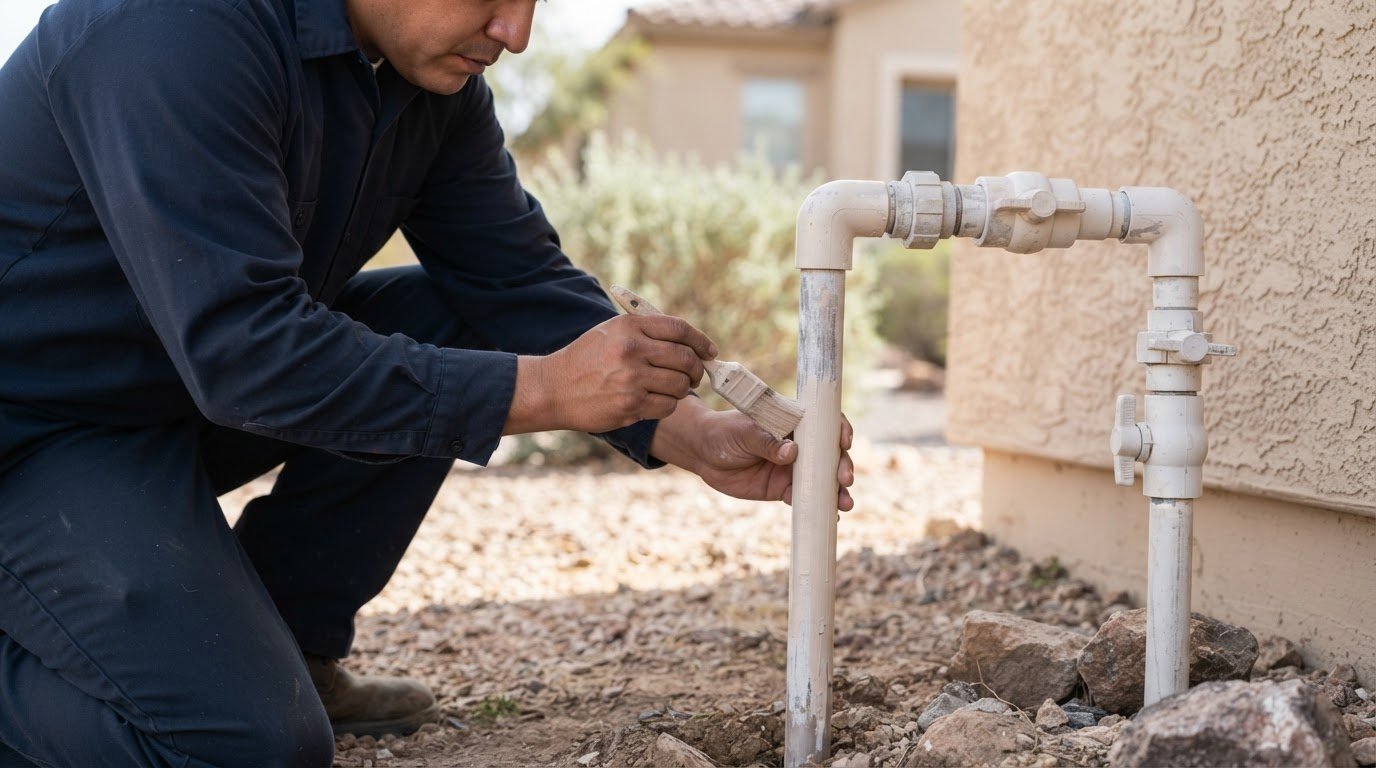
Damaged tubing or fittings can change a repair’s material needs because the affected section must be identified before replacement. If a leak or broken connection is the issue, discuss an irrigation repair based on the affected components and system layout.
System design and property evaluation
A useful design begins with the areas a Peoria property needs to water. Map garden beds, trees, containers, and lawn separately, then note which plants share similar watering needs. This helps determine whether each area can fit into a common zone or needs its own coverage. Residential drip systems typically include one watering zone for a 100-to-275-square-foot garden, but the property layout still guides the final design.
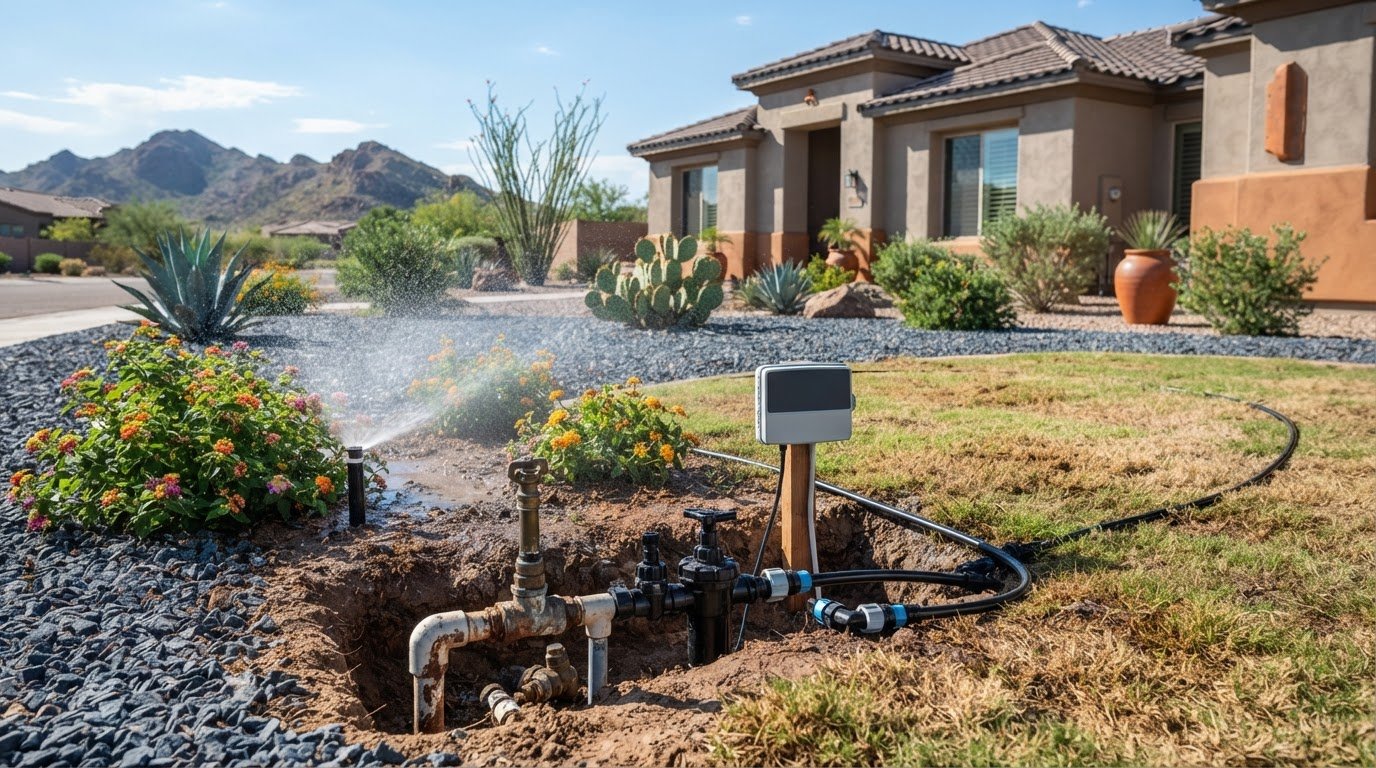
Existing sprinklers are another important consideration. Evaluating the system can show which lines, valves, and connections may suit a conversion and which need attention. A yard with established sprinkler lines presents different design choices from one needing new irrigation installation. Clear notes on existing components help define the work and account for different planting areas.
Age and repair history also matter. A Peoria homeowner reported that original irrigation lines were 22 years old and had been patched over time. That example shows why an inspection should consider line condition alongside plant coverage. A design based on older or repeatedly repaired components may need a different scope than one built around usable existing infrastructure.
A property evaluation should record details that affect placement: bed edges, paths, walls, slopes, mature plants, and access to existing irrigation. A narrow bed beside a walkway may need a different route from an open garden. Marking these features helps plan tubing paths and emitter locations around established plants.
Planning and installation can take a few hours to a couple of days. A simple small-bed setup may take a few hours, while a large installation can require some days of careful planning. The time depends on the number of planting areas, system connections, and design decisions. A clear property map gives the work a defined starting point.
Before comparing project scopes, prepare these details:
- Planting areas: List each bed, lawn, tree grouping, or container area.
- Existing system: Note sprinkler locations, lines, valves, and known repairs.
- Site layout: Mark paths, walls, slopes, and access limitations.
- Coverage priorities: Identify plants that need separate watering schedules.
These inputs help connect irrigation design to actual property conditions. Share your property layout and existing system details through the project inquiry form to discuss the installation scope.
A properly installed drip system sends 90-95% of applied water directly to the soil, making installation quality an important part of evaluating a proposed design. When reviewing a layout, confirm that the planned coverage matches the intended planting areas and that the system is designed for the property’s specific conditions. This water-delivery figure offers a useful point of comparison when discussing the system’s expected performance.
Sonora Sprinkler: Irrigation Repair
Sonora Sprinkler repairs residential irrigation systems, installs drip layouts, and designs custom systems. If emitters aren’t watering plants evenly, tubing is damaged, or an older sprinkler system no longer suits the planting areas, the team can diagnose and repair the irrigation system before you decide on broader changes.
For a new project, Sonora Sprinkler’s drip irrigation installation and custom sprinkler system design can match watering zones to beds, trees, and other planting areas. Sharing the existing system layout and the areas you want watered helps clarify the work.
Contact Sonora Sprinkler to discuss your irrigation project.
Plan Your Next Irrigation Step
Knowing how much a new drip system costs in Peoria is only part of planning an irrigation project. The next step is defining the work around your property’s watering needs. Consider which planting areas need coverage, what you want to change, and whether existing irrigation components should remain in the design. A clear scope makes the proposed work easier to understand.
For your property, the price depends on the case and is provided after a quote request; the layout, system components, site conditions, and installation work shape the estimate. Sonora Sprinkler can help you consider the appropriate next step for your irrigation needs. Bring your questions and project details to the conversation, then move forward with a plan suited to your yard.
Contact Sonora Sprinkler to request a quote and take the next step toward a well-planned irrigation system.
Frequently Asked Questions
How Much Does Drip Irrigation Cost in 2026?
There isn’t one 2026 installation price that applies to every drip irrigation project. For homeowners asking how much a new drip system costs in Peoria, the useful starting point is a project scope: the planting areas, system layout, materials, and work needed to connect it. A residential garden and a property-wide installation involve different requirements, so an estimate needs to reflect the specific project.
What is the average cost to install a new drip irrigation system in Peoria, Arizona?
A Peoria installation estimate depends on the project scope, not a single average for every home. A new system serving separate garden beds may need distinct watering coverage and connections, while one compact planting area may have a simpler layout. The estimate should describe the work and components involved so homeowners can understand the project.
What factors affect the price of a drip system installation in Peoria?
The requested coverage and the work needed to integrate the system with the property shape the estimate. A project may involve a new layout, changes to existing irrigation, or repairs to components that affect operation. Planting priorities matter, too: you may want targeted watering for selected beds rather than coverage for every planted area. Defining those priorities helps establish the scope.
How much does it cost to add drip irrigation to an existing sprinkler system in Peoria?
The scope of converting a sprinkler system to drip irrigation depends on which existing parts can be used and what needs to change. Usable lines and connections create a different project from one requiring repairs or new components. The estimate should distinguish adaptation from replacement and identify the planting areas that will receive drip coverage.
Which Peoria irrigation companies provide drip system installation estimates and warranties?
Sonora Sprinkler Inc. serves Peoria and provides free estimates on installations and large projects, including residential drip irrigation installation. An estimate describes proposed work; it isn’t a warranty. Warranty coverage depends on explicit terms, so don’t infer a warranty from an estimate or installation service. Keeping those separate helps homeowners understand the proposal and any written coverage that applies to the project.