A sprinkler zone that stops working isn’t always caused by a damaged sprinkler head. A closed valve, electrical fault, leak, or clogged head can interrupt watering. A reliable sprinkler repairman in Surprise can trace the problem to its source. Low pressure or uneven coverage across a zone are signs the system needs attention.
Dry patches beside soaked ground are frustrating, especially when the cause isn’t obvious. This article covers warning signs, common causes of zone problems, and how a professional diagnoses and repairs them.
You’ll also learn how cleaning, adjustments, and irrigation wiring or valve work can restore more consistent coverage. The goal is practical: understand what may be happening underground or at the controller, and know when to call for professional repair.
Key Takeaways
- Spot warning signs such as pooling water, dry patches, weak spray, or a zone that fails to turn on.
- Zone faults can stem from a closed valve, electrical problems, leaks, low pressure, or debris in a sprinkler head.
- A careful diagnosis checks the controller, wiring, valves, pipes, and heads to locate the cause before repair.
- Cleaning and adjusting heads can improve coverage, while suspected pipe, backflow, or advanced wiring problems call for professional attention.
- For persistent zone problems in Surprise, irrigation repair can address the fault and help restore more even watering.
How do I know if my sprinkler system needs repairs?
Look for changes in water flow, coverage, or how a zone starts and stops. In Surprise, a reliable sprinkler repairman can trace these symptoms to a head, valve, pipe, or electrical fault.
Warning Signs of Irrigation Problems
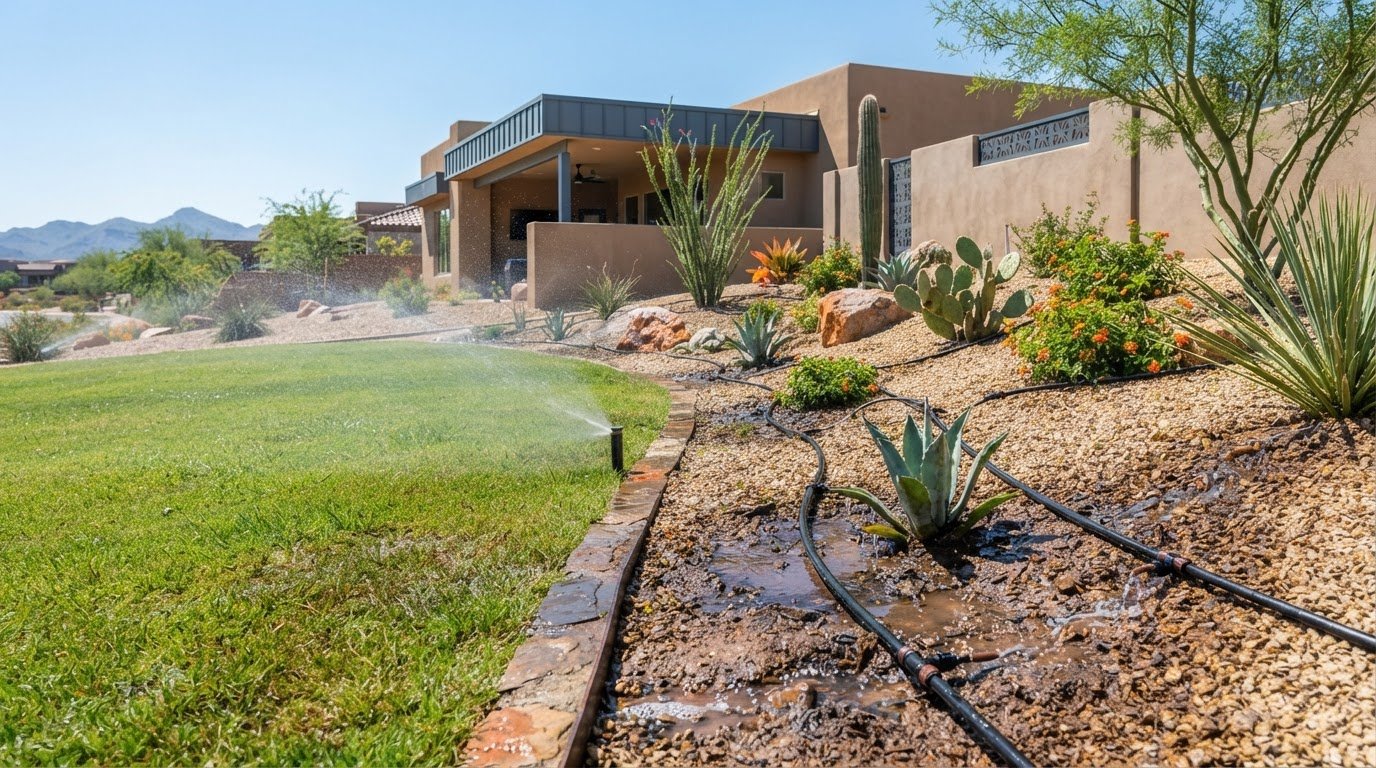
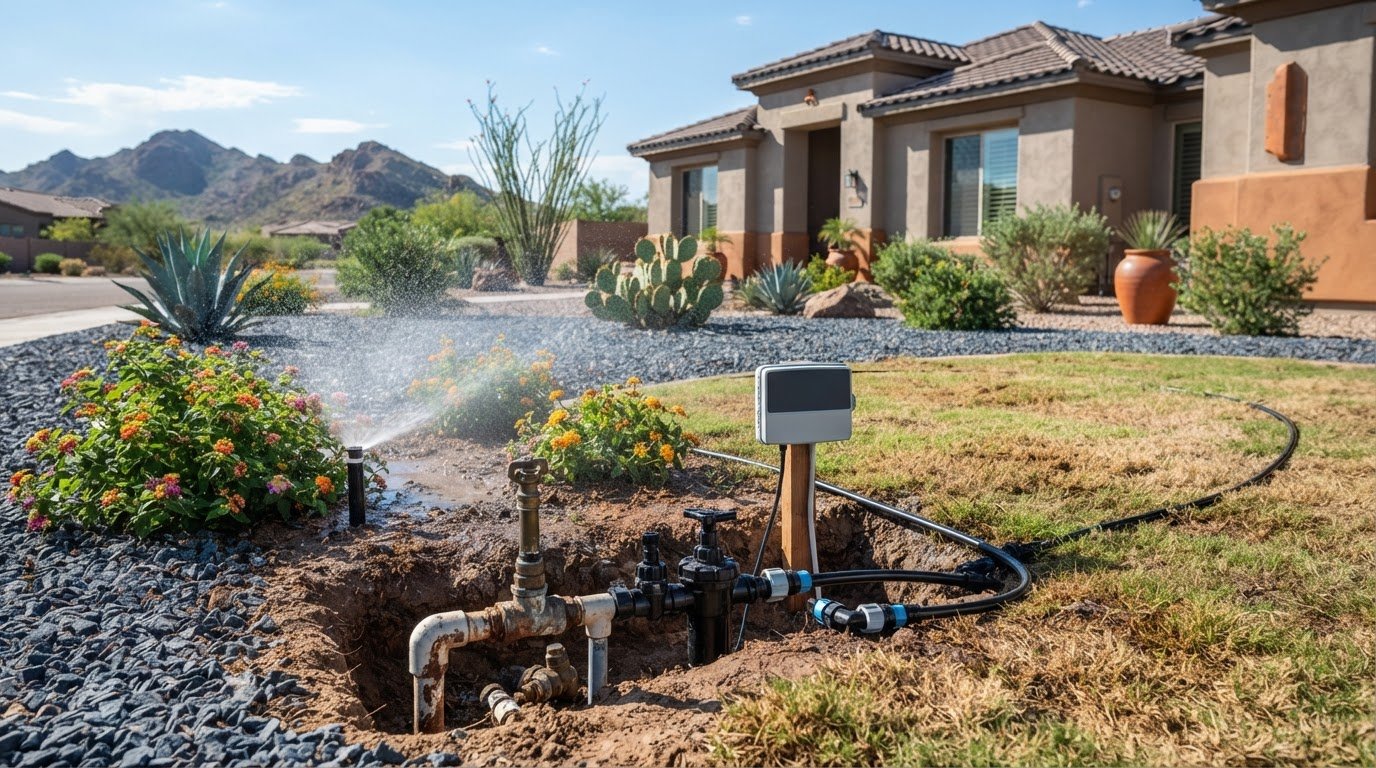
Watch for pooling water, a sudden soggy patch, or a small sinkhole. These can point to an underground leak, though soil collapse can also result from subterranean pests; homeowners troubleshooting yard damage can consult Aerating Thatching Co. for guidance on identifying and getting rid of tunneling moles. Weak spray from several heads in one zone may indicate low pressure, a leak, a valve issue, or clogged heads. If household fixtures also lose pressure, the cause may involve the water supply or pressure regulator.
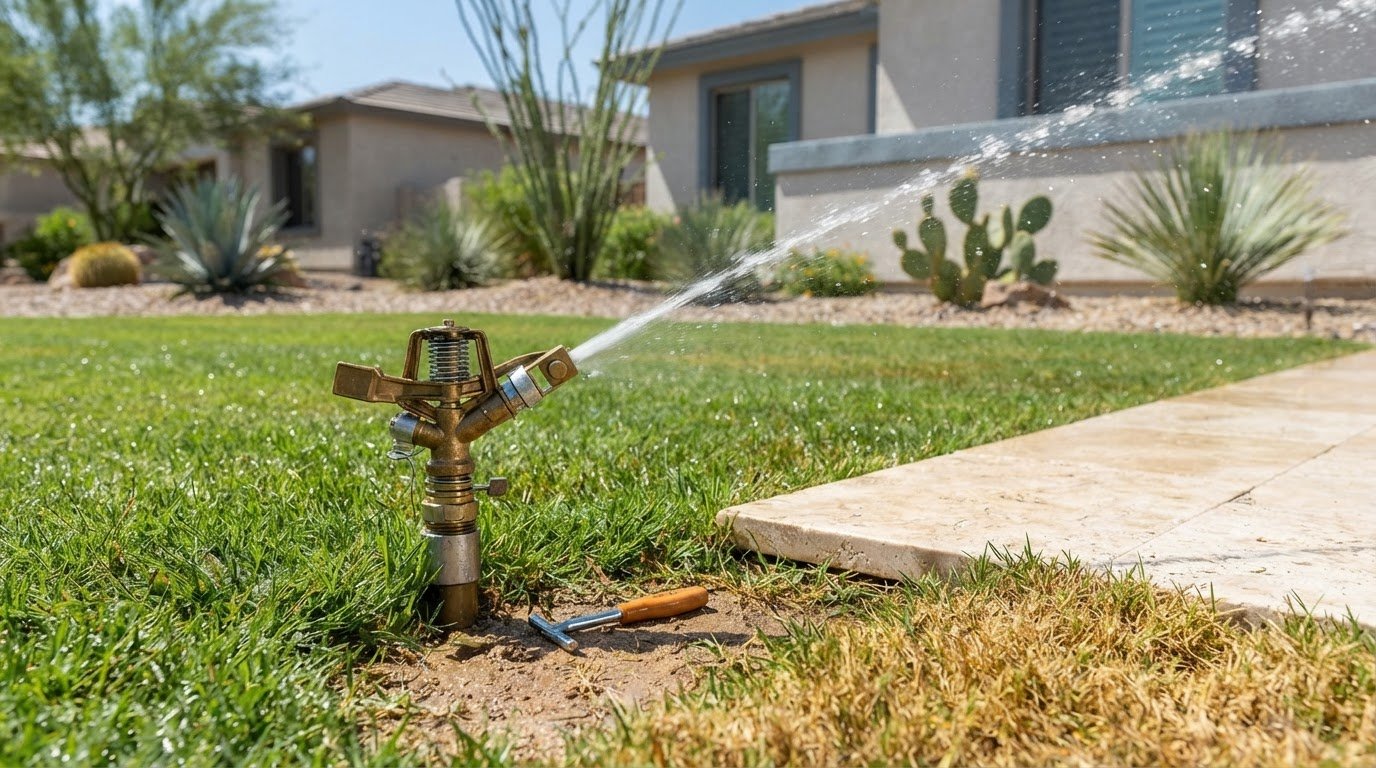
Check whether the controller activates the affected zone and whether each head rises and sprays evenly. Dirt, sand, or debris between a head’s cap and riser can keep it from popping up. A geyser, persistent wet area, or dry strip beside saturated soil gives a repair specialist useful clues about where to inspect.
Local repair reviews are most useful when they describe the symptoms and the repair process, not just a star rating. Look for details about a specific zone fault, a clear explanation of the diagnosis, and coverage testing after the work. These details help show whether the repair addressed the cause or only replaced a visible sprinkler head.
What should you check in reviews and warranties before hiring a sprinkler repairman? Look for reviews describing clear diagnosis, communication, and follow-up testing. If a written warranty is offered, read its coverage, duration, exclusions, and remedy.
Reasons to Hire an Irrigation Professional
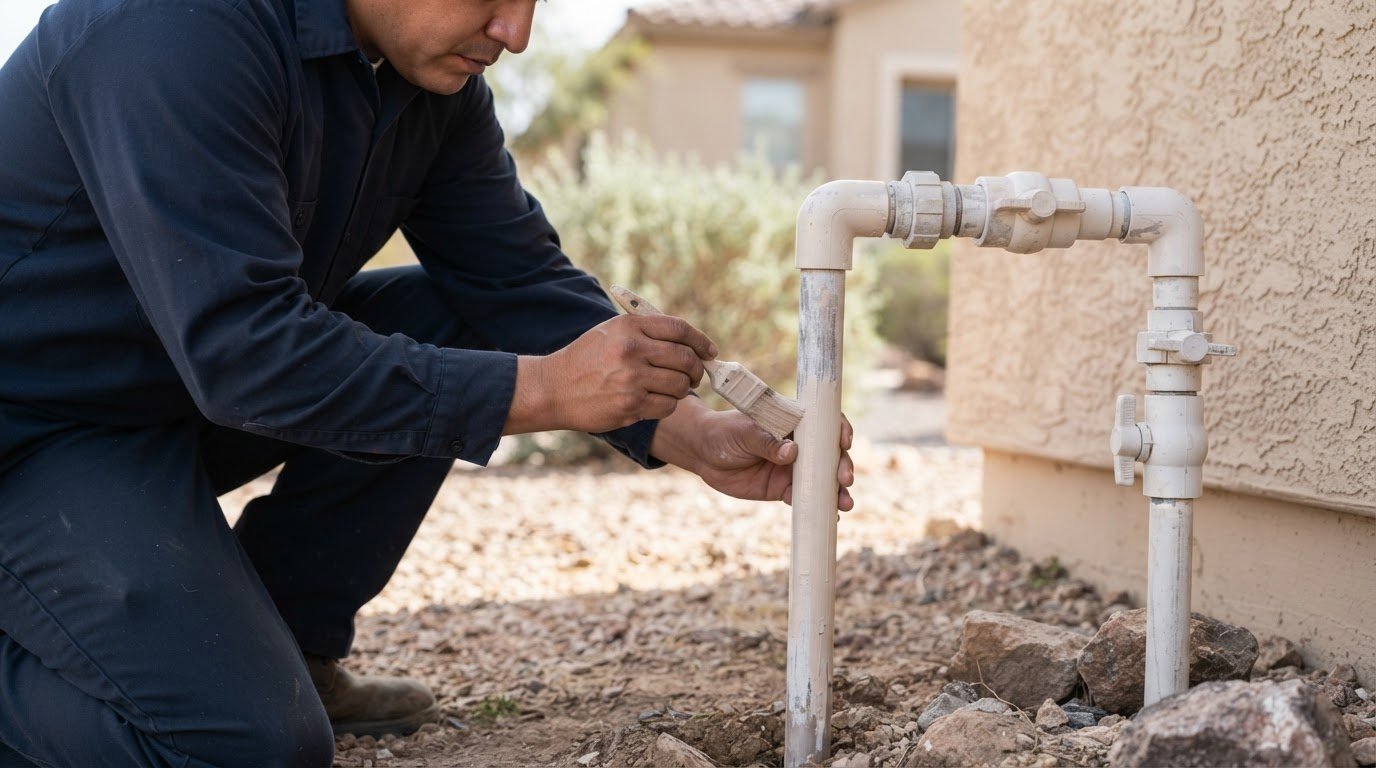
A handyperson may handle a simple controller issue or solenoid replacement, but damaged underground wiring can be harder to locate and repair correctly. Problems involving a main water line, primary drainage structures, suspected major pipe damage, or a backflow preventer need professional attention. Advanced electrical faults also call for careful diagnosis to avoid further system damage.
For wire troubleshooting, Family Handyman recommends using 14-gauge wire temporarily to test for a bad sprinkler-system wire. If the field wire is faulty, Family Handyman recommends replacing it with 18-gauge wire rated for underground burial, buried at least eight inches underground. Call 811 before digging so underground utility lines can be marked.
Record which zone fails, what the heads do, and whether household water pressure has changed. Those observations help narrow the diagnosis. A professional can trace wiring, check valves and water flow, then test the repaired zone. For an irrigation wiring fault, a specialist can diagnose the electrical path instead of treating each symptom separately.
How sprinkler professionals diagnose and repair systems
A structured inspection can distinguish a controller fault from a valve, wiring, pipe, or sprinkler-head problem. The technician runs the affected zones, observes water distribution, and tests components before choosing a repair.
Diagnosis follows the system’s path: controller signal, electrical connection, valve operation, pipe flow, then head performance. For an electrical fault, a technician can measure voltage at the controller and valve. A sprinkler-system zone typically requires 24 to 28 volts, subject to the owner’s manual. Family Handyman advises replacing a sprinkler transformer if its reading is less than 22 volts. A solenoid’s resistance is usually expected to fall between 20 and 60 ohms, also subject to the manual.
Water-side checks help distinguish a clogged head from a leak or valve issue. The technician observes whether each head rises, rotates, and distributes water evenly, then checks for pooling or a geyser while the zone runs. Repairs may include cleaning or replacing a head, correcting a valve problem, repairing wiring, or replacing a damaged pipe. Afterward, the zone is run again to assess coverage and confirm operation.
A yearly inspection can identify wear and performance issues before they interrupt watering. During a tune-up, the technician operates each zone, checks heads for blockage or misalignment, and reviews controller settings. Cleaning debris from heads and adjusting spray direction can reduce overspray onto pavement. Annual cleaning and inspection can also help prevent issues such as clogged pumps and leaking pipes.
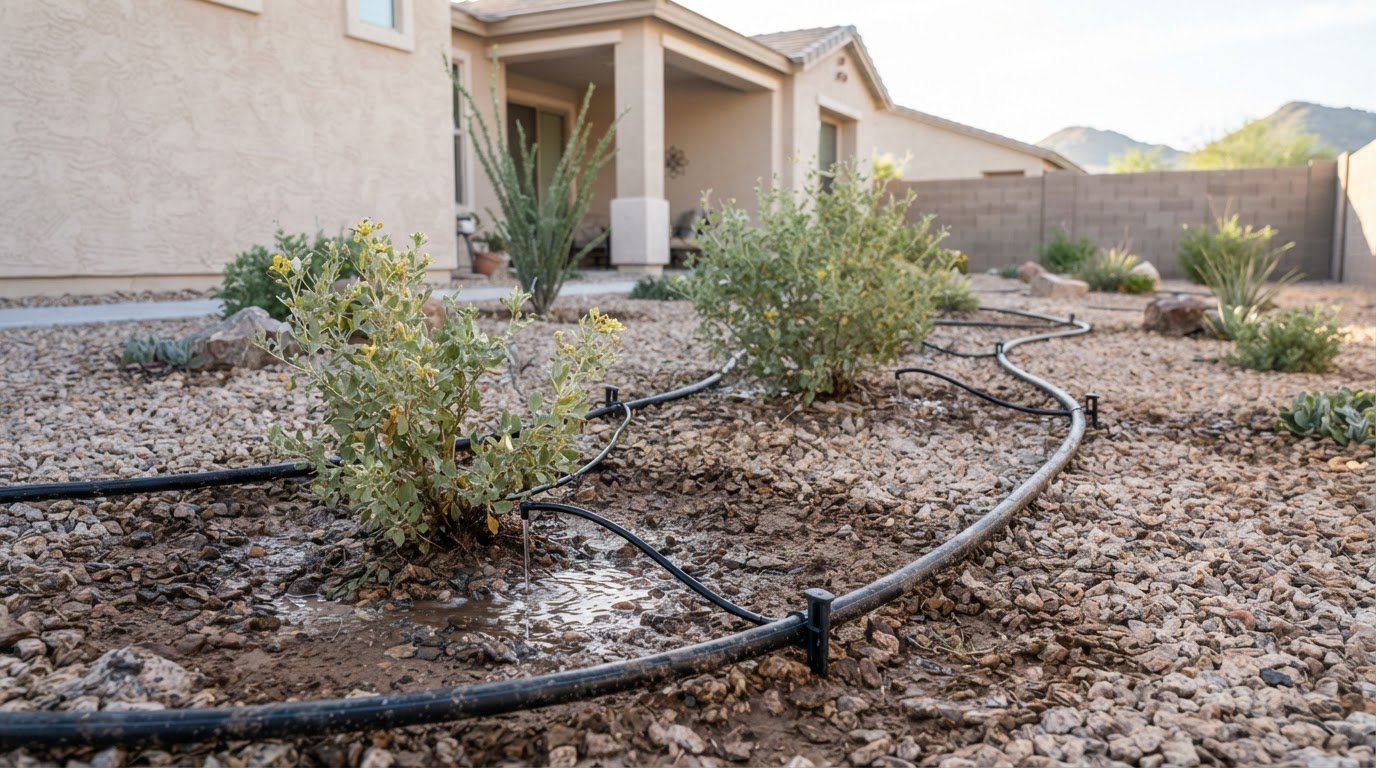
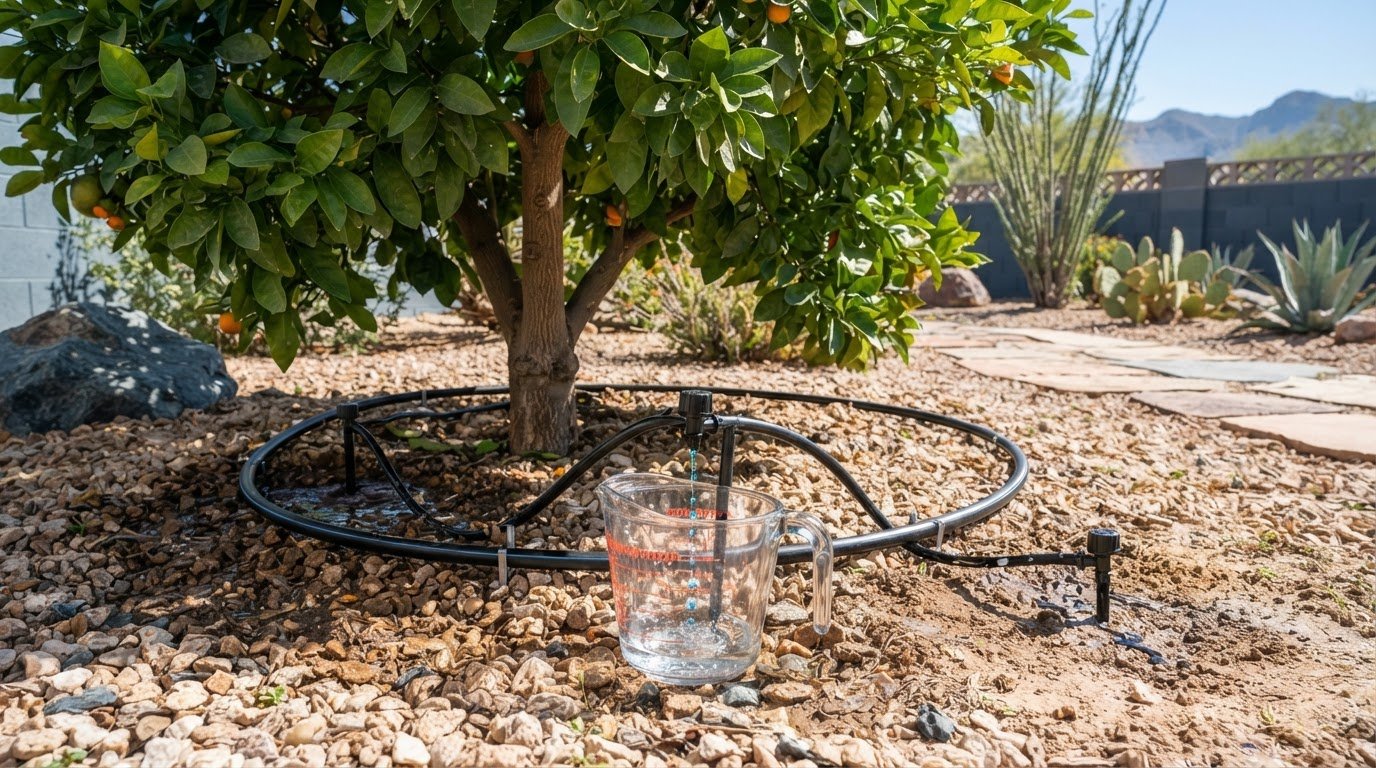
Drip irrigation needs a different inspection from spray heads. A technician checks tubing, emitters, connections, and valves for blockages, leaks, or uneven delivery. Repairs may involve clearing a clogged emitter or replacing a damaged section. For a new planting area or changed layout, drip irrigation installation can be planned around the plants and water-delivery needs.
How can you compare estimates for sprinkler valve, controller, and leak repairs in Surprise? Compare the diagnosis, parts, repair scope, testing, and any stated warranty terms, rather than focusing only on the bottom line. The repair price depends on the case, including access to the fault, parts needed, and work involved.
For recurring faults, note which zone fails and what happens during operation. That information helps focus the inspection. If the system needs professional diagnosis, you can send a repair inquiry describing the affected zone and symptoms.
Causes of a malfunctioning sprinkler zone
A zone that stays dry while others run points to a fault isolated to that zone. Note whether the controller starts it, whether any heads activate, and whether water reaches them. If no heads operate, the fault may involve the valve or its electrical control. If some heads work, inspect local flow, head condition, and distribution before assuming the entire zone has failed.
A closed valve can prevent water from reaching a zone. A valve may also fail to open because of an electrical problem involving the timer, wiring, or solenoid. These faults can look similar: the controller shows the zone running, but the heads remain inactive. Diagnosis should follow the control path from timer to valve, then compare its operation with a working zone.
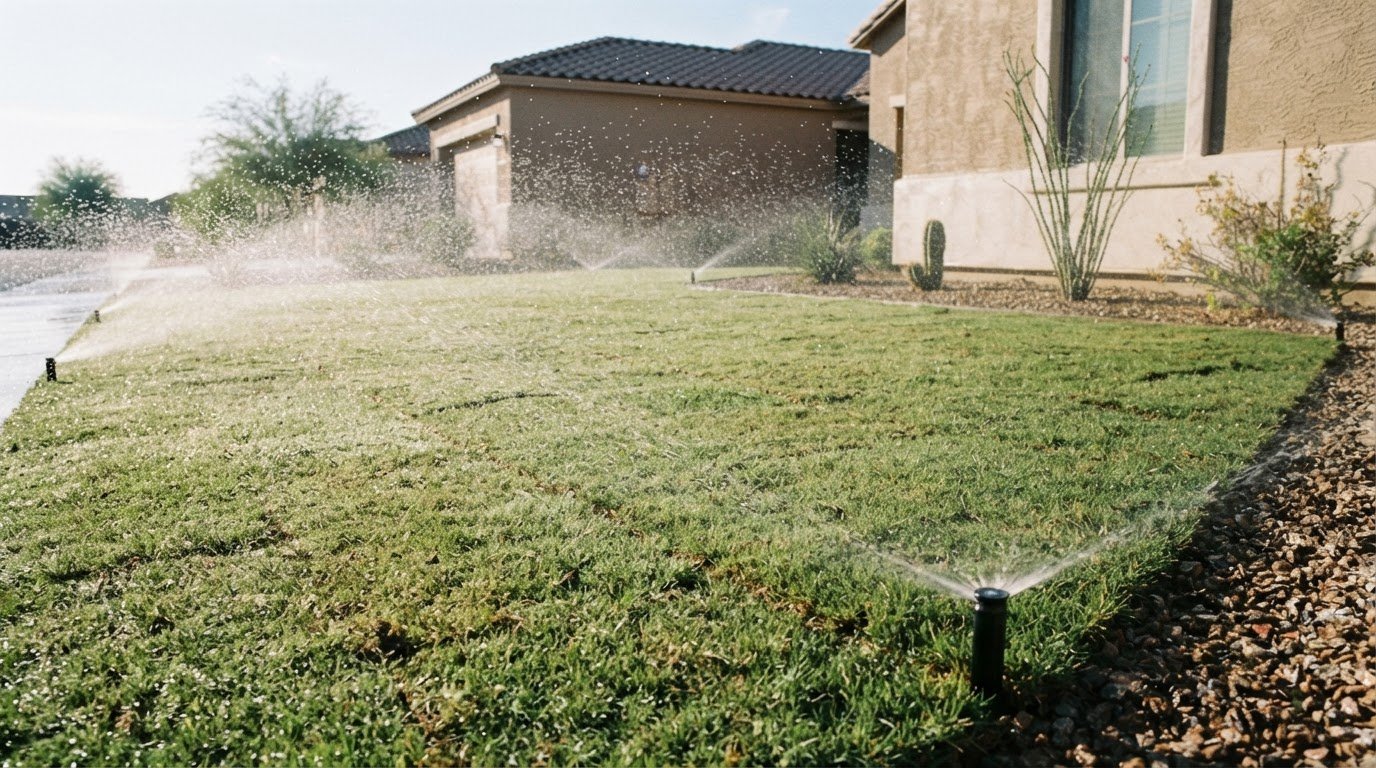
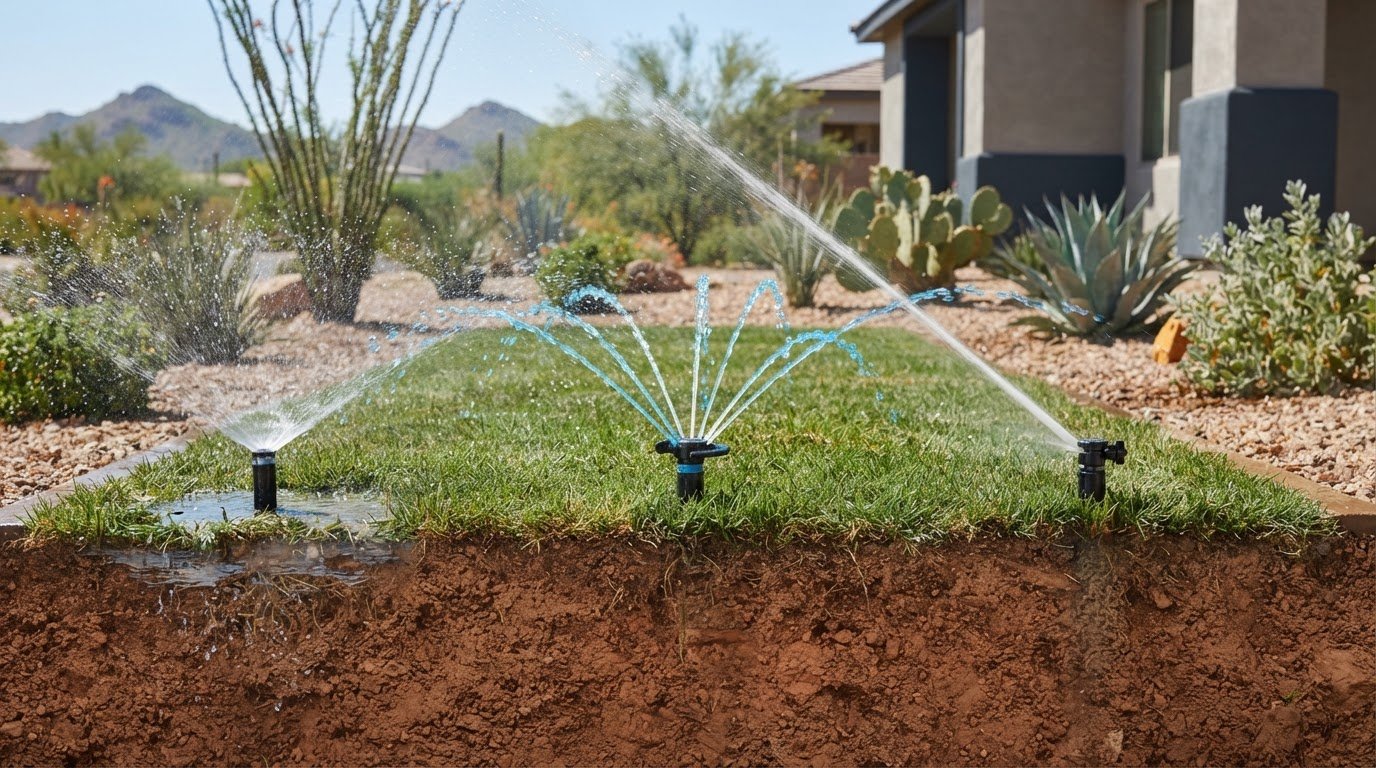
Low pressure can make a zone appear partly broken. A valve problem or leak can reduce flow to several heads, while clogged heads may leave only individual areas dry. Compare the spray pattern across the zone. If every head sprays weakly, the issue may affect shared supply or flow. If one head performs poorly while nearby heads work normally, check it for blockage or damage.
Dirt, sand, or debris trapped between a sprinkler cap and riser can stop the head from popping up. This creates a localized dry patch even if water reaches the rest of the zone. A technician can isolate the head, clear the obstruction, and retest its movement and spray. If it still fails after cleaning, its condition and connection need further inspection.
Layout and equipment compatibility can also cause uneven watering. Spray heads and rotor heads should not be mixed on the same sprinkler valve. Their different application patterns can leave some areas receiving water differently from others. A zone with both types may need its layout reviewed, rather than repeated cleaning or replacement of individual heads. The key is to determine whether the fault is one component or a system-level mismatch.
These observations help distinguish common causes before repair:
- No heads activate: inspect the zone valve and its timer, wiring, and solenoid controls.
- Several heads spray weakly: assess the valve, possible leaks, and head cleanliness.
- One head stays down: check for debris between its cap and riser.
- Coverage looks inconsistent: examine head condition and whether spray and rotor heads share a valve.
Repairing a visible symptom without finding its cause can leave a zone unreliable. A clogged head and a valve-related pressure problem need different fixes, even if both create dry ground. Matching the repair to the fault helps restore consistent operation and avoids unnecessary changes to unaffected heads.
Sprinkler repair professionals serving Surprise, Arizona
For an irrigation repair in Surprise, local knowledge is useful when it helps connect the observed fault with the system’s layout. Consider whether the work involves existing components or changes to the installation, plumbing, or backflow equipment.
Local Repair and Water-Use Rules
Are there Surprise or Arizona rules for sprinkler system repairs and water use? Requirements depend on location and the work involved; some sprinkler installation and repair jobs require permits and bonding. Water conservation also matters: a leak, poor alignment, or runoff wastes water, so repairs should address the cause and restore controlled delivery.
For a home in Surprise, the repair scope helps determine what needs attention. Replacing a damaged head differs from changing a valve or altering connected piping. A professional can identify the affected components, explain the work, and account for any permit or bonding requirements that apply to the job and location.
Licensed and Insured Technicians
Licensing, bonding, and insurance serve different purposes. Depending on location, some irrigation installation and repair work requires permits and bonding. Insurance helps protect everyone if something goes wrong during a repair. These distinctions matter most when work goes beyond a simple head adjustment to connected pipes, valves, or backflow equipment.
A useful service description identifies the repair and its scope. For example, a valve replacement should distinguish the valve work from any separate pipe or wiring repair. Clear documentation helps homeowners understand what the technician addressed without confusing insurance coverage with licensing or permit requirements.
Local service also means diagnosing the system in place, not treating every yard as identical. A front-yard zone with spray heads may have different coverage needs from a rear planting area supplied by drip lines. The technician should connect the reported symptom, such as one dry strip or a zone that will not activate, with the relevant controller, valve, pipe, and head arrangement.
Useful repair records note the original symptom, the component found at fault, the work completed, and the post-repair test. If a Surprise homeowner reports weak coverage across one zone, the record should distinguish a system-wide pressure issue from a clogged head or valve fault. That detail helps guide follow-up if the symptom returns.
Work affecting a backflow preventer or main water line deserves particular care. These components connect irrigation equipment with the home’s water supply, so diagnosis should identify the affected section before repairs begin. For a property with recurring leaks or inconsistent zones, inspecting connected components can reveal whether one repair or a wider system adjustment is needed.
The key is to match the professional’s diagnosis to the actual scope. A head adjustment, electrical diagnosis, valve repair, and system alteration are different tasks. In Surprise, understanding which components the work affects helps homeowners recognize when permitting, bonding, or insurance considerations may apply.
Which sprinkler repair services in Surprise offer licensed and insured technicians?
In Surprise, licensing, bonding, and insurance relate to different aspects of irrigation work. The job’s scope and location affect which requirements apply, so a useful assessment identifies the components involved before work begins.
Adjusting a sprinkler head differs from replacing a valve or repairing a damaged pipe. Depending on location, some sprinkler installation and repair jobs require permits and bonding. A clear description of the work helps establish whether those considerations apply.
Insurance serves a separate purpose. Sprinkler repair professionals carry insurance to protect everyone if something goes wrong during a repair. This matters when work involves buried lines, valves, or other connected equipment, where an unexpected issue can affect more than one component.
When comparing Surprise repair services, focus on how the technician connects the reported symptom to the proposed scope. A zone that fails to start may involve its controller signal or valve; a leak may require inspecting the affected pipe. The diagnosis should identify the fault and explain which work addresses it.
Useful service details include the affected zone, the component being repaired, and whether testing follows the work. For instance, distinguish a valve repair from separate wiring or pipe work. A written description makes the scope easier to understand and helps prevent unrelated tasks from being confused with the original problem.
Licensing and insurance are not interchangeable. Licensing or bonding relates to requirements that may apply to particular work and locations, while insurance provides protection if something goes wrong. In Surprise, the distinction matters when a repair extends beyond cleaning a head to work on connected irrigation components.
A practical evaluation can follow three points:
- Scope: identify whether the work involves a head, valve, wiring, pipe, or backflow component.
- Requirements: determine whether the job and location involve permit or bonding requirements.
- Protection: establish how insurance applies to the repair work being performed.
These details help homeowners assess a repair service without relying on a broad label alone. A clear diagnosis, defined repair scope, and appropriate protections make it easier to understand what will happen on the property and why.
If a zone fault or leak needs attention, send a sprinkler repair inquiry with the affected area and symptoms.
Sonora Sprinkler: Irrigation Repair
Sonora Sprinkler Inc. repairs residential irrigation systems with zone, valve, wiring, or sprinkler-head problems. Turn to the team when a fault persists, coverage remains uneven, or the cause isn’t clear after basic observations. The repair can address the affected component and assess the zone’s operation afterward.
For projects beyond an isolated fault, Sonora Sprinkler Inc. also provides irrigation installation, drip irrigation installation, and custom sprinkler system design. These services can help when a property needs a new layout or a different approach to delivering water across planting areas.
Share which zone is affected and describe what happens when it runs. Contact Sonora Sprinkler Inc. to discuss the irrigation issue and the work your system needs.
Keep Your Irrigation Ready for the Next Season
A sprinkler zone that works today can still develop problems as components wear or water flow changes. Note recurring symptoms, such as a zone that starts slowly or coverage that shifts after adjustment. That record gives a reliable sprinkler repairman in Surprise a useful starting point and connects current performance with previous issues.
For long-term system health, treat repeated faults as a reason to review the whole affected zone, not just the part that is easiest to see. A clear diagnosis can guide the next repair decision and help protect your yard from continuing leaks, uneven watering, or unnecessary component changes. The right next step is a conversation focused on your property’s actual symptoms and irrigation needs.
Contact Sonora Sprinkler Inc. to discuss your sprinkler concern and move toward a practical repair plan. With a clear picture of the issue, you can take the next step toward dependable watering and a healthier landscape.
Frequently Asked Questions
How much does sprinkler repair cost in Surprise, AZ?
Repair cost depends on the fault, parts, access, and work involved. A clogged head and an underground leak require different diagnosis and repair steps, so a general figure may not reflect your system. Sonora Sprinkler Inc. provides repair pricing after a quote request, based on the case. Describing the affected zone and symptoms helps clarify the work being considered.
Do you offer emergency sprinkler repair services?
Sonora Sprinkler Inc. provides residential irrigation repair for sprinkler system faults. If there is an urgent leak, use the system’s shutoff if you can safely identify it, then contact Sonora Sprinkler Inc. to discuss the repair. Share whether water is actively pooling, which area is affected, and whether the controller continues running the zone. Those details help explain the issue clearly.
How do I find someone to fix my sprinkler system?
Start by noting the symptoms and affected area, then choose an irrigation repair service that handles residential sprinkler faults. For example, note whether the problem involves a single zone, controller scheduling, or water escaping near a pipe. A useful repair discussion should clarify the diagnosis, work included, and how operation will be assessed afterward, rather than focusing only on replacing visible parts.
How do I know if my underground water line is leaking?
Persistent soggy or unusually lush spots, unexplained increases in water use, and reduced pressure can signal a hidden leak. Observe whether the wet area remains after irrigation stops, and note if household fixtures also lose pressure. A wet patch near one sprinkler head may have a local cause, while a broader pressure change can point to a supply issue. A technician can trace the source.
Why is one sprinkler zone not working?
A single inactive zone often points to a problem with its own control or water path. For example, a timer may fail to send the signal, or the zone valve may not open. If the controller activates but only some heads perform poorly, the cause may be farther downstream. Distinguishing no activation from weak coverage helps narrow the diagnosis before parts are replaced.
How do I find a reliable sprinkler repairman in Surprise, AZ?
Look for a residential irrigation specialist who can explain the fault and connect each proposed repair to a system component. Reviews are most informative when they describe the problem, diagnosis, and whether the repaired system was tested. Look for a clear written scope and relevant insurance information, too. Sonora Sprinkler Inc. provides residential irrigation repair in Surprise, including troubleshooting for system faults.
What are the best-rated sprinkler repair companies in Surprise, Arizona?
Ratings alone don’t establish which company is the best fit, and rankings can change over time. Read reviews for examples that match your problem, such as a zone that won’t run or a hidden pipe leak. Give more weight to descriptions of diagnosis, communication, and completed repair than to a star score without context. Sonora Sprinkler Inc. provides residential irrigation repair in Surprise.
What is the average cost of sprinkler repair in Surprise, AZ?
There’s no useful average for every repair because the total depends on the fault, parts, access, and work required. Replacing an exposed component differs from tracing a buried leak or diagnosing wiring. Sonora Sprinkler Inc. provides repair pricing after a quote request, based on the case. Sharing the affected zone and visible symptoms helps describe the repair needed without assuming a standard cost.