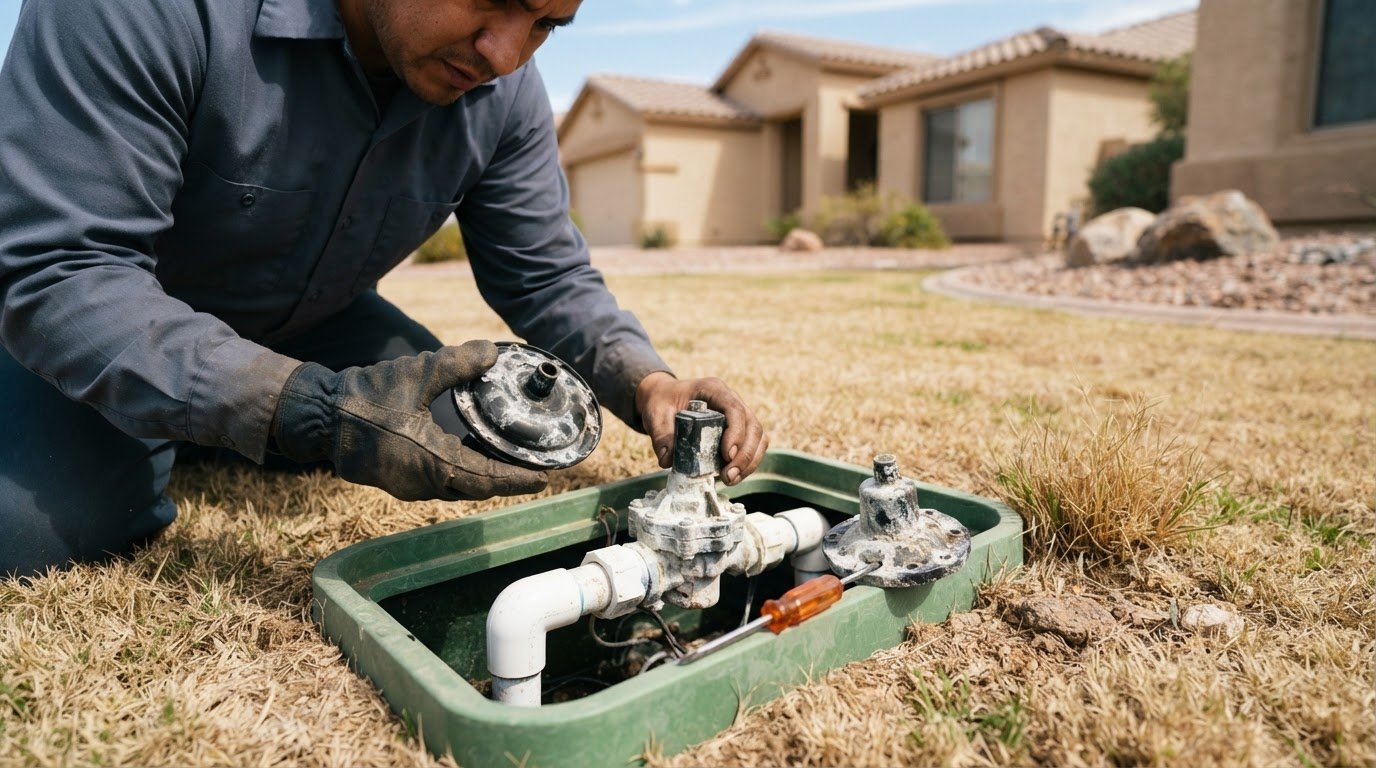
Yes, overwatering can kill bougainvillea by keeping its roots too wet and encouraging root rot. Established plants generally prefer deep, infrequent watering, often every 3-4 weeks rather than frequent shallow cycles. A well-planned drip irrigation for bougainvillea delivers water at the root zone, but its schedule still needs to suit the soil and local conditions.
It makes sense to want a consistent watering routine, especially in a hot, dry climate. But drip irrigation for bougainvillea isn’t automatically safer if it runs too often or the soil drains slowly. Letting the soil dry somewhat between waterings helps protect root health, while newly planted bougainvillea may need a different approach as it establishes.
This guide explains how overwatering affects roots and flowering, how seasonal and local conditions in Surprise and Peoria influence irrigation, and why well-draining soil matters. It also covers how a professionally designed system can be tailored to the plant’s location and soil, helping support healthy growth without leaving roots persistently wet.
Key Takeaways
- Let soil conditions guide watering; frequent irrigation can keep roots too wet and reduce flowering.
- Adjust irrigation timing as local weather and seasonal conditions change.
- Good drainage helps prevent water from lingering around bougainvillea roots.
- Emitter flow rate should suit the soil’s absorption and drainage, rather than follow a one-size-fits-all setting.
- A professional may position two emitters per plant, one foot away on each side, based on the planting layout.
1. Overwatering and root rot
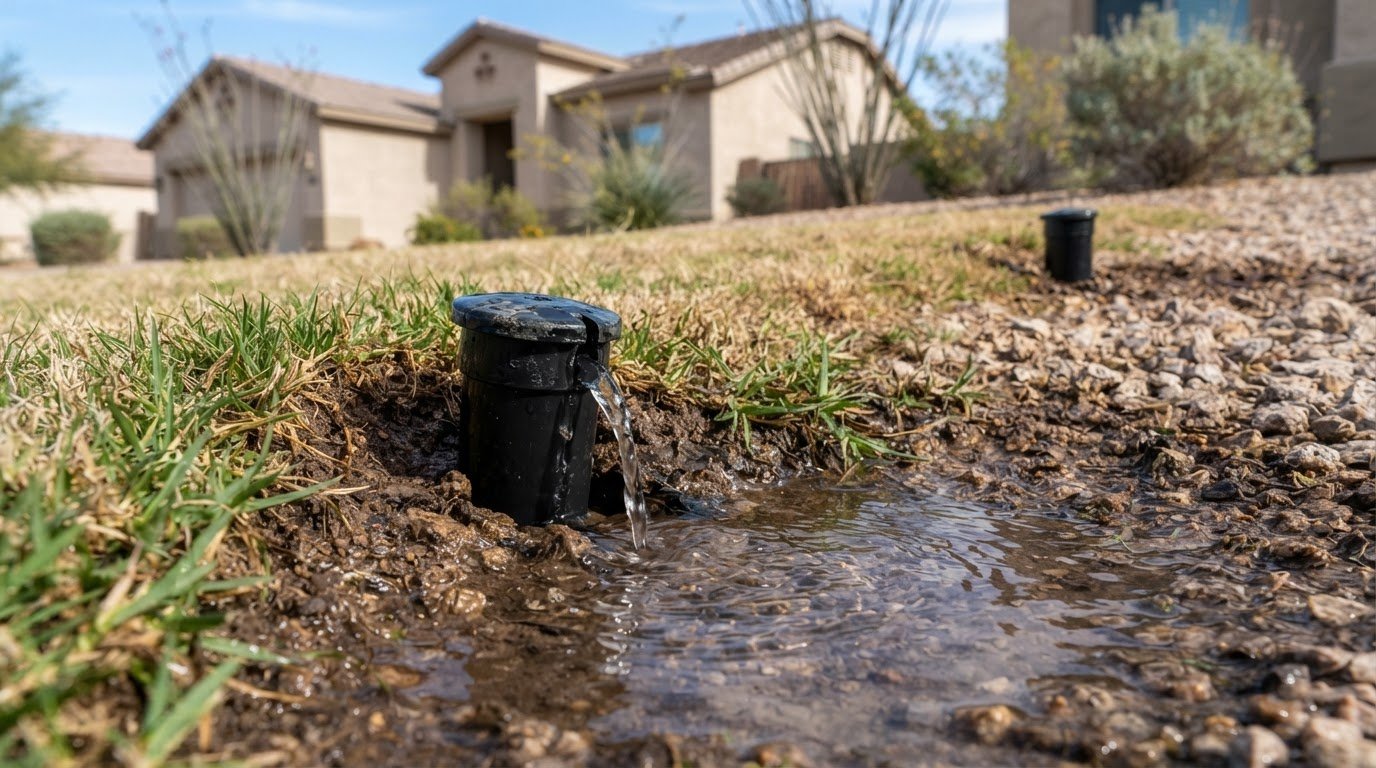
Yes, overwatering can kill bougainvillea by keeping its roots in persistently wet soil. Established plants generally need deep, infrequent watering, not repeated shallow cycles. Watering every 3-4 weeks is one suggested pattern for established plants, but soil moisture and drainage should guide the timing. If water remains around the roots, they can become stressed and begin to rot.
Before a scheduled cycle, a professional considers how quickly the planting area dries. A soil check about 10 inches below the surface can help show whether moisture remains deeper down. If the soil is still moist, another irrigation cycle may add water the plant does not need. In contrast, dry soil indicates that a deeper watering may be appropriate.
Overwatering can also affect flowering. Bougainvillea may produce abundant foliage but few flowers when it receives too much water. Frequent irrigation can contribute to root rot and reduced blooming, so a system shouldn’t run simply because its timer reaches a preset day. Set the interval according to how quickly the soil around the roots dries.
Newly planted bougainvillea needs a different approach from established plants. Keep new plantings evenly moist as they establish, rather than letting the root area dry out completely. As roots develop, watering can become thorough but less frequent. Place irrigation about a foot from newly planted stems instead of directing water against the plant’s base.
For pots, a professional accounts for the container’s soil volume and drainage, which can differ from an in-ground planting. A potted bougainvillea may need deep watering every 7 to 14 days, while established in-ground plants can often go longer between waterings. The schedule still depends on how quickly each root zone dries.
Emitter placement matters: water needs to reach the active root area without keeping the crown constantly wet. A professional can position emitters away from the stems and adjust them to distribute moisture across the root zone. For newly planted bougainvillea, placing the line about a foot from the stems is a useful starting point.
A professional installation uses drip tubing, emitters, connectors, and control components suited to the irrigation layout. The project price depends on plant count, line routing, existing irrigation, and site conditions, and is provided after a quote request.
When a bougainvillea loses vigor or the soil stays wet between cycles, the schedule and system layout may need attention. A carefully planned drip system layout can deliver water near the roots while avoiding unnecessary wetting at the stems. Monitoring soil moisture between cycles helps reveal whether the timing suits the planting area.
2. Regional and climate considerations
Climate, soil, and season all affect how quickly bougainvillea uses water and how long moisture remains near its roots. Hot, dry conditions can dry a planting area faster than cool, rainy weather. Slowly draining soil may stay wet after irrigation, so a fixed schedule could overwater one site while leaving another too dry.
In Surprise and Peoria, Arizona’s desert climate makes seasonal adjustments important. During hotter, drier periods, soil may lose moisture faster; during cooler weather or prolonged rain, it can stay damp longer. Adjust irrigation timing to changing conditions rather than leaving one timer setting in place all year.
USDA hardiness zones 9b-11 are listed as suitable for bougainvillea, but a zone alone doesn’t determine watering needs. Exposure, local rainfall, and the soil around each plant also shape how quickly roots receive and lose moisture. In Surprise or Peoria, a sheltered planting and an exposed planting may need different timing, even under similar regional weather.
Cold also matters in Arizona. Bougainvillea doesn’t tolerate temperatures below 32 degrees Fahrenheit well, particularly for prolonged periods. One or two nights around or slightly below freezing may be manageable, but extended cold can cause damage. In Surprise and Peoria, irrigation planning should account for seasonal shifts without assuming every winter or planting site is alike.
Plant placement can influence cold exposure. A somewhat protected spot or nearby hardscaping that radiates heat can help shield bougainvillea from cold. During extreme cold, plants may need covering. These measures affect exposure, while irrigation timing should still reflect soil moisture and seasonal conditions.
Warm climates can support bougainvillea blooms off and on year-round. In climates with cooler winters, flowering may continue for 9-10 months. Neither pattern means the irrigation schedule should run constantly. Blooming season, cooler periods, and rainfall all change how quickly the root zone dries between cycles.
Soil type influences how quickly the root zone dries. Water moves through well-draining soil differently than through soil that holds moisture, so irrigation duration and frequency need to suit the site. In Surprise and Peoria, account for drainage as well as climate and season, and avoid leaving roots saturated after rain or dry spells.
For bougainvillea in Surprise or Peoria, local exposure and seasonal changes are practical starting points for irrigation planning. A well-designed system accounts for planting location, soil drainage, and coverage, then delivers water in a way that suits those conditions. A layout that works in one yard may need different timing or emitter placement in another, even within the same community.
3. Well-draining soil and root health
Bougainvillea roots need oxygen as well as water. Soil that stays waterlogged can drown roots, leaving the plant less able to take up moisture. Drip irrigation controls where water is delivered, but it cannot correct poor drainage by itself. A professional assesses the planting area before setting emitter locations or irrigation timing.
Soil structure affects how water moves away from the root zone. In compacted soil, moisture may linger near the surface or collect around roots. In freely draining soil, it can move through more quickly. Consider these differences, along with the planting’s slope and surrounding ground, when planning water delivery to avoid persistent wet spots.
A percolation check can help assess how quickly water drains. In one reported test discussion, the suggested ditch was 12 inches deep, while the gardener dug eight inches. Those figures describe that discussion, not a universal test procedure. The useful principle is to assess drainage at the planting site, rather than assume that nearby soil behaves the same way.
For the required installation question, a professional helps prevent clogged emitters by checking water delivery and inspecting emitters for obstructions during system setup. To protect roots, the professional evaluates drainage and positions water delivery so moisture reaches the root area without keeping it saturated.
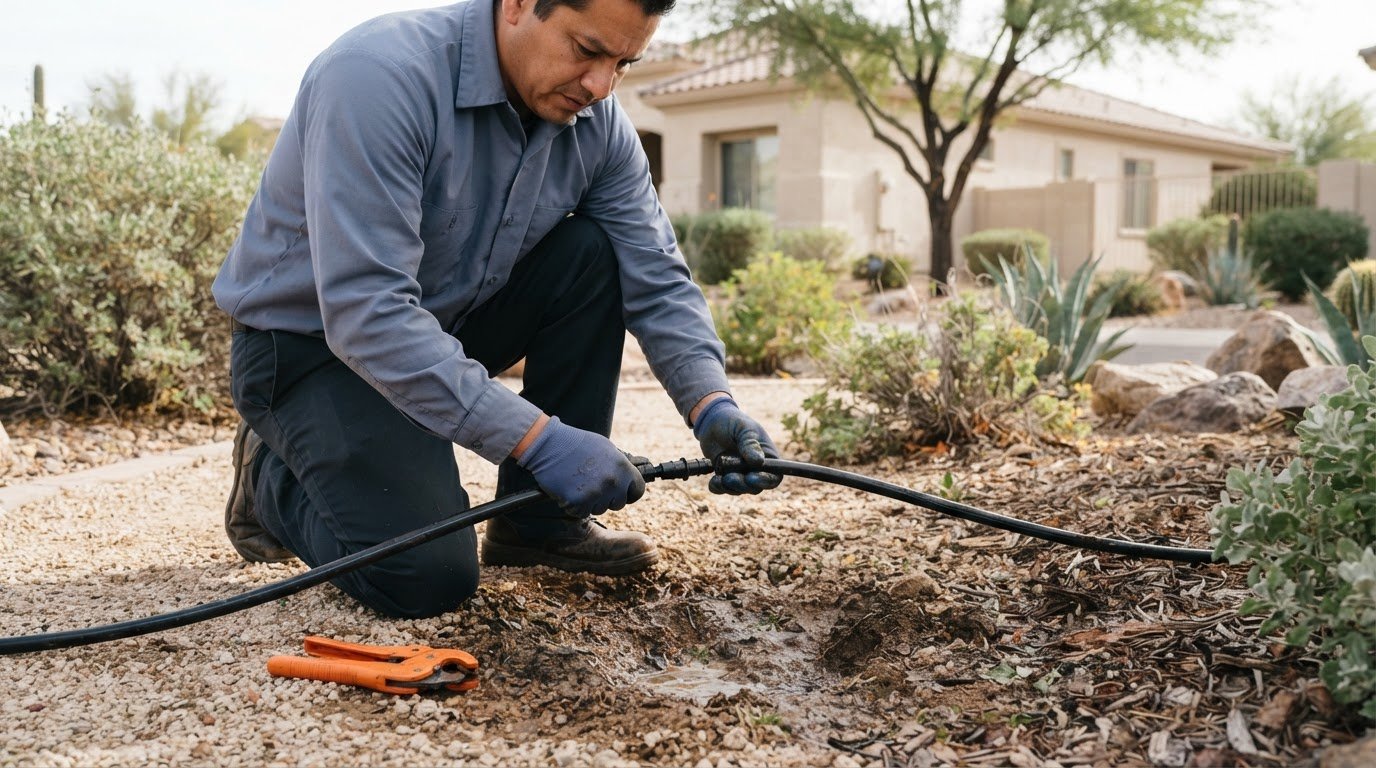
Emitter performance matters: a blockage can leave part of the root zone dry while nearby soil receives water. During installation, check that each outlet delivers water and inspect the line for visible obstructions. If an emitter delivers unevenly, address its condition or placement before relying on the system for regular watering.
Root health also depends on keeping emitters away from the plant’s crown. Directing water against the stem can leave that area unnecessarily wet, while placing outlets across the root zone helps distribute moisture. A professional considers the bougainvillea’s position and surrounding soil, then selects locations that avoid concentrating water in one small patch.
After installation, soil moisture shows how the site responds. If the ground remains wet between cycles, the schedule or layout may need adjustment. If one area dries while another stays damp, check emitter placement and soil conditions. These observations help distinguish an irrigation-system issue from a drainage problem.
Good drainage and clear, functioning emitters work together: drainage lets excess water move away, while emitters deliver water where roots can use it. For bougainvillea, neither replaces the other. A carefully planned installation accounts for how water moves through the soil and whether each outlet works, helping limit saturated roots and uneven irrigation.
4. What drip emitter flow rate is best for bougainvillea?
There isn’t one emitter flow rate that suits every bougainvillea planting. Select an emitter by considering soil drainage, root-zone size, irrigation layout, and how long water can run without saturating the soil. Choosing a flow rate for drip irrigation for bougainvillea starts with the site’s ability to absorb and distribute water. The right output delivers moisture steadily without causing runoff or prolonged saturation.
Emitter flow rate describes how much water an outlet releases over time. That output matters because fast delivery can cause water to spread or run off before the soil absorbs it. A slower outlet may suit a planting area that takes up water gradually, but total delivery still depends on runtime. Consider both factors rather than choosing an emitter by flow rate alone.
Soil response is a key consideration. In well-draining soil, water moves away from the emitter more readily. In compacted or moisture-holding soil, it may remain close to the outlet. Consider how water spreads through the bougainvillea’s root zone before selecting a flow rate, since the same emitter can behave differently at different planting sites.
Plant size and placement also affect the decision. A young bougainvillea has a smaller root area than an established plant, while a container confines roots to a limited volume of soil. Match the emitter arrangement and output to the planting instead of applying one rate to every plant. A container’s drainage and soil volume also affect how quickly water leaves the root area.
Pressure and system layout affect emitter performance. Outlets connected along a drip line need to deliver water as intended across the planting area. During installation, a professional checks that the selected emitters operate consistently and that water reaches the intended root zones. A poor match can leave some plants under-watered while others receive excess moisture, even when they share a line.
Consider runtime alongside emitter flow. A higher-output emitter running briefly and a lower-output emitter running longer can deliver different amounts, but neither approach works without regard to drainage. Apply water at a pace the soil can absorb, then allow the root area to drain between cycles. Seasonal conditions may also change the schedule for the same planting.
When designing drip irrigation for bougainvillea, use the soil’s response and plant layout to guide emitter selection. After installation, assess how water reaches the root zone. Pooling near an outlet or soil staying saturated indicates that flow, runtime, placement, or drainage needs attention. Uneven wetting can also mean outlets need repositioning.
A useful flow-rate recommendation depends on the conditions that shape water movement. The right flow rate for drip irrigation for bougainvillea depends on soil, root area, system pressure, and cycle length. Consider these factors together rather than choosing an emitter by its label alone, so irrigation suits the planting area.
5. How many drip emitters should be used per bougainvillea plant?
A practical starting point is two drip emitters per bougainvillea plant, placed one foot away on each side. This arrangement spreads water across the root area instead of delivering it at a single point beside the stem. A professional assesses the planting and soil before deciding whether that layout suits the site.
Emitter placement should account for the plant’s location and the shape of its root zone. Outlets too close to the stems can keep the base unnecessarily wet. Placing them farther out directs water toward surrounding soil, where roots can access moisture. The one-foot spacing is a reference for newly planted bougainvillea, not a fixed rule for every established shrub.
Two outlets can provide more even coverage than one, especially when a plant’s roots extend in opposite directions. Position them on different sides and check how moisture spreads through the soil. If one side stays dry while the other becomes saturated, adjust emitter position or water delivery.
Plant size matters. A newly planted bougainvillea has a smaller root area than a mature plant, whose roots may extend beyond the original planting spot. As the plant grows, a professional can reassess whether the two emitters still cover the active root zone. The goal is suitable distribution, not simply keeping outlets beside the original stem.
Soil drainage also influences emitter spacing. Water may spread differently through readily draining soil than through soil that holds moisture. Consider the site’s soil response and observe the wetted area while the system runs. This helps avoid concentrating water in one place or leaving parts of the root zone dry.
Container-grown bougainvillea needs a different layout from an in-ground plant. The container limits the available soil area, so position outlets to distribute moisture within that space without soaking only one section. Account for the pot’s shape, drainage, and plant position when choosing emitter locations.
During installation, check that both emitters release water and that the surrounding soil responds as intended. Keep the line accessible for inspection rather than hiding it where plant growth makes maintenance difficult. These checks help identify a blocked outlet or uneven coverage before either issue affects the root zone.
For most layouts, two emitters per plant, one foot away on each side, offer a useful starting arrangement. Site conditions still guide the final placement. Request professional emitter placement for your bougainvillea to have the layout matched to its roots, soil, and irrigation system.
Sonora Sprinkler: Drip Irrigation Installation
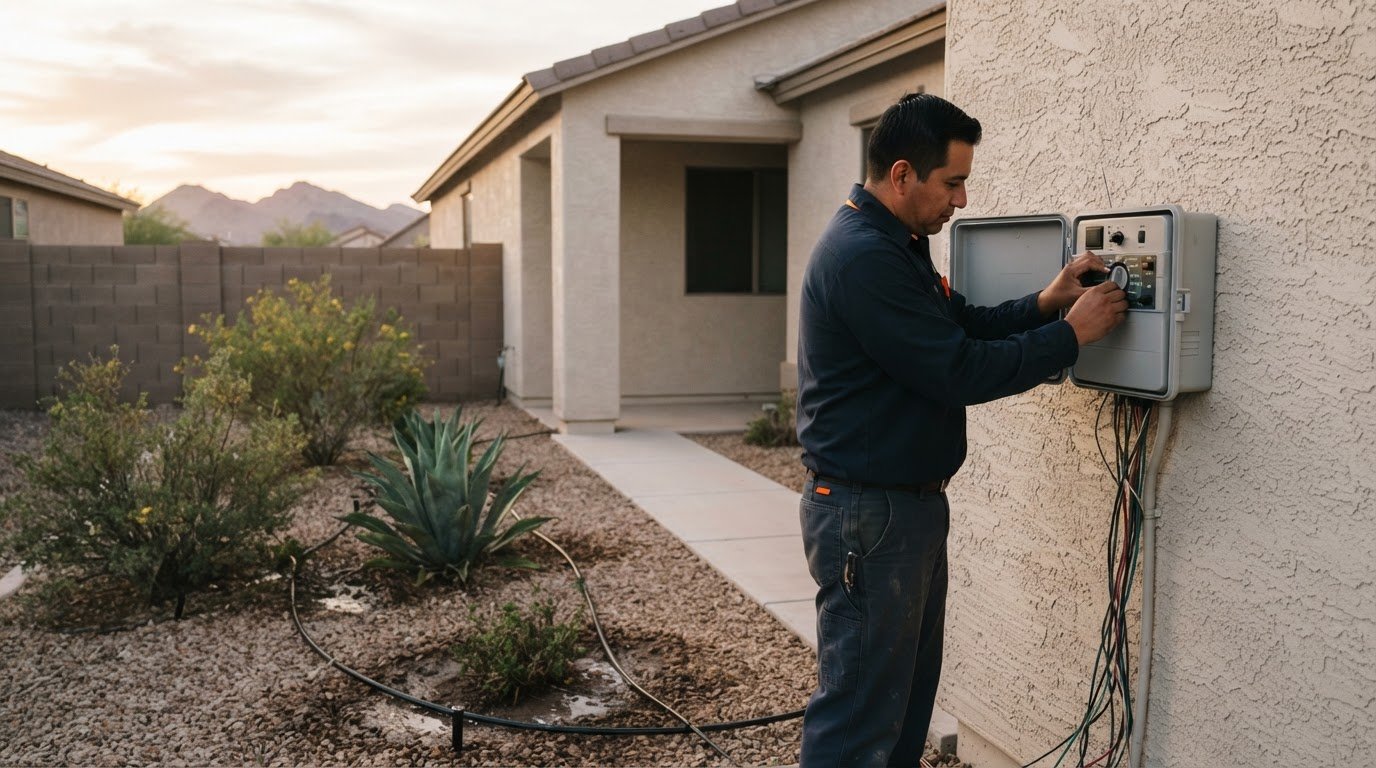
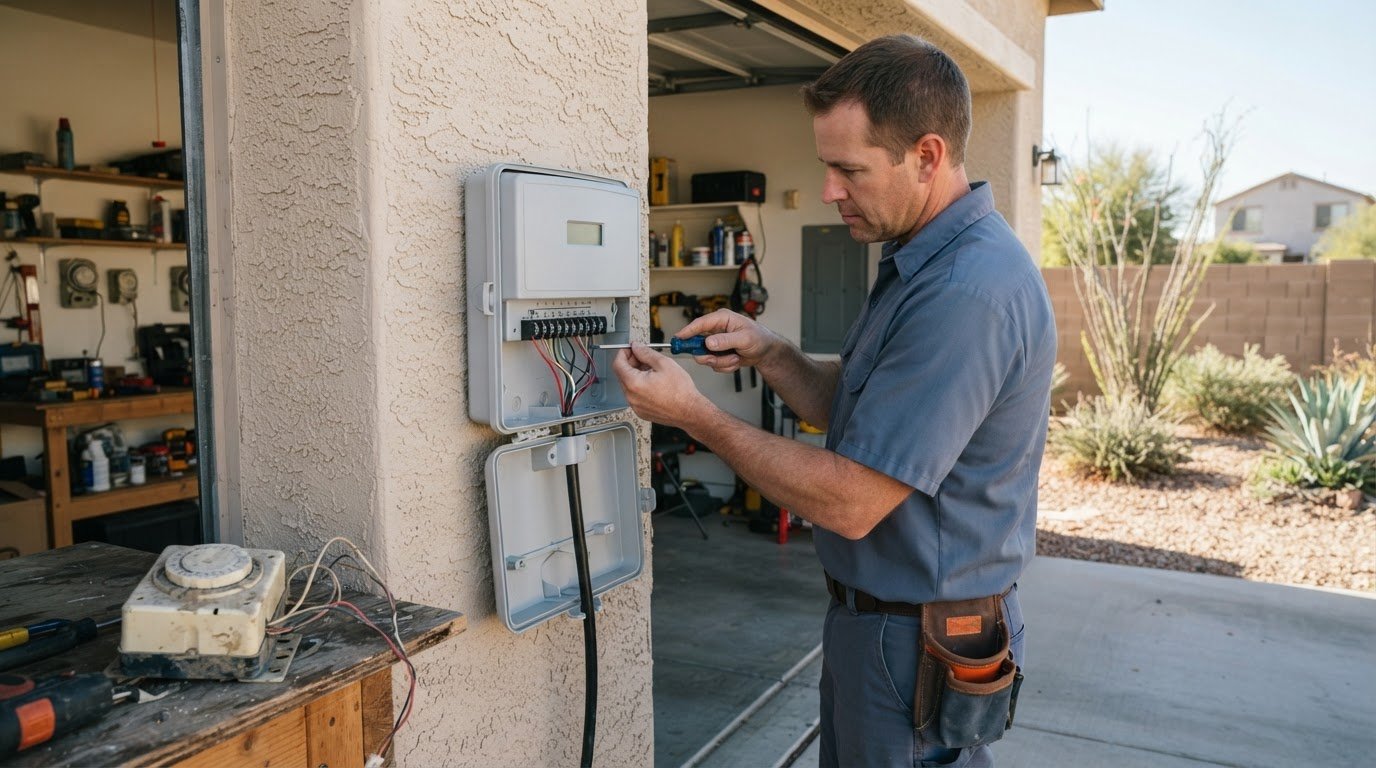
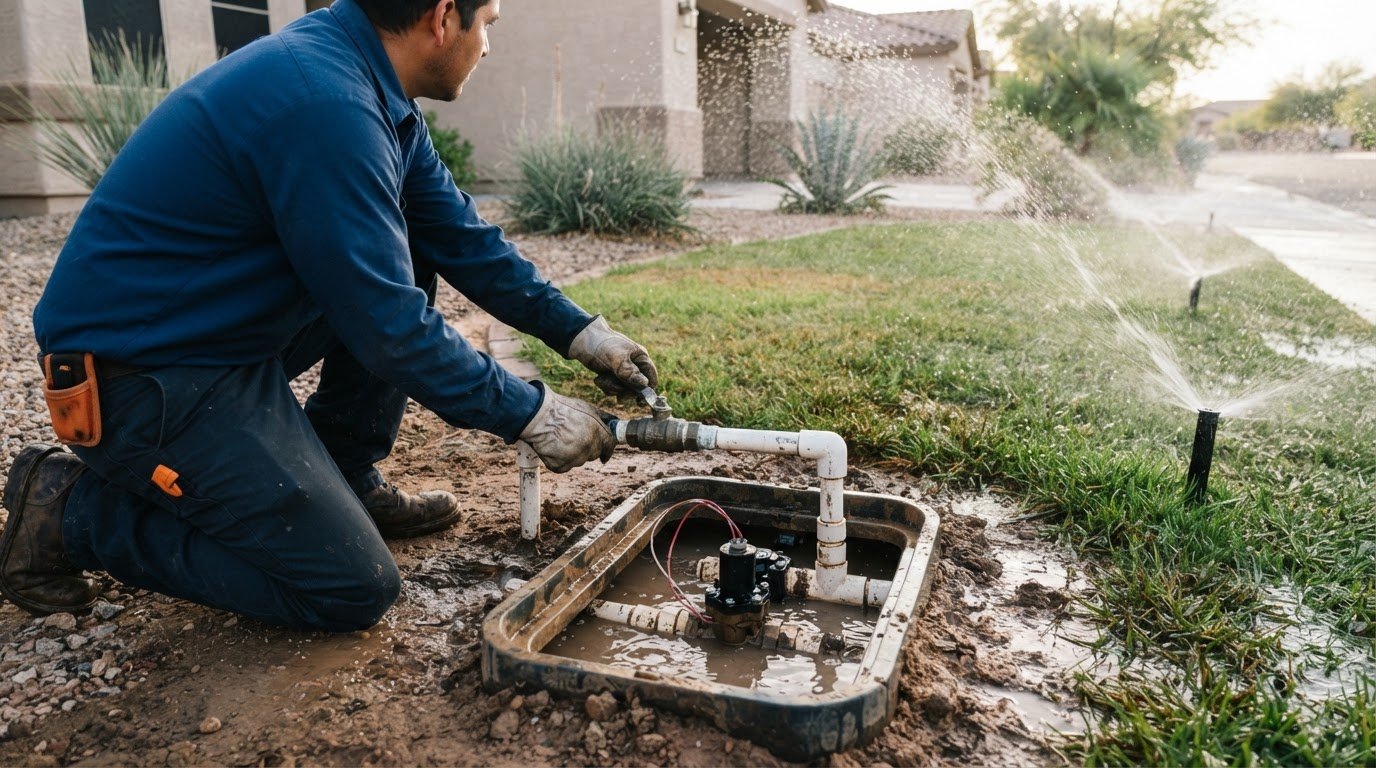
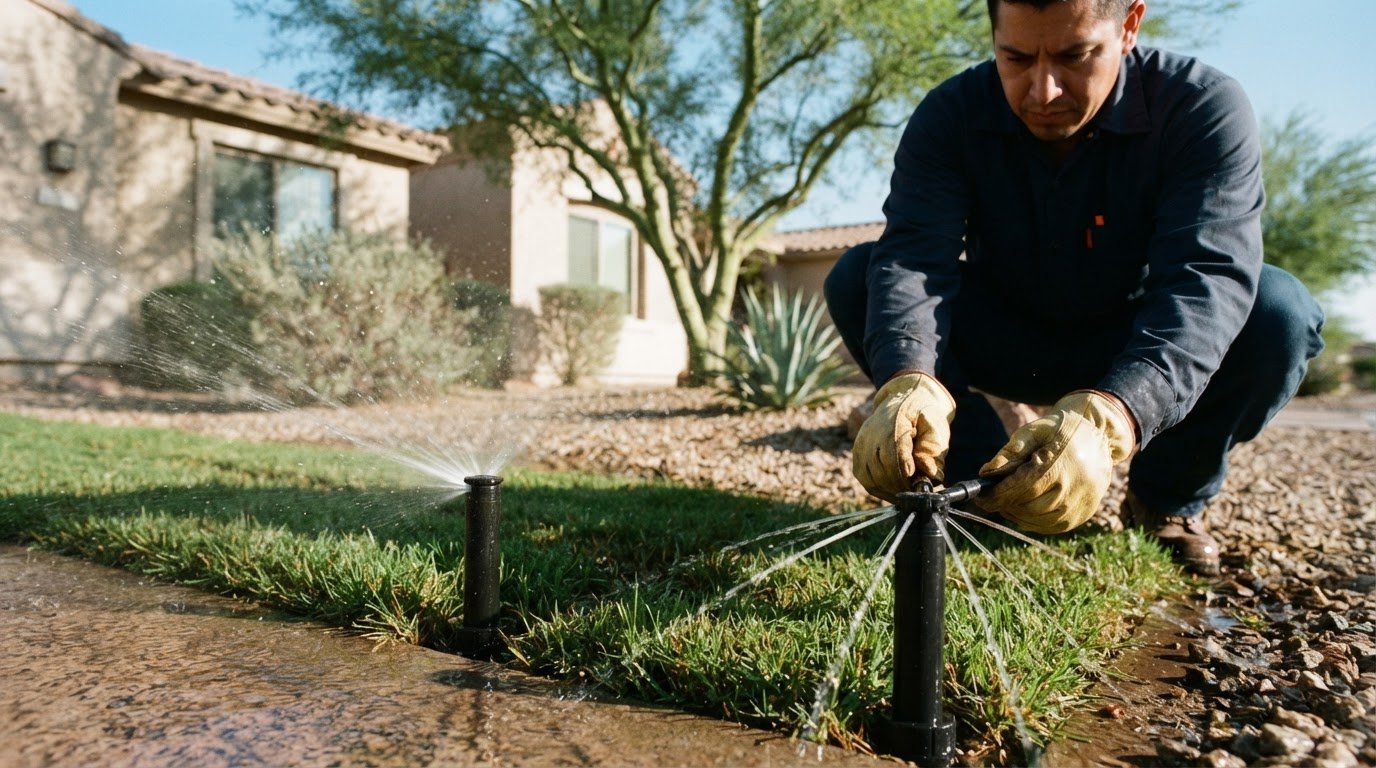
Sonora Sprinkler Inc. installs drip irrigation systems designed around each planting area and its water needs. If bougainvillea roots receive uneven water, soil stays wet between cycles, or an existing layout needs adjustment, a professionally planned system can address emitter placement and coverage together. The installation accounts for the planting arrangement and site conditions, delivering water near the root zone without relying on a one-size-fits-all schedule.
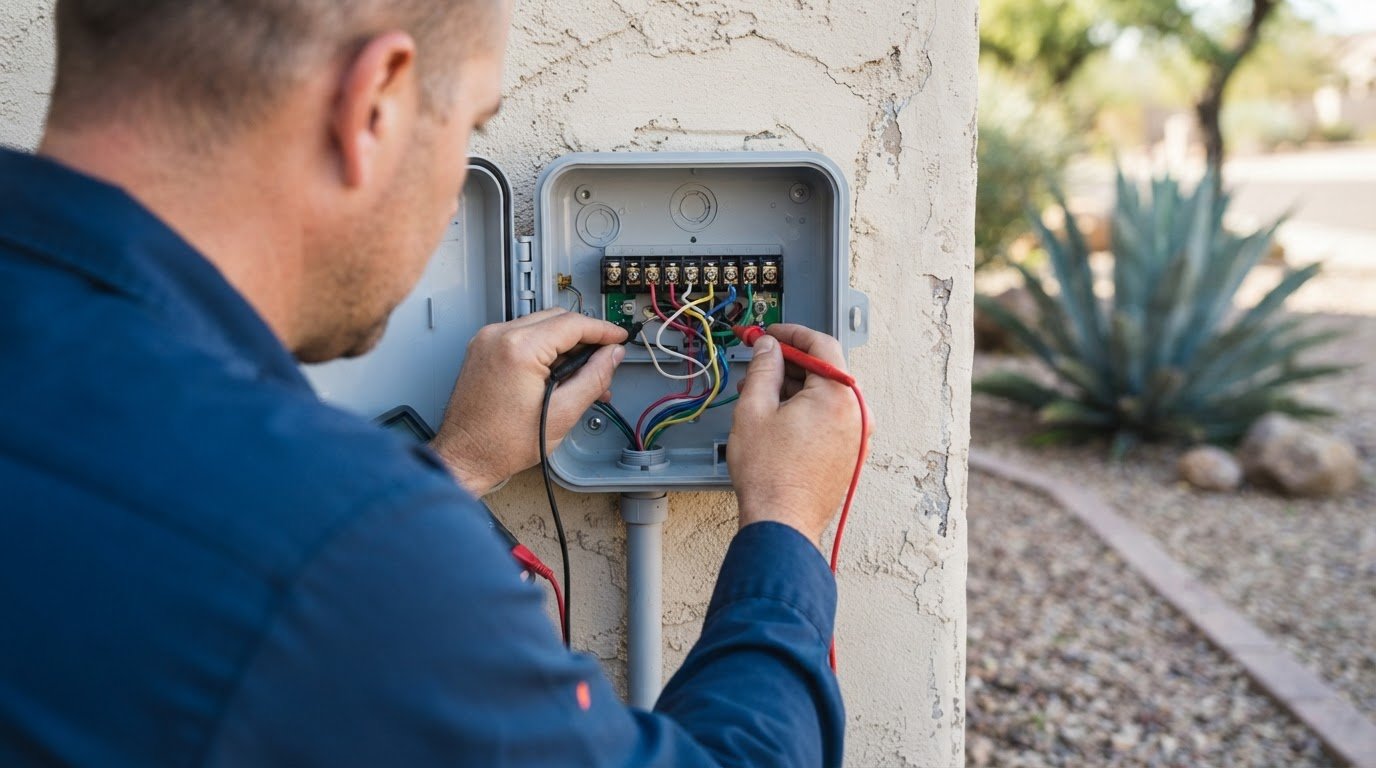
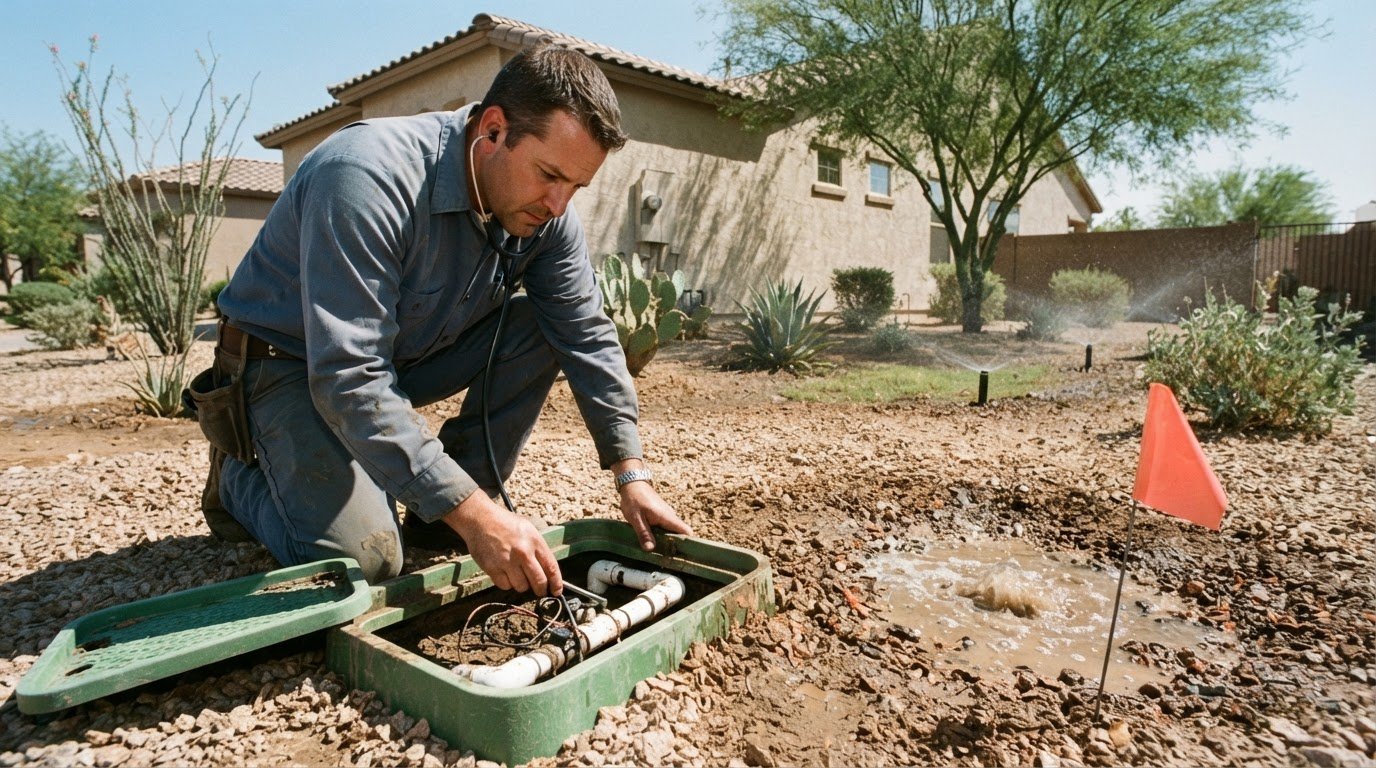
For an existing system with inconsistent delivery or a suspected blockage, Sonora Sprinkler Inc. provides irrigation repair and diagnostics to restore proper operation. If the broader layout needs attention, the company also provides irrigation installation and custom sprinkler system design.
For a professional assessment of your bougainvillea irrigation needs, contact Sonora Sprinkler Inc.
Plan for changing irrigation needs
A bougainvillea planting isn’t static. As it grows, its root zone and surrounding coverage can change, so an irrigation layout should leave room for thoughtful adjustment. A professional can assess how the system serves the plant now and whether its design suits the planting area over time.
Before arranging installation or repair, consider what shapes the work: whether the bougainvillea grows in a pot or in the ground, where it is planted, and how water behaves in the soil. These details help guide a discussion about a drip irrigation system suited to the site, rather than a generic setup.
Sonora Sprinkler provides irrigation installation, drip irrigation installation, and irrigation repair. For help planning the next step for your planting, contact Sonora Sprinkler. A carefully considered system can support a healthier root zone as your bougainvillea grows.
Frequently Asked Questions
Can overwatering kill a bougainvillea?
Yes. Soil that stays waterlogged can drown bougainvillea roots and lead to root rot. A plant may also struggle when its roots remain wet, even if its leaves appear stressed. If the soil is persistently soggy, pause the next scheduled cycle and assess drainage and water delivery. Persistent wetness calls for attention to the planting area, not simply another adjustment to the timer.
How often should I water my bougainvillea?
Watering frequency depends on whether the plant is established, its growing conditions, and how quickly its soil dries. Established bougainvillea is often watered deeply every 3-4 weeks, while a new planting needs consistent moisture as it establishes. After rainfall, account for moisture already in the soil before the next cycle. A morning watering routine can help fit irrigation into the day without wetting foliage.
How often should bougainvillea be watered with drip irrigation?
Drip irrigation should follow the plant’s root-zone moisture, not a universal timer schedule. For an established plant, a deep cycle every 3-4 weeks is one useful reference, with adjustments for rainfall, season, and soil drainage. A professional sets the timer to match the emitter output and planting conditions. If the soil remains damp between cycles, the schedule needs reassessment before more water is applied.
How many gallons of water does bougainvillea need per week?
There isn’t a dependable weekly gallon amount for every bougainvillea. The total depends on plant size, whether it grows in a pot or in the ground, soil drainage, emitter flow, and runtime. For example, two plants on the same line may receive equal output but have different moisture needs. Consider those conditions together rather than assigning a fixed weekly volume.
Are there local watering restrictions or drought guidelines for drip irrigation in the United States?
Watering rules can differ by location and may change during drought conditions, so there isn’t one schedule that applies everywhere in the United States. In Surprise and Peoria, check current local water-conservation notices before setting or changing a watering schedule. Drip irrigation doesn’t automatically exempt a property from local rules. Adjust the system’s timer to follow applicable limits while accounting for the plant’s needs.
What drip irrigation supplies are needed and how much do they cost?
Supplies include drip tubing, emitters, connectors, and the control components needed for the layout. The project price depends on plant count, line routing, existing irrigation, and site conditions, and is provided after a quote request.
How to set up a drip irrigation system for bougainvillea step by step?
Assess soil drainage and how quickly the root zone dries. Lay drip tubing and position emitters away from the stems to cover the root area; two emitters, one foot from the plant on each side, may suit the layout. Check that each emitter delivers water without obstruction, then set timing according to soil moisture and seasonal conditions, allowing the soil to dry somewhat between waterings.