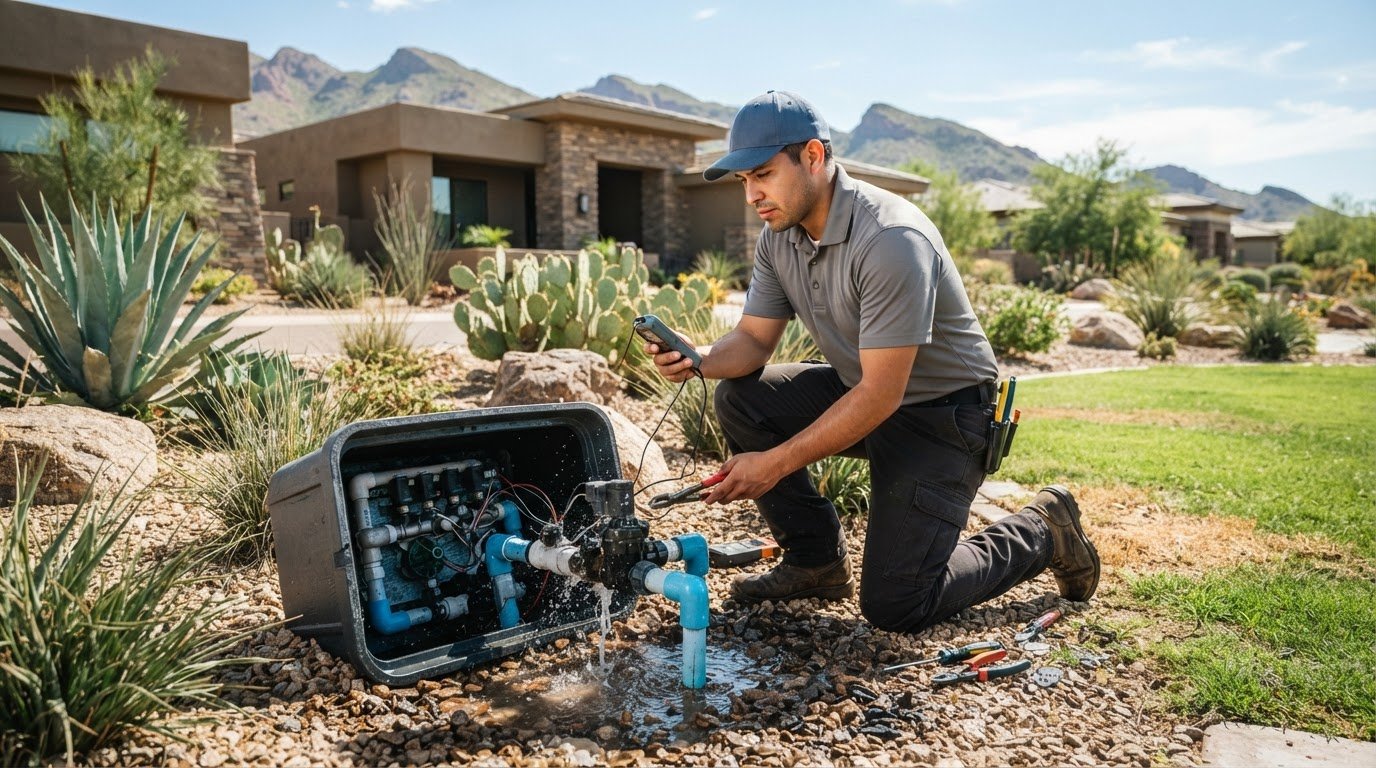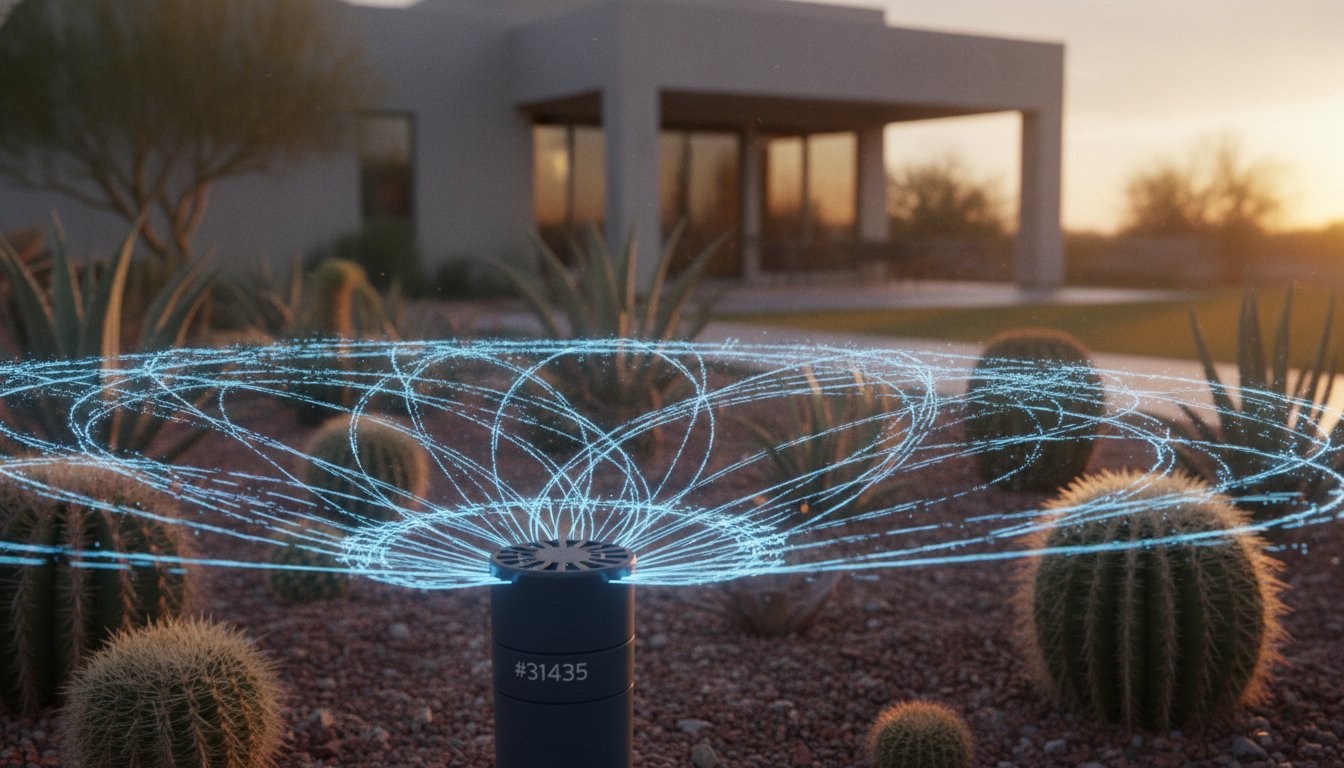
The Arizona desert doesn't just test your patience; it actively degrades the infrastructure buried beneath your lawn. If you've noticed a sudden spike in your water bill or a recurring failure in a specific zone, you aren't alone. Many homeowners find that a simple patch isn't enough when the soil is packed with caliche and the summer heat is relentless. For a long-term solution, PVC irrigation pipe replacement Surprise AZ requires a specialized understanding of local conditions. It's a task that goes beyond basic plumbing, as it involves navigating the 2024 International Plumbing Code and managing the thermal expansion that keeps many systems in a cycle of constant repair.
You deserve an irrigation system that works as hard as you do without the constant worry of underground leaks. In this guide, we'll explore why desert-specific materials and professional installation are essential for a system that survives the summer. You'll learn how to move past temporary fixes and achieve a reliable, code-compliant setup that lowers your monthly costs. We'll also break down the technical realities of working with our unique soil and why doing it right means more than just digging a hole.
Key Takeaways
- Understand how extreme desert heat and caliche soil combine to stress your irrigation system's underground infrastructure.
- Learn the critical differences between Schedule 40 and Class 200 PVC to ensure your system uses materials built for Arizona's pressure demands.
- Recognize the signs of brittle pipe fatigue to determine when a full PVC irrigation pipe replacement Surprise AZ is more cost-effective than recurring patches.
- Discover the specialized trenching techniques required to safely navigate the "desert concrete" and utility lines found in local residential properties.
- Identify why choosing a residential specialist ensures your project prioritizes long-term durability and professional standards over quick, temporary fixes.
Why PVC Irrigation Pipes Fail in Surprise, AZ Landscapes
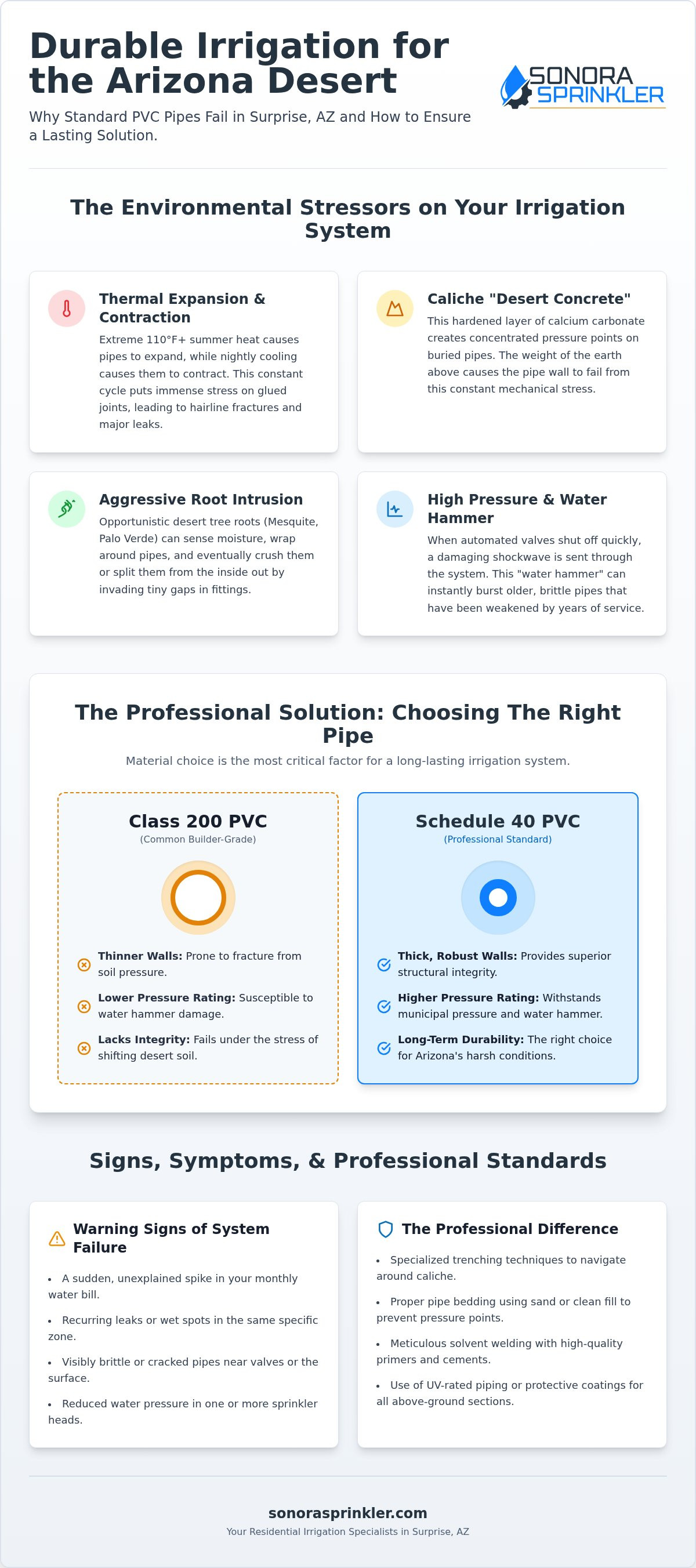
Understanding why underground lines fail requires a look at the unique environmental stressors found in the West Valley. While PVC is one of the most reliable plastic pipe materials available for water transport, it faces extreme conditions in our local soil. In Surprise, the primary catalyst for failure is often thermal expansion. During our 110°F+ summers, the ground temperature rises significantly, causing buried pipes to expand. When the monsoon rains arrive or the sun sets, the ground cools and the pipes contract. This constant cycle of movement puts immense stress on glued joints and fittings, eventually leading to hairline fractures that grow into major leaks.
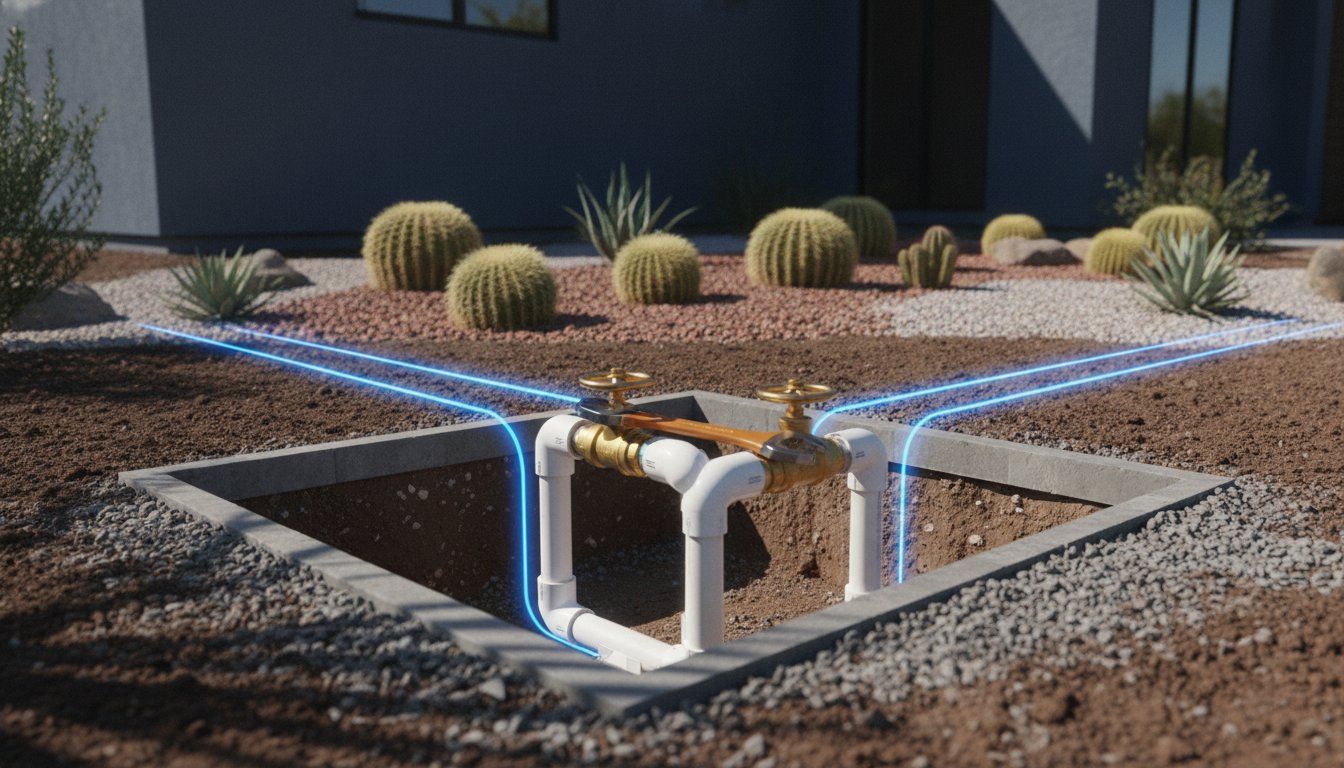
Another silent culprit is caliche, often called "desert concrete." This hardened layer of calcium carbonate is prevalent throughout Surprise and Peoria. Unlike soft topsoil found in other regions, caliche doesn't give way. If a pipe is installed directly against a caliche shelf or a sharp rock, the weight of the earth above creates a "point load." Over time, this concentrated pressure causes the pipe wall to fail. For many homeowners, a professional PVC irrigation pipe replacement Surprise AZ is the only way to ensure new lines are properly bedded in sand or clean fill to prevent this mechanical damage.
We also see significant issues with root intrusion. Desert trees like Mesquite and Palo Verde are experts at finding moisture. Their opportunistic roots can sense the slight condensation on the outside of a cool PVC pipe. They wrap around the line and eventually find their way into the smallest gaps in a fitting. As the root grows, it acts like a slow-motion wedge, splitting the pipe from the inside out. When you combine this with the natural degradation of builder-grade, thin-walled pipes, it's easy to see why older systems begin to fail all at once.
The Impact of Shifting Desert Soil
Our soil doesn't stay still. During the monsoon season, the sudden influx of moisture causes the ground to swell, a process known as heaving. As the soil dries out in the following weeks, it shrinks. This movement is particularly dangerous for pipes that weren't buried at the proper depth or lack enough "play" in their configuration. We frequently see "shear breaks" where a pipe has literally been snapped off at a 90-degree fitting because the ground shifted in one direction while the valve box remained stationary. Removing the surrounding rocks and debris during a replacement is critical to preventing these structural failures.
High Water Pressure and Hammering
Municipal water systems in Surprise often operate at high pressures to ensure every neighborhood has adequate flow. While this is great for your shower, it can be devastating for an aging irrigation system. When an automated valve shuts off quickly, it creates a shockwave known as "water hammer." This sudden spike in pressure can burst older, brittle pipes that have been weakened by years of service. If you notice your pipes vibrating or making a loud thud when the zones change, it's often a sign of trouble. You can learn more about the signs of a failing irrigation shut-off valve to see if your system's pressure management is contributing to your pipe failures.
Choosing the Right Materials: Schedule 40 vs. Class 200 PVC
Selecting the right materials is the most critical decision in the process of a PVC irrigation pipe replacement Surprise AZ. While many original irrigation systems in our local neighborhoods were installed using Class 200 PVC, this builder-grade material often lacks the structural integrity needed for long-term desert survival. Class 200 is characterized by its thinner walls, which makes it susceptible to fractures when the ground shifts or when water pressure spikes. In contrast, Schedule 40 PVC offers a much thicker profile and higher pressure resistance, providing a robust defense against the environmental stressors we encounter in the West Valley.
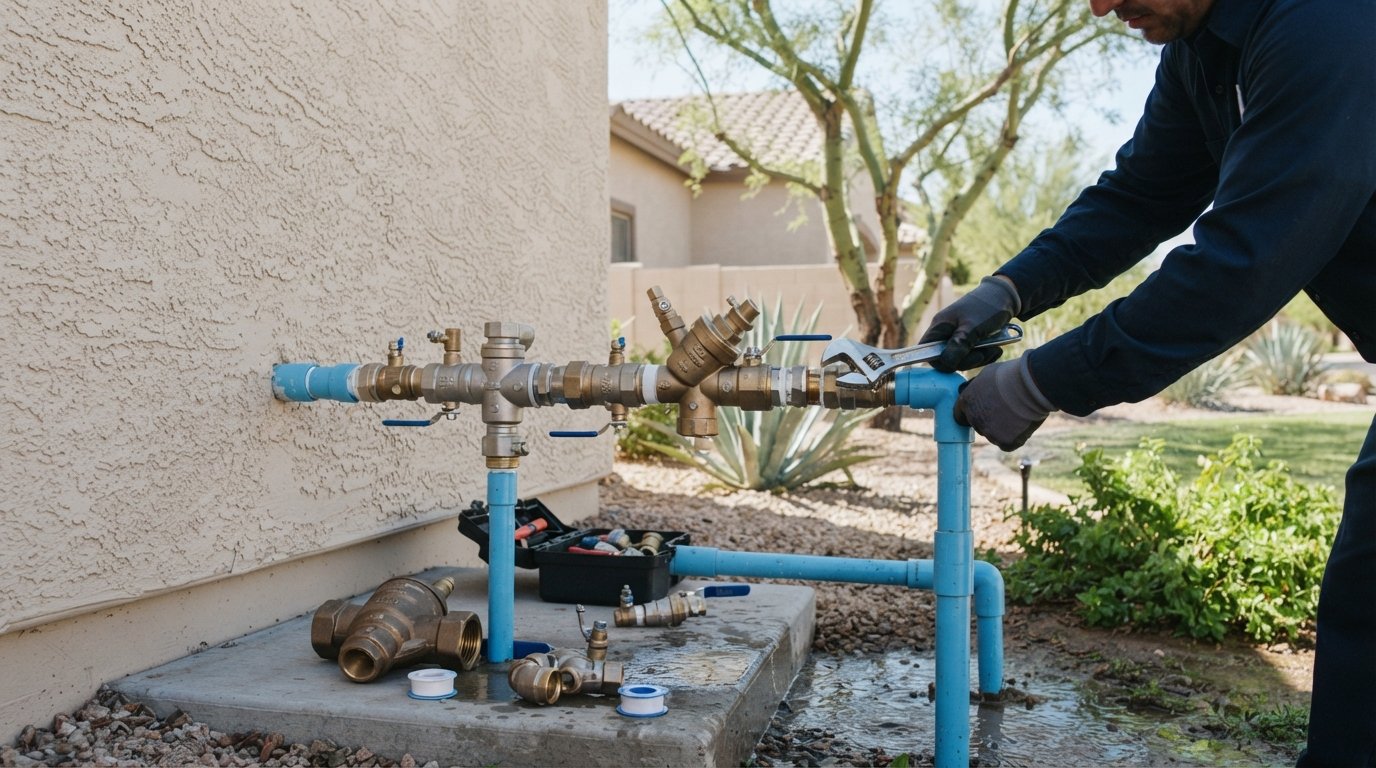
The assembly process is just as vital as the pipe itself. In the intense heat of a Surprise summer, standard PVC cement can dry too quickly, leading to "cold joints" that fail under pressure. We prioritize a meticulous solvent welding process that utilizes high-quality primers and heavy-duty cements. This ensures the pipe and fitting are chemically fused into a single, continuous piece. For any sections that must remain above ground, such as near the backflow preventer, we utilize UV-rated piping or protective coatings to prevent the sun from turning the plastic brittle over time.
Wall Thickness and Pressure Ratings
The primary difference between these materials lies in their ability to handle stress. Schedule 40 PVC is the superior choice for Surprise residential systems because it is designed to withstand significantly higher internal pressures than Class 200. While Class 200 is rated for 200 PSI, its thin walls offer little margin for error when subjected to the water hammer effect or external pressure from caliche. Reviewing technical pipe friction loss data confirms that Schedule 40 maintains its structural shape better under varying flow rates, making it essential for main lines that remain under constant pressure.
The Importance of Proper Fittings
Durability isn't just about the straight runs of pipe; it's about the connections. We utilize deep-socket fittings, which provide more surface area for the chemical bond to take hold. This is far superior to standard fittings that may pull apart during soil heaving. It's also why we advise against using "slip-fix" telescopic couplings for a permanent PVC irrigation pipe replacement Surprise AZ. While these are helpful for a quick, temporary patch, they rely on O-rings that eventually degrade. A true professional replacement uses primer to soften the plastic, followed by cement to create a permanent, leak-free weld. If you are concerned about the integrity of your current fittings, you can always reach out for a professional assessment of your system's components.
Signs You Need Full Pipe Replacement Instead of a Simple Repair
Determining whether to keep patching your system or invest in a full PVC irrigation pipe replacement Surprise AZ often comes down to the frequency of failure. If you've had to repair the same ten-foot section of pipe more than twice, the material itself has likely reached a state of "brittle fatigue." In our desert climate, older PVC loses its flexibility and becomes like glass. When you try to glue a new fitting onto a brittle pipe, the structural stress of the repair often causes a new hairline fracture just a few inches away. This creates a frustrating cycle of digging and patching that never truly resolves the underlying issue.
You should also monitor your water pressure closely. If your sprinkler heads aren't popping up fully or your drip emitters seem sluggish, it's natural to check the backflow preventer first. However, if that component is clean and functioning, the problem is likely a major underground breach or internal pipe degradation. A sudden, unexplained spike in your Surprise water bill is often the first warning sign of a failed main line. Because our desert soil is so porous, thousands of gallons of water can disappear into the ground before you ever see a puddle on the surface.
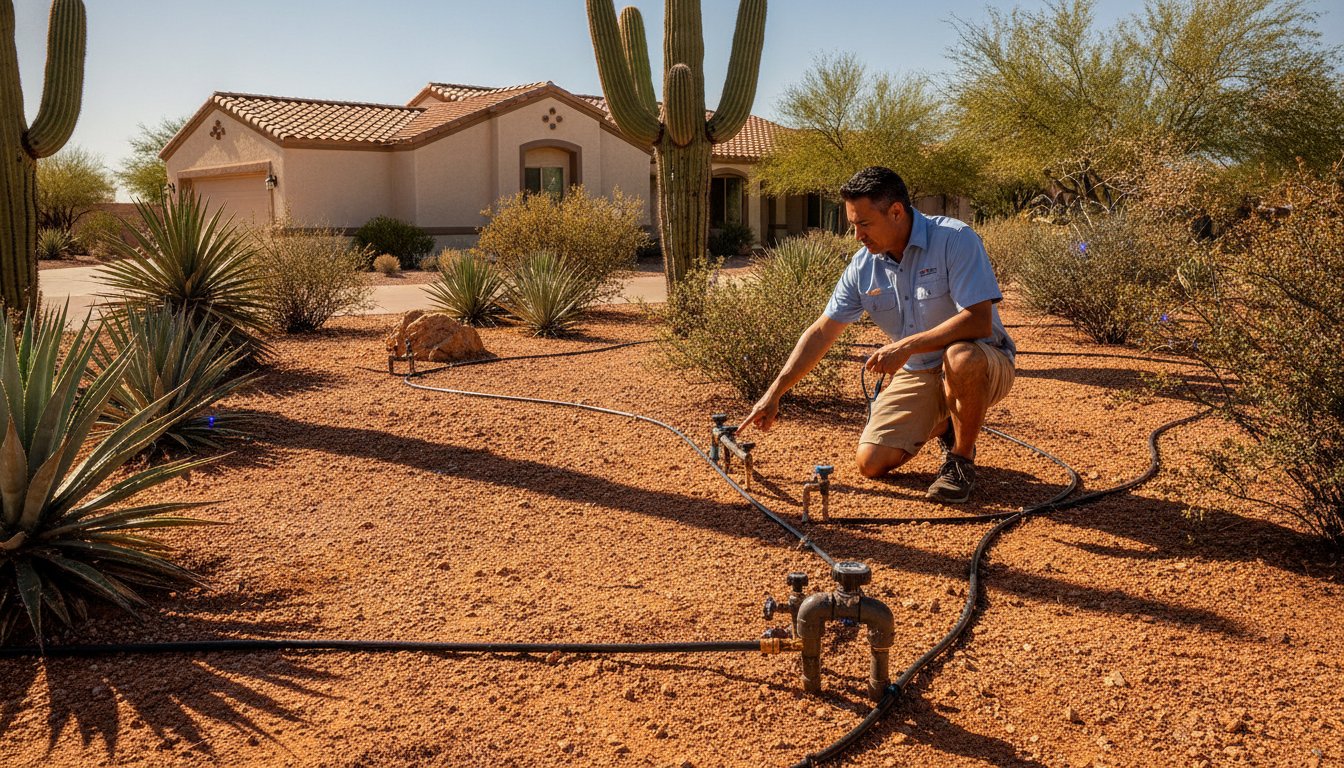
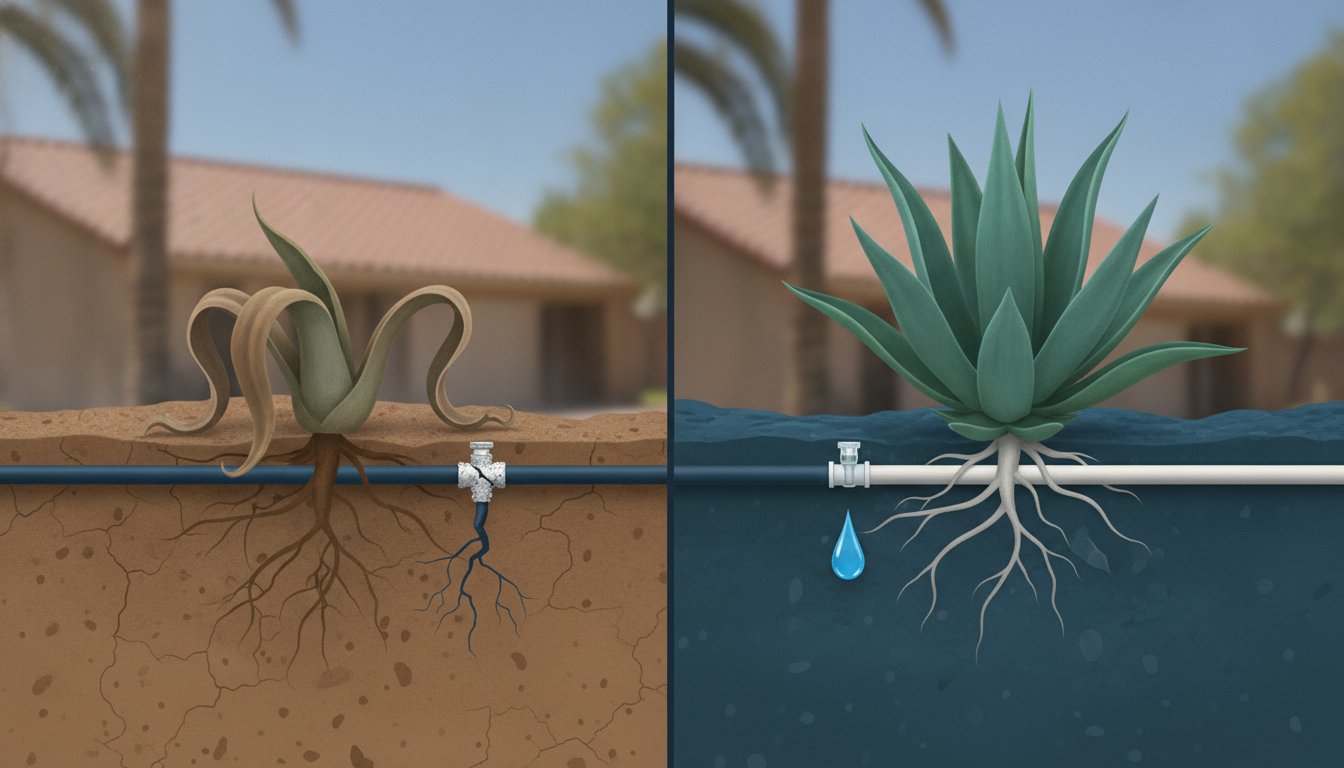
Visible changes in your landscaping are the final red flags. While we don't have the lush turf found in other states, failed pipes in Surprise create distinct "sinkholes" or unusually soft spots in the gravel. You might notice your desert trees suddenly looking more vibrant in one specific area while the rest of the yard struggles. This localized growth often indicates that a pipe has split underground, providing an unintended deep-watering source that will eventually undermine your home's foundation or hardscaping.
The "Three Strikes" Rule for Irrigation Lines
We generally recommend the "three strikes" rule for residential systems. When the cost of individual service calls and labor begins to approach the price of a comprehensive line upgrade, replacement is the more responsible financial choice. Continuing to patch a failing system is a temporary fix that doesn't account for the labor-intensive nature of digging in our local caliche. To help you identify these issues early, you can use this checklist for irrigation pipe leak detection to evaluate your system's current state.
Evaluating System Efficiency
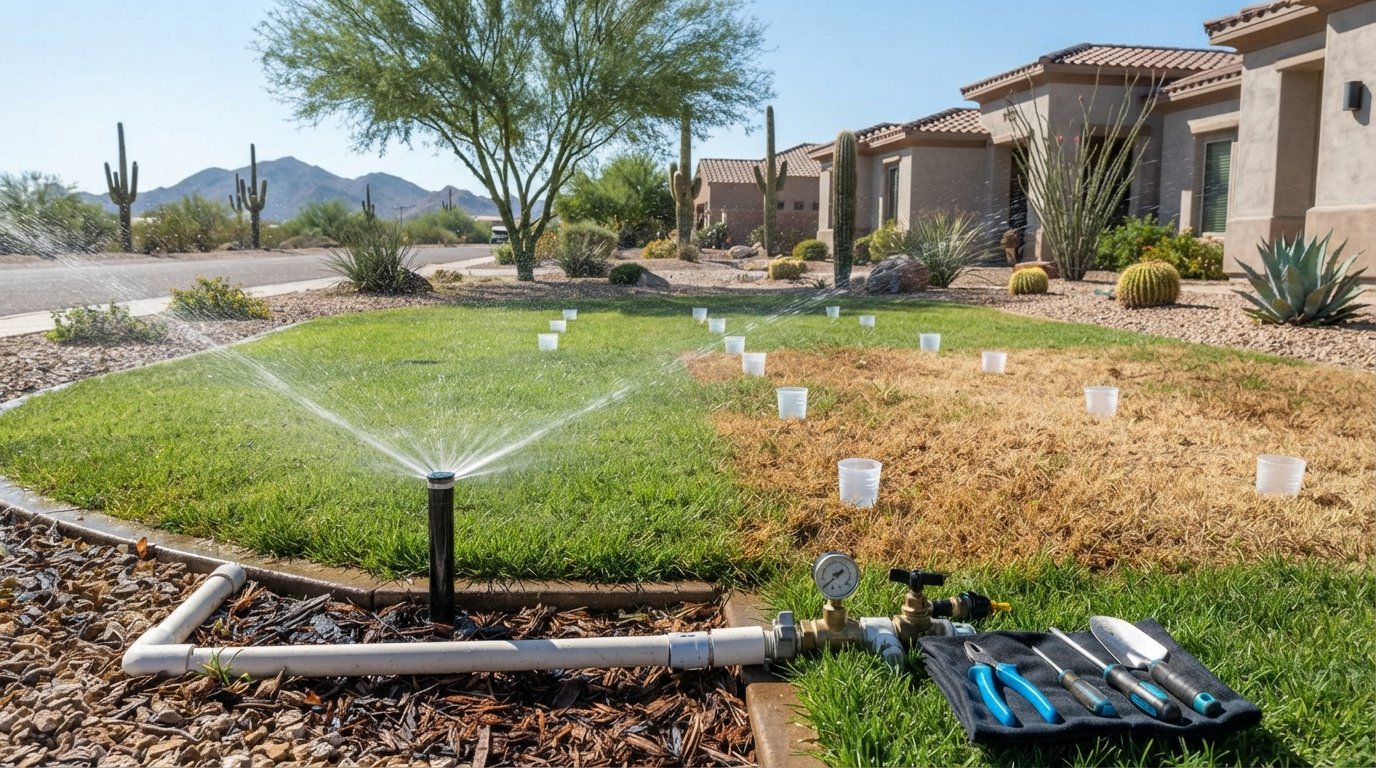
Efficiency isn't just about stopping leaks; it's about proper water delivery. Over time, original builder-grade pipes can become restricted by mineral deposits or fine silt that enters through small cracks. Upgrading to a larger diameter Schedule 40 pipe during a replacement ensures your system has the volume and pressure needed to reach every corner of your property. If you're currently dealing with a minor break, learning how to fix broken sprinkler lines safely can help in the short term, but always keep an eye on the overall health of the entire line.
The Professional PVC Replacement Process for Desert Soil
Executing a successful PVC irrigation pipe replacement Surprise AZ requires a methodical approach that accounts for both underground utilities and the unforgiving nature of the local terrain. The process begins with safety and compliance. We coordinate utility marking to identify gas, electric, and communication lines before any tools hit the ground. In residential neighborhoods, these lines are often buried at inconsistent depths, making professional oversight essential to prevent costly accidents. Once the site is cleared, we move into the excavation phase, which is where local expertise truly matters.
A clean installation is just as important as a deep trench. We take specific precautions to ensure that dirt, rocks, and PVC shavings don't enter the new lines during assembly. Even a small amount of desert silt can migrate downstream and cause immediate valve failure or clog your drip emitters. Before the final connections are made, we flush the main lines with high-velocity water to remove any potential contaminants. Finally, we conduct a static pressure test. By keeping the system under pressure while the joints are still exposed, we can verify the integrity of every chemical weld before the soil is replaced.
Trenching and Bedding the New Pipe
In the West Valley, standard shallow digging isn't sufficient for long-term reliability. We typically dig deeper than the common six-inch standard used by many builders. Increasing the burial depth provides a natural layer of insulation against the extreme surface heat that can reach 150°F on the desert floor. To protect the new Schedule 40 pipe, we follow a specific bedding process:
- Removal of Caliche: We clear out the hardened "desert concrete" and sharp rocks that cause point-load fractures.
- Sand Bedding: We use clean fill or sand to create a soft cushion for the pipe.
- Landscape Protection: We utilize specialized trenching equipment designed to minimize the footprint on your existing gravel or desert plants.
Solvent Welding and Curing Time
The low humidity levels in Surprise significantly impact how PVC primer and cement react. While it's tempting to rush the process, rushing a chemical weld often leads to joint failure under high municipal water pressure. A professional joint requires 15 to 30 minutes of set time before handling to ensure the plastic has properly fused. We also allow for a full curing period before subjecting the system to a "water hammer" load. This patience ensures that the joints are just as strong as the pipe walls themselves. If you suspect your current system was installed with rushed, failing joints, contact our team for a professional inspection of your underground lines.
Investing in Long-Term System Reliability with Sonora Sprinkler
Choosing a provider for your PVC irrigation pipe replacement Surprise AZ is a decision that impacts your property's health for decades. While many general landscaping companies offer pipe repairs as a side service, they often lack the specialized focus required for complex residential systems. We've been family-owned and operated since 1999, dedicating our expertise exclusively to the unique challenges faced by Arizona homeowners. This residential-only focus means we don't rush through jobs to reach a large commercial contract. We take the time to ensure every trench is clear of caliche and every joint is chemically fused for maximum durability.
A high-quality initial installation is the most effective way to reduce your long-term maintenance expenses. By using Schedule 40 materials and professional bedding techniques, we eliminate the recurring leaks that drive up water bills and cause property damage. Our custom system design ensures that your new PVC main lines integrate seamlessly with your existing drip zones or sprinkler heads, providing a balanced flow across your entire landscape. This methodical approach prevents the pressure imbalances that often lead to premature pipe failure in older systems.
The Sonora Sprinkler Difference
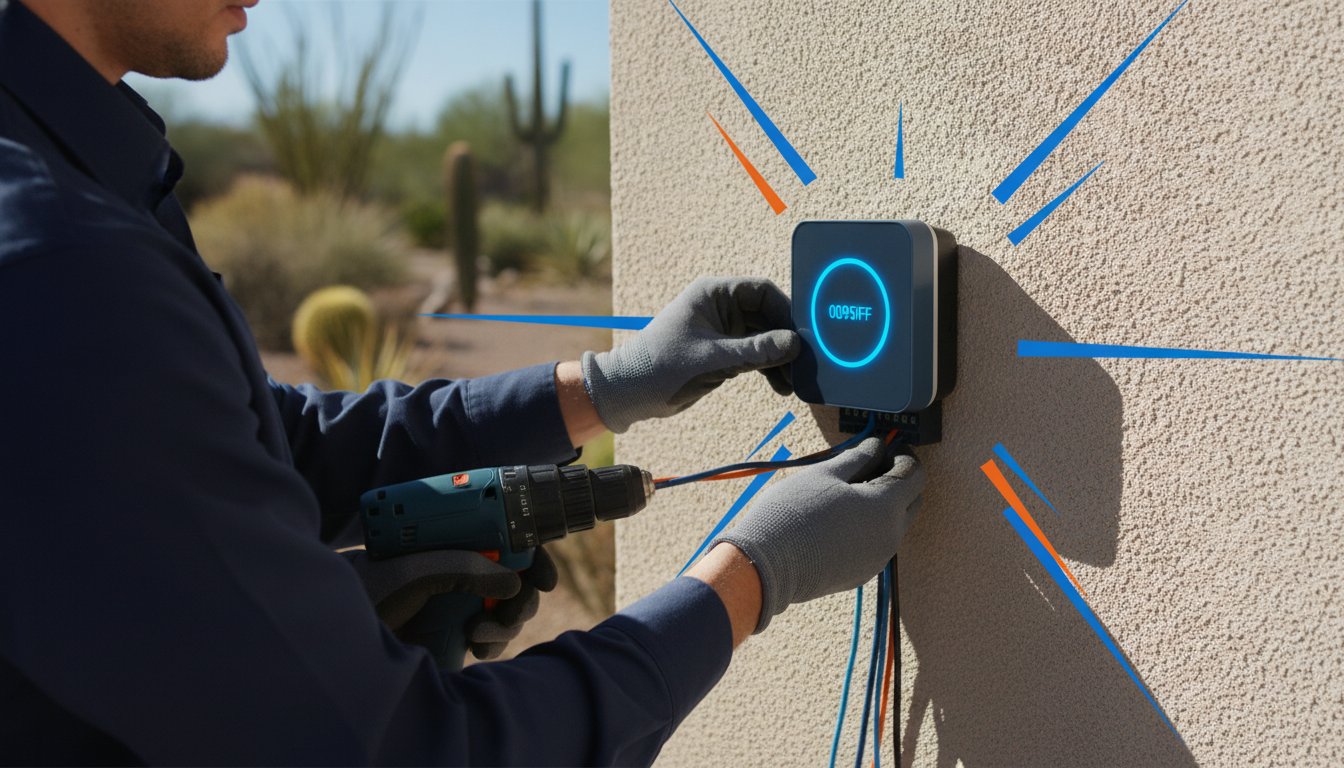
We prioritize the use of heavy-duty materials tailored for the specific thermal stressors of the West Valley. Beyond the pipes themselves, our team brings deep expertise in irrigation wiring and diagnostics. This comprehensive knowledge ensures that your controllers, valves, and new piping work in perfect harmony. We believe that by focusing exclusively on residential clients, we can provide a level of detail and care that larger, commercial-focused firms simply cannot match. Our "boots-on-the-ground" experience allows us to anticipate soil issues before they become expensive problems.
Protecting Your Desert Investment
Investing in a professional system upgrade does more than just stop leaks; it protects the health of your desert trees and the structural integrity of your home's foundation. A reliable irrigation system is a foundational component of property maintenance in Surprise, especially as water conservation becomes increasingly critical. You gain the peace of mind that comes with a system built to withstand the next 20 years of Arizona summers. Don't wait for the next underground break to address your system's weaknesses. You can schedule your PVC pipe inspection with Sonora Sprinkler today to ensure your landscape remains efficient and leak-free.
Securing Your Landscape’s Future in the Desert
Restoring your irrigation system is about more than just stopping a leak; it's about building resilience against the harsh Arizona environment. You've learned that using heavy-duty Schedule 40 materials and navigating caliche soil with precision are the keys to a system that lasts. A proper PVC irrigation pipe replacement Surprise AZ ensures your landscape thrives while your water bills stay manageable for years to come. By moving away from temporary patches and investing in professional-grade infrastructure, you protect both your home’s foundation and your property’s value.
Since 1999, our family-owned and operated business has focused exclusively on residential systems in Surprise and Peoria. We understand the "desert concrete" and thermal expansion issues that generalists often overlook. Our boots-on-the-ground expertise ensures your system is installed to code and built for longevity. If you're ready to stop the cycle of recurring repairs and achieve total peace of mind, we're here to help. Get a Professional Quote for Your Irrigation Replacement and take the first step toward a more reliable, efficient outdoor space.
Frequently Asked Questions
How much does it cost to replace an irrigation pipe in Surprise, AZ?
The cost of pipe replacement depends on the total linear footage, the depth of the burial, and the density of the caliche soil on your property. While localized repairs have a smaller scope, a full line replacement involves extensive labor for trenching and material upgrades. We provide customized estimates that account for your specific landscape layout and the structural requirements of your residential system.
How deep should PVC irrigation pipes be buried in Arizona?
Irrigation lines in our region should ideally be buried 10 to 12 inches deep to provide adequate protection from extreme surface temperatures. While many builder-grade systems are installed at a shallow 6 inches, deeper burial helps insulate the PVC from ground heat that can exceed 150 degrees. This extra depth also protects the infrastructure from accidental damage during routine yard maintenance or aerating.
Can I use PVC glue in 110-degree weather?
You can use PVC glue in extreme heat, but the application requires professional speed to prevent "cold joints." In 110-degree weather, the solvent evaporates almost instantly, which can lead to a weak bond that fails under pressure. We use specialized primers to soften the plastic and heavy-duty cements designed to create a true chemical weld before the desert heat sets the bond permanently.
What is the best type of PVC for a residential sprinkler system?
Schedule 40 PVC is the superior choice for a durable PVC irrigation pipe replacement Surprise AZ . It features significantly thicker walls and higher pressure ratings than the thinner Class 200 pipe often found in original construction. Choosing Schedule 40 ensures your main lines can withstand municipal water pressure spikes and the shifting forces of our local soil without cracking or leaking.
How do I know if my irrigation leak is in the main line or a lateral line?
A main line leak typically manifests as a constant wet spot or a spinning water meter even when the irrigation controller is turned off. If the leak only appears when a specific zone is active, the issue is likely located in a lateral line downstream of the valve. Identifying the location early prevents unnecessary digging and helps us determine the most efficient scope for your pipe replacement.
Will replacing my irrigation pipes damage my existing desert landscaping?
Professional replacement is designed to be as minimally invasive as possible for your existing desert landscape. We use specialized trenching equipment to create narrow paths, and we carefully set aside decorative gravel or river rock before digging. Once the new Schedule 40 lines are properly bedded and backfilled, the surface material is restored to its original appearance to maintain your yard's aesthetic.
How long does a typical PVC pipe replacement take?
Most residential PVC irrigation pipe replacement Surprise AZ projects are completed within one to two business days. The exact timeline depends on the total linear footage and the density of the caliche layers encountered during the trenching process. We prioritize a methodical pace to allow for proper solvent curing and pressure testing before we finalize the backfill and restore your property.
Is a permit required for irrigation pipe replacement in Surprise, AZ?
The City of Surprise adopted the 2024 International Plumbing Code in early 2026, which governs residential irrigation standards. While minor repairs typically do not require a permit, full system replacements or modifications to the backflow preventer must comply with current safety and water conservation regulations. We ensure every project meets these local amendments to maintain the long-term legality and safety of your home's system.