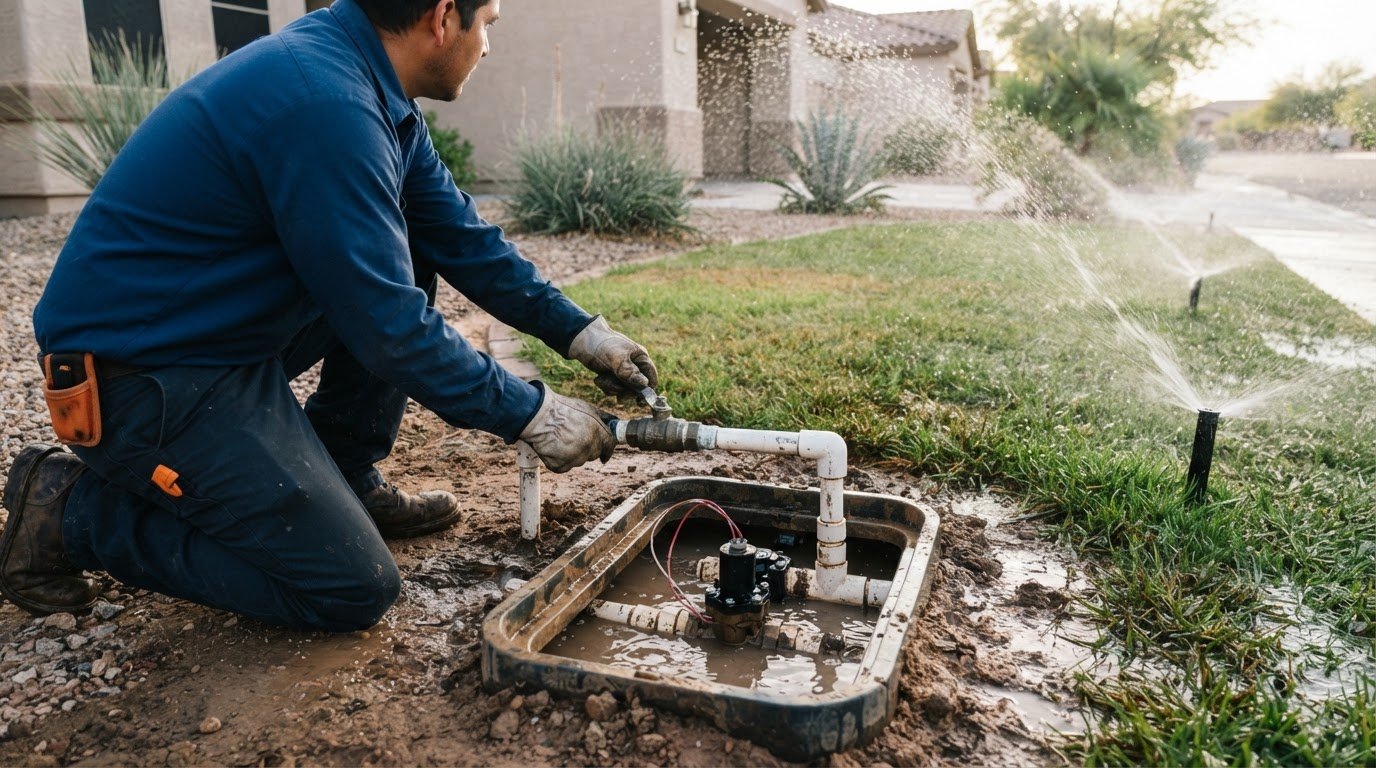
A sprinkler leak underground is often confirmed by what happens after the system shuts off. To understand how to check for underground water leaks from irrigation, professionals combine a dry-down check with continuous flow monitoring: a spot that remains saturated 24 to 48 hours after irrigation stops is a strong sign of an active below-grade leak. Meter readings help show whether water is still moving when the system should be off.
It’s understandable to suspect a broken pipe when a patch of soil stays wet, but surface moisture alone doesn’t reveal the cause. This guide explains how professionals use dry-down checks and flow monitoring to confirm a leak, narrow its likely location, and distinguish pipe damage from issues such as a leaking valve or normal drainage. Common causes, including freeze damage, shifting soil, and worn connections, can also guide the investigation.
Key Takeaways
- Learn how a dry-down check helps distinguish a persistent underground leak from surface water that drains normally.
- See how visible wet areas, weeping heads, and valve-box signs can help narrow the likely leak location.
- Understand how freeze damage, shifting soil, and worn connections can contribute to underground sprinkler leaks.
- Find out how continuous flow monitoring and professional pressure testing help isolate a problem without unnecessary digging.
- Recognize when irrigation repair or system design expertise can help protect your property and restore reliable watering.
Confirming underground leaks with a dry-down
Professionals combine soil observations with meter readings to check whether irrigation water is escaping underground. To distinguish an irrigation leak from a main water line leak, they isolate the irrigation supply and observe whether the meter continues registering flow.
-
How professionals run a dry-down check
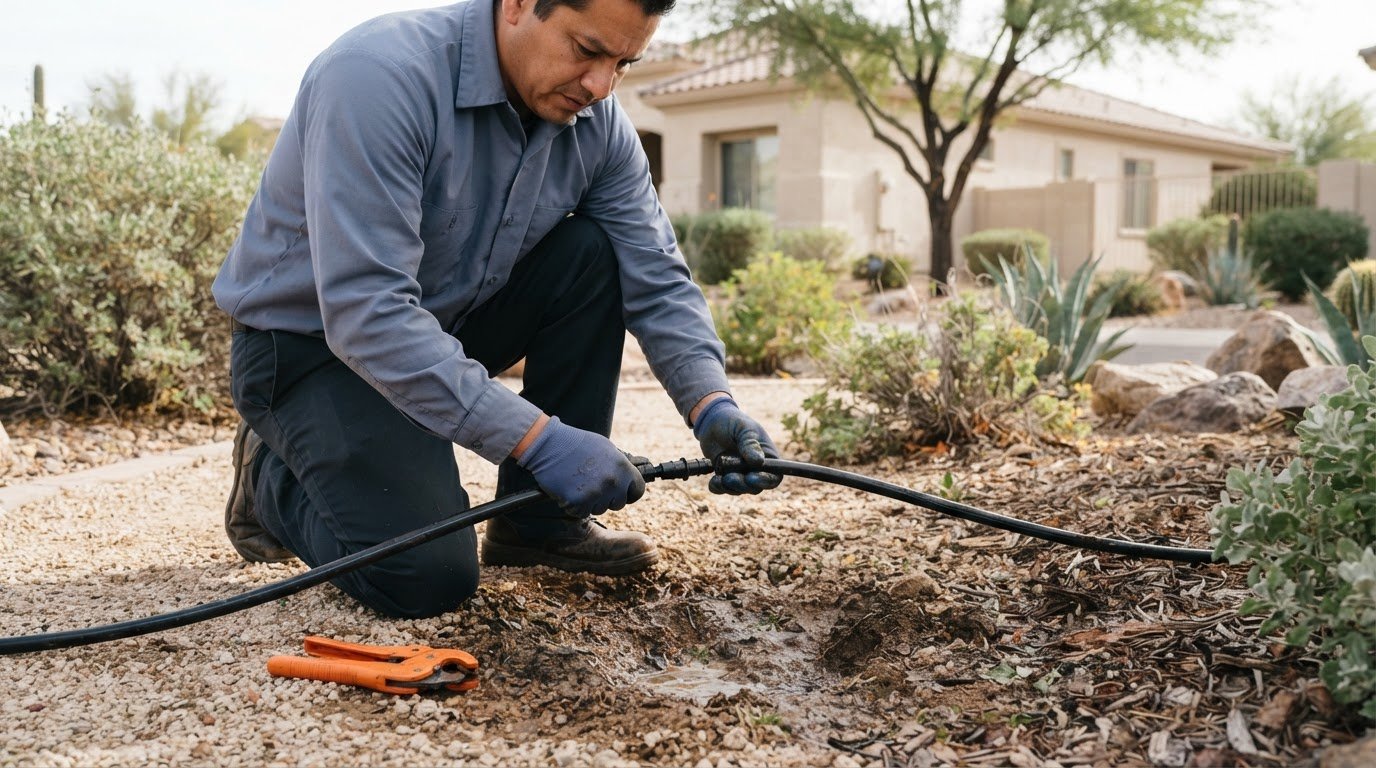
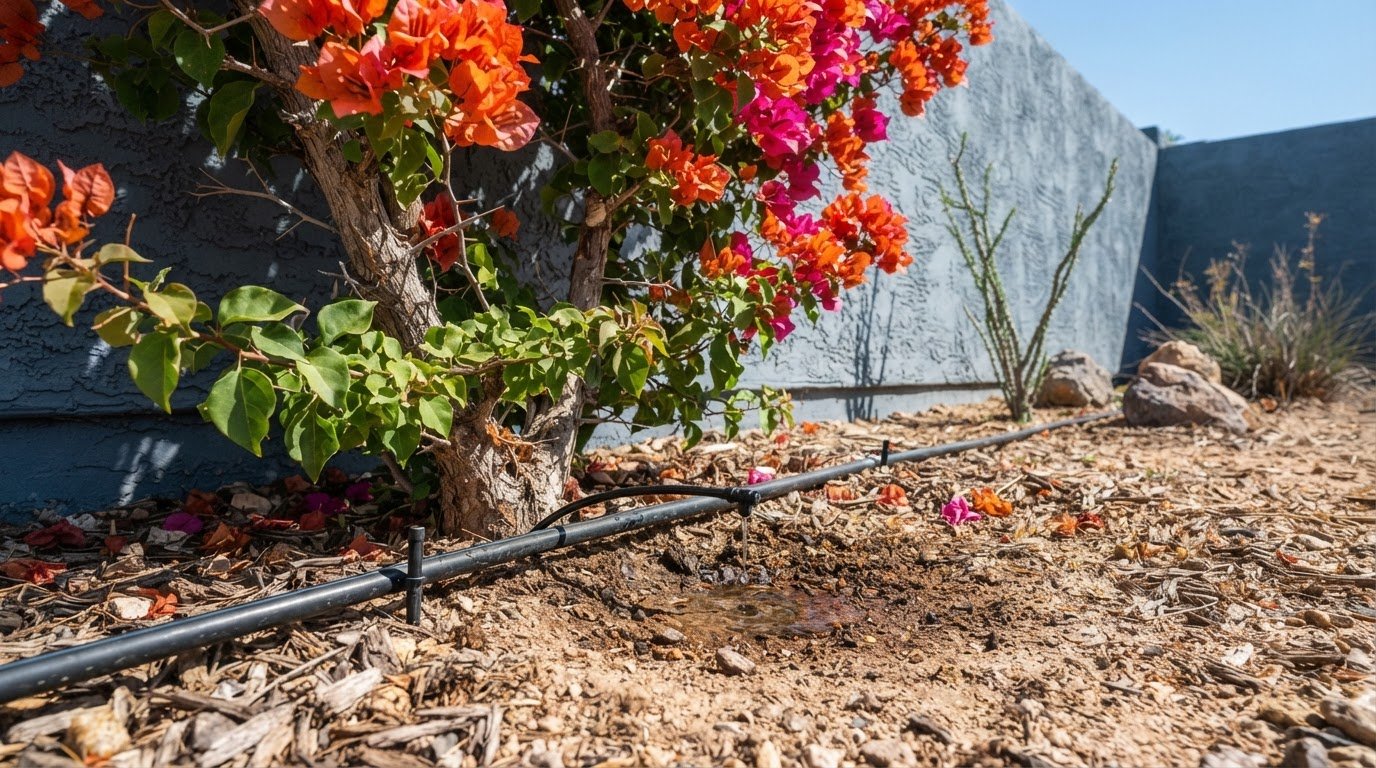
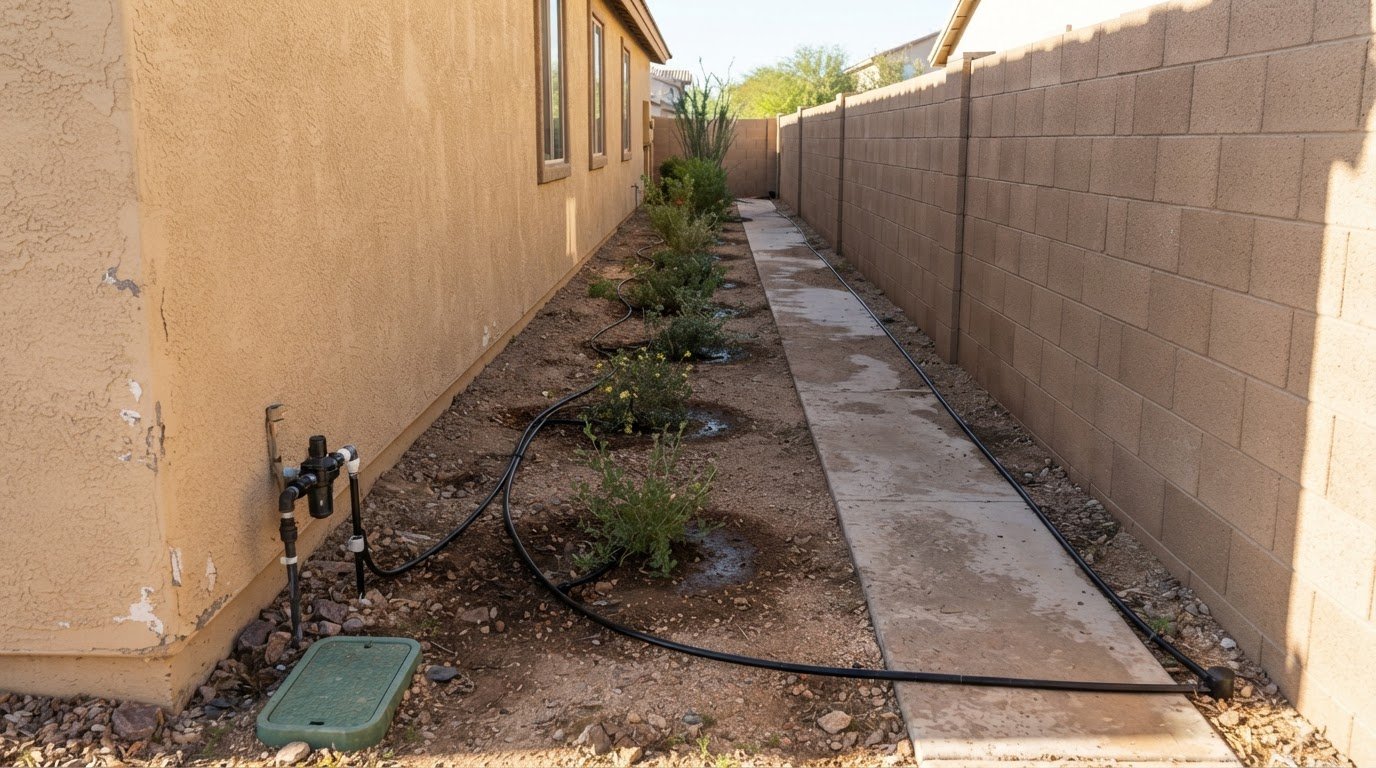
Stop irrigation and have a professional inspect the suspected area before restarting the affected zone. They note where the soil is saturated, whether water is surfacing, and how the wet area changes as the ground dries. A patch that remains saturated after 24 to 48 hours is a strong sign of an active below-grade leak rather than ordinary drainage. Compare it with nearby soil, since a broader wet area may point away from one isolated leak.
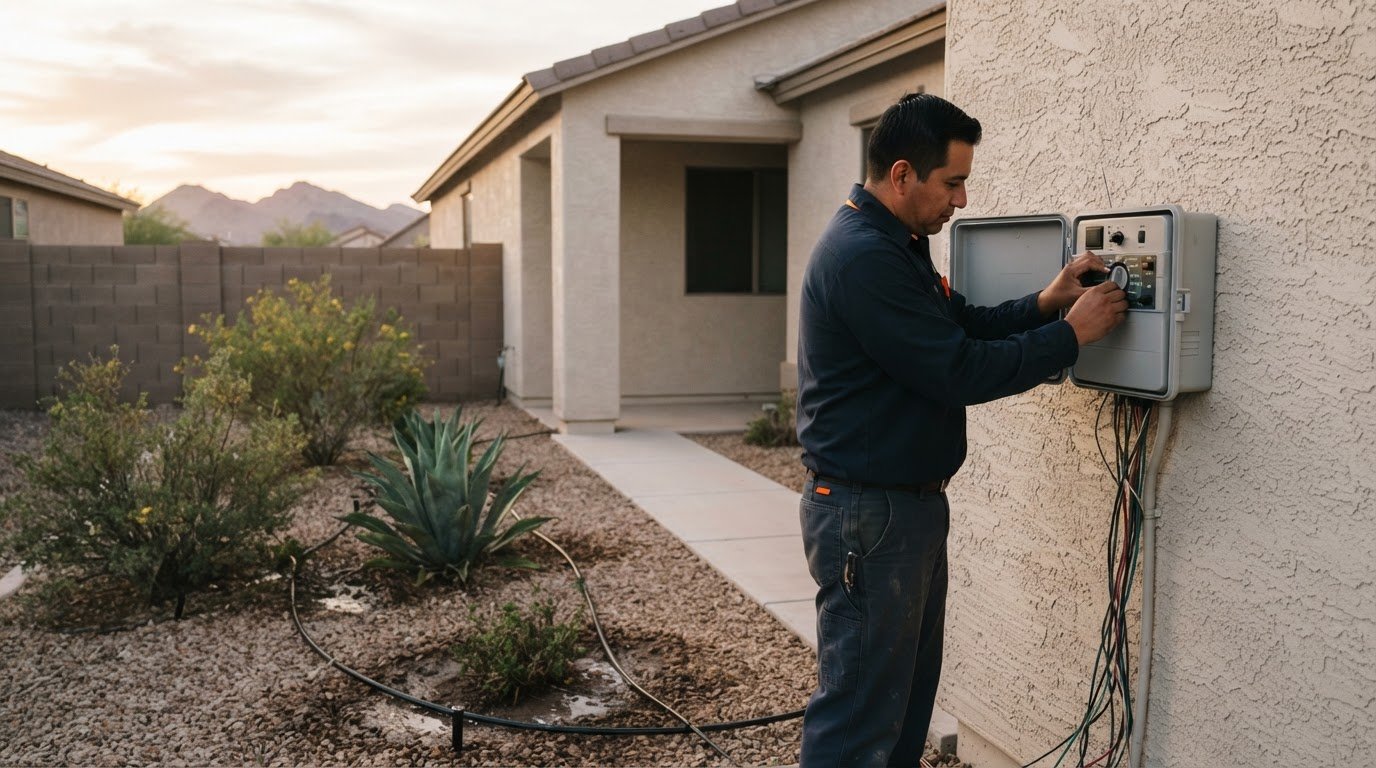
Keep the controller off during this observation. A new cycle can add water and make it harder to tell whether the original saturation is draining or being replenished. A dry-down check is most useful when you document the suspected spot first, then check it again under the same conditions. Persistent wetness narrows the investigation, but meter testing helps confirm whether water is still moving through the system.
-
How professionals check the water meter
Have the professional run one irrigation zone for 10 to 15 minutes, then compare the meter’s measured use with that zone’s expected consumption. A higher-than-expected reading can indicate a leak, though the zone’s normal flow must be considered. For a separate check, turn off irrigation and other water use, then observe the meter’s leak indicator. Movement while fixtures and irrigation are off signals continuing water flow.
EPA WaterSense estimates that an irrigation leak roughly 1/32 inch across can waste about 6,300 gallons of water per month. For comparison, U.S. Environmental Protection Agency, WaterSense says a WaterSense labeled irrigation controller can save an average U.S. home up to 15,000 gallons annually by avoiding overwatering. Those figures show why a small leak deserves attention, but they don’t diagnose its location. The meter reading and wet-area pattern must be considered together.
-
Distinguish irrigation leaks from main-line leaks
Have a professional isolate the irrigation supply while household water use is off, then observe the meter again. If the meter stops moving after irrigation is isolated, the irrigation system is the likely source. If movement continues, the flow may come from the main water line or household plumbing instead. A wet spot alone isn’t proof of an irrigation leak.
Compare the meter response with the irrigation schedule and dry-down observations. A spot that stays wet while the system is off, combined with meter movement that changes when irrigation is isolated, gives a stronger diagnosis than either clue alone. The professional can then narrow the investigation to the irrigation system or redirect attention to the supply line beyond it. This helps avoid digging in the wrong area or mistaking ordinary drainage for an active leak.
How does a professional find a leak in an irrigation system?
A professional combines surface observations, zone isolation, and targeted tests to narrow the search before excavation. Each step helps distinguish a buried pipe leak from a leaking head, valve, or supply line.
-
How professionals read surface signs of a pipe leak
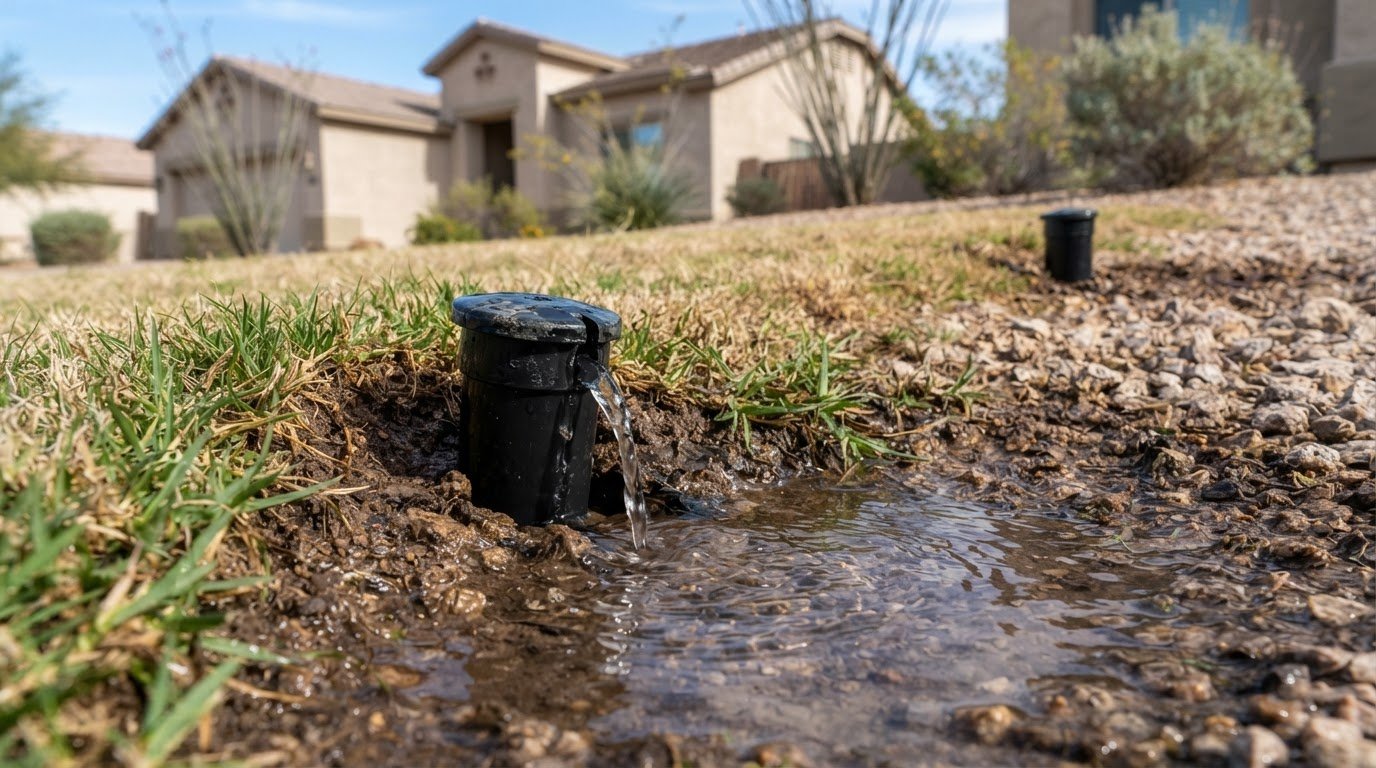
Have the professional map visible wet areas, unusually soft soil, and water surfacing away from sprinkler heads. Weeping heads and water inside a valve box can point to a component issue rather than a buried pipe. A wet patch concentrated along a pipe route offers a more useful lead than scattered damp soil.
Ask the professional to narrow the search to the 10-20 foot stretch where surface symptoms cluster before digging. That helps target later tests and limits unnecessary disturbance. Surface signs guide the investigation, but they don’t prove the exact break point.
-
How professionals select buried-pipe detection tools
Have the professional match the detection method to the evidence and system layout. A water meter can show continuing flow, while listening at a valve’s output side can reveal a hiss from moving water. A thermal camera may help identify a valve that stays cooler than others after the system has been off for a while.
These tools help narrow the search; they don’t all pinpoint a pipe break by themselves. Detection cost depends on access, system layout, and the testing needed, with pricing provided after a quote request. A professional can select tools based on the symptom pattern rather than opening the ground at random.
-
How professionals pressure-test irrigation lines
Ask the professional to isolate the suspected line and assess whether it holds pressure. A pressure gauge can show whether pressure changes after the section is separated from the rest of the system. A continuing drop directs attention to that isolated section, though fittings or valves within it may also contribute.
The professional compares the test result with the system layout and checks likely connection points before deciding where to investigate further. This controlled process differs from simply watching a running sprinkler zone because it evaluates an isolated line. Don’t treat one pressure reading as proof of the precise leak location.
-
How professionals isolate irrigation zones
Have the professional operate zones separately and observe which section reproduces the symptoms. If one zone triggers wet soil, visible seepage, or abnormal flow, the search can focus on its pipe route and connected components. If no zone reproduces the issue, the investigation can shift toward shared supply piping or valves.
For a suspected private irrigation leak, the professional uses system testing to identify whether irrigation is the source. Utility reporting and locating services concern separate public infrastructure; excavation planning should account for buried utilities before work begins. Arrange professional irrigation diagnostics when the signs point to a buried system fault.
Common causes of underground sprinkler leaks
- Have the professional consider freeze damage when a leak appears after the system has been inactive. Water left inside a pipe can expand as it freezes, stressing the pipe or a connection. Damage may remain hidden until irrigation starts and pressurized water reaches the weakened area. For example, a split underground may show up as soft soil near a zone that previously ran normally. The timing of the first symptoms helps connect a new leak with earlier cold conditions, but the location and pattern still need inspection.
- Ask the professional to assess soil movement along the buried pipe route. Shifting or settling ground can strain a pipe joint, especially where the line changes direction or connects to a fitting. A leak may appear as one damp patch rather than moisture across the entire zone. Nearby changes in ground level, cracking, or a disturbed area can help explain why a particular section is under stress. The professional uses these surface clues to focus the investigation rather than assuming every wet spot has the same cause.
- Have connections and pipe condition examined when a system develops repeated leaks. A loose or damaged fitting can release water even when the surrounding pipe remains intact. Older components may also become less reliable through ongoing exposure to water pressure and soil conditions. For example, if seepage appears near a connection after a zone runs, the fitting deserves attention alongside the pipe. The professional distinguishes a localized joint failure from a longer split, since each creates a different pattern of water movement underground.
- Tell the professional about digging, construction, or other ground disturbance near the irrigation route. A shovel, post installation, or equipment work can damage a buried line, with symptoms becoming visible when that zone next operates. The location of the work is a useful comparison point, particularly if wet soil begins nearby. Also consider the system design: a line routed through a repeatedly disturbed area may face recurring risk. A professional can use the layout and leak pattern to identify likely causes, then determine whether repair or a design adjustment is the more durable response.
Continuous flow monitoring
- Have a professional establish whether water continues moving while irrigation is off. They compare the water meter’s leak indicator with the controller’s schedule and household use. If the indicator moves with irrigation disabled and fixtures inactive, water is still flowing somewhere in the supply system. Record the reading and system state together, since a meter reading without context cannot identify which branch is using water.
Continuous observation adds a time pattern to the initial check. A brief change during normal use differs from movement that persists while the property should be idle. The professional looks for repeated flow under consistent conditions, then uses irrigation controls to test whether the system is responsible. This is how to check for underground water leaks from irrigation without confusing household water use with irrigation flow.
- Ask the professional to use the irrigation main valve as an isolation point if a well pressure tank cycles unexpectedly. The tank gauge can indicate water use even when the house is not using water and irrigation is off. Closing the irrigation main valve helps determine whether irrigation is the source. If cycling changes after isolation, that response gives the investigation a useful direction.
For a metered property, the professional can compare flow before and after isolating irrigation. The key is to keep other water use stable during each observation. A dishwasher, toilet refill, or household tap can cause meter movement unrelated to irrigation. Controlling these variables helps the professional interpret a changing indicator more reliably and avoid attributing a household plumbing issue to a sprinkler line.
- Have the professional repeat observations through methodical zone operation rather than relying on one reading. Most residential sprinkler line leaks can be located within one to two irrigation cycles of methodical observation. The professional notes which zone is active, whether flow continues after it shuts off, and where symptoms appear. Matching each response to the system layout narrows the likely branch.
Continuous monitoring is useful because underground water may take time to reach the surface. A zone can finish running before moisture becomes visible, so the professional compares flow behavior with later surface changes. Repeating the same sequence also helps distinguish an isolated event from a pattern tied to one zone. For homeowners learning how to check for underground water leaks from irrigation, this measured sequence shows why repeated observations matter.
- Use the measured flow pattern to understand why a small leak warrants prompt investigation. A leak losing 1 gallon per minute wastes 43,200 gallons over a 30-day month. That volume describes ongoing loss, not a way to estimate the leak’s exact location. The professional combines flow evidence with zone responses and the system layout to guide the next diagnostic step.
Keep monitoring notes specific: record whether irrigation was off, whether household water was running, and whether the meter or well tank responded. Those details make comparisons useful. If flow stops when irrigation is isolated, the irrigation system becomes the focus; if it continues, the source may lie elsewhere. This distinction helps direct further testing without treating every wet area as proof.
Professional Pressure Testing for Irrigation Leaks
- Have the professional identify the line or zone to test before attaching a pressure gauge. They use the irrigation layout, valve locations, and observed symptoms to define the section under examination. A test that includes several zones can show pressure loss without revealing which branch is responsible. Isolating one section at a time makes the result more useful and reduces confusion from connected components.
The system should be off and the selected line separated from other active sections. This gives the gauge a clearer reading of that line rather than combined demand from sprinklers or drip emitters. The professional also checks that the gauge is suited to the system and connected securely, so a loose fitting doesn’t distort the result.
- Ask the professional to record the starting gauge reading after the isolated line is filled and stable. That baseline lets later readings be compared under the same test conditions. A reading taken while pressure is still settling can look like a leak, so the technician observes whether the gauge stabilizes before drawing conclusions.
Document the tested zone and valve position alongside the reading. For example, a pressure change in one isolated lateral means something different from a change across the full irrigation system. Consistent notes help the professional repeat the test and compare sections without relying on memory or unrelated meter activity.
- Have the professional monitor the isolated line for a pressure drop, then compare the response with other system sections. A steady decline suggests water is escaping or a component is allowing flow. The gauge can confirm pressure loss in the tested section, but it doesn’t identify the exact break point by itself. Nearby fittings, valves, and connected components must remain part of the diagnosis.
Check the test result against surface clues and zone behavior. If one section loses pressure and its route passes beneath the persistently wet area, both observations support a focused inspection. If pressure holds, the professional can test another branch or investigate a valve or supply connection instead. This stepwise comparison helps avoid treating one reading as a complete diagnosis.
- Use the pressure-test result to guide the next inspection, not to justify broad excavation. The professional narrows the likely area by combining the affected line, system layout, meter response, and visible symptoms. A localized result can direct repair planning toward a particular pipe section or connection, while a broader pressure loss calls for further isolation.
Keep the tested zone and findings available when planning the repair, since those details help connect diagnosis with corrective work. If the irrigation line continues losing pressure, request professional irrigation leak testing to move from a pressure reading toward a targeted repair.
Sonora Sprinkler
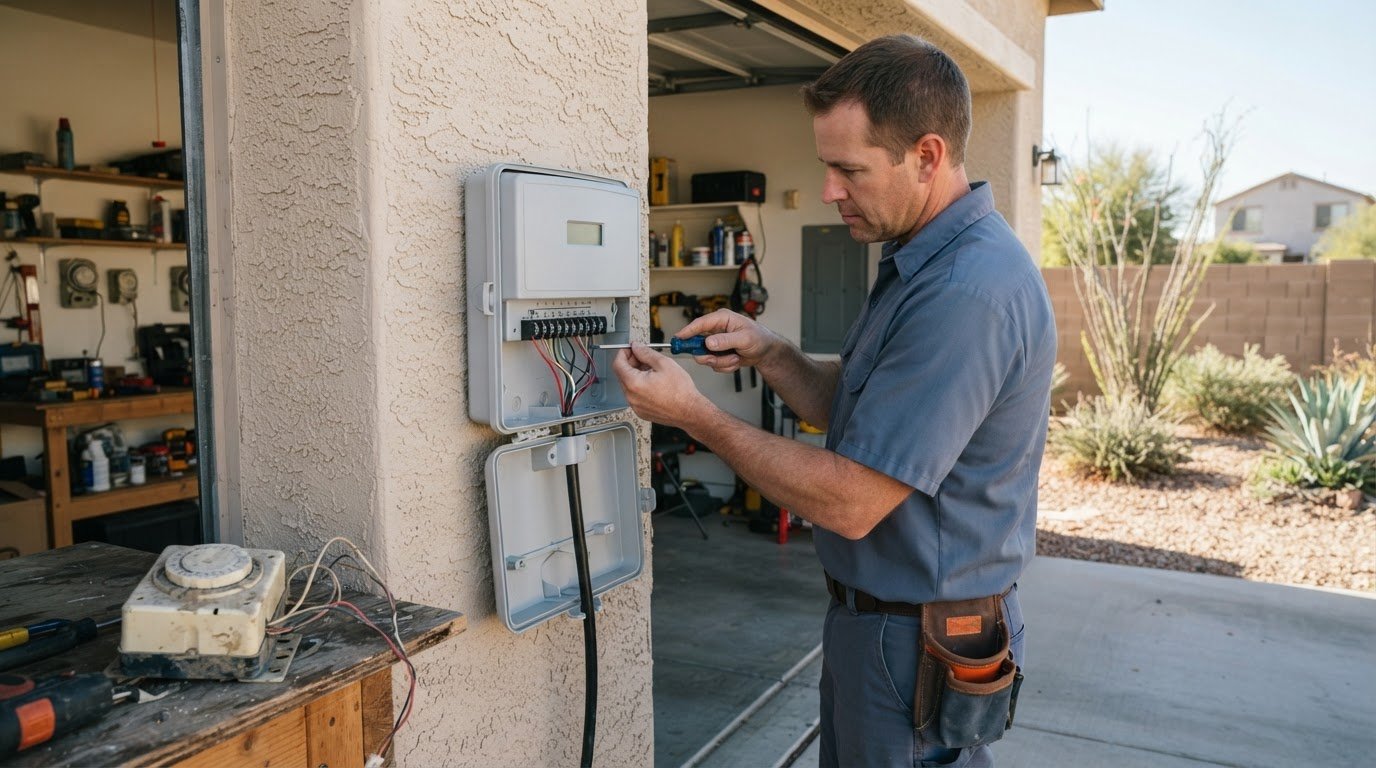
Sonora Sprinkler Inc. helps homeowners address suspected underground irrigation leaks through irrigation repair and irrigation PVC pipe replacement. Turn to the team when persistent wet soil, unexpected meter movement, or pressure loss points to a buried system problem that needs professional diagnosis. The findings can help determine whether a pipe section needs repair or whether the system design should be addressed to support reliable watering. For systems that need a broader update, custom sprinkler system design and irrigation installation are also available. Clear observations about where moisture appears and which zones are affected can help guide the next steps.
Contact Sonora Sprinkler Inc. to discuss a suspected irrigation leak.
Keep the Next Step Focused
Understanding how to check for underground water leaks from irrigation gives you a clearer basis for deciding what to do next. Share the location of persistent moisture, the zones involved, and any changes you noticed during monitoring. Those details help shape a focused assessment and keep attention on the system rather than unrelated surface symptoms.
Sonora Sprinkler Inc. offers irrigation repair and irrigation installation, including drip irrigation installation. The right approach depends on whether the system needs a targeted repair or a change to how water reaches the existing landscape. A professional assessment can connect the observed symptoms with the system’s layout and help determine an appropriate path forward.
Contact Sonora Sprinkler Inc. for help with your irrigation concerns. A clear next step can help you protect your property and restore confidence in your watering system.
Frequently Asked Questions
How does a professional find a broken sprinkler pipe underground?
A professional narrows the search by comparing the irrigation layout with symptoms and test results. They can operate individual zones, inspect valves and heads, and use pressure testing to identify the affected line. For example, if only one zone shows pressure loss and its route crosses a damp area, that section becomes the focus. The tests guide the investigation, but surface moisture alone doesn’t identify the break point.
Is a wet spot next to a sprinkler head always a leak?
No, a wet spot beside a sprinkler head can result from drainage after watering, overspray, or a head that isn’t sealing properly. The pattern helps distinguish possibilities: water that appears only after a cycle differs from moisture that persists while irrigation is off. A professional can inspect the head and nearby ground, then compare the finding with other symptoms, such as weak spray or moisture appearing along a buried pipe route.
When should I call a professional?
Call a professional when a wet area persists while irrigation is off, the meter indicates flow during a period without water use, or sprinkler performance changes unexpectedly. A professional assessment is also appropriate if the likely pipe route is unclear or digging could damage other buried components. Before arranging service, note which zones were operating and when the symptoms appeared. That context can help focus the inspection.
How can a professional check for an underground irrigation leak using the water meter?
A professional first limits other water use, then observes the meter with irrigation off to see whether flow continues. They can run one zone for 10 to 15 minutes and compare measured water use with that zone’s expected consumption. If the reading differs, the result supports further testing, but doesn’t pinpoint the leak. Zone isolation and the system layout help determine where the next inspection should focus.
What are the signs of an underground sprinkler system leak?
Common signs include persistently soggy soil, a patch of unusually lush growth, reduced sprinkler pressure, or a water bill that rises without an obvious change in use. Water inside a valve box or a head that continues weeping can also indicate a system problem. One sign alone can have other causes, so a professional considers where symptoms occur and whether they correspond with a particular zone.
How can a professional find an underground sprinkler leak without digging?
A professional can narrow the likely location before excavation by operating zones separately and interpreting meter or pressure-test results. Listening at a valve may reveal water moving through it, while a thermal camera can help identify a valve that remains cooler than others after the system has been off. These checks help focus the search, but confirming a buried pipe’s exact condition may require access.
Can a leaking irrigation system cause low water pressure or unusually high water bills?
Yes, water escaping from an irrigation line can reduce pressure available to sprinkler heads and increase water use. A leak may show up as weak spray in one zone or a bill change that doesn’t match household habits. Neither symptom proves the irrigation system is responsible, since other plumbing issues can also affect pressure or consumption. A professional can compare irrigation operation with meter behavior to isolate the likely source.
When should I hire a professional leak detection or irrigation repair service?
Hire a professional when recurring moisture, unexplained flow, or poor sprinkler operation points to a fault that needs diagnosis or repair. A systematic inspection can help distinguish a pipe problem from a head, valve, or wiring issue before repair work begins. Homeowners in Surprise and Peoria can turn to Sonora Sprinkler for residential irrigation concerns. Share the affected area and any zone-specific symptoms to help guide the assessment.