Finding the valve is only part of solving an irrigation problem. An irrigation valve locator service in Peoria can pair valve locating with checks of the affected zones, wiring, and water flow to help identify why a system isn’t operating as expected. The estimate depends on the system layout, access to the suspected valve area, and the diagnostic or repair work needed.
If a zone won’t turn on, keeps running, or delivers uneven coverage, the cause may involve more than the valve itself. Careful diagnosis can distinguish valve trouble from wiring, controller, pressure, or flow issues, so the next step addresses the cause rather than just the symptoms.
This guide explains what information helps define irrigation valve locator service in Peoria, what can affect the work, and how valve and zone diagnostics fit into an irrigation repair. It also covers useful checks and the details to share about your system when you contact Sonora Sprinkler Inc.
Key Takeaways
- An estimate reflects the valve’s location and accessibility, the system layout, and whether diagnosis or repair is needed.
- Persistent running, inactive zones, or uneven watering can point to valve, wiring, controller, pressure, or flow problems.
- Professional diagnostics can assess the valve and related components, then test zone operation and coverage.
- Scheduling and the time needed for locating depend on access to the suspected area and the complexity of the irrigation system.
- Valve and backflow services can address locating and repair needs, while broader irrigation work may be appropriate when the diagnosis identifies related system issues.
Estimates, scheduling, and service coverage
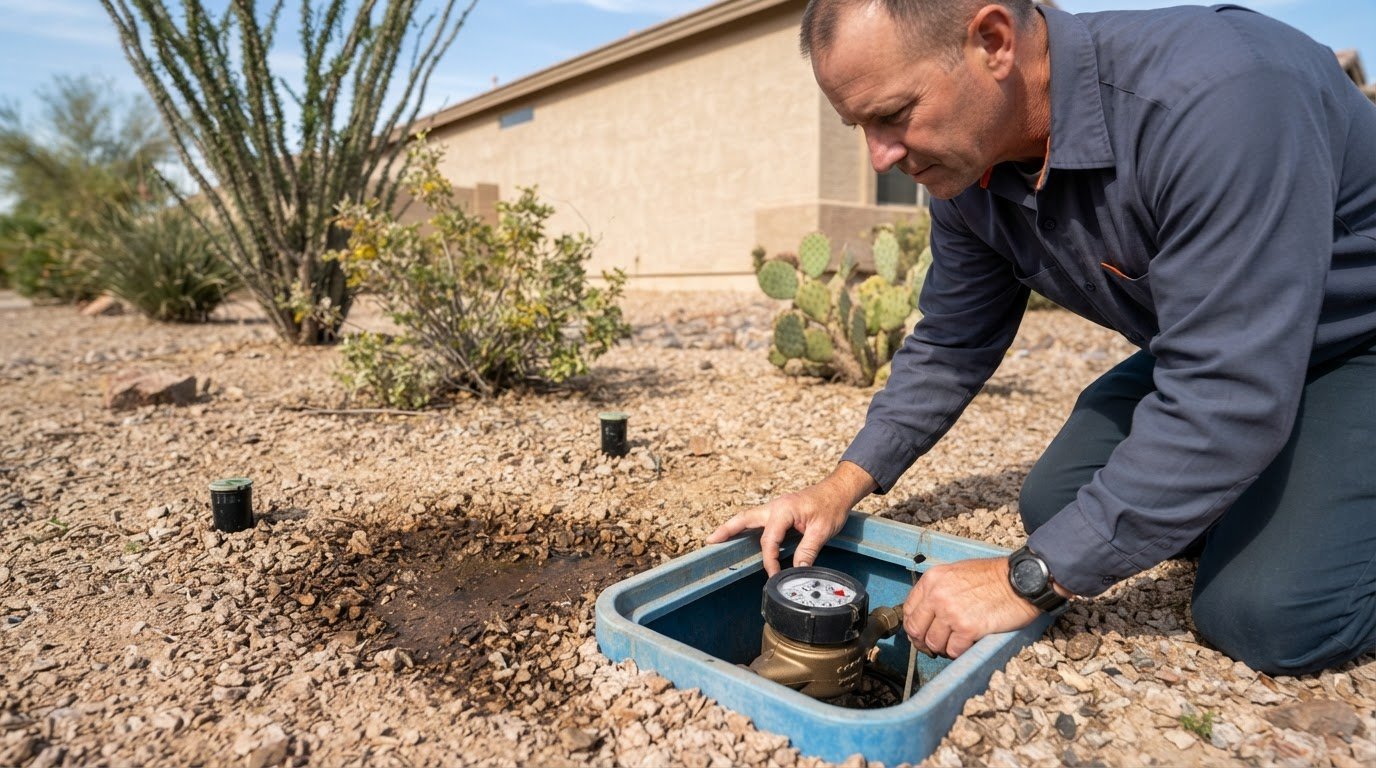
Irrigation valve locator service in Peoria may be part of a larger diagnostic or repair job. A buried valve serving one inactive zone presents a different scope from a valve problem accompanied by wiring or flow issues. Identifying the requested task and the system symptoms helps determine whether the work is locating, diagnosis, repair, or a combination.
Useful details help define the work. Share your Peoria property’s location, which zones are affected, and what the system is doing. For example, note whether a zone will not start, a valve appears to keep running, or the controller does not activate the expected area. If you know where the valve box or controller is, mention it. These details help the technician prepare for an assessment.
The price depends on access to the suspected valve, system layout, diagnostic needs, and any repair identified, and is provided after a quote request. A valve under a clear access point may require a different approach from one whose location is uncertain or whose wiring needs tracing. A request involving one zone may also differ from work involving several zones. The assessment clarifies which tasks belong in the estimate.
Scheduling is shaped by the service scope and the information available about the property. A straightforward locating request differs from a visit that also needs troubleshooting of a controller, wiring, pressure, or water flow. Clear access details and a description of the symptoms help establish the visit’s purpose. The technician can then focus the appointment on the affected valve and related system components.
Service coverage for this article is Peoria, Arizona. Within a property, the relevant area depends on the valve and zone involved, including whether the system uses separate lawn and planting areas. Valve locating can also lead to related valve and backflow services when inspection identifies a valve issue. The estimate should make clear whether the requested work is locating, diagnosis, repair, or a combination, so the next step follows the actual irrigation problem.
Urgency can be shared when requesting an appointment. The provider states that it offers same-day dispatch for urgent irrigation problems when possible, so describe the immediate symptom and whether the request is urgent rather than treating same-day timing as guaranteed. Availability is conditional, and the dispatch option applies to urgent irrigation problems. This information can help frame the scheduling request alongside the work needed to locate, diagnose, or repair a valve.
The page also lists Tamms, Illinois, ZIP code 62988 among the areas associated with its projects and service. That listing is separate from the Peoria, Arizona, coverage described here; it does not by itself establish that a particular property or request falls within the same service scope. Include the property location with the quote request and confirm that the requested valve work is available for that site. Keeping the location and urgency clear helps define the scheduling conversation without assuming that every service area or request follows the same process.
Irrigation valve and zone diagnostics
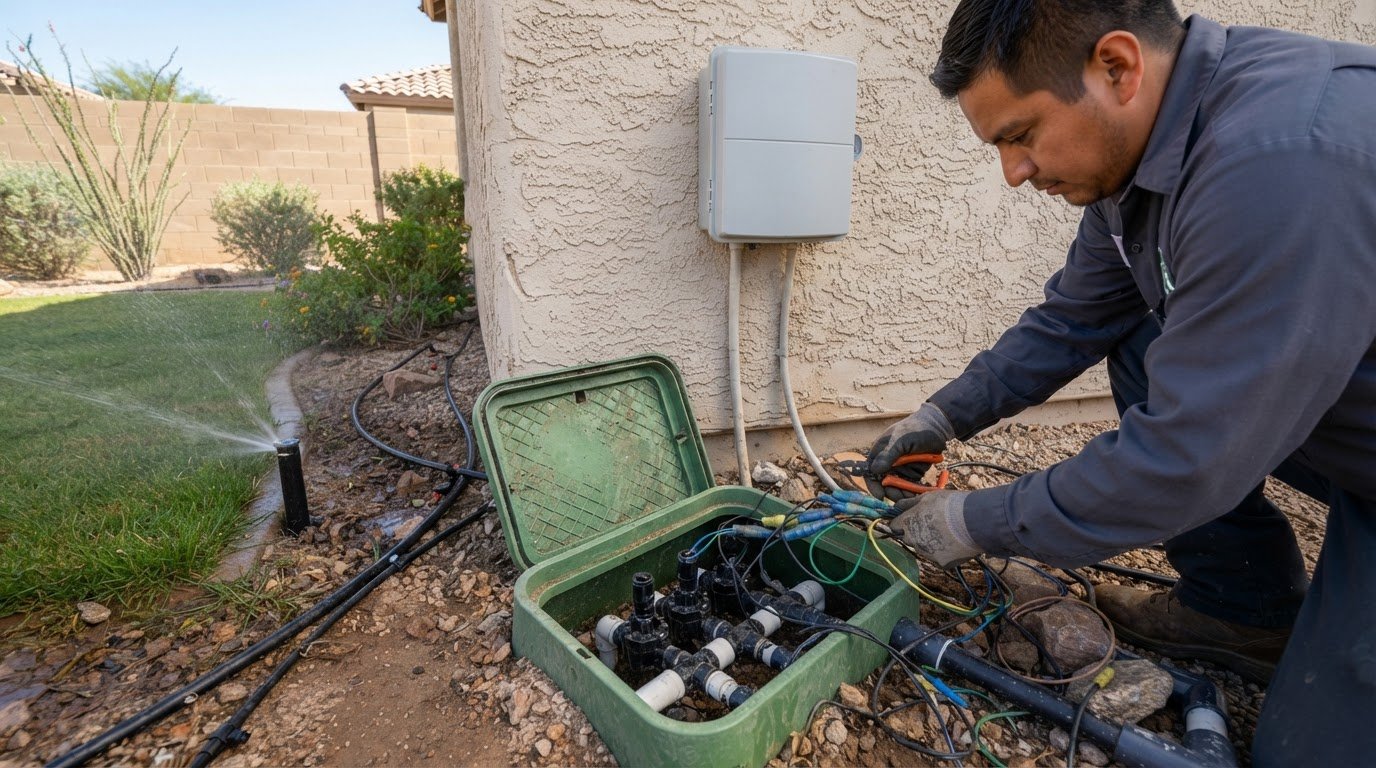
Valve locating identifies where a buried irrigation valve is; valve repair corrects a fault that prevents it from operating properly. Locating may come before repair, while diagnosis determines whether the valve itself needs attention. A technician may then inspect its solenoid, diaphragm, body, and wiring connections.
Symptoms help establish which parts of the system need testing. A zone that stays on can point to a valve problem, while a zone that will not open may involve electrical control. Constant water running, major pressure loss, or a non-functioning zone are reasons to arrange prompt valve service. Extended run times can also stem from controller settings, programming errors, or sensor trouble.
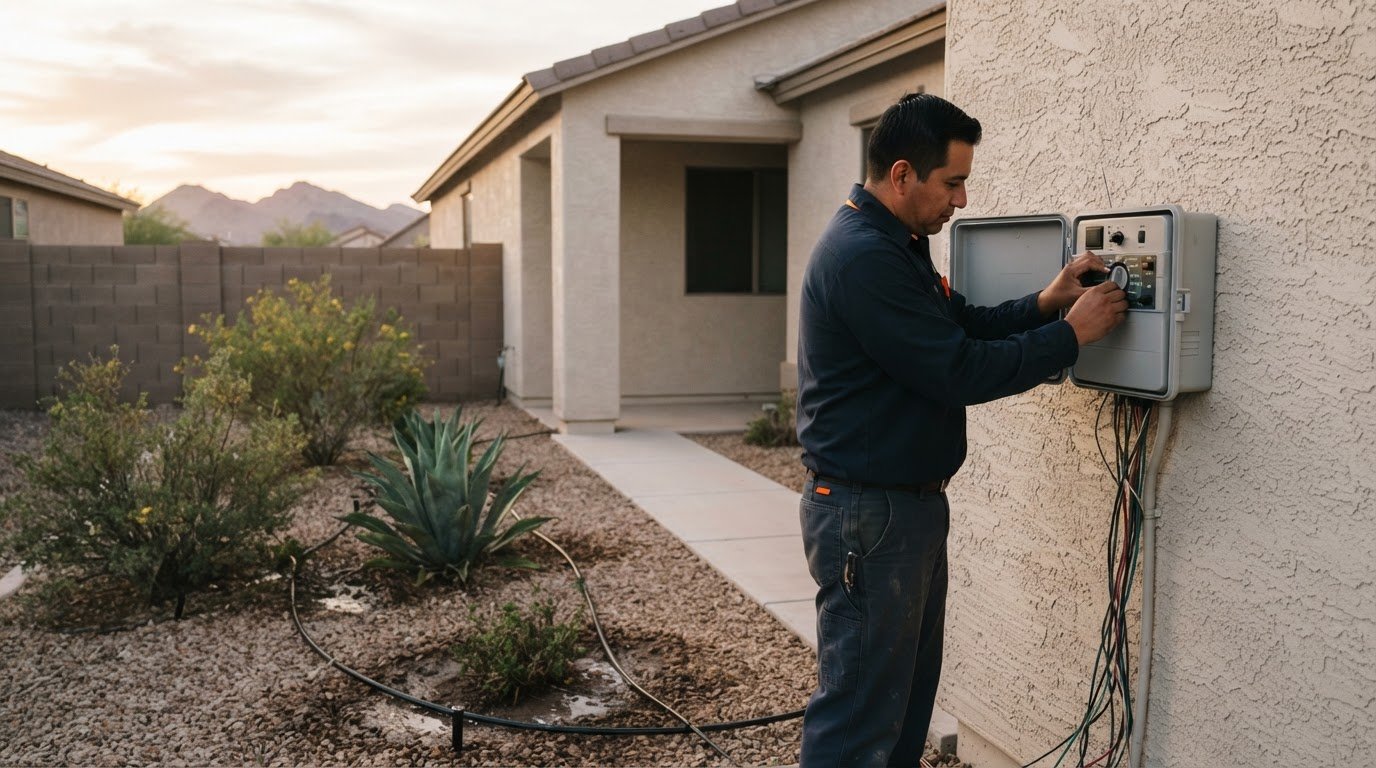
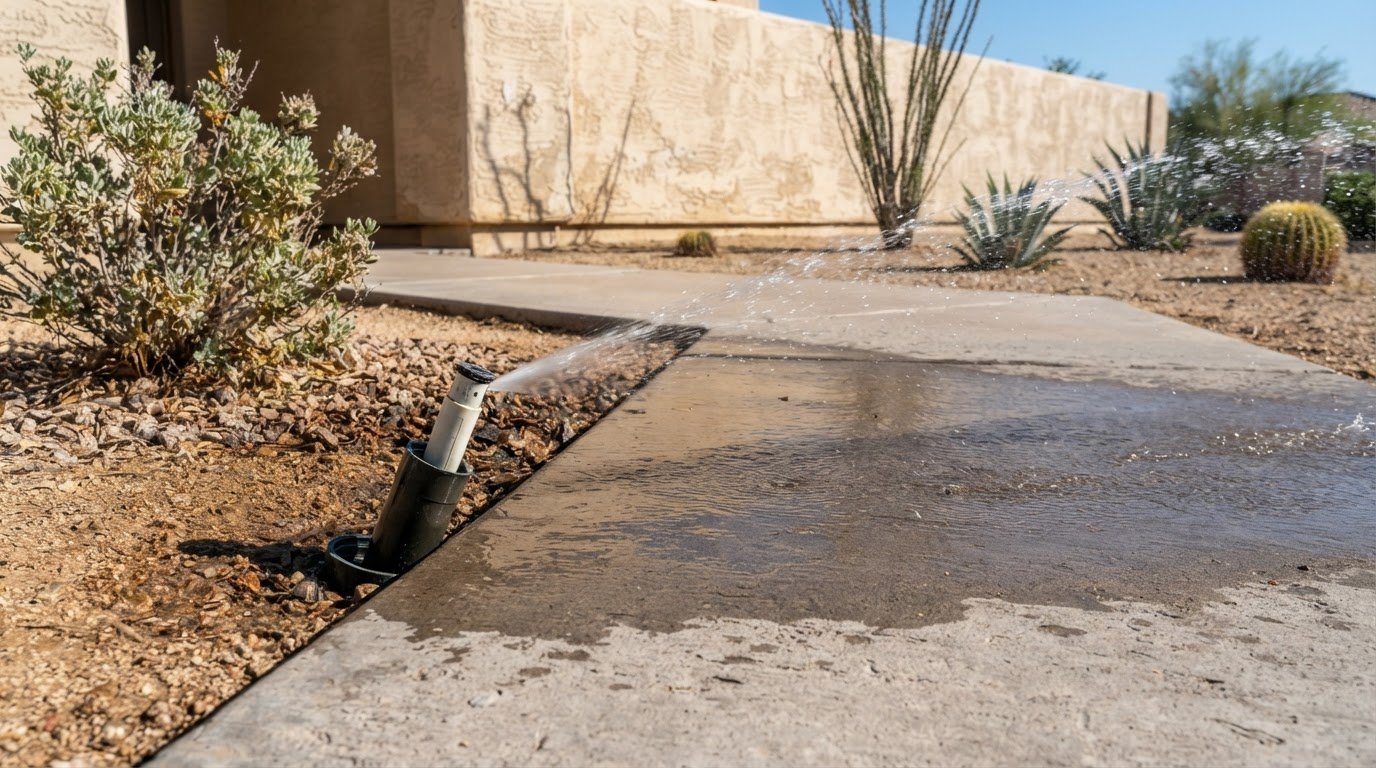
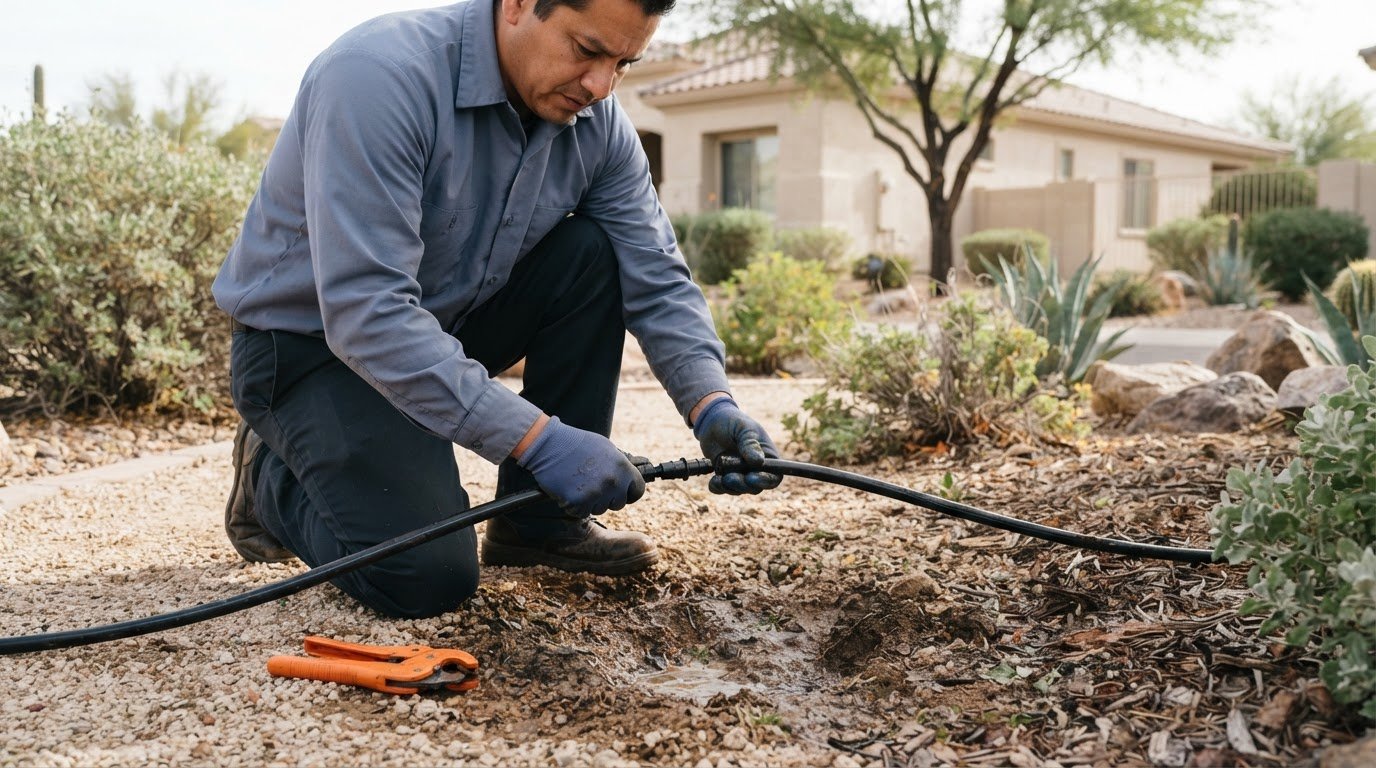
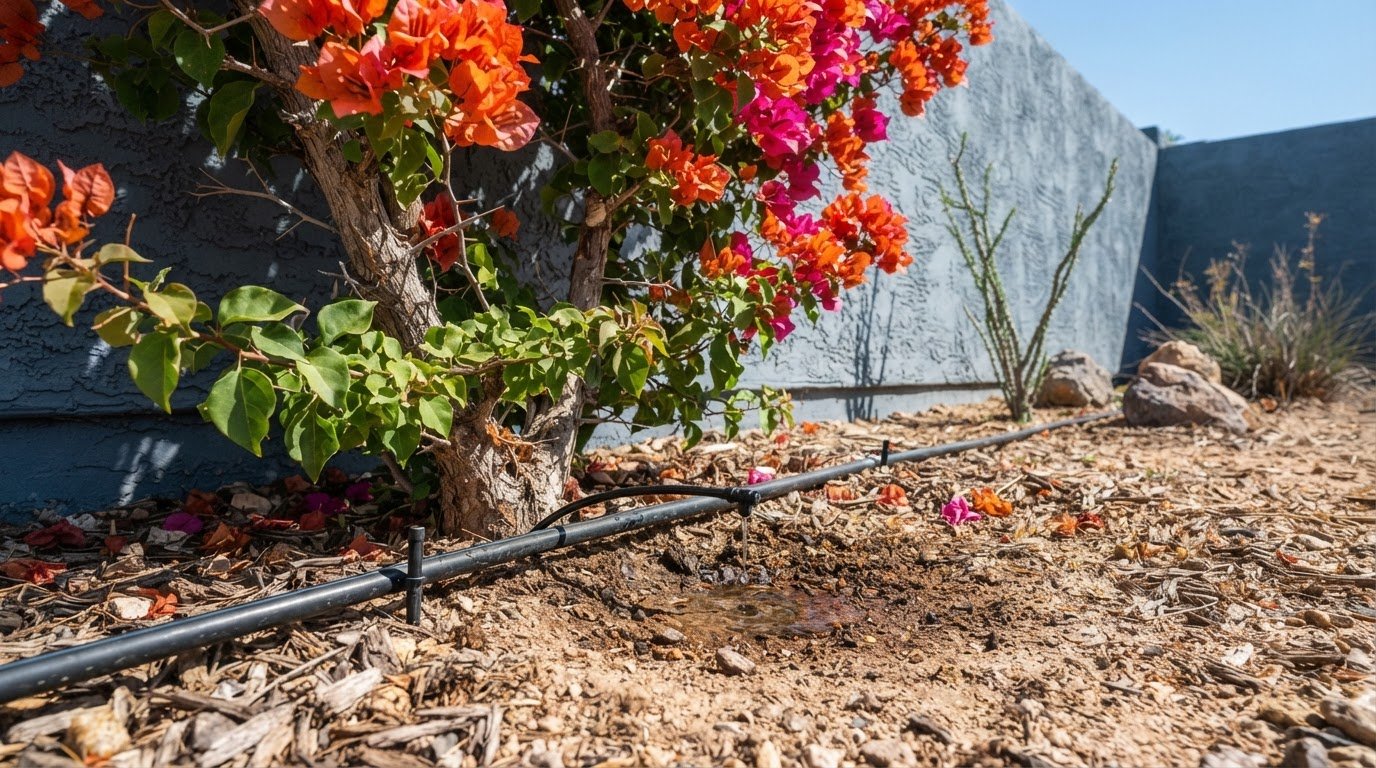
Diagnostics should trace system operation from the controller to the sprinkler heads. A technician can compare the controller’s command with the zone’s response, inspect wiring connections, and check whether the valve opens and closes correctly. If a zone starts but sprays weakly, pressure regulators, leaks, pipe sizing, or water-supply limitations may explain the difference. This helps avoid treating a pressure problem as a faulty valve.
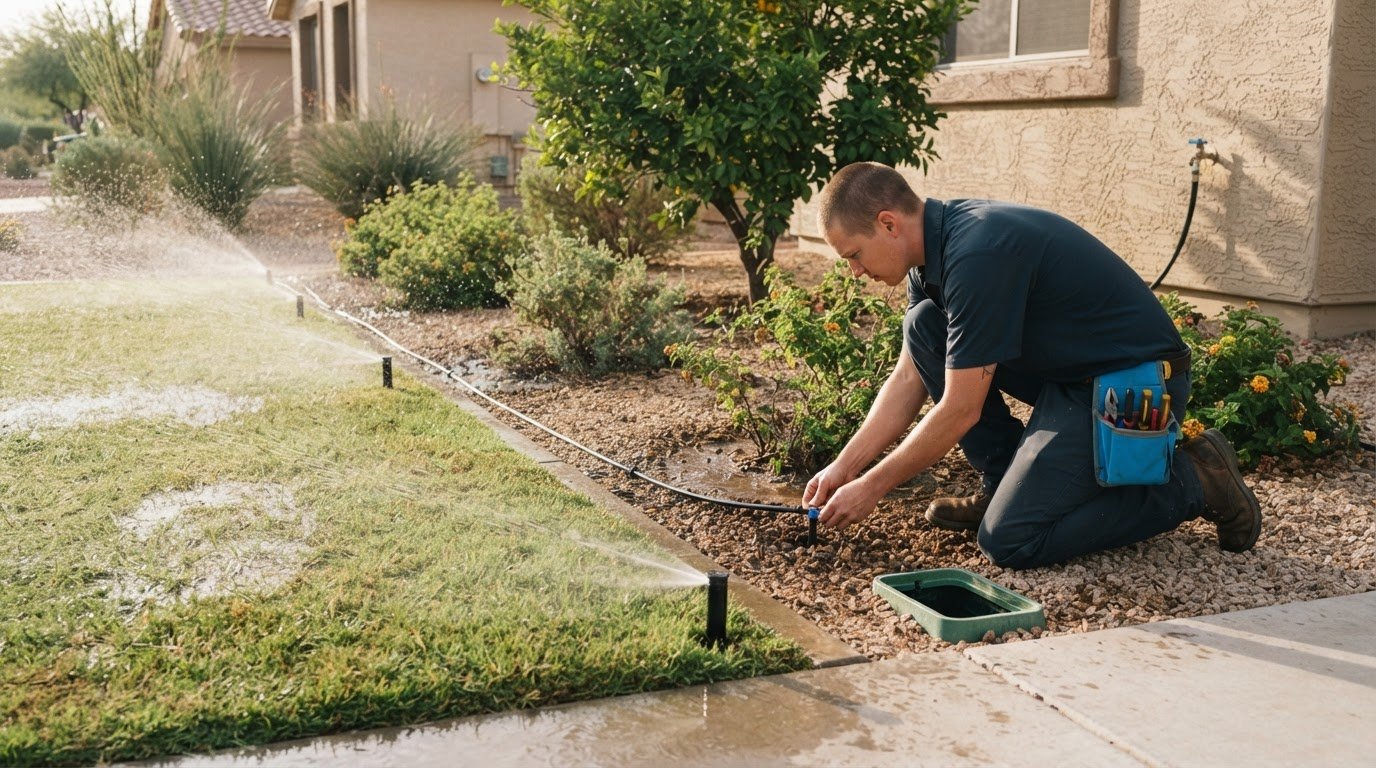
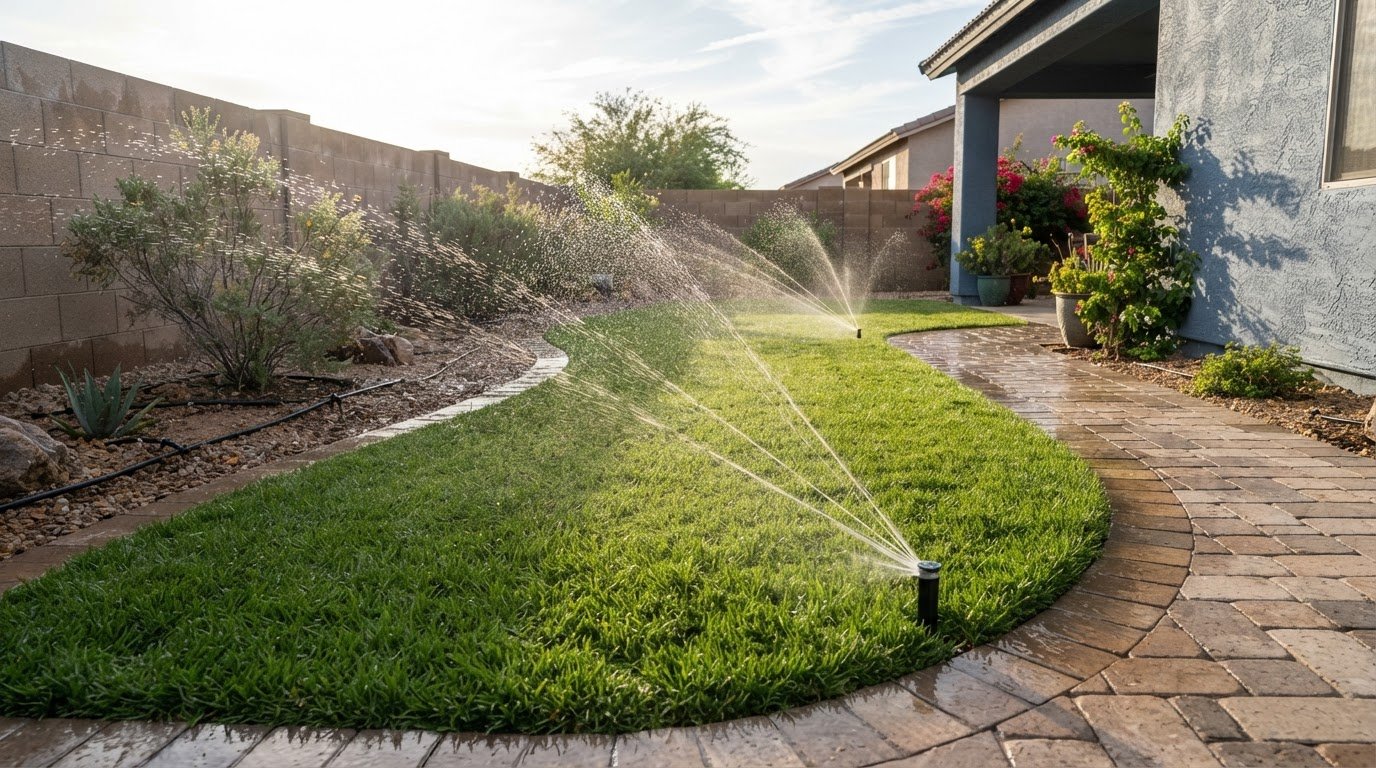
Uneven turf color can offer another clue. Dry patches or inconsistent growth may reflect coverage gaps, pressure imbalance, clogged nozzles, or poor zone performance. A technician can run the affected zones and observe how water reaches the intended area. Comparing a problem zone with nearby zones can help narrow the diagnosis. A zone map can record each area’s location and coverage for future troubleshooting.
- Solenoid: The electrical component that actuates the valve may fail or lose its wiring connection.
- Diaphragm: Damage or wear can interfere with water flow through the valve.
- Valve body: A damaged body can affect shutoff or water delivery.
- Controller and wiring: A faulty command or damaged connection can keep a working valve from opening.
Once the cause is identified, repair may involve correcting wiring or repairing or replacing a valve component. The technician can then run the system, assess coverage across zones, and review controller runtime programming. Pressure regulation and flow balancing may also be part of the final adjustment when those issues affect operation. For a persistent inactive zone or unexplained water flow, request irrigation diagnostic service so the valve and related controls can be assessed together.
In Peoria, Sonora Sprinkler Inc. diagnoses irrigation wiring, valves, zones, pressure, and flow issues. When a valve or wiring fault is identified, repair may include addressing the affected components and connections to restore zone control and water flow. Recording zone locations and coverage can also make future troubleshooting clearer.
What irrigation valve locator services are available in Peoria, Arizona?
In Peoria, valve locating can be part of a broader irrigation assessment. The work may begin by identifying which valve serves an affected zone, then checking whether it responds to the controller. This distinction matters when a zone will not start or continues running. The valve may be working correctly, while a controller or wiring fault causes the same symptom.
Depending on what the system shows, a professional visit can include several related tasks:
- Valve locating: Identify the buried valve associated with the problem zone and make its location clear for inspection.
- Valve diagnosis: Examine the solenoid, diaphragm, valve body, and wiring connections for faults affecting operation.
- Zone testing: Run affected zones and assess whether water reaches the intended coverage area.
- Wiring and controller checks: Trace control issues when a valve fails to open or a zone runs longer than programmed.
- Repair assessment: Determine whether a component can be repaired or needs replacement.
These tasks help distinguish symptoms that can look alike. Weak spray in one zone may relate to a leak, pressure difference, pipe sizing, or limited water supply, rather than valve location. If the valve opens but the zone still performs poorly, the technician can assess flow and pressure alongside valve operation. If it does not open, wiring and controller signals become relevant checks.
A visit may also include documenting which areas each zone serves. A zone map records the location and coverage area of each section, making later troubleshooting clearer. For a Peoria property with separate lawn and planted areas, identifying which valve controls each area helps connect a symptom to the right part of the system. The map can also serve as a reference during follow-up repairs or adjustments.
After diagnosis, work may include repairing or replacing faulty valve components, correcting wiring connections, or addressing related irrigation issues. A system test can check zone coverage and controller runtime programming. Pressure regulation and flow balancing may also be considered when uneven delivery persists. The appropriate scope depends on the assessment, not simply on where the buried valve sits.
For a clear service request, describe the affected zone, the symptom, and any known controller behavior. “The front planting zone won’t start” is more useful than “the sprinklers are broken.” This gives the technician a specific starting point and keeps the diagnostic work focused on the property’s actual irrigation problem.
Which Peoria irrigation companies offer valve locating and repair?
In Peoria, irrigation repair, valve service, and wiring diagnostics can all be relevant to a valve-location problem. Sonora Sprinkler Inc. provides irrigation repair and diagnostics for residential systems, including valve and wiring issues. Locating identifies the valve’s position; diagnosis and repair determine whether a component or connection has failed.
Valve work can involve several parts, not just the valve body. When a zone fails to operate, a technician may inspect the solenoid, diaphragm, valve body, and wiring connections. A valve that won’t open may have an electrical fault, while one that won’t shut off may need mechanical inspection. Diagnosis connects the symptom to the component that needs attention.
- Valve locating: Find the buried valve associated with the affected irrigation zone.
- Component service: Repair or replace a faulty solenoid, diaphragm, valve body, or wiring connection.
- Electrical diagnosis: Trace wiring problems that prevent a valve from opening.
- System testing: Run zones after service to assess coverage and controller runtime programming.
These checks matter because similar symptoms can have different causes. An inactive zone may involve a valve, controller, or damaged wiring. Uneven pressure between zones may instead relate to leaks, pipe sizing, or water-supply limitations. Examining connected components helps distinguish these issues before repair work proceeds.
For a Peoria property, clarify whether the work is locating only or also includes diagnosis and repair. Finding a buried valve does not restore zone control if its solenoid or wiring has failed. If the valve operates normally, pressure and flow tests may reveal why the sprinklers still perform poorly. Each step should follow the system’s observed behavior.
Valve repairs may also include a system test to check coverage across zones and irrigation-controller runtime programming. Pressure regulation and flow balancing can be considered when water delivery differs between areas. This is useful when a repaired valve operates but the zone still receives uneven water. Testing helps assess whether the repair addressed the operating problem.
When comparing service descriptions in Peoria, look for clear distinctions between valve locating, component repair, wiring diagnosis, and zone testing. These are different stages of work, not interchangeable terms. A zone that will not open, for instance, may require both locating and electrical troubleshooting before the cause is established.
How quickly can a technician locate a buried irrigation valve in Peoria?
The time required varies by property. The visit depends on how clearly the affected zone can be identified, where its valve sits, and whether diagnosis is also needed. Locating a known valve differs from tracing an uncertain zone connection. Repair or wiring checks add work beyond finding the valve’s position.
Start by matching the reported symptom to a specific part of the irrigation system. A clear description, such as “the back planting zone won’t start,” helps narrow the area under investigation. If several zones have problems, the technician may need to determine which valves serve each area. That can take more work than locating one identified valve.
Site conditions also shape the work. An accessible valve area is simpler to inspect than one obscured by soil, surface materials, or established planting. A property with an unclear system layout may require more tracing than one with useful zone information. These factors affect how the technician locates the valve and whether further inspection is needed.
The visit may expand if the valve is located but does not respond as expected. A technician may then assess its components, controller operation, or wiring connections. For example, a zone that will not open could involve a valve fault or an electrical issue. Finding the buried component is one task; determining why it fails is a separate diagnostic step.
Several details help establish a focused appointment:
- Identify the symptom: Note which area fails, runs continuously, or receives uneven water.
- Describe the zone: Indicate whether it serves lawn, planting beds, or another distinct area.
- Share system context: Mention known valve locations, controller behavior, or previous repairs.
- Clarify the requested scope: Explain whether you need locating alone or diagnosis and repair too.
Those details don’t set a guaranteed duration, but they help distinguish a targeted locating visit from broader troubleshooting. If the technician identifies a valve fault, repair may follow the diagnosis. If the valve works, attention can shift to related controls or flow conditions. The time required reflects the actual system issue, not simply the number of buried components.
For a Peoria property with an unknown valve location, provide the affected zone and its symptoms when arranging service. Request valve locating and irrigation diagnostics to begin with a clearly defined problem and an appropriate assessment.
Sonora Sprinkler: Valve and Backflow Services
Sonora Sprinkler Inc. provides valve and backflow services, irrigation repair, and diagnostics for residential systems with buried valve or zone problems in Peoria. Turn to the company when a zone will not operate correctly or irrigation symptoms point to a repair need. Assessing the valve alongside system operation helps address the cause, not just the visible symptom.
If diagnosis shows a broader system need, irrigation installation or drip irrigation installation may also be relevant. The right next step depends on whether the assessment identifies a valve repair or a larger irrigation change.
Contact Sonora Sprinkler Inc. to discuss valve or irrigation concerns at your Peoria property.
Set Up the Next Step for Your Irrigation System
An unidentified valve can leave a zone unreliable and make future maintenance harder. Treat the visit as a starting point for clearer system records. Once the affected valve and zone are understood, decisions about repair or broader system work can follow the diagnosis. For irrigation valve locator service in Peoria, describe the affected area and system symptoms to help focus the assessment.
Sonora Sprinkler Inc. also provides irrigation repair, irrigation installation, and drip irrigation installation for residential systems. These services may be relevant if the assessment points beyond locating, such as a component needing repair or a system that requires a larger change. Describe what you’re seeing to identify the work your property needs.
Contact Sonora Sprinkler Inc. to discuss your irrigation service needs. A clear starting point can help move your system toward dependable operation.
Frequently Asked Questions
How much does irrigation valve locating cost in Peoria?
The work depends on what your Peoria property needs and the conditions of the irrigation system. A locating-only visit differs from one that also requires wiring diagnosis or valve repair. Access to the suspected valve and the system layout can affect the scope. Describe the affected zone and its symptoms when requesting an estimate so the needed service can be identified.
How do irrigation valve locator services find buried sprinkler valves?
A technician connects the affected sprinkler zone with its controls and valve operation to narrow down the valve’s location. The system’s zone behavior helps distinguish which valve to investigate. If the valve doesn’t respond, wiring and controller operation may need assessment as part of the diagnosis. For example, an inactive side-yard zone gives the technician a specific area and function to trace, rather than searching without a system clue.
What information should I provide when booking an irrigation valve locator?
Share your Peoria property’s location, the affected area, and the exact symptom you’ve noticed. Explain whether the front lawn zone stays dry, runs continuously, or waters unevenly. Mention whether the controller appears to activate that zone and whether other areas still operate. If you know about previous valve or wiring repairs, include that context. These details help distinguish locating from diagnosis or repair.
Do Peoria irrigation valve locators charge a service call or diagnostic fee?
Any charge depends on the work requested and the system conditions involved. A locating visit may differ in scope from one that includes troubleshooting an inactive zone or repairing a valve. The estimate is provided after a quote request, with the work required shaping the amount. Describe the affected area and symptoms so the requested service can be understood before the estimate is prepared.
How can I find a reliable irrigation valve locator near me in Peoria?
For residential irrigation systems in Peoria, Sonora Sprinkler Inc. provides irrigation repair and wiring diagnostics for valve and zone issues. Describe the affected zone and what the system is doing, such as failing to start or continuing to run. That information helps connect your request to the right diagnostic work, treating valve location as part of the wider system operation.