How many Saturday mornings have you spent digging in the dry soil to patch a "geyser," only to find another leak appearing just a few feet away? For many homeowners, the repetitive cycle of repairing brittle, builder-grade poly tubing feels like a losing battle against the intense desert sun. If you're tired of watching your water bill climb while your landscape struggles to survive, it's likely time to consider a professional drip line replacement Arizona residents can actually rely on for the long haul.
We understand the frustration of managing an irrigation system that feels more like a liability than a utility. You deserve a yard that thrives without the constant stress of undetected leaks or wasted weekends. This guide explains exactly when to stop patching and how to transition to a high-durability system engineered for our unique climate. We'll look at the technical benefits of professional-grade PVC, the impact of 2026 water rate increases in cities like Surprise and Chandler, and the path toward a "set and forget" solution that protects your property for decades.
Key Takeaways
- Understand why standard poly tubing often fails within five years due to Arizona’s extreme UV index and thermal expansion.
- Discover why Schedule 40 PVC is the superior choice for long-term durability against pests, roots, and environmental stress.
- Learn the "Rule of Three" to determine if your current irrigation system requires a simple repair or a full drip line replacement Arizona experts recommend.
- Explore the step-by-step professional process for auditing, trenching, and installing a custom system designed for desert plants.
- Gain peace of mind by transitioning to a "set and forget" irrigation solution that lowers water bills and protects your landscape investment.
Why Arizona Landscapes Demand Specialized Drip Line Replacement
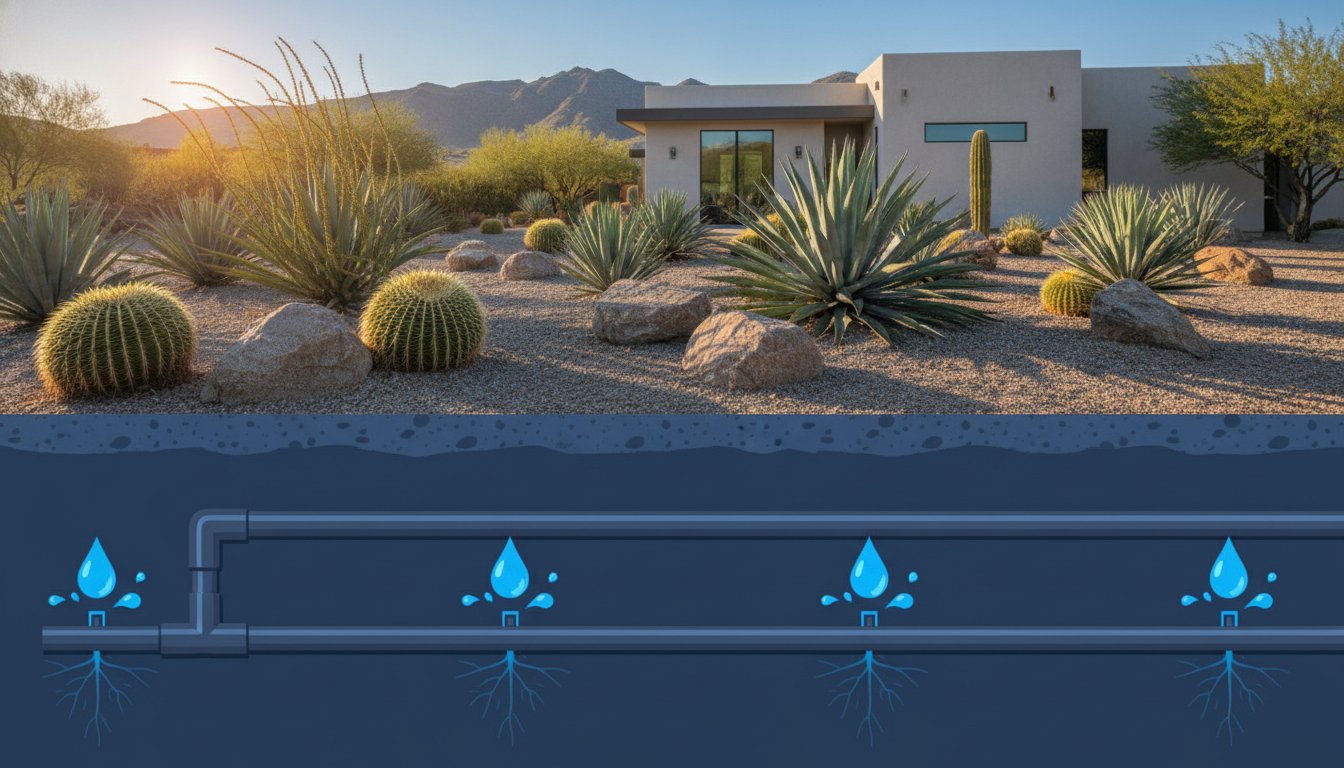
Arizona's climate is a crucible for outdoor infrastructure. Standard polyethylene tubing, often used in builder-grade installations, isn't designed for the 110-plus degree days we experience in Surprise and Peoria. While Drip irrigation is the most efficient way to water desert plants, the materials must be robust enough to survive the local environment. When these systems fail, they don't just stop working; they often create hidden issues that waste thousands of gallons of water before you notice a single wilted leaf. This is why a professional drip line replacement Arizona homeowners can rely on must account for more than just water delivery.
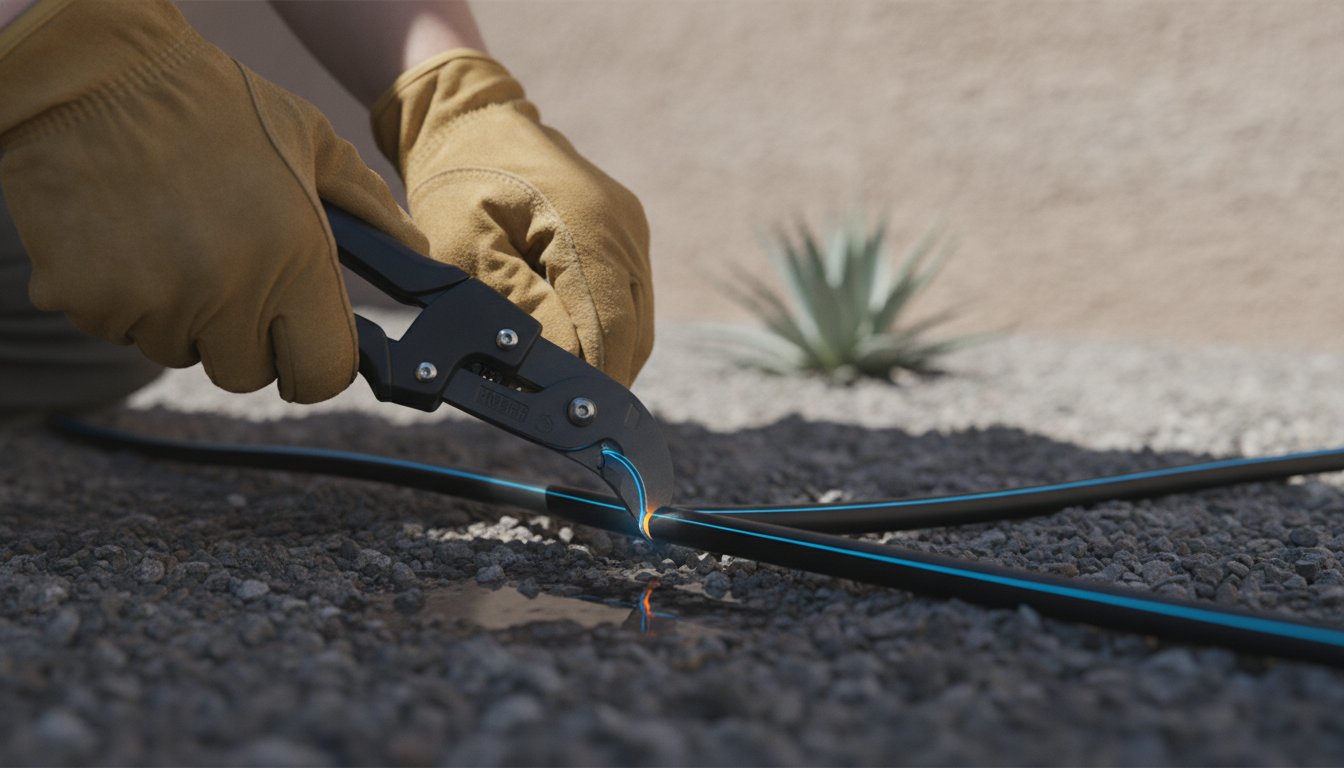
The "Death Sentence" for most systems is our extreme UV index. Sunlight acts as a slow-motion wrecking ball on standard poly tubing, causing it to lose its flexibility and turn grey. Beyond the sun, thermal expansion creates constant mechanical stress. During a typical summer day, the temperature of the soil and the water inside the lines can fluctuate by 40 degrees or more. This causes the plastic to expand and contract, which eventually makes fittings pop off or hairline cracks to form along the length of the pipe. These aren't just maintenance nuisances; they're structural failures caused by the desert itself.
Our local geology adds another layer of difficulty. The caliche and rocky soil found in the West Valley can be incredibly abrasive. When shallow-buried lines move during thermal cycles, they rub against sharp rocks and hard-packed caliche, leading to punctures. Furthermore, the high mineral content in Arizona water leads to significant calcium buildup. This "hard water" eventually clogs emitters and creates back-pressure that stresses every joint in the system. When you reach this point, drip line replacement Arizona services move from being a luxury to a necessity for landscape preservation.
The Lifecycle of a Desert Drip System
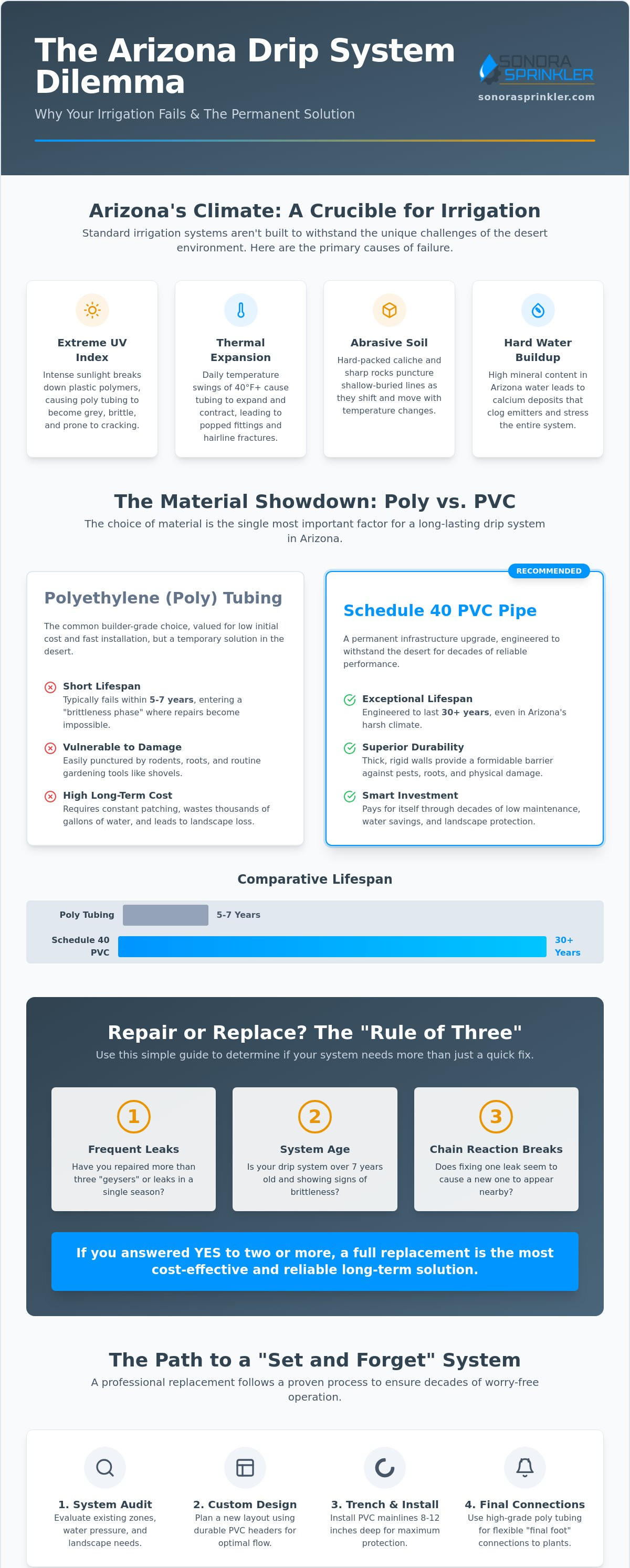
Most builder-grade poly systems have a functional lifespan of only 5 to 7 years in the Phoenix area. After this period, the system enters the "brittleness phase." In this stage, the plastic becomes so fragile that attempting to repair one leak often causes the pipe to crack further down the line. UV degradation is the chemical breakdown of polymer chains caused by prolonged exposure to high-intensity solar radiation, resulting in structural weakening and eventual failure. Once this process begins, patching leaks is no longer a viable long-term strategy.
Signs Your System is Failing (Beyond the Geyser)
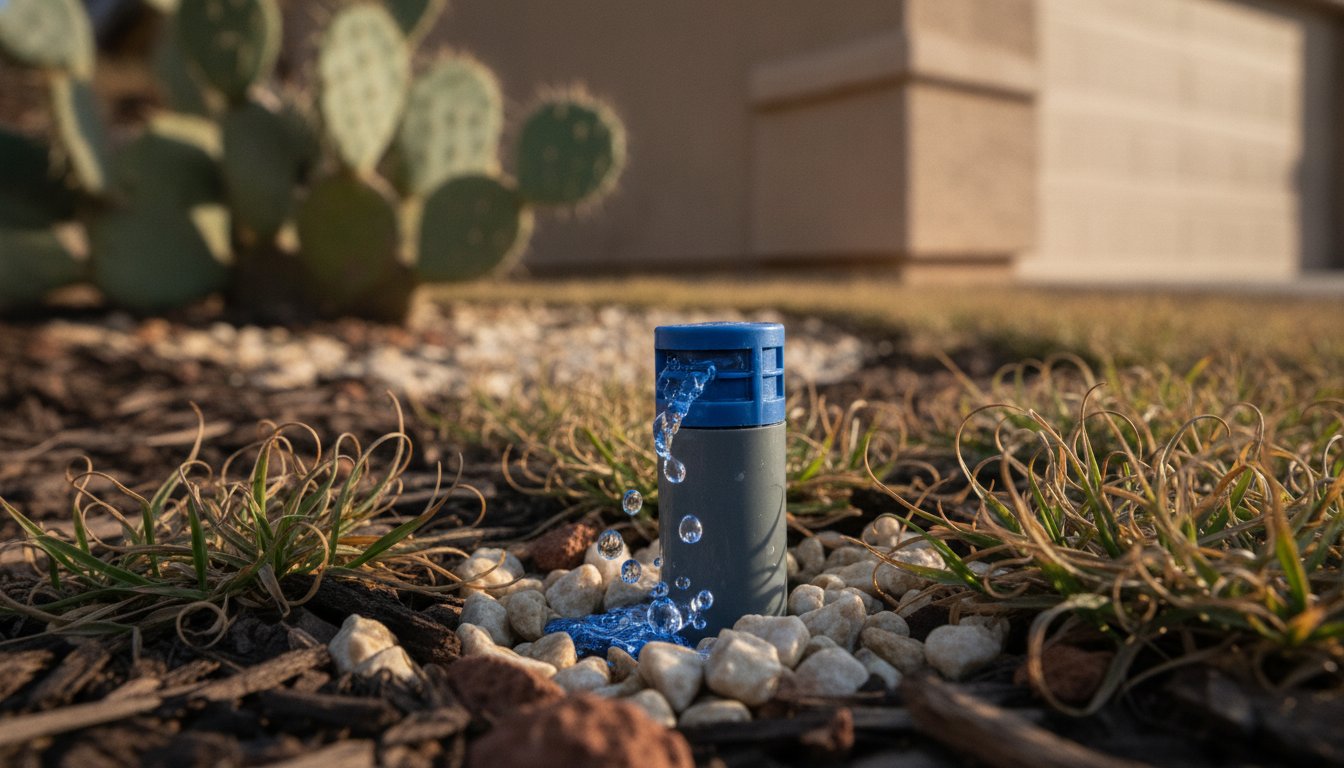
While a "geyser" in the yard is an obvious sign of trouble, many irrigation failures are much quieter. You might notice white, crusty salt deposits on the soil surface where water is slowly seeping from a cracked line and evaporating. Inconsistent plant health is another major indicator; if one shrub is thriving while its neighbor is dying, the emitter or the line serving that zone is likely compromised. If your water bill has increased without a change in your household habits, your aging drip infrastructure is the most probable culprit.
Poly vs. PVC: Choosing the Right Material for Longevity
Deciding between polyethylene (poly) and polyvinyl chloride (PVC) is the most critical choice you'll make when planning a drip line replacement Arizona project. Most residential systems are originally installed with poly tubing because it's inexpensive and fast for builders to lay down. However, what works for a builder’s bottom line rarely serves the long-term interests of a homeowner. Poly is a temporary material in the desert, whereas PVC is a permanent infrastructure upgrade. While poly tubing may only last 10 years in ideal conditions, PVC piping is reported to last 30 years or more, even in our harsh environment.
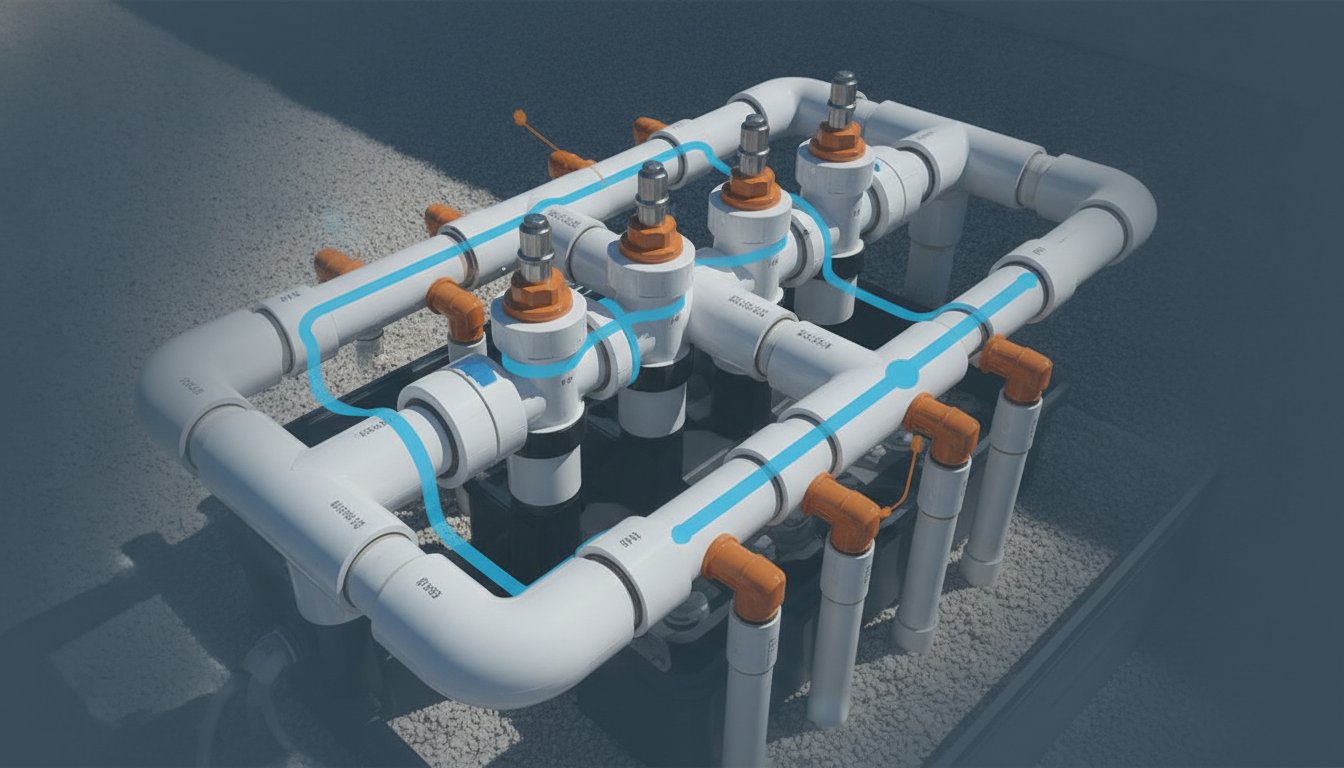
Schedule 40 PVC offers a level of structural integrity that poly simply cannot match. It's thick-walled and rigid, providing a formidable barrier against common desert nuisances like burrowing rodents, aggressive tree roots, and the occasional misplaced shovel. From a cost-benefit perspective, the initial investment in PVC pays for itself through decades of reduced maintenance. You aren't just buying pipe; you're buying the end of the "patch and pray" cycle. We often recommend a hybrid approach. This involves using PVC for the main "headers" that carry the bulk of the water and high-quality poly for the short leads that reach individual plants.
While high-quality piping provides a physical shield, ensuring your yard remains free from destructive insects and rodents is an essential part of long-term property care. For comprehensive management, Mosquito Assassin Pest Control LLC offers the professional expertise needed to keep your landscape protected from pests.
Ending the cycle of constant maintenance allows you to focus on the outdoor activities you truly enjoy. For those who value high-quality equipment for their time in nature, you can learn more about Vse za Lov in Prosti Čas for professional hunting and leisure apparel.
The Case for PVC Pipe Replacement
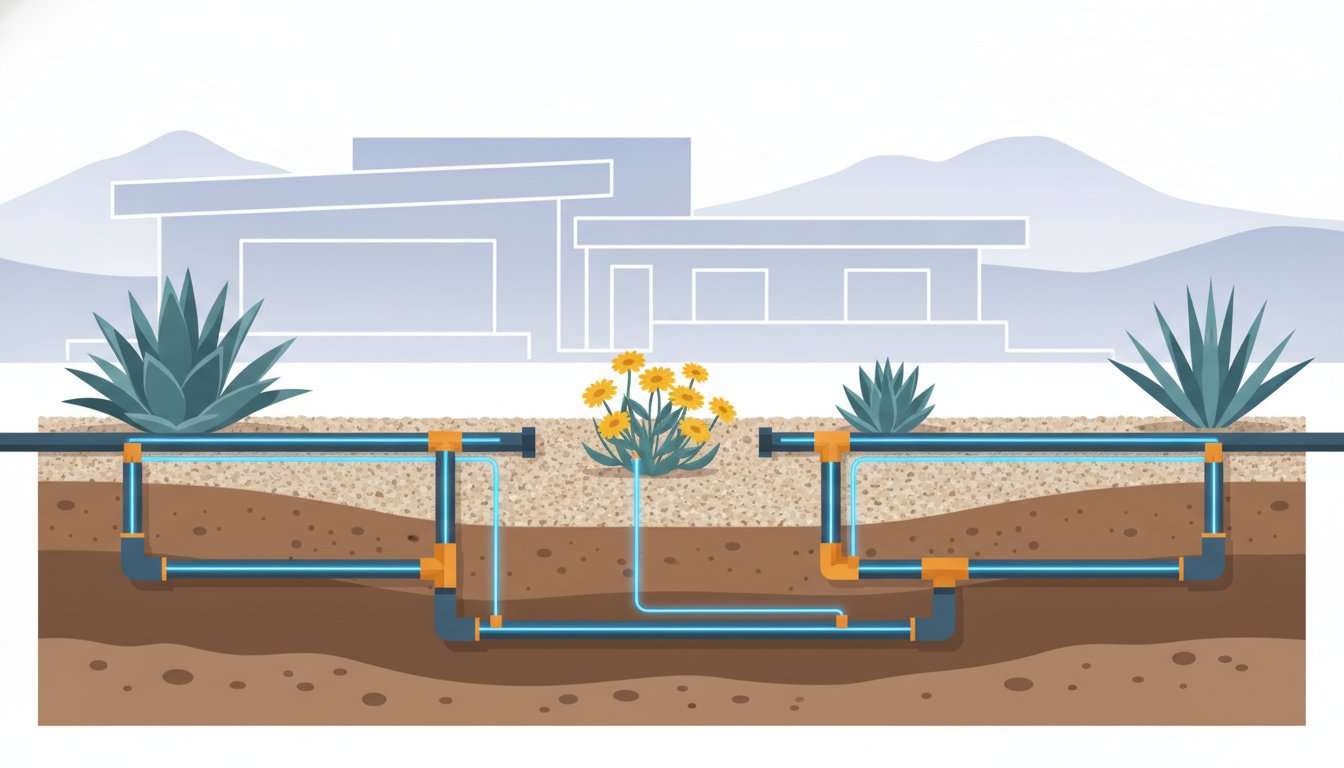
In the shifting, expansive soils found in Surprise and Peoria, PVC provides the stability needed to prevent joint failures. It's the gold standard for irrigation PVC pipe replacement because it can handle the high static pressure of Arizona municipal water systems. Proper installation requires trenching to a depth of at least 8 to 12 inches. This depth protects the lines from the most intense surface heat and prevents accidental damage during routine gardening or landscaping adjustments.
When Poly Still Makes Sense
Poly tubing isn't entirely obsolete; it has a specific, functional role in a modern system. We use professional-grade, UV-resistant poly for the "final foot" of the line. This flexibility is essential for reaching the root zones of established desert trees without disturbing their existing structure. It's important to distinguish between the thin-walled tubing found at big-box retail stores and the commercial-grade materials used by specialists. If you're unsure which material your current yard uses, you can reach out to our team for a professional evaluation of your infrastructure. This guide to backyard drip irrigation provides additional context on how these components work together to maintain a healthy landscape.
The Decision Framework: Repair or Replace?
Deciding when to transition from minor fixes to a complete overhaul is a common challenge for homeowners in the Valley. While it's tempting to keep patching individual leaks, there's a point where maintenance becomes a liability. We utilize a specific decision framework to help our clients determine if a drip line replacement Arizona project is the most fiscally responsible path forward. It's about looking past the immediate "geyser" and assessing the health of the entire underground infrastructure.
The most reliable indicator is what we call the "Rule of Three." If you've had to repair three different leaks in a single irrigation zone within a twelve-month period, the system's structural integrity is likely compromised. At this stage, the plastic has reached its fatigue limit. You can also perform a simple "brittleness test" yourself. Gently bend a section of the exposed tubing; if it snaps like a dry twig rather than flexing, the chemical bonds in the plastic have failed due to UV exposure. Once the material is this fragile, every repair you make will likely cause new stress fractures nearby.
Landscape maturity is another critical factor. Many older systems were designed for small, newly planted shrubs. As your desert trees and cacti grow, their root zones expand significantly. An aging system often fails to deliver water to the outer edges of the root ball, leading to stunted growth or sudden plant death during a heatwave. Continuing to patch an outdated layout often costs more in the long run through water waste, recurring service fees, and the high cost of replacing dead mature plants.
The ROI of Full Drip Line Replacement
Investing in a modern drip system installation provides a measurable return on investment. A leak-free, professionally designed system can significantly lower your monthly water bills, especially with the rising municipal rates seen in 2026. Beyond the utility savings, a reliable irrigation setup protects your property's curb appeal and increases overall home value. Perhaps the greatest benefit is the reduction in the "headache factor." You gain back your weekends and lose the constant anxiety of wondering if your yard is currently flooding while you're at work.
When a Simple Repair is Sufficient
Not every leak requires a total system overhaul. If the damage is isolated, such as a line nicked by a shovel or chewed by a dog, a simple coupler and a fresh segment of pipe are usually enough. If your valves are functioning correctly and the rest of the lines remain flexible, a targeted fix is the logical choice. For guidance on identifying these minor issues, you can review our guide on drip system troubleshooting in Surprise to see if your problem is a quick fix or a sign of systemic failure.
Step-by-Step: The Professional Replacement Process
Execution of a successful drip line replacement Arizona project begins with a methodical assessment of the entire property. We don't simply start digging; we map out every existing zone to understand the specific hydration requirements of your mature landscape. This audit identifies exactly where previous poly systems failed and allows us to reroute lines for better coverage and long-term efficiency. It's about correcting the mistakes of the past while building for the future.
Trenching in our local soil requires a careful balance of depth and safety. In Surprise and Peoria, we must navigate around established root systems and existing underground utilities to create a protected pathway for the new infrastructure. Once the trenches are cleared of old, brittle tubing, we install the PVC mainline. This rigid "backbone" provides the necessary resistance to the physical stressors we've discussed, such as shifting desert soil and the mechanical pressure of thermal expansion. This is the foundation of a system built to last decades rather than years.
Custom Design for Desert Landscapes
A "one-size-fits-all" approach to irrigation leads to wasted water and unhealthy plants. We utilize custom sprinkler and drip design to group your plants into specific "hydro-zones." This strategy ensures that low-water cacti aren't receiving the same volume as thirsty citrus trees or ornamental shrubs. By tailoring emitter flow rates, measured in gallons per hour (GPH), we provide the precise amount of moisture each species needs to thrive in the 115-degree summer heat.
Before any soil is moved back into place, we conduct rigorous pressure testing across every zone. This technical step is vital to confirm that every joint, fitting, and emitter is perfectly sealed and functioning at the correct pressure. We ensure a 100% leak-free start before carefully backfilling and compacting the trenches. This methodical approach prevents the "geysers" and sinkholes that often plague lower-quality, rushed installations.
Integrating Smart Controllers
A new drip system is only as efficient as the technology that manages it. Modern Wi-Fi controllers allow for precise, weather-based adjustments that react to real-time Arizona conditions. These systems use rain sensors and local forecasts to automatically trigger delays, preventing water waste during the monsoon season. Seasonal adjustment is critical because it ensures your plants receive increased water during peak summer heat and significantly reduced amounts during cooler dormant months. If you're ready to transition to a more reliable, intelligent irrigation setup, contact our team to discuss your specific property needs.
Ensuring Long-Term Reliability with Sonora Sprinkler
Choosing the right partner for your irrigation needs is just as important as selecting the right materials. Since 1999, Sonora Sprinkler has served the communities of Surprise and Peoria with a singular focus on residential systems. We don't divide our attention between large commercial contracts and home landscapes; we dedicate our full expertise to the unique needs of local homeowners. This specialized approach ensures that every drip line replacement Arizona project we undertake is handled with the precision and local knowledge required for our specific desert environment.
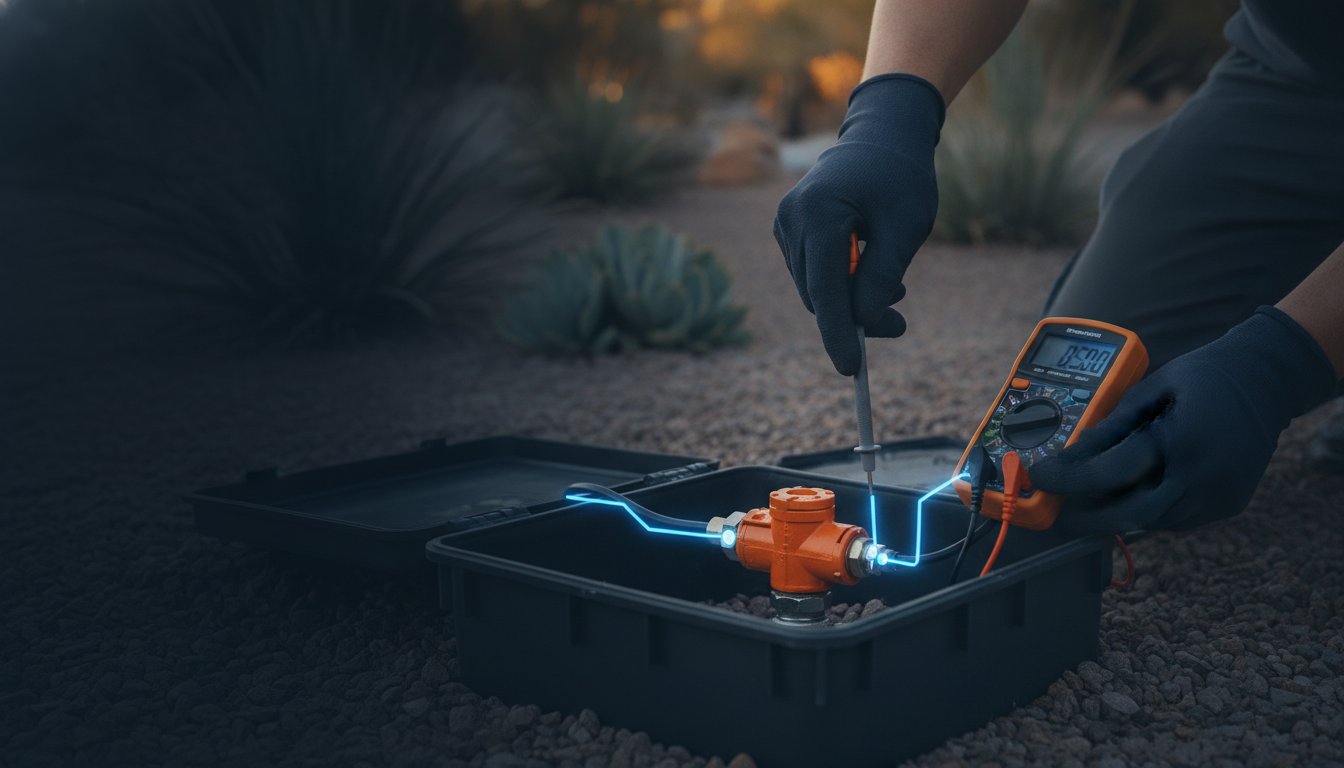
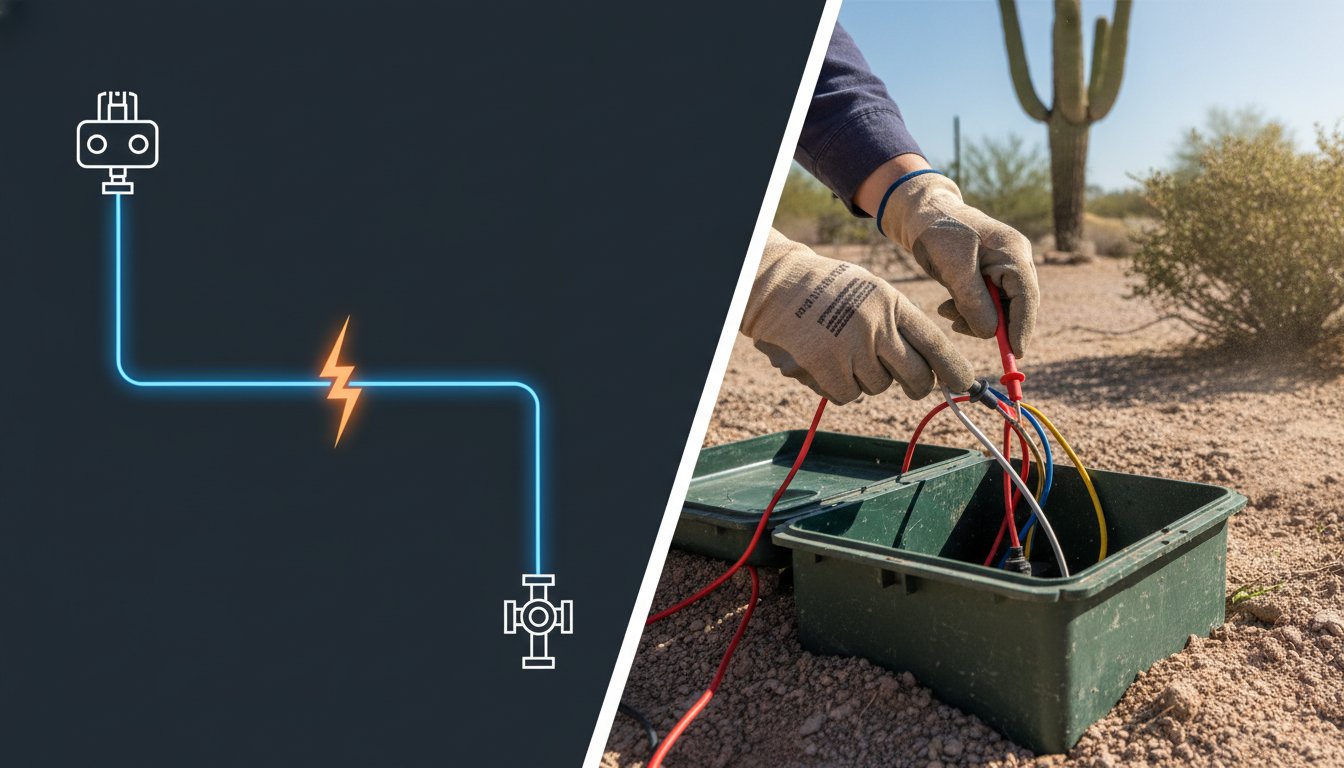
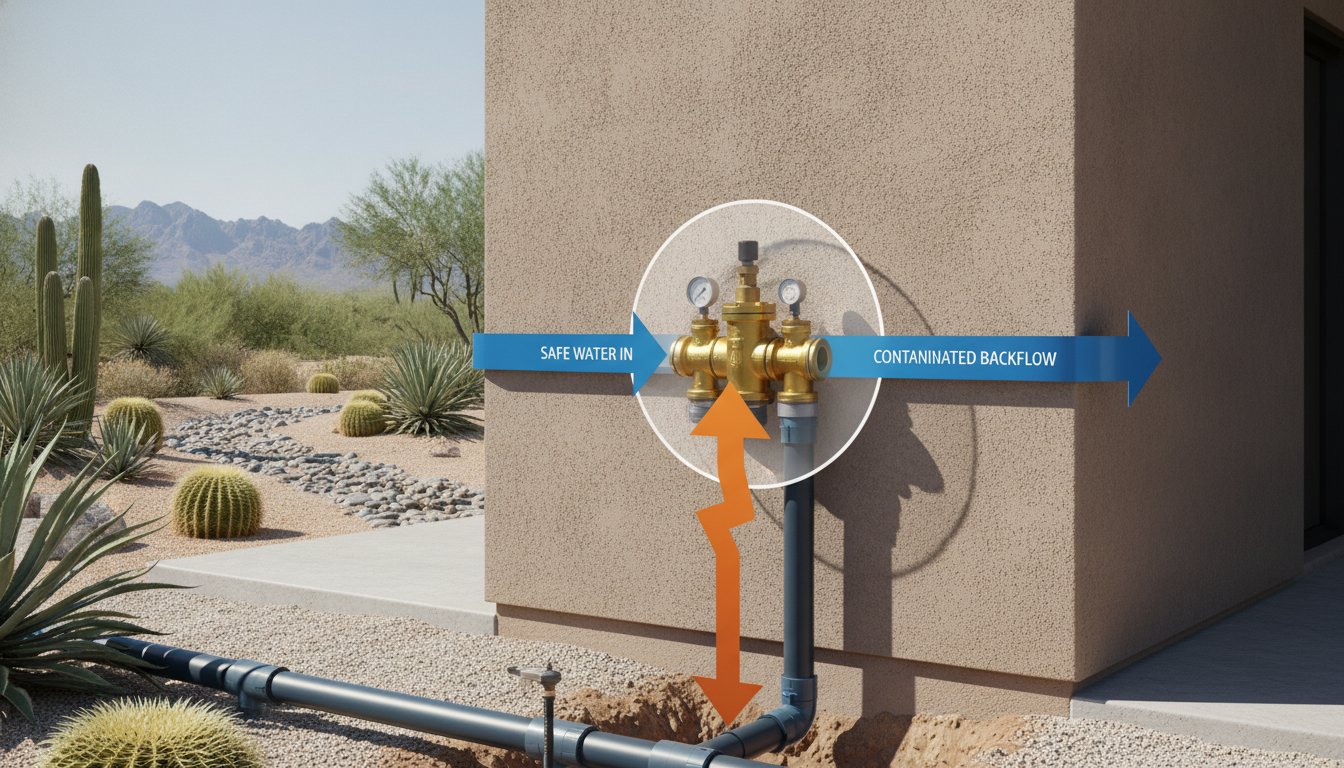
Our commitment to your property's health is comprehensive. We understand that a reliable irrigation system is more than just a series of pipes. It requires a deep understanding of electrical systems and water management. Our team provides expert wiring diagnostics to ensure your controller communicates perfectly with your valves, along with professional backflow prevention services to protect your home's water supply. As a family-owned business, we combine neighborly values with the high standards expected of a licensed service provider, projecting stability and reliability in everything we do.
Why a Licensed Specialist Beats a General Landscaper
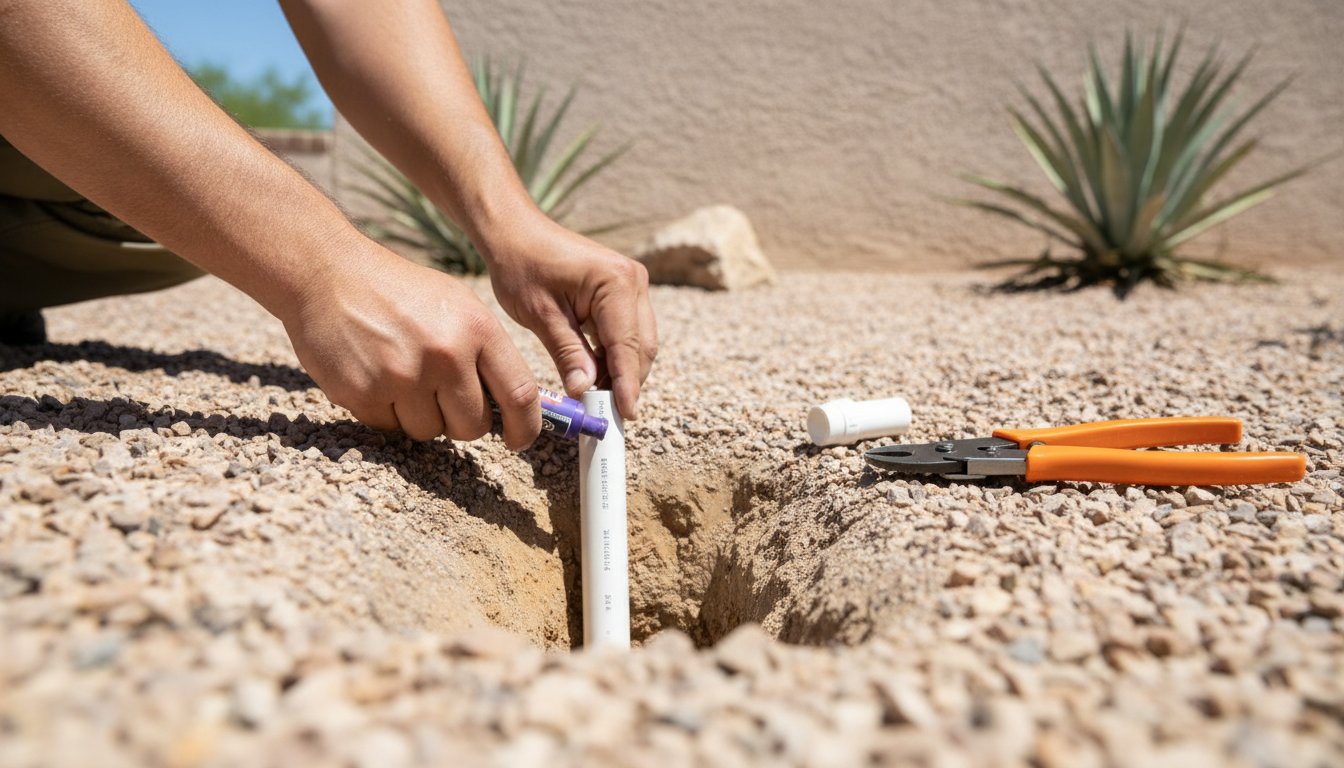
It's common for homeowners to rely on "mow-and-blow" crews for minor fixes, but complex irrigation hydraulics require a different level of expertise. General landscapers often lack the specialized tools and technical training necessary for a high-durability drip line replacement Arizona homeowners can trust. Improperly installed lines or mismatched emitters can lead to pressure imbalances that eventually cause system-wide failure. We focus on professional residential irrigation repair and installation, using industry-leading techniques to ensure every solvent-welded PVC joint is secure. This technical focus allows us to stand behind our work, providing you with the peace of mind that comes from a job done right the first time.
Getting Started with Your Replacement
Our process begins with a thorough, professional consultation where we evaluate the current state of your infrastructure. We'll identify failure points and explain the logical progression from your old system to a modern, efficient layout. We know that your existing desert landscape is a significant investment, so we take great care to minimize disruption during the trenching process. Our goal is to leave your property in excellent condition, equipped with a "set and forget" system that will serve you for decades. If you're ready to stop the cycle of constant repairs and high water bills, schedule your drip system evaluation with Sonora Sprinkler today.
Securing Your Landscape’s Future in the Desert
Transitioning from a failing, builder-grade poly system to a professional-grade PVC solution is more than a simple repair; it’s an investment in the long-term health of your property. By choosing durable materials and a custom layout, you eliminate the constant stress of weekend patches and rising water bills. A high-quality drip line replacement Arizona homeowners can rely on ensures that your mature trees and shrubs receive the precise hydration they need to thrive during the hottest summer months; similarly, to keep your home's interior just as comfortable, check out Around the Clock Heating and Air Conditioning.
Since 1999, Sonora Sprinkler has focused exclusively on residential desert irrigation design. As a family-owned and operated business, we prioritize reliability and stability, specializing in expert PVC pipe replacement that stands up to our unique soil conditions. You don't have to settle for a system that requires constant patching or leads to plant loss. Request a Professional Drip System Audit from Sonora Sprinkler today to protect your landscape and gain peace of mind. Your yard deserves an irrigation foundation as resilient as the desert itself.
Frequently Asked Questions
How much does drip line replacement cost in Arizona?
The total investment for a professional upgrade depends on the square footage of your landscape, the number of zones, and the specific materials chosen for the installation. While standard poly systems are less expensive initially, a high-durability PVC installation offers greater long-term value by significantly reducing recurring repair expenses and water waste. We provide a detailed assessment of your property's needs to ensure your new system is both efficient and cost-effective.
How long does a typical drip system replacement take?
Most residential projects are completed within one to three business days. The exact duration depends on the complexity of your landscape zones and the extent of the trenching required to install the new PVC backbone. We prioritize a methodical pace to ensure every joint is properly solvent-welded and pressure-tested before we backfill the soil, ensuring a reliable start for your new system.
Will replacing my drip lines damage my existing plants or trees?
Professional installation is specifically designed to protect your mature landscape. We utilize strategic trenching techniques to navigate safely around established root systems and existing utilities. While some minor root pruning may be necessary to clear a path for the new lines, it is far less damaging to your plants than the chronic dehydration and soil erosion caused by a failing, leaky system.
Do I need to replace my irrigation valves when I replace the lines?
You don't always need to replace your valves, but it's often the most logical time to perform this upgrade. If your existing valves are over ten years old or showing signs of weeping, replacing them during a drip line replacement Arizona project ensures your entire infrastructure is reliable. We inspect your valves and backflow preventer as part of our initial audit to determine if they meet current performance standards.
Can I switch from poly tubing to PVC myself?
Transitioning to a PVC-based system involves technical skills like solvent welding and precise pressure management that go beyond standard DIY tasks. While poly tubing is designed for simple assembly, a permanent PVC backbone requires professional tools and specialized knowledge of local soil challenges. Mistakes in the main line can lead to significant water loss and property damage if not handled by a licensed specialist.
How deep should drip lines be buried in Arizona soil?
In the Arizona desert, drip lines should be buried at a depth of 8 to 12 inches. This depth provides a vital protective buffer against the intense surface heat that degrades plastic materials over time. It also prevents physical damage from common garden tools, burrowing pests, and the mechanical stress caused by shifting soil during our extreme seasonal temperature fluctuations.
Are there any water conservation rebates for drip system upgrades in Surprise or Peoria?
Homeowners in the West Valley can often access financial incentives for improving irrigation efficiency. Through June 1, 2027, the City of Surprise offers rebates of up to $125 for WaterSense-labeled irrigation controllers and $2 per square foot for turf removal up to $2,000. We recommend checking with your specific municipal water department in Peoria or Surprise to verify current 2026 rebate availability for smart technology and xeriscaping.
What is the best time of year to replace an irrigation system in Arizona?
The optimal window for a full irrigation overhaul is during the cooler months between October and March. Performing the work while your desert plants are dormant or less stressed by extreme heat minimizes the risk to your landscape during the brief period the water is shut off for installation. However, we perform professional replacements year-round to address urgent system failures before they lead to significant plant loss.