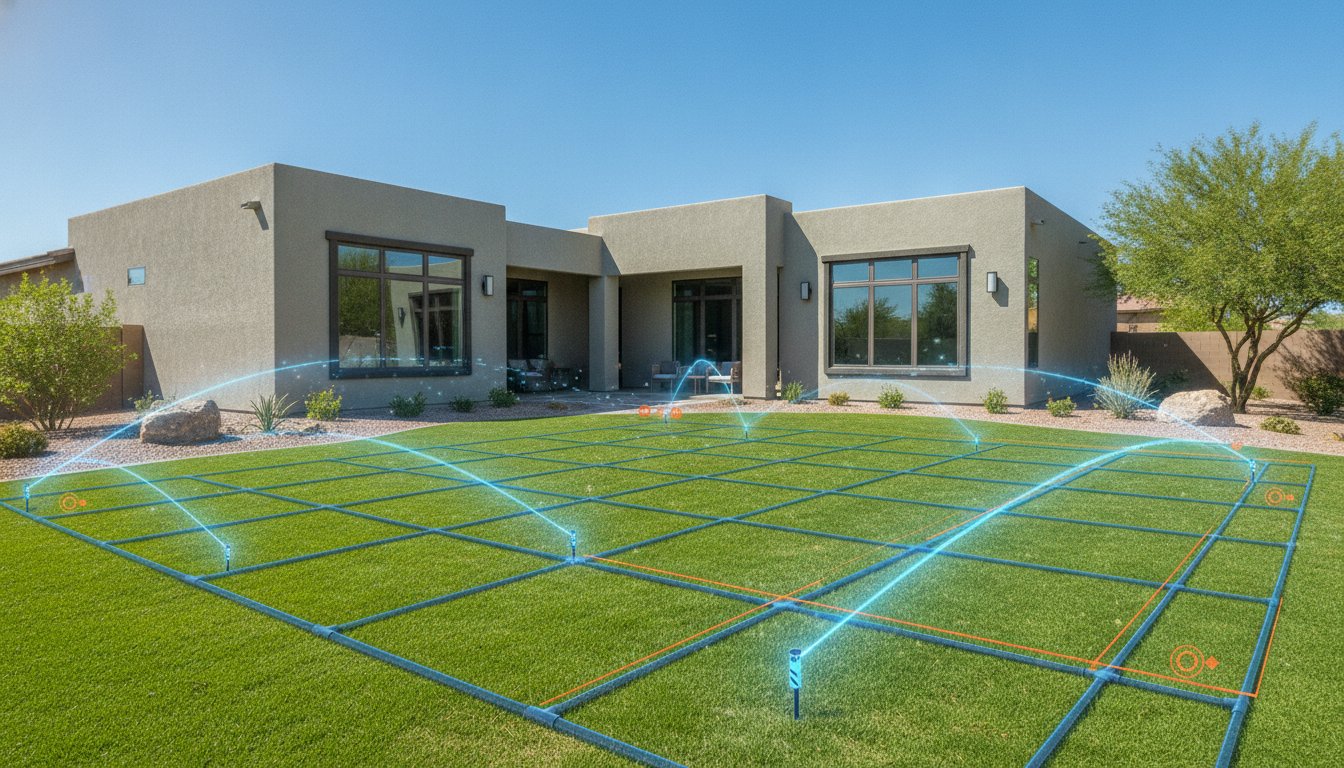
What if the most critical component of your yard is currently leaking money into the soil without you realizing it? For many homeowners in Surprise and Peoria, a soggy patch of ground near the valve box is the first warning that an irrigation manifold repair is no longer optional. It is a stressful discovery that often brings up concerns about complex wiring and rising utility bills. You likely already understand that every drop of water is precious in our arid climate, and seeing it wasted through a cracked fitting or a weeping valve is both a financial and environmental burden.
The complexity of mixing high pressure plumbing with low voltage wiring can feel daunting, but maintaining a reliable system is essential for protecting your landscape investment. This guide provides the professional insight you need to troubleshoot failures and resolve leaks effectively. We will examine how to diagnose manifold issues, explain the best practices for replacing PVC components, and show you how to ensure your system remains durable enough to survive the relentless Arizona summer.
Key Takeaways
- Learn how the irrigation manifold functions as the central distribution hub, managing water flow and pressure across your entire landscape.
- Identify the specific signs of a failing system, from persistent muddy spots in the valve box to inconsistent water pressure in your lawn and drip zones.
- Evaluate whether to perform a single valve fix or a full irrigation manifold repair based on the age of your components and the frequency of leaks.
- Discover why high-quality materials like Schedule 40 PVC and professional-grade cements are essential for repairs that survive the Arizona heat.
- Understand the importance of comprehensive diagnostics that address both the plumbing and electrical wiring for a truly reliable irrigation system.
Understanding the Irrigation Manifold: The Heart of Your System
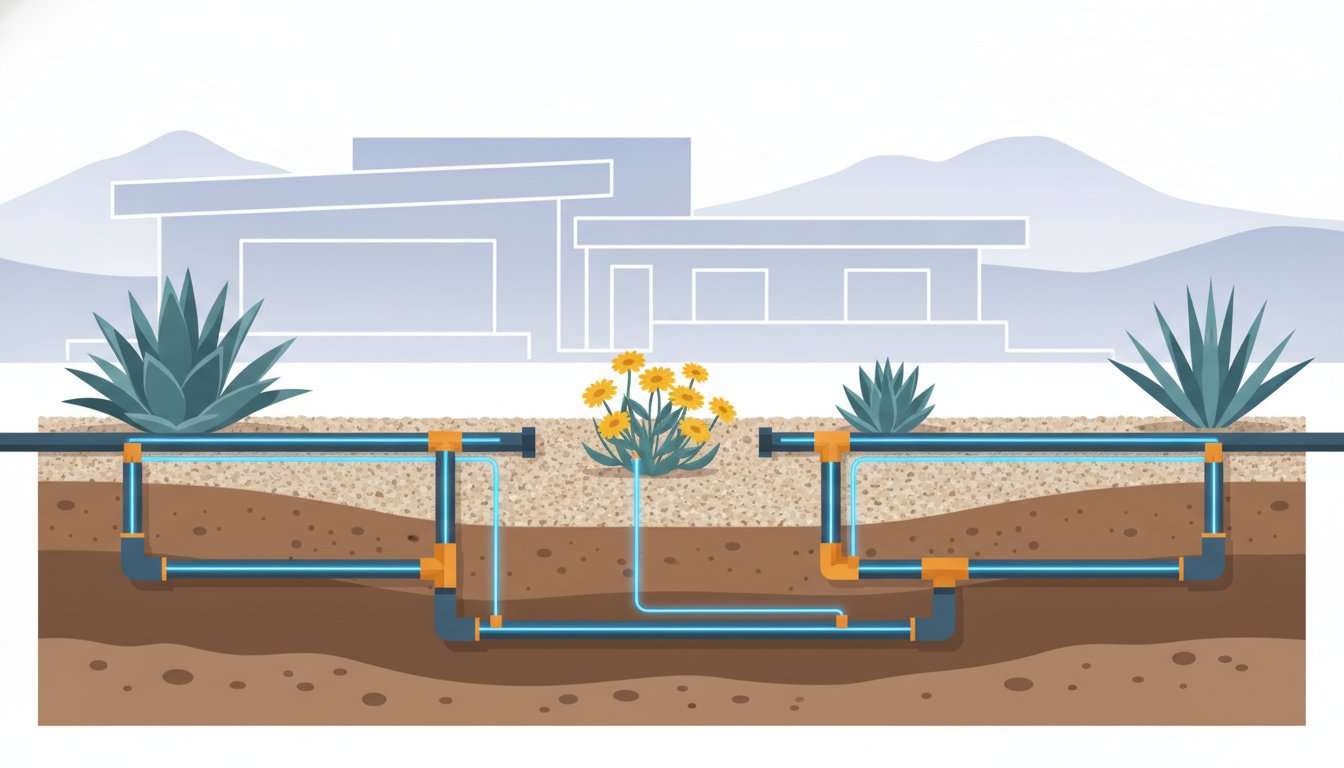
The irrigation manifold is the command center of your landscape. It's the point where your main water line splits into several branches to feed your grass, desert plants, and trees. This assembly represents a sophisticated intersection where mechanical water pressure meets electrical signals. Gaining a clear understanding of how irrigation systems work helps you see why a single failure here can disable your entire yard. When one valve fails, it doesn't just affect one plant; it can compromise the pressure of the entire system.
When the time comes for an irrigation manifold repair, you aren't just fixing a leak; you're restoring the brain of your watering system. Each valve in the manifold acts as a precise gatekeeper. It waits for a low-voltage signal from your timer to open and distribute water. In the high-pressure environment of the Surprise and Peoria areas, these components must remain perfectly sealed to prevent waste and maintain consistent pressure across all zones. Precision in the assembly of these parts is what separates a temporary patch from a long-term solution.
Anatomy of a Residential Manifold
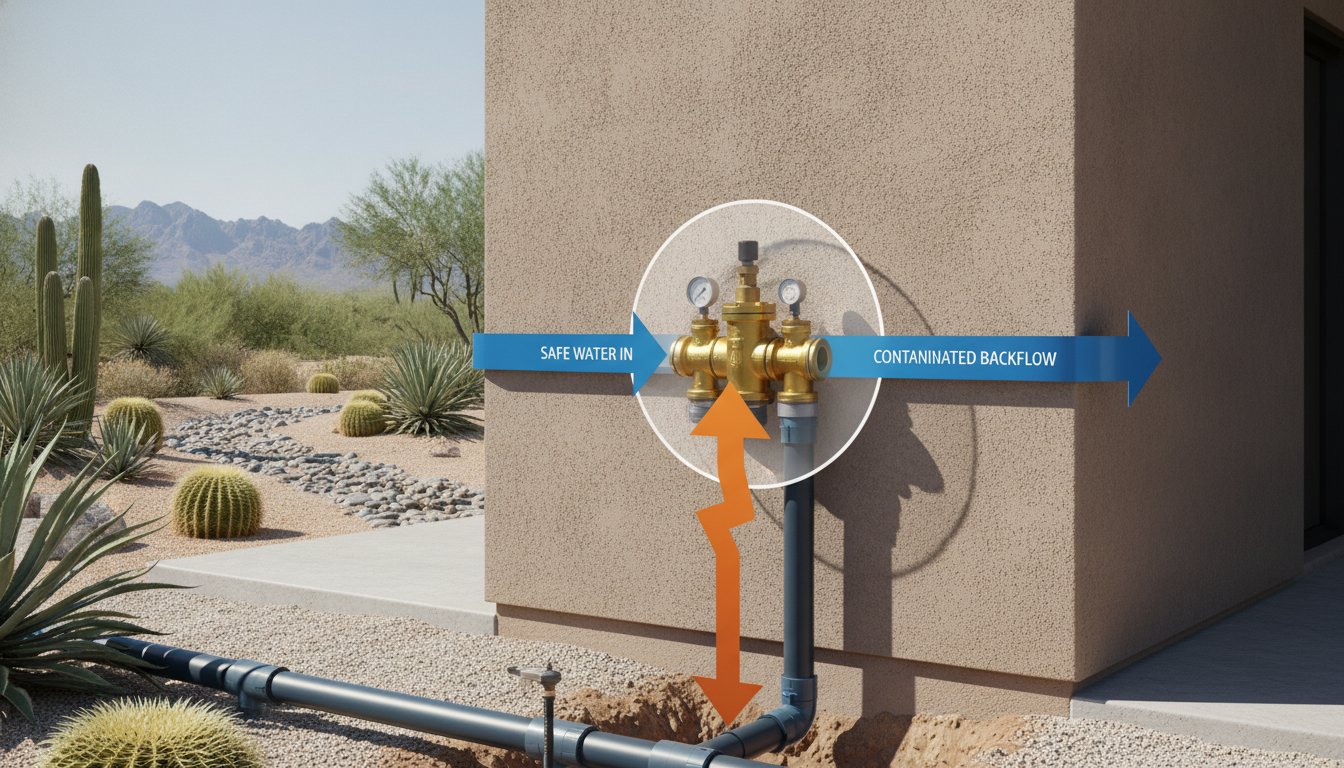
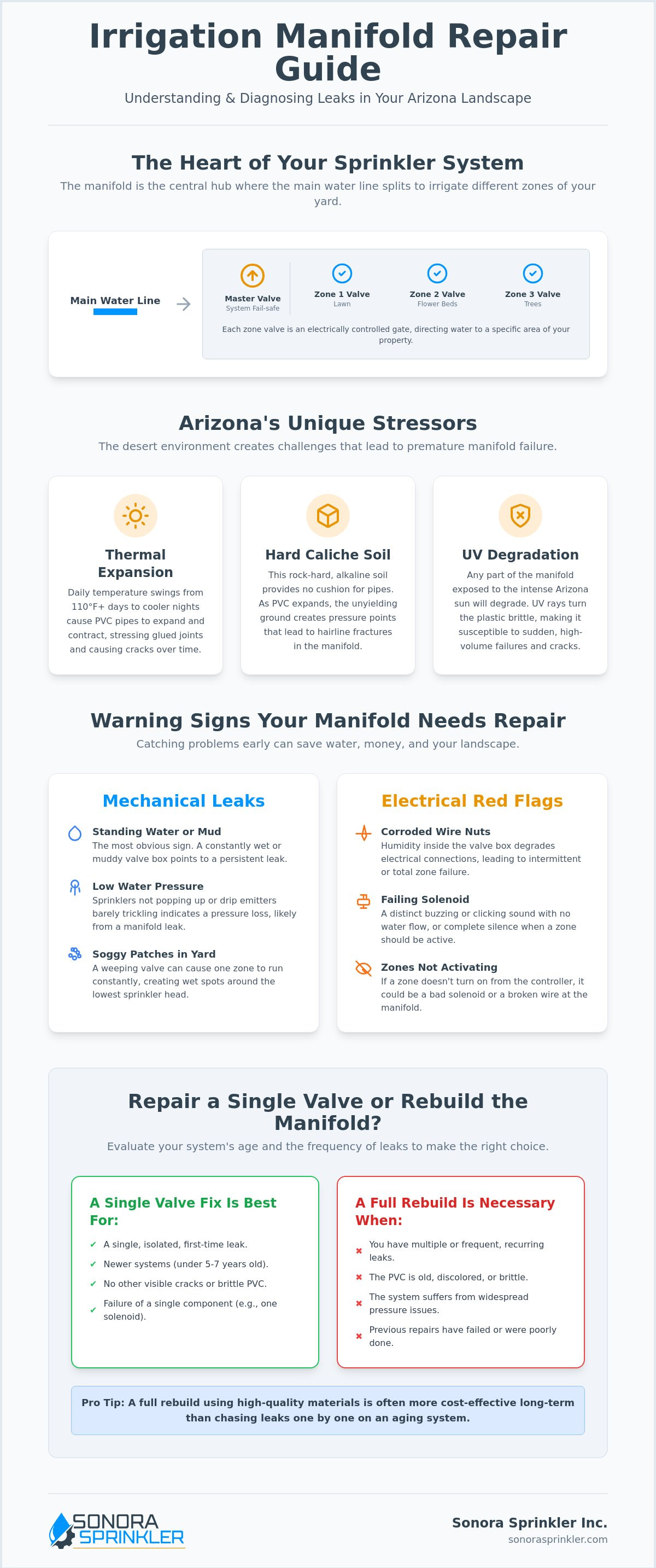
A standard manifold consists of several key parts that work in unison. The master valve sits at the front, acting as a fail-safe that shuts off the water supply when the system is idle. Following this are the individual zone valves, each equipped with an electrical solenoid that triggers water flow to specific areas. The structure is held together by PVC fittings and risers. These connections are often the first to fail because they bear the brunt of constant water hammers and pressure fluctuations. Our professional Valve and Backflow Services focus on ensuring these components are rated for the high demands of residential use.
Regional Challenges for Arizona Manifolds
The desert environment presents unique stressors that homeowners in milder climates don't face. Thermal expansion is a primary culprit. When temperatures hit 110°F, buried PVC pipes and manifold components expand significantly. As they cool at night, they contract. This constant movement puts immense stress on glued joints, often necessitating a professional irrigation manifold repair to address cracked fittings. Our local caliche soil compounds this problem. This rock-hard, alkaline soil doesn't provide a cushioned environment for pipes. When the PVC expands against unyielding caliche, it results in hairline fractures. Additionally, if any part of your manifold is exposed to the sun, UV degradation will eventually turn the plastic brittle, leading to sudden, high-volume failures.
Common Signs Your Irrigation Manifold Needs Repair
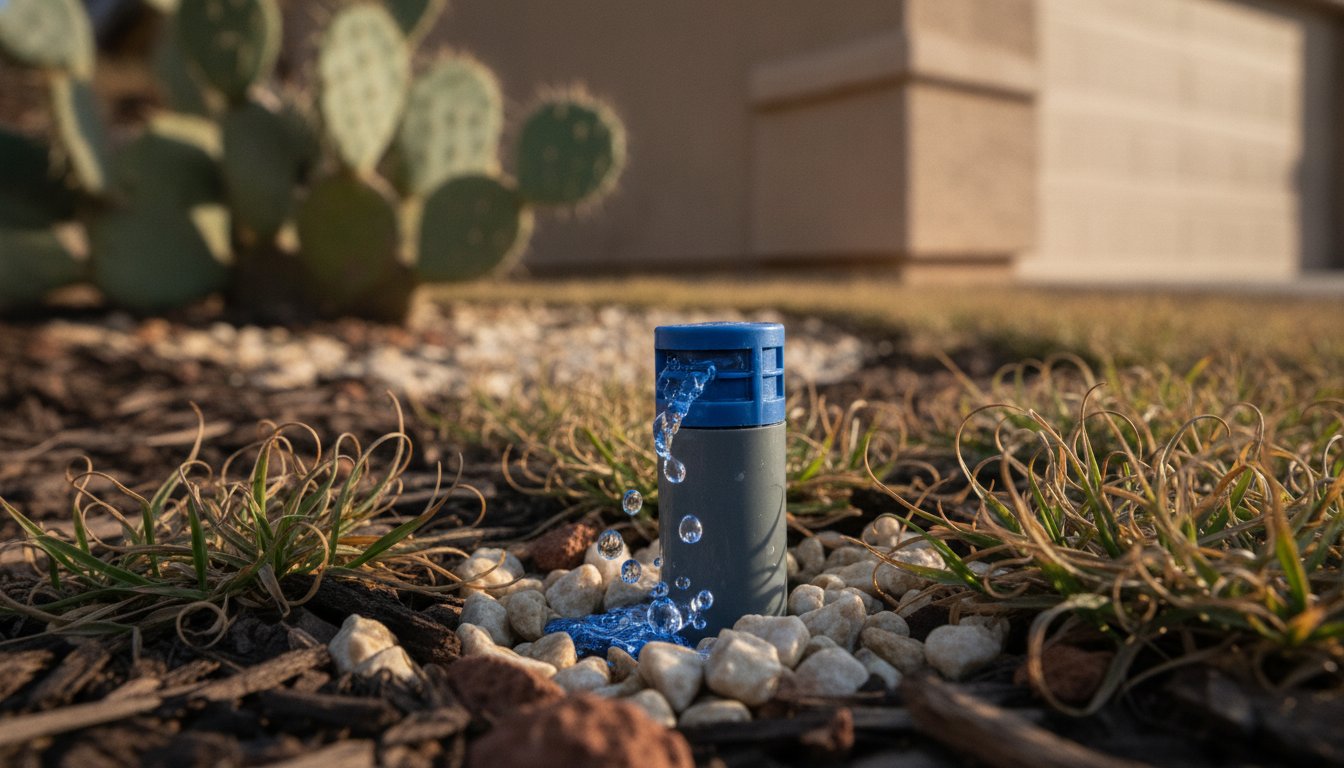
Identifying a problem early can prevent a minor drip from becoming a major landscape disaster. Most homeowners first notice a need for irrigation manifold repair when they open the valve box and find it filled with standing water or thick mud. While a wet box is a clear indicator, other symptoms are more subtle. You might notice a sudden drop in water pressure across several zones. If your sprinklers are barely popping up or your drip emitters are merely trickling, the manifold may be leaking internally or suffering from a structural crack.
Sound is another reliable diagnostic tool. If you hear a faint hissing or humming coming from the valve box while the controller is off, water is likely bypassing a seal. This constant flow not only wastes water but also creates a "ghost" reading on your utility meter. Regular seasonal irrigation system maintenance helps catch these issues before they impact your monthly water bill.
Diagnosing Mechanical Leaks
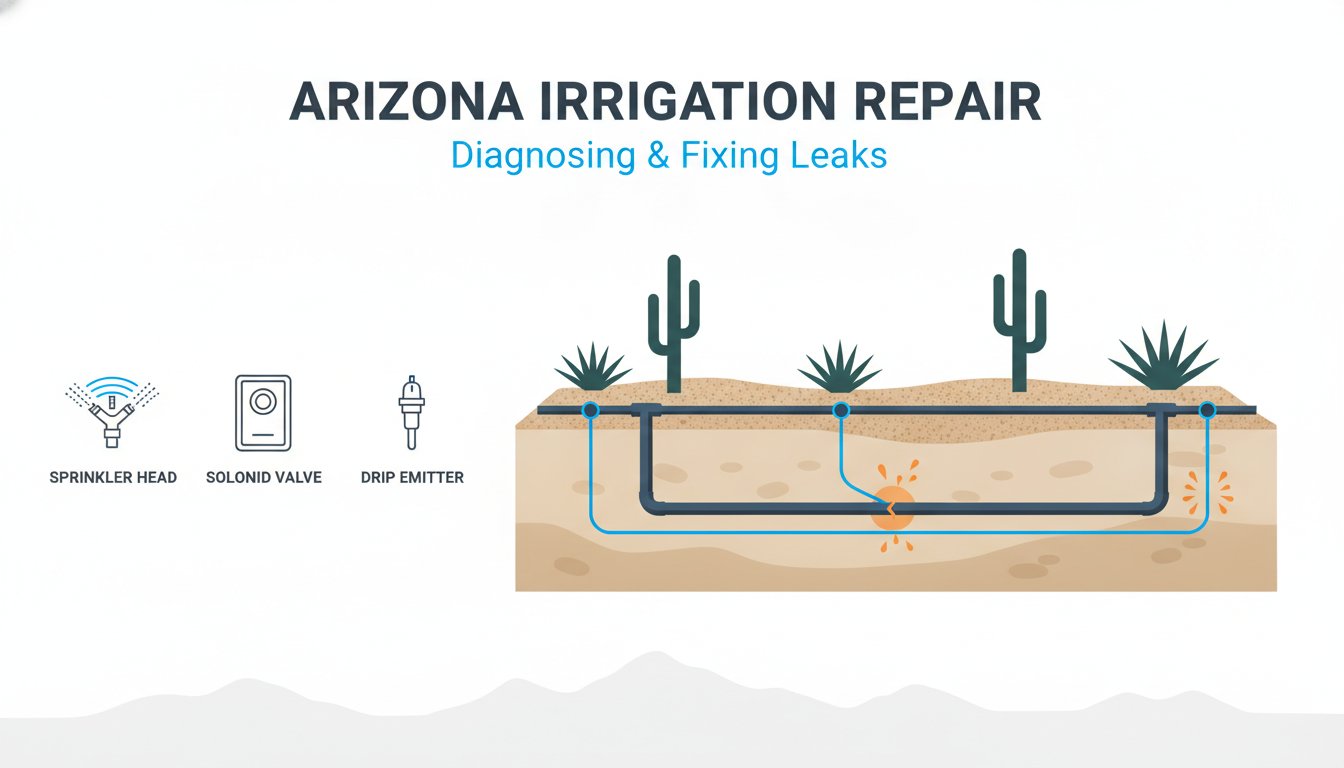
Mechanical failures often manifest as visible cracks in the PVC body or fittings during an irrigation manifold repair assessment. It's helpful to distinguish between a cracked manifold and a simple loose union. A crack usually requires a full section replacement, whereas a loose union might just need a new O-ring. Another common culprit is diaphragm failure. When the rubber diaphragm inside a valve tears, the valve "weeps," allowing water to flow into the zone even when it's supposed to be shut off. This often leads to soggy patches around the lowest sprinkler head in that zone.
Electrical Red Flags at the Manifold
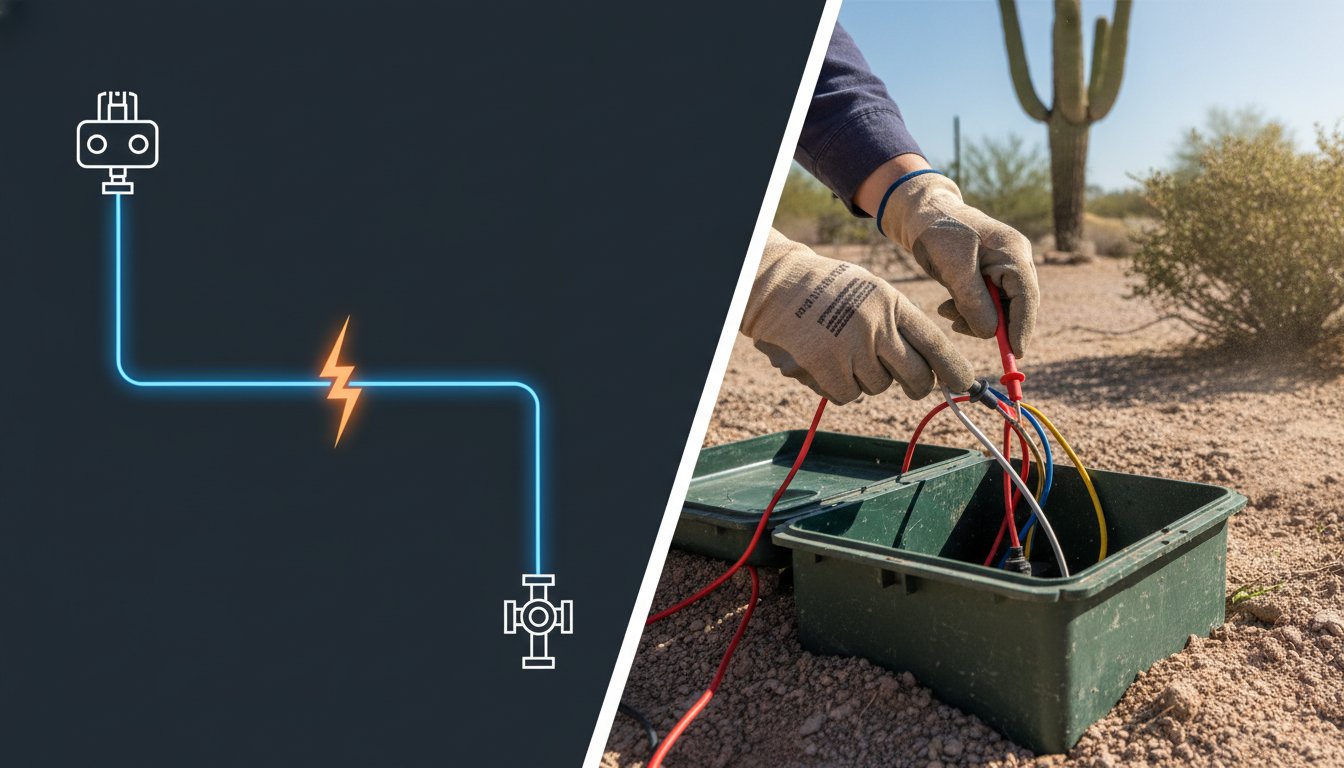
Electrical issues are frequently overlooked but are just as critical as the plumbing itself. Inside the valve box, look for burnt or heavily corroded wire nuts. The high humidity inside a damp box can quickly degrade electrical connections. A failing solenoid often gives itself away with a distinct clicking sound when it tries to engage, or it might remain completely silent when it should be active. These electrical failures can prevent a zone from turning on or, conversely, keep it from shutting down. For more complex electrical troubleshooting, you can explore our specialized services for irrigation wiring diagnostics to understand how we pinpoint these hidden faults.
If you've noticed any of these warning signs, it's wise to have a professional look at the system before the summer heat intensifies. You can reach out to our team for a thorough diagnostic check of your manifold and valves.
Repair vs. Replacement: Making the Right Choice
Deciding whether to patch a single leak or overhaul your entire system is a common dilemma during an irrigation manifold repair . While it's tempting to focus only on the visible puddle, a professional assessment looks at the long-term health of the assembly. Most residential manifolds in Surprise and Peoria have a reliable lifespan of 10 to 15 years. Beyond this window, the PVC becomes increasingly brittle due to constant thermal cycles. Repairing one joint on an aged manifold often leads to a "domino effect" where the mechanical stress of the repair causes adjacent, weakened fittings to fail shortly after.
Strategic decision-making involves weighing the cost of frequent service calls against the stability of a new installation. If your system is relatively young, a targeted fix is efficient. However, if you're on your third leak this season, a full rebuild is the only way to ensure reliable system control. Professional intervention also ensures your setup meets local standards for pressure and safety, protecting your home from backflow issues and high-pressure blowouts. Our team specializes in evaluating these factors to provide a durable solution rather than a temporary patch.
When a Simple Repair Suffices
If the main PVC structure is intact and the valves are less than a decade old, a simple repair is usually the best course of action. This often involves replacing a single solenoid if a zone won't activate or swapping a valve diaphragm when a zone refuses to shut off. Leaks at threaded unions can often be resolved by simply replacing a worn O-ring or cleaning debris from a clogged valve seat. For a deeper look at specific component failures, Rain Bird's troubleshooting guide provides a technical breakdown of remote control valve issues. If these targeted fixes don't resolve the problem, our irrigation repairs and maintenance experts can help identify the root cause.
The Case for a Full Manifold Rebuild
A full rebuild is more than just a leak fix; it's a system upgrade. We recommend this path when we identify systemic cracks caused by ground shifting or poor original installation. This is also an ideal time to upgrade to high-efficiency valves that offer better water conservation and more precise control. If your current manifold is buried too deep or located in a spot prone to damage, a rebuild allows us to relocate the hub to a more accessible, protected location. This proactive approach ensures your irrigation manifold repair results in a system built for residential durability and longevity.
Professional Manifold Repair and PVC Replacement
Executing a durable irrigation manifold repair requires more than just swapping out parts. It demands a commitment to high-quality materials and precise assembly techniques. This philosophy of precision is shared by top-tier professionals like Simple Plumbing Inc, who apply similar standards of excellence to residential plumbing and water treatment systems. For any residential system in Surprise or Peoria, we prioritize the use of Schedule 40 PVC. This thicker-walled pipe provides the structural integrity needed to withstand constant water pressure and the significant thermal expansion caused by our desert climate. While thinner Class 200 pipe is common in some installations, it often lacks the resilience required for a high-pressure distribution hub.
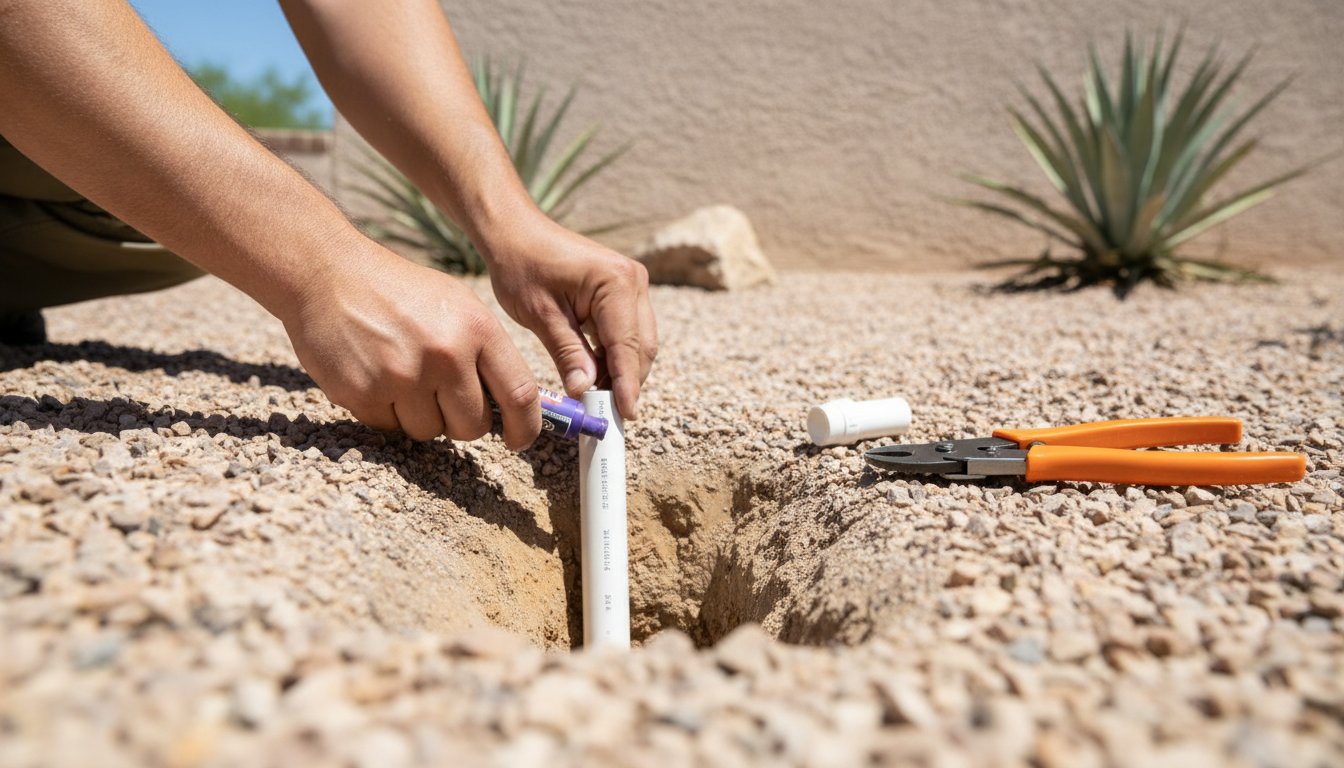
The chemistry of the repair is just as vital as the plumbing. Selecting the correct primer and solvent cement is essential for creating a permanent chemical weld between fittings. In the extreme Arizona heat, standard glues can dry too quickly, leading to "dry fits" that eventually fail under pressure. We utilize specialized, high-duty cements that allow for a proper bond even when ground temperatures are elevated. Before any gluing begins, managing the workspace is a priority. We excavate the area extensively and clean the valve box to ensure a sterile environment. Even a small amount of desert sand inside a joint can compromise the seal and lead to a slow, hidden leak.
Precision PVC Pipe Replacement
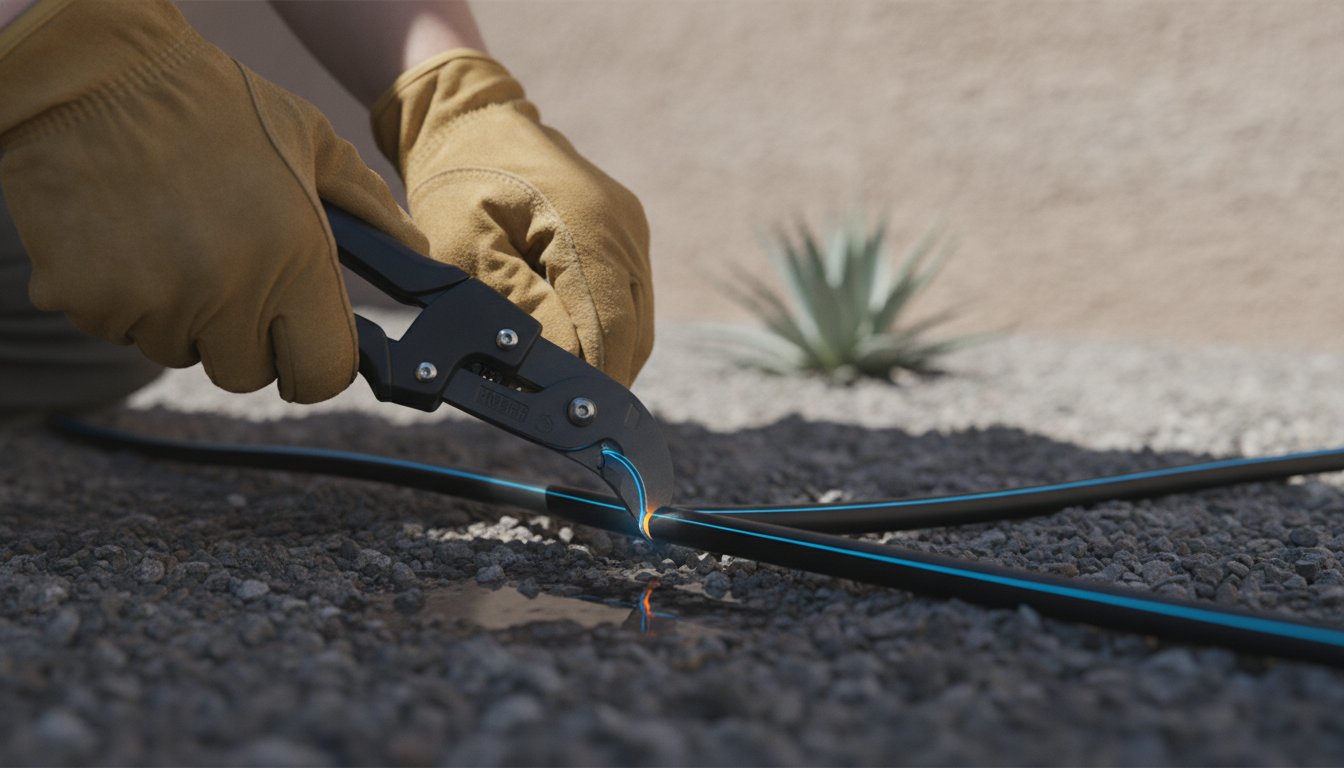
Clean cuts are the foundation of a leak-free system. We use professional-grade cutters and always deburr the pipe ends to remove plastic burrs that can disrupt water flow or snag on internal valve seals. During a professional irrigation PVC pipe replacement, we often integrate manifold unions. These specialized fittings allow individual valves to be removed or replaced in the future without cutting the pipe again. Proper alignment is also critical. If the manifold is glued under tension, the constant stress will eventually cause the PVC to snap at the weakest point, usually near a threaded fitting.
Valve and Solenoid Integration
Not all valves are created equal. We select specific models based on your landscape needs, whether you require high-flow valves for a large lawn or low-flow options for a delicate drip system. Integrating these components involves careful electrical work. We use professional-grade, waterproof wire connectors filled with protective silicone to prevent corrosion in the damp environment of the valve box. This attention to detail prevents the "silent failures" where a valve refuses to open due to a degraded connection. You can learn more about our specialized valves and backflow services to see how we protect your home's water supply.
Once the assembly is complete, we perform a rigorous system test. This includes a static pressure check to ensure no leaks exist and an electrical continuity verification to confirm the controller is communicating perfectly with every new solenoid. If your system is showing signs of age or multiple leaks, contact our team today to schedule a professional diagnostic and manifold rebuild.
Why Surprise and Peoria Homeowners Trust Sonora Sprinkler Inc.
Choosing a partner for your irrigation manifold repair requires finding a team that understands the specific demands of the West Valley. Sonora Sprinkler Inc. brings over 25 years of experience to every residential project, operating with a deep-rooted knowledge of how desert conditions impact mechanical systems. Our approach is built on steady, professional assurance. We don't just address the surface level puddle; we perform comprehensive diagnostics to identify the root cause of a failure. Whether it's a structural stress point in the PVC or a subtle electrical fault in the wiring, Sonora Sprinkler Inc. ensures the remedy is as durable as the property it protects.
Reliability is our hallmark. We prioritize high-quality, professional-grade components that are specifically rated to withstand the relentless Arizona sun and high-pressure water surges. As a family-owned business, Sonora Sprinkler Inc. views our clients as neighbors—a service philosophy similarly practiced by professional teams like Ray Lawns. This perspective drives us to focus on the long-term health of your landscape rather than quick, temporary patches. By combining technical proficiency with a methodical, "boots-on-the-ground" work ethic, we provide homeowners in Surprise and Peoria with the peace of mind that their irrigation system will remain functional through the hottest months of the year.
Our Local Expertise in Surprise, AZ
Surprise presents unique challenges that a generalist might overlook. The regional caliche soil is notoriously unforgiving, often placing physical stress on buried manifolds as the ground shifts or expands. Additionally, fluctuating water pressures in certain West Valley neighborhoods can strain older valves, leading to premature failure. Sonora Sprinkler Inc. understands these local variables and the specific landscape standards maintained by our local communities. For a more detailed look at our approach in your neighborhood, read our residential irrigation repair Surprise AZ guide.
Comprehensive Support for Your Landscape
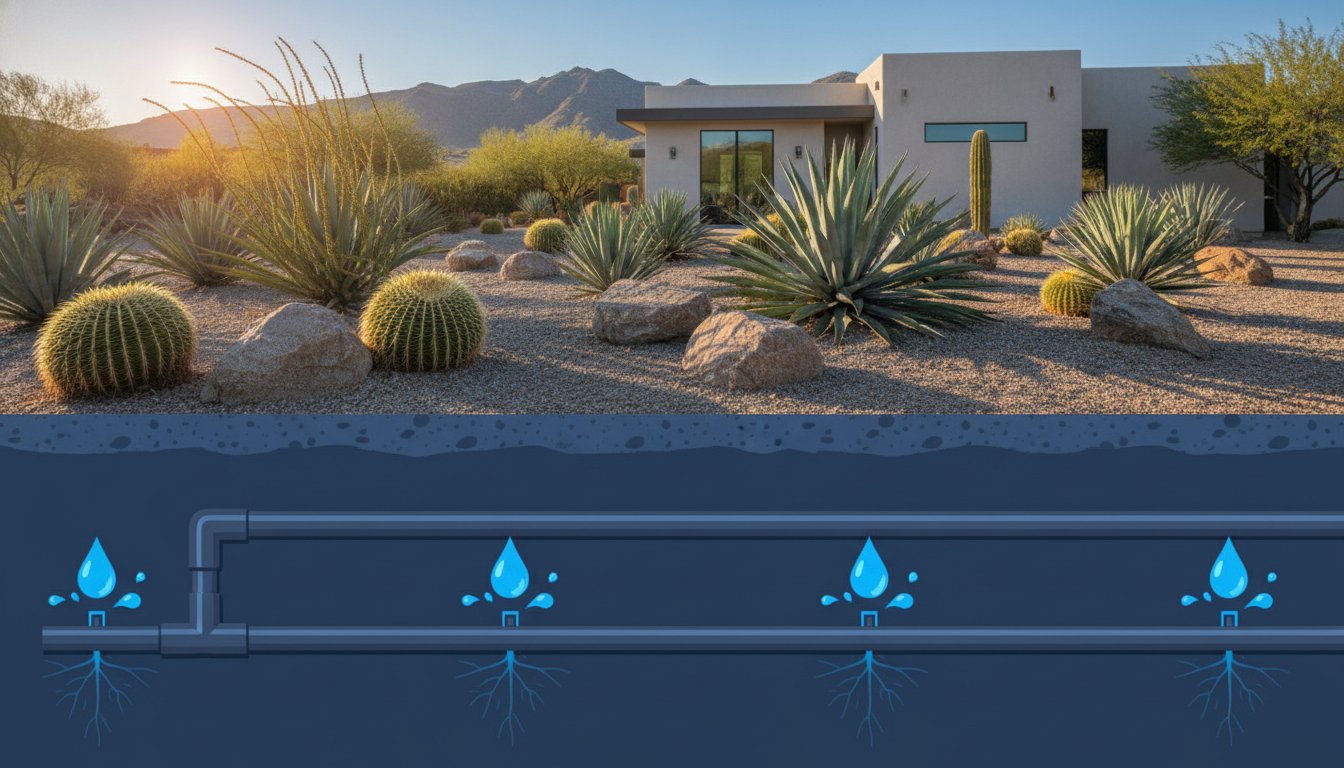
Our capabilities extend beyond the valve box to cover every aspect of your system's health. Sonora Sprinkler Inc. provides everything from precision drip system installation to complex irrigation wiring and diagnostics. In every irrigation manifold repair , we prioritize water conservation, ensuring that your system distributes every drop with maximum efficiency. This commitment helps reduce utility waste while keeping your desert landscape vibrant and healthy. If you suspect your system is losing pressure or wasting water, contact us today for a professional manifold assessment and restore control to your irrigation system.
Securing the Future of Your Landscape Control
Maintaining a healthy landscape in the West Valley requires more than just water; it demands a system that operates with absolute precision. We have explored how identifying early warning signs, such as soggy valve boxes or pressure drops, can prevent costly waste. You now understand the importance of choosing durable materials like Schedule 40 PVC and knowing when a full rebuild is more cost-effective than a simple patch. A professional irrigation manifold repair ensures that your system's command center is resilient enough to handle the thermal stress of an Arizona summer.
At Sonora Sprinkler Inc., we bring decades of specialized experience to your property. As Licensed Residential Irrigation Specialists serving Surprise and Peoria since 1999, we are experts in desert-resistant PVC solutions that stand the test of time. Don't let a hidden leak compromise your landscape's health or your utility budget. Request a Professional Manifold Inspection from Sonora Sprinkler Inc. to ensure your system is ready for the heat. We're here to help you achieve long-term reliability and efficient water management for your home.
Frequently Asked Questions
How do I know if my irrigation manifold is leaking?
You can identify a leaking manifold by checking for standing water inside the valve box or unusually soggy soil in the immediate area. Other signs include a drop in water pressure across multiple zones and a utility bill that reflects higher usage than normal. If you hear a faint hissing sound when the system is off, it's a strong indicator that water is bypassing a seal or fitting.
Can I replace a single valve in a manifold without rebuilding the whole thing?
It is possible to replace a single valve if the surrounding PVC pipe and fittings are in good condition and not overly brittle. However, if the manifold is aged or the valves are glued closely together, a single repair can stress the remaining components. In many cases, if one valve has failed due to age, the others are likely nearing the end of their functional lifespan as well.
Why is there water in my sprinkler valve box?
Water in a valve box typically indicates a mechanical failure such as a cracked PVC fitting, a weeping valve, or a worn out solenoid seal. In the Arizona desert, thermal expansion often causes joints to loosen or hairline fractures to develop in the manifold body. Small leaks can quickly fill the box with water or mud, which can eventually lead to electrical corrosion if not addressed promptly.
What is the average lifespan of an irrigation manifold in Arizona?
The average lifespan of an irrigation manifold in Arizona is generally between 10 and 15 years. The extreme desert heat and frequent temperature fluctuations cause PVC to become brittle over time. Regular maintenance can help extend this life, but once the plastic begins to degrade, performing an irrigation manifold repair becomes a more frequent necessity until a full replacement is completed.
How much does it cost to repair an irrigation manifold?
The cost of a repair depends on whether you are replacing a single component, like a solenoid, or rebuilding the entire distribution hub. Labor rates and the complexity of the excavation also play a role in the total investment. While minor part replacements are less expensive, a full rebuild offers better long-term value by preventing the cycle of frequent, smaller repairs on an aging system.
Does a leaking manifold affect my home’s water pressure?
A leaking manifold can cause a noticeable drop in water pressure across your entire irrigation system. Because the manifold is a high pressure hub, even a small crack allows a significant volume of water to escape, leaving less pressure for the sprinkler heads or drip emitters. In some instances, a major failure can even impact the water pressure inside your home if the leak is large enough.
Should I use PVC or poly pipe for my manifold repair?
Schedule 40 PVC is the professional standard for a durable irrigation manifold repair in Arizona. Unlike poly pipe, PVC provides the rigid structure and wall thickness necessary to handle the high static pressure found at the manifold. Its ability to create a permanent chemical weld with solvent cement makes it far more reliable for the distribution hub than the insert fittings used with poly pipe.
Is a manifold repair covered by a typical landscaping warranty?
Most standard landscaping warranties only cover irrigation components for one to two years following the initial installation. Since many manifold failures occur after the 10 year mark due to environmental wear, these repairs typically fall under home maintenance rather than warranty coverage. It's always wise to check your original contract, but most homeowners find that long term durability depends on professional grade repairs made after the warranty expires.