Did you know that up to 70% of residential water use in the Phoenix metropolitan area occurs outdoors? For a homeowner in Surprise, a hidden malfunction can quickly turn from a minor nuisance into a costly environmental drain. It's disheartening to see your water bill spike or your desert plants begin to fail despite regular watering. If you've noticed persistent damp spots in your granite or water seeping onto the sidewalk, you're likely dealing with a leaking drip irrigation system Surprise residents often encounter due to our intense soil and heat conditions.
We understand that maintaining a healthy landscape in our unique climate requires precision and a proactive approach. This article provides the practical knowledge you need to accurately locate the source of water loss and protect your property's long-term health. You'll learn how to distinguish between a simple emitter fix and a more serious main line failure, ensuring your system is restored to peak efficiency before the summer heat arrives. We'll walk through a logical diagnostic process that moves from surface observations to mechanical solutions, helping you save water and maintain a resilient desert yard.
Key Takeaways
- Learn how to utilize your water meter to perform a professional leak test and identify hidden water loss beneath landscape granite.
- Understand the impact of extreme desert heat and UV rays on poly tubing to better manage a leaking drip irrigation system Surprise homeowners deal with every season.
- Master a logical diagnostic sequence to differentiate between simple clogged emitters and more serious failures in your irrigation valves or manifolds.
- Discover the proper techniques for exposing buried lines and using professional cutters to ensure a clean, square edge for a durable repair.
- Identify when technical challenges like irrigation wiring diagnostics or widespread system degradation require the intervention of a seasoned specialist.
Identifying the Signs of a Leaking Drip Irrigation System in Surprise
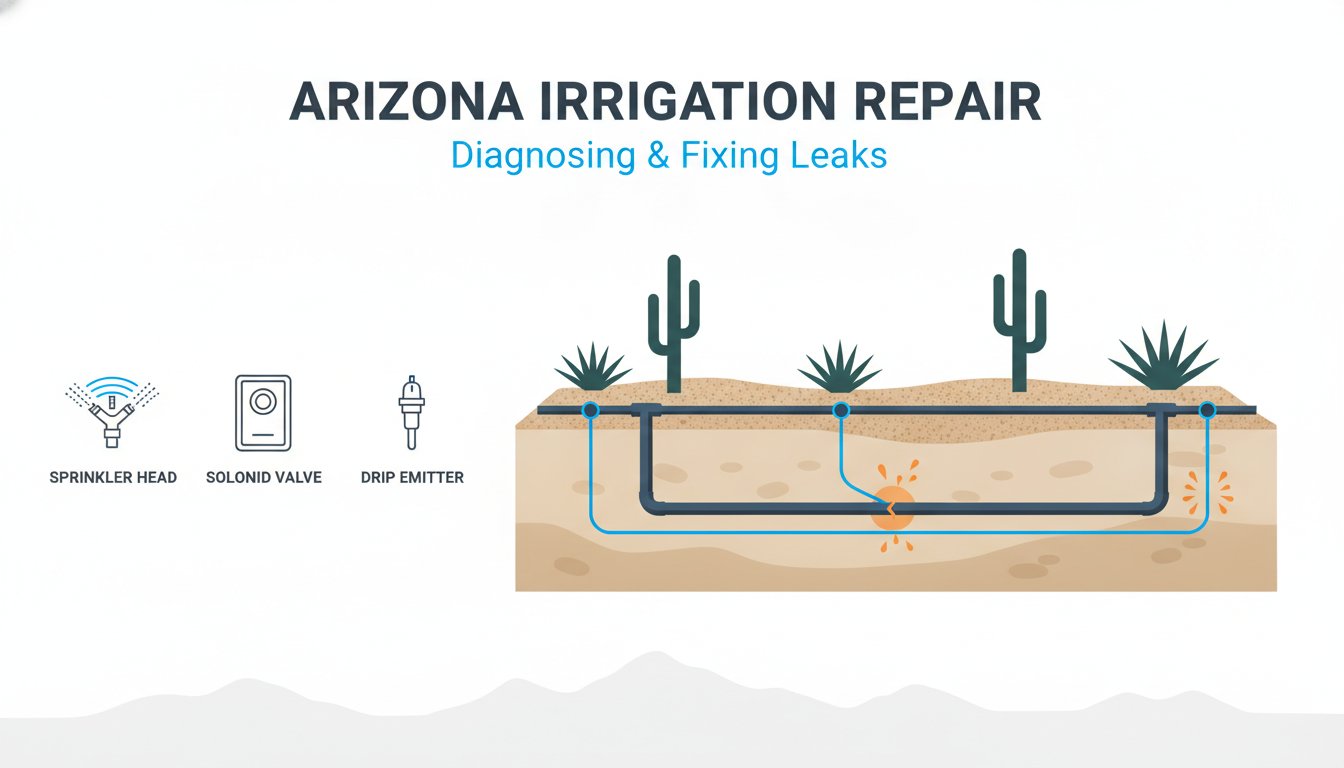
A leaking drip irrigation system Surprise homeowners face isn't always obvious at first glance. While a Drip irrigation system is designed for high efficiency, any unintended water escape that bypasses your emitters can quickly compromise your landscape. A leak is technically defined as any point where water exits the delivery lines, valves, or fittings outside of the calibrated emitter heads. Because these systems are often buried beneath layers of decorative granite, finding the source requires a methodical approach and an eye for subtle environmental changes.
To better understand how system capacity affects performance and troubleshooting, watch this helpful video:
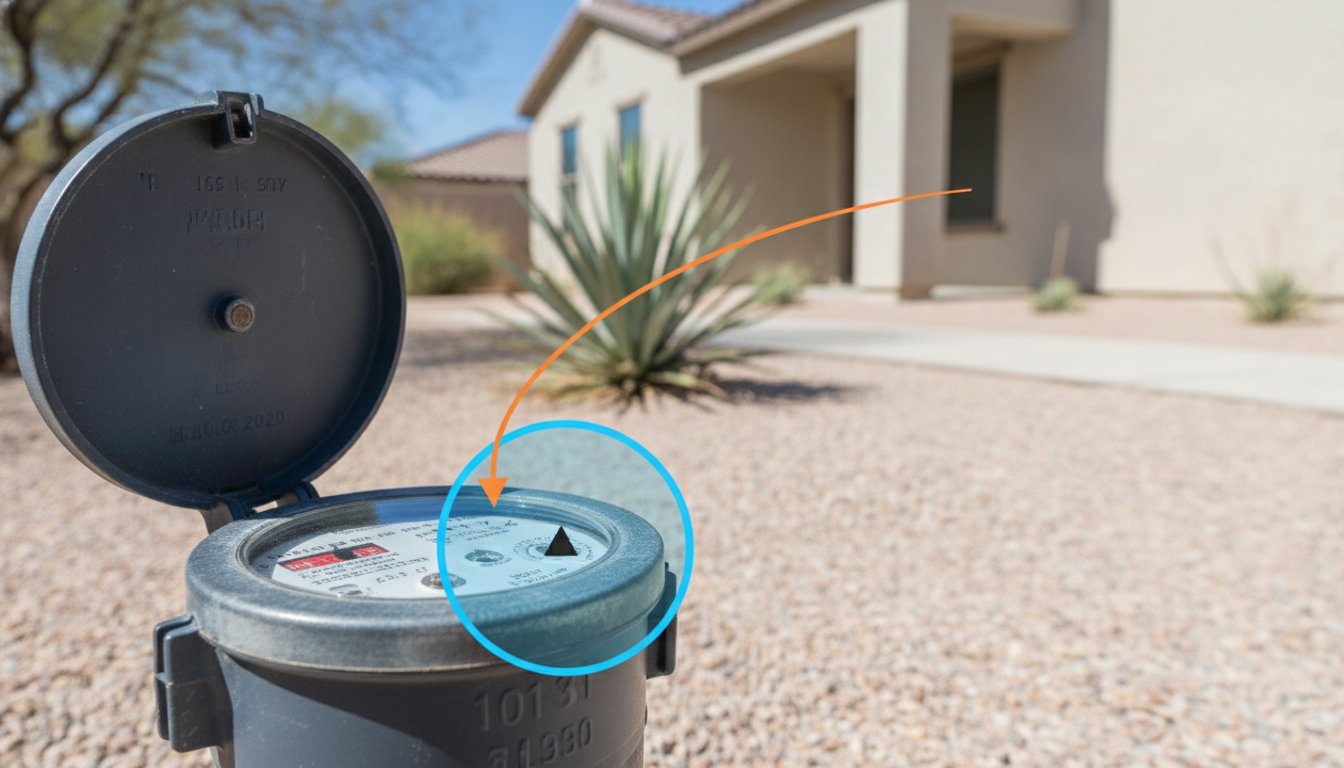
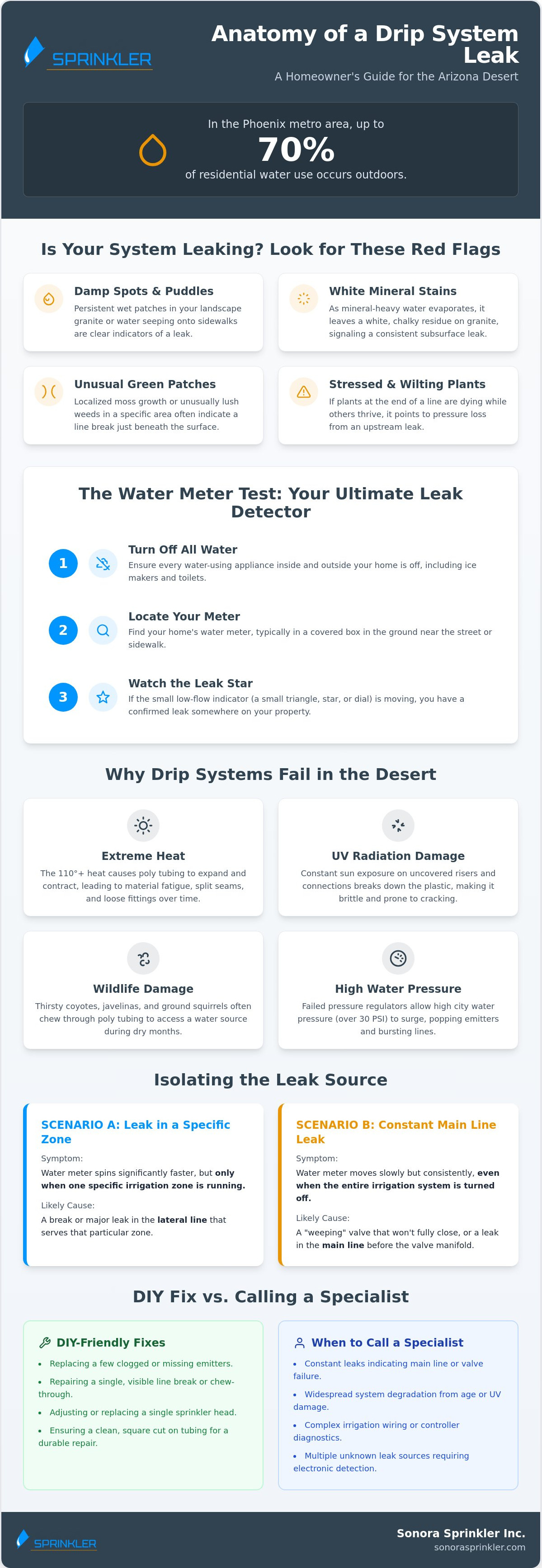
One of the most reliable ways to confirm a leak is the water meter test. Start by ensuring all water inside your home, including ice makers and washing machines, is turned off. Locate your water meter, typically found in a box near the sidewalk, and check the low-flow indicator. If the small dial or "leak star" is moving while no water is being used, you have a breach. This is a critical first step in Professional Residential Irrigation Repair in Surprise, AZ, as it quantifies the loss before you begin the labor-intensive process of clearing granite.
Visual Red Flags in Your Desert Landscape
In our arid environment, water leaves physical clues that are easy to spot if you know where to look. Look for salt crusting on your decorative granite; as mineral-heavy water evaporates in the heat, it leaves a white, chalky residue that signals a persistent subsurface leak. You might also notice localized moss growth or unusually lush weeds in a specific area. These "green spots" often indicate a line break just beneath the surface. If you see plants at the end of a run wilting while those near the valve thrive, pressure loss from an upstream leak is the likely culprit.
The 'Silent' Leak: High Water Bill Diagnostics
Checking your Surprise water bill for sudden consumption spikes is the most common way residents discover a problem. To isolate the issue, run one zone at a time from your controller and watch the meter. If the meter spins significantly faster on one specific zone, the leak is likely in that lateral line. If the meter spins even when the system is off, you're likely dealing with a "weeping" valve or a break in the main line before the manifold. Identifying this distinction early prevents unnecessary digging and ensures your repair focuses on the actual point of failure.
Common Causes of Drip System Failure in the Arizona Desert
The environmental conditions in Surprise present a unique set of challenges for any irrigation setup. During the peak of summer, surface temperatures frequently exceed 110 degrees, which has a profound impact on the polyethylene tubing used in most residential yards. This intense heat causes the material to expand significantly; when temperatures drop at night, the tubing contracts. This relentless cycle of expansion and contraction eventually fatigues the plastic, leading to split seams or fittings that no longer seat properly. Over time, a leaking drip irrigation system Surprise homeowners must manage is often the result of this physical exhaustion of the materials.
UV radiation is another silent contributor to system failure. Even when lines are mostly buried, exposed sections like risers or emitter connections are bombarded by desert sunlight. This exposure breaks down the chemical bonds in the plastic, making it brittle and prone to cracking at the slightest movement. Furthermore, local wildlife plays a significant role in line damage. During the driest months, thirsty coyotes, javelinas, and ground squirrels often chew through poly lines to access moisture. These "chew-throughs" are rarely isolated incidents and often require a comprehensive sweep of the entire zone to ensure all breaches are sealed.
Professional grade drip systems are designed with thicker-walled tubing and higher carbon black content to better resist these stressors. For those interested in the technical mechanics of these failures, this guide on Troubleshooting a Drip Irrigation System provides a deep dive into how environmental factors compromise water delivery.
Pressure Regulator Malfunctions
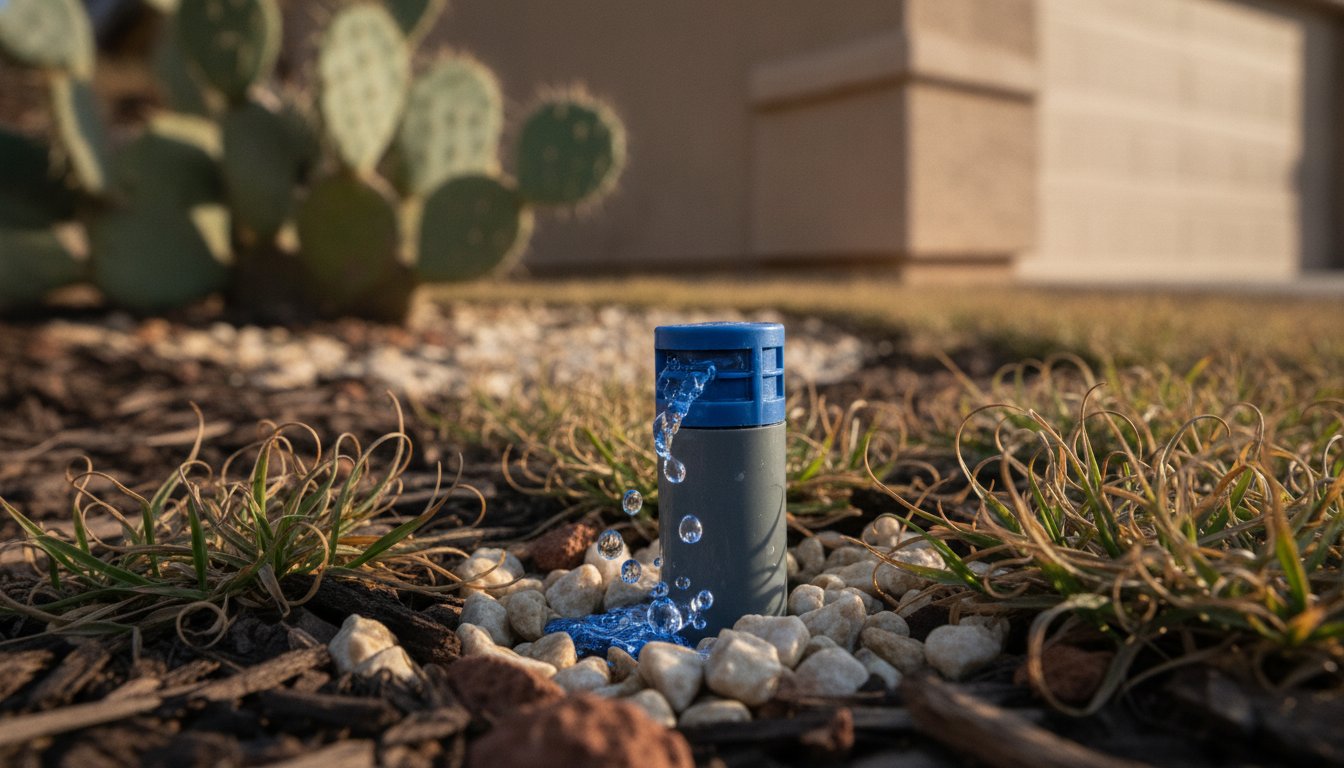
City water pressure in Surprise can be remarkably high, often far exceeding the 25 to 30 PSI limit that drip components are rated to handle. Every system relies on a pressure regulator to step down this force. When this component fails, the surge of high-pressure water can cause emitters to literally pop out of the tubing or cause thin-walled lines to burst. If you notice several emitters missing or a "geyser" effect in your yard, a failed regulator is the most likely culprit. A professional pressure check is a standard part of our diagnostic process to ensure your system operates within safe mechanical limits.
Material Degradation and Caliche Soil
Surprise is well-known for its caliche soil, a hardened, rock-like layer of calcium carbonate. This abrasive soil acts like sandpaper against buried lines. As water pulses through the system, the tubing moves slightly; over months of operation, rubbing against sharp caliche edges can create pinhole leaks. Many residents try to use electrical tape for a quick fix, but these patches fail almost immediately. The extreme soil temperatures in Arizona melt the tape's adhesive, causing the repair to slide off the line. If you are struggling with recurring leaks in the same area, consulting with a specialist can help determine if your lines need to be sleeved or rerouted to avoid these underground hazards.
Drip System Troubleshooting: Where to Look First
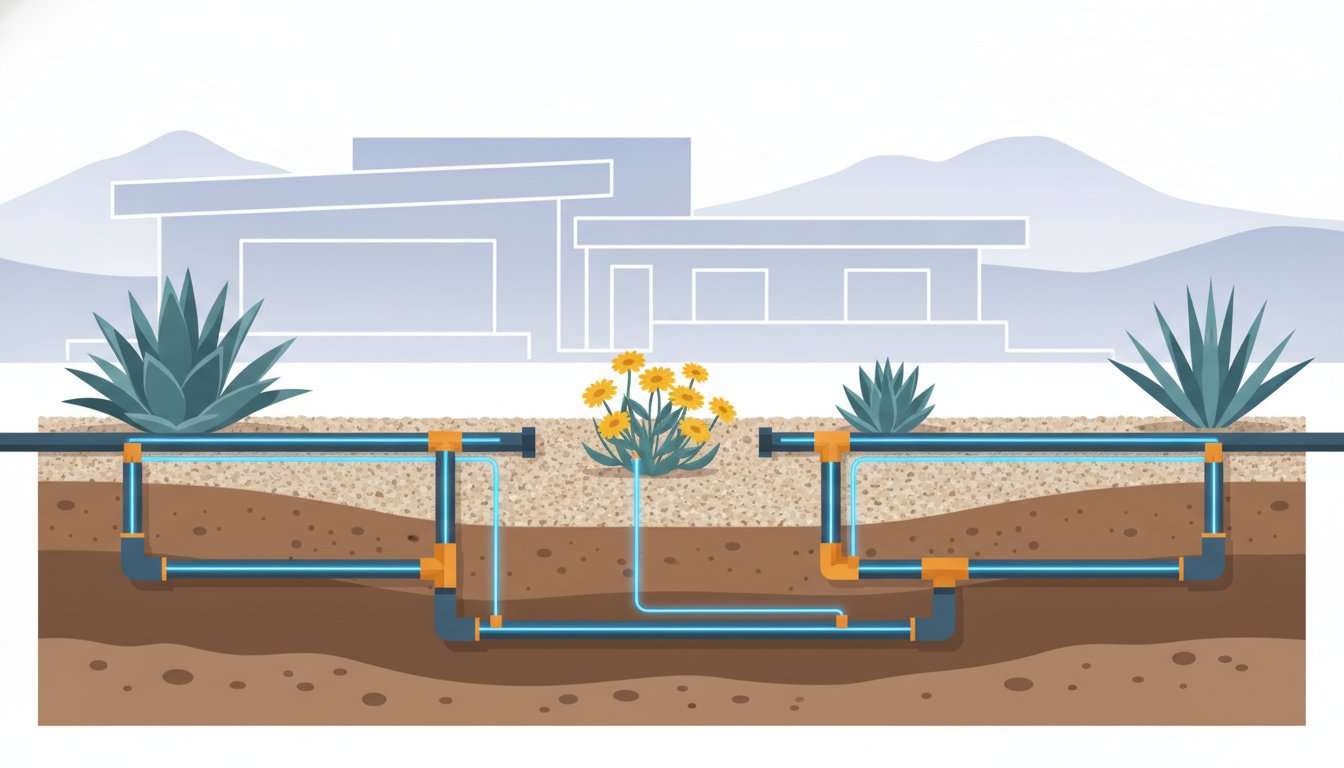
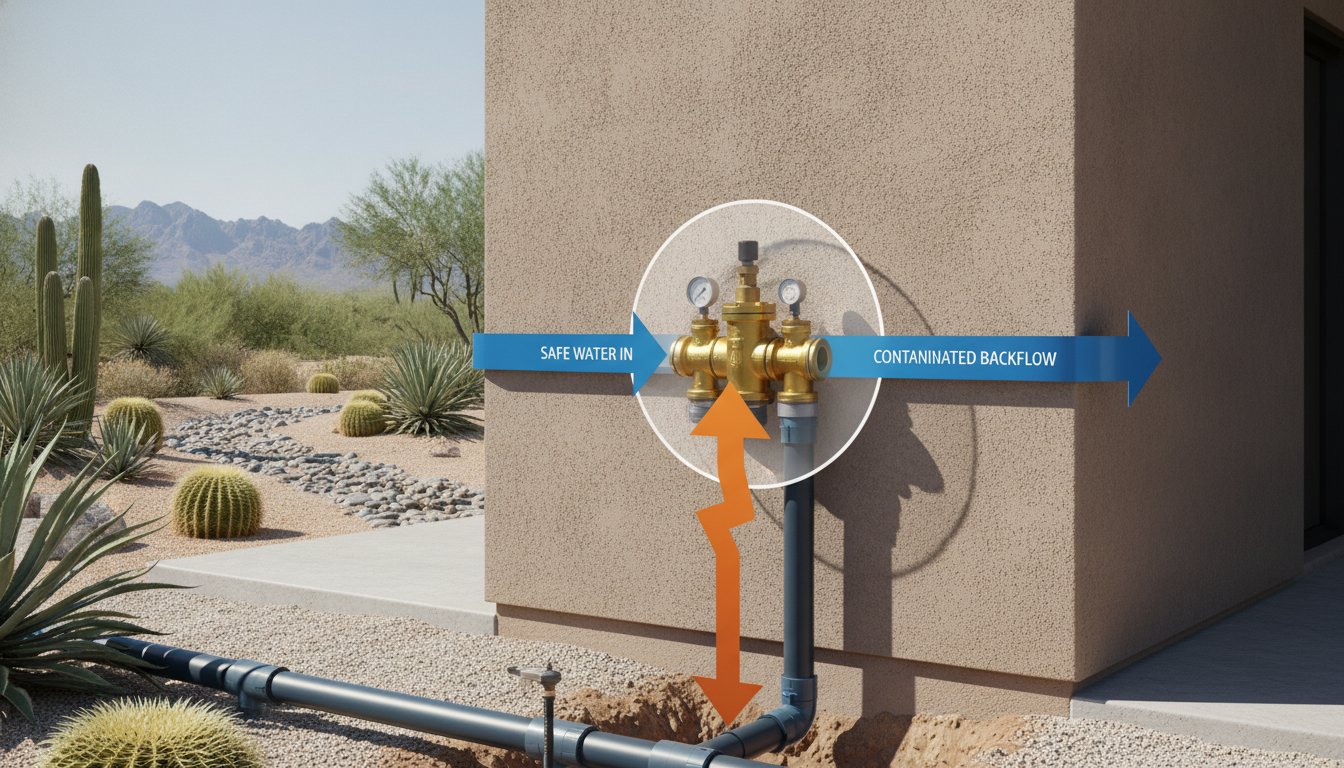
Troubleshooting a leaking drip irrigation system Surprise landscapes depend on requires a systematic "source-to-plant" inspection. It's easy to get distracted by a damp spot in the granite, but the problem often originates further upstream. Finding the exact point of failure prevents you from digging up your entire yard unnecessarily. Begin your search at the backflow preventer and the valve manifold. In Surprise, where a reduced pressure-type vacuum breaker is required for all installations, evaluating this component for constant weeping is essential. While a small amount of discharge is normal during a cycle's startup, a constant flow from the relief valve is a sign of mechanical failure that wastes significant water.
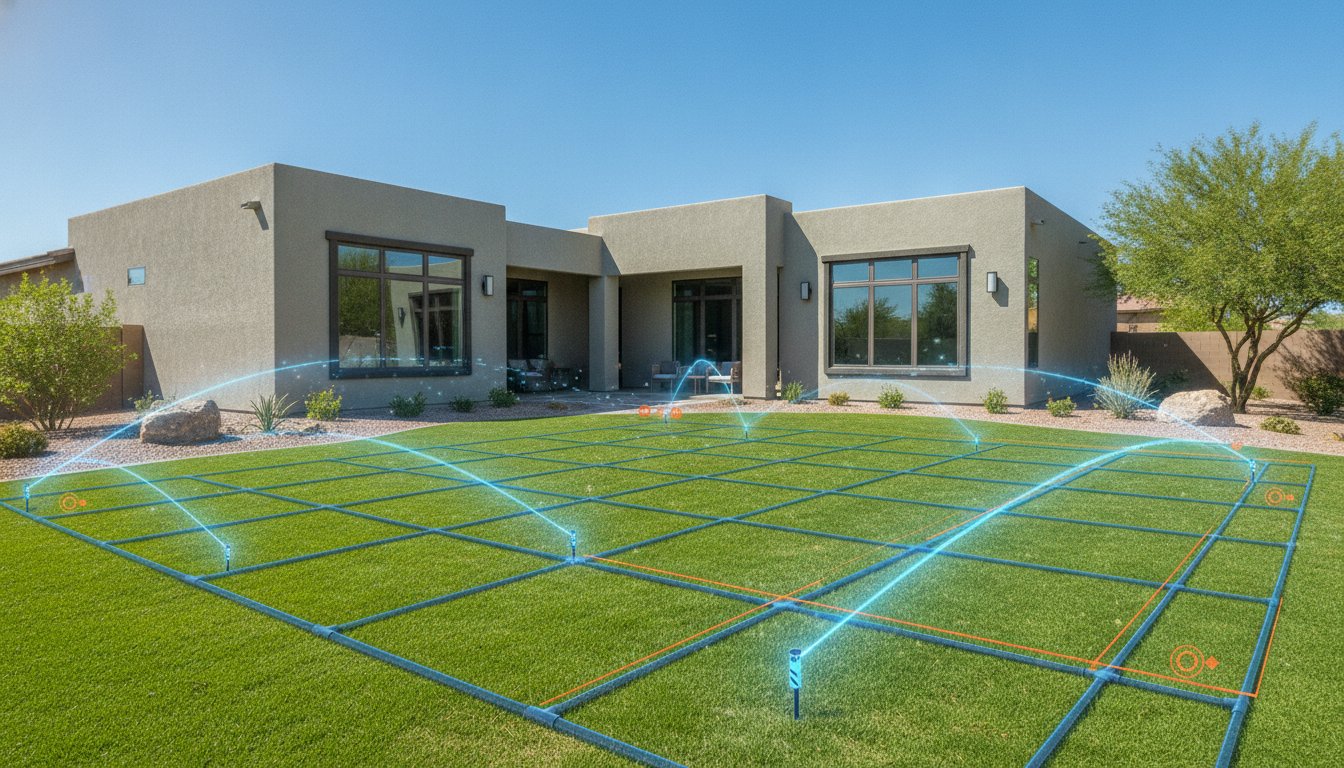
Walking the length of your irrigation zones is the next logical step. In our desert environment, the subsurface soil might remain dry while water travels along the poly pipe and pools in a low spot several feet away. You aren't just looking for surface water; you're feeling for "soft spots" or spongy areas beneath the decorative rock. For more detailed guidance on long-term system health, the Kansas State University guide on Maintaining Drip Irrigation Systems offers excellent insights into how water quality and sediment can exacerbate these issues over time. Identifying these weak points early can save your desert-adapted plants from the stress of pressure loss.
Inspecting Valves and Manifolds
The manifold is the heart of your system. A cracked manifold or a leaking irrigation valve can lead to massive water loss that often goes unnoticed inside a buried box. If you notice the valve box is full of water even when the system is off, you likely have a "weeping" valve. This occurs when a diaphragm is torn or obstructed by sand, preventing it from sealing completely. Additionally, wiring issues can sometimes cause a valve to stay partially energized or "stuck" open, leading to a constant, slow leak that is difficult to detect without performing a visual check of the internal components.
Emitter and Distribution Tubing Checks
Once you've cleared the valves, move your attention to the emitters at each plant. It's common to find "geysers" where an emitter has completely blown off the distribution line, often due to the pressure surges discussed in the previous section. Check the 1/4-inch "spaghetti" tubing for cracks or disconnects at the plant base. Homeowners often mistake a clogged emitter for a leak because the surrounding plants look stressed. However, a true leak involves water escaping before it reaches the plant. Cleaning a mineral-clogged emitter is a standard maintenance task, but replacing a cracked distribution line is a necessary repair to maintain the system's overall pressure and efficiency.
How-To: Step-by-Step Drip Line Leak Repair
Fixing a leaking drip irrigation system Surprise yards depend on requires more than just a quick patch. In our environment, temporary fixes like electrical or duct tape are ineffective; the adhesive melts under the intense Arizona sun, and the patch fails as soon as the system reaches operating pressure. A durable repair involves removing the compromised section and installing professional-grade fittings that can withstand the relentless expansion and contraction cycles of the desert.
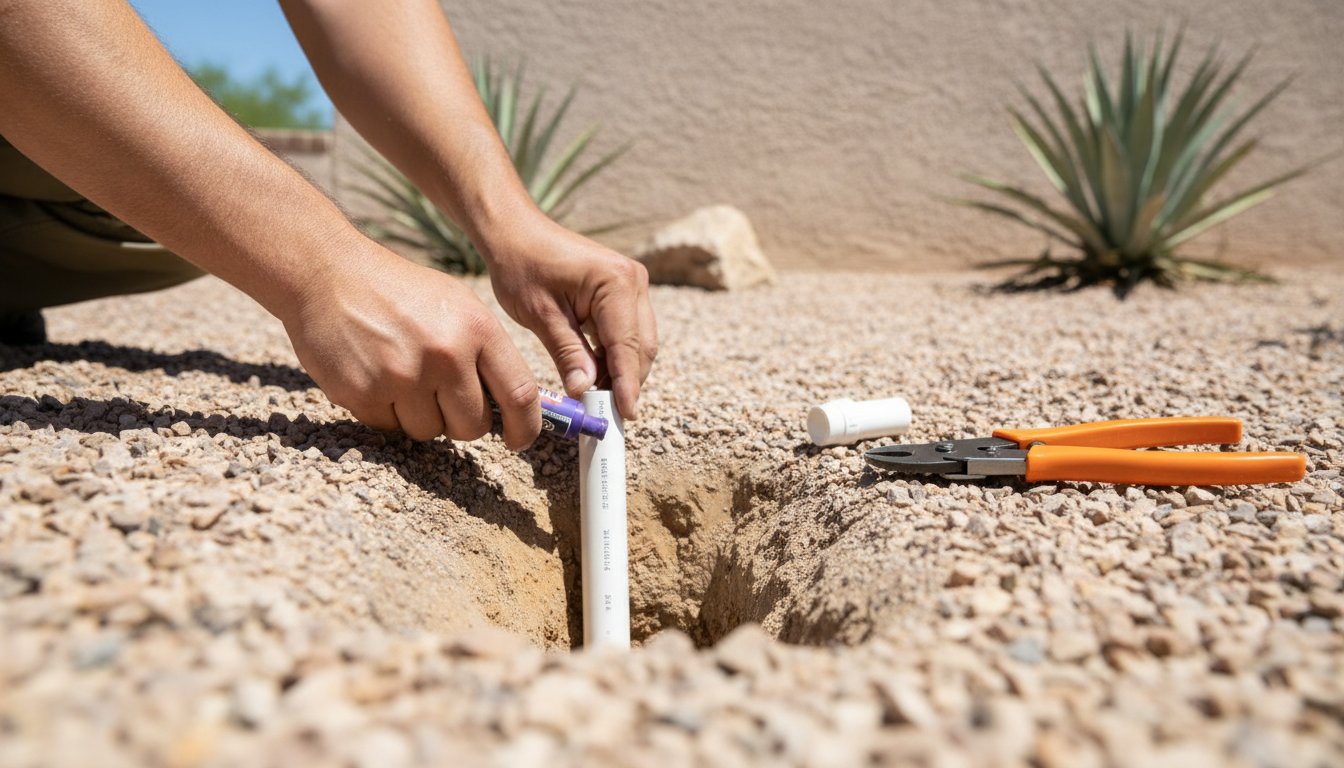
Before you begin the physical repair, you must properly prepare the site. Carefully pull back the decorative granite and use a small hand trowel to expose the line. Using a full-sized shovel in Surprise's caliche-heavy soil often leads to accidental nicks in healthy sections of the pipe. Once the leak is isolated, use dedicated irrigation tubing cutters to ensure a square, clean edge. A jagged cut from a pocket knife or scissors creates gaps in the internal seal, which will eventually lead to a secondary leak at the connection point.
Flushing the line is a critical step that many homeowners overlook. Before you seal the new connection, turn the water on for a few seconds to blow out any dirt, sand, or caliche dust that entered the pipe during the digging process. If you skip this, that debris will travel down the line and permanently clog your emitters, leading to localized plant death. If you find the damage is extensive or the soil is too compacted to work with safely, contact our team for a professional diagnostic and repair.
Repairing Poly Tubing Leaks
- Step 1: Cut out the damaged section of poly pipe, ensuring you remove at least an inch of healthy tubing on either side of the break to account for material fatigue.
- Step 2: Insert a professional-grade compression coupler. Unlike barbed fittings which can slip in extreme heat, compression fittings utilize a locking collar that creates a permanent mechanical seal.
- Step 3: Push the tubing firmly into the coupler until you feel it "seat." There is no need for glues or tapes; the mechanical fit is designed to handle the high city water pressure common in Surprise.
Fixing 1/4-Inch Distribution Lines
The smaller 1/4-inch "spaghetti" lines are often the most fragile part of your system. If you find a crack in these lines, it's usually more efficient to replace the entire lead line from the main lateral to the plant rather than trying to splice it. If you've accidentally punctured the main line while moving an emitter, use "goof plugs" to provide a watertight seal. Finally, always anchor your distribution lines with galvanized stakes. This prevents local wildlife from dragging the lines away from the root zone and protects the tubing from mechanical damage caused by wind or foot traffic.
When to Call a Professional for Drip System Repair in Surprise
While many minor repairs are manageable for a weekend project, certain scenarios indicate a deeper systemic failure that requires a specialist's eye. Identifying the threshold between a simple patch and a complex mechanical issue is vital for protecting your property's value. When a leaking drip irrigation system Surprise homeowners have tried to fix continues to sprout new breaches every few weeks, the problem is likely no longer a single leak; it is a sign of material exhaustion. Professional intervention ensures that you aren't just chasing symptoms but are instead implementing a durable solution that will last through the next decade of desert heat.
While securing your outdoor irrigation, it is also wise to consider the resilience of your indoor systems; Caribbean Heating & Cooling provides the professional HVAC maintenance necessary to keep your home comfortable throughout the most intense Surprise summers.
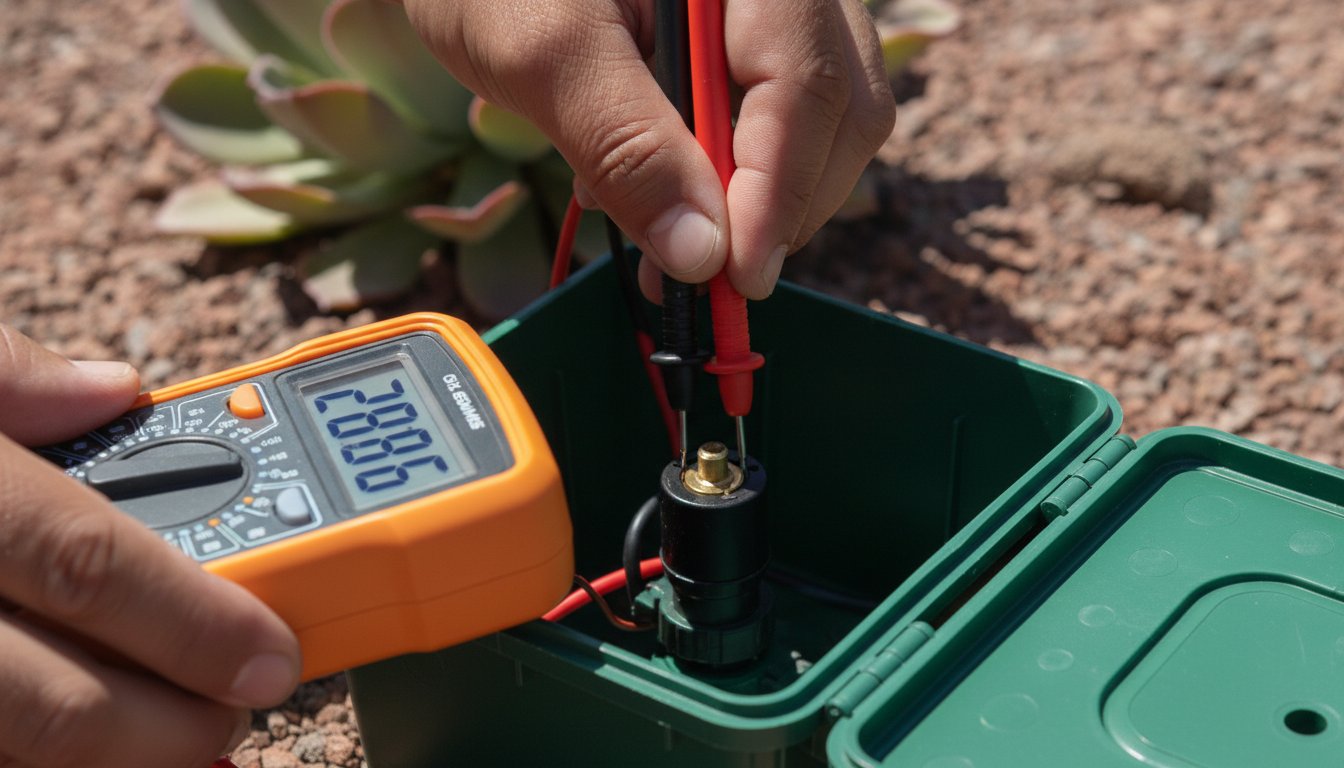
Technical complexity is often the primary reason to transition from DIY to professional service. Tasks such as irrigation wiring diagnostics require specialized volt-ohm meters and the expertise to interpret electrical signals between the controller and the valves. Similarly, replacing a main manifold or a failed backflow preventer involves precise plumbing work that must adhere to local Surprise regulations. Sonora Sprinkler Inc. brings the necessary tools and technical training to resolve these high-stakes issues safely and efficiently, providing a level of reliability that a standard coupler fix cannot match.
Signs Your System Needs a Full Upgrade
If you find yourself clearing granite to repair your poly lines more than once a season, your system has likely reached the end of its functional lifespan. Over time, polyethylene becomes universally brittle, meaning a fix in one spot often creates enough pressure change to cause a break ten feet away. You may also notice inconsistent pressure across different landscape zones, where some plants are drowning while others receive nothing. In these cases, we often recommend a transition to PVC pipe replacement for the main lateral lines. PVC offers significantly higher durability and resistance to the abrasive caliche soil found throughout Surprise, effectively ending the cycle of constant repairs.
The Sonora Sprinkler Inc. Difference
Our approach is rooted in a deep understanding of Surprise's specific micro-climates and soil conditions. As a family-owned business established in 1999, Sonora Sprinkler Inc. focuses exclusively on residential systems, which allows us to provide a level of detail that generalists often overlook. We don't believe in one-size-fits-all solutions; instead, we provide custom system designs that prioritize water conservation and the long-term health of your desert landscape. Our team is committed to professional standards and functional results, ensuring your irrigation setup remains a dependable fixture of your home. Contact us today for a professional system evaluation to restore your yard's efficiency before the summer temperatures peak.
Securing Your Desert Landscape Against Water Loss
Managing a desert landscape requires more than just occasional oversight; it demands a commitment to system integrity and water conservation. By moving away from temporary patches and addressing the root causes of a leaking drip irrigation system Surprise homeowners can ensure their outdoor spaces remain vibrant despite the harsh Arizona climate. Implementing the diagnostic techniques and professional repair standards discussed here will help you maintain optimal pressure and protect the health of your desert-adapted plants for seasons to come.
When you need the assurance of local expertise, Sonora Sprinkler Inc. is here to help. Family-owned and operated in Surprise since 1999, we specialize exclusively in residential desert irrigation and custom system design. Our licensed technicians provide the stability and technical proficiency required to handle everything from minor repairs to full PVC upgrades. Schedule your professional drip system repair in Surprise today! and let us help you achieve a reliable, efficient landscape that stands up to the heat.
Frequently Asked Questions
How do I find a leak in my drip system if it's buried under granite?
Locating a subsurface leak begins with a visual inspection for salt crusting, moss growth, or unusually lush weeds. If surface signs aren't obvious, run the zone and look for damp spots in the granite or soil. You can also use your water meter to confirm a leak's presence; if the low-flow indicator moves while the house is quiet, carefully probe soft areas with a small trowel to find the breach.
Why is my drip irrigation system leaking when it is turned off?
A leak that continues when the system is off typically indicates a "weeping" valve or a break in the main line before the manifold. If the internal diaphragm of an irrigation valve is torn or obstructed by sand, it won't seal completely. This allows a constant, slow trickle of water to bypass the valve, eventually pooling at the lowest point in your yard or leaking through emitters.
Can I use duct tape or electrical tape to fix a leaking drip line?
You shouldn't use tape to repair a leaking drip irrigation system Surprise soil temperatures are far too high for standard adhesives to hold. The extreme heat causes the tape to slide off the pipe, and the adhesive quickly fails under constant water pressure. A durable, professional repair requires cutting out the damaged section and installing a mechanical compression coupler designed for the Arizona climate.
How much does a leaking drip system typically add to a Surprise water bill?
A single pinhole leak can waste thousands of gallons of water over a single billing cycle, leading to a substantial increase in your monthly costs. Since a large portion of residential water use in our region occurs outdoors, a hidden line break is often the primary culprit behind unexplained utility spikes. Monitoring your bill for sudden consumption changes is a vital part of landscape maintenance.
Why do my drip emitters keep popping off the line?
Emitters generally blow out when the system pressure exceeds the mechanical limits of the fittings. This is a common symptom of a failed pressure regulator or high-pressure surges from the city water supply. If the regulator isn't stepping the pressure down to the standard 25 to 30 PSI, the force will eventually overwhelm the friction fit of the emitters, causing them to pop off the tubing.
What is the average lifespan of a drip irrigation system in Arizona?
Standard polyethylene drip systems in the desert typically have a functional lifespan of 10 to 15 years. The relentless cycle of heat expansion and UV exposure eventually makes the plastic brittle and prone to cracking. In Surprise, the abrasive nature of caliche soil can also lead to premature wear, making professional PVC pipe replacement a popular choice for homeowners seeking a more permanent, high-durability solution.
Is it better to repair a drip line or replace the whole zone?
If you're dealing with an isolated break from mechanical damage, a simple repair is usually the best approach. However, if leaks are appearing every few weeks in different spots, the entire line has likely become brittle. At this stage, constant patching becomes more expensive than replacing the zone. A full upgrade with professional-grade materials ensures the system operates efficiently without the need for frequent intervention.
How do I know if my irrigation pressure regulator is bad?
You can identify a bad regulator by looking for split poly lines, missing emitters, or "geysers" where water is spraying with excessive force. A more technical method involves using a pressure gauge at the end of a zone's lateral line. If the gauge reads significantly higher than 30 PSI while the zone is running, the regulator has failed and is no longer protecting your system's components.