In the Arizona desert, a drip irrigation system is not a set-it-and-forget-it utility. It's a mechanical system in a constant state of battle against extreme UV exposure and mineral-heavy water. You likely invested in this technology to maintain a healthy landscape while keeping your water usage responsible. However, it's disheartening to open a high utility bill or find a prized agave dying despite your controller showing a successful cycle. These common drip irrigation problems Arizona homeowners encounter are rarely the result of poor initial setup. Instead, they're the predictable outcome of our unique environment and its effect on plastic and rubber components.
We understand that a reliable watering system is the backbone of your property's long-term health, especially here in the Surprise and Peoria areas. This guide provides the grounded expertise you need to diagnose hidden leaks, clear calcified emitters, and address the material fatigue caused by our intense summer heat. By understanding these regional mechanical challenges, you can lower your monthly costs and ensure your system remains functional for years to come. We'll walk through the specific technical steps to identify failures and the professional remedies that keep your desert oasis thriving.
Key Takeaways
- Learn how extreme Arizona heat and caliche soil conditions accelerate material fatigue and cause buried lines to fail prematurely.
- Understand the impact of mineral-heavy municipal water and how to identify calcification at the emitter before it starves your plants.
- Discover why many common drip irrigation problems Arizona residents experience are linked to standard poly-tubing and the benefits of upgrading to PVC.
- Master a step-by-step diagnostic process for identifying hidden underground leaks and pressure drops using your water meter.
- Explore how custom system design and professional PVC pipe replacement can extend the lifespan of your residential irrigation well beyond the five-year mark.
The Silent Toll of Arizona’s Climate on Drip Irrigation
In the Sonoran Desert, a Drip irrigation system faces environmental stressors that aren't present in more temperate regions. We identify this unique challenge as Desert-Specific Drip Failure. It's the intersection where relentless UV radiation, mineral-dense water, and unforgiving soil conditions meet to degrade mechanical components. Understanding these common drip irrigation problems Arizona homeowners face begins with recognizing that standard materials often aren't engineered for our local extremes. When these factors converge, a system that worked perfectly in the spring can succumb to total failure by the height of July.
Heat-Induced Material Fatigue
During our peak summer months, ambient air temperatures of 115°F can push the surface temperature of soil and exposed components to 150°F or higher. This level of heat causes standard polyethylene tubing to soften and lose its structural integrity. As the system cools at night and heats up again during the day, a constant cycle of expansion and contraction occurs. This movement puts immense stress on plastic barbs and connectors, often leading to cracked fittings or tubing that simply pulls apart. It's why many standard residential irrigation kits, designed for milder climates, frequently fail within just two Arizona summers. The material simply isn't rated for the thermal load it must carry in a desert environment.
The Impact of Caliche and Rocky Soil
The soil profile in areas like Surprise and Peoria presents a physical obstacle known as caliche. This calcium carbonate layer acts like natural cement, making it difficult for buried lines to remain stable. When thin-walled tubing is installed in caliche or rocky soil without proper protection, the earth's natural shifting can eventually crush or puncture the line. Maintaining a proper trench depth is vital in desert residential yards to insulate pipes from surface heat and protect them from mechanical damage. Rocks pressed against soft, heated tubing will eventually create slow leaks that are difficult to detect until the water bill arrives.
For many homeowners, the solution involves moving away from temporary fixes toward a professional Drip Irrigation Installation that utilizes higher-grade PVC protection. While poly-tubing is common because it's inexpensive, it doesn't offer the longevity required to withstand the abrasive nature of our rocky terrain. Engineering a system for durability means accounting for the physical pressure of the soil just as much as the hydraulic pressure of the water. By prioritizing robust materials, you ensure your landscape remains hydrated without the need for constant, seasonal repairs.
Mineral Buildup and Clogged Emitters: The Hard Water Headache
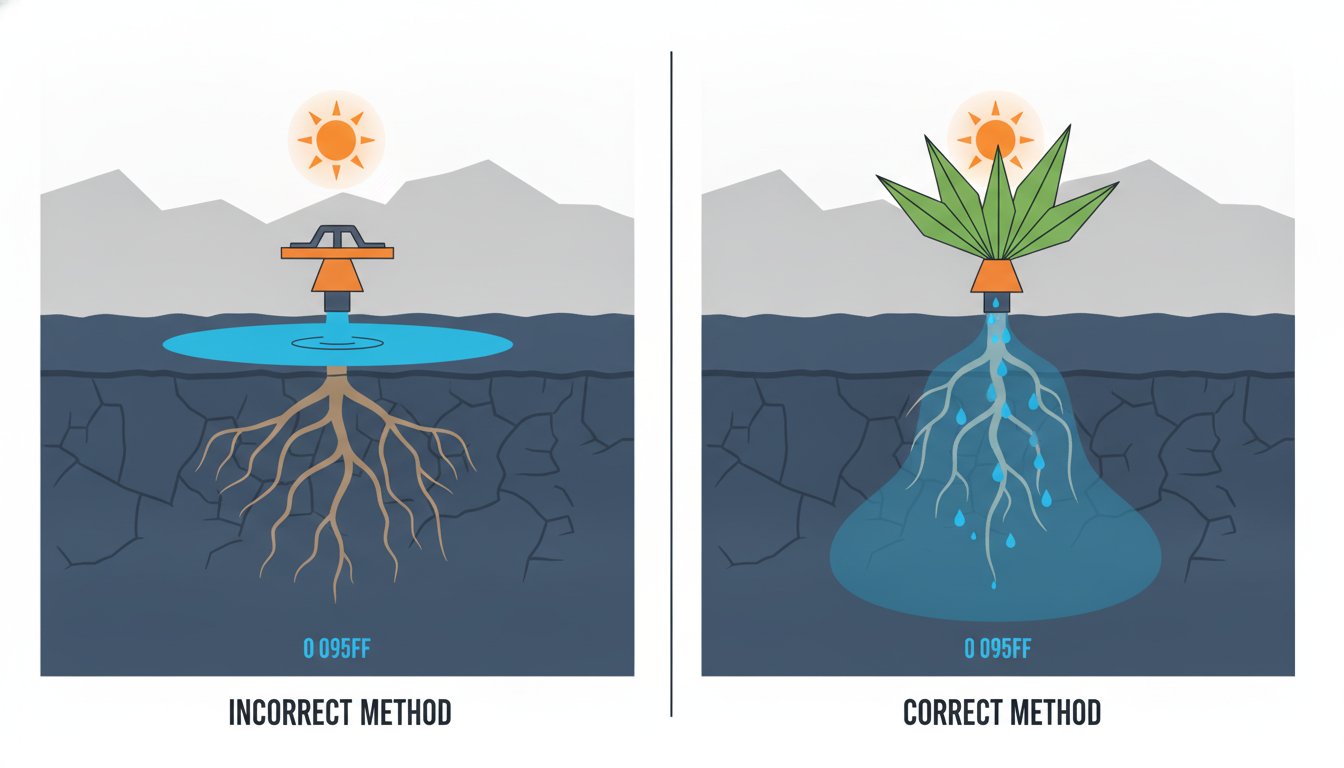
Arizona municipal water carries a heavy mineral load, specifically high concentrations of calcium and magnesium. As water evaporates at the tip of an emitter, these minerals remain behind, gradually forming a rock-hard calcified barrier. This chemical process is one of the most persistent common drip irrigation problems Arizona homeowners face. While a small amount of "white crust" on the soil surface might seem harmless, it's often a sign that the internal mechanisms of your emitters are failing. This buildup leads to silent clogs, where your controller runs for its full duration while your plants receive little to no actual hydration.
Identifying Calcified Emitters
Visual inspection is the most reliable way to spot mineral issues before they become terminal for your landscape. You should look for a chalky, white residue surrounding the emitter heads or along the distribution tubing. However, since many emitters are buried under decorative rock, you may need to perform a manual flow test. Turn the system on and verify that each plant is receiving its intended volume of water. If you notice a significant drop in output, a vinegar soak can sometimes dissolve minor surface minerals, but deep internal calcification usually requires more decisive action. Following structured seasonal maintenance practices helps you catch these blockages before they cause plant stress.
Emitter Replacement and Cleaning
Deciding whether to clean a component or perform a full drip irrigation emitter repair depends on the severity of the blockage and the age of the part. In our desert environment, we often recommend replacing standard emitters with self-flushing models. These are engineered to purge small particulates and mineral flakes every time the system cycles, which significantly extends the interval between maintenance visits. It's also vital to ensure you're using the correct gallons per hour (GPH) rating for your specific desert flora. A mismatch in flow rate, combined with mineral friction, can lead to uneven pressure across your entire yard. If you're unsure if your current setup is optimized for our local water quality, you can request a professional system evaluation to ensure every plant is protected.
Poly Pipe vs. PVC: Why Many Arizona Systems Fail Every 5 Years
There's a persistent myth in Surprise and Peoria that residential drip systems have a natural lifespan of only five years. This "5-year failure" cycle isn't a limitation of the technology itself, but rather a consequence of using thin-walled polyethylene tubing in a harsh desert environment. While poly-tubing is the standard for many high-volume installers due to its low cost and speed of installation, it's often the primary source of common drip irrigation problems Arizona homeowners encounter. When we analyze the cost-to-longevity ratio, the frequent repairs associated with poly-tubing quickly outweigh the initial savings of a cheaper installation.
Installers prefer poly-tubing because it requires fewer tools and less time to lay out. For the homeowner, however, this convenience translates into a system that's in a constant state of decay. By choosing robust materials, you're investing in a system that handles the physical pressure of caliche soil and the environmental stress of Arizona summers with ease. It's a shift from a temporary watering solution to a permanent piece of property infrastructure.
The Problem with Polyethylene Tubing
Polyethylene is a relatively soft material that becomes even more vulnerable as surface temperatures rise. This softness makes it an easy target for local wildlife, such as ground squirrels and rabbits, who chew through the lines to reach moisture. Beyond pest damage, poly-tubing has a high coefficient of thermal expansion. In our climate, this means the tubing constantly grows and shrinks, eventually pulling away from barbed fittings and creating significant leaks. In the rocky soil typical of our region, even slight movement can cause the material to rub against stones, leading to "pinhole" leaks that waste thousands of gallons before they're ever discovered. We've found that many common drip irrigation problems Arizona residents face can be traced back to this specific material choice.
The PVC Advantage for Desert Landscapes
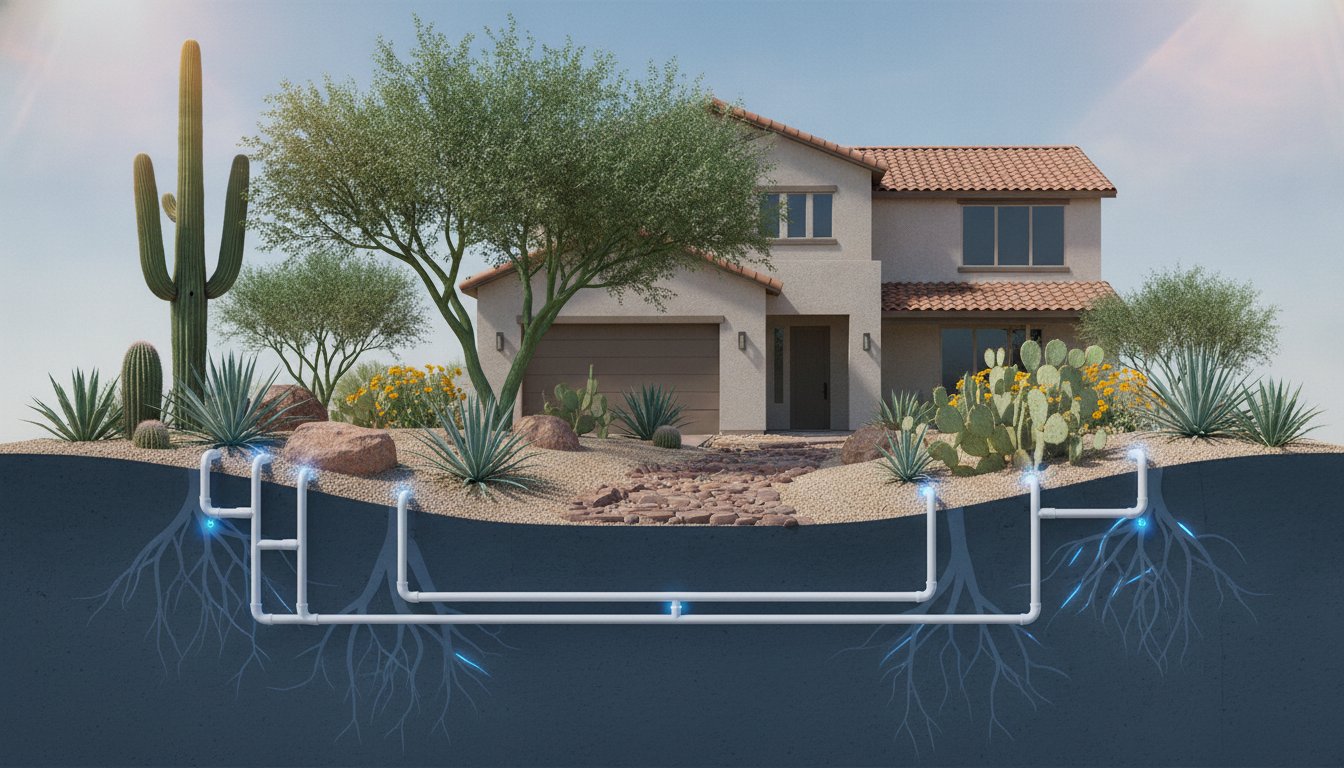
Transitioning your main distribution lines to Schedule 40 PVC is the most effective way to break the cycle of constant maintenance. A professional irrigation PVC pipe replacement provides a rigid, durable backbone that's virtually impervious to rodent damage and UV degradation. PVC doesn't suffer from the same expansion issues as poly, meaning your fittings stay secure for decades rather than seasons. Our approach involves using PVC for the primary underground runs and then utilizing professional transition techniques to reach individual emitters. This method combines the durability of hard pipe with the precision of drip technology, ensuring your system lasts well beyond the typical failure window.
Troubleshooting Low Pressure and Hidden Underground Leaks
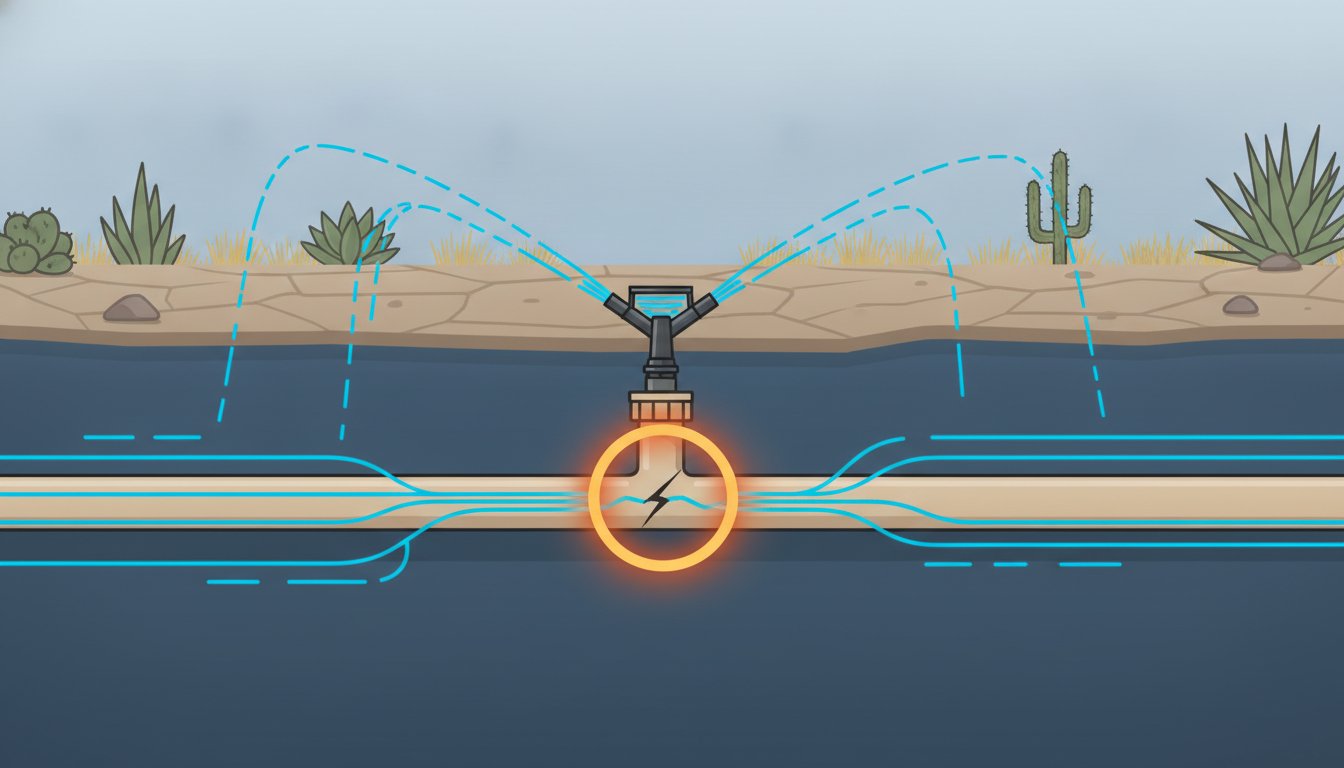
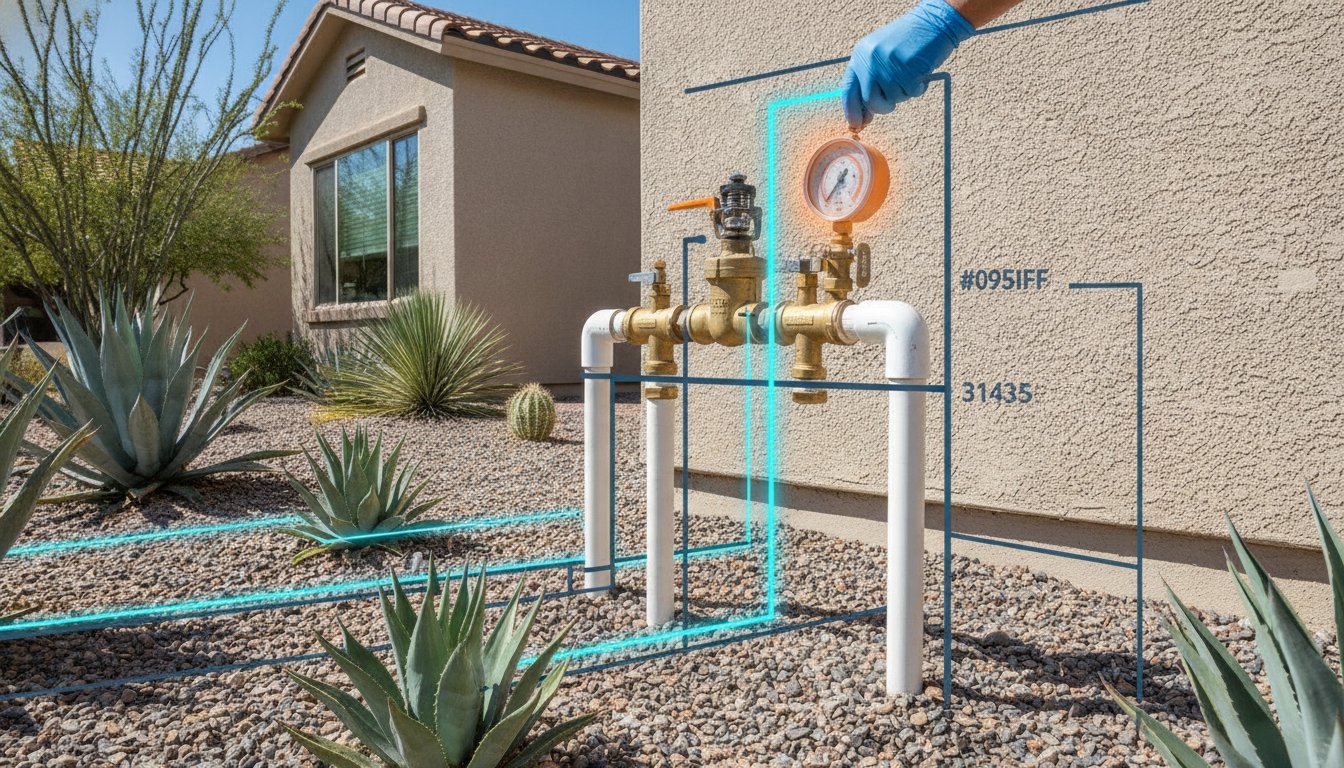
Identifying the source of a pressure drop is often more complex than spotting a broken emitter. We recommend beginning your diagnostic process at the water meter. Ensure all water fixtures inside and outside your home are turned off, then observe the leak indicator dial, usually a small triangular or snowflake shaped wheel. If this dial is moving, you have a continuous leak in your main line. If it only moves when a specific irrigation zone is active, the fault lies within that lateral line. This methodical approach is the most reliable way to differentiate between common drip irrigation problems Arizona homeowners face and simple mechanical wear.
Once you've confirmed a leak exists, you can employ the "wet spot" versus "dry plant" diagnostic method. A surface wet spot or a bubbling area of decorative rock indicates an active break where water is escaping under pressure. Conversely, a dying plant with dry soil around its base suggests a clog or a total failure of the local emitter. Your irrigation backflow preventer also plays a critical role here. If the internal springs or seals are failing, it can restrict flow to the entire system, mimicking the symptoms of multiple underground leaks.
Diagnostic Steps for Pressure Loss
Low pressure across a single zone often points to a mechanical failure within the valve box. We frequently find that a bad irrigation valve diaphragm is the culprit. When this rubber component tears or loses its elasticity, the valve may not open fully, resulting in a weak flow that can't reach the end of your drip runs. Additionally, the plastic manifolds that distribute water to multiple valves are high-stress points. In the shifting soils of Peoria and Surprise, these manifolds can develop hairline fractures. A cracked manifold will bleed off pressure before the water even enters the distribution lines, making your entire system appear sluggish.
Locating Underground Leaks
Finding a leak beneath the desert crust requires patience and the right tools. We suggest using a soil probe, which can be as simple as a long, thin screwdriver, to check for saturated earth. If the probe slides into the ground with little resistance in one specific area, you've likely found a subsurface pool of water. In systems with high-pressure PVC mainlines, you might even hear a faint "hissing" sound near the break if the soil isn't too compacted. For deep leaks or those hidden under extensive hardscaping, professional irrigation pipe leak detection is the most efficient way to avoid unnecessary digging. If you're struggling to pinpoint a spike in your water bill, contact our team for a professional diagnostic visit to protect your property and your wallet.
Professional Restoration: Engineering Longevity into Your Landscape
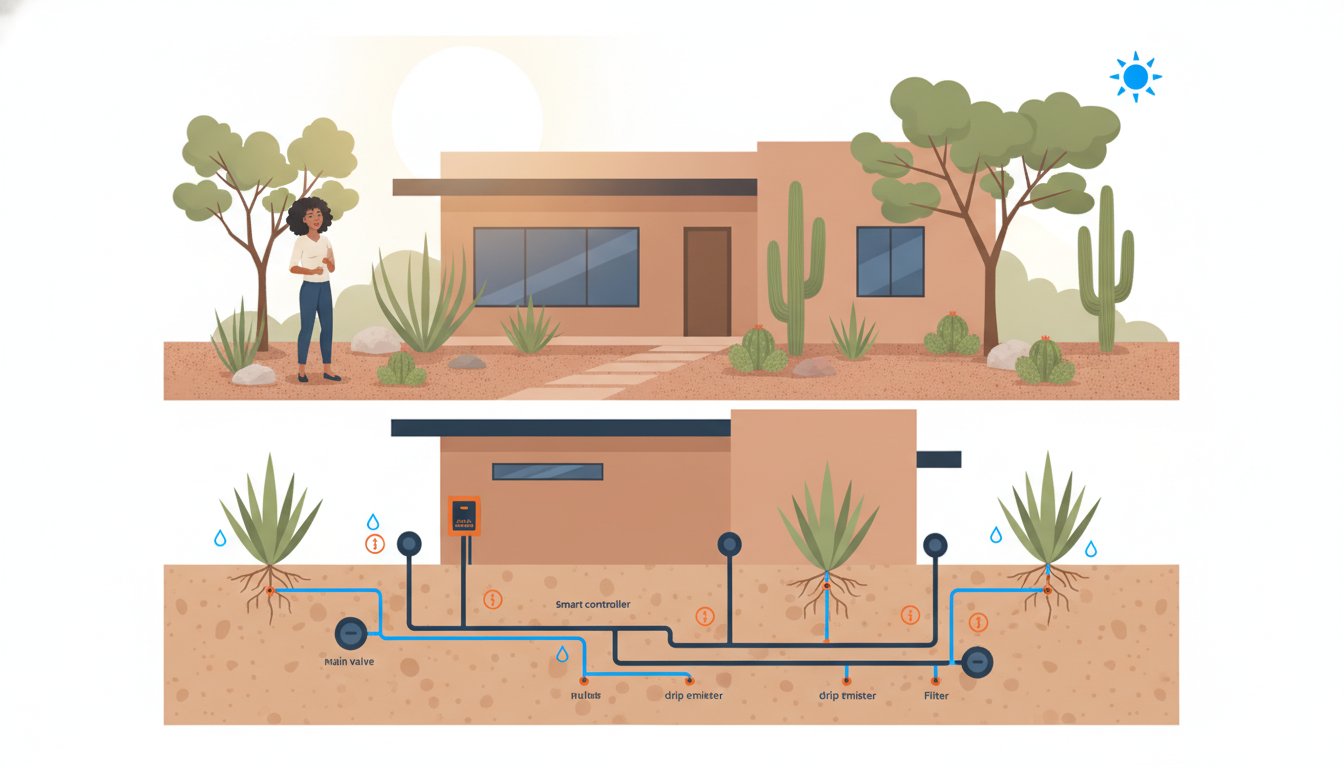
The Sonora Sprinkler philosophy is built on the idea that your watering system should be as resilient as the desert itself. Solving common drip irrigation problems Arizona residents face requires more than just reactive patching; it demands a shift toward intentional engineering. Our approach to custom drip irrigation design focuses on building a system that acts as a durable asset for your home rather than a recurring maintenance burden. We prioritize high-efficiency valves and smart controllers that adjust to real-time weather data. This ensures your landscape receives the precise amount of water needed without the waste that often accompanies older, manual systems.
As a family-owned business established in 1999, we bring a "boots-on-the-ground" perspective to every project. We understand that a system installed in Surprise or Peoria must be built differently than one in a cooler climate. By focusing on durability and precision, we help homeowners achieve a landscape that remains vibrant even during the most challenging drought conditions. Our residential focus allows us to provide the level of detail necessary to protect your property's long-term health.
Custom Design for Desert Efficiency
A well-engineered system begins with hydro-zoning. This is the practice of grouping plants with similar water requirements onto the same irrigation zone. This prevents the frequent mistake of overwatering desert-adapted cacti while trying to keep a thirsty citrus tree alive. We also integrate pressure regulation directly at the valve. This step is vital because excessive pressure is a leading cause of emitter failure and line blowouts. Finally, our designs account for the future growth of your desert trees and shrubs. We ensure that the initial layout can be easily adjusted as root zones expand. This prevents the need for a total system overhaul as your landscape matures.
The Value of Residential-Only Specialists
Choosing a specialist who focuses exclusively on residential systems offers a level of detail that large-scale commercial contractors often overlook. Residential yards in Surprise, AZ, have specific microclimates and soil variations that require a tailored touch. Because we don't divide our attention with massive commercial projects, we can dedicate our expertise to the nuances of your property's long-term health. We take pride in being a neighborly, licensed service provider that understands the specific mechanical needs of local homeowners. If you're ready to move past temporary fixes and invest in a system built for longevity, contact us for a comprehensive system evaluation. Our team is committed to providing the reliable, professional results that keep your desert home beautiful and efficient.
Securing Your Desert Oasis for the Long Term
Maintaining a healthy landscape in the Sonoran Desert requires more than just water; it requires a system built to withstand extreme heat and hard water calcification. By transitioning from fragile poly-tubing to durable Schedule 40 PVC and utilizing self-flushing emitters, you can break the cycle of frequent repairs. These proactive engineering choices ensure your property remains protected while keeping your water usage efficient and your monthly utility bills manageable.
Addressing the common drip irrigation problems Arizona homeowners face is about moving from reactive patching to long-term reliability. Our team has been family-owned and operated since 1999, specializing exclusively in residential irrigation and expert PVC pipe replacement. We understand the unique mechanical stressors of Surprise and Peoria soils and are committed to providing the steady, professional results your landscape requires. If you're ready to invest in a system that lasts, we're here to help.
Get a Professional Drip System Evaluation in Surprise or Peoria
You don't have to struggle with a failing system every summer. With a robust mechanical foundation and grounded local expertise, you can enjoy a beautiful, thriving desert home for many years to come.
Frequently Asked Questions
How do I know if my Arizona drip system has a leak?
Check the water meter first. If the leak indicator dial moves while all fixtures are off, there's a mainline leak. If it only moves during a specific zone cycle, the issue is in that lateral line. Surface wet spots under decorative rock or plants that look stressed despite regular watering are also strong indicators of common drip irrigation problems Arizona homeowners face. Early detection is key to saving water.
Why do my drip emitters keep clogging every few months?
High mineral content in Arizona municipal water, specifically calcium and magnesium, causes rapid calcification. As water evaporates at the emitter tip, these minerals solidify into a hard white crust. This buildup restricts flow and eventually blocks the opening entirely. Installing self-flushing emitters or utilizing a professional descaling treatment can help mitigate this frequent maintenance headache in Surprise and Peoria yards. Regular cleaning ensures consistent hydration for your desert plants.
Is PVC better than poly-tubing for Arizona drip systems?
Yes, Schedule 40 PVC is significantly more durable than standard black poly-tubing in our desert climate. PVC resists the thermal expansion and contraction caused by 150°F surface temperatures. It's also impervious to damage from ground squirrels and rabbits, who often chew through soft poly-lines to find water. Upgrading to PVC provides a rigid, long-term foundation that prevents frequent line failures and protects your landscape investment from local wildlife.
How long should a drip irrigation system last in the desert?
A standard poly-tubing system often fails within five years due to UV exposure and material fatigue. However, a professionally engineered system using PVC mainlines and high-quality emitters can last 15 to 20 years or more. Longevity in the desert is entirely dependent on material choice and proper installation depth. These factors protect components from the intense Sonoran heat and the abrasive nature of our local caliche soil.
What causes low water pressure in my drip lines?
Low pressure is typically caused by a torn valve diaphragm, a cracked manifold, or a failing backflow preventer. If the pressure drop is localized to one area, check for a subsurface leak or a crushed line. In many Surprise homes, mineral buildup inside the valves can also restrict water flow. Identifying the exact cause requires a methodical check from the valve box out to the individual emitters.
Can I repair my own drip irrigation system, or do I need a pro?
Homeowners can often handle simple tasks like replacing a surface emitter or patching a visible poly-line. However, complex issues like valve diagnostics, backflow maintenance, or underground PVC replacement usually require professional expertise. A licensed specialist ensures that repairs meet local codes and that the system's hydraulic balance is maintained. This professional approach prevents future leaks and ensures that every plant in your yard receives the correct volume of water.
How often should I check my drip system for problems in Surprise, AZ?
We recommend a thorough visual inspection at least once a month. During the peak summer heat, a weekly check is safer to prevent sudden plant loss. You should look for pooling water, dry plants, and white mineral crusting on emitter heads. Regular monitoring is the best way to catch common drip irrigation problems Arizona weather creates before they lead to expensive property damage or unexpectedly high water bills.
Does hard water affect my irrigation valves and backflow?
Yes, the high calcium levels in our local water can cause mineral deposits to form on the internal seals and springs of your valves and backflow preventer. This buildup can prevent valves from closing properly, leading to "weeping" zones that waste water. Over time, calcification can also interfere with the precision of backflow devices. This is why annual testing and professional cleaning are essential for long-term system protection.