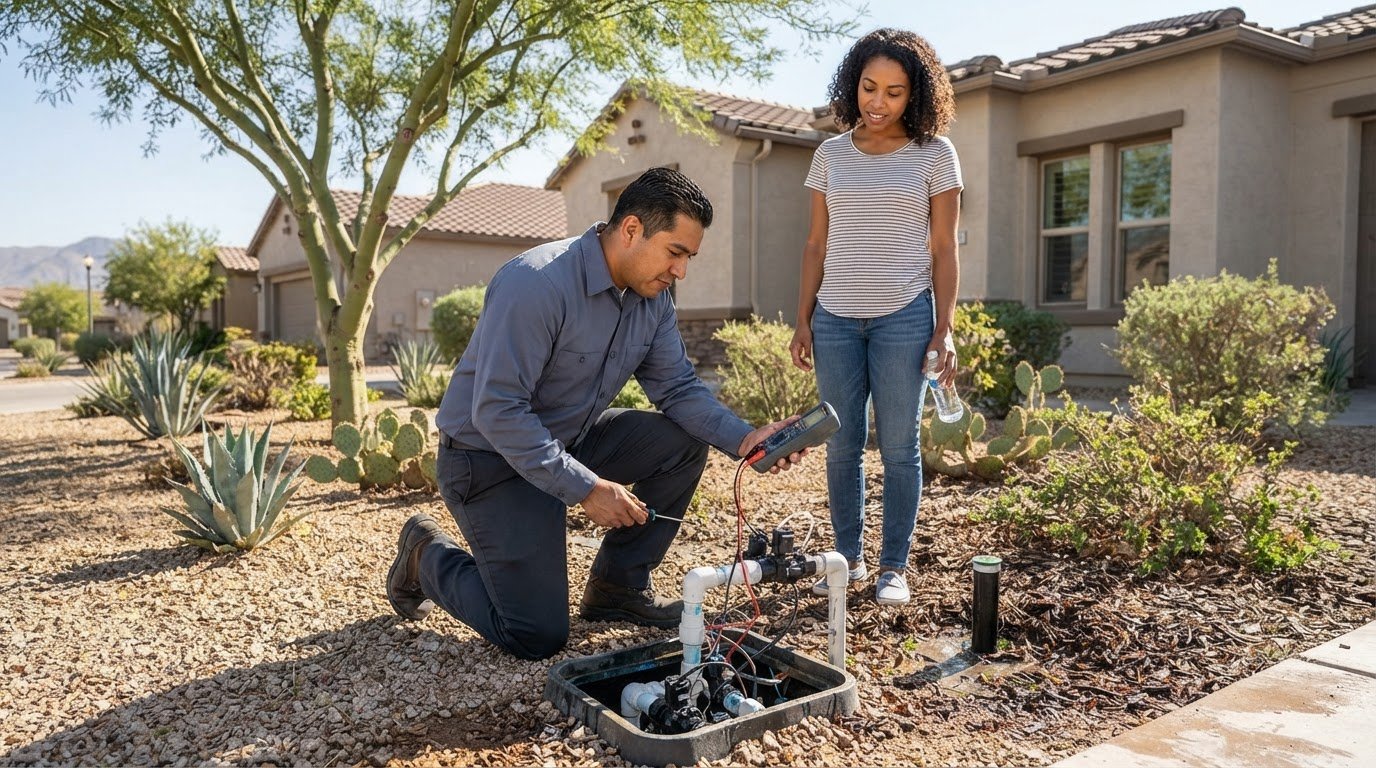
Imagine opening your July utility statement in Surprise or Peoria only to find a 4.3% rate hike staring back at you while your lawn looks parched. For many homeowners, the natural response is to simply turn up the timer, but more water rarely solves the underlying issue of an aging or poorly designed system. If you are searching for how to reduce water bill with sprinkler system Arizona installations, the solution requires a transition from basic scheduling to precision delivery. This approach accounts for our unique desert soil and the current Stage 1 Water Alert status affecting the Phoenix metro area.
It's frustrating to watch your monthly costs climb while your plants continue to struggle in the heat. You shouldn't have to choose between a thriving landscape and a manageable budget. This guide provides professional strategies to identify hidden leaks, upgrade to high-efficiency components, and finally master your irrigation controller. You will learn how to stabilize your monthly expenses and gain confidence that your system is operating at peak performance. We will walk through technical diagnostics and smart upgrades that turn your irrigation from a financial drain into a precise, automated asset for your property.
Key Takeaways
- Learn why extreme Arizona heat causes mechanical fatigue in irrigation components and how to identify the "Desert Tax" on your utility statement.
- Discover how to reduce water bill with sprinkler system Arizona upgrades that prioritize precision delivery over simple timer-based scheduling.
- Master the "Big Four" seasonal calendar to ensure your irrigation timer reflects the actual moisture needs of your landscape throughout the year.
- Identify hidden leaks and the risks of degrading poly pipe systems before they lead to catastrophic water waste or plant loss.
- Explore hardware solutions like rotary nozzles and pressure-regulating stems that can reduce outdoor water consumption by up to 30%.
Understanding the 'Desert Tax': Why Arizona Water Bills Spike
Efficiency in the Arizona desert is defined by precision. It means delivering the exact volume of water your plants need to survive while ensuring not a single drop is lost to runoff or evaporation. Many homeowners in Surprise and Peoria view their irrigation as a "set it and forget it" utility. This mindset often leads to what we call the "Desert Tax." This isn't an official government fee, but rather the compounding cost of water wasted through degraded components and outdated schedules. True efficiency requires an active understanding of how to reduce water bill with sprinkler system Arizona configurations that are built to withstand our environment.
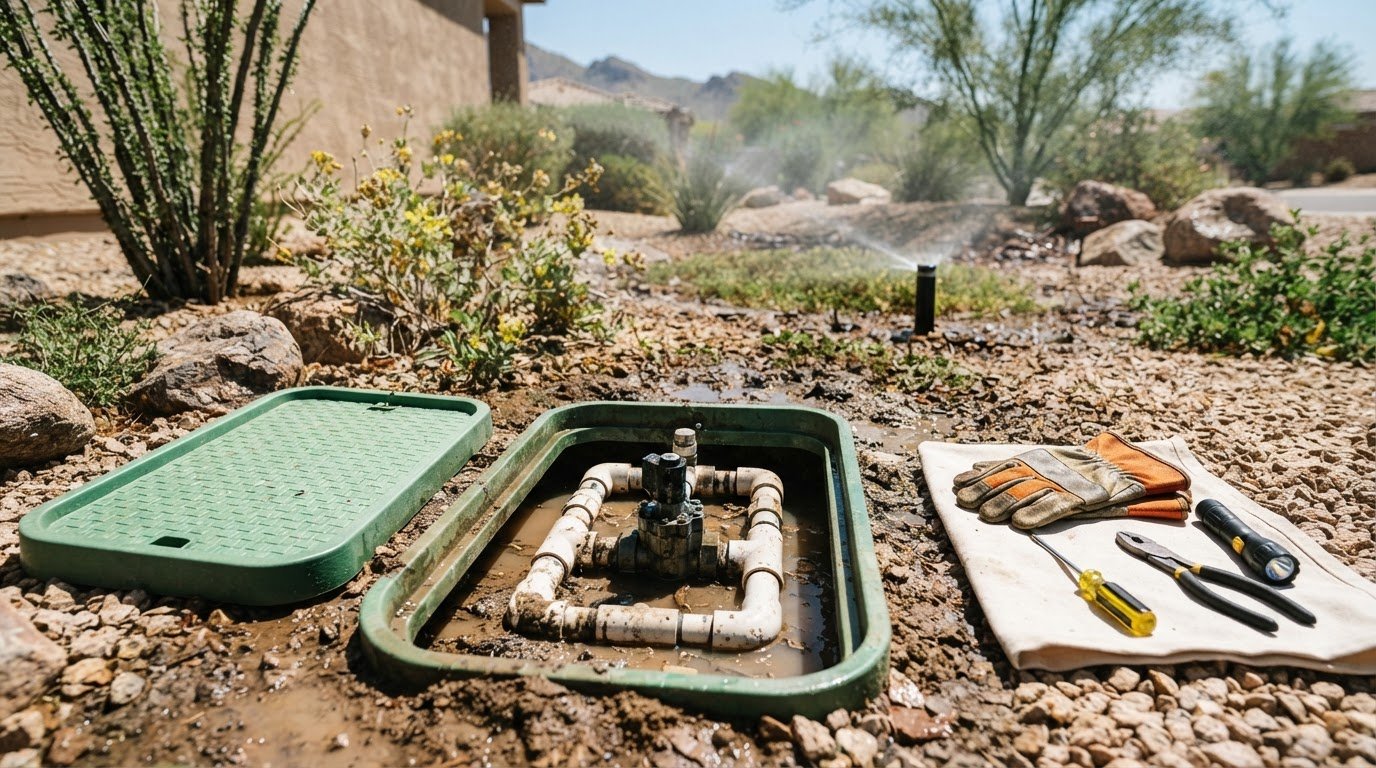
Arizona's extreme climate is notoriously harsh on mechanical systems. Intense UV rays and triple-digit ground temperatures cause plastic components to become brittle and prone to cracking. Rubber diaphragms inside valves lose their elasticity over time, eventually failing to seal completely. When a valve "weeps," it allows a constant, slow flow of water through the lines even when the system is off. With the City of Surprise charging $2.49 per 1,000 gallons and Peoria implementing a 4.3% rate increase for 2026, these mechanical failures quickly inflate your monthly statement. The financial difference between a standard bill and one plagued by undetected leaks can be hundreds of dollars over a single summer season. To ensure all your home’s essential mechanical systems are prepared for these conditions, you can find out more about specialized AC and heat pump maintenance.
The Role of Evapotranspiration in Your Bill
Evapotranspiration (ET) represents the total amount of water lost through soil evaporation and plant transpiration. In our region, ET rates are among the highest in the country. If you water during the heat of the day, you can lose up to 30% of that water to wind and immediate evaporation before it ever reaches the root zone. Shifting your schedule to the early morning hours is a fundamental step in expert irrigation system repair for desert landscapes. Aligning your timer with local ET data ensures you aren't paying for water that simply vanishes into the atmosphere.
Common Signs of Irrigation Inefficiency
Detecting a problem early prevents a standard bill from turning into a financial emergency. Look for "soft spots" or patches of vibrant green weeds in an otherwise dry rock landscape. These are often signs of a subsurface leak in your PVC or drip lines. You can also perform a "silent leak" test by checking your water meter when no indoor appliances are running. If the low-flow indicator is spinning, your irrigation system is likely the culprit. Modern irrigation sprinkler technologies have evolved to help mitigate these issues, but they require a functional foundation to be effective. Listen closely to your valve boxes; a faint hissing or trickling sound usually indicates a valve that has failed to close. Mastering how to reduce water bill with sprinkler system Arizona setups starts with these simple, regular observations.
Chasing Down Leaks: Identifying Invisible Irrigation Failures
Finding a leak in the desert isn't always as simple as looking for a puddle. Because our soil is often comprised of dense caliche or heavy rock, water from a broken line can travel deep underground before it ever reaches the surface. This is a primary reason why understanding Arizona's landscape water use is critical for homeowners. To perform a dedicated leak test, ensure all indoor water fixtures are off and then watch the triangular low-flow indicator on your water meter. If it rotates while your irrigation is supposedly inactive, you have a pressurized leak. Learning how to reduce water bill with sprinkler system Arizona maintenance often starts with this simple five-minute observation.
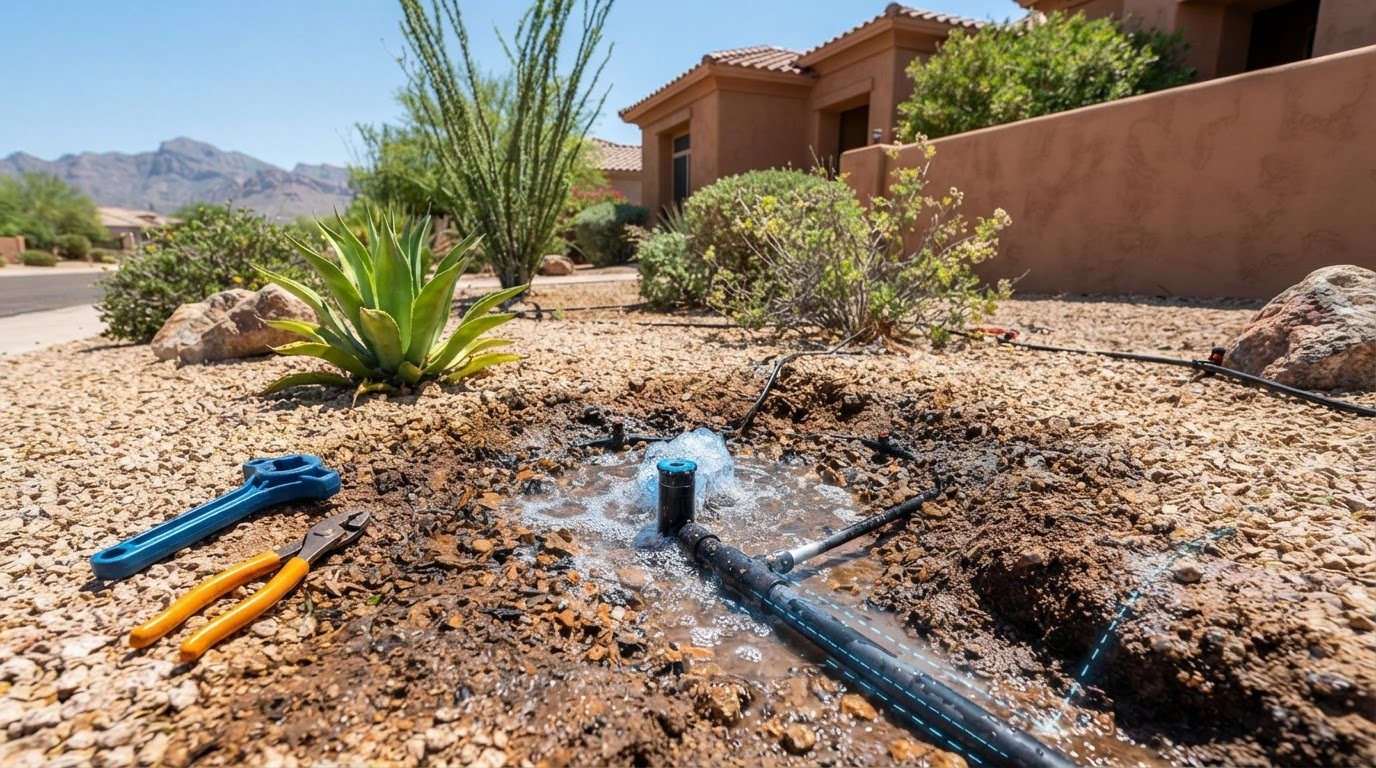
Poly pipe degradation is a frequent culprit in older Surprise neighborhoods. This black, flexible tubing was common in early builds, but it lacks the durability to withstand decades of extreme ground heat. It eventually becomes brittle and develops longitudinal cracks that leak constantly. Similarly, a weeping valve occurs when the internal rubber diaphragm fails to seal against the valve seat. This allows a small but steady stream of water to bypass the valve, often resulting in a muddy area around the valve box or a faint sound of running water when the system is off.
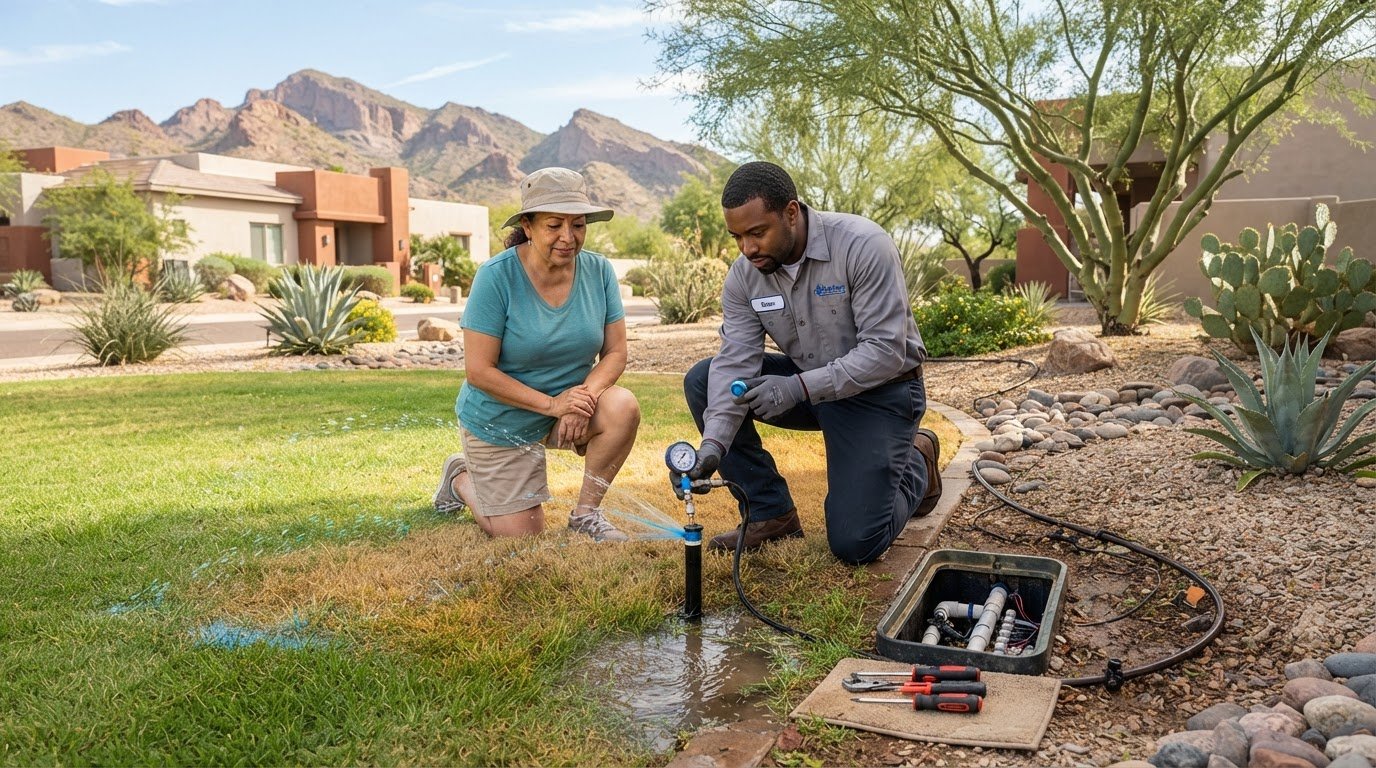
High-pressure misting is another common efficiency killer. If your sprinkler heads look like they are producing a cloud of fog rather than distinct droplets, your water is literally blowing away. This happens when the incoming pressure exceeds the manufacturer's specifications for the head. Installing pressure-regulating stems can fix this, ensuring water lands on the turf where it belongs. If you suspect your system is working against you, scheduling a professional diagnostic check can stop the waste immediately.
Diagnosing Underground PVC Pipe Breaks
In Surprise and Peoria, underground breaks are notoriously difficult to spot because the water often drains into the rocky subsoil rather than pooling. If you notice a sudden spike in your bill without a change in watering habits, irrigation PVC pipe replacement may be necessary to restore system integrity. A professional pressure test confirms a line break by isolating a specific zone and monitoring for a drop in static pressure over a set period. Addressing these breaks early prevents the soil erosion that can eventually undermine walkways or foundations.
Drip Irrigation: The Silent Water Waster
Drip systems are excellent for water conservation, but they are prone to silent failures. A missing emitter creates a geyser effect that can dump gallons of water into a single rock bed every hour. Conversely, salt buildup or desert insects can clog emitters, which often leads homeowners to increase the entire zone's run time to compensate for one struggling plant. For a deeper look at these specific issues, see our guide on Troubleshooting Your Drip System in Surprise. Regular inspections ensure every emitter performs as intended without wasting precious resources.
Optimizing the Schedule: Seasonal Adjustments and Smart Controllers
A static timer is one of the primary causes of water waste in Surprise and Peoria. Even a system that has been perfectly repaired will fail to save money if it is still running a July schedule in the middle of December. Irrigation needs change significantly as the seasons shift, and failing to account for these changes is essentially throwing money away. If you are serious about how to reduce water bill with sprinkler system Arizona maintenance, your first step is moving away from a "set it and forget it" mentality.
Homeowners in our region should follow the "Big Four" calendar for reprogramming their controllers. In May, you must increase frequency to prepare for the pre-monsoon heat. July requires another adjustment to account for the high humidity and intense temperatures of mid-summer. By October, the cooling weather allows for a significant reduction in water volume. Finally, in November, your timer should be set for winter dormancy. These four manual adjustments ensure your landscape receives only what it needs to thrive without unnecessary excess.
Dense desert soil often struggles to absorb water quickly. If you run a single zone for twenty minutes straight, the final ten minutes of that cycle will likely result in runoff that flows into the street. The "cycle and soak" method is the professional solution to this problem. By breaking a twenty-minute run into two ten-minute sessions separated by an hour, you allow the moisture to penetrate deep into the root zone. This technique maximizes every gallon you pay for and prevents the waste associated with surface runoff.
The Power of Smart Irrigation Controllers
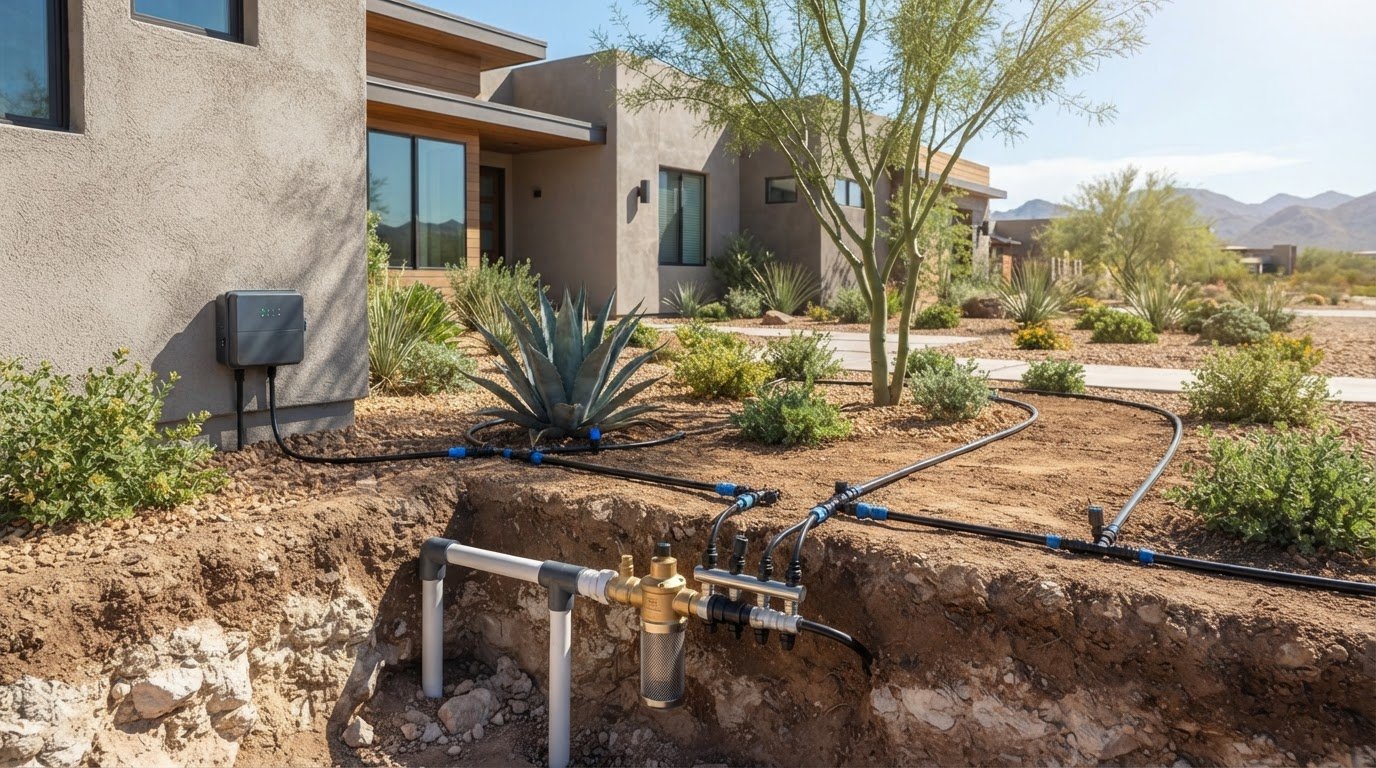
Upgrading to an EPA WaterSense labeled controller is a high-impact way to address how to reduce water bill with sprinkler system Arizona setups. These WiFi-enabled systems use real-time local weather data to skip cycles automatically during rain events or high-humidity days. Remote monitoring also provides a layer of protection against "vacation disasters." If a leak occurs while you are away, you can shut the system down instantly from your smartphone. For more on these technology options, see our guide on Smart Irrigation Controller Installation in Surprise.
Programming for Deep Root Growth
Desert trees and shrubs have vastly different requirements than a standard turf lawn. Frequent, shallow watering encourages roots to stay near the surface, which makes plants more vulnerable to our extreme summer heat. By increasing the runtime but decreasing the frequency, you train roots to grow deep into the soil where it stays cooler and retains moisture longer. This strategy is essential for anyone looking for how to reduce water bill with sprinkler system Arizona techniques that actually work. Deep watering not only saves money but also builds a more resilient, drought-tolerant landscape.
Hardware Upgrades that Pay for Themselves
Managing your home's resources goes beyond the garden; for example, using high-efficiency professional equipment at Prescott’s Laundry is a smart way to handle large cleaning tasks while you focus on your irrigation system's performance.
While proper scheduling is a vital first step, the mechanical components of your system often dictate the ceiling of your efficiency. Upgrading to high-efficiency rotary nozzles is one of the most cost-effective ways to address how to reduce water bill with sprinkler system Arizona installations. Traditional spray heads often discharge water faster than our dense desert soil can absorb it. In contrast, rotary nozzles deliver water in multi-trajectory streams at a slower, more deliberate rate. This reduces surface runoff and can lower outdoor water consumption by approximately 30% compared to standard heads.
Check valves are another essential component frequently overlooked in basic residential builds. Without a check valve, the water remaining in the pipes after a cycle finishes will drain out through the lowest head in the zone. This creates a wasteful puddle and forces the system to refill the entire line during the next cycle, which wastes both time and water. Similarly, installing a master valve acts as a primary fail-safe for your property. If a zone valve fails to close or a main line develops a break, the master valve shuts off the water supply to the entire system when it isn't actively running, preventing a single mechanical failure from destroying your landscape and your budget.
Pressure Regulation: The Unsung Hero of Conservation
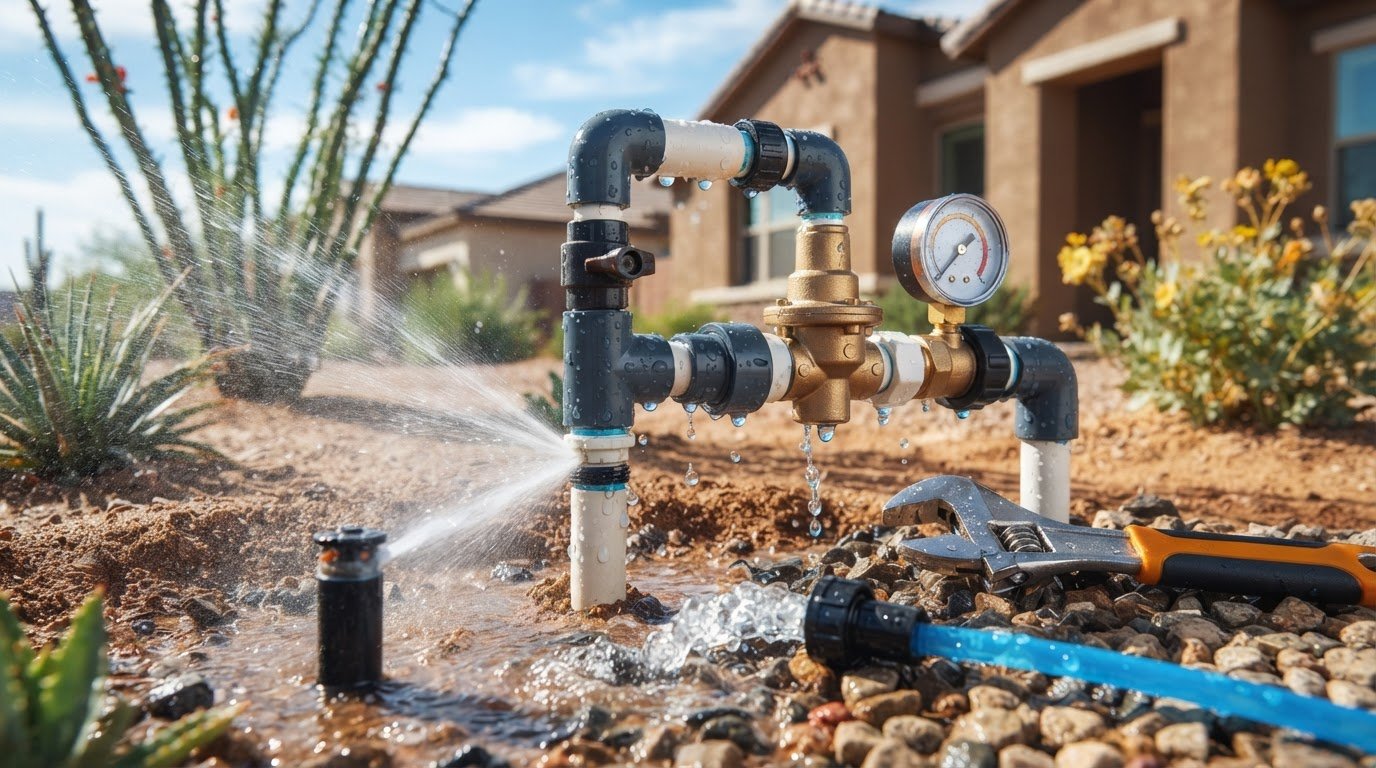
Many neighborhoods in Surprise and Peoria experience high street pressure that causes sprinkler heads to "mist" or "fog." This atomized water is easily carried away by the wind, leaving your plants thirsty while your utility costs rise. Installing a pressure regulator at the backflow preventer protects the integrity of your entire system from these high-pressure surges. For every 5 PSI increase above the manufacturer's recommended operating pressure, the volume of water flowing through your heads can increase by nearly 8% without providing any additional benefit to your lawn.
PVC vs. Poly: A Long-Term Savings Strategy
In the Arizona desert, the choice of piping material is a matter of long-term durability and cost management. Poly pipe is a thin-walled black tubing that frequently becomes brittle and cracks under the stress of extreme ground temperatures and high pressure. At Sonora Sprinkler, we recommend replacing these failing lines with schedule 40 PVC for all main and lateral runs. PVC provides superior resistance to root intrusion and thermal expansion, which significantly reduces the frequency of underground leaks and long-term maintenance costs. If you are ready to modernize your hardware and stop the cycle of constant repairs, contact our team for a professional sprinkler upgrade assessment today.
Professional Irrigation Audits and Maintenance in Surprise & Peoria
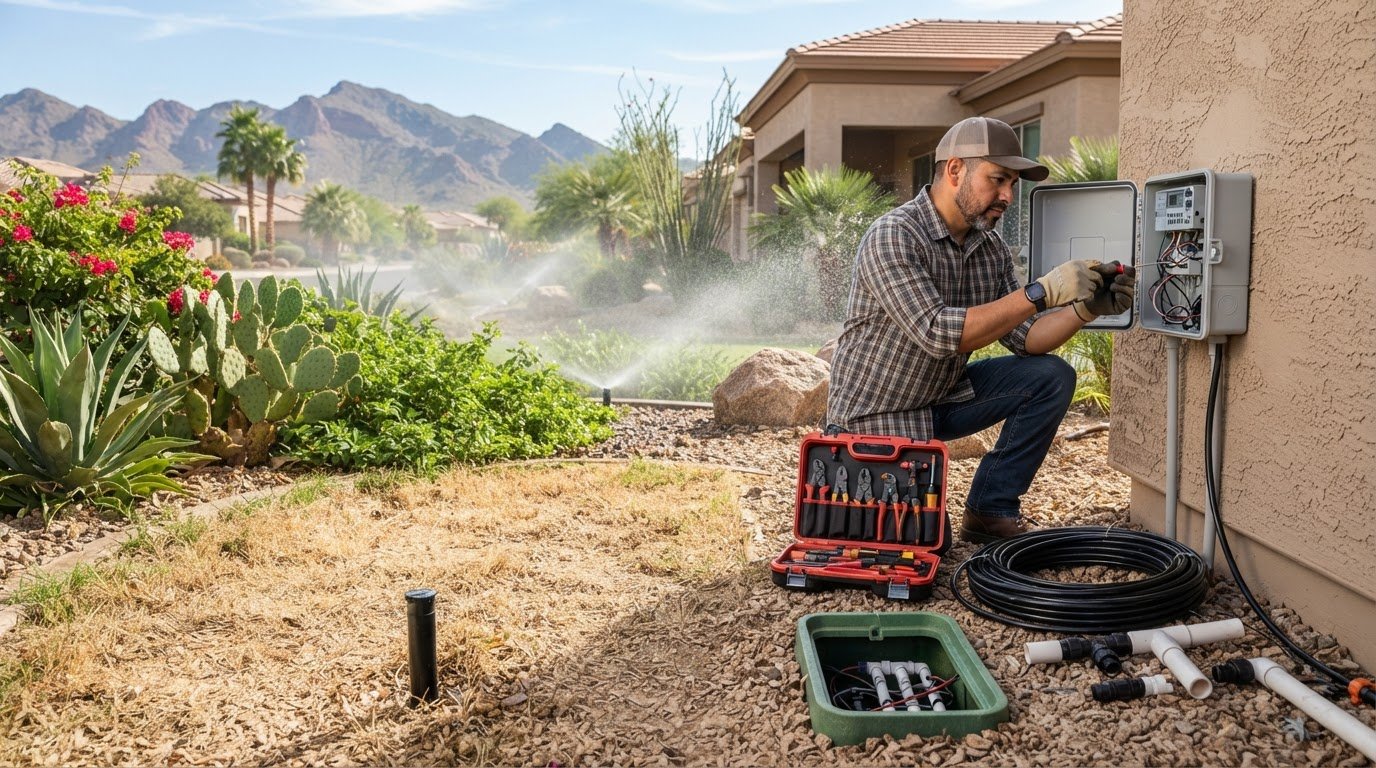
A professional irrigation audit is more than a quick walkthrough. When our team performs an assessment, we execute a comprehensive evaluation of every mechanical and electrical component in your system. This includes a static pressure test at the backflow, a zone-by-zone inspection of all heads and emitters, and a thorough review of your controller’s programming. Understanding how to reduce water bill with sprinkler system Arizona investments requires this level of technical scrutiny to identify inefficiencies that the untrained eye might miss.
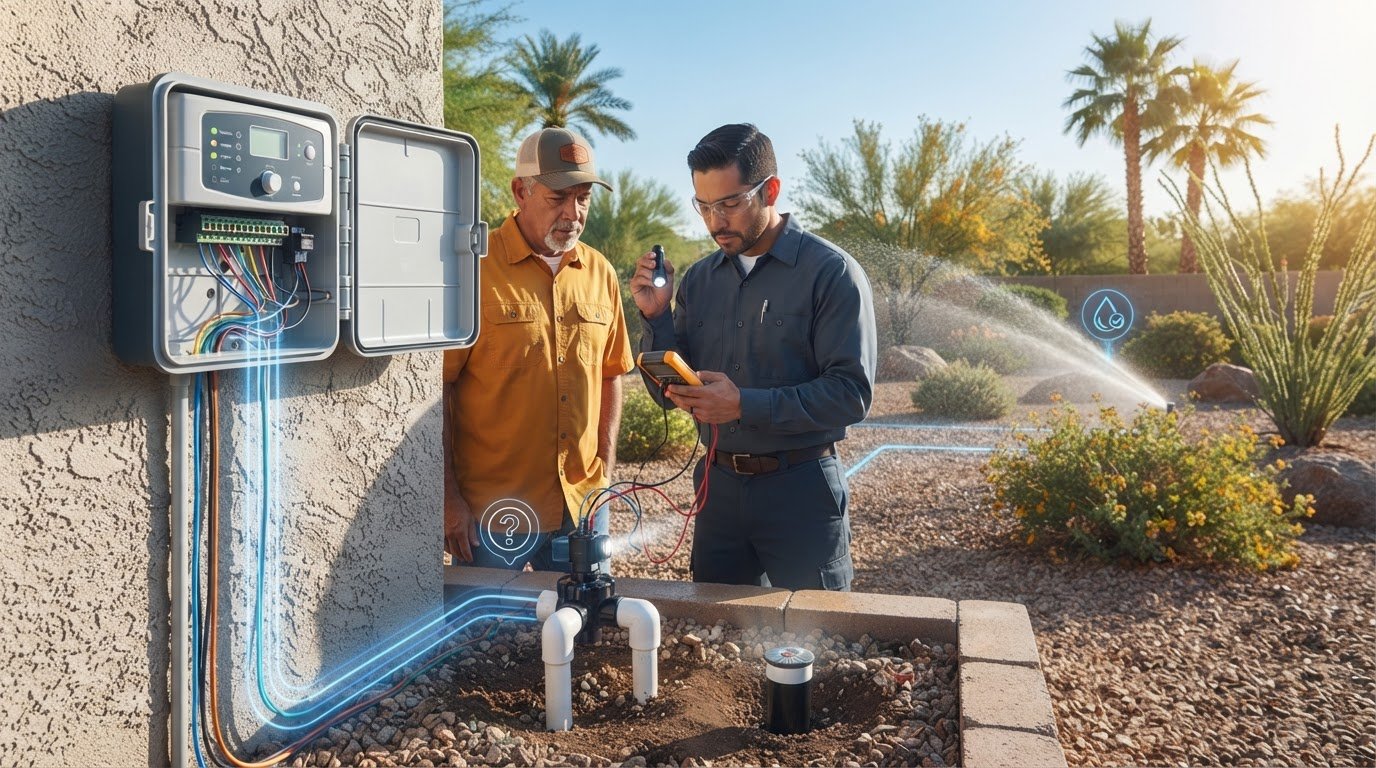
One often overlooked area is the electrical health of the system. Through irrigation wiring diagnostics, we can identify underground shorts or failing solenoids that cause phantom valve openings. These electrical glitches can allow a zone to run at partial pressure or open at odd hours, leading to significant water waste that doesn't show up during a standard daytime test. Custom system design further ensures that your layout is optimized for the specific topography of your yard, avoiding the common one-size-fits-all approach that results in over-saturated corners and parched plants. Scheduling a tune-up before the peak summer heat hits is the most effective way to ensure your system is prepared for the high-demand months ahead.
Why a Family-Owned Specialist Matters
Since our founding circa 1999, Sonora Sprinkler Inc. has remained dedicated to the unique environmental needs of Surprise and Peoria homeowners. Our 25 years of local experience means we understand the specific challenges posed by desert soil and climate better than a generalist. Because we focus exclusively on residential irrigation repair and installation, we don't have the distractions of large-scale commercial projects or landscaping crews. This specialization allows us to provide durable, precision-engineered solutions that prioritize the long-term health of your property and the efficiency of your water usage.
Preventative Maintenance Checklist
Catching a mechanical failure early is the best way to avoid a surprise utility bill. We recommend homeowners perform a simple monthly walkthrough to check for clogged emitters or broken heads. However, an annual professional inspection is vital for ensuring the longevity of your system’s most critical parts. A standard maintenance routine should include:
- Testing the backflow assembly for proper sealing and protection.
- Inspecting all valve diaphragms for signs of wear or mineral buildup.
- Reviewing the controller battery and wiring connections for corrosion.
- Confirming head-to-head coverage in turf areas to prevent dry spots.
Taking these proactive steps will stabilize your monthly costs and give you confidence in your system's reliability. If you are ready to secure your landscape’s future, contact Sonora Sprinkler today for an efficiency upgrade!
Securing Your Landscape and Your Budget for the Future
Transitioning from a high-waste irrigation setup to a precision-engineered system is a long-term investment in your property’s health. By addressing invisible leaks, upgrading to rotary nozzles, and mastering seasonal schedule shifts, you effectively eliminate the hidden costs that inflate your utility statements. Understanding how to reduce water bill with sprinkler system Arizona strategies ensures your landscape thrives even as municipal water rates continue to rise in Surprise and Peoria.
At Sonora Sprinkler, we've served our neighbors as residential irrigation specialists since 1999. Our team provides expert PVC pipe replacement and drip system diagnostics tailored specifically to our unique desert environment. We prioritize mechanical durability and functional results over temporary fixes. You don't have to manage these technical upgrades alone. Schedule Your Efficiency Audit with Sonora Sprinkler Today to take control of your monthly utility expenses. With a properly calibrated system, you can enjoy a lush yard without the stress of unexplained water waste.
Frequently Asked Questions
How much can a smart irrigation controller really save on my Arizona water bill?
A smart irrigation controller can typically reduce your outdoor water usage by 20% to 50% depending on the inefficiency of your previous system. These devices utilize real-time local weather data to skip cycles during rain or high humidity, ensuring you only water when necessary. When considering how to reduce water bill with sprinkler system Arizona upgrades, these controllers offer the fastest return on investment by preventing the common error of overwatering during the cooler months.
Is it better to water my Arizona lawn every day for a short time or once a week for a long time?
It is significantly better to water deeply and infrequently rather than daily for short periods. Deep watering encourages roots to grow further into the soil, which protects plants from the extreme surface heat of the desert. For a typical Arizona lawn, watering two to three times a week for longer durations is more effective than daily cycles. This approach builds drought resistance and reduces the total volume of water lost to surface evaporation.
Why is my water bill high even though I haven't changed my watering schedule?
An unexplained spike often indicates a mechanical failure such as a weeping valve or a subsurface pipe break. Even if your timer remains unchanged, a valve that fails to seal completely will allow water to flow 24 hours a day. Additionally, municipal rate adjustments, like the 4.3% increase in Peoria for 2026, can raise your monthly costs even if your consumption stays the same. A professional diagnostic check can identify these hidden issues quickly.
Can a broken sprinkler head cause a $100 increase in my water bill?
Yes, a single broken sprinkler head can lead to a $100 increase in your monthly statement. If a head is completely sheared off, it can discharge up to 10 gallons of water per minute. If that zone runs for 20 minutes three times a week, you are wasting thousands of gallons every month. This level of waste is a primary reason why learning how to reduce water bill with sprinkler system Arizona maintenance is essential for every homeowner.
What is the best time of day to water my desert plants in Surprise, AZ?
The optimal time to water your desert landscape in Surprise is between 3:00 AM and 6:00 AM. Watering during this window minimizes evaporation from the sun and wind while ensuring the moisture reaches the root zone before the heat of the day. Avoid watering in the evening, as standing water on foliage overnight can encourage fungal growth. Early morning watering aligns with municipal conservation recommendations and maximizes the efficiency of every gallon used.
How do I know if my drip irrigation system has a leak underground?
Underground drip leaks are often identified by unusually lush patches of weeds or soft, muddy spots in your rock landscape. You should also perform a meter test by turning off all indoor water and checking if your low-flow indicator is moving. If the meter spins while the irrigation is off, you likely have a pressurized leak. Because drip lines are buried under decorative rock, these failures can remain hidden for months without regular inspection.
Do I need a permit to upgrade my sprinkler system in Peoria?
Most residential irrigation repairs and component upgrades in Peoria don't require a formal building permit. However, if you are installing a completely new system or modifying your backflow prevention assembly, you should verify current city codes. The City of Peoria focuses on ensuring that irrigation water doesn't run off into the street, which is a violation regardless of permit status. Always consult with a licensed professional to ensure your upgrades meet local safety standards.
What is the average lifespan of a drip irrigation system in the Arizona desert?
A standard drip irrigation system in the Arizona desert typically lasts between 10 and 15 years. The intense ground heat and mineral-heavy water eventually cause poly tubing to become brittle and emitters to clog with salt deposits. Individual components like valves and solenoids may require replacement every 5 to 7 years. Investing in high-quality PVC lateral lines and regular professional maintenance can extend the functional life of your system while maintaining peak water efficiency.