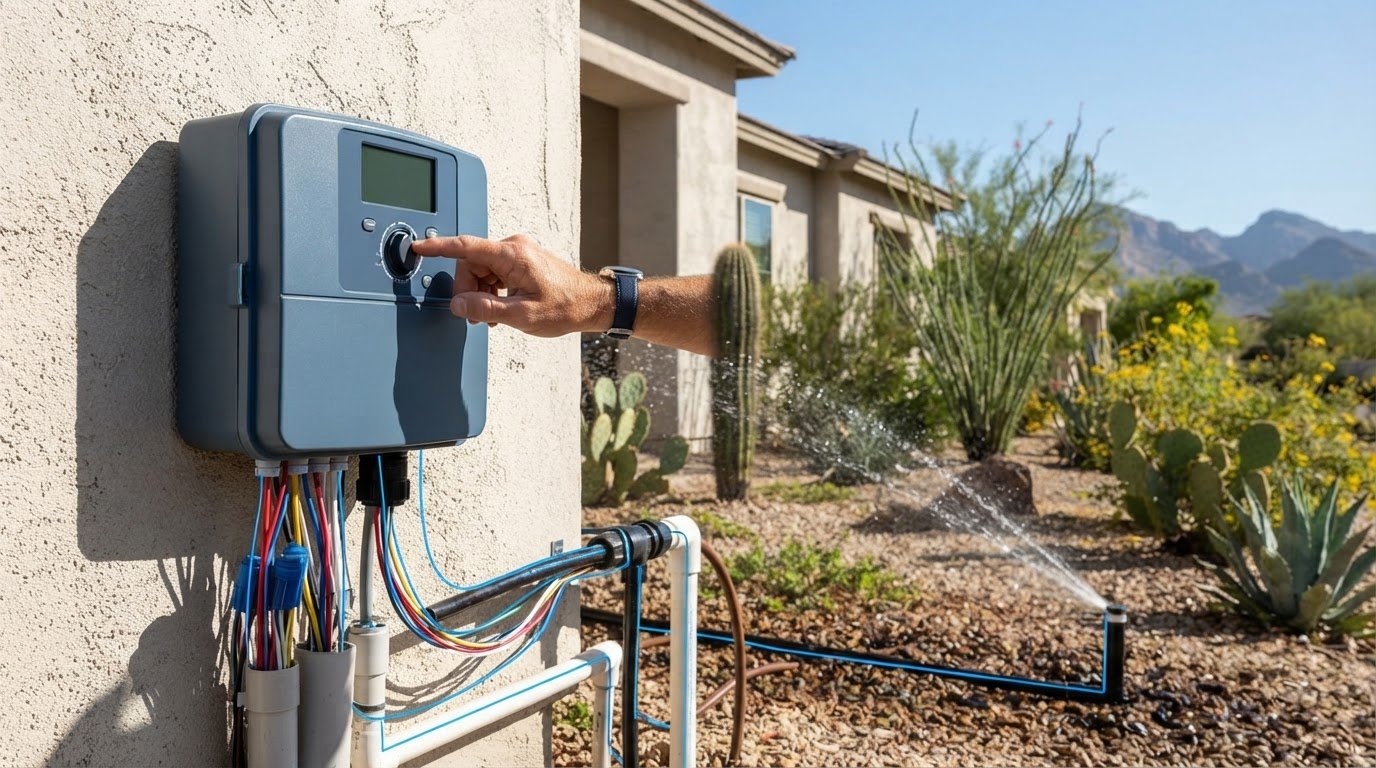
Did you know that more than half of the water used by the average Peoria resident goes directly into their landscape? While a professional irrigation setup offers one of the highest returns on investment for your property, the actual cost to install sprinkler system Peoria AZ depends on much more than just the size of your lawn. You are likely concerned about the hidden expenses that come with digging through our notorious caliche soil or the risk of choosing materials that won't survive five years in the intense desert heat.
We understand that you want a reliable system that protects your property value without wasting a drop of water. This 2026 buying guide provides the professional clarity you need to navigate these regional challenges. You will discover the real variables that determine your total investment, from local permit requirements to the critical technical differences between PVC and poly piping. We will walk you through the essentials of desert irrigation so you can choose a system built for durability and precision rather than just the lowest initial bid.
Key Takeaways
- Understand how Peoria’s unique caliche soil acts as a primary cost driver and requires specialized trenching equipment for a successful installation.
- Learn the specific variables that determine the total cost to install sprinkler system Peoria AZ, including the difference between new construction and landscape retrofits.
- Discover why professional PVC pipe installation is essential for Arizona’s climate and how it prevents the five-year failure cycle common with flexible poly tubing.
- Identify how custom system design and smart irrigation controllers reduce monthly water bills while ensuring the long-term health of your desert landscape.
- Gain confidence by following a step-by-step installation process that includes local permit compliance and utility locating to protect your residential property.
Understanding the Investment: Sprinkler System Costs in Peoria
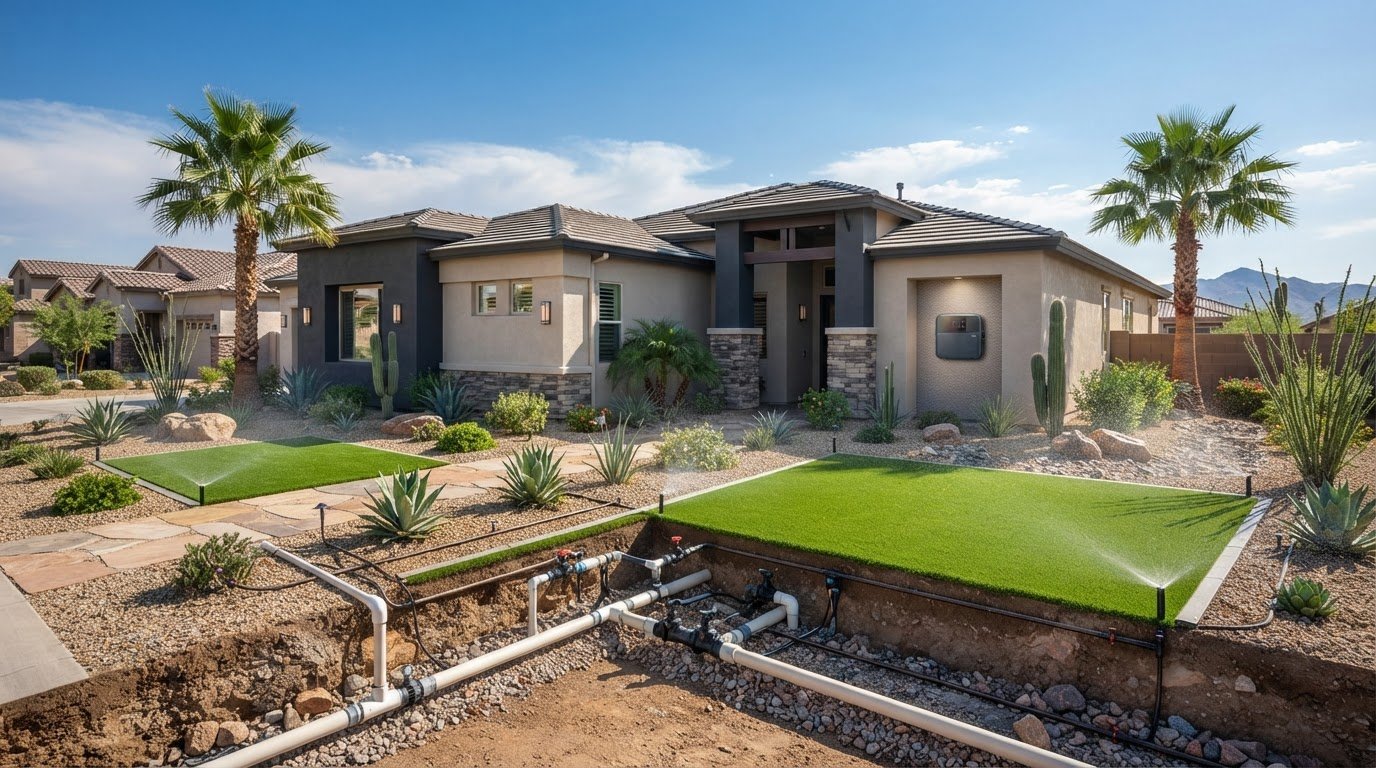
A standard residential installation in Peoria is more than just burying pipes; it is a meticulously engineered system designed to withstand the harsh Sonoran Desert environment. When evaluating the cost to install sprinkler system Peoria AZ, homeowners should view the project as a long-term asset. A professional installation not only stabilizes your property value but also plays a vital role in water conservation, which is increasingly important in our local climate. The total investment varies significantly depending on whether you are working with a blank slate in a new construction home or retrofitting an existing, established landscape. Retrofitting often requires careful excavation around mature root systems and existing hardscaping, which naturally increases the complexity of the project.
Beyond the visible sprinkler heads, several hidden variables influence your final quote. These include the depth of the caliche layer beneath your soil, the specific water pressure available at your meter, and the overall complexity of the hydraulic design. Understanding how irrigation sprinklers work helps clarify why these technical details are non-negotiable for a system that lasts. Precision in the design phase prevents common issues like low-pressure zones or water hammer, which can damage your plumbing over time.
Material vs. Labor: Where Your Money Goes
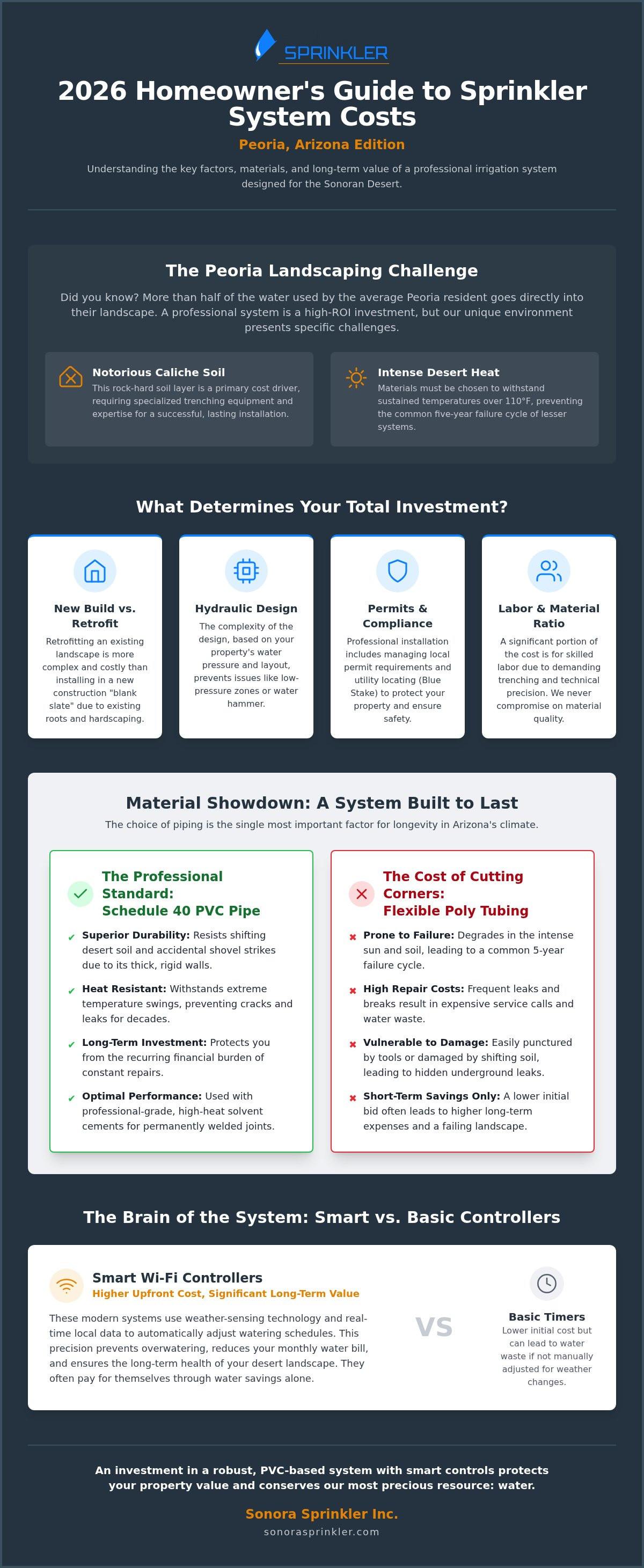
In the Phoenix West Valley, a significant portion of your budget is allocated to professional labor. This reflects the physical demands of trenching in rocky soil and the technical skill required for precise wiring and valve placement. While labor is a major factor, we never compromise on materials. Using high-quality Schedule 40 PVC is essential in Peoria. Unlike thinner alternatives, Schedule 40 PVC resists the constant expansion and contraction caused by our extreme temperature swings, ensuring your underground infrastructure remains intact for decades. Local labor rates reflect the expertise required to navigate these specific environmental stressors safely and effectively.
The Cost of Cutting Corners
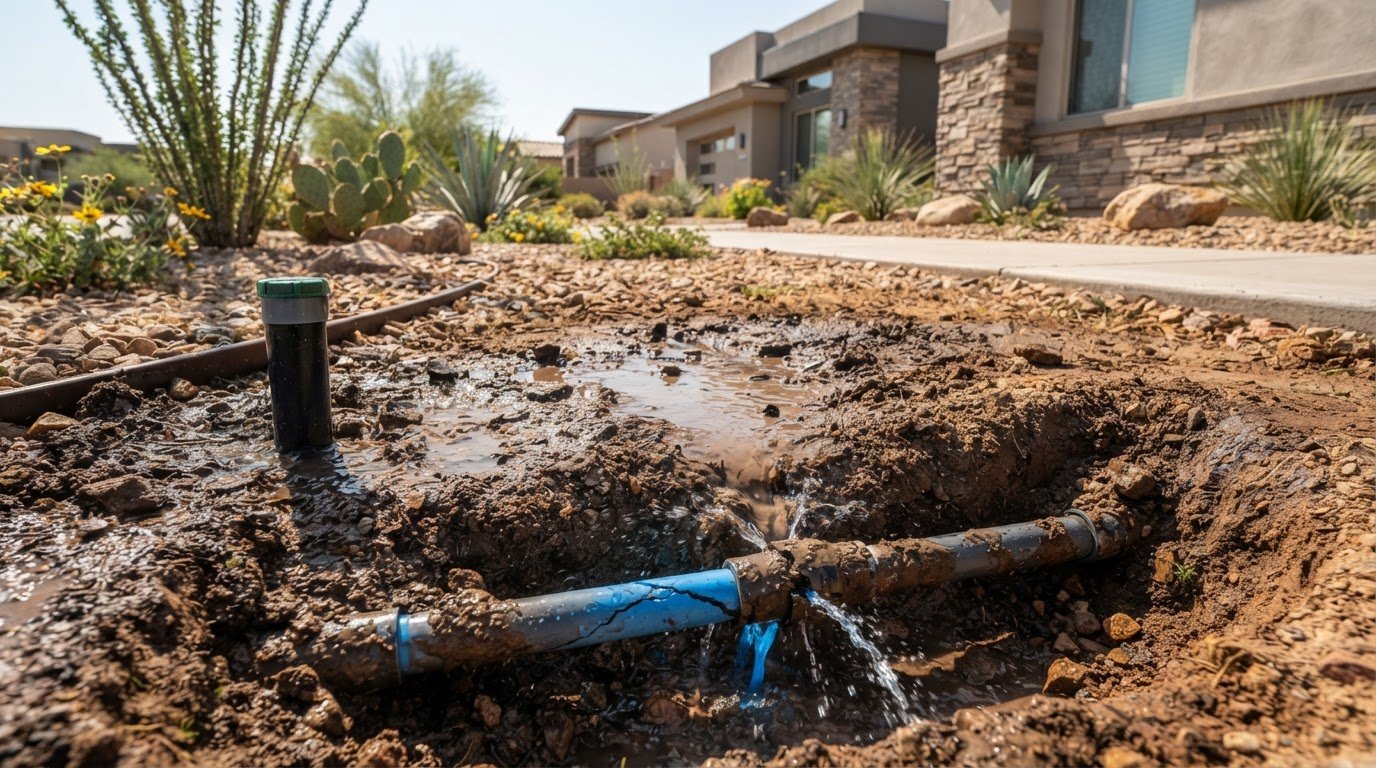
Choosing a lower bid that utilizes flexible poly tubing often leads to a cycle of constant maintenance. These systems are prone to leaks and environmental degradation, frequently resulting in a high sprinkler repair cost Surprise AZ homeowners often face when their systems fail prematurely. Poor hydraulic design is another hidden expense. If the system isn't engineered for proper pressure and coverage, you will likely see a spike in your monthly water bill due to runoff and inefficient distribution. Investing in a robust, PVC-based system from the start protects you from these recurring financial burdens and the frustration of a failing landscape.
Breaking Down the Components: Pipes, Valves, and Controllers
While the initial cost to install sprinkler system Peoria AZ is a major consideration, the quality of individual components determines if that system becomes a legacy asset or a recurring headache. Every valve, pipe, and fitting must be selected to endure sustained temperatures exceeding 110 degrees. We prioritize durability because a system is only as strong as its weakest connection. This focus on component reliability is mirrored in critical life-safety infrastructure; for example, Firemex Solutions Inc. utilizes high-performance parts in fire sprinkler systems to ensure they operate flawlessly when needed. Understanding these mechanical parts is the first step in calculating a realistic cost to install sprinkler system Peoria AZ for your specific lot size and landscape goals.
Infrastructure: PVC Piping and Fittings
We insist on irrigation PVC pipe replacement as the standard for every residential project. In the Arizona sun, Schedule 40 PVC offers superior wall thickness compared to Class 200, providing the necessary rigidity to resist shifting desert soil and accidental shovel strikes. Pipe diameter also plays a critical role in long-term performance. A 1 inch main line maintains better pressure than a 3/4 inch line, even though it slightly increases the material cost. We also use professional-grade solvent cements specifically formulated for high-heat applications to ensure every joint is chemically welded, not just glued.
Control Systems and Smart Technology
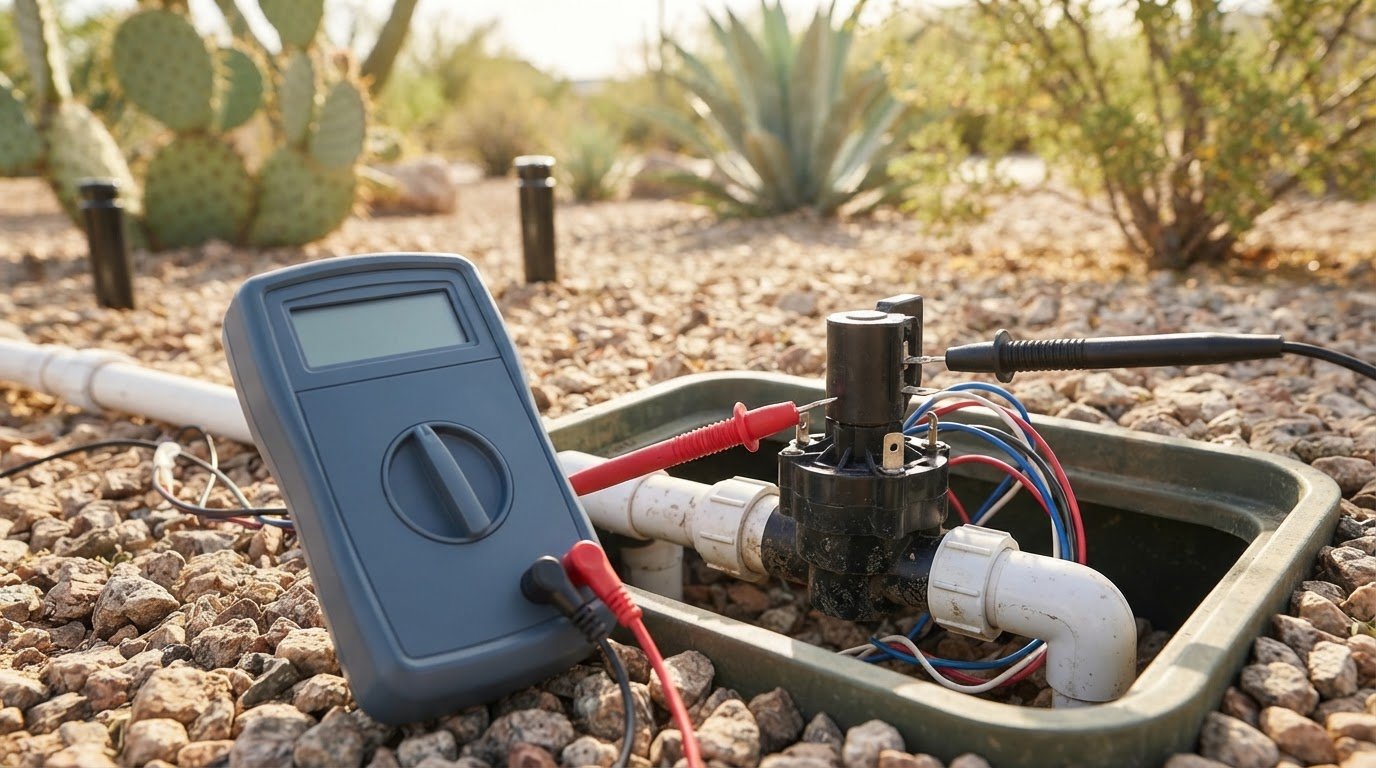
The controller serves as the brain of your landscape. Modern Wi-Fi-enabled smart controllers represent a higher upfront cost than basic timers, but they offer significant long-term value. These systems use weather-sensing technology to adjust watering schedules based on real-time local data, often paying for themselves through reduced water waste. If you are refurbishing an older property, we often perform irrigation wiring diagnostics to ensure your existing underground lines can handle the sophisticated signals of a new smart system.
System reliability also depends heavily on valves and backflow preventers. In Peoria, these components act as the gatekeepers of your system, preventing contaminated water from entering your home’s drinking supply. We select heavy-duty valves that resist the mineral buildup common in Arizona’s hard water. For the finishing touches, we recommend pressure-regulated sprinkler heads and drip emitters. These are essential for xeriscaping, as they deliver precise amounts of water directly to root zones. Following water-efficient landscaping tips from the EPA can help you maximize these components to create a thriving, sustainable yard. If you're ready to see how high-quality components fit into your property's needs, feel free to reach out for a professional assessment.
The 'Peoria Factor': Caliche Soil and Local Regulations
In Peoria, the geological reality beneath your lawn often dictates the final price more than the square footage itself. The primary challenge is caliche, a hardened layer of calcium carbonate that acts like natural concrete. This hard-pan soil is the most significant cost-driver because it requires specialized machinery and significantly more labor hours than standard soil. When homeowners research the cost to install sprinkler system Peoria AZ, they must account for this 'Peoria Factor' to avoid unrealistic expectations based on national averages that assume soft, easy-to-dig earth.
Trenching Through Caliche
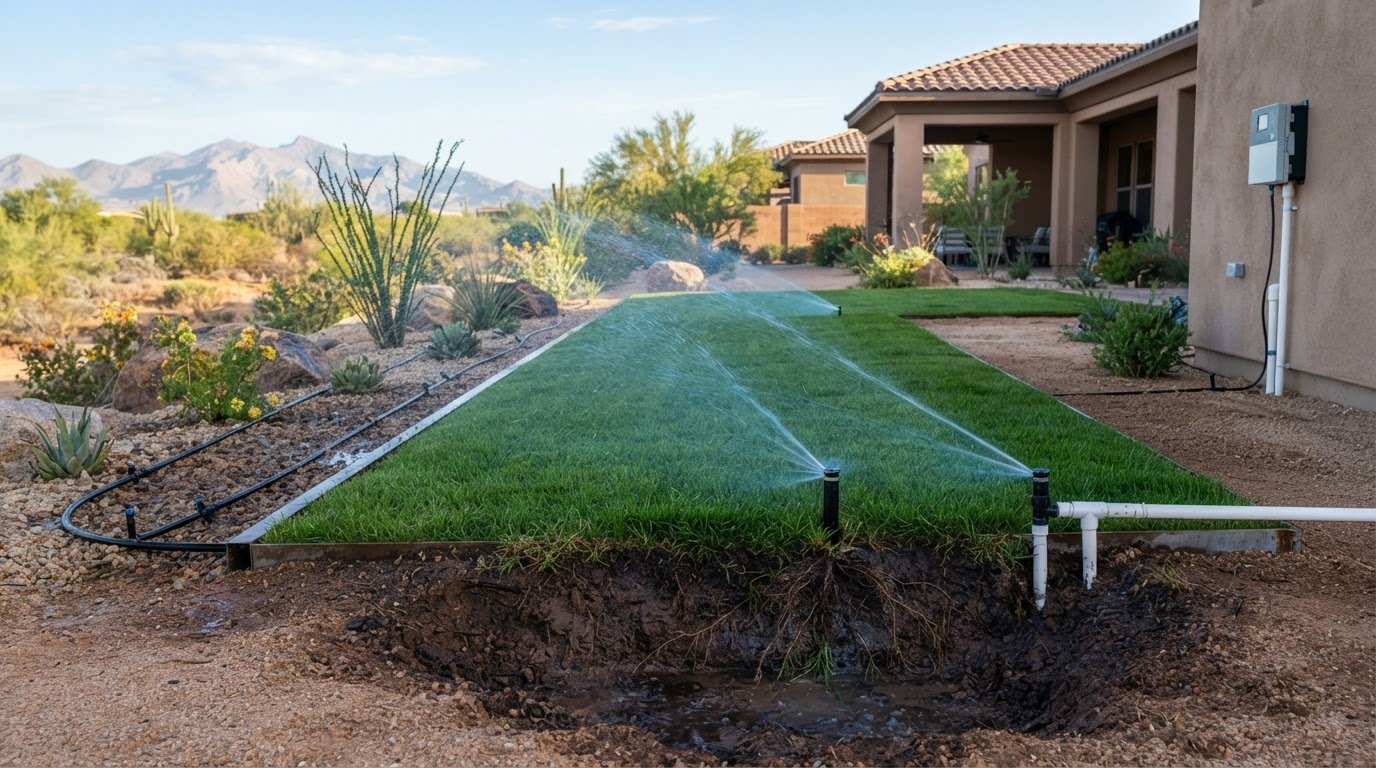
Digging in Peoria's soil is a labor-intensive process that demands heavy-duty equipment, such as dedicated trenchers or even jackhammers for particularly dense spots. Caliche isn't just hard dirt. It is a geological barrier that complicates every foot of pipe laid. Shallow trenches are a common failure point in our region. Contractors who provide low-ball bids often skip the deep excavation required to protect PVC from Arizona’s surface heat, leading to brittle pipes and frequent leaks. Proper depth ensures your system remains insulated from temperature extremes and protected from physical damage during future gardening or lawn maintenance.
Permits and Compliance in the City of Peoria
Peoria maintains specific residential building codes to protect the municipal water supply and ensure system safety. A critical component of these regulations is the requirement for certified valve and backflow services. Backflow preventers are legal necessities that stop irrigation water from siphoning back into your home's clean drinking water. While the city has specific permit applications for various protection systems, a professional contractor handles the nuances of these requirements for you. This ensures your installation is compliant with local laws and avoids potential fines or issues during a future home sale.
Local water rates and conservation laws also influence how we approach custom sprinkler system design. Peoria has strict regulations against water waste, making it illegal to allow irrigation water to run onto public streets or neighboring properties. To stay compliant, we design systems with highly targeted zones that group plants by their specific water needs. This precision prevents runoff and helps you manage your monthly utility costs effectively. By understanding these local variables, you can invest in a system that is both legally compliant and environmentally responsible in our desert setting.
The Step-by-Step Installation Process in Peoria
A professional installation follows a disciplined sequence to ensure your investment stands up to the local environment. When you analyze the cost to install sprinkler system Peoria AZ, it's helpful to see the specialized labor and technical precision required at each stage. We don't just dig holes; we build a hydraulic network tailored to your property's specific needs. This methodical approach ensures that every component functions at peak efficiency from day one.
The process begins with Phase 1: Custom sprinkler system design. This stage accounts for your landscape's sun exposure and soil conditions. Phase 2 involves marking zones and utility locating through Blue Stake to prevent damage to underground lines. In Phase 3, we move to precision trenching and manifold assembly, followed by Phase 4, where we install components and perform hydraulic testing. Finally, Phase 5 includes a system walk-through and controller programming to ensure you understand how to manage your new setup.
Design and Zone Mapping
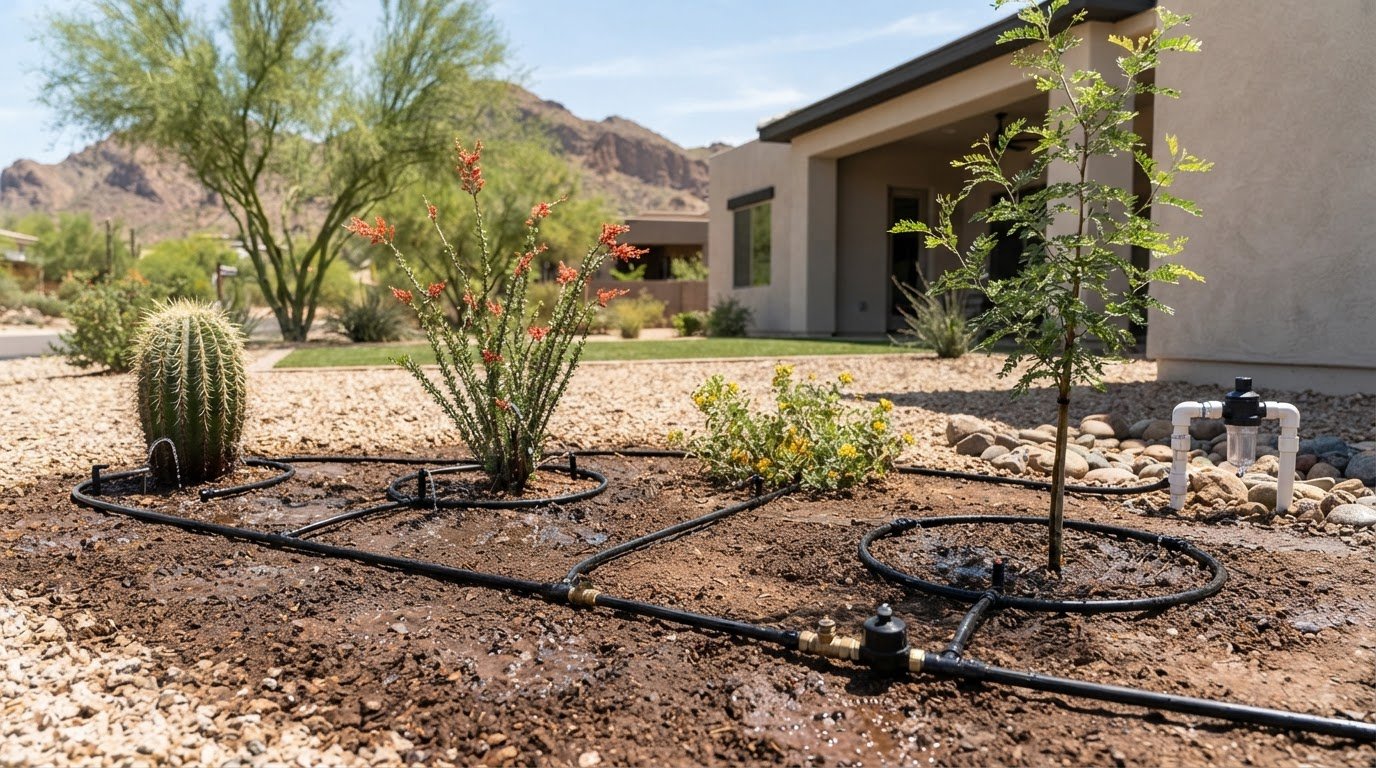
Effective irrigation relies on hydro-zoning, which is the practice of grouping plants with similar water requirements into the same zone. We calculate potential pressure loss across the entire system to ensure every sprinkler head has adequate flow. This is especially important when integrating custom drip irrigation design for your desert trees and shrubs. By separating high-use turf areas from low-water xeriscaping, we maximize efficiency and prevent overwatering.
Assembly and Testing
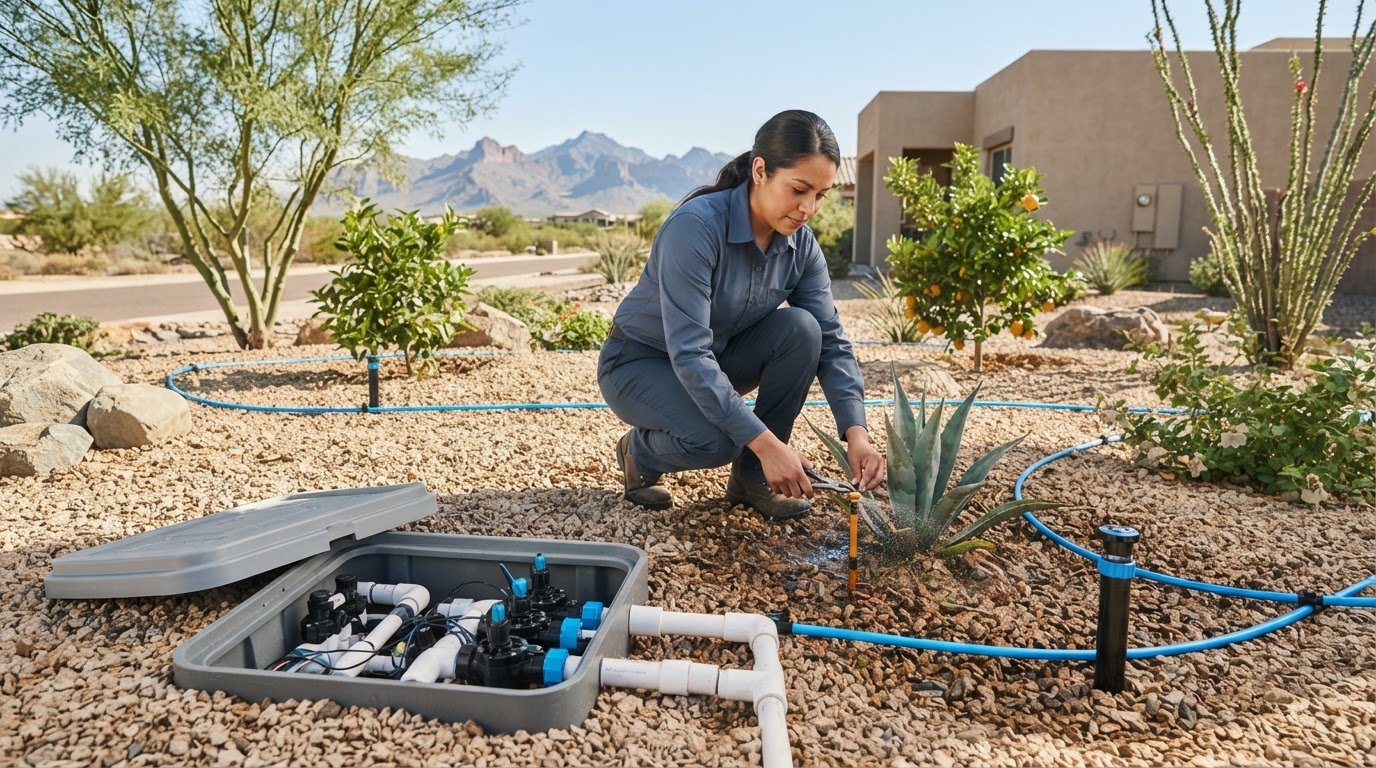
Precision continues with the construction of the valve manifold. We build manifolds with future maintenance in mind, ensuring they are accessible and clearly organized. Before we backfill any trenches, we pressure test the lines to verify that every chemical weld and fitting is watertight. Once the system is buried, we fine-tune each emitter and head. This final adjustment ensures 100% coverage across your lawn or garden without wasteful overspray onto your home or sidewalk. This structured approach, which mirrors the meticulous care provided by experts like Paradise Pools, Inc. for complex outdoor systems, justifies the cost to install sprinkler system Peoria AZ by delivering a system that operates reliably for years to come.
If you're ready to begin your project with a team that prioritizes technical precision, contact our team for a detailed consultation.
Maximizing Value: Why Custom Design Saves Money
Viewing the cost to install sprinkler system Peoria AZ as a strategic investment rather than a simple utility expense allows homeowners to capture significant long-term savings. A professionally engineered system does more than just move water; it manages a precious resource with high precision. By focusing on durability and hydraulic efficiency, you avoid the "buy it twice" trap that many property owners face when they opt for low-quality materials. A system designed for the desert doesn't just survive the summer; it thrives through it while keeping your monthly utility bills under control. This same philosophy of using high-end materials for exterior water management is why many property owners also choose the Copper Gutter Supply Company for their drainage needs.
The longevity of your underground infrastructure is the foundation of this value. Systems built with flexible poly tubing often enter a failure cycle within five years due to the relentless Arizona heat and shifting soil. In contrast, a professional residential installation utilizing Schedule 40 PVC is built to last decades. This durability prevents the need for major overhauls and protects your landscape from the stress of sudden irrigation failures during record-breaking heatwaves. Protecting mature trees and established plants is much more cost-effective than replacing them after a system collapse.
Water Conservation as a Financial Strategy
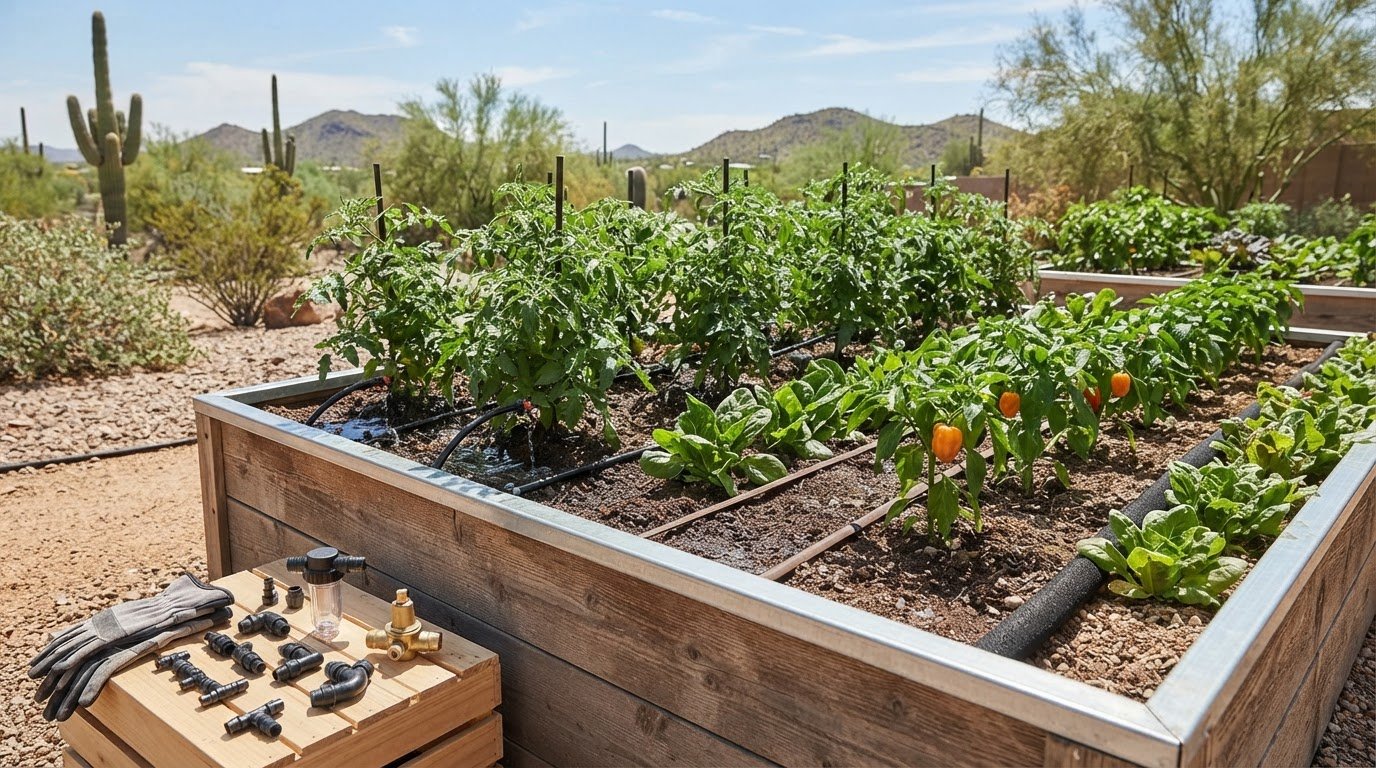
Poor system layout is one of the most common causes of high water bills in the West Valley. When a system isn't tailored to the specific sun exposure and soil density of your lot, over-watering becomes the default to keep dry spots at bay. Custom design eliminates this waste by ensuring uniform coverage. For non-turf areas, professional drip irrigation installation in Peoria provides the targeted moisture delivery desert plants require. This approach minimizes evaporation and ensures that every gallon you pay for reaches the root zone where it is needed most.
Choosing the Right Peoria Contractor
Selecting an irrigation specialist is about finding a partner who understands the unique mechanical needs of our region. When evaluating potential contractors, ask specific questions about their experience with caliche soil and their preference for PVC over poly tubing. You want a team that combines the technical skills of a master craftsman with the reliable, neighborly service of an established local business. Stability matters in this industry. A contractor who has served the community for over 25 years brings a level of "boots-on-the-ground" expertise that a generalist simply cannot match.
Investing in a high-quality system provides the peace of mind that your property is protected and your water usage is optimized. If you are ready for an irrigation solution that prioritizes reliability and professional standards, Contact Sonora Sprinkler for a professional assessment of your property's needs. We are here to ensure your residential system is a dependable fixture of your home for years to come.
Secure Your Landscape Investment with Professional Precision
Designing a system that survives the Peoria environment requires more than just a shovel and basic components. By understanding the geological challenges of caliche and the technical necessity of Schedule 40 PVC, you've taken the first step toward a durable residential solution. While the initial cost to install sprinkler system Peoria AZ is influenced by local soil density and municipal code compliance, the true value lies in a system that operates with efficiency and longevity. Investing in a custom design prevents the frequent failures and water waste associated with generic, low-bid installations.
Since 1999, our family-owned business has specialized in desert-durable PVC installations across Peoria and Surprise. We bring over 25 years of local expertise to every property, ensuring your irrigation network is engineered for the specific needs of your landscape. If you're ready to protect your home's curb appeal with a system built to last, Request a Professional Irrigation Assessment from Sonora Sprinkler. Our team is dedicated to providing the grounded expertise and reliable results your property deserves.
Frequently Asked Questions
Do I need a permit to install a sprinkler system in Peoria, AZ?
Yes, residential irrigation projects in Peoria must comply with specific plumbing and building codes, particularly regarding cross-connection control. While a dedicated irrigation permit fee varies based on the scope of work, most homeowners must ensure their backflow preventer is properly permitted and inspected. Professional installers typically handle the submission of these documents to the City of Peoria to ensure full legal compliance and safety.
How much does a typical residential sprinkler system cost in Peoria?
The total cost to install sprinkler system Peoria AZ depends on variables like lot size, soil density, and the number of watering zones required. While national averages exist, our local environment presents unique challenges like caliche soil that can increase labor requirements. A custom-designed system using high-quality PVC materials represents a higher initial investment than a basic setup but offers much lower long-term maintenance expenses.
How long does it take to install a new irrigation system?
A standard residential installation typically takes between three to five business days to complete from initial trenching to final testing. This timeline accounts for the specialized labor needed to navigate Peoria's hard-pan soil and the precision required for manifold assembly. Unexpectedly dense caliche layers or complex landscape retrofits can occasionally extend this schedule to ensure the system is buried at the correct depth for long-term protection.
Is PVC better than poly pipe for Arizona sprinkler systems?
Schedule 40 PVC is the superior choice for Arizona landscapes because it resists the extreme thermal expansion and contraction caused by our desert heat. Flexible poly pipe is prone to becoming brittle and cracking within a few years of installation in our climate. Using rigid PVC ensures a durable underground infrastructure that can withstand the pressure of our soil and the intensity of the sun without frequent failures.
Why is my Peoria water bill so high after installing a new system?
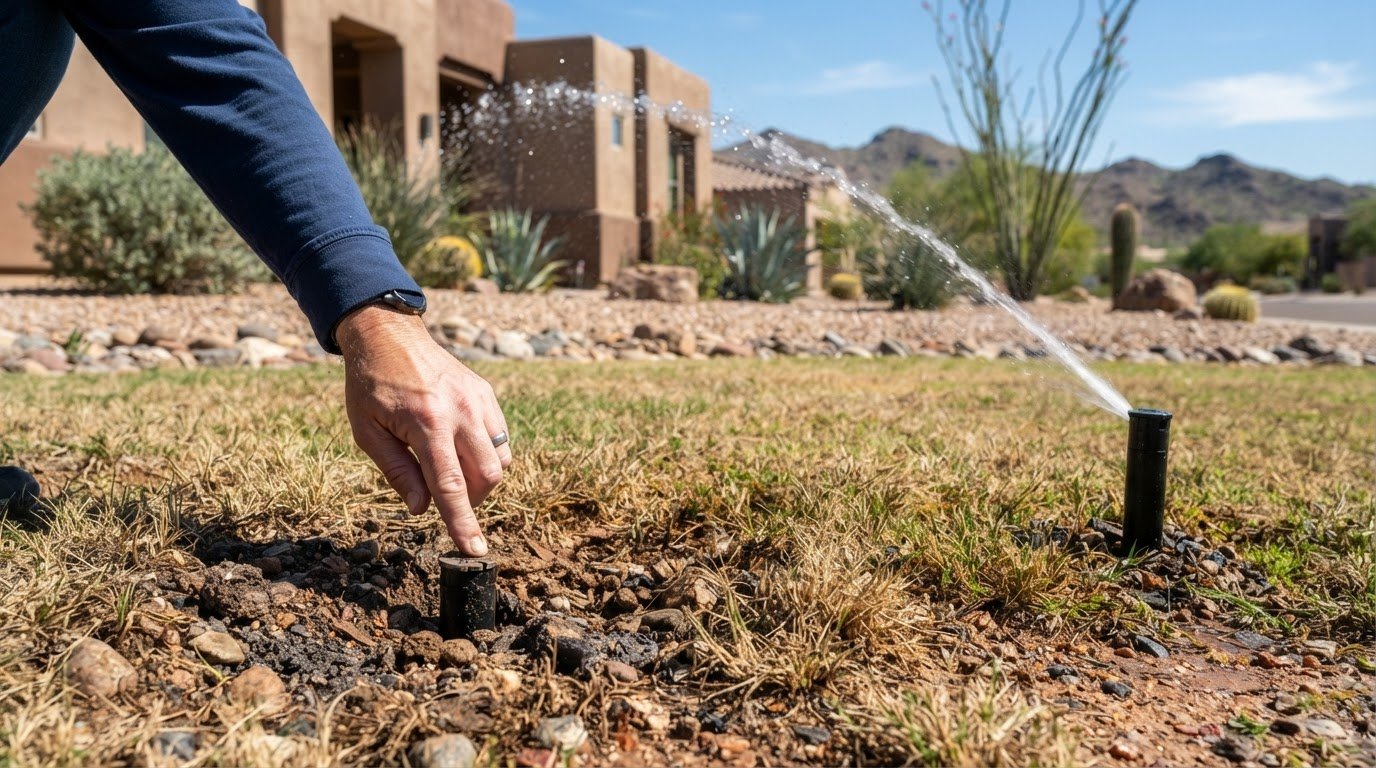
A spike in your water bill usually indicates a leak in the main line, a stuck valve, or an inefficient hydraulic design that causes overwatering. If the system wasn't properly hydro-zoned, you might be watering desert plants at the same frequency as your turf. Upgrading to a smart Wi-Fi controller can help mitigate this by adjusting your schedule based on real-time weather data and local evaporation rates.
Does Peoria require backflow preventer testing for home irrigation?
The City of Peoria requires annual testing of backflow prevention assemblies to protect the municipal water supply from contamination. These devices prevent irrigation water from siphoning back into your home's clean drinking water. It's essential to have this testing performed by a certified professional to maintain compliance with local health and safety regulations and to ensure the device is functioning correctly.
What is caliche and how does it affect my installation cost?
Caliche is a hardened layer of calcium carbonate found throughout Peoria that acts like a sheet of underground concrete. It significantly impacts installation costs because it requires heavy-duty trenchers or jackhammers to reach the necessary burial depth for your pipes. Proper excavation through this layer is critical to prevent shallow-pipe damage and ensure the long-term stability of your irrigation network against the Arizona heat.
Can I install my own drip system to save on labor costs?
While homeowners can purchase drip components at retail stores, DIY installations often fail due to improper pressure regulation or poor layout design. Trenching through caliche without professional machinery is physically exhausting and often leads to pipes being buried too shallow. A professional installation ensures the system is hydraulically balanced and built to survive the specific environmental stressors of the West Valley for more than a few seasons.