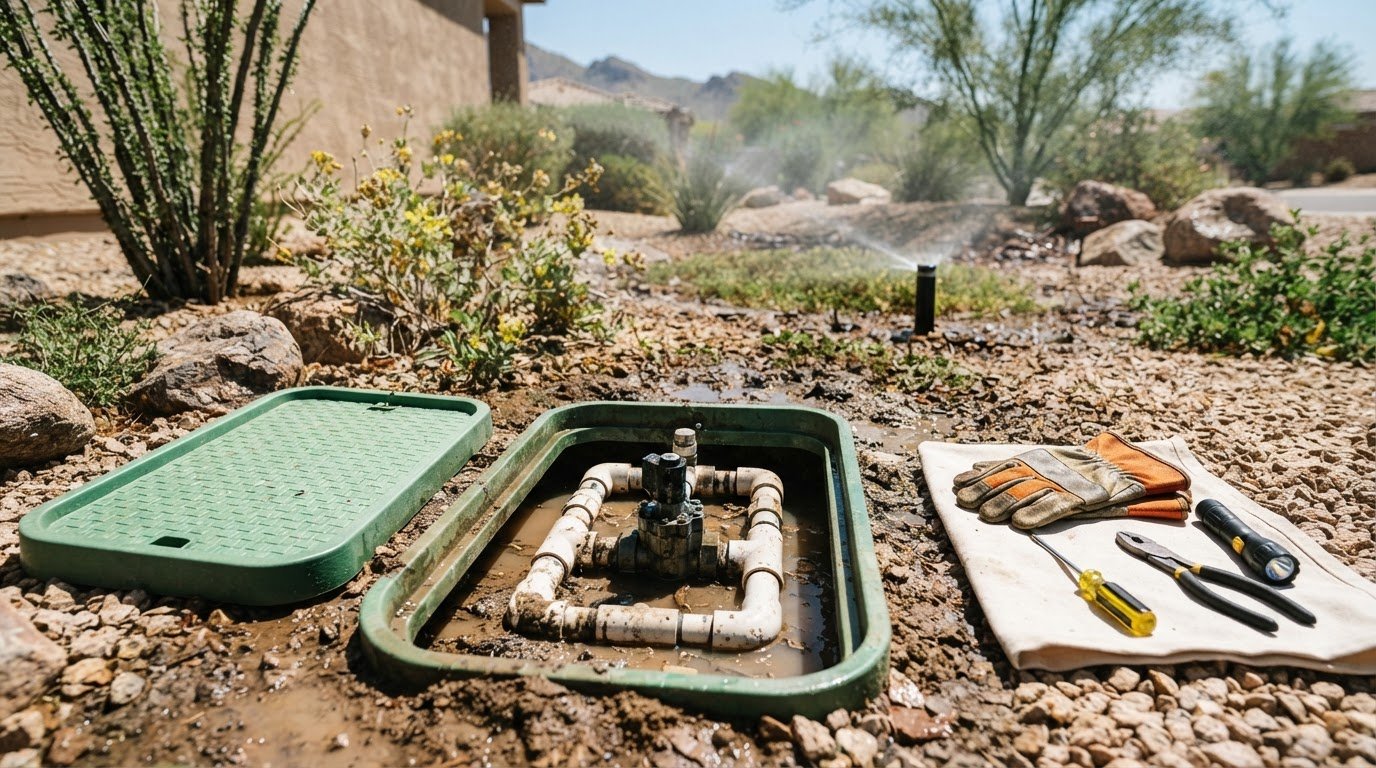
What if the only thing standing between your family's drinking water and the fertilizers in your lawn's irrigation system is a single piece of brass currently baking in the 110-degree sun? For homeowners in Surprise and Peoria, the intense Arizona UV rays and hard water aren't just minor inconveniences. They are constant stressors that lead to sudden, expensive equipment failure. You likely already know that maintaining a desert property requires a higher level of vigilance than in other climates. When that telltale drip starts or the city sends a compliance notice, your first concern is naturally the cost to replace backflow preventer Arizona.
It's frustrating to face an unexpected repair, especially when municipal codes and different device types like PVBs or RPZs add layers of confusion. This guide provides the clarity you need by breaking down the real-world expenses involved in a professional replacement. We will explore the variables that influence labor rates, the price of high-durability parts built for the desert, and the specific 2026 testing requirements for our local communities. By the end, you'll have a clear roadmap to securing a code-compliant system at a fair price, ensuring your household water remains safe and your irrigation runs efficiently for years to come.
Key Takeaways
- Understand how intense desert UV exposure and extreme heat compromise the mechanical integrity of your irrigation system's safety components over time.
- Identify the primary factors that determine the cost to replace backflow preventer Arizona, including device sizing and the condition of sun-baked PVC connections.
- Evaluate whether a targeted repair kit is a viable solution or if internal pitting necessitates a full unit replacement for long-term protection.
- Navigate municipal compliance and annual testing requirements specifically for residential homeowners in the Surprise and Peoria areas.
- Discover how prioritizing residential-only expertise ensures high-quality results without the unnecessary overhead of commercial-scale irrigation services.
Understanding Backflow Prevention Costs in the Arizona Desert
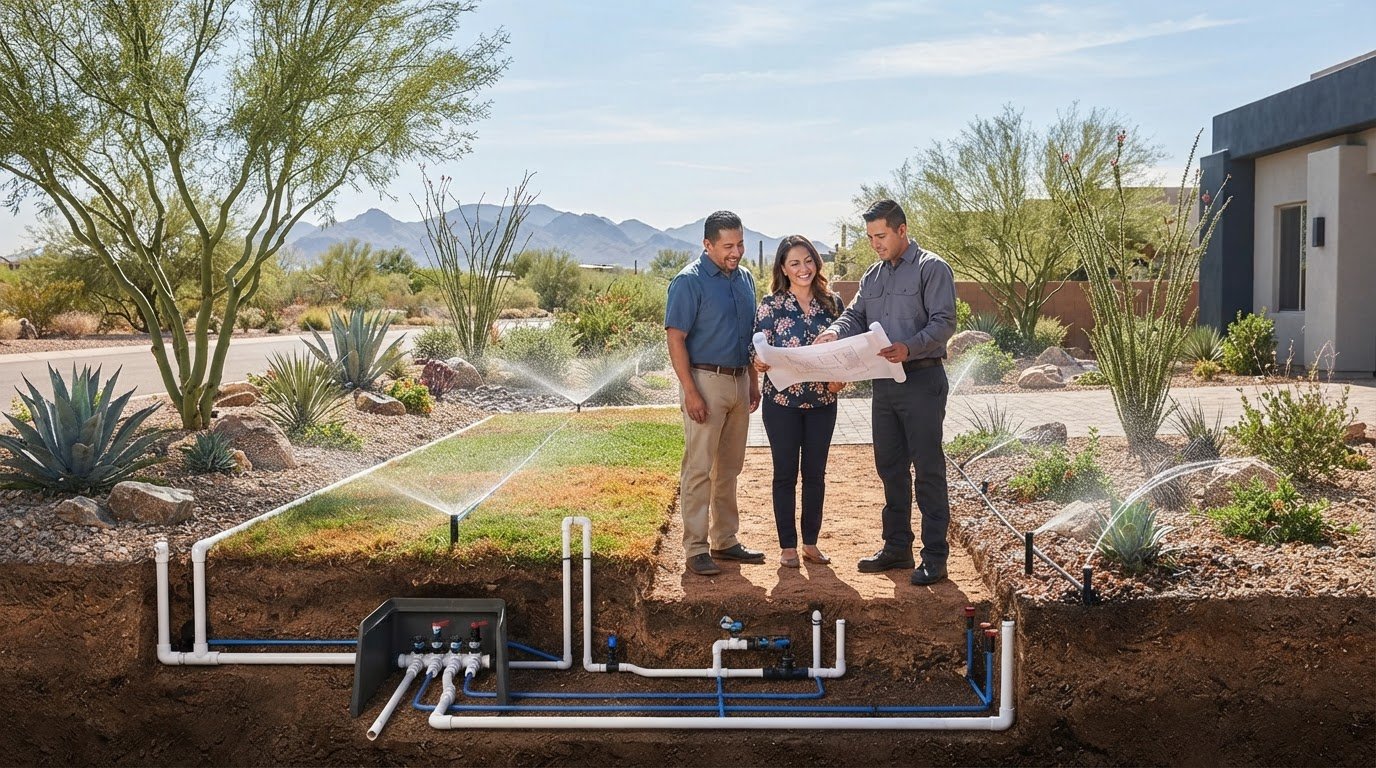
Think of your backflow preventer as the silent gatekeeper of your home's clean water supply. Its primary job is to ensure that irrigation water, which often carries fertilizers, pesticides, and stagnant bacteria, never flows backward into the pipes you use for drinking, cooking, and bathing. In the unique environment of the Sonoran Desert, this device is under constant assault from the elements. When homeowners research the cost to replace backflow preventer Arizona , they are often looking for a simple price tag. However, it's more accurate to view this expense as an investment in total system protection rather than just a part swap. In municipalities like Surprise and Peoria, these assemblies aren't just a recommendation; they're a legal requirement to protect the public water grid from cross-connection contamination.
Why Backflow Devices Fail in Arizona
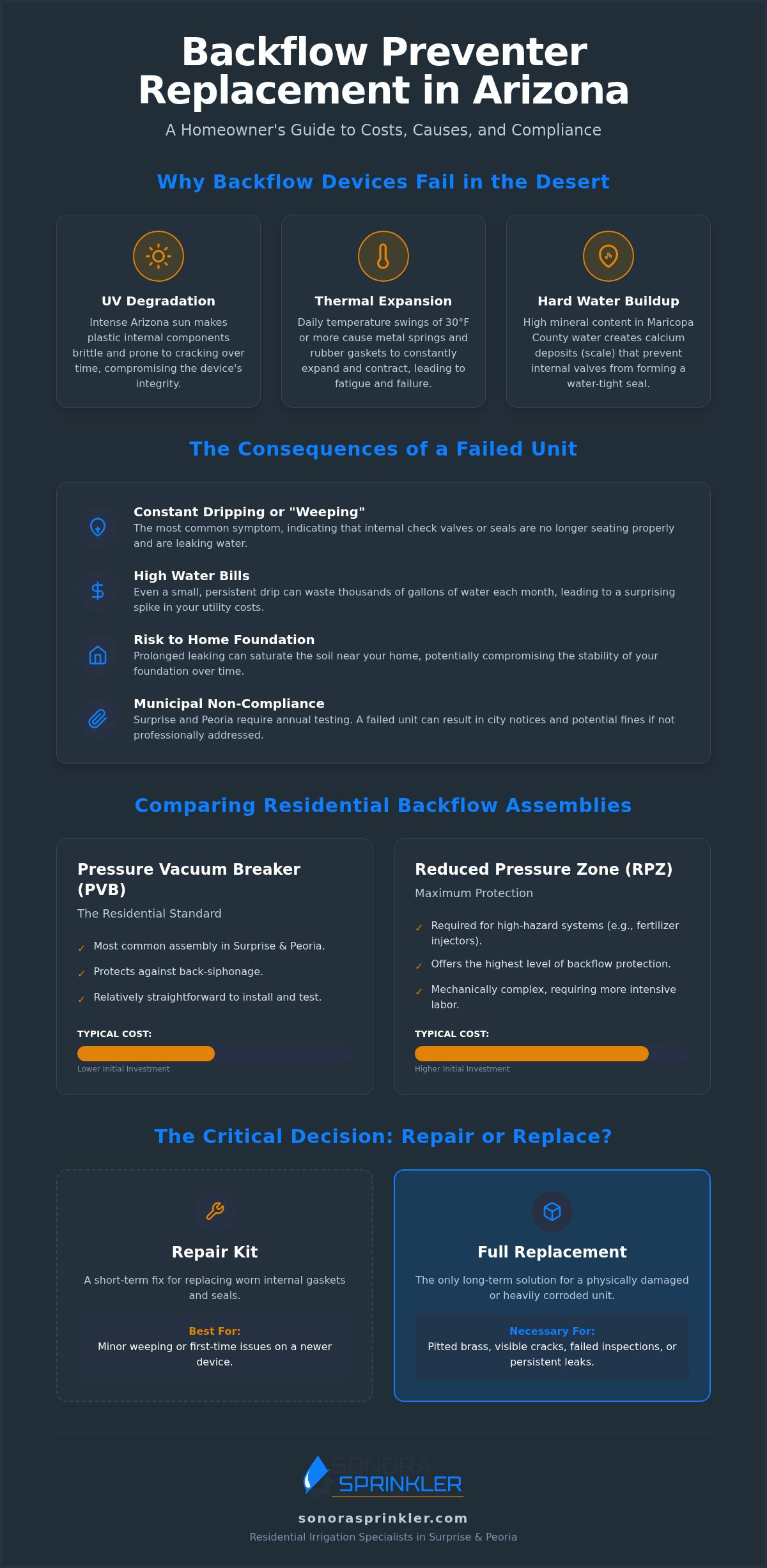
Our desert climate creates a specific set of mechanical challenges that differ significantly from other regions. The most prominent issue is thermal expansion. As temperatures swing 30 degrees or more between day and night, the metal and plastic components within the assembly expand and contract. This constant movement stresses internal springs and rubber gaskets. Additionally, the high mineral content typical in Maricopa County water leads to "hard water" buildup. These calcium deposits settle on the internal seats, preventing the device from sealing correctly. Perhaps most destructive is UV degradation. Most residential setups rely on a Pressure Vacuum Breaker (PVB). Because these are installed above ground, the intense Arizona sun makes the plastic internal components brittle over time. Understanding What is a Backflow Preventer? helps clarify why these precise internal tolerances are so easily disrupted by our local environmental stressors.
The Consequences of a Failed Unit
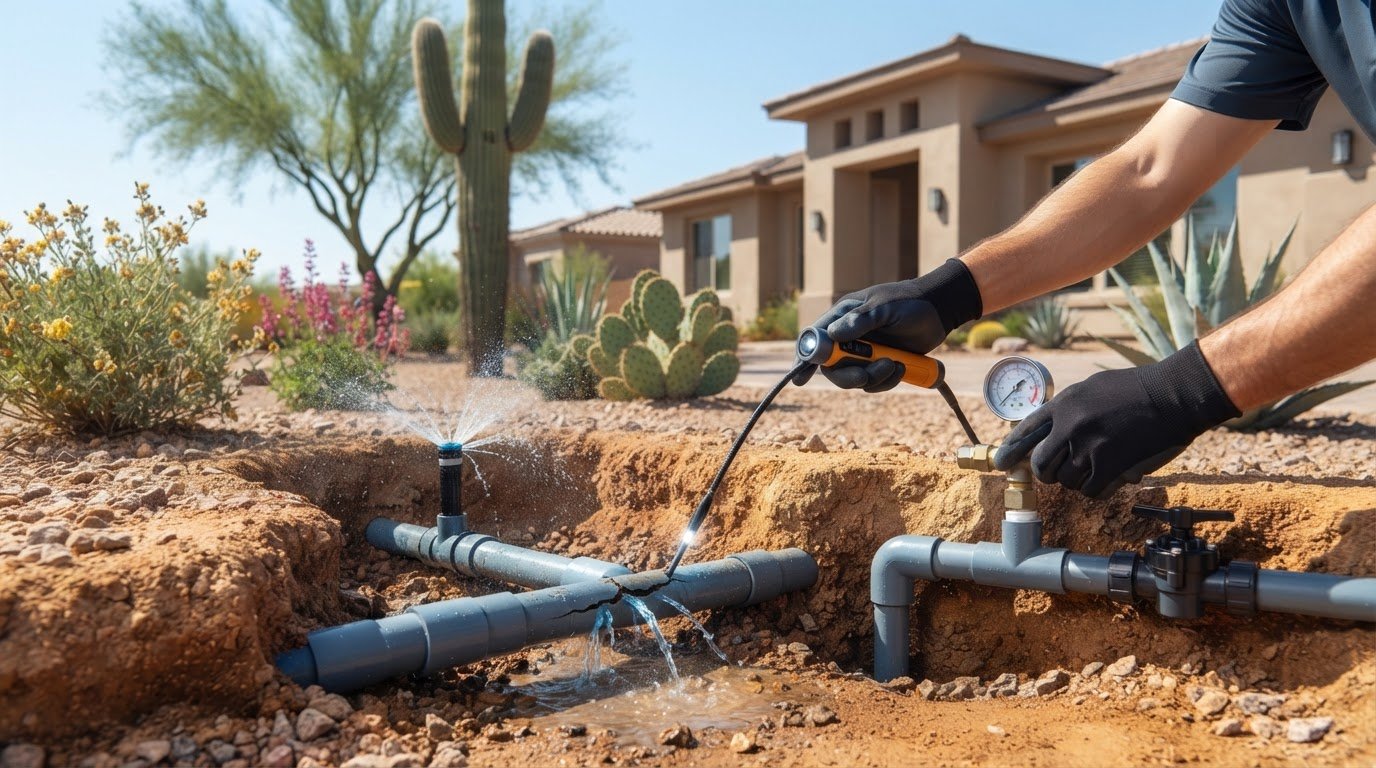
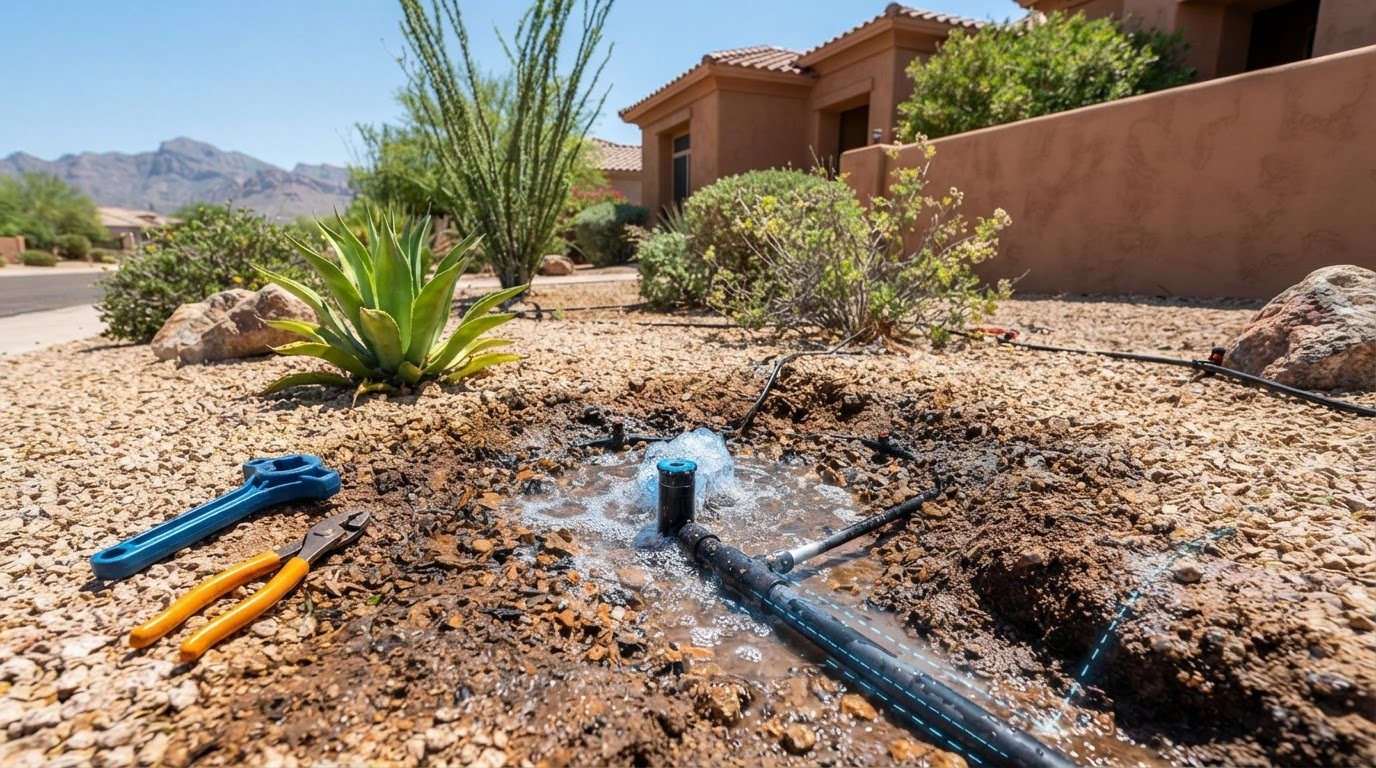
A malfunctioning device is rarely a silent problem. It usually manifests in ways that impact both your safety and your wallet. If you notice your unit is "weeping" or constantly dripping from the bell housing, it's a sign that the internal check valves aren't seating properly. This leads to surprisingly high monthly water bills and can eventually saturate the soil around your home's foundation. Beyond the financial impact, there's the risk of municipal non-compliance. Both Surprise and Peoria have active cross-connection control programs that require annual testing. A failing or leaking assembly can trigger city notices and potential fines if not addressed by a professional. Prioritizing expert Valve and Backflow Services ensures that your system remains code-compliant and your household water remains protected from the hazards of back-siphonage.
Typical Cost Ranges for Residential Backflow Assemblies
When evaluating the cost to replace backflow preventer Arizona , it's vital to distinguish between the price of the physical hardware and the total professional installation. In 2026, material costs for lead-free brass assemblies have stabilized. However, the labor involved in a desert environment often includes more than just threading on a new part. Often, we find that the surrounding PVC has become brittle from years of sun exposure, requiring additional pipe replacement to ensure a secure, leak-free connection. Homeowners should view the total expense as a combination of high-quality components, professional labor, and the peace of mind that comes with adhering to municipal backflow prevention programs.
Pressure Vacuum Breaker (PVB) Costs
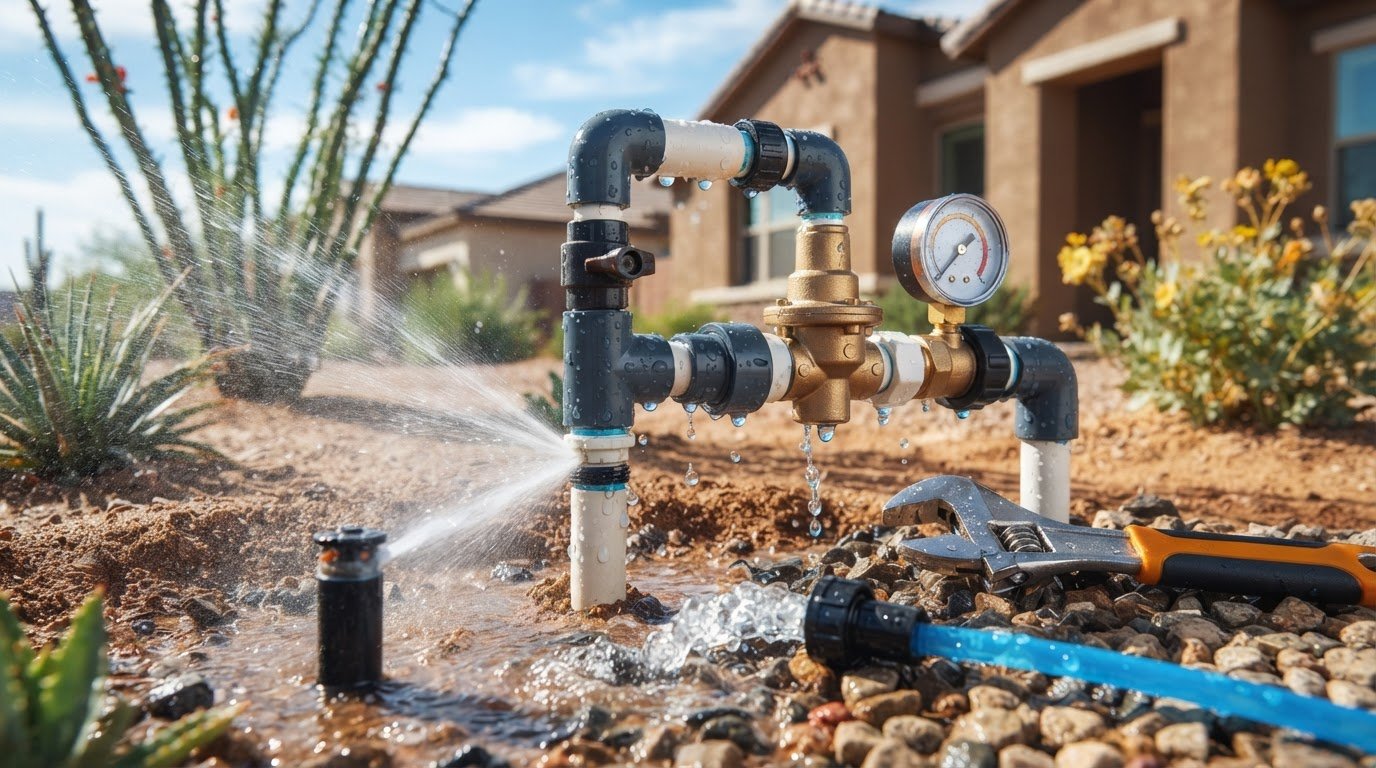
The PVB is the most common residential assembly found throughout Surprise and Peoria. It's designed for "high-hazard" irrigation systems but only protects against back-siphonage. Because these units are installed above ground, they are accessible and relatively straightforward to swap out. While internal repair kits are available, they are often a temporary fix. In the Sonoran Desert, the brass housing itself can suffer from internal pitting due to our aggressive water chemistry. When this happens, a full housing replacement is the only way to ensure the unit passes its mandatory annual inspection. Choosing a full replacement often proves more cost-effective over the long term because it resets the clock on the entire assembly's lifespan.
Reduced Pressure Zone (RPZ) Costs
RPZ assemblies are significantly more complex and robust than their PVB counterparts. These are typically required on properties with specific elevation changes or where a higher risk of contamination exists, such as systems with fertilizer injectors. An RPZ uses two independent check valves and a relief valve, offering the highest level of protection available. Because of their weight and mechanical complexity, they require more intensive labor to install correctly. These units also demand a higher level of precision during the testing phase. While the initial investment is higher, the protection they offer is unparalleled. If you are unsure which unit your property requires, you can consult with a local specialist to identify the correct assembly for your specific landscape needs.
Key Factors Influencing Your Replacement Estimate
Every property is unique, and several variables dictate the final cost to replace backflow preventer Arizona . The most immediate factor is the size of the assembly. Most residential irrigation systems in Maricopa County utilize 1-inch or 1.5-inch units. While 2-inch units exist, they are typically reserved for larger estates and come with a higher price point for both the hardware and the specialized fittings required. Accessibility also plays a role in the estimate. If your device is tucked behind mature desert landscaping or surrounded by heavy decorative rock, the labor time increases to ensure a safe and proper installation without damaging your property.
Beyond the physical components, local regulations in Surprise and Peoria influence the total project scope. In 2026, both cities maintain strict cross-connection control programs that require annual testing by a certified professional. Depending on your specific water provider, there may be administrative fees for filing these test reports online. Factoring these compliance costs into your initial project planning prevents unexpected expenses after the mechanical work is finished. A professional estimate should always account for the device, the labor, and the necessary testing to meet city standards.
Pipe Condition and Plumbing Integration
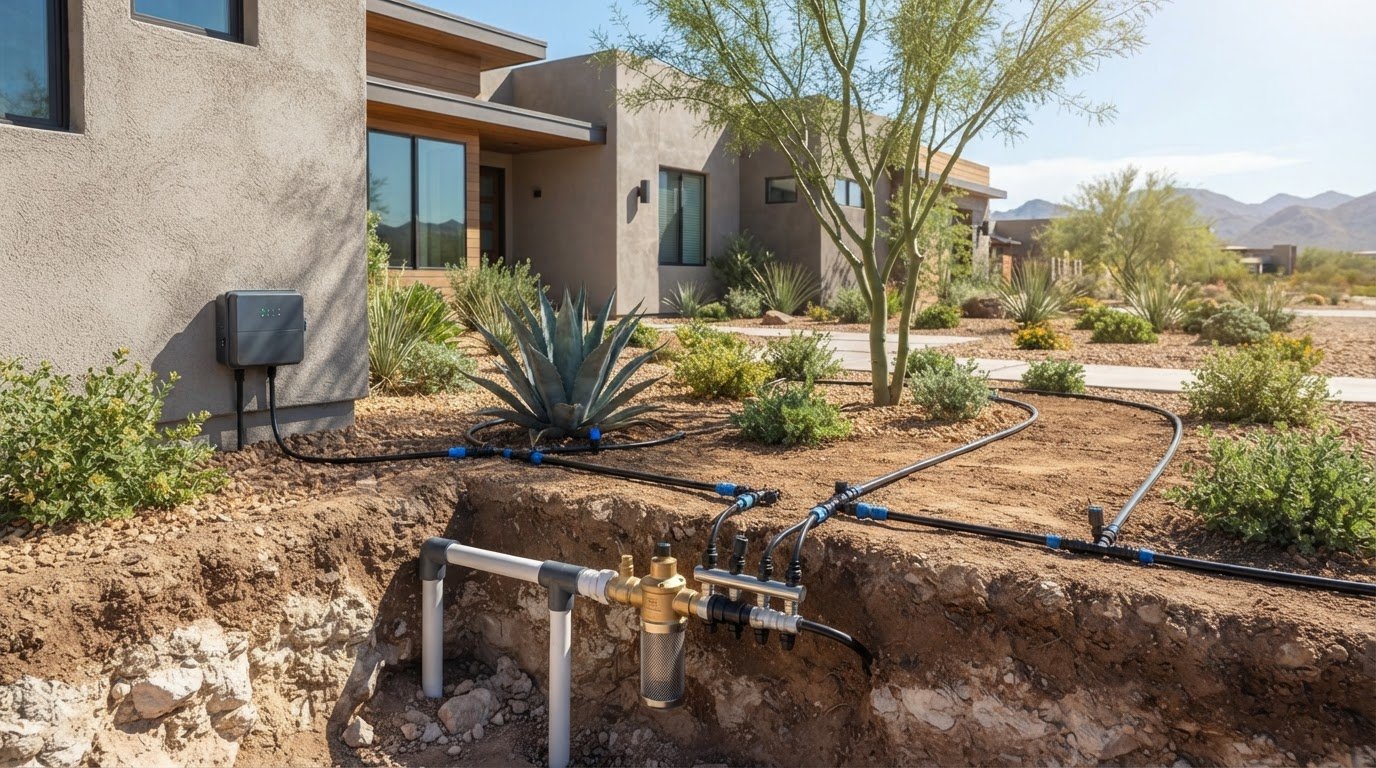
The "sun-baked" nature of Arizona PVC is a critical variable that often goes overlooked. Over time, exposed pipes become extremely brittle due to intense UV exposure. When a technician attempts to remove an old backflow assembly, these fragile pipes can shatter, requiring extensive irrigation PVC pipe replacement to restore the system's integrity. We often recommend installing new shut-off valves or unions during the replacement process. While this adds a small amount to the current project, it significantly reduces future maintenance costs by allowing for easier part swaps and winterization down the road.
Labor and Professional Expertise
Hiring a specialist who focuses exclusively on residential systems is the most effective way to manage your budget. A generalist might over-engineer a solution or suggest a commercial-grade unit that isn't necessary for a standard residential lot. Licensed technicians who follow standards set by the American Backflow Prevention Association—much like the experts at Priority Rooter & Plumbing do for homeowners in the Tucson area—bring a level of precision that ensures the job is done right the first time. This local expertise is invaluable when navigating the specific plumbing codes of the West Valley. It ensures your new assembly will pass city inspections without the need for costly rework or follow-up visits, providing a durable solution that stands up to the Arizona heat.
Deciding between a targeted repair and a full overhaul is a common challenge for homeowners in the West Valley. While the immediate cost to replace backflow preventer Arizona might seem higher than a quick fix, the long-term math often favors a fresh start. A professional repair kit, which typically includes new rubber seals and internal springs, can resolve minor issues in a unit that is only a few years old. However, the aggressive minerals in our local water supply eventually cause internal pitting in the brass housing. Once the metal surface becomes uneven or "pitted," no amount of new rubber components will create a watertight bond. In these cases, continuing to pay for repairs is simply throwing good money after bad.
When you calculate the five-year cost of ownership, a new installation often emerges as the more economical choice for older systems. Frequent service calls for a failing unit quickly add up, often surpassing the price of a single, professional replacement. A new assembly also brings the significant advantage of a manufacturer warranty and a "zero-hour" clock on every component. This peace of mind is invaluable, especially when city compliance is on the line. Starting fresh ensures that your system is equipped with the latest lead-free brass technology and high-durability internal parts designed to withstand our unique desert environment.
Signs Your Device is Eligible for Repair
Minor mechanical issues don't always require a full system tear-out. If you notice a slight "weeping" from the top canopy or vent, it's often a sign that a single internal part like a poppet or bonnet has worn out. Units that are less than five years old and have been protected during our occasional winter frost are prime candidates for a repair kit. As long as the heavy brass body remains structurally sound and free of internal corrosion, replacing the "guts" of the assembly can restore full functionality and ensure it passes the mandatory annual test. This approach is a cost-effective way to extend the life of a relatively modern system.
When Replacement is the Only Logical Choice
There are specific mechanical failures where a repair is no longer a viable option. Visible cracks in the brass body, often caused by trapped water expanding during a freeze, are a definitive "point of no return." Similarly, if your unit is an obsolete model, finding certified replacement parts can be nearly impossible and prohibitively expensive. You can find more detailed diagnostic tips by reviewing this guide on expert backflow preventer repair in Surprise. If your assembly has reached the end of its functional life, the most responsible path forward is a professional upgrade. Contact our residential specialists to receive a transparent estimate for a durable, code-compliant replacement.
Professional Backflow Solutions in Surprise and Peoria
Sonora Sprinkler Inc. understands that your home is your most significant investment. When evaluating the cost to replace backflow preventer Arizona , you deserve a partner who prioritizes the safety of your family's water supply without the distractions of commercial-scale projects. As a family-owned business serving the Surprise and Peoria communities since 1999, we've built our reputation on honest, transparent communication. We don't believe in generic solutions. Instead, we apply our deep-rooted experience in desert irrigation to provide mechanical remedies that are as durable as they are precise.
Choosing a residential specialist means your project receives the attention to detail it requires. Many large-scale irrigation companies carry the overhead of heavy commercial equipment and landscaping crews, which often inflates their service rates. We've intentionally kept our focus narrow to keep our quality high. By specializing exclusively in residential systems, we ensure that every technician arriving at your door is an expert in the specific plumbing configurations and municipal requirements found in West Valley neighborhoods. This focused approach eliminates the commercial markup and ensures your system is restored to peak efficiency by a neighborly expert who understands the terrain. Many homeowners find that the initial cost to replace backflow preventer Arizona is quickly offset by the longevity of a professional, residential-grade installation.
The Sonora Sprinkler Advantage
Our tenure in the Sonoran Desert has taught us exactly which components fail and why. With over 25 years of field experience, we've seen the evolution of backflow technology and the increasing strictness of municipal codes. We only utilize high-quality, lead-free brass assemblies and heavy-duty internal components designed specifically to resist the intense Arizona heat. Our process is methodical and logical:
- Comprehensive diagnostics to identify the root cause of failure.
- Verification of current municipal testing requirements for your specific water provider.
- Precision installation using durable fittings and sun-resistant materials.
- Thorough testing to ensure code compliance and system protection.
Get a Professional Estimate Today
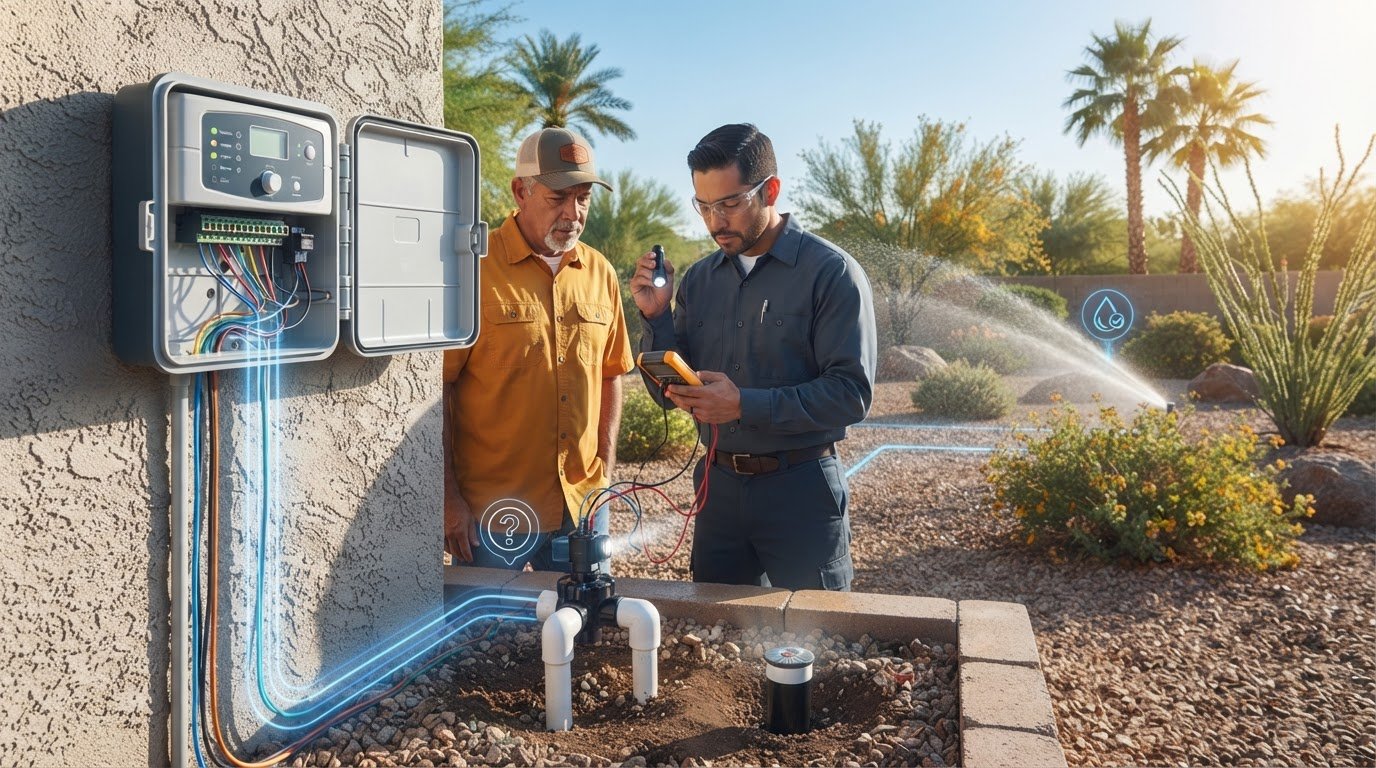
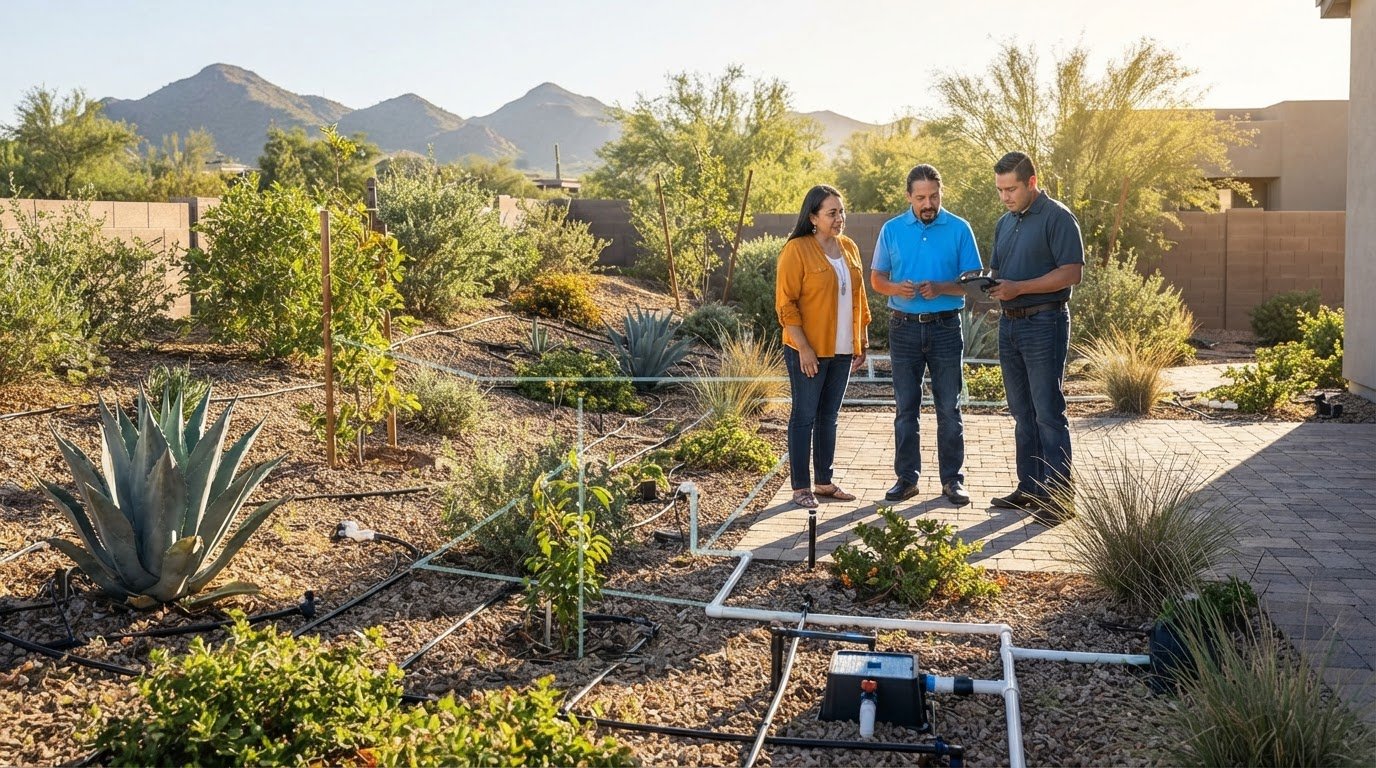
Preparing for your diagnostic visit is simple. Ensure the area around your backflow assembly is clear of debris or overhanging plants so our technicians can perform a thorough inspection. During the appointment, we'll examine the brass housing, the internal check valves, and the integrity of the connecting PVC pipes. If a replacement is necessary, we'll explain the process step-by-step, from the physical installation to the final filing of your compliance report. Taking a proactive approach today prevents the sudden, unexpected costs of a total system failure later. Contact Sonora Sprinkler for a residential backflow consultation and secure the long-term health of your property's irrigation system.
Securing Your Home’s Water Supply for the Long Term
Maintaining a safe and efficient irrigation system in the Sonoran Desert requires more than just reactive fixes; it demands a proactive understanding of how our extreme environment impacts mechanical components. By choosing a high-quality replacement over repeated, minor repairs, you ensure your property remains compliant with local codes while protecting your household's potable water. The total cost to replace backflow preventer Arizona is a vital investment in the long-term durability and safety of your residential property.
Since 1999, Sonora Sprinkler Inc. has remained a family-owned fixture in the West Valley. We focus exclusively on residential systems, which allows us to provide specialized expertise without the distractions or overhead of commercial services. Our deep familiarity with the municipal requirements in Surprise and Peoria ensures your project is handled with precision from the first diagnostic to the final city-mandated test. Request a Residential Backflow Diagnostic in Surprise or Peoria today to receive a transparent, expert evaluation of your system. We take pride in helping our neighbors maintain reliable, worry-free irrigation setups for years to come.
Frequently Asked Questions About Backflow Preventer Replacement in Arizona
How much does it cost to replace a backflow preventer in Arizona?
The total cost to replace a backflow preventer Arizona homeowners pay depends on several variables, including assembly type, pipe condition, and device sizing. A standard residential PVB replacement generally costs less than an RPZ swap due to the RPZ's greater mechanical complexity and heavier fittings. Because exposed PVC often requires replacement alongside the unit itself, homeowners should request a comprehensive estimate that covers hardware, labor, and mandatory compliance testing rather than focusing on the part price alone.
Is a backflow preventer required for residential irrigation in Surprise, AZ?
Yes, a backflow prevention assembly is legally required for residential irrigation systems in Surprise. The city maintains an active cross-connection control program designed to protect the public water supply from contamination through back-siphonage or backpressure. Homeowners who fail to maintain a functioning, properly tested device risk receiving city notices and potential fines. Contacting your specific water provider directly is the most reliable way to confirm the exact assembly type required for your property.
Can I replace my own backflow preventer to save money?
Attempting a DIY replacement is not advisable for most homeowners. Beyond the mechanical complexity of correctly threading and aligning the assembly, municipal compliance programs in Surprise and Peoria require that backflow devices be tested and certified by a licensed professional after installation. An improperly installed unit will fail its mandatory inspection, requiring a second service call that erases any savings. A professional installation done correctly the first time is consistently the more economical path forward.
How long does a backflow preventer typically last in the Arizona heat?
In the Sonoran Desert, the lifespan of a backflow assembly is shorter than national averages suggest. Extreme thermal cycling, UV exposure, and hard water mineral deposits accelerate wear on internal rubber seals and brass components. A well-maintained unit installed in a protected location can perform reliably for many years, while an exposed, untested assembly may require attention much sooner. Annual professional testing is the most practical way to catch early mechanical degradation before it becomes a full replacement event. This proactive approach is also critical for your home's cooling system, where SOCAL Heating and Air Conditioning can help prevent heat-related failures.
Does homeowner insurance cover backflow preventer replacement?
Standard homeowner insurance policies typically do not cover backflow preventer replacement resulting from normal wear, age, or UV degradation. Coverage may apply in specific situations, such as sudden physical damage caused by a covered peril, but routine mechanical failure is generally excluded. Homeowners should review their individual policy documents and speak directly with their insurance provider to understand their specific coverage terms. Treating the replacement as a planned maintenance expense is the most practical financial approach.
What is the difference between a PVB and an RPZ for residential use?
A Pressure Vacuum Breaker, or PVB, is the most common residential assembly in the West Valley. It protects against back-siphonage and is installed above ground, making it accessible for service. A Reduced Pressure Zone device, or RPZ, provides a higher level of protection using two independent check valves and a relief valve. RPZ assemblies are typically required on properties with fertilizer injectors or specific elevation conditions. A residential irrigation specialist can assess your property and identify which assembly your water provider mandates.
Why is my backflow preventer leaking from the top?
Leaking from the top canopy or vent housing is one of the most common signs of internal wear. It typically indicates that the poppet, bonnet, or internal rubber seal has degraded and is no longer creating a watertight closure. In newer units, this is often repairable with a certified kit. In older assemblies, especially those with internal pitting from hard water mineral deposits, the leak signals that the brass housing itself has compromised integrity, making a full replacement the only durable solution.
How often do I need to test my backflow preventer in Peoria, AZ?
Peoria's cross-connection control program requires that residential backflow assemblies be tested annually by a certified professional. Test results must be submitted to the water provider within the timeframe they specify. Failing to complete the annual test can result in compliance notices from the city. Scheduling your test proactively, rather than waiting for a reminder notice, ensures your system remains in good standing and gives a technician the opportunity to identify any developing mechanical issues before they cause a more serious failure.