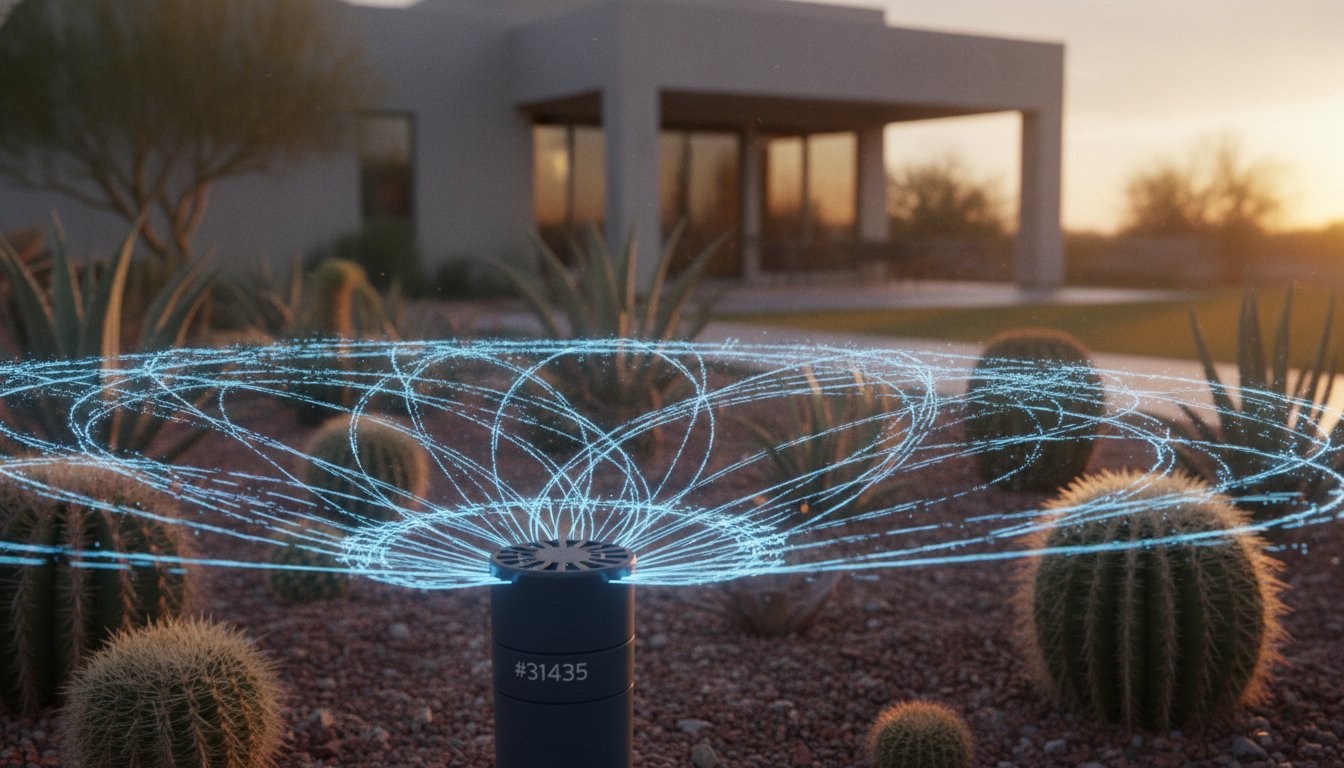
According to the Environmental Protection Agency, as much as 50% of the water applied to residential landscapes is lost to runoff, evaporation, or wind drift caused by inefficient irrigation. When you notice unexplained spikes in your municipal water bill or soggy puddles forming near your valve boxes, hiring a dedicated lawn sprinkler system repair company becomes an urgent priority. Too often, general yard care crews try to solve these issues with guesswork, swapping random nozzles while lacking the wire locators, multimeters, and pressure testing gear required to trace the actual mechanical fault.
You shouldn't have to watch your turf get torn apart just to find a subterranean PVC fracture. In this guide, you will discover how to evaluate, select, and work with a qualified residential irrigation specialist who can pinpoint hidden line leaks, restore balanced head pressure across every lawn zone, and protect your landscape. We will examine the essential diagnostics, credentials, and regional soil considerations you need to vet a contractor with total confidence.
Key Takeaways
- Hiring a dedicated lawn sprinkler system repair company ensures your property receives hydraulic diagnostic precision rather than superficial nozzle swaps from general mowing crews.
- Advanced electrical diagnostics, including multimeter wiring tests, pinpoint zone failures without prematurely condemning your controller.
- A structured vetting process protects your budget by confirming true residential focus and verified diagnostic tooling over commercial-scale operations.
- Managing regional soil challenges like dense caliche and hard-water mineral buildup demands specialized excavation methods and heavy-duty Schedule 40 PVC components.
- Upgrading outdated mechanical timers to smart weather-sensing controllers and matched-precipitation nozzles eliminates runoff and protects your landscape investment.
Why Hire a Dedicated Lawn Sprinkler System Repair Company?
Most homeowners assume their weekly mowing crew can manage sprinkler fixes, yet underground hydraulics and routine lawn maintenance require entirely different skill sets. A dedicated lawn sprinkler system repair company focuses exclusively on the physics of subsurface water delivery. Modern irrigation sprinkler systems rely on calibrated pressure differentials, precise flow rates, and electrical continuity to function correctly. When a general landscaper guesses at nozzle sizes or pipe fittings, they frequently disrupt the dynamic head pressure across your entire zone, leading to dry patches, wasted water, and burned turf.
Partnering with a seasoned contractor who specializes in residential irrigation repair Surprise AZ ensures your property benefits from proper diagnostic equipment. Instead of digging up wide swaths of healthy grass to hunt for a leak, a qualified specialist pinpoints underground failures with surgical accuracy.
To better understand how professional technicians diagnose and resolve underground pipe failures, watch this helpful video:
Irrigation Specialists vs. General Landscape Maintenance
Mowing crews excel at turf trimming and plant shaping, but they rarely carry specialized irrigation diagnostic equipment. When a lateral line develops a hairline crack under heavy soil, a mower simply cuts the wet grass above it. A true specialist deploys wire fault locators, valve chatterers, and inline pressure gauges to evaluate the system below grade. Rather than applying cosmetic band-aids to your yard, an expert protects your underground infrastructure for long-term water conservation.
Signs Your Lawn Sprinkler System Demands Professional Diagnostics
Underground sprinkler failures rarely stay hidden for long if you know what to watch for. Contact a certified lawn sprinkler system repair company when you observe these warning signs:
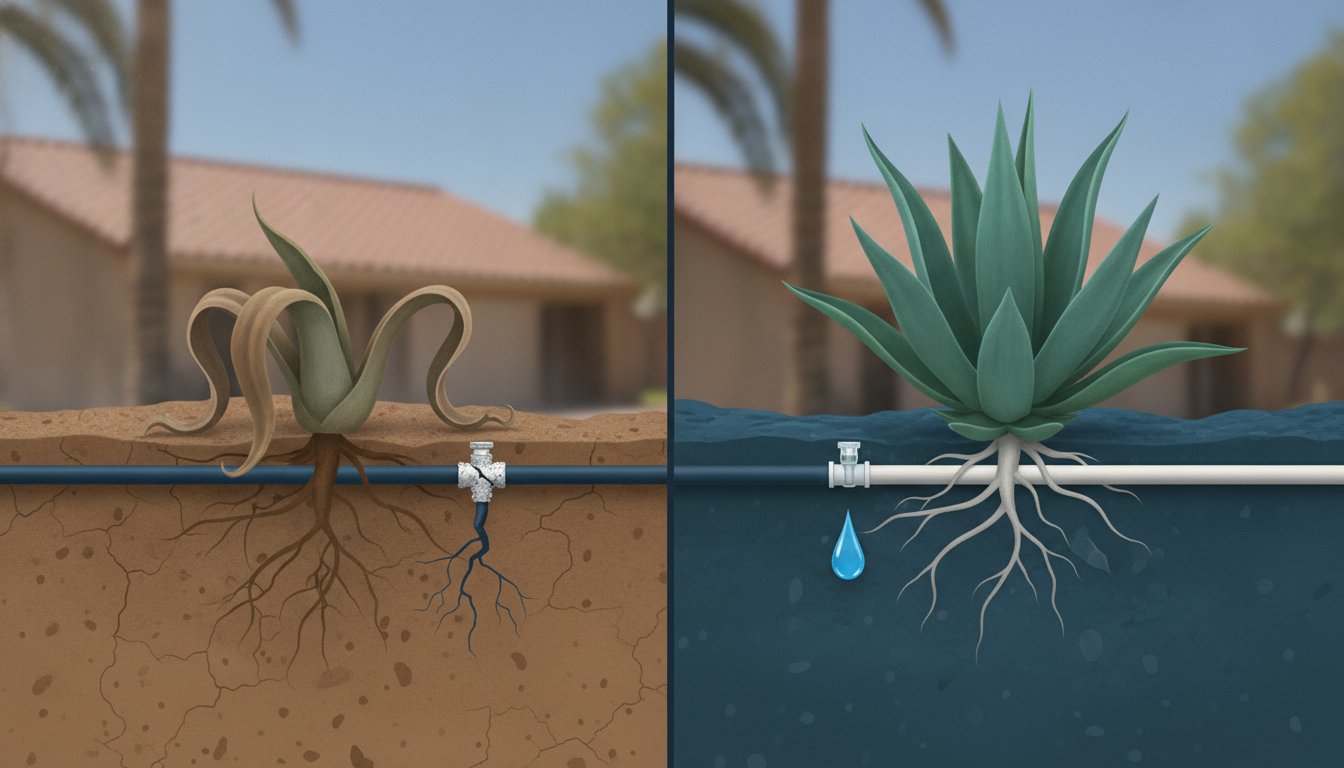
- Persistent soggy depressions: Spongy or sunken areas in the turf between heads indicate an active subsurface lateral line fracture leaking water beneath the root zone.
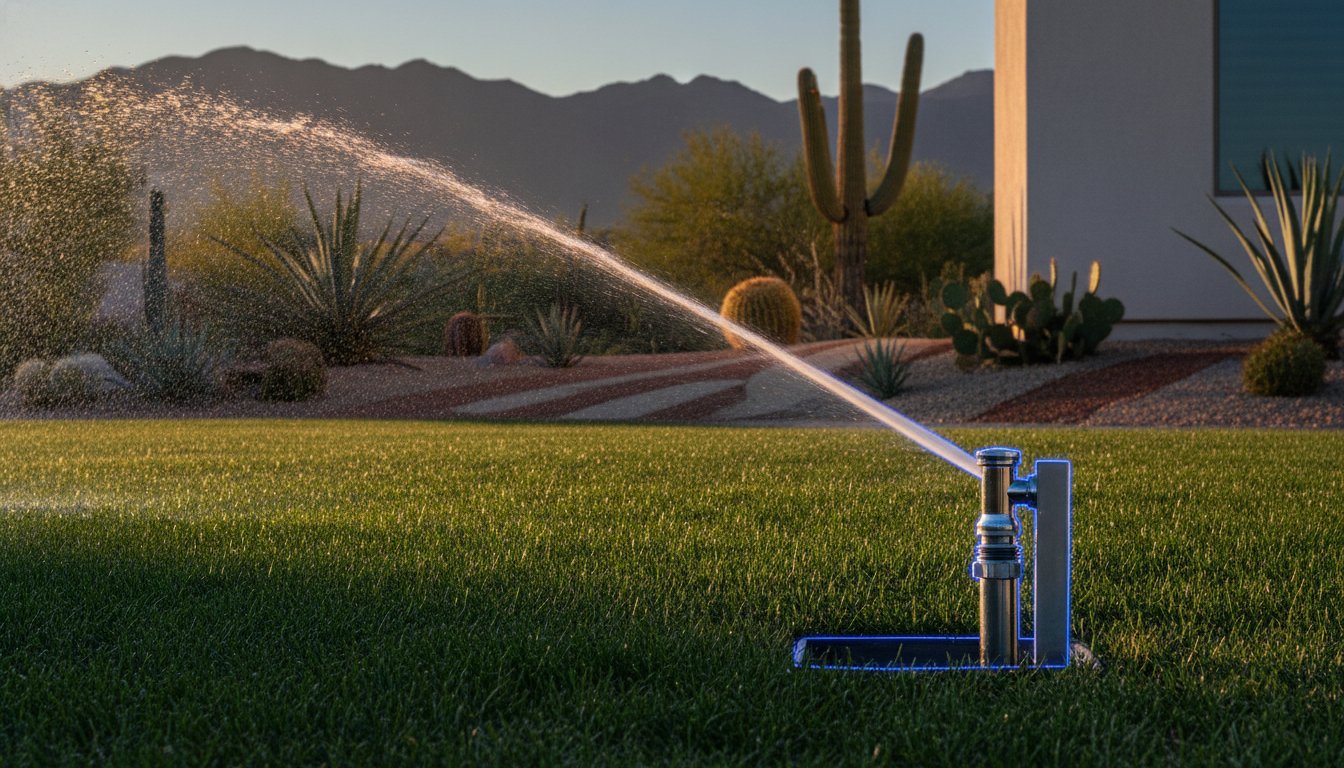
- Reduced head spray height: Pop-up sprinklers that barely rise or deliver weak streams point to major pressure drops caused by internal line breaks or failing manifold valves.
- Sputtering nozzles: Heads that hiss, cough air, or deliver mist usually signal trapped air entering through broken joints or an upstream municipal backflow preventer failure.
Core Diagnostic Services to Expect from Professional Irrigation Technicians
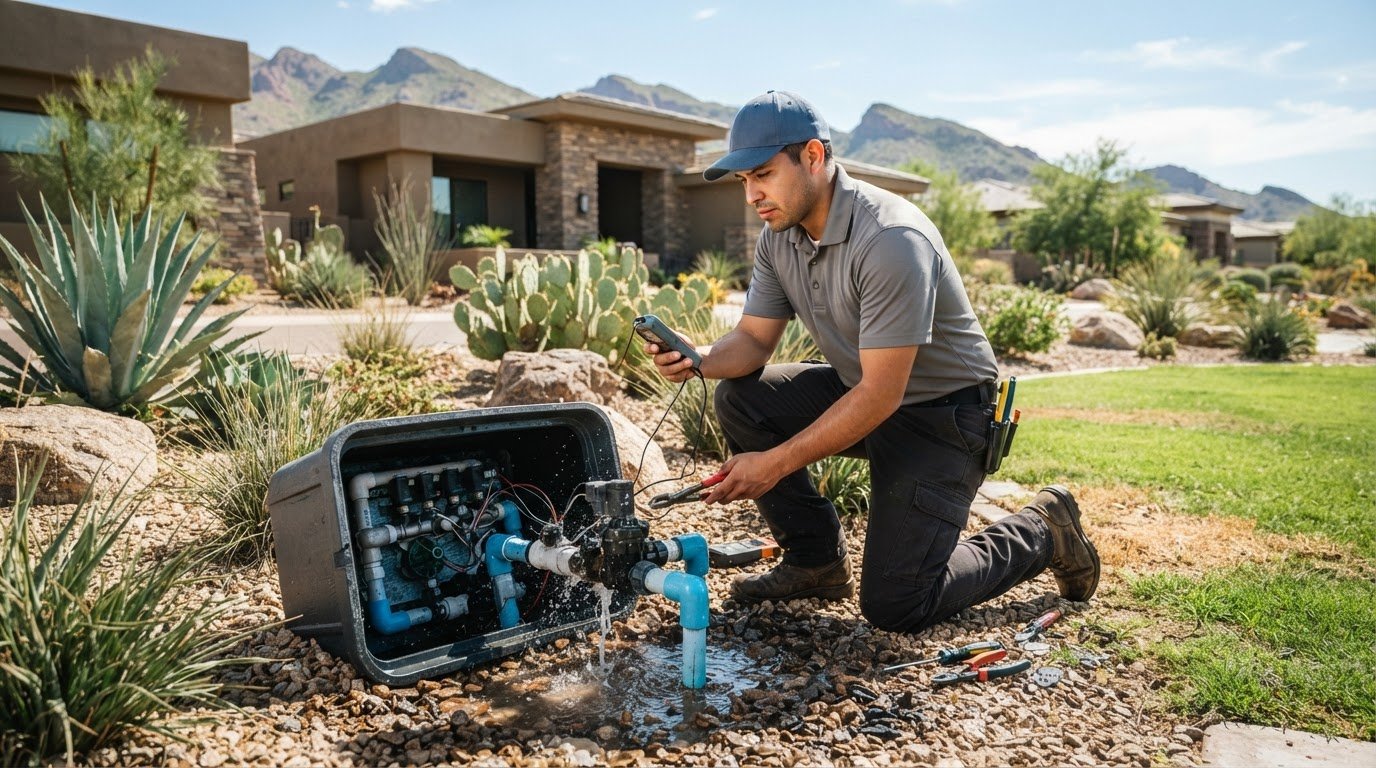
Professional troubleshooting goes far beyond swapping visible nozzles. When an entire zone refuses to activate, inexperienced contractors often recommend replacing the controller right away. A proficient lawn sprinkler system repair company tests electrical circuits systematically with a digital multimeter first. Testing resistance (ohms) across field wires identifies broken solenoids, corroded wire nuts, or severed common lines before you waste money on an unnecessary digital timer. Through precision irrigation wiring diagnostics, technicians isolate subterranean communication faults without tearing through your sod.
Following guidelines endorsed by the EPA for certified irrigation professionals, a thorough audit evaluates hydraulic delivery, operating pressure, and physical components zone by zone.
Underground Leak Detection and PVC Pipe Replacement
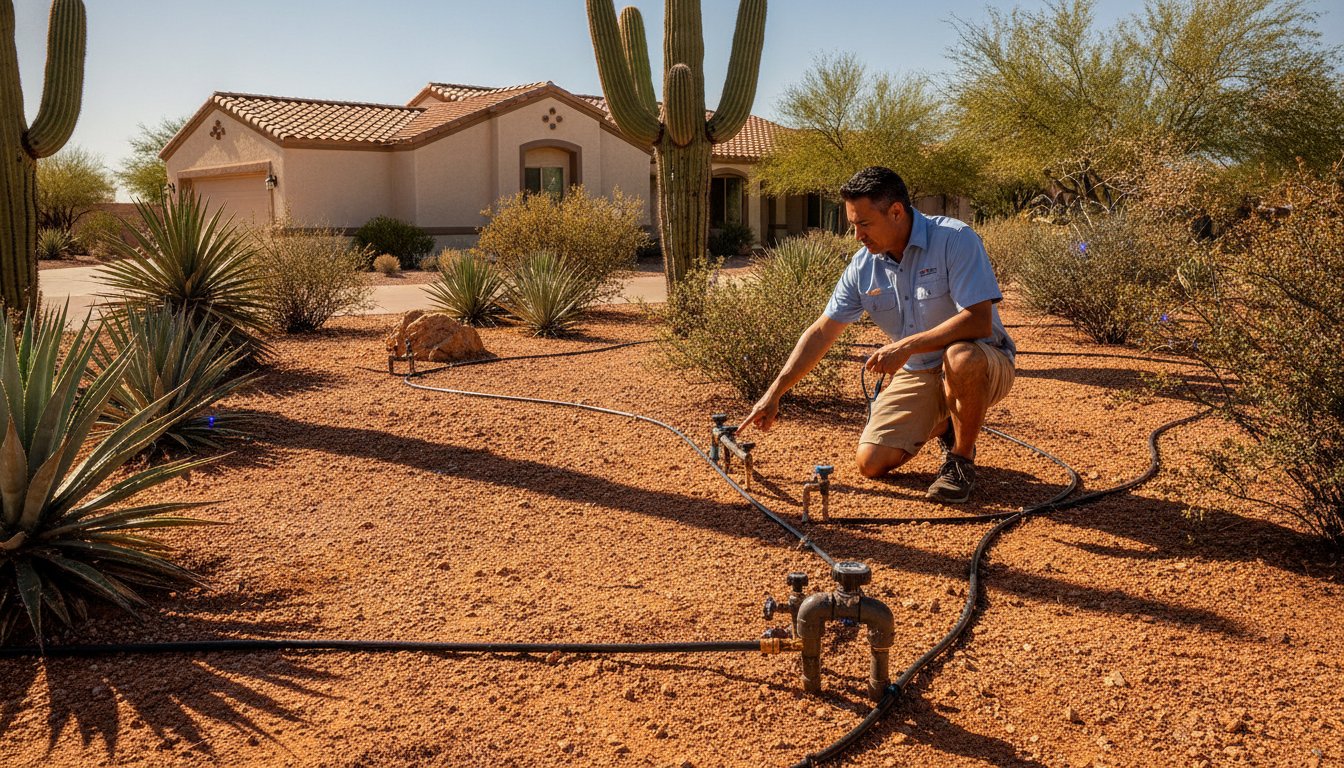
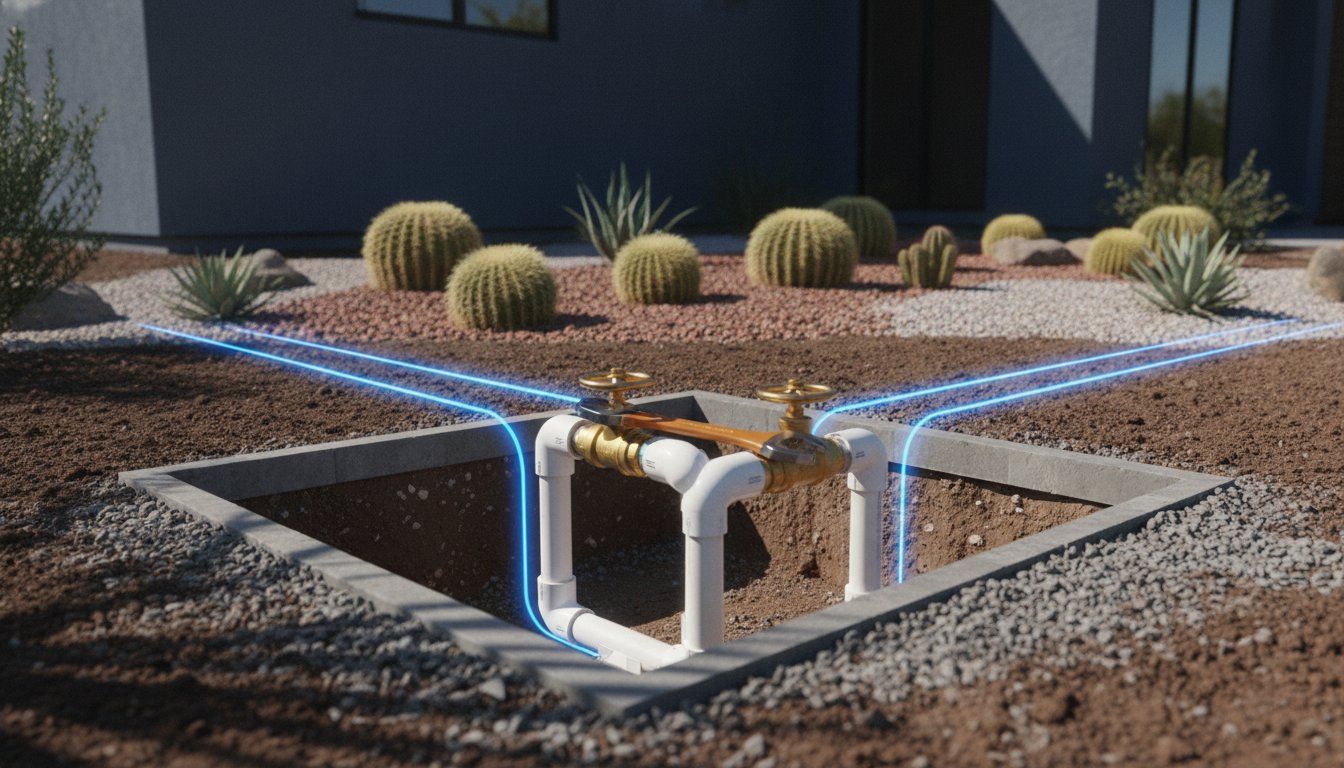
Locating subterranean line fractures requires static and dynamic pressure testing rather than blind excavation. When technicians isolate a cracked lateral line, they bypass brittle, thin-wall class pipe and perform surgical repairs using heavy-duty Schedule 40 PVC. This focused method targets the exact fracture point, preserving surrounding root structures and leaving your lawn intact.
Solenoid, Valve, and Manifold Rebuilding
Control valves serve as the mechanical gates of your irrigation network. When internal rubber diaphragms tear or calcify, sprinkler heads continuously weep water long after the runtime ends. Stuck solenoids prevent valves from opening completely, draining dynamic head pressure across the circuit. Experienced technicians rebuild leaking valve manifolds with heavy-duty replacement internals and commercial fittings, restoring dependable shut-off capability.
Backflow Prevention Testing and Maintenance
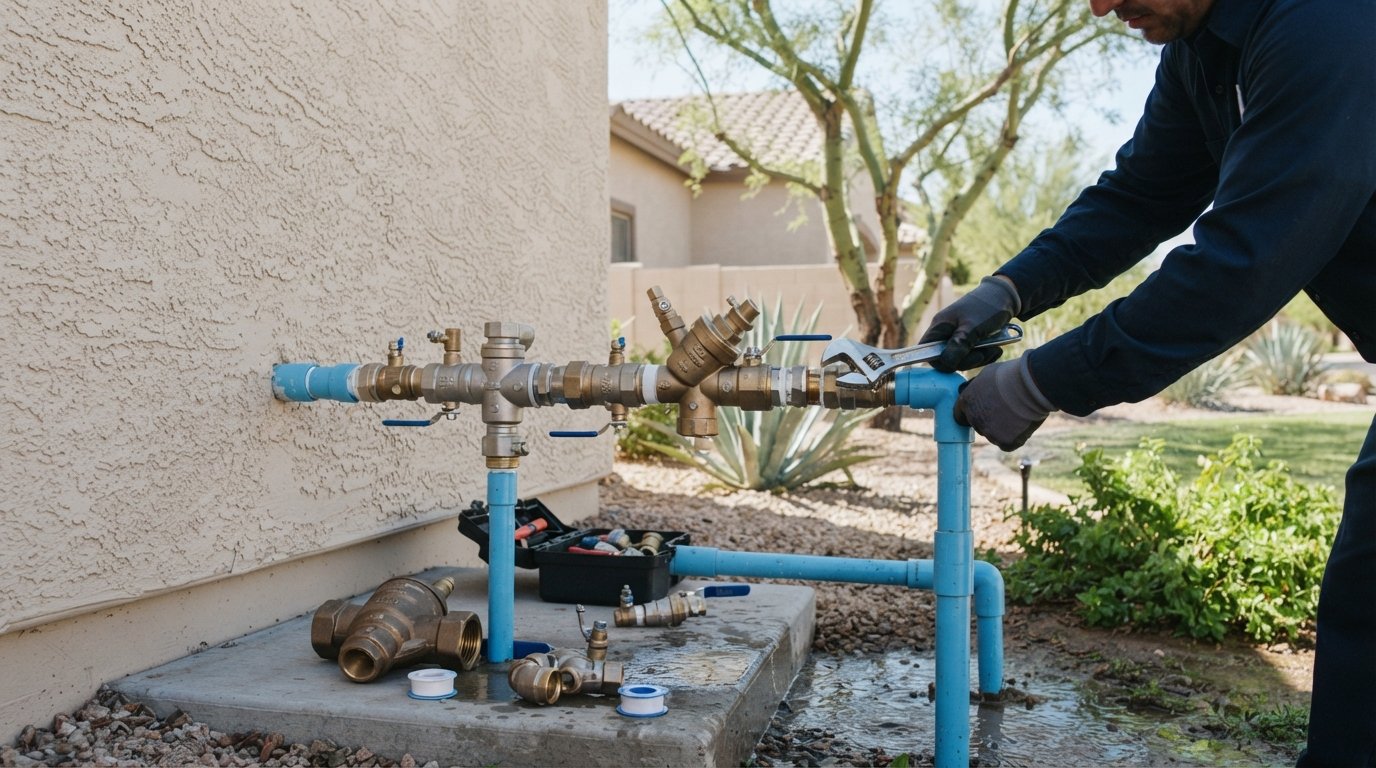
Backflow prevention assemblies safeguard your household drinking supply by preventing pressurized lawn chemicals and stagnant ground water from reversing into potable plumbing lines. In regions with heavy mineral content, internal check springs and rubber poppets inside Pressure Vacuum Breakers (PVBs) can seize or foul over time. Routine professional valves and backflow maintenance ensures these assemblies seal tightly under fluctuating line pressures.
If recurring dry spots or unexplainable water waste continue to challenge your property, you can schedule a diagnostic inspection with an established residential technician to pinpoint the exact failure points.
Vetting Checklist: How to Screen an Irrigation Repair Contractor
Hiring the right lawn sprinkler system repair company requires looking past generic online ratings. Subsurface water management demands specialized diagnostic tools that typical yard workers simply don't carry. Reviewing an established sprinkler system maintenance checklist helps you understand the operational standards a technician should meet before touching your valves.
Before booking a service call, run through this five-step screening checklist to protect your property and your wallet:
- Confirm dedicated residential focus: Companies divided between massive commercial contracts and residential calls often bring commercial markup mentalities to modest neighborhood yards.
- Ask about line-locating equipment: If a technician relies on shovel trenches rather than electronic wire locators and pressure gauges to find faults, keep looking.
- Verify business bonding and general liability insurance: High-pressure water lines run close to your home foundation; uninsured handymen expose you to severe financial risk if a line bursts during testing.
- Demand itemized diagnostic estimates: A trustworthy contractor clearly separates testing fees, labor hours, and specific mechanical parts before starting work.
- Insist on commercial-grade hardware: Ensure the company installs professional-grade Schedule 40 PVC and components from proven manufacturers rather than off-the-shelf retail hardware.
Essential Credentials, Insurance, and Local Experience
Decades of continuous local experience indicate a contractor who understands regional ground movement and municipal water guidelines. Unlicensed operators often change business names every few seasons to outrun workmanship complaints. Selecting an established lawn sprinkler system repair company rooted in your community ensures that the team working on your backflow assembly or valve manifold carries proper liability coverage and understands neighborhood utility depths.
Diagnostic Pricing Transparency and Written Estimates
Reputable firms evaluate the hydraulic issues on site, explain the mechanical breakdown, and provide a clear written quote before replacing components. Be wary of any contractor demanding massive upfront cash deposits for basic residential lateral repairs. Transparent businesses charge clear diagnostic fees for their testing time, then detail every valve, nozzle, and pipe fitting required to complete the restoration.
Parts Quality and Workmanship Guarantees
The durability of an underground fix comes down to connection standards. Professional technicians secure every electrical wire junction using silicone-filled, waterproof wire nuts to resist moisture corrosion. When replacing valves or rebuilding manifolds, insist on durable commercial units from reputable brands like Rain Bird or Hunter rather than lightweight consumer alternatives. Reliable contractors stand behind their PVC solvent welds and mechanical splices with clear workmanship guarantees.
Overcoming Regional Challenges: Caliche, Hard Water, and Heat Wear
Operating an automated watering system in the desert presents environmental hurdles that national maintenance guides completely ignore. An experienced lawn sprinkler system repair company must understand how intense summer ground heat, highly alkaline water, and rock-hard subsoil conspire to degrade mechanical components. Standard off-the-shelf plastic parts that survive humid, loamy regions degrade rapidly under relentless southwestern thermal cycles and calcification.
Investing in targeted residential sprinkler system upgrades allows your system to handle these extreme climate stressors without suffering recurring mid-season blowouts.
The Destructive Impact of Desert Caliche and Alkaline Soils
Caliche forms when calcium carbonate cements sand and gravel into an impermeable, subterranean concrete-like shelf. Thin-wall PVC and flexible poly lines laid directly over jagged caliche outcroppings inevitably pinch, bow, or puncture as the ground shifts under thermal expansion. Seasoned technicians hand-excavate around tree root structures interwoven with this hardpan, avoiding mechanical trenching blades that tear hidden utilities. Once the cracked lateral is cut out, the line is bedded in screened pea gravel or clean sand to cushion the replacement Schedule 40 PVC against sharp rocky friction.
Hard Water Mineral Scale and Extreme Heat Fatigue
Desert groundwater carries heavy concentrations of dissolved minerals that deposit calcium scale on moving components. This mineral buildup restricts pop-up spray wipers, jams delicate solenoid plungers, and binds the internal drive gears of rotary heads. In addition to hard water wear, extreme summer ground temperatures accelerate the fatigue of valve assemblies:
- Plastic valve lid warping: Blistering surface heat weakens thin valve box covers, letting direct sunlight warp internal valve bodies and break seal integrity.
- Solvent weld breakdown: Cheap glue joints expand and contract until micro-fractures develop at threaded manifold junctions.
- UV degradation: Above-ground PVC transitions quickly become brittle under intense ultraviolet exposure unless shielded with UV-rated coatings, insulated jackets, or commercial brass risers.
If calcified valves, broken lines, or rock-hard soils are compromising your yard, contact our residential specialists to restore your underground system with durable, desert-rated hardware.
Securing Lasting Performance: System Upgrades and Seasonal Care
Preventing chronic line failures and unexpected water waste requires shifting from emergency fixes to strategic system optimization. A dedicated lawn sprinkler system repair company looks at your entire hydraulic layout to identify where high water pressure, mismatched nozzles, and aging hardware secretly inflate your utility bills. Upgrading outdated mechanical hardware protects both your soil absorption rates and your property's plumbing network. By scheduling proactive irrigation repairs and maintenance, homeowners avoid catastrophic manifold blowouts during peak summer watering cycles.
Smart Irrigation Controllers and Water Pressure Regulation
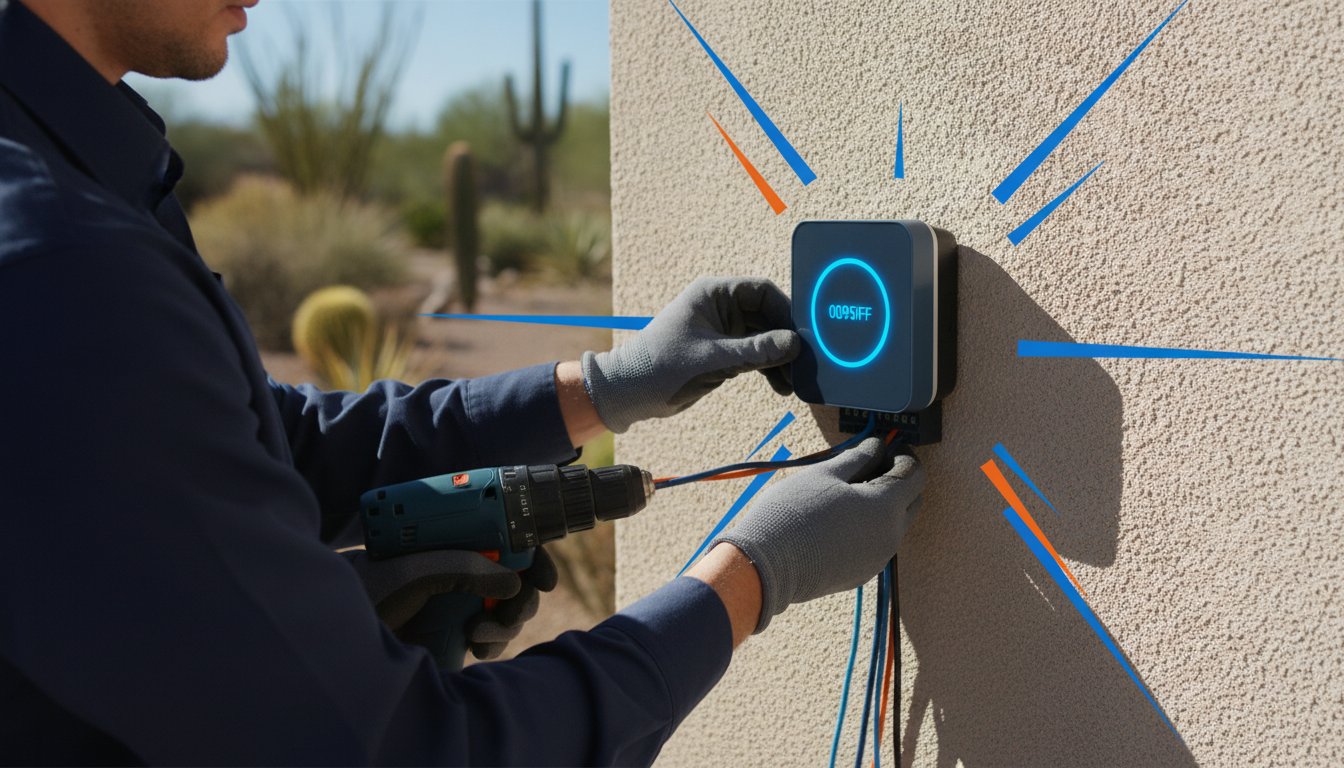
Old mechanical dial timers operate blindly on fixed schedules, running even during heavy monsoon downpours or freezing mornings. Upgrading to an EPA WaterSense-certified smart controller saves an average home roughly 15,000 gallons of water annually by automatically calculating runtimes against real-time weather and local evapotranspiration data. Excessive municipal delivery pressure also damages residential systems by atomizing water droplets into fine mist that drifts away in the breeze. Installing pressure-regulating spray heads (PRS) calibrated to maintain steady 30 to 45 PSI output eliminates high-pressure misting, improving distribution uniformity and reducing water consumption by approximately 18% per spray head.
Establishing a Reliable Preventative Maintenance Routine
Seasonal environmental shifts demand proactive mechanical adjustments to maintain peak system efficiency throughout the year. Technicians perform structured diagnostic audits that keep every zone operating at factory specifications:
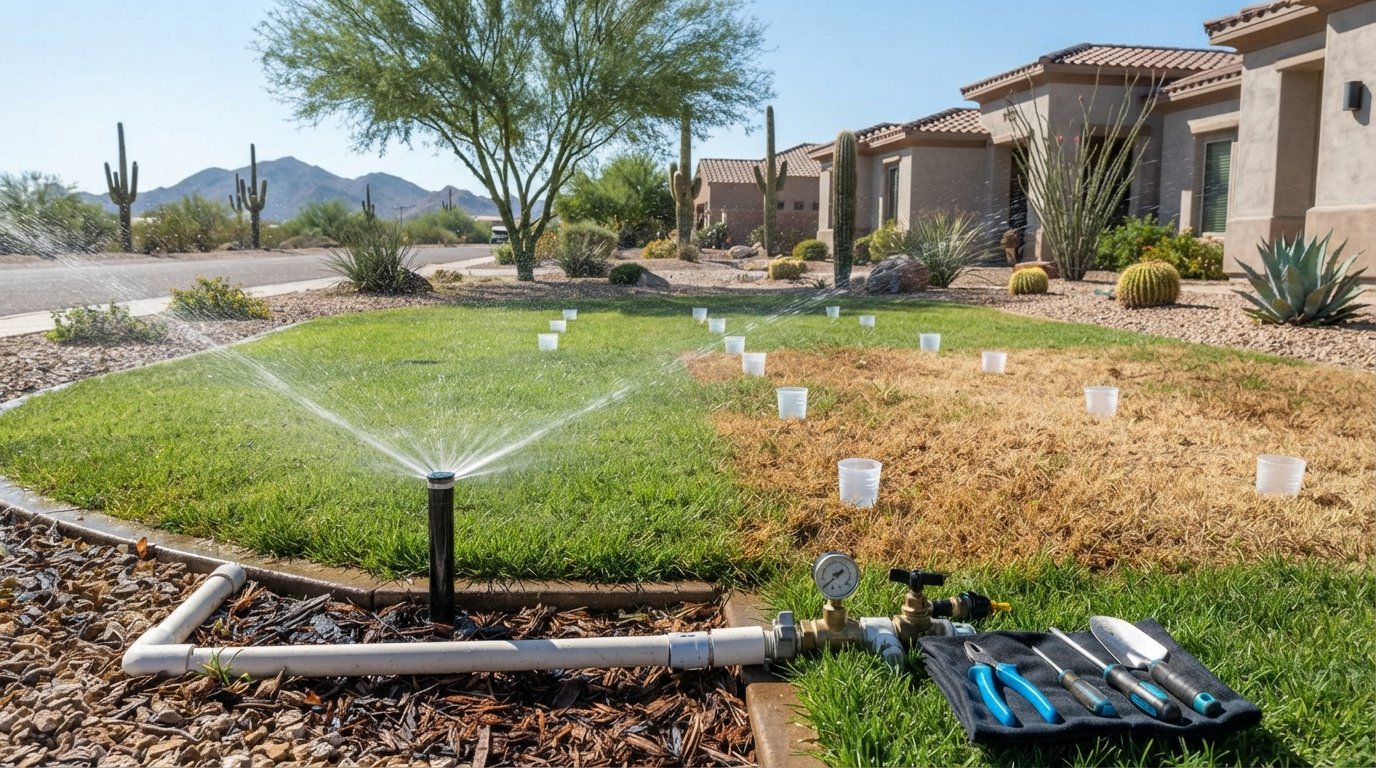
- Nozzle cleaning and arc alignment: Clearing mineral grit from internal filter screens ensures uniform spray patterns and eliminates brown, dry pockets between sprinkler heads.
- Rotary nozzle retrofits: Replacing traditional mist heads with multi-stream rotary nozzles reduces precipitation rates, allowing compacted desert soils enough time to absorb water without heavy runoff.
- Backflow assembly testing: Inspecting relief valves, internal check springs, and shut-off handles verifies that drinking water remains isolated from ground contaminants under municipal pressure surges.
Securing steady water delivery across tough native soils starts with trusted local craftsmen. You can connect directly with the experienced team at Sonora Sprinkler Inc. to audit your residential zones, resolve persistent pressure drops, and protect your landscape investment for decades to come.
Protect Your Lawn with Proven Hydraulic Expertise
A healthy residential lawn relies on balanced pressure, precision electronics, and resilient underground piping. As you weigh your options, remember that hiring a specialized lawn sprinkler system repair company saves you from the recurring costs and ruined turf caused by guesswork. True professionals bring the wire locators, multimeters, and pressure testing tools required to pinpoint lateral line breaks and valve faults without turning your yard into a construction site.
Since circa 1999, Sonora Sprinkler Inc. has served homeowners across Surprise and Peoria as a family-owned residential specialist. Rather than dividing focus with general yard maintenance or commercial projects, our craftsmen concentrate entirely on residential irrigation diagnostics, valve rebuilds, and heavy-duty Schedule 40 PVC replacements engineered to withstand rocky desert soils.
Don't let hidden subsurface leaks or calcified valves run up your water bills this season. Schedule your residential irrigation diagnostic with Sonora Sprinkler Inc. today to restore balanced head pressure and enjoy steady, trouble-free watering across every zone.
Frequently Asked Questions
How do I know if my underground sprinkler pipe is broken?
An active underground lateral line break reveals itself through spongy depressions in the turf, water bubbling up around sprinkler bodies, or sudden pressure drops across downstream heads. You might also notice your water meter dial spinning while no fixtures are active inside the house. In rocky desert soils around Surprise and Peoria, unaddressed line fractures quickly erode root structures and create sunken soil cavities.
Can any local landscaping crew repair a residential sprinkler system?
Most landscaping maintenance crews focus on lawn cutting and planting rather than hydraulic troubleshooting. Routine yard workers rarely carry specialized digital multimeters, wire tracing wands, or dynamic pressure gauges. Hiring a dedicated lawn sprinkler system repair company ensures a technician diagnoses the electrical and pressure dynamics correctly, avoiding misdiagnosed parts and unnecessary digging across your established lawn.
What should I check before calling a lawn sprinkler system repair company?
Before calling for service, confirm your main irrigation shut-off valve is fully open and check that your controller display is powered on without fault codes. Inspect the rain sensor to ensure it isn't tripped, and check individual spray heads for obvious physical cracks or mower damage. If these simple visual checks don't uncover the issue, the problem likely stems from an underground wiring break, failing valve, or hidden lateral line split.
Why is my sprinkler system losing water pressure across all heads?
A system-wide loss of head pressure typically points to an upstream restriction or a major subterranean leak. Common causes include a partially closed gate valve, a failed master valve, torn diaphragms inside zone valves, or a ruptured main supply pipe. In desert areas, heavy mineral scaling inside the backflow assembly can also choke incoming water volume before it reaches your distribution manifold.
How often should residential backflow prevention devices be serviced?
Residential backflow assemblies should undergo a comprehensive mechanical inspection annually to protect your household drinking supply. Regional municipal water guidelines in Surprise and Peoria recommend verifying that internal check valves and relief ports seal properly under fluctuating line pressure. Routine service clears away hard-water mineral crusts that prevent the internal poppets from closing tightly during back-siphonage events.
Are smart sprinkler controllers worth installing during a repair?
Upgrading to an EPA WaterSense-labeled smart controller delivers substantial efficiency gains by tailoring runtimes to real-time weather and evapotranspiration rates. Replacing an obsolete electromechanical pin-timer eliminates wasteful watering during unexpected rainfall or cold snaps. For Arizona properties, smart programming protects high-stress turf zones by applying targeted water cycles during optimal pre-dawn absorption windows.
What is the difference between Schedule 40 PVC and thin-wall class pipe?
Schedule 40 PVC features significantly thicker structural walls engineered to handle higher surge pressures and sharp rock friction. In contrast, thin-wall class pipe (such as Class 200) easily crushes, shears, or cracks when surrounded by shifting caliche layers and heavy desert clay. Professional irrigation mechanics rely strictly on heavy-duty Schedule 40 PVC for residential line repairs to guarantee long-term joint integrity.