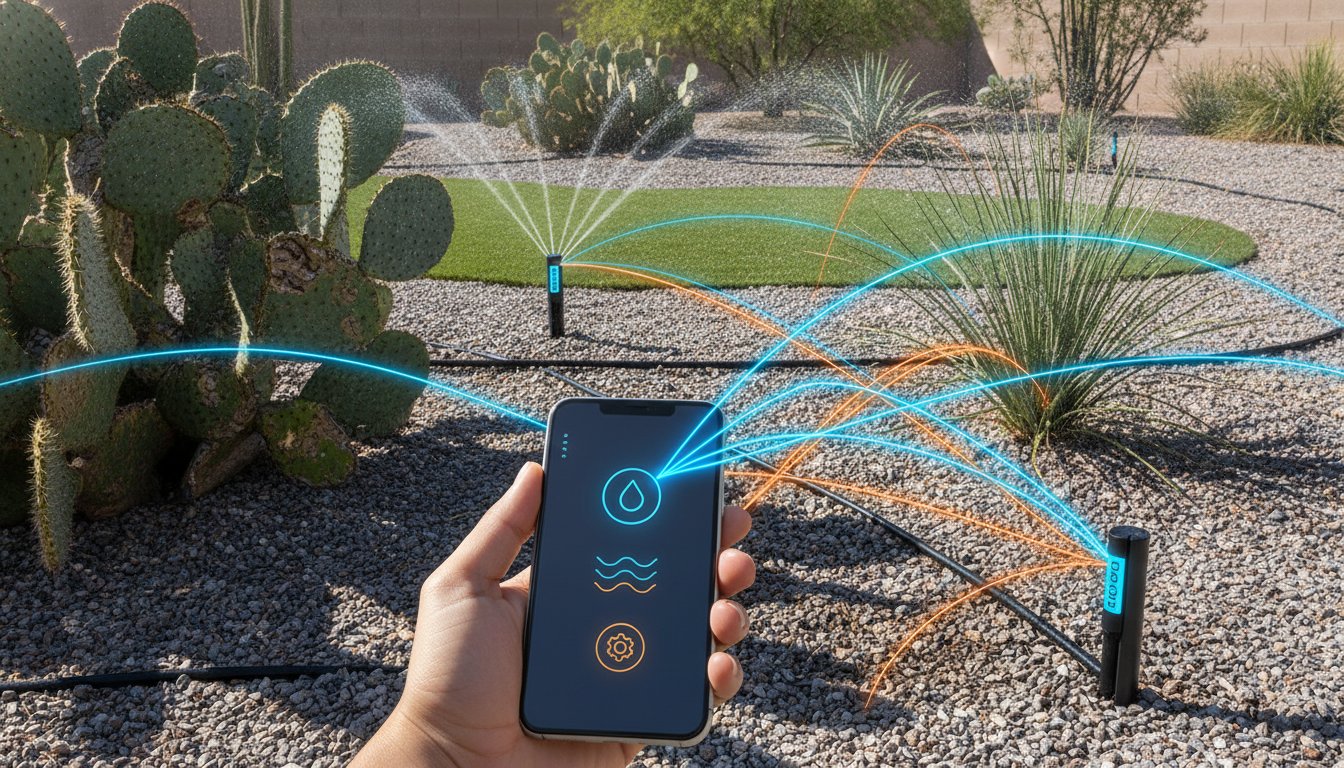
What if the very system meant to keep your desert landscape lush was actually compromising the safety of your family's drinking water? It's a sobering thought for any homeowner in Surprise or Peoria, yet it's a reality when an aging irrigation assembly fails. Most of us don't think about our backflow preventer until we see a spike in the water bill or a constant puddle in the yard. However, a backflow valve replacement sprinkler system upgrade is often the only way to ensure that fertilizers and minerals stay out of your kitchen tap.
We understand the frustration of dealing with constant leaks and the confusion that comes with choosing between a PVB and an RPZ assembly. You want a system that works efficiently without the stress of regulatory fines or health risks. This guide will clarify exactly when a simple repair won't cut it anymore and why the harsh Arizona sun makes replacement a matter of long term property health. We'll walk through the specific local requirements and the mechanical signs that your current valve has reached the end of its dependable life.
Key Takeaways
- Understand how a backflow valve acts as a critical safety gate to prevent irrigation contaminants from entering your home's drinking water supply.
- Identify the physical red flags of failure, such as visible water discharge from the assembly canopy or a sudden drop in sprinkler zone pressure.
- Determine if a backflow valve replacement sprinkler system upgrade is necessary by applying the "Rule of Three" to your recent repair history.
- Learn the precise steps for a code-compliant installation that protects your existing PVC risers from damage during the removal of the old assembly.
- Discover why choosing high-durability components is essential for withstanding the intense UV exposure and mineral scale common in Surprise and Peoria.
What is a Backflow Valve and Why Is Replacement Critical?
A backflow valve acts as the primary safety gate for your home's potable water supply, ensuring that once water enters your irrigation lines, it can never return to the pipes used for drinking or bathing. It serves as a dedicated mechanical barrier between your landscape and your kitchen tap. In the specific environmental conditions of Surprise and Peoria, maintaining this barrier is not just a matter of system efficiency; it's a critical health requirement. Arizona Department of Environmental Quality (ADEQ) mandates under A.A.C. R18-4-215 require these assemblies to prevent cross-contamination, making a backflow valve replacement sprinkler system project a necessary investment when the original unit begins to degrade.
Most residential properties in Central Arizona rely on a Pressure Vacuum Breaker (PVB). These devices are specifically designed to handle the unique elevation and pressure needs of desert landscapes. Because our local water contains high mineral content, often between 15 to 25 grains per gallon, these valves face accelerated internal wear that generalist plumbers might overlook. When mineral scale builds up on the internal seats, the valve can no longer provide the airtight seal required by law.
The Mechanics of Backflow Prevention
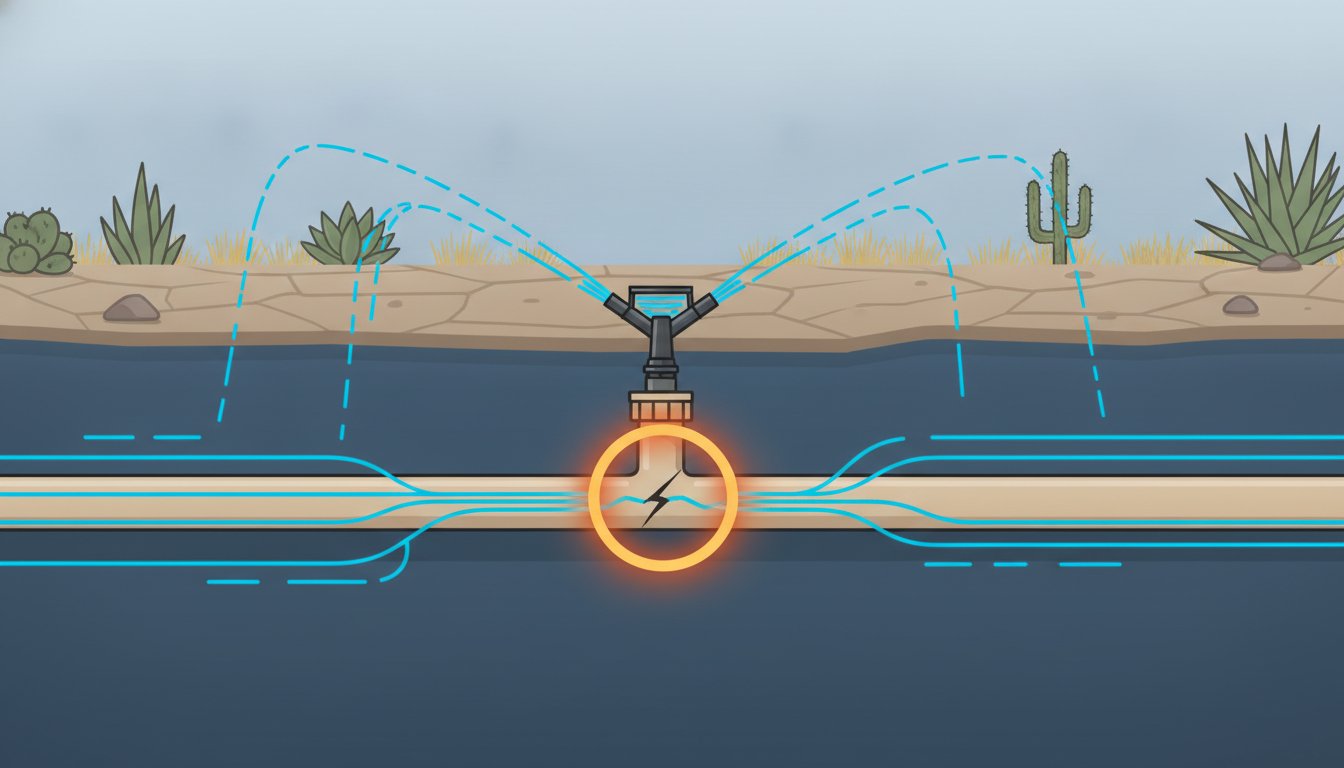
A PVB assembly utilizes a combination of an internal check valve and an air-opening vent to manage pressure differentials. Under normal conditions, the municipal water pressure keeps the check valve open and the air vent closed. If the supply pressure suddenly drops, the internal poppet falls instantly. This action opens the air vent to break the vacuum, effectively stopping the siphoning of irrigation water back into the house.
Standard irrigation valves are simple on-off switches for your zones. In contrast, a backflow preventer is a sophisticated piece of safety equipment that must meet specific listing standards, such as those from the ASSE. In Peoria and Surprise, these devices must be installed at least 12 inches above the highest point in the system to function correctly under gravity and pressure.
Health Risks of a Failed Assembly
The danger of a compromised valve is often invisible until it's too late. When a "back-siphonage" event occurs, perhaps due to a nearby water main break or heavy fire hydrant use, the resulting vacuum can pull stagnant water from your yard directly into your home plumbing. Many homeowners don't realize their irrigation system effectively becomes a giant straw during these pressure drops. This water often carries concentrated fertilizers, chemical pesticides, and soil-borne pathogens.
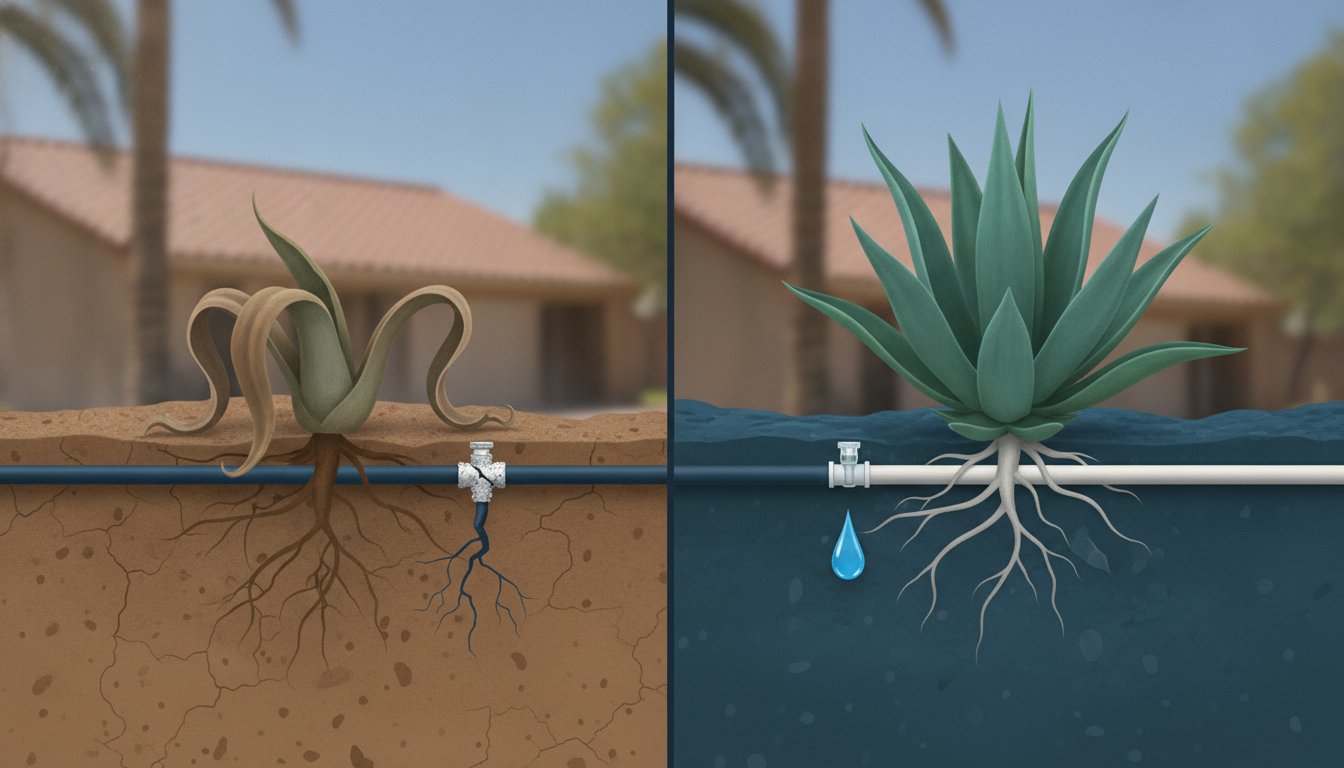
A slow, persistent leak from the bell of your valve is more than an annoyance or a waste of water. It signals that the internal safety mechanisms are no longer seating properly due to wear or mineral calcification. At Sonora Sprinkler Inc., we focus on identifying these failures early to protect your home from these high-risk scenarios. Addressing a failing assembly ensures your family's water remains clean and your system stays compliant with local municipal codes.
Signs Your Sprinkler Backflow Valve Needs Replacement
Identifying when a backflow valve replacement sprinkler system project is imminent requires a keen eye for subtle mechanical changes. While a total failure is obvious, many assemblies begin to fail through gradual degradation. In our experience servicing homes in Surprise and Peoria, we often find that homeowners overlook small red flags that signal the internal safety mechanisms are no longer reliable. Recognizing these symptoms early can prevent a sudden loss of irrigation or, worse, a contamination event in your home plumbing.
Watch for these specific indicators that your assembly is reaching the end of its functional life:
- Visible water discharge: If water is constantly spurting or streaming from the bell or canopy of your Pressure Vacuum Breaker (PVB), the internal poppet has likely failed to seal.
- Zone pressure drops: A noticeable reduction in the reach of your sprinkler heads often points to a restricted check valve within the backflow assembly.
- Persistent weeping: A steady drip from the underside of the unit, even when the irrigation cycle is finished, indicates that mineral deposits are preventing the seals from closing completely.
- Mechanical noise: Internal clicking, chattering, or vibrating sounds during the start of a cycle suggest that the internal springs have lost their tension or are fighting against heavy calcification.
Environmental Stressors in the Arizona Desert
The local climate is particularly unforgiving to mechanical plumbing components. During the peak of summer, surface temperatures on exposed brass and plastic can exceed 130 degrees Fahrenheit, causing internal plastic poppets to warp and lose their precise shape. This thermal cycling, combined with our region's high mineral content, creates a perfect storm for valve failure. Arizona's UV rays degrade outer casings faster than in other climates, often leaving the protective canopy brittle and prone to cracking under pressure.
Age and Maintenance History
While a high quality brass valve body can remain structural for 15 to 20 years, the internal components in Peoria residential systems typically require significant attention every 3 to 7 years. We often see warning signs during a routine irrigation backflow testing service, such as a slow pressure bleed that indicates worn rubber gaskets. If you find yourself applying the "Rule of Three"-performing three or more small repairs within a two year period-it's usually a clear signal that a full unit swap is the more cost effective and reliable path forward. If you aren't sure where your system stands, you can always reach out for a professional diagnostic review to ensure your water supply remains protected.
Repair vs. Replacement: Making the Right Investment
Deciding between a targeted repair and a full backflow valve replacement sprinkler system upgrade requires a careful evaluation of both the unit's age and its structural integrity. While it's often tempting to choose the lowest immediate cost, a short term fix on a failing assembly can lead to repeated service calls and higher cumulative expenses. We recommend starting with a close inspection of the brass body. If the metal housing shows signs of pitting, thinning, or "wire drawing"-where high pressure water has carved a permanent groove into the internal seat-a rebuild kit will likely fail to create a watertight seal.
The "Rule of Three" is a practical benchmark we use at Sonora Sprinkler Inc. to help homeowners make an informed choice. If an assembly has required three professional repairs within a twenty-four month window, the internal casting is likely compromised. In these cases, the labor costs of repeated troubleshooting quickly eclipse the price of a new, warrantied installation. You can find more detail on these specific mechanical failures in our guide on Expert Backflow Preventer Repair in Surprise, AZ.
When a Rebuild Kit is Sufficient
A rebuild kit is often sufficient when the brass body is smooth and the unit is relatively young. Replacing the poppet and bonnet assembly can resolve minor weeping or air leaks that occur when the internal plastic components become brittle. If the internal spring has lost its tension, the valve may fail to open fully, but a simple component swap can restore the necessary pressure. For many standard irrigation repairs, this targeted approach provides a reliable solution without the need for extensive pipework.
When Full Replacement is Non-Negotiable
A full replacement becomes non-negotiable when the structural integrity of the valve is lost. Even in our desert climate, rare Arizona freeze events can cause water trapped in the manifold to expand, leading to hairline fractures in the brass that no kit can seal. We also encounter many obsolete models in older Peoria neighborhoods where replacement parts are no longer manufactured. Upgrading to a modern, code-compliant model ensures long-term availability of parts and improves the overall reliability of your residential irrigation repair strategy, providing peace of mind for years to come.
The Replacement Process: Precision and Reliability
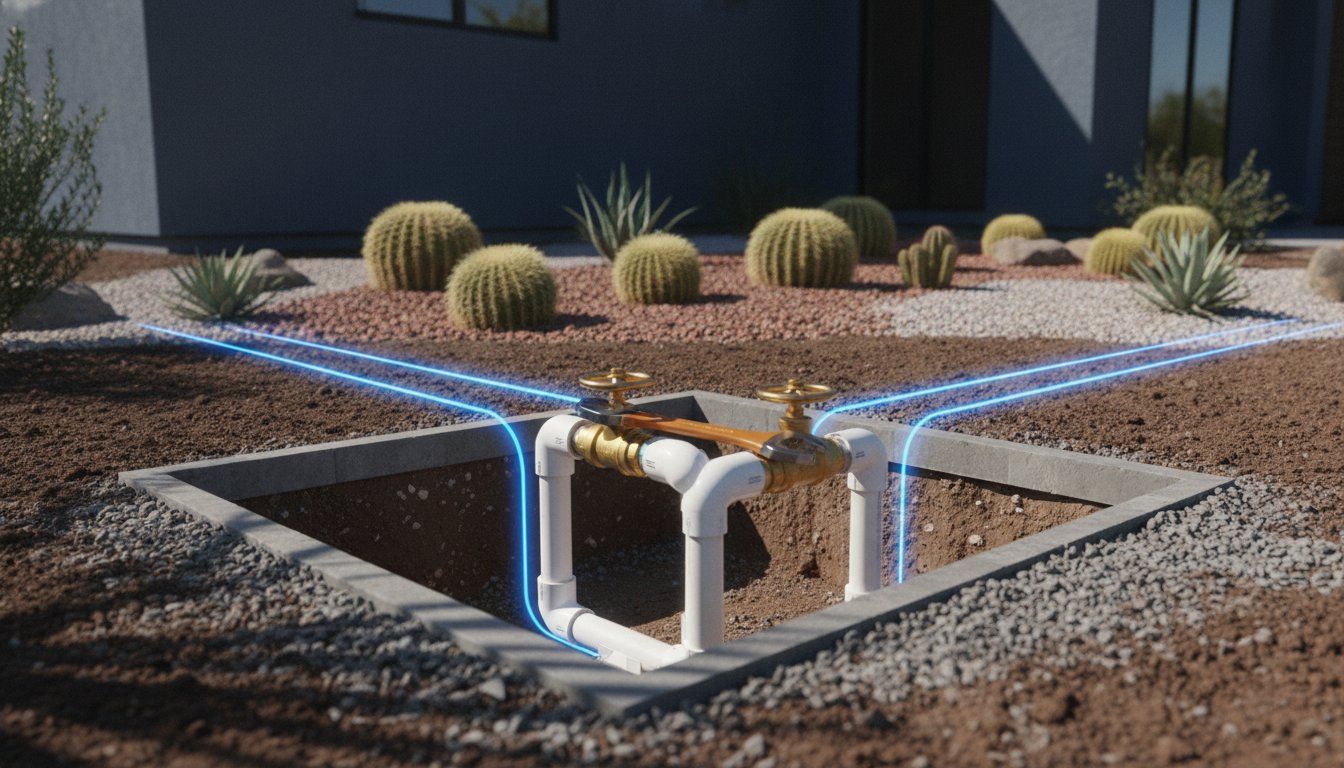
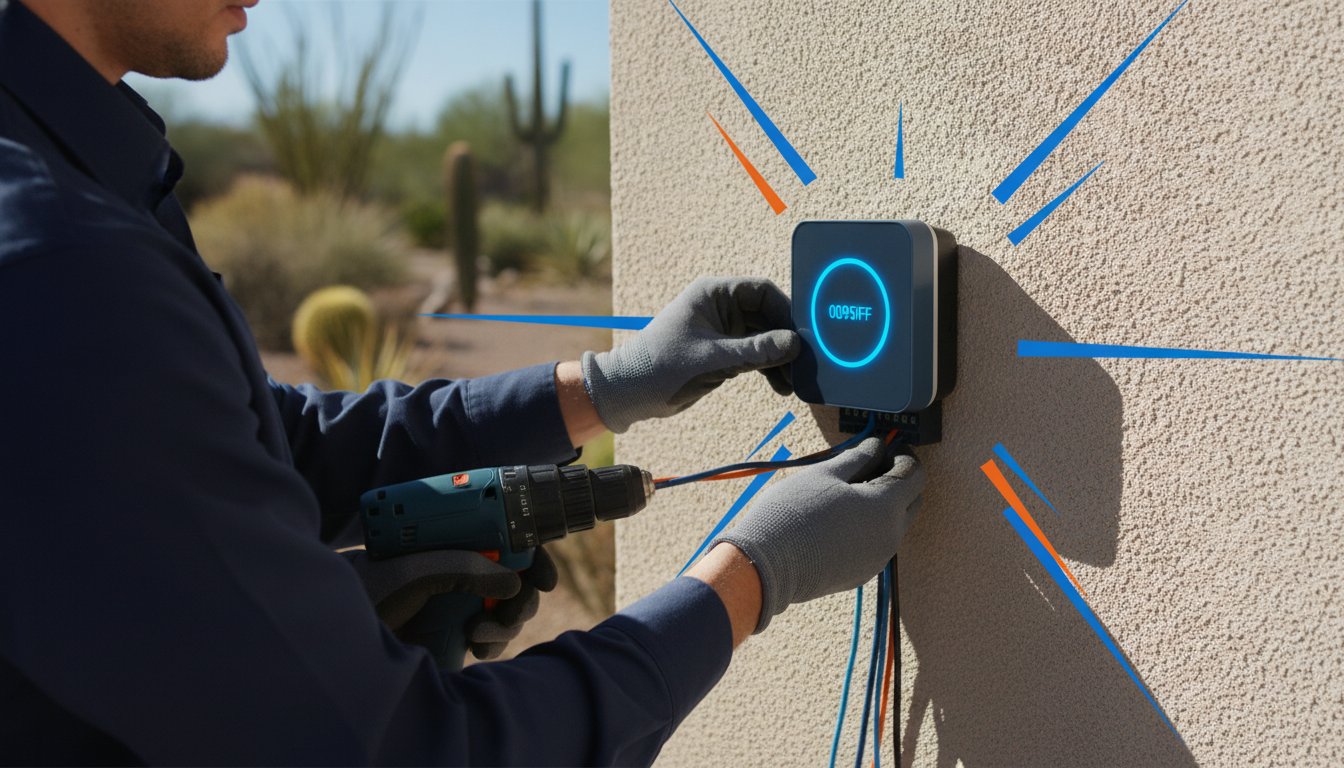
Executing a backflow valve replacement sprinkler system project requires more than basic plumbing knowledge; it demands a methodical approach to protect your home's existing infrastructure. The process begins by isolating the irrigation main. We shut off the dedicated water supply to prevent accidental flooding and then carefully drain the remaining water from the lines. This step is vital to ensure a clean, dry environment for the new installation, which allows sealants to cure correctly without interference from residual moisture.
Removing the aged assembly is a task that requires a delicate touch. In the Arizona desert, years of intense heat make older PVC risers extremely brittle. We use a two-wrench technique to stabilize the piping, ensuring that the torque required to unscrew the old brass valve doesn't snap the underground connections. Once the old unit is removed, we clean the threads thoroughly and apply professional-grade thread sealant. This creates a leak-proof connection that can withstand the high-pressure surges common in municipal water lines.
Integrating with Arizona PVC Piping
The longevity of your new backflow preventer depends heavily on the quality of the risers supporting it. Because of the extreme UV exposure in Surprise and Peoria, we prioritize using heavy-duty Schedule 80 PVC or protected Schedule 40 for all above-ground components. Riser height is not just a preference; it is a mechanical necessity for the valve to function. If your landscape has changed or your lawn has been regraded, we may need to adjust these heights to maintain system integrity. You can learn more about how we handle these critical connections in our guide to Irrigation PVC Pipe Replacement.
Post-Installation Testing and Calibration
Precision calibration is the final step in securing your water supply. Every new Pressure Vacuum Breaker (PVB) features a "Critical Level" (CL) marking on its body. Per local building codes and the Uniform Plumbing Code, the assembly must be installed so this mark sits at least 12 inches above the highest downstream sprinkler head or drip emitter. This elevation ensures that gravity cannot pull contaminated water back toward the valve during a pressure drop.
Once the physical installation is complete, we perform a final pressure test to confirm immediate activation of the internal safety check. We slowly introduce water back into the system, watching for the internal poppet to seat firmly and checking every joint for signs of weeping. This rigorous testing phase confirms that your home is fully protected before we leave the site. If you suspect your current assembly is no longer meeting these safety standards, schedule a professional installation today to restore your system's reliability.
Professional Backflow Solutions with Sonora Sprinkler Inc.
Choosing a partner for your backflow valve replacement sprinkler system project is a decision that impacts the long-term safety and efficiency of your home. Since 1999, our family-owned and operated team at Sonora Sprinkler Inc. has focused on providing grounded expertise to our neighbors in Surprise and Peoria. We don't just swap parts; we understand the specific environmental stressors that cause mechanical failure in our unique desert climate. This localized knowledge allows us to select components built for durability, ensuring your irrigation system remains a reliable asset rather than a source of constant concern.
Our commitment to residential property health is reflected in every installation we perform. We recognize that your home's water supply is a vital resource that requires protection from the fertilizers and minerals common in landscape irrigation. By choosing a specialist who understands the nuances of Arizona-specific PVC and valve stressors, you're investing in a solution that prioritizes longevity and precision over flashy marketing or temporary fixes.
The Sonora Sprinkler Inc. Difference
Our approach to valve and backflow services is rooted in technical proficiency and methodical diagnostics. While generalist providers might offer a quick fix, Sonora Sprinkler Inc. specializes exclusively in residential irrigation. This focus means we're intimately familiar with the nuances of residential plumbing configurations and the specific municipal codes governing our local communities. We prioritize a "boots-on-the-ground" diagnostic process, identifying exactly why a valve failed before recommending a professional remedy.
This thoroughness prevents the cycle of repeated, costly repairs and ensures your new assembly is perfectly calibrated for your property's specific elevation and pressure needs. There is an underlying sense of pride in our professional standards, and we view ourselves as a dependable fixture within the community. We take the time to explain the necessity of each service, building your confidence through clarity and a step-by-step logical progression.
Schedule Your Inspection Today
Maintaining a leak-free, code-compliant system shouldn't be a source of stress for your household. By addressing signs of wear before they lead to a failed annual inspection or a flooded landscape, you protect both your property value and your family's potable water supply. We offer the professional assurance that comes with decades of specialized experience in the Surprise and Peoria areas. Our goal is to provide a transparent and thorough service that leaves your irrigation system functioning at peak efficiency.
Don't wait for a total failure to secure your home's water supply. If you've noticed weeping from your assembly, a drop in zone performance, or if your unit is approaching the end of its functional life, we're here to help. Contact our team for a professional evaluation to restore the integrity of your desert landscape today.
Securing Your Home's Water Supply for the Future
Maintaining a functional backflow assembly is a fundamental responsibility for every homeowner in Surprise and Peoria. We have explored how Arizona's intense UV rays and high mineral content accelerate the degradation of internal seals and plastic poppets. By recognizing the physical warning signs and applying the "Rule of Three" to your maintenance history, you can make an informed decision about when a backflow valve replacement sprinkler system upgrade is the most protective choice for your family.
As a family-owned Arizona business serving the valley since 1999, Sonora Sprinkler Inc. brings specialized residential irrigation expertise to every diagnostic review. We prioritize precision in our installations to ensure your property remains compliant with local regulations while restoring the efficiency of your landscape watering. Don't let a failing valve compromise your drinking water or lead to unnecessary waste. Our team is committed to providing durable, long term solutions that withstand the unique challenges of our desert soil and climate.
Schedule Your Backflow Valve Replacement Today to ensure your irrigation system is built to last and your home remains a safe, efficient environment.
Frequently Asked Questions
How often should a residential backflow valve be replaced in Arizona?
A residential backflow valve's lifespan in Arizona depends on the specific component. While a high-quality brass body often lasts 15 to 20 years, the internal moving parts typically require a rebuild or a full backflow valve replacement sprinkler system upgrade every 3 to 7 years. The intense summer heat and high mineral content in our local water cause rubber seals to degrade and plastic poppets to warp. If you've repaired the unit three times in two years, it's time for a replacement.
Can I replace a backflow preventer myself or do I need a license?
Arizona homeowners can technically perform their own repairs, but a professional installation is highly recommended to meet local safety standards. In Surprise and Peoria, any new assembly must be tested by a certified backflow tester immediately after installation to ensure it functions correctly. Licensed specialists understand the precise elevation requirements and have the tools to remove old brass valves without snapping the brittle, sun-damaged PVC risers that connect to your main water line.
Why is my backflow valve leaking from the top bell-shaped part?
Water discharging from the top bell, or canopy, usually indicates a failure of the internal poppet or bonnet. In the Phoenix valley, this is frequently caused by mineral calcification or a hairline fracture from a rare overnight freeze. When these internal components can't seat properly, the valve fails to create an airtight seal, leading to persistent leaking. While a rebuild kit sometimes works, a pitted brass seat often makes a full backflow valve replacement sprinkler system project the only reliable solution.
What is the difference between a PVB and an RPZ valve for home use?
A Pressure Vacuum Breaker (PVB) is the most common assembly for residential Arizona landscapes because it's effective against backsiphonage. A Reduced Pressure Zone (RPZ) assembly is a more advanced device used for high-hazard applications, such as systems with fertilizer injectors or those where backpressure is a risk. Most Surprise and Peoria homes use a PVB, but an RPZ may be required if your irrigation design includes specific chemical treatments or complex elevation changes.
Will a faulty backflow valve cause low water pressure in my sprinklers?
Yes, a malfunctioning backflow assembly is a common cause of reduced sprinkler performance. If the internal check valve becomes restricted by mineral scale or a broken spring, it won't open fully, creating a bottleneck that drops the pressure across all your irrigation zones. Restoring your system's efficiency often requires cleaning the internal seats or replacing the entire assembly if the brass housing has become narrowed by years of hard water buildup.
Do Surprise or Peoria city codes require backflow testing?
Both Surprise and Peoria strictly enforce annual backflow testing requirements to protect the municipal water supply. Local water purveyors utilize automated tracking systems to ensure every residential cross-connection is verified by a certified tester. If a passing test report isn't submitted to the city by your annual deadline, you may receive a notice of violation or face a service shut-off. Regular testing identifies minor wear before it leads to a total system failure.
What happens if I don't have a backflow preventer installed?
Operating an irrigation system without a backflow preventer creates a significant health risk for your household. During a sudden drop in municipal water pressure, such as a nearby water main break, stagnant water containing fertilizers, pesticides, and animal waste can be siphoned directly into your home's drinking faucets. Beyond the health hazards, it's a violation of Arizona Administrative Code and local plumbing standards, which can lead to fines and mandatory system shut-downs.
How much does a typical backflow valve replacement cost?
Several technical factors influence the investment required for a replacement. The primary drivers include the size of the unit, typically 3/4 inch or 1 inch, the specific model required, and the condition of the existing PVC risers. If the underground piping has been damaged by UV exposure, it may need to be replaced alongside the valve. Additionally, the complexity of the installation and the mandatory post-installation certification testing will affect the total scope of the project.