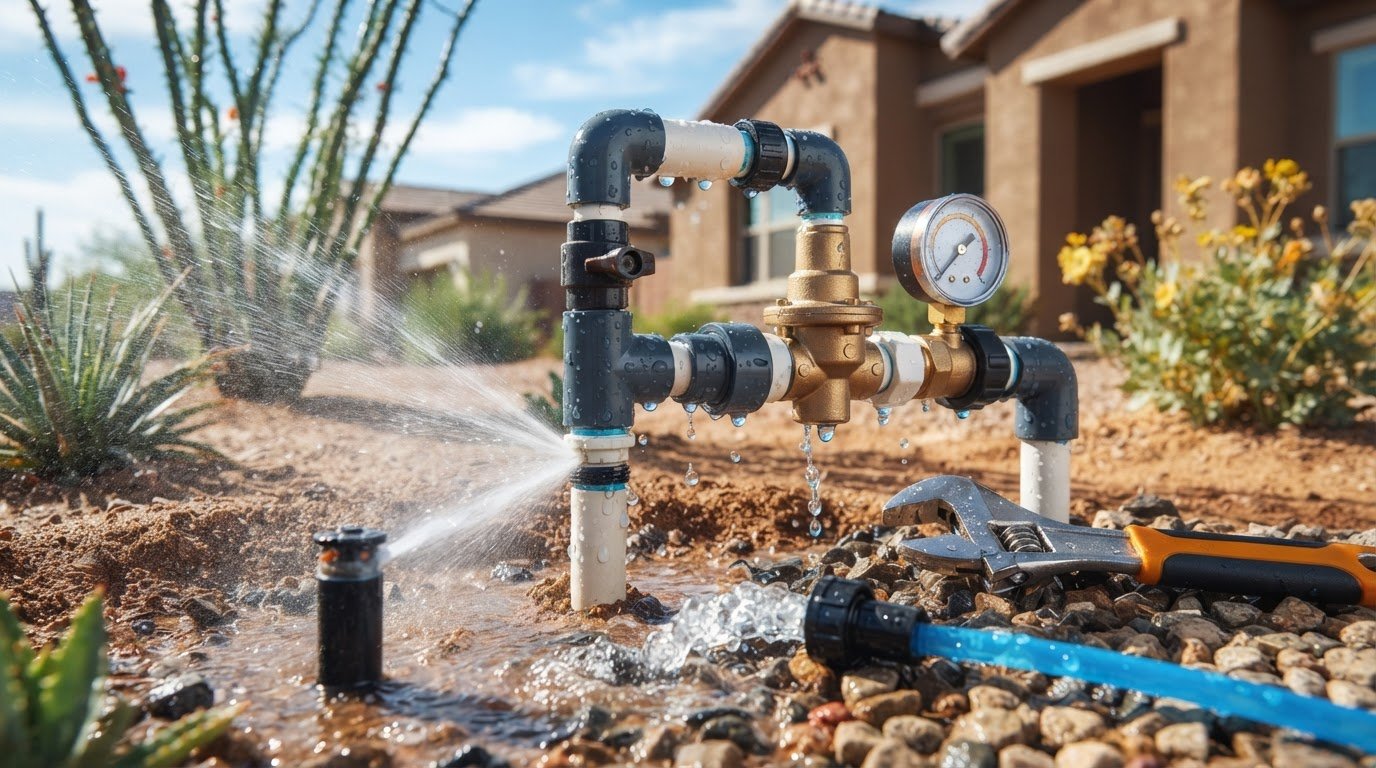
What if the biggest threat to your Surprise landscape isn't the triple-digit heat, but a silent leak buried two feet underground? A single stuck valve or a small breach in a drip emitter line can quietly add $300 to your monthly water bill without ever showing a puddle on the surface. For homeowners in the West Valley, managing a residential irrigation system often feels like a balancing act between preventing plant loss and avoiding astronomical utility costs. You shouldn't have to guess if your system is performing efficiently or if your PVC pipes are reaching their breaking point. Scheduling a professional irrigation system check up Surprise homeowners can rely on is the first step toward reclaiming control over your property's health.
We recognize the stress that comes with confusing controllers and the sight of dying desert plants despite regular watering. This guide will show you how a detailed diagnostic identifies hidden leaks, optimizes your watering zones, and ensures your system is summer-ready. We will provide a clear breakdown of necessary repairs versus optional upgrades, helping you lower your monthly water bills while protecting your investment. You'll gain the confidence that every drop of water is being used exactly where it's needed most to keep your landscape thriving.
Key Takeaways
- Learn why the intense Arizona sun causes standard poly-tubing to fail every five to seven years, necessitating proactive inspections to prevent system collapse.
- Discover the specific mechanical components verified during a professional irrigation system check up Surprise homeowners use to ensure backflow preventers and valves remain fully functional.
- Identify the warning signs of underground PVC leaks and failing valves, such as pooling water or audible humming, before they lead to significant property damage.
- Understand how to implement seasonal watering adjustments and smart controller upgrades to maintain a thriving desert landscape while lowering monthly utility costs.
- Recognize the value of localized residential expertise in identifying subtle mechanical failures that generalists or DIY attempts often overlook.
The Critical Importance of an Irrigation System Check-up in Surprise, AZ
Living in the West Valley presents unique challenges for maintaining a healthy yard. The intense Arizona sun isn't just hard on your plants; it's brutal on the components of modern irrigation systems. High UV exposure causes poly-tubing to become brittle and eventually crack, while the extreme thermal expansion and contraction can stress PVC joints to the point of failure. In Surprise, our heavy caliche soil further complicates matters by creating drainage barriers that can lead to root rot if a system isn't properly calibrated. An irrigation system check up Surprise residents schedule annually helps identify these structural weaknesses before they compromise your entire landscape.
The financial consequences of ignoring these hidden issues are steep. A small drip leak, often invisible beneath a layer of granite, can waste between $30 and $80 every month. If a valve fails to close completely or an emitter line breaks, that waste can easily climb to $300 in excess water charges. Maintaining a protective mindset is essential for local property owners. Catching a $50 valve issue during a routine inspection is a small investment that prevents a much larger $500 landscape loss later when a mature tree fails due to lack of water.
To better understand how a professional evaluates these systems, watch this helpful video:
Why Arizona Desert Systems Fail Differently
Arizona's environment is uniquely aggressive toward mechanical systems. Hard water mineral buildup is a constant threat in Surprise, frequently clogging precision nozzles and reducing the efficiency of drip emitters. During the summer, monsoon dust and debris can infiltrate controller housings or clog filters, leading to electrical malfunctions or restricted water flow. Unlike systems in milder climates, desert irrigation requires specialized components and regular oversight to withstand these specific environmental stressors and high salt concentrations in the soil.
The ROI of Regular Maintenance in 2026
Consistent upkeep is the most effective way to protect the long-term health of your property. A professional irrigation system check up Surprise homeowners invest in ensures that precision timing reduces unnecessary water consumption, which is critical as local water conservation efforts become more prominent. By ensuring your drip irrigation installation is functioning at peak performance, you extend the lifespan of your PVC manifolds and mainlines. Most importantly, a well-maintained system protects your high-value desert trees and shrubs, ensuring they have the deep-watering support needed to survive the hottest months of the year.
Anatomy of a Professional Irrigation Diagnostic: What to Expect
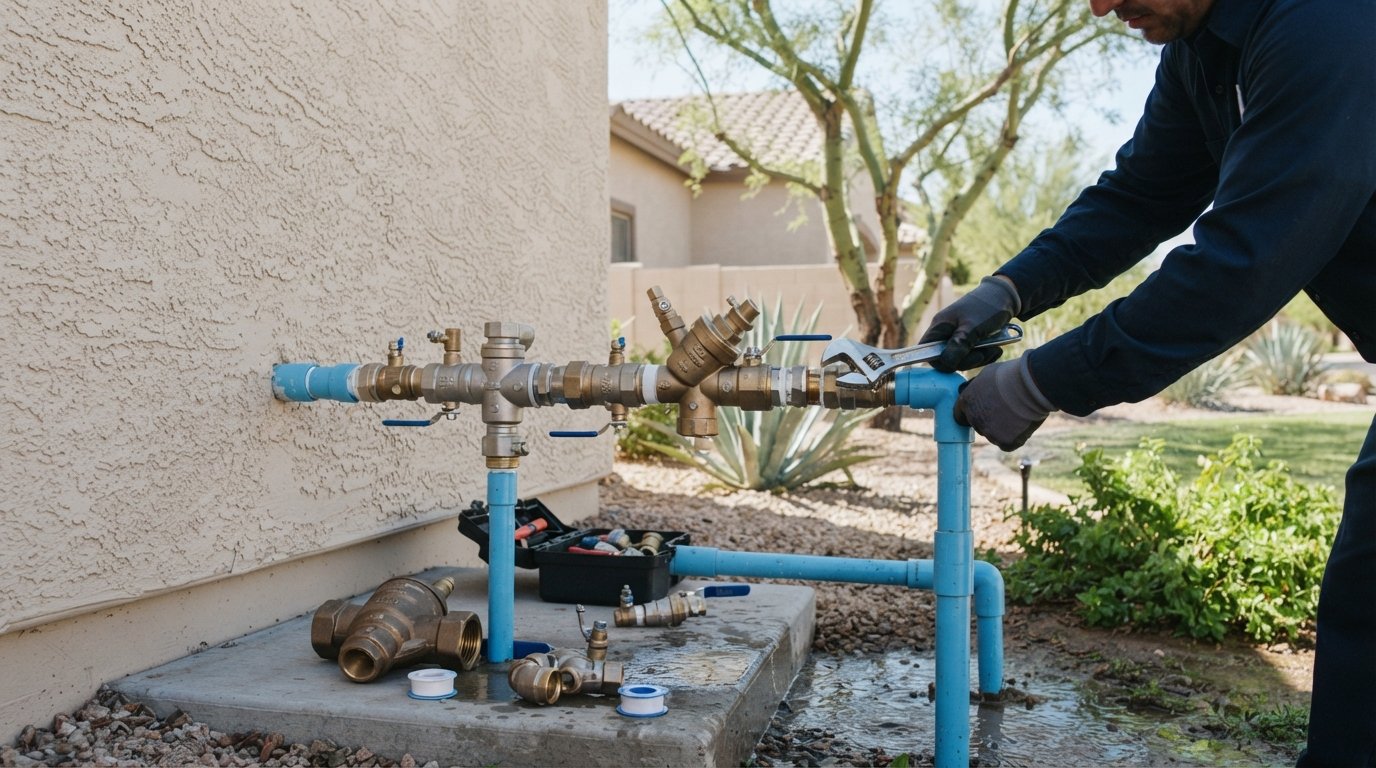
A comprehensive assessment of your watering system involves much more than simply activating the control panel and watching the water spray. A methodical evaluation examines every mechanical joint, electrical connection, and hydraulic pressure point across your entire property. To truly spruce up your irrigation system for the demands of the desert, a professional technician inspects the system from the source down to the final emitter. This process begins with a meticulous verification of your backflow preventer's structural integrity, ensuring that the main shut-off valve functions perfectly to protect your home's clean water supply.
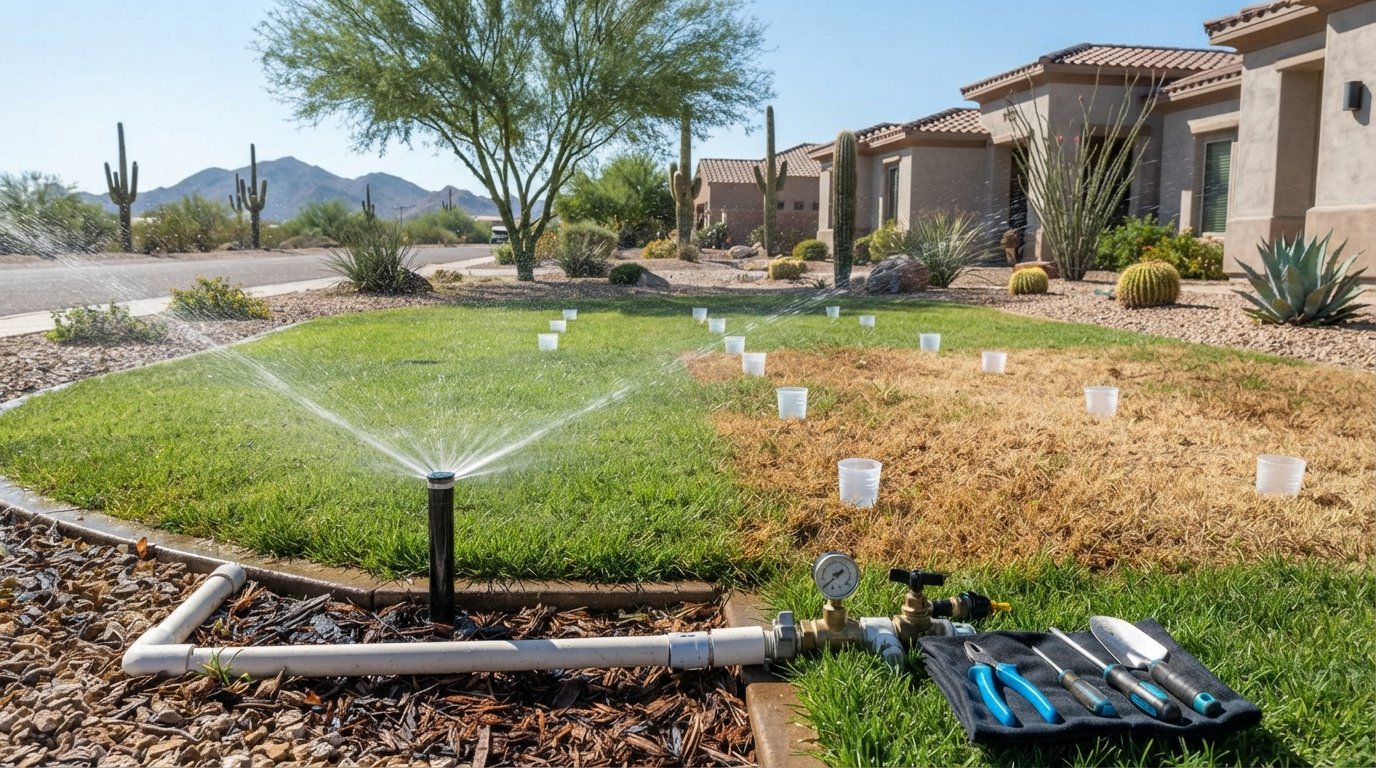
Following the source check, the process transitions into a zone-by-zone inspection of every sprinkler head and drip emitter. Technicians examine the water distribution patterns to ensure even coverage across your turf and desert plantings. Finally, pressure testing the main line allows for the detection of subtle underground weeping or minor fractures in the PVC pipe structure. This thorough diagnostic approach prevents hidden issues from developing into catastrophic system failures.
Step 1: Controller and Wiring Evaluation
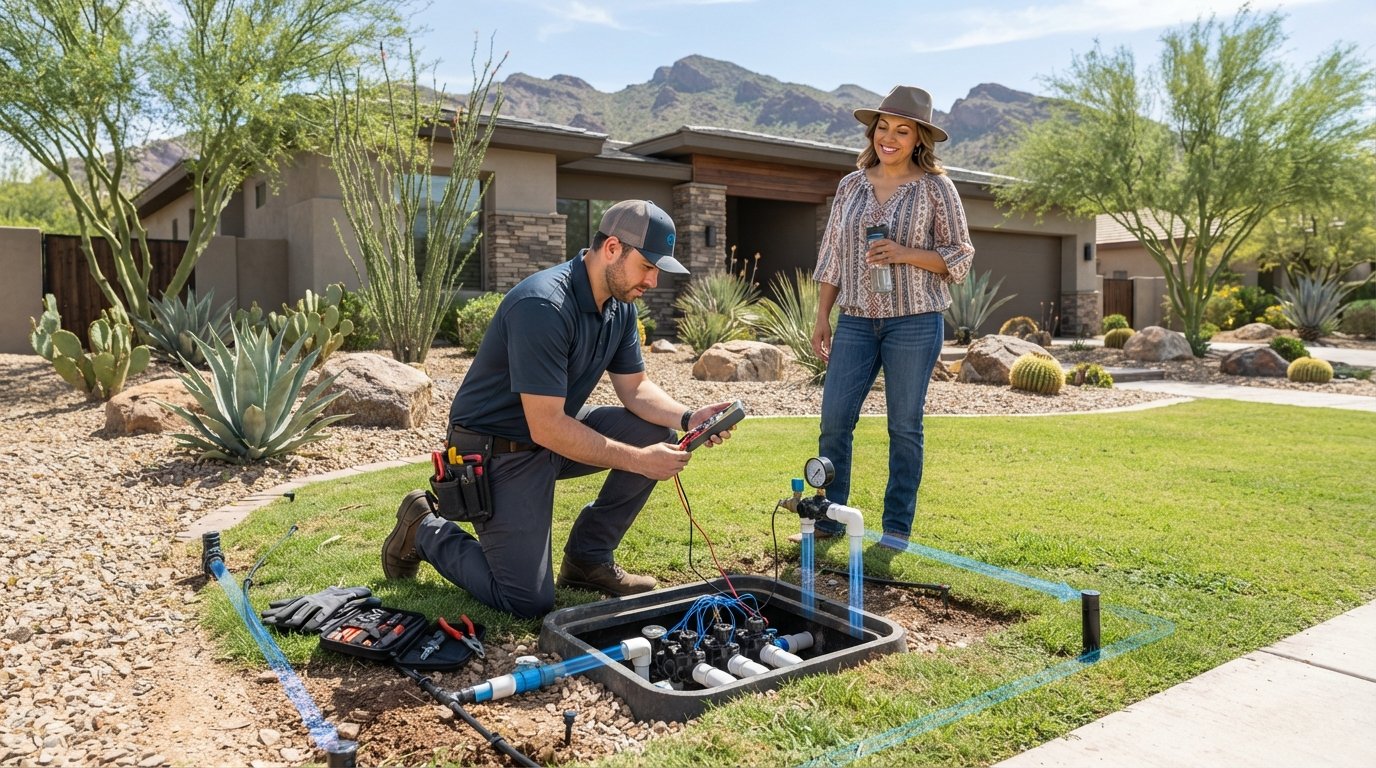
Electrical stability is the foundation of dependable watering. During an irrigation system check up Surprise technicians perform, the control unit undergoes a complete diagnostic review. Technicians test for faulty solenoids and frayed irrigation wiring that could prevent specific zones from activating. They also verify backup battery health and confirm that seasonal adjust settings align with local climate patterns. Identifying subtle electrical shorts early ensures that individual watering zones do not fail unnoticeably during peak summer weeks.
Step 2: Hydraulic and Mechanical Inspection
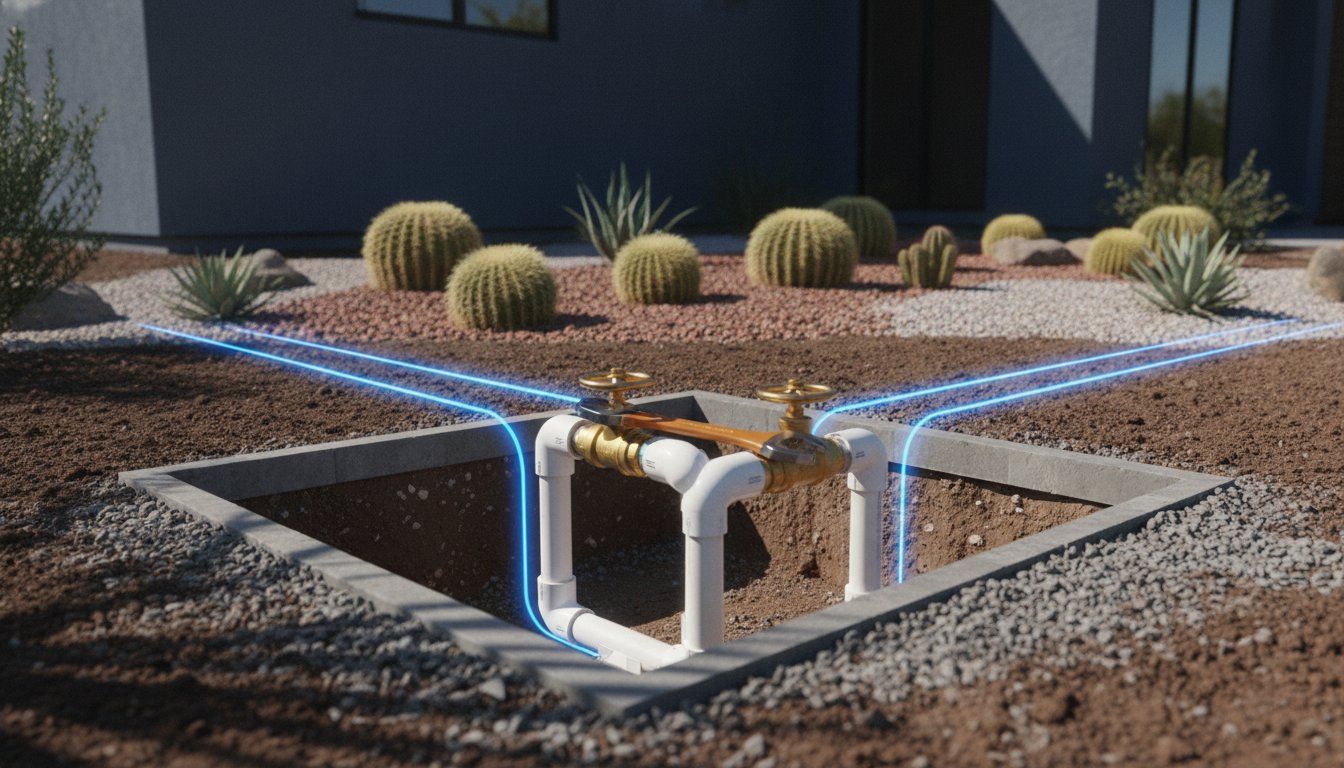
The mechanical health of your system dictates how efficiently water moves through your property. Technicians examine individual irrigation valves for internal diaphragm wear or trapped sediment that might prevent complete closure. They check the entire manifold assembly for hairline fractures or slow leaks that drain pressure from the system. If your landscape has sections with poor coverage, technicians can identify if a low water pressure irrigation fix is required at the furthest emitter head. This ensures that every plant receives its designated water allocation. If you suspect your system is losing pressure or wasting water, you can reach out to our team for a precise mechanical diagnosis.
Identifying Common Desert Irrigation Failures Before They Get Expensive
Understanding the specific failure points of desert systems is the best way to avoid a mid-summer landscape crisis. While a standard irrigation system check up Surprise identifies broad issues, local homeowners should be particularly aware of the 'Drip Tubing Trap.' In our climate, standard polyethylene drip lines typically degrade and fail every five to seven years. The thin walls of these pipes become brittle under the weight of dry soil and high ground temperatures, leading to splits that are difficult to locate without professional equipment. If you notice unexplained wet spots or a sudden drop in pressure, you might be dealing with a fractured line that could eventually lead to a costly sinkhole near your foundation. For more detailed guidance, consider Troubleshooting Your Drip System in Surprise to understand these specific mechanical risks.
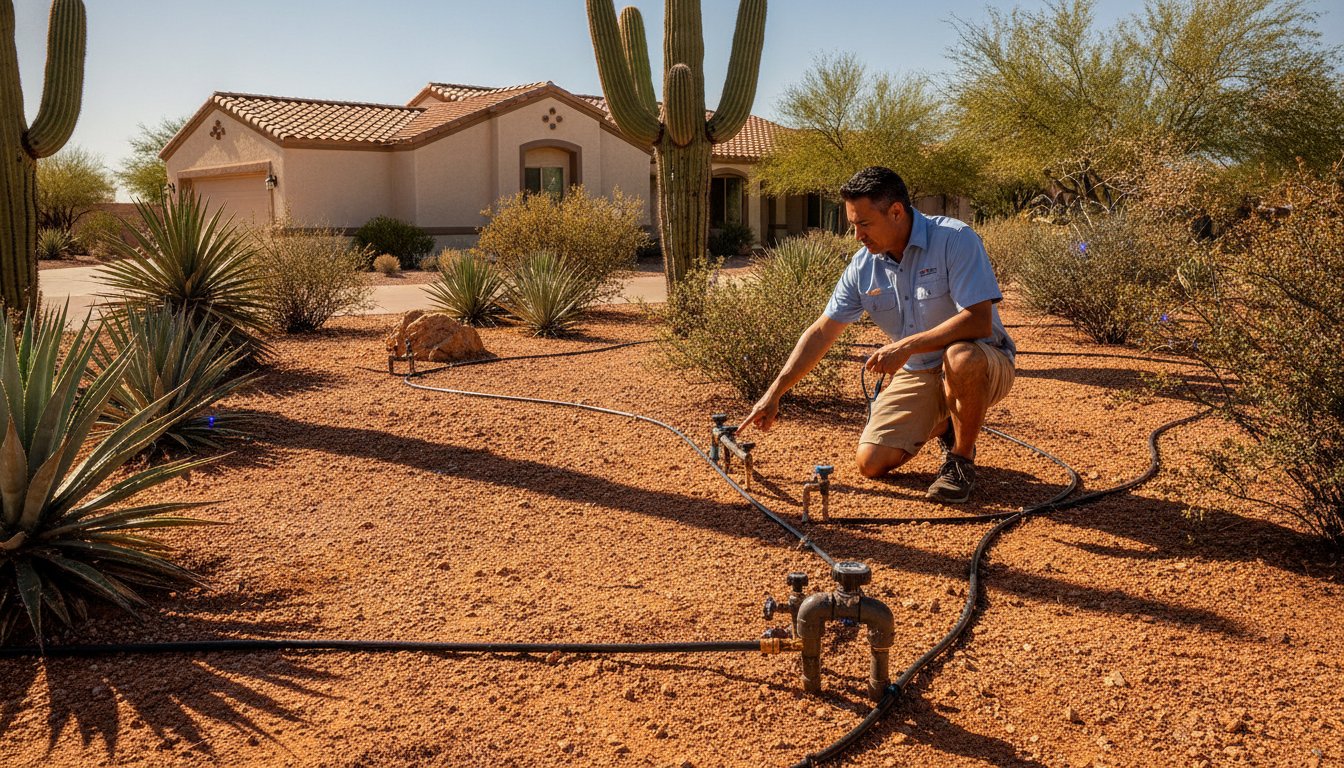
Drip System Emitter and Line Failures
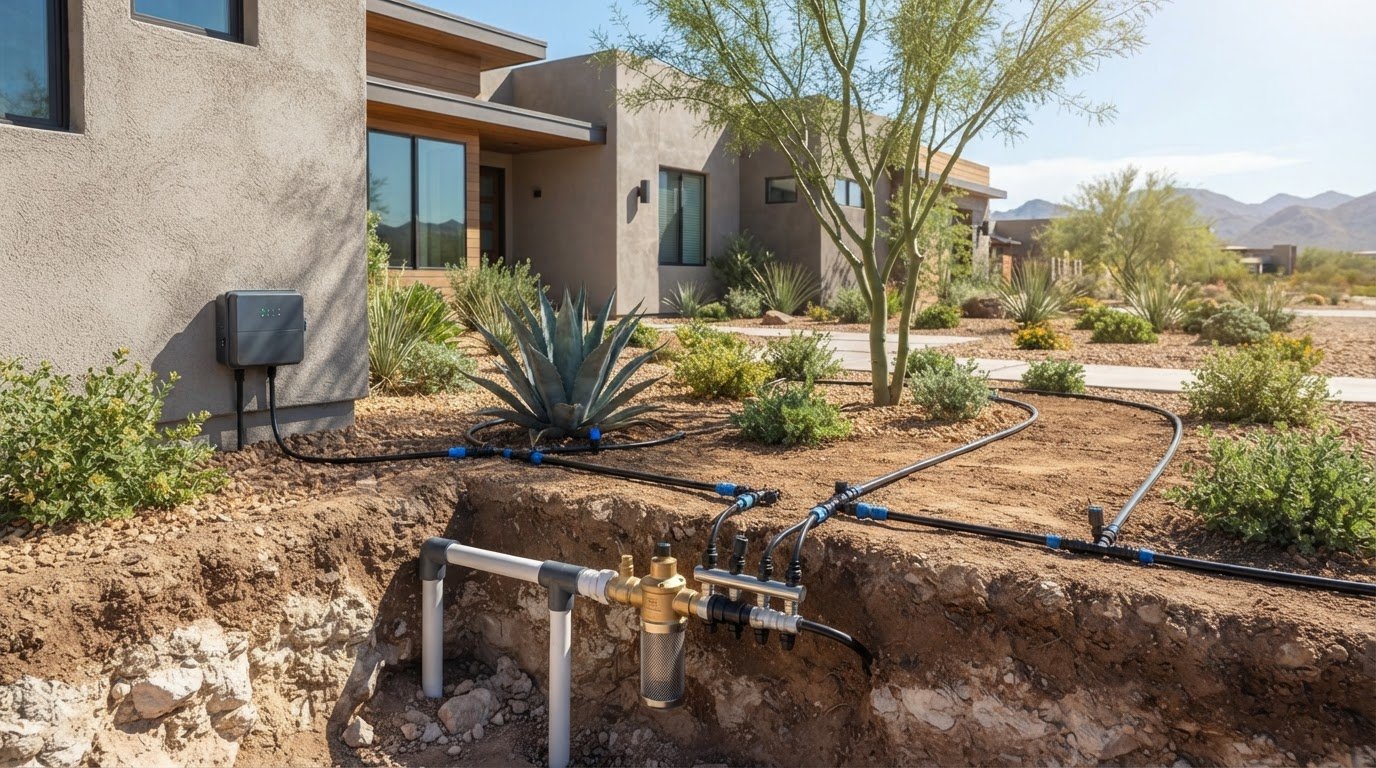
Emitters are the most vulnerable part of any desert system. Hard water in the West Valley often leaves mineral deposits that slowly calcify, eventually choking off the water supply to individual plants. Beyond internal clogs, desert wildlife like rabbits and javelinas frequently chew through exposed poly-lines in search of moisture during the dry months. Many residents find that irrigation PVC pipe replacement offers a more durable, long-term solution than continually patching thin-walled drip tubing. By upgrading main delivery lines to schedule 40 PVC, you create a system that is far less susceptible to environmental degradation and animal interference.
Valve and Backflow Complications
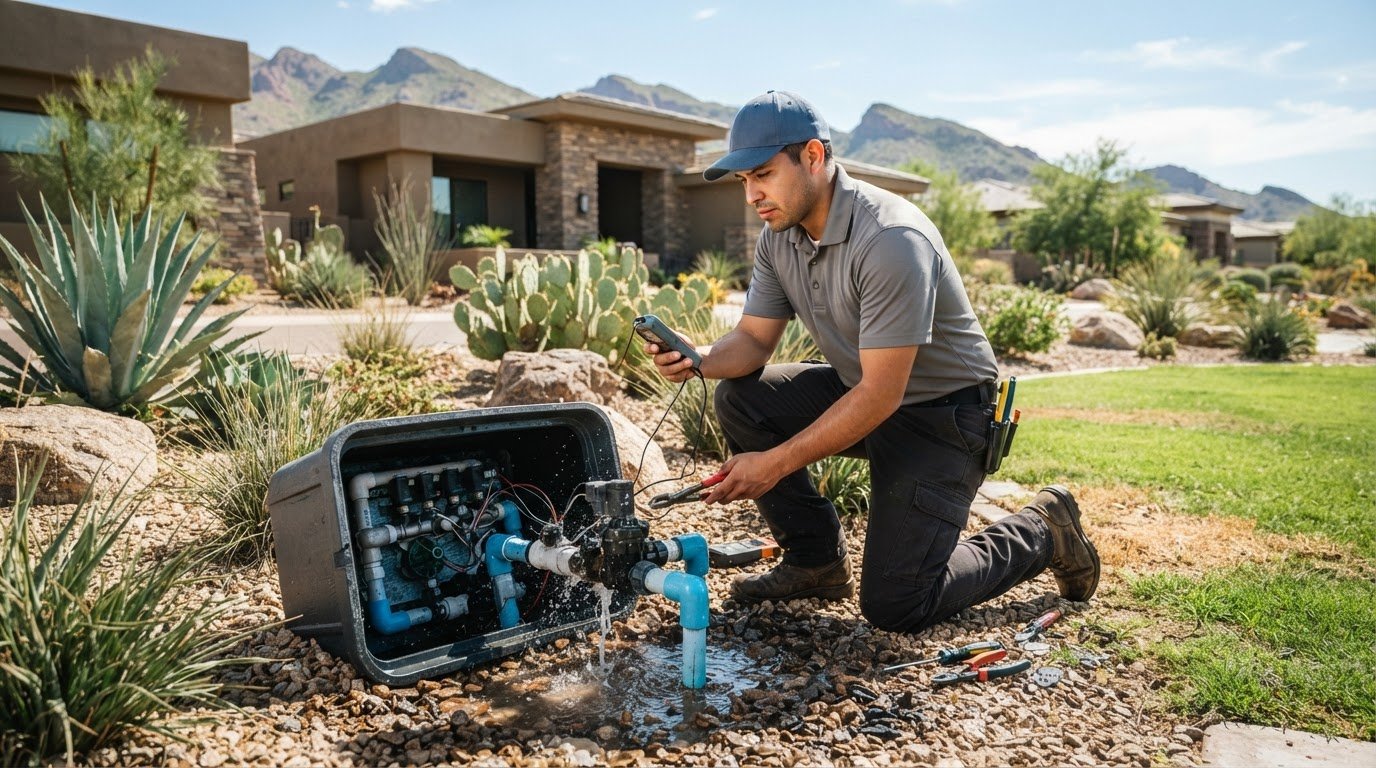
Your backflow preventer serves as a critical barrier between your garden and your home's drinking water. In Surprise, these devices must remain in peak condition to comply with safety standards and prevent contamination. However, the internal components of irrigation valves are equally vital. A 'sticking' valve that fails to shut off completely is a common, silent water thief that can run for hours unnoticed. Signs of failure include a faint humming sound from the valve box or persistent pooling in one specific zone long after the timer has stopped. Utilizing Expert Irrigation Valve and Backflow Services ensures these components are professionally tested and repaired. This proactive maintenance aligns with local water conservation programs, helping you keep your property green without wasting a precious resource.
Maximizing Water Efficiency: Seasonal Adjustments and Smart Upgrades
Achieving a resilient desert landscape requires more than just fixing leaks; it demands a system that adapts to the shifting Arizona climate. During a professional irrigation system check up Surprise residents often discover that a 'set it and forget it' approach to their timer is actually costing them money. In the spring, your plants require deep, infrequent watering to establish roots, but as we transition into the peak summer heat, your system must deliver more frequent cycles to combat rapid evaporation. High-efficiency sprinkler upgrades, such as rotating nozzles, can further improve results by delivering larger water droplets that resist wind drift better than traditional misting heads. You can learn more about these specific improvements in our guide to Maximizing Efficiency with Sprinkler System Upgrades.
Smart Controller Installation
Modern technology has simplified the process of maintaining a healthy yard. By choosing a smart irrigation controller installation, you gain a system that automatically adjusts watering schedules based on real-time weather data and local rain events. These Wi-Fi-enabled units allow you to monitor your system via smartphone, providing peace of mind when you are away from home. The U.S. Environmental Protection Agency estimates that WaterSense labeled controllers can reduce water use by 15% to 30%. Additionally, the City of Surprise currently offers rebates for residential properties, potentially covering the cost of a new controller up to $125 through June 2027.
Pressure Regulation and Drip Efficiency
High pressure is a silent killer for drip systems. While Surprise municipal water pressure is necessary for the home, it often exceeds the 20 to 30 PSI limit that drip components are designed to handle. Excessive pressure causes emitter 'blowouts' and stresses the poly-tubing joints, leading to premature failure. Installing a dedicated pressure regulator ensures that water is delivered at a manageable force, protecting your drip irrigation installation for years to come. During a diagnostic, we also ensure that emitter flow rates are correctly matched to your specific desert plant species, ensuring that a thirsty mesquite tree and a low-water agave aren't receiving the same volume of water. If you want to ensure your system is operating at peak efficiency, you should schedule your efficiency audit today.
Why Professional Diagnostics Save Surprise Homeowners Time and Money
Choosing a professional diagnostic over a DIY approach is often the difference between a permanent fix and a recurring headache. While many homeowners attempt to patch leaks themselves, these localized repairs frequently fail because they don't address the underlying system pressure or the overall condition of the aging poly-tubing. A professional irrigation system check up Surprise residents schedule provides a comprehensive view of the entire network. This high-level oversight prevents the frustration of wasted weekends spent digging in caliche soil only to find that the leak has moved six feet down the line. By identifying the root cause of hydraulic failures, you ensure that your landscape remains protected without the need for repetitive, ineffective patches.
One of the most significant advantages of professional service is the use of specialized equipment for irrigation wiring diagnostics. Electrical faults buried underground are nearly impossible for a generalist to locate without extensive trenching. Technicians use precision locators to find the exact point of a wire break or a failing solenoid, saving your yard from unnecessary excavation. This surgical approach to repair preserves your turf and granite, keeping your property looking pristine while restoring full functionality to your watering zones.
The Sonora Sprinkler Difference
We believe that deep technical expertise comes from a singular focus. Unlike general landscaping companies that offer irrigation as a secondary service, Sonora Sprinkler is a dedicated residential irrigation specialist. Since 1999, our family-owned business has provided steady, professional assurance to homeowners throughout the West Valley. We don't split our attention between lawn mowing and hardscaping; instead, we concentrate entirely on the mechanics of water delivery. This commitment to the craft ensures that every Contact Sonora Sprinkler for a Professional Diagnostic results in a thorough, expert evaluation of your property's specific needs.
Preparing for Your Check-up Appointment
A few simple steps can help you get the most out of your professional inspection. Before your technician arrives, it's helpful to locate your main valve boxes and clear any debris or overgrowth that might be obstructing access to the irrigation controller. If you've noticed specific dry spots or received a surprisingly high water bill, make a list of these concerns to share during the walkthrough. After the diagnostic is complete, you'll receive a clear summary report that distinguishes between urgent repairs needed to protect your plants and optional sprinkler upgrades designed to improve long-term efficiency. Scheduling these check-ups semi-annually ensures your system is always prepared for the next seasonal shift.
Securing Your Surprise Property for the Seasons Ahead
A resilient Arizona landscape depends on a system that functions as reliably as the desert sun is intense. By identifying brittle poly-tubing early and optimizing your controller settings, you protect your property from both environmental stress and unnecessary water waste. An irrigation system check up Surprise homeowners depend on ensures that every valve, emitter, and hydraulic connection is operating at peak efficiency before the next extreme temperature shift. It's the most effective way to gain peace of mind regarding your monthly utility costs and the long-term health of your high-value desert plants.
Sonora Sprinkler Inc. has served the Surprise and Peoria communities since 1999. As specialized residential irrigation experts, we provide licensed, bonded, and insured professionalism that generalists simply can't match. We maintain a strict focus on irrigation mechanics to ensure your desert trees and shrubs receive the precise hydration they need to flourish year-round. Our deep-rooted local knowledge allows us to identify subtle failure points before they become expensive property damage.
Take the guesswork out of your landscape maintenance. Schedule Your Professional Irrigation Check-up Today to ensure your system is fully prepared for the challenges of the Arizona heat. We look forward to providing the expertise your desert landscape deserves.
Frequently Asked Questions
How often should I have an irrigation system check-up in Surprise?
You should schedule a professional check-up at least twice a year, ideally in the spring and fall. The extreme summer temperatures in Surprise accelerate the degradation of poly-tubing and PVC components. A spring inspection ensures your system is prepared for the peak heat, while a fall visit allows for adjustments as plants enter dormancy. Regular oversight prevents minor issues from becoming catastrophic failures during the hottest months of the year.
What are the signs of a hidden underground irrigation leak?
Unexplained spikes in your utility bill are often the first indicator of a hidden underground breach. You might also notice localized soft spots in your granite, unusually lush patches of weeds, or plants that appear stressed despite regular watering. In some cases, a faint humming sound from your valve box suggests a valve isn't closing completely. These silent leaks can waste hundreds of gallons of water before they ever reach the surface.
Can a professional check-up help lower my Surprise water bill?
Yes, a professional irrigation system check up Surprise homeowners invest in identifies hidden inefficiencies that drive up monthly costs. By pinpointing leaking valves and optimizing your controller's seasonal adjustment settings, we ensure you aren't overwatering your desert landscape. Small repairs, like replacing a cracked manifold or a clogged emitter, stop water waste immediately. Most residents see a noticeable reduction in their monthly water bill after a comprehensive system optimization.
Do you check both sprinkler and drip irrigation systems?
We provide comprehensive diagnostics for both traditional turf sprinklers and desert drip irrigation systems. Our technicians understand the unique mechanical needs of each, from verifying the spray patterns of pop-up heads to checking the flow rates of individual drip emitters. We focus exclusively on residential properties, ensuring that every component of your home's water delivery network is evaluated for durability and precision in our harsh desert environment.
What is included in a Sonora Sprinkler irrigation diagnostic?
Our diagnostic process covers every mechanical and electrical component of your residential system. We perform a full controller evaluation, test the integrity of your backflow preventer, and conduct a zone-by-zone inspection of all delivery lines. We also check for valve diaphragm wear and verify that your irrigation wiring is free of shorts. You'll receive a detailed summary that outlines necessary repairs and potential efficiency upgrades for your specific landscape.
How long does a typical residential irrigation check-up take?
A thorough residential irrigation diagnostic typically takes between 60 and 90 minutes. The exact duration depends on the size of your property and the number of watering zones in your system. We take the time to physically walk every line and test each zone individually to ensure nothing is overlooked. This methodical approach allows us to provide an accurate assessment without rushing through critical mechanical checks or electrical testing.
Why is my irrigation controller showing an 'error' or 'fault' code?
An error or fault code usually indicates an electrical issue within your system's wiring or a specific zone solenoid. These codes often trigger when the controller detects a short circuit or a broken connection that prevents a valve from opening. Instead of guessing which wire is damaged, a professional irrigation system check up Surprise residents trust utilizes specialized diagnostic tools to locate the exact point of failure. This prevents unnecessary digging across your entire yard.
Should I adjust my watering schedule for the Arizona monsoon season?
You should definitely adjust your timer during the monsoon season to account for natural rainfall. While the humidity increases, the high temperatures still pose a risk to your plants, so you shouldn't turn the system off entirely for long periods. If your system receives significant rain, you can use the 'rain delay' feature on your controller. Smart controllers can automate this process by using local weather data to pause cycles during heavy storms.