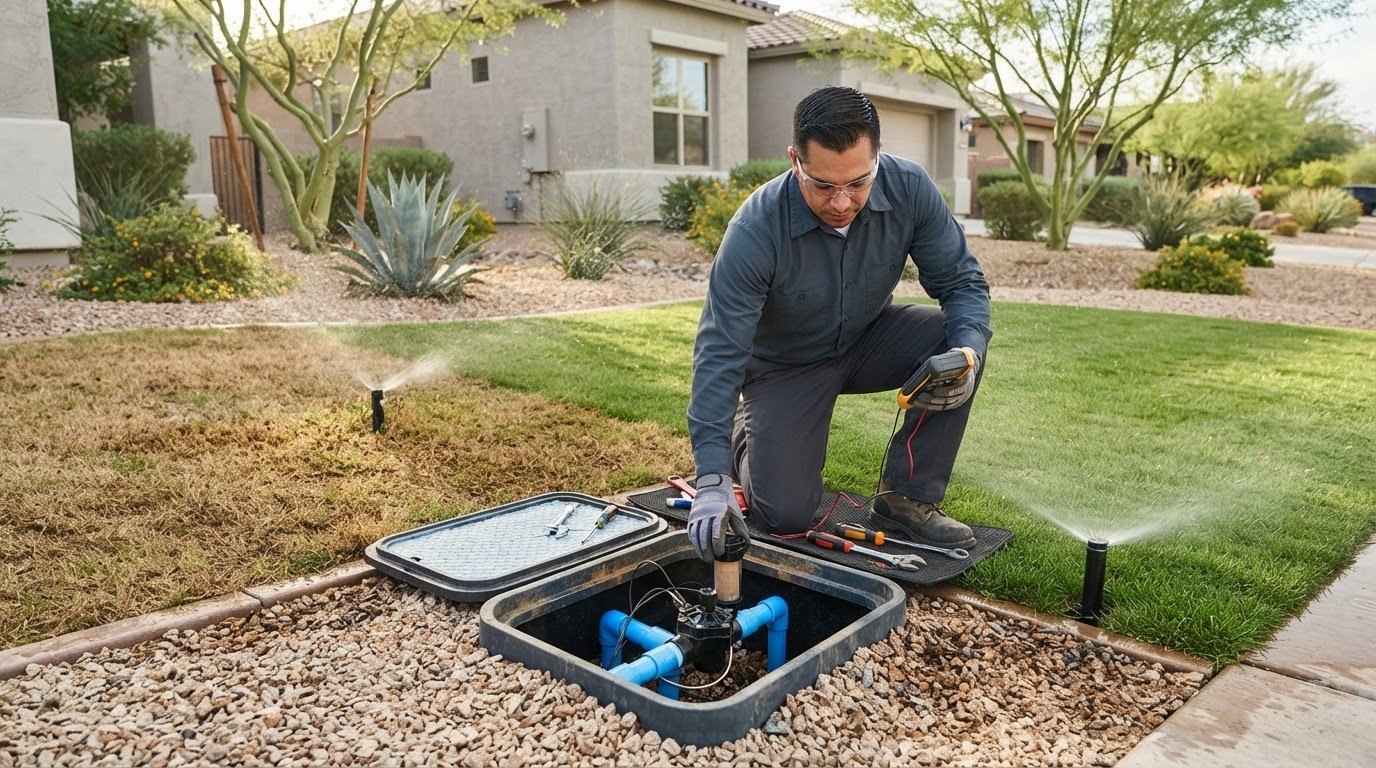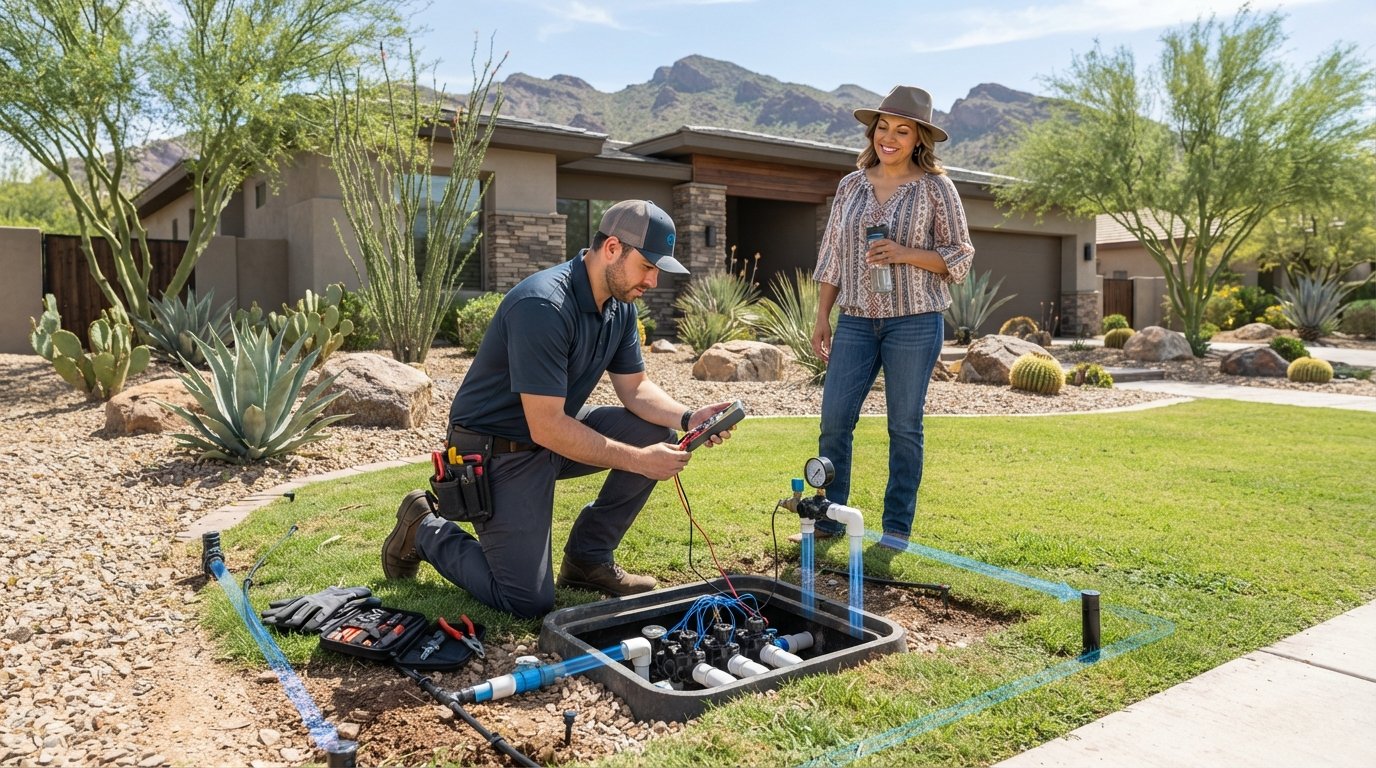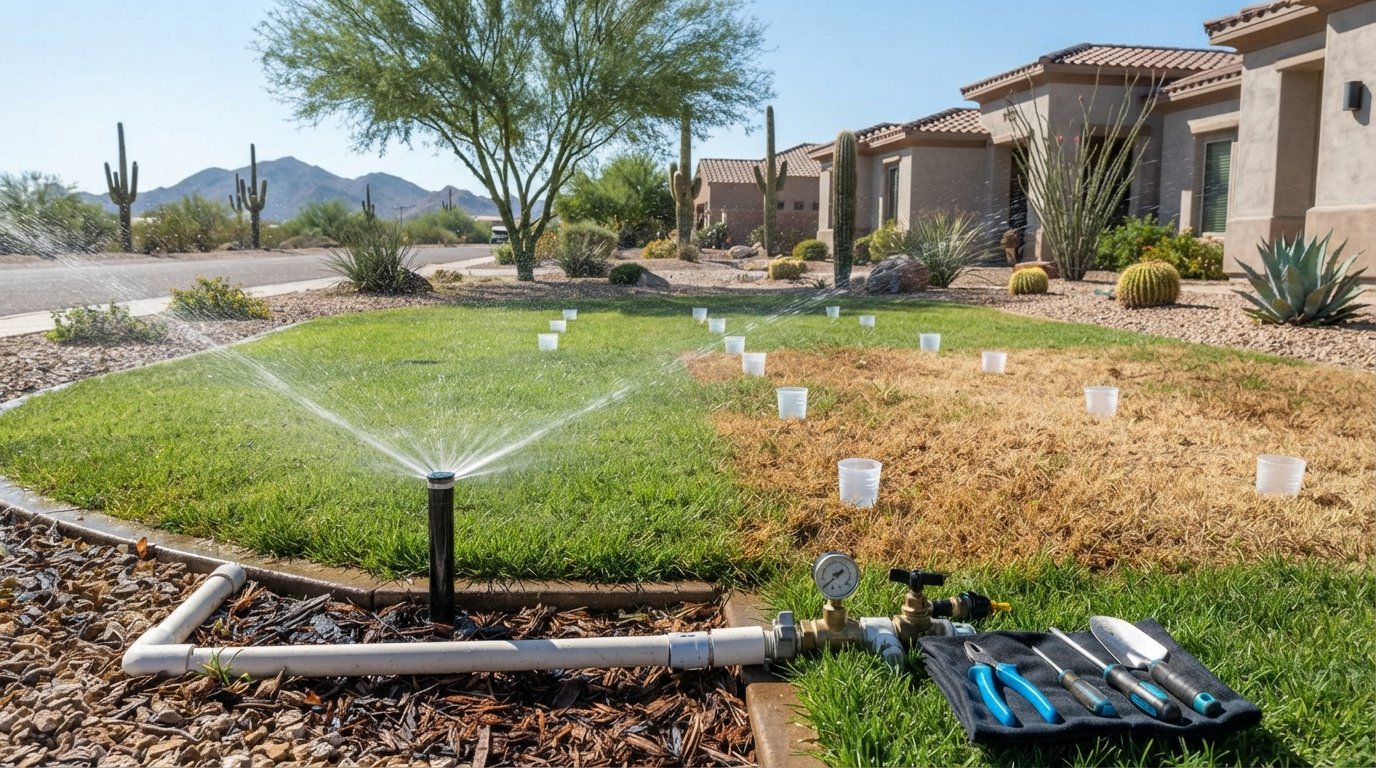
A dry patch in your yard may not mean you need to water more. It could be a sign that one part of the irrigation system isn’t delivering water properly. Dry or oversaturated areas can be frustrating, especially when a leak or faulty component isn’t easy to spot. This irrigation system audit Peoria checklist helps you look for clues before deciding what to address.
A structured review can help you determine whether a concern appears limited to one zone, a sprinkler head, a valve, or another part of the system. It also gives you useful details to share if a visual check doesn’t reveal the cause.
Use this checklist to examine zones and visible components, record symptoms such as pooling, weak spray, or uneven coverage, and decide what needs attention first. You’ll also learn when a simple observation may be enough to guide your next step and when professional irrigation diagnostics may help identify the problem.
Key Takeaways
- An irrigation system audit Peoria homeowners can use starts with a structured review of how zones operate and where coverage appears uneven.
- Inspect sprinkler heads, drip lines, and controls, and record which zone shows each symptom.
- Separate visible clues from confirmed causes. A symptom points to an area for inspection, but doesn’t prove what’s wrong.
- Note when problems occur and whether they’re consistent or intermittent to make follow-up more focused.
- Recurring issues, multiple affected zones, or an unclear cause may warrant professional irrigation diagnostics.
What an Irrigation System Audit in Peoria Should Tell You
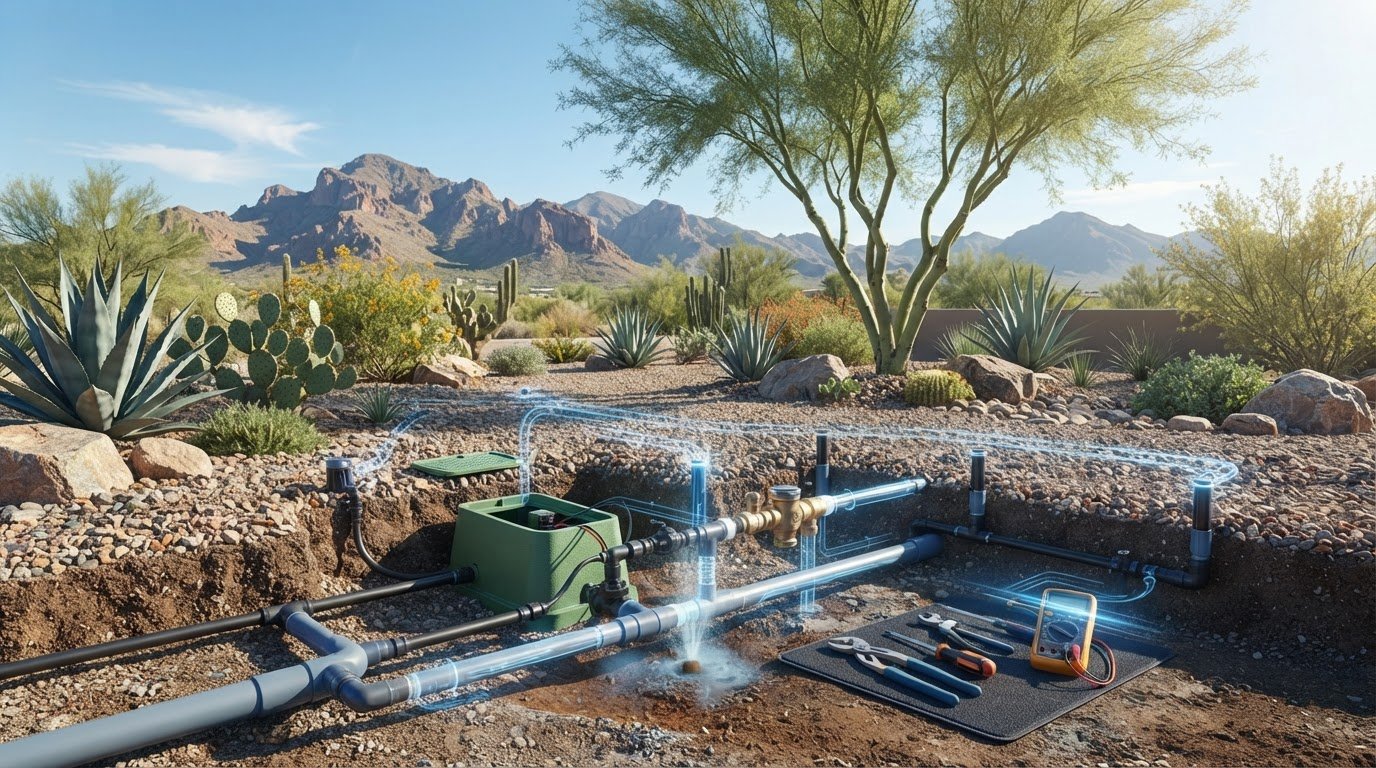
An irrigation system audit Peoria homeowners can use is a structured review of how the system operates, how water reaches visible areas, and where a fault may be occurring. Instead of checking only whether sprinklers turn on, look for patterns: a dry strip beside an otherwise healthy lawn, water pooling near a head, or a zone that responds inconsistently. These observations help narrow down what may need closer inspection.
An audit identifies concerns, but it doesn’t automatically include repairs or adjustments. The next step depends on the findings and the provider’s process. Irrigation can be delivered through methods such as sprinklers or drip systems, as outlined in this Irrigation overview. Each system type has different components to assess.
For a visual introduction to the basics, watch this overview of a landscape irrigation audit:
How an audit differs from a quick sprinkler check
A quick glance tells you little beyond whether water is flowing at that moment. A zone-by-zone review lets you observe how the system responds during operation and whether coverage appears consistent across the area. For example, a head spraying onto a walkway may have a visible alignment issue, while weak output across several heads could point to a broader concern. These are clues, not confirmed diagnoses, and audit procedures can vary by provider.
When Peoria homeowners should consider an audit
Uneven watering, persistent wet spots, and visible leaks are practical reasons to investigate. An unexplained change in water use is another reason to look more closely, though it doesn’t prove the irrigation system is responsible. Note when the symptom appears and whether it repeats. A reassessment may also be useful after a noticeable system change or when performance concerns return.
Peoria’s hot, dry conditions make reliable coverage worth checking. Missed areas may show stress, while excess water can collect where it isn’t needed. A focused review helps homeowners distinguish what they can observe from what requires technical diagnosis. Sonora Sprinkler Inc. serves residential customers in Peoria and nearby communities, with irrigation repair and diagnostics among its services. If a visual check hasn’t clarified the concern, irrigation repair and maintenance may be a relevant next step.
The Peoria Irrigation Audit Checklist: Zones, Heads, Drip Lines, and Controls
Keep your notes organized by zone. Record each zone’s name or location, when it runs, and what you observe. That makes it easier to distinguish an issue affecting one area from a pattern across the system. For an irrigation system audit Peoria homeowners can begin with visible checks, walk the area while each zone operates and document its current behavior before changing any settings.
What to observe while each sprinkler zone runs
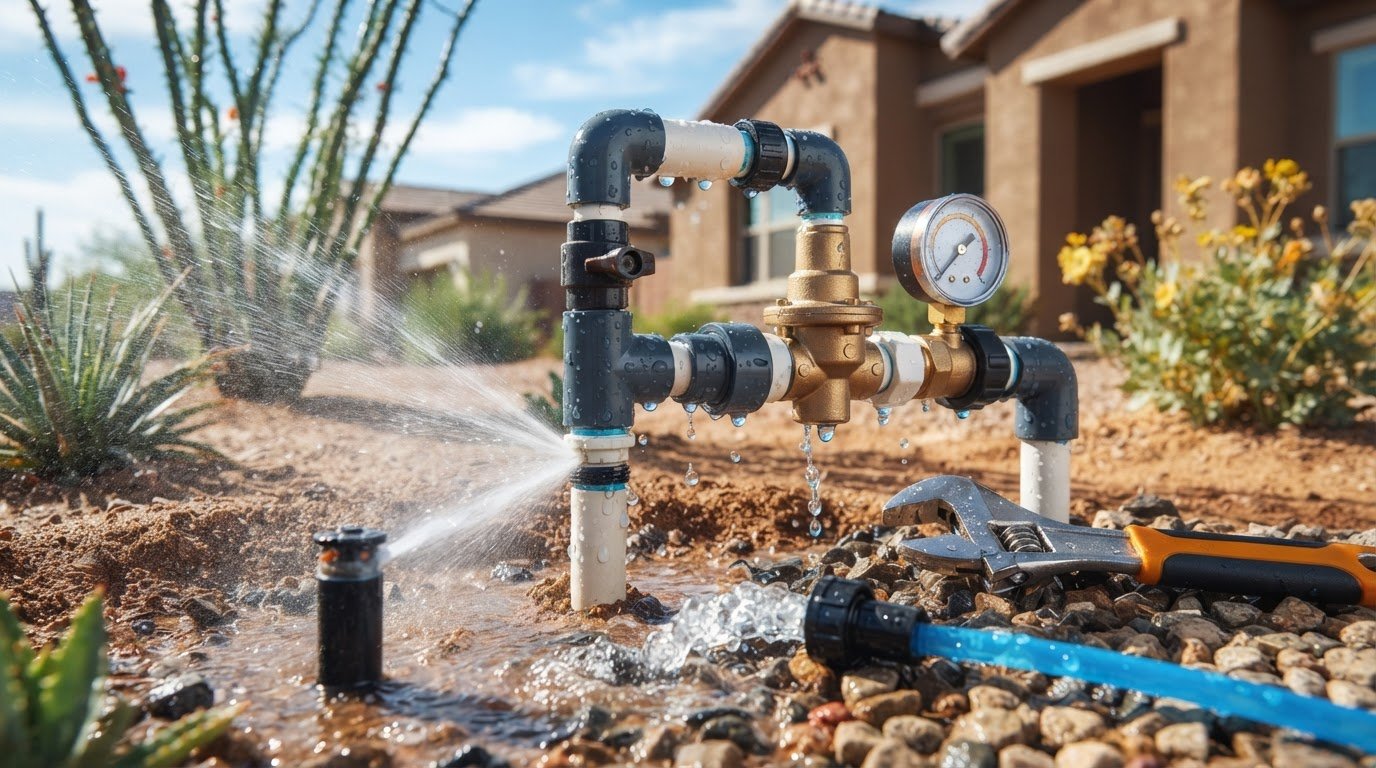
Watch which heads activate and whether their spray reaches the intended planting areas. There’s no single spray pattern that suits every yard, so focus on whether water appears to miss parts of the area or land on hardscape. Note damaged, blocked, tilted, or misaligned heads, along with sputtering or weak output. If a head continues running after the zone should stop, record its location and when you noticed it.
Check the controller, too. Note the settings you see and whether each zone starts, stops, and responds as expected. A displayed schedule doesn’t prove that the system is operating correctly. If you want a more formal method for observing distribution, the University of Minnesota Extension explains how to audit your irrigation system, including the use of catch cans to compare water collected in different spots.
What to check around drip irrigation components
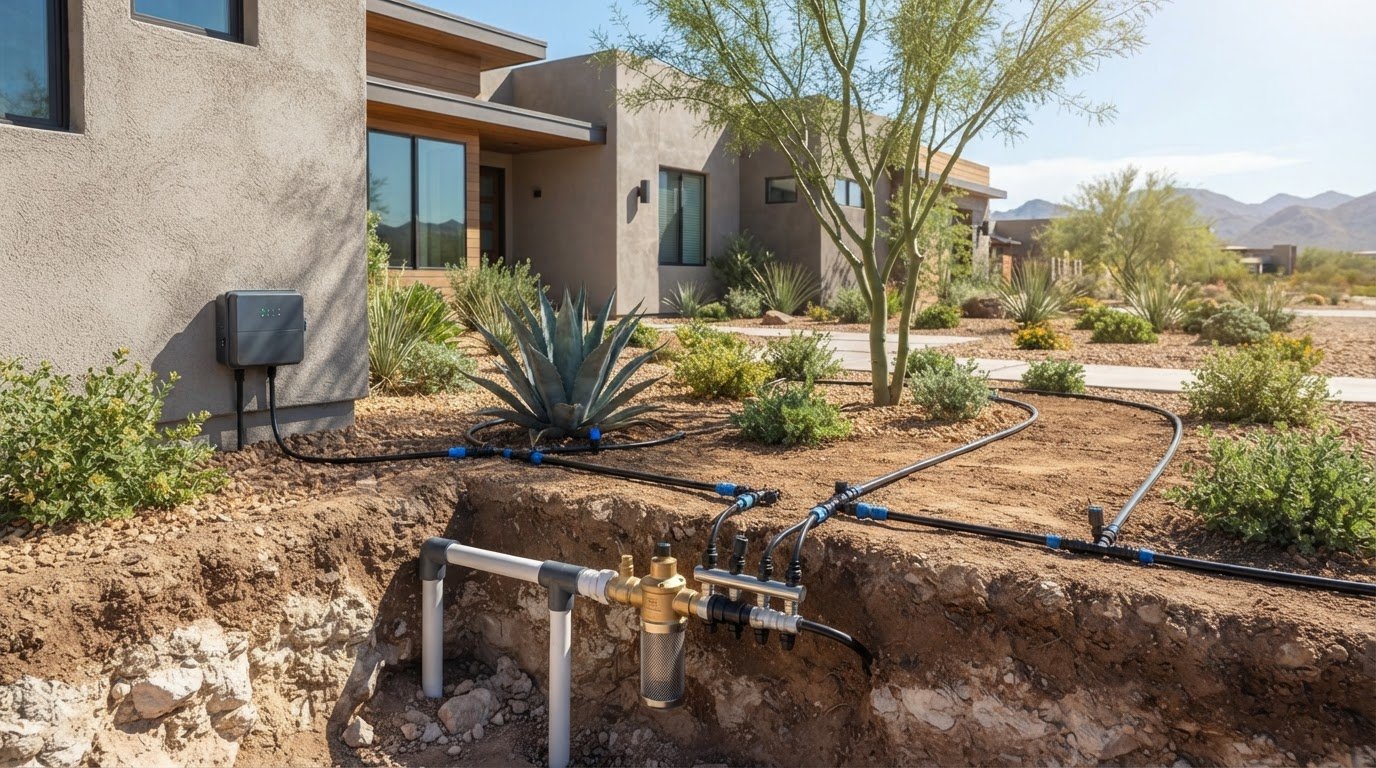
Follow visible tubing and accessible connections. Look for disconnected lines, damaged PVC, wet soil, or emitters that appear clogged. Compare similar planting areas: if one section looks consistently damp while another looks dry, record the difference without assuming the cause. A visible symptom can guide further inspection, but it doesn’t confirm whether a blockage, leak, pressure issue, or another fault is responsible.
For background on drip-system components and installation, see this residential drip system installation guide. Don’t dismantle buried lines or force components while checking. Focus on what you can safely see and document.
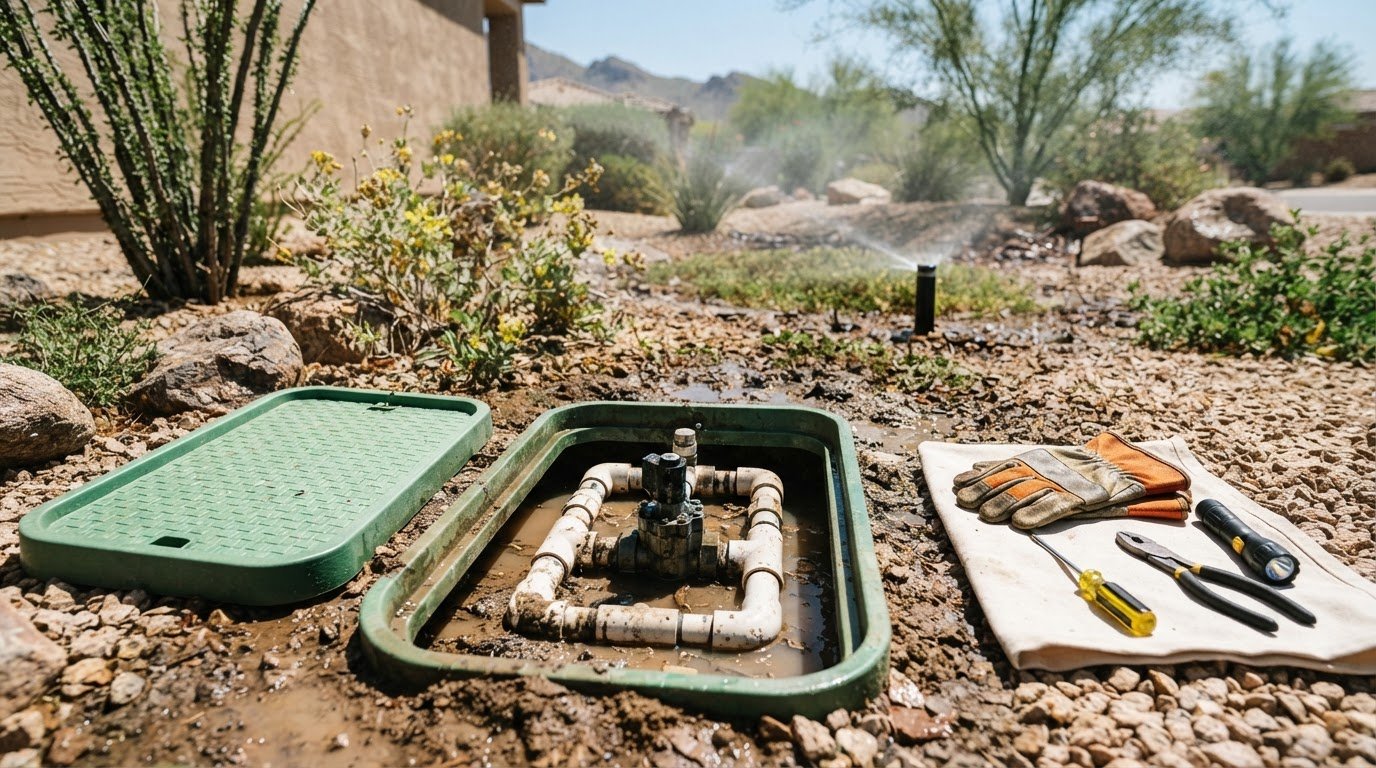
Across all zones, flag pooling, unusually dry patches, and soil that stays damp between watering cycles. Include the location, whether the symptom appears during operation, and whether it returns. These notes give a technician a useful starting point without turning a visual check into a guess about the diagnosis. If you’re unsure what to inspect next, you can discuss your irrigation concerns with Sonora Sprinkler Inc.
How to Interpret Audit Findings Without Guessing at the Cause
A symptom is evidence to investigate, not a diagnosis. In your notes, separate what you directly observed, such as “water pooled beside the valve box after Zone 2 ran,” from what a technician confirms after testing. This helps keep the next step focused and avoids replacing or adjusting a component based on a guess. During an irrigation system audit Peoria homeowners can use these observations to explain where and when a problem occurs.
Common irrigation symptoms and what they may indicate
The same symptom can have more than one possible source. Use the table as a starting point for documenting concerns, not as a substitute for diagnosis.
| Observed symptom | Possible area to inspect | Useful next step |
|---|---|---|
| Dry patch within a watered area | Head coverage, a blockage, or zone operation | Note the location and whether nearby areas receive water during the same cycle. |
| Wet soil or pooling | A leak, drainage conditions, or excess application | Record whether it appears during watering or remains between cycles. |
| Zone does not run | Controller settings, wiring, valve, or another mechanical component | Write down the zone and whether the controller appears to command it. |
| Water continues after a cycle | A valve or control issue, among other possibilities | Document how long the flow continues and request prompt professional assessment. |
If water is actively leaking or flowing without stopping, prioritize having the system assessed rather than waiting to see whether the symptom resolves. For less urgent concerns, another observation can help establish whether the issue is consistent or intermittent.
When wiring, valves, or backflow components need attention
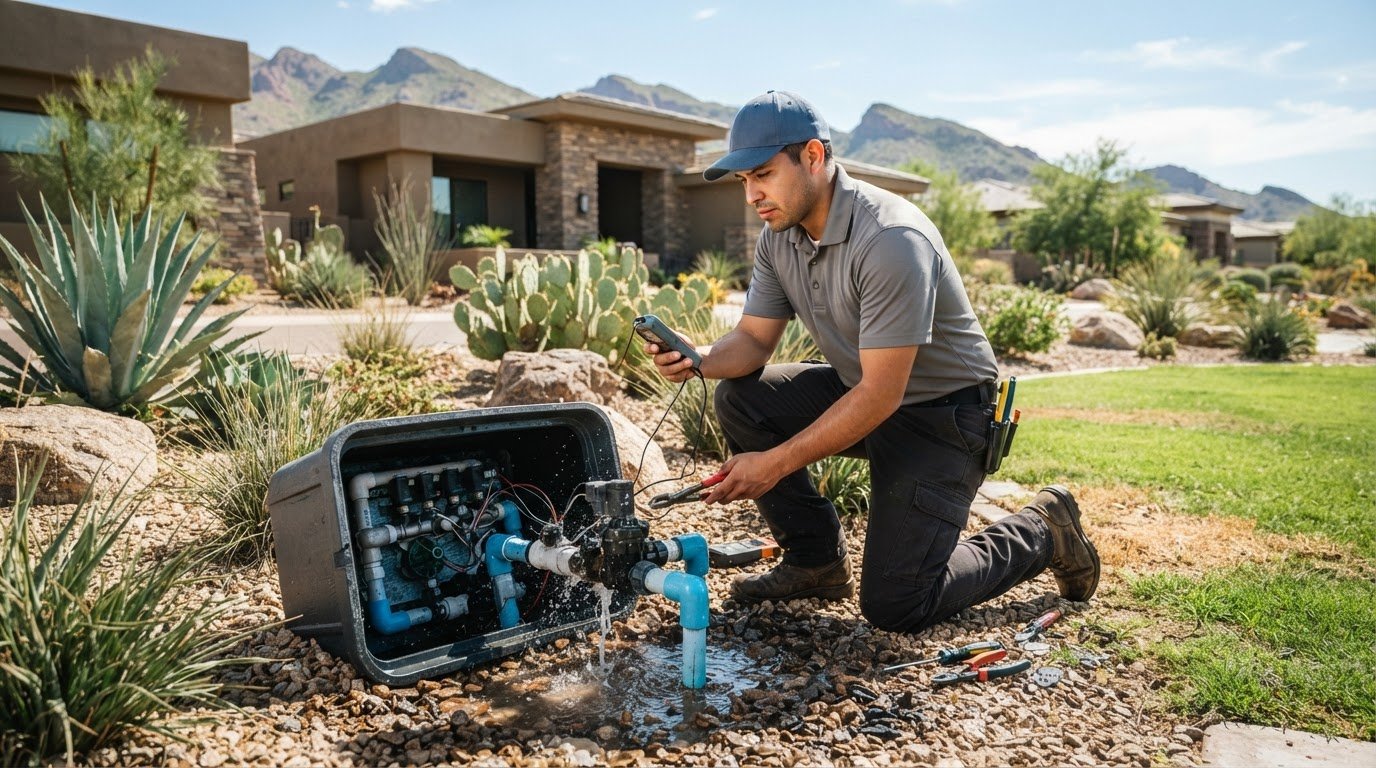
If the controller indicates that a zone should run but nothing happens, wiring diagnostics may help identify whether the electrical signal is reaching the right component. A valve issue can also affect whether water starts, stops, or reaches a zone as expected. These possibilities can look similar from the yard, so don’t assume the controller or valve is at fault based on appearance alone.
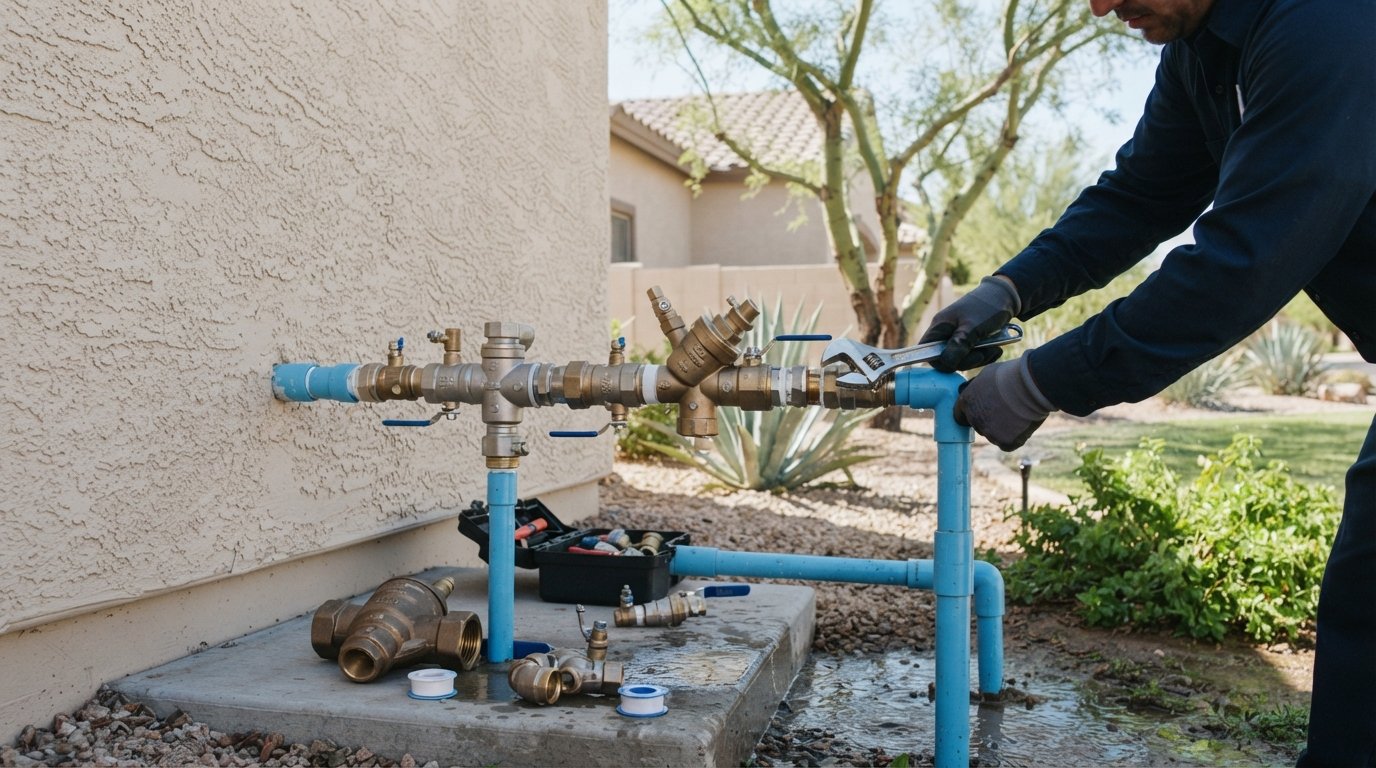
Sonora Sprinkler Inc. provides irrigation wiring diagnostics, as well as valve and backflow services. A technician can assess which area needs attention and whether repair or further testing is appropriate. Bring your observations, zone locations, and notes on timing. They help connect the visible symptom to a confirmed cause.
A Homeowner’s Follow-Up Checklist for an Irrigation Audit in Peoria
Clear notes turn an irrigation system audit Peoria homeowners conduct into a practical next-step plan. Before requesting an assessment, capture what you observed, where it happened, and whether it repeats. You don’t need to identify the faulty part. A useful record helps a technician focus on the affected area and distinguish confirmed findings from possibilities.
How to prepare useful notes before requesting service
Keep a simple record for each concern. Include the affected area or zone, the visible symptom, and the approximate date you first noticed it. Note whether it occurs during watering, afterward, or between cycles. If a photo or short video safely shows a leak, pooling, or a head that doesn’t stop, save it with the observation date. Don’t enter standing water or handle exposed electrical components to gather evidence.
- Identify the location: Note the zone, nearby sprinkler head, drip line, or other recognizable landmark.
- Describe the pattern: Say whether the symptom is consistent or intermittent, and under what conditions you notice it.
- Record relevant settings: Write down visible controller settings, but don’t alter unfamiliar wiring or electrical components.
- Share system history: Mention recent repairs, adjustments, or other system changes that may help guide troubleshooting.
Keep descriptions factual. “Zone near the front entry did not start during the scheduled cycle” is more useful than “the valve is broken,” unless a technician has confirmed that diagnosis.
How to prioritize the recommended next steps
Ask for findings to be organized by observed issue, recommended action, and any further diagnosis needed. Also ask which conclusions were confirmed during the assessment and which remain possible explanations. This gives you a clearer basis for deciding what needs prompt attention and what can be planned as an adjustment or improvement. Raise active leaks or water that continues flowing promptly for professional assessment.
Once the cause is clearer, the appropriate next step may involve repair, wiring diagnostics, valve service, or another part of the system. Review the scope of residential irrigation repair services for context, and confirm which work addresses the findings in your home.
If your notes point to a recurring issue or you’d like help arranging an assessment, contact Sonora Sprinkler Inc. about your irrigation concerns.
When to Request a Professional Irrigation System Audit in Peoria
Consider professional diagnostics when the same watering concern keeps returning, several zones are affected, or a visual check hasn’t clarified the cause. For example, a zone that sometimes fails to run may involve controller settings, wiring, a valve, or another component. An irrigation system audit Peoria homeowners request can help narrow down what needs attention, but confirm what the provider means by an audit and what the visit includes. A review may identify concerns without including repairs or adjustments.
Sonora Sprinkler is a family-owned residential irrigation provider serving Peoria and nearby communities. Its services include irrigation repair and installation, drip systems, wiring diagnostics, and valve and backflow services. The right service depends on what an assessment confirms. Not every concern requires the same repair or component work.
What to ask before arranging an assessment
Before scheduling, ask which zones and system components the visit will examine, and how the findings and recommended actions will be explained before any work proceeds. You can also ask whether troubleshooting may require separate diagnostic or repair work. These questions clarify the scope without assuming every provider follows the same process or offers a packaged audit.
Describe what you’ve seen, including the affected areas, when symptoms occur, and whether they’re recurring or intermittent. Ask which observations are confirmed and which remain possible explanations. That distinction helps you understand what’s known and what may need further diagnosis.
A local next step for Peoria homeowners
Before contacting a provider, summarize the symptoms and identify the zones or areas involved. Include relevant observations, such as whether water continues after a cycle or whether multiple parts of the system behave differently. Clear details can help guide the conversation about appropriate next steps.
If an assessment points to repair, review Sonora Sprinkler’s irrigation repair and maintenance services for context. To discuss residential irrigation concerns in Peoria, contact Sonora Sprinkler about your irrigation system and ask what an assessment would include.
Take the Next Step Toward Reliable Irrigation
A useful irrigation system audit Peoria homeowners can conduct begins with careful observation, not guesswork. Check how individual zones operate, note uneven coverage or unusual wet areas, and keep visible symptoms separate from possible causes. Clear notes help you decide what needs prompt attention and give a technician a useful starting point when further diagnosis is needed.
Remember that an audit can identify concerns without including repairs or adjustments. Ask what an assessment covers, how findings will be explained, and whether additional diagnostic or repair work may be needed. That clarity helps you make a practical plan for your home’s irrigation system.
Sonora Sprinkler is a family-owned residential irrigation provider serving Peoria and surrounding communities. If you’ve observed recurring issues or can’t isolate the cause, contact Sonora Sprinkler about your irrigation system to describe what you’ve noticed and ask about appropriate next steps.
Frequently Asked Questions
What is included in a residential irrigation system audit?
A residential irrigation audit generally reviews how the system operates, visible water coverage, and suspected faults, but the exact scope can vary by provider. Ask whether the review includes operating zones, sprinkler heads, drip lines, and controller response. An audit can identify concerns without including repairs or adjustments. For an irrigation system audit Peoria homeowners should confirm what will be checked and whether further diagnostic work may be needed.
How often should I have my irrigation system checked in Peoria?
There isn’t a single inspection schedule that fits every residential system. Consider a check when you notice uneven watering, recurring wet spots, visible leaks, or changes in system performance. It may also be useful after a repair or a noticeable system change. Peoria’s hot, dry conditions make it practical to watch for coverage problems, but the timing of a professional assessment depends on your system’s condition and symptoms.
Can an irrigation audit find a hidden leak?
An audit may identify signs that point to a leak, such as persistent damp soil, pooling, or water flowing when a zone should be off. These clues don’t always reveal the exact source, especially if a pipe or connection is buried or out of sight. Further diagnosis may be needed to confirm whether a leak is present and locate it. Share when and where you see the wet area.
What should I check before calling an irrigation professional?
Note the affected area or zone, what you observed, and when the problem occurs. Check visible sprinkler heads for damage or obstruction, look for disconnected drip tubing, and record whether symptoms repeat or happen intermittently. You can also note visible controller settings, but don’t handle unfamiliar wiring or electrical components. Photos or a short video may help document a symptom when you can capture it safely.
Why is one sprinkler zone not working?
A zone that won’t run can have several possible causes, including controller settings, wiring, a valve, or another mechanical issue. Start by noting whether the controller appears to call for that zone and whether nearby zones operate normally. These observations can help narrow the area for inspection, but they don’t confirm the faulty component. Professional irrigation diagnostics can help identify the cause when basic visual checks don’t resolve the question.
Can a sprinkler system audit identify drip irrigation problems?
A system review can include visible drip components if they fall within the provider’s assessment scope. Look for disconnected tubing, damaged pipe, damp soil, or emitters that appear blocked, and note differences between similar planting areas. Those symptoms can suggest uneven delivery or a leak, but they don’t establish the cause. Ask whether the assessment covers drip lines and emitters, and whether separate diagnostic or repair work may be required.
When should I call a professional instead of troubleshooting the system myself?
Request professional help when symptoms keep returning, several zones are affected, or you can’t determine what’s causing the problem. Active leaks or water that continues flowing after a cycle also warrant prompt assessment. Avoid working with unfamiliar wiring or electrical components. Sonora Sprinkler is a family-owned residential irrigation provider serving Peoria, Surprise, and surrounding communities, with repair and diagnostic services for residential systems.