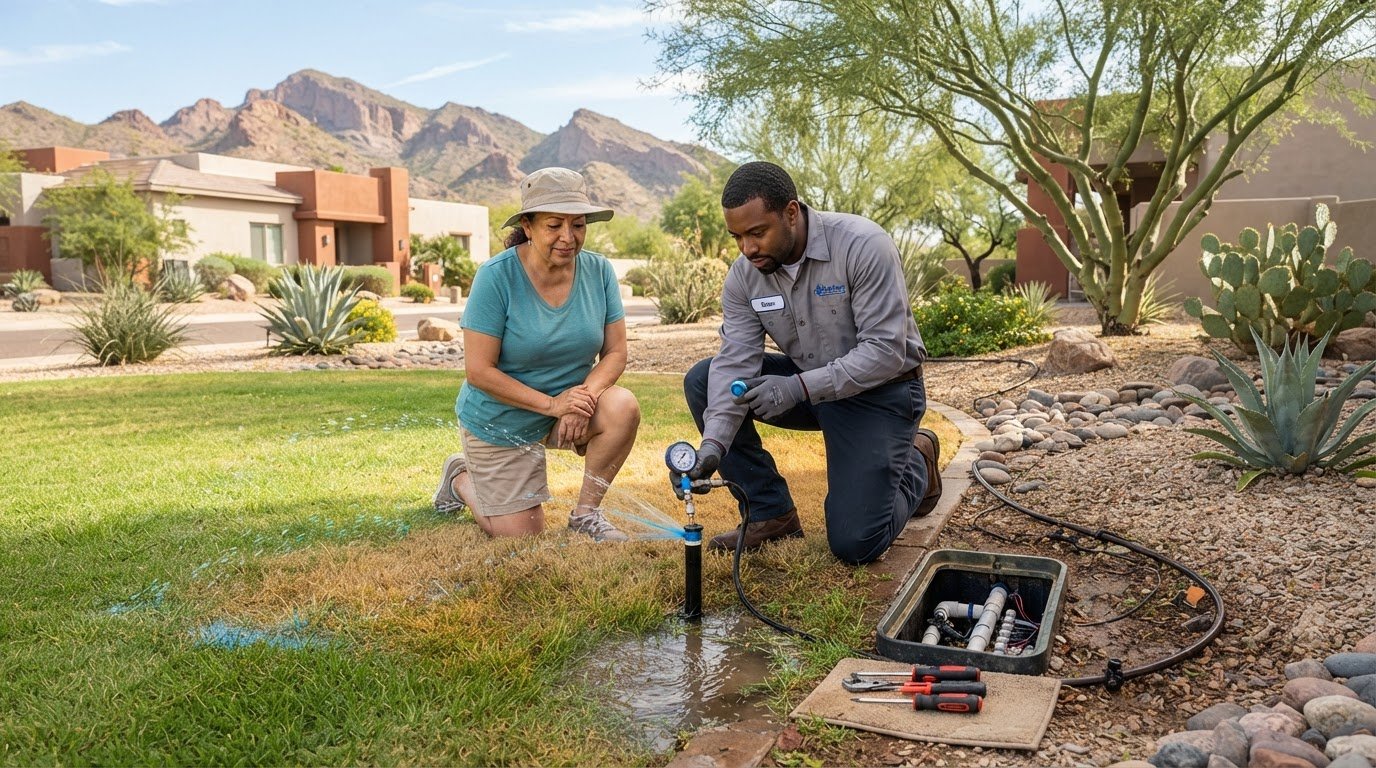
What if the best way to save water in a Peoria xeriscape isn’t to stop irrigating, but to stop watering every plant the same way? Xeriscape plants may still need water, especially while they establish, and their needs vary with plant type, sun exposure, soil, and location. That’s why irrigation system design for xeriscape Peoria homeowners should start by identifying distinct watering zones, not by applying one schedule across the yard.
Choosing between drip lines, sprinklers, or a combination depends on what each area needs and how the property is laid out. A well-planned system matches the delivery method and zone arrangement to the plants and site conditions. This guide explains the design decisions to consider, compares drip and sprinkler approaches, and outlines what to prepare for a residential design and installation.
Sonora Sprinkler Inc. designs and installs residential irrigation systems for desert landscapes in Peoria and surrounding communities. A custom layout can coordinate drip zones, sprinkler areas, and existing system components to suit the property’s water-management needs.
Key Takeaways
- Xeriscape can reduce unnecessary water use, but plants may still need irrigation, particularly while they establish.
- Hydrozone by grouping plants with similar watering needs instead of splitting the yard into equal sections.
- Choose drip irrigation, sprinklers, or a combination based on plant areas, layout, and coverage needs.
- Before a site assessment, note existing irrigation components, planting plans, and sunny, shaded, sloped, or paved areas.
- Effective irrigation system design for xeriscape Peoria accounts for site conditions, plant groups, delivery methods, and zone layout.
What Xeriscape Irrigation System Design Needs to Accomplish in Peoria
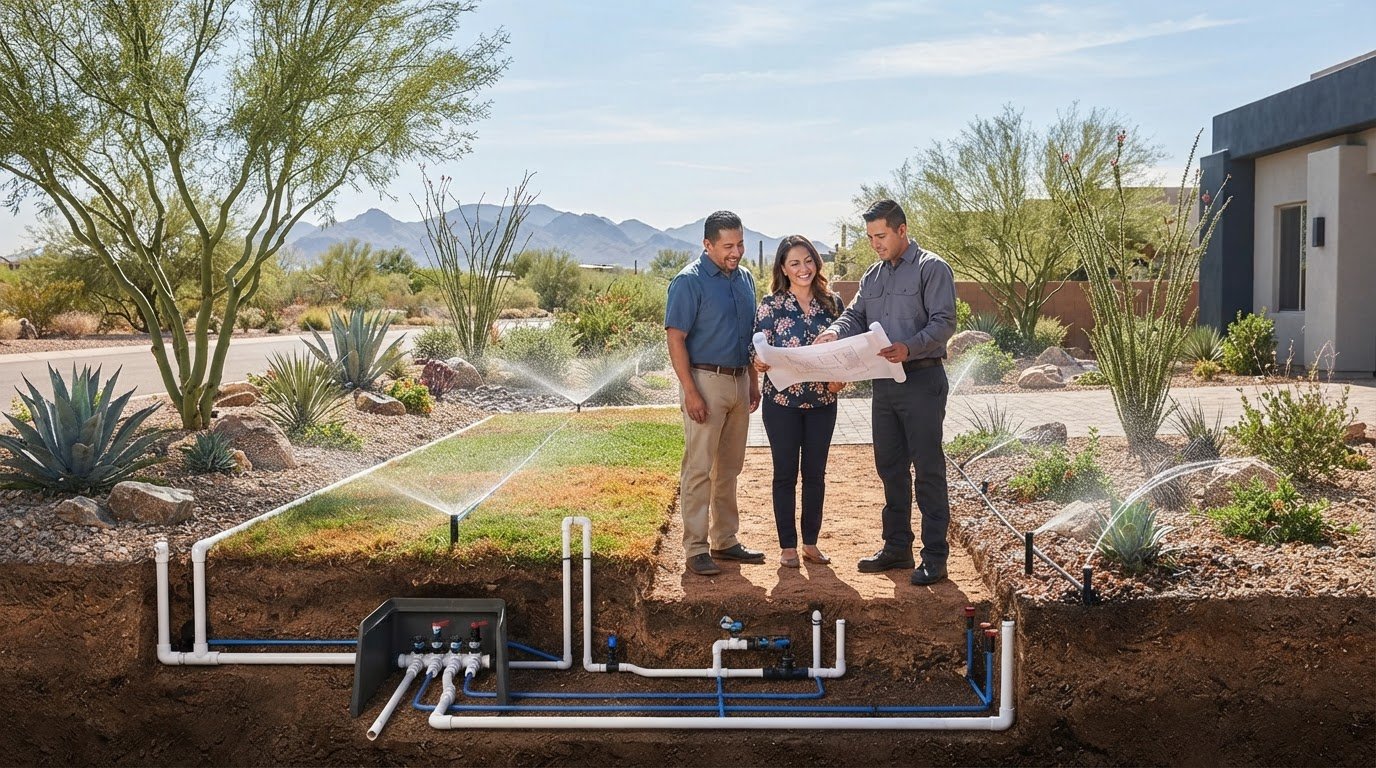
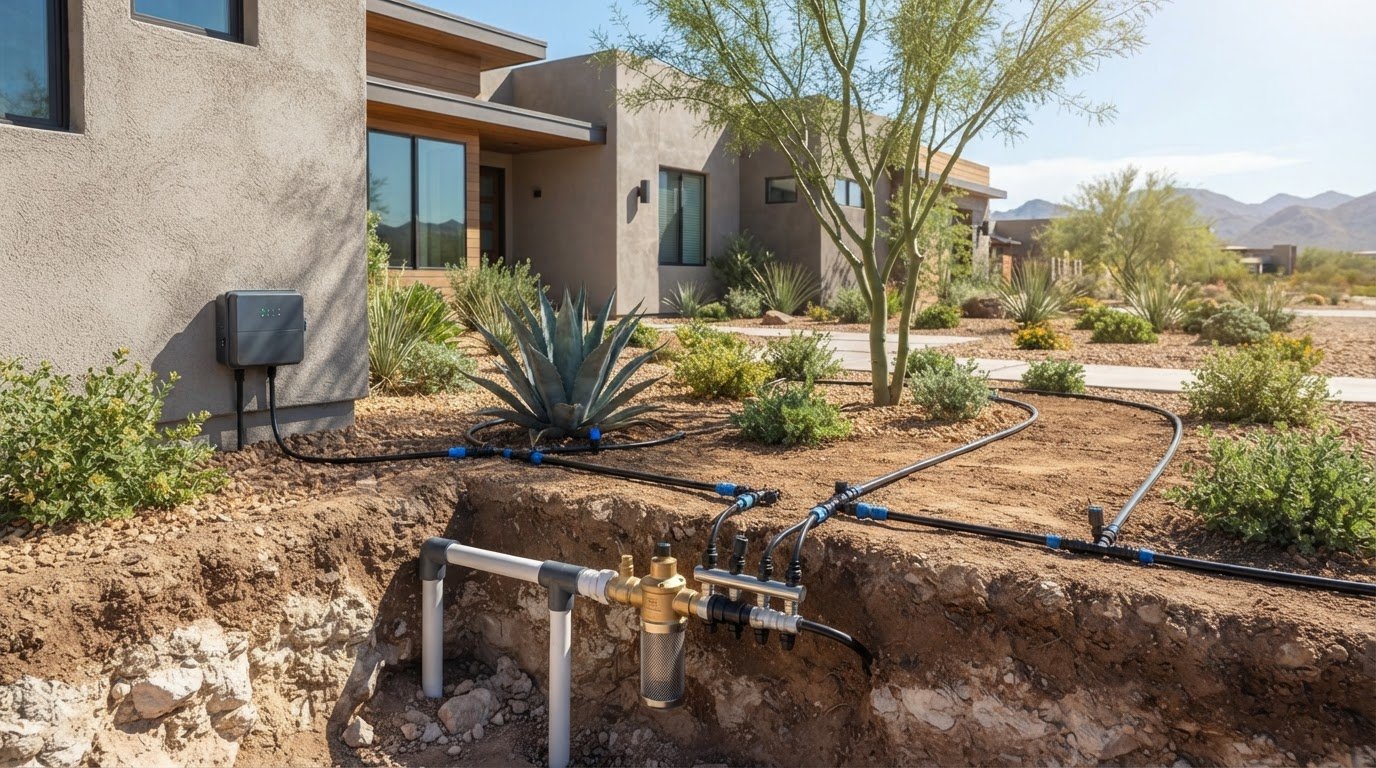
Xeriscape irrigation design plans how water will reach different landscape areas based on their plants, soil, exposure, and layout. Instead of treating the whole yard as one uniform area, it identifies where water is needed and how each planting group can receive it. Xeriscaping can reduce unnecessary water use, but it doesn’t mean every plant needs no irrigation. New plantings, in particular, may need support while they establish.
For irrigation system design for xeriscape Peoria , the goal is to fit the system to the property rather than use one watering approach everywhere. The principles behind Xeriscaping help explain why plant selection and efficient water use go hand in hand.
A sprinkler-system layout video can offer a visual introduction to planning coverage. Xeriscape areas need an additional design step: matching that coverage to the plants and site.
How xeriscape changes the irrigation design brief
Plant type, maturity, and placement all influence watering needs. A recently planted shrub may need different support from an established plant of the same type. Plants with different needs may not belong on the same zone. Grouping compatible plants gives each zone a clear purpose and avoids watering a low-water area just to meet the needs of a thirstier planting group.
There’s no universal schedule for every xeriscape. Watering requirements can shift with the season, plant establishment, and conditions at the property. A considered layout makes those differences easier to manage.
Which Peoria property conditions affect the layout?
Sun exposure, slope, planting areas, and existing hardscape affect where water should go and how coverage can be arranged. A sunny bed may respond differently from a shaded one. On a slope, water may run away before it reaches the root area, so the layout needs to account for how water moves across the grade. Paved edges and existing irrigation components also shape what is practical.
Assess soil texture and infiltration at the property rather than assuming they are the same from yard to yard. Peoria’s summer heat and monsoon rainfall are also relevant, but they don’t create a fixed watering schedule for every landscape. Site-specific irrigation design and installation can coordinate plant groups and property conditions into a functional plan.
How to Design Xeriscape Irrigation Zones Around Plant Water Needs
Good zones follow the landscape’s watering needs, not the shape of the lot. A well-planned irrigation zone groups plants and areas that can be watered in a compatible way. This approach, often called hydrozoning, differs from dividing a yard into equal sections. Two nearby beds may need separate zones if their plants, sun exposure, or slope call for different watering.
Map plant groups before selecting irrigation components
Start with a simple site map before choosing drip lines, sprinkler heads, or other components. Mark plant beds, trees, any retained turf, paved areas, and existing irrigation heads. Group plants with similar water needs where the layout allows, and note whether they’re newly planted or established. These details help shape zones without relying on a generic schedule or assuming every plant needs the same amount of water.
A practical sequence is:
- Map: Mark planted areas, hardscape, existing heads, and any retained lawn.
- Group: Identify plants with compatible needs and note their establishment stage.
- Select: Match the delivery method to each area’s plants and layout.
- Review: Check that planned coverage reaches the intended planting areas without treating the whole yard as one zone.
This sequence keeps equipment choices tied to the landscape. Exact watering needs vary by plant and site, so the map is a planning tool, not a substitute for assessing the property.
Plan separate zones for different landscape areas
A tree, shrub bed, and retained lawn may need different delivery methods or schedules. A tree may have a distinct planting area, while a shrub bed may contain a compatible group of plants. Lawn, if present, may need coverage suited to its shape. Keeping these areas separate can make adjustments more practical as plants mature or conditions change.
Sun and shade matter, too. A sunny bed and a shaded bed may not be suited to the same zone, even if their plants appear similar. Slope is another consideration because water moves differently across a grade than on level ground. Review coverage within each proposed zone so the layout accounts for these differences rather than assuming nearby areas behave alike.
For irrigation system design for xeriscape Peoria, a site-specific layout can coordinate plant groups, existing components, and distinct landscape areas. Sonora Sprinkler Inc. provides custom irrigation design and installation for residential properties. Homeowners ready to discuss a zone layout can get in touch about their irrigation project.
Drip or Sprinkler Irrigation for a Peoria Xeriscape?
Neither drip irrigation nor sprinklers are automatically right for every xeriscape. Consider what each planted area needs: targeted water near individual plants or broader coverage across a continuous surface. Plant spacing, bed shape, retained turf, and the existing system all influence the choice. A property may use one method throughout or separate methods in different zones.
| Consideration | Drip irrigation | Sprinkler irrigation |
|---|---|---|
| Typical application | Planted beds and areas where water can be directed near individual plants | Turf or other areas that need broader, distributed coverage |
| Coverage approach | Delivers water through lines and emitters placed to serve the planting area | Applies water across an area based on the spray pattern and head placement |
| Design considerations | Plant spacing, emitter location, and ongoing line inspection | Area shape, head placement, and whether the spray reaches the intended coverage |
Where drip irrigation may fit a xeriscape
Drip irrigation can suit planted beds where water needs to be directed toward the root areas of shrubs or other individual plants. Its performance depends on placing emitters appropriately for the plant spacing and bed design. As plants grow or the landscape changes, emitter placement may need attention. Routine inspection can also help identify leaks or blocked emitters. Explore residential drip irrigation systems for more on this approach.
When sprinkler zones may still make sense
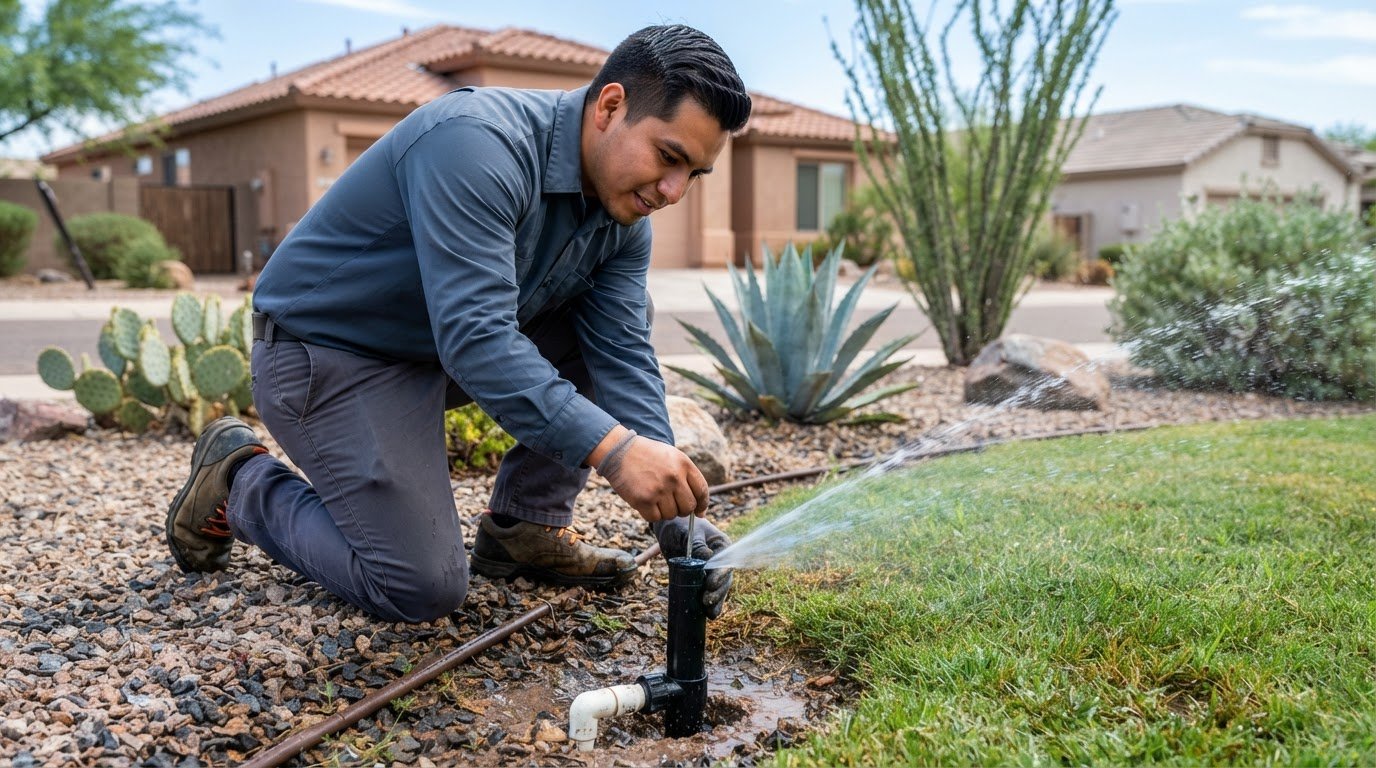
Sprinklers can suit retained turf or other landscape areas that need broad coverage. The spray pattern and head placement should fit the shape of the area, directing coverage where it’s needed rather than onto paving. A sprinkler zone can work alongside drip zones when the property has distinct needs, but a mixed system isn’t necessary for every yard.
For irrigation system design for xeriscape Peoria, compare methods by the areas they need to serve, then assess coverage within each proposed zone. A custom layout can coordinate drip beds, sprinkler areas, and existing components when the property calls for more than one delivery method.
What Peoria Homeowners Should Prepare Before Xeriscape Irrigation Design
A little preparation can make an irrigation design review more useful. Gather what you know about the existing system, current landscape, and planned changes. These details help show where coverage is working, where it isn’t, and which parts of the system may need attention.
Build a useful site and plant inventory
A hand-drawn map is enough to get started. Mark trees, shrubs, groundcover, any remaining lawn, and planned planting areas. Note which parts of the yard receive full sun or shade, where the ground slopes, and where paving or other hardscape borders planting beds. These observations give a clearer picture of the site before a design review.
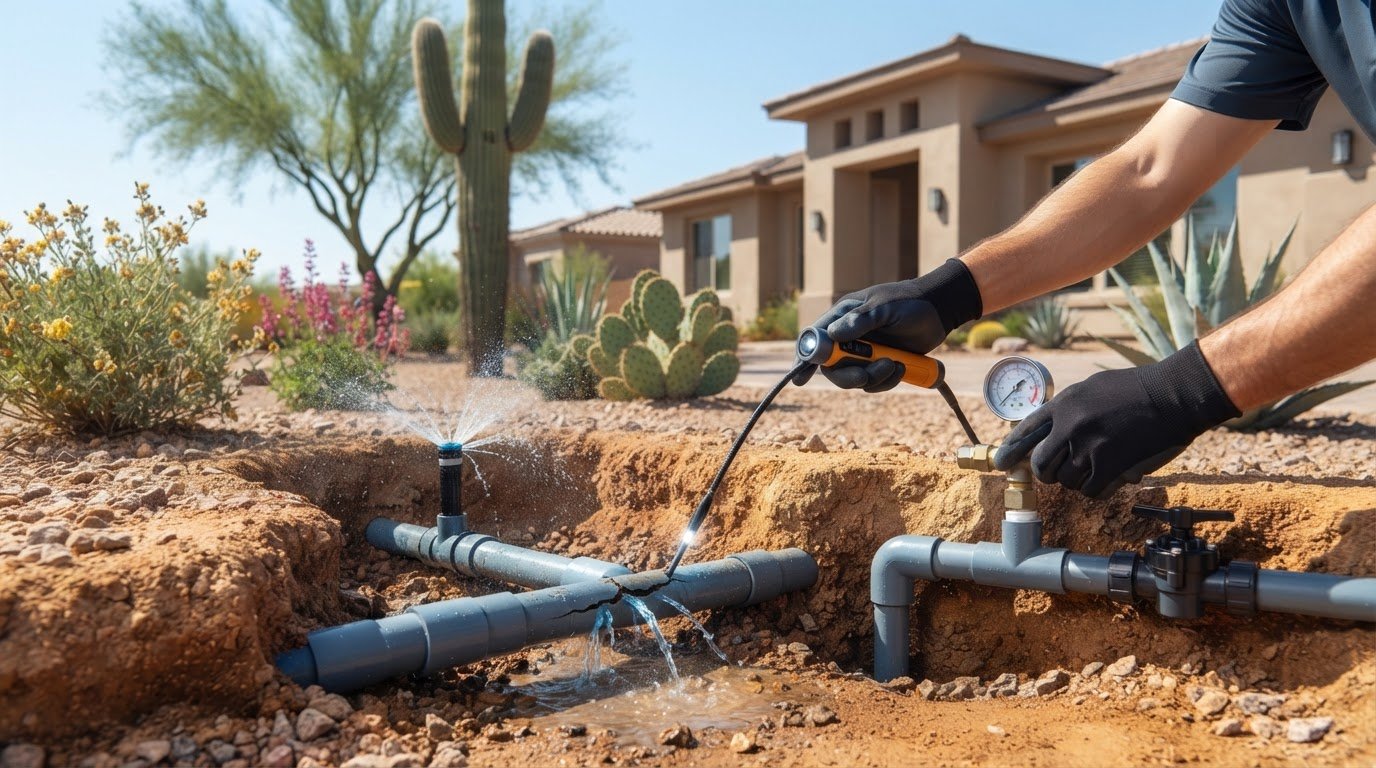
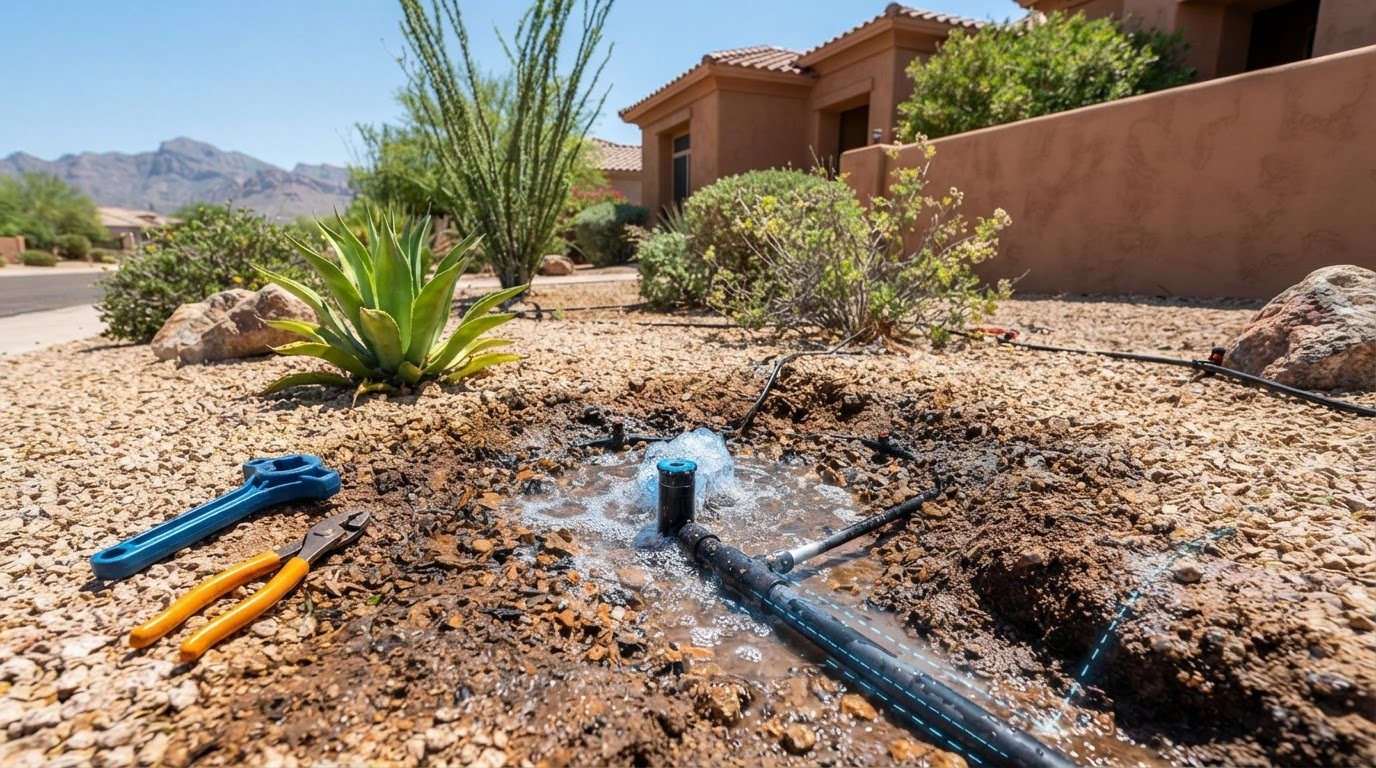
- Record coverage concerns: Mark dry spots, overspray onto paving, visible leaks, and areas that stay saturated.
- Gather system details: Note what you know about the controller, existing zones, irrigation lines, and sprinkler heads.
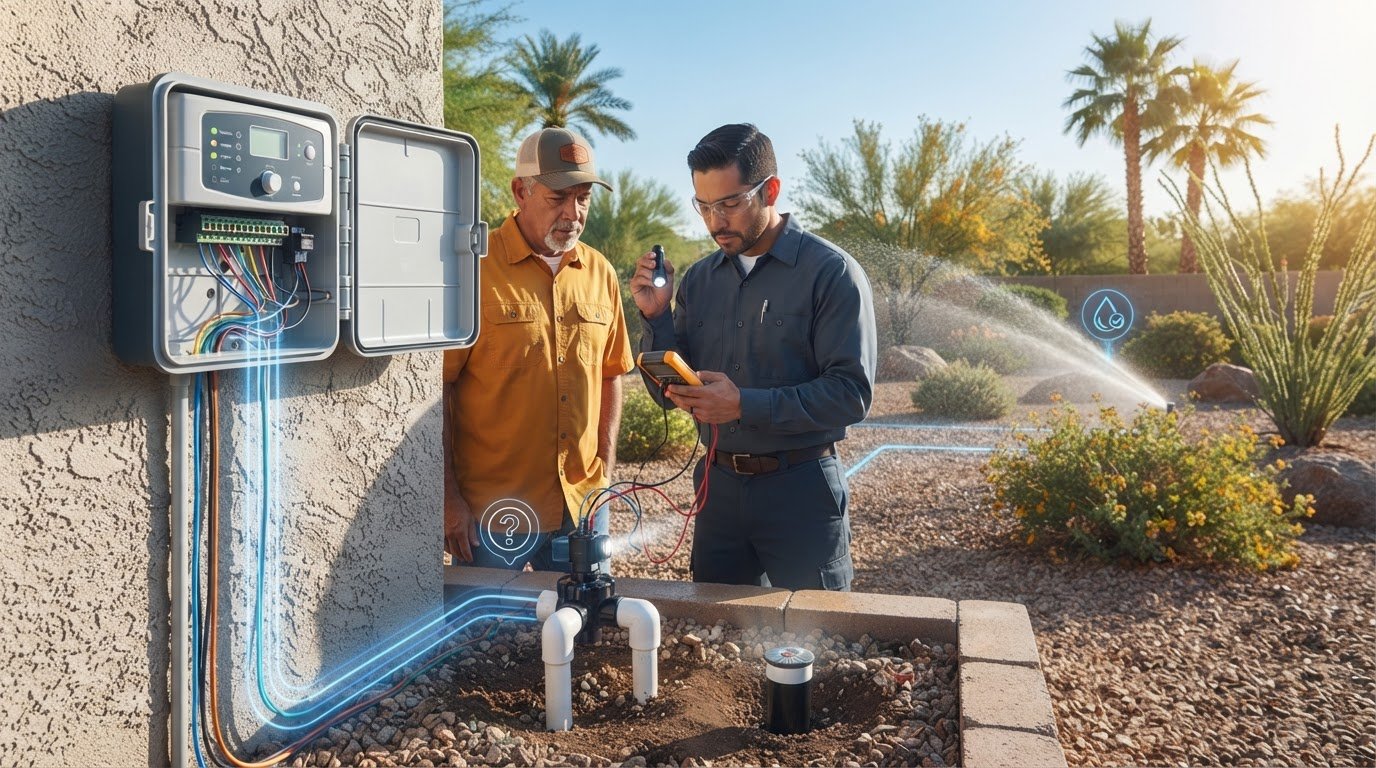
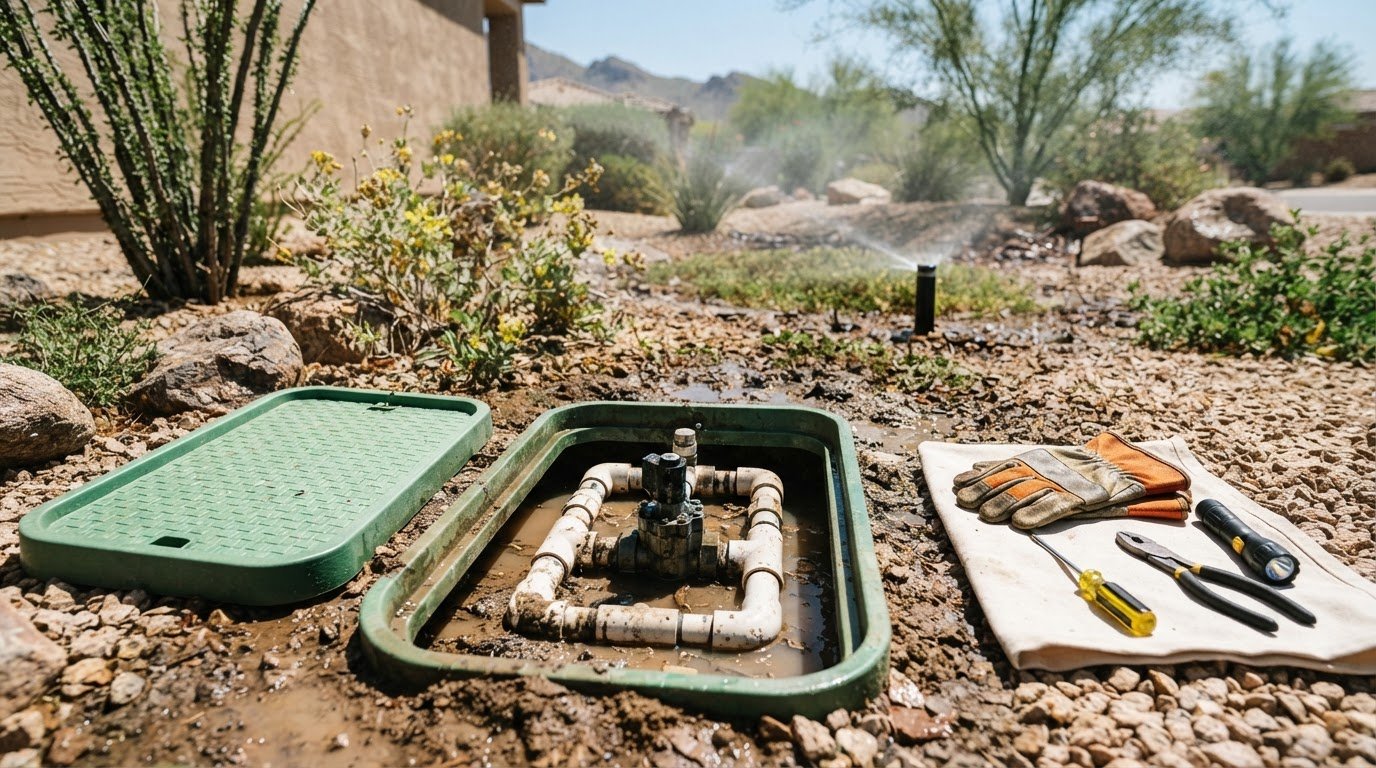
- Identify key components: Point out accessible valves, wiring, and pipes, along with any known issues or recent changes.
- Outline planting plans: List existing and planned plant areas, including any lawn or beds that will remain.
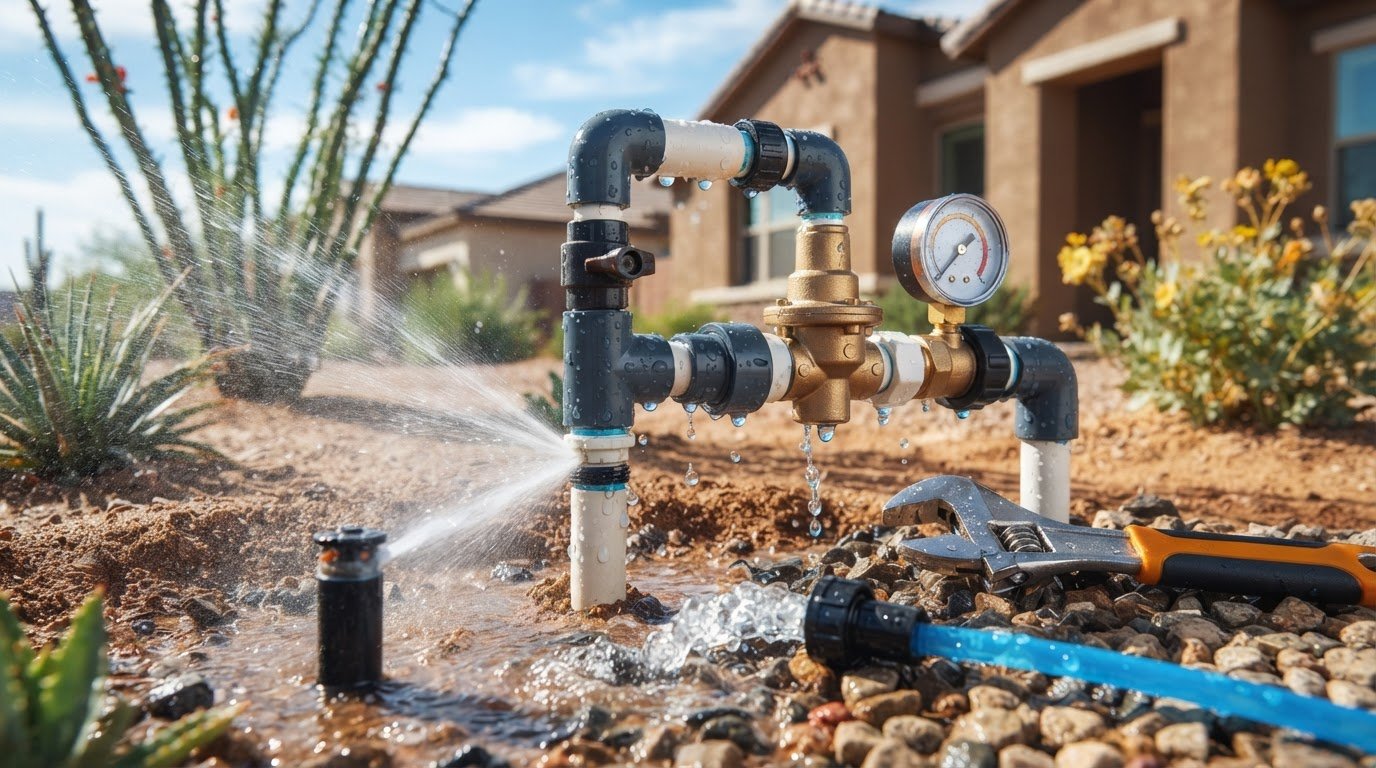
You don’t need to diagnose a fault or measure every line. Even a basic inventory can help distinguish a coverage problem from a system component that may need repair, replacement, or adjustment.
Know what a professional design review should address
A residential design review should consider the landscape arrangement, which plants belong in compatible groups, and whether the existing system can serve the planned areas. Wiring, valves, pipes, and the water supply can all affect upgrade choices. Reviewing those components alongside coverage helps shape a layout around the property, rather than assuming every existing part should stay or be replaced.
Sonora Sprinkler Inc. tailors residential irrigation design and installation to the site, coordinating planned zones with existing components where appropriate. If drip irrigation is part of your plan, the drip irrigation installation information offers related context. This preparation gives homeowners and the design team a practical starting point for irrigation system design for xeriscape Peoria.
Ready to discuss your site, system, and planting plans? Discuss your Peoria xeriscape irrigation project.
Plan a Xeriscape Irrigation System with Sonora Sprinkler Inc. in Peoria
A dependable xeriscape irrigation plan starts with the property, not a preset package. Site conditions, plant groups, delivery methods, and zone layout all shape how water reaches the landscape. Once those factors are understood, it’s easier to decide whether existing components can work with the plan or whether the system needs installation or upgrades.
That’s the practical framework for irrigation system design for xeriscape Peoria : plan for the yard’s actual planting areas and conditions, then match the system to those needs. Drip zones may serve planted beds, while sprinkler zones may suit areas that need broader coverage. A custom design can bring distinct areas and existing irrigation components into one coordinated residential system.
What Sonora Sprinkler Inc. brings to residential system design
Sonora Sprinkler Inc. designs and installs residential irrigation for Arizona desert landscapes, tailoring layouts to the property rather than relying on a one-size-fits-all arrangement. The design can account for drip irrigation, custom sprinkler zones, and existing system components. When the project calls for it, the work can also include sprinkler upgrades or attention to wiring, valves, backflow components, and PVC piping.
This irrigation-focused approach supports the system that serves the landscape. It doesn’t require treating every part of the yard alike: plant groups and coverage needs can guide the zone plan. Learn more about irrigation system design and installation for residential properties.
Take the next step for your Peoria property
A useful starting point is to share what you’ve observed and what you plan to change. You don’t need a finished technical drawing. Basic notes about the site can help frame the design discussion.
- Property layout: Identify planted beds, trees, lawn areas, paving, slopes, and areas with different sun exposure.
- Planting plans: Note existing plant groups and any beds or trees you expect to add or keep.
- Irrigation concerns: Describe dry spots, overspray, leaks, or areas that seem to stay too wet.
- Existing system: Share available details about the controller, zones, valves, wiring, pipes, and sprinkler heads.
These details help Sonora Sprinkler Inc. tailor residential irrigation design and installation to your property, including drip installation or system upgrades where they fit the project. To discuss your plans and irrigation concerns, contact Sonora Sprinkler Inc. about residential irrigation design.
Build an Irrigation Plan Around Your Xeriscape
A well-designed xeriscape system starts with the conditions on your property. Group plants by compatible watering needs, then choose drip irrigation, sprinklers, or separate zones based on the areas they need to serve. A simple map of planting beds, sun and shade, slopes, existing components, and coverage concerns can make the design process more focused.
With irrigation system design for xeriscape Peoria , the goal is to match water delivery to the landscape rather than use one approach everywhere. Sonora Sprinkler is family-owned and operated, providing residential irrigation design and installation in Peoria and surrounding communities.
Share your property layout, planting plans, and current irrigation concerns to start planning a system suited to your yard. Contact Sonora Sprinkler about residential irrigation design. With a thoughtful plan, your xeriscape can receive irrigation tailored to its needs.
Frequently Asked Questions
Does a xeriscape in Peoria still need an irrigation system?
Yes, a Peoria xeriscape may still need irrigation, particularly while new plants establish. Xeriscaping aims to reduce unnecessary water use, not eliminate all watering. Needs vary with plant type, maturity, soil, sun exposure, and seasonal conditions. A well-planned system can direct water to the areas that need it and let different planting groups be managed separately. The right design depends on the specific property and landscape.
Is drip irrigation better than sprinklers for a xeriscape?
Neither method is automatically better for every xeriscape. Drip irrigation can suit planted beds where water is directed near plants, while sprinklers may work for retained turf or areas needing broader coverage. Plant spacing, bed shape, spray patterns, and head placement all affect the choice. Some Peoria properties may suit one method throughout; others may benefit from separate drip and sprinkler zones.
How should irrigation zones be planned for desert plants?
Group plants with similar watering needs, then plan zones around those groups rather than dividing the yard into equal sections. Consider whether plants are newly installed or established, as well as sun exposure, shade, slope, and soil conditions. A tree area, shrub bed, and lawn may need separate zones if their delivery or watering needs differ. The layout should reflect the plants and site, not a universal schedule.
Can I use one irrigation system for plants and a lawn?
Yes, one overall residential irrigation system can serve planted areas and a lawn, but they may need separate zones or delivery methods. A sprinkler zone may suit turf that needs broad coverage, while drip lines may be appropriate for planted beds. Keeping areas with different watering needs separate makes adjustments more practical. The design should account for the lawn’s shape, plant layout, and existing irrigation components.
What should an irrigation design assessment consider in Peoria?
An assessment should consider the plant layout, intended zones, sun and shade, slopes, paving, soil, and how water moves through the site. For irrigation system design for xeriscape Peoria, the existing controller, wiring, valves, pipes, water supply, and heads also matter. Visible dry spots, overspray, leaks, or saturated areas can point to coverage or system concerns. Summer heat and monsoon rainfall are relevant conditions, not fixed watering schedules.
Can a xeriscape irrigation system combine drip lines and sprinklers?
Yes, a system can combine drip lines and sprinklers when different areas have different coverage needs. For example, drip irrigation may serve planted beds while sprinklers cover a retained lawn. Plan each method for the area it serves, with zones arranged so plants with different needs can be managed appropriately. A mixed layout is an option, not a requirement for every Peoria or Surprise property.
When should I redesign an existing irrigation system for xeriscaping?
Consider a redesign when converting lawn to planted areas, adding or changing plant groups, or noticing persistent dry spots, overspray, or uneven coverage. Existing components may also need attention if leaks or wiring, valve, or pipe issues affect system operation. Redesign doesn’t automatically mean replacing everything. A residential assessment can identify which parts may work with the new layout and where custom sprinkler design, drip installation, or system upgrades may help.