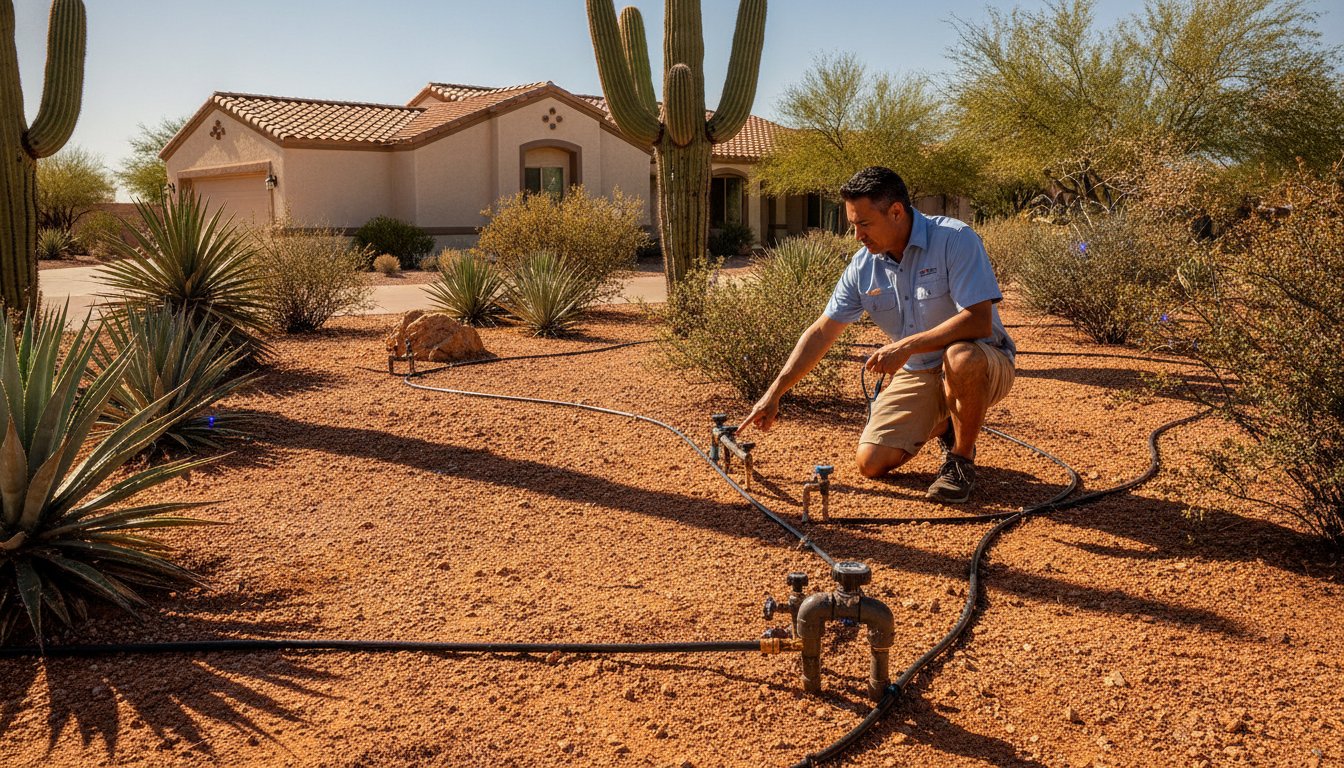
Picture your backflow preventer sitting under the relentless August sun in Surprise, where temperatures regularly climb past 110 degrees. While it looks like a simple brass fixture, it's the only thing stopping fertilizers and stagnant water from siphoning back into your kitchen faucet. Professional sprinkler backflow maintenance Arizona homeowners can rely on is about more than just fulfilling a municipal mandate; it's about safeguarding your family's health. It's frustrating to deal with mechanical failures caused by intense UV exposure and mineral buildup, especially when you're already managing the high costs of desert property maintenance.
This guide will show you how to protect your drinking water and extend the life of your irrigation system through preventative care tailored for our environment. We'll explore the current testing requirements in Peoria and Surprise, identify the signs of a failing assembly, and explain how regular diagnostics can help you avoid the high costs of a total system replacement while ensuring you pass every city inspection. By understanding the specific needs of your local water system, you can maintain a healthy home and a reliable landscape year-round.
Key Takeaways
- Understand how a Pressure Vacuum Breaker (PVB) acts as a critical barrier to prevent irrigation water from contaminating your home’s drinking supply.
- Identify how extreme Arizona UV exposure and thermal expansion degrade internal seals and plastic components, leading to premature system failure.
- Learn why annual municipal testing is only a baseline and how comprehensive sprinkler backflow maintenance Arizona professionals provide can prevent costly emergency repairs.
- Recognize early warning signs of backflow issues, such as white mineral deposits or "weeping" water, before they result in high water bills.
- Discover why specialized residential diagnostics are necessary to find the root cause of valve failures in the unique soil conditions of Surprise and Peoria.
What is Sprinkler Backflow and Why Does it Matter in Arizona?
Backflow is a plumbing malfunction where water flow reverses, pulling non-potable irrigation water into your home's clean supply. In the West Valley, our municipal water systems experience significant pressure shifts. When a main line breaks or a fire hydrant is opened nearby, the resulting drop in pressure can create a vacuum. Without consistent sprinkler backflow maintenance Arizona homeowners might find fertilizers, pesticides, or pet waste siphoning from their lawns directly into their kitchen taps. This reversal of flow turns your sprinkler system into a potential health hazard for your entire family.
To prevent these types of plumbing hazards in other parts of the country, such as Central Florida, you can discover Alberto Pro Plumbing for expert residential and commercial services.
While many commercial properties utilize a Reduced Pressure Zone (RPZ) device for high-hazard protection, most residential landscapes in Surprise and Peoria rely on a Pressure Vacuum Breaker (PVB). These devices are designed to handle the specific pressure fluctuations common in our desert environment. Because our water often contains high mineral content, the internal components of these assemblies can become encrusted or stuck, making regular professional diagnostics essential for long-term safety.
The Anatomy of a Residential Backflow Assembly
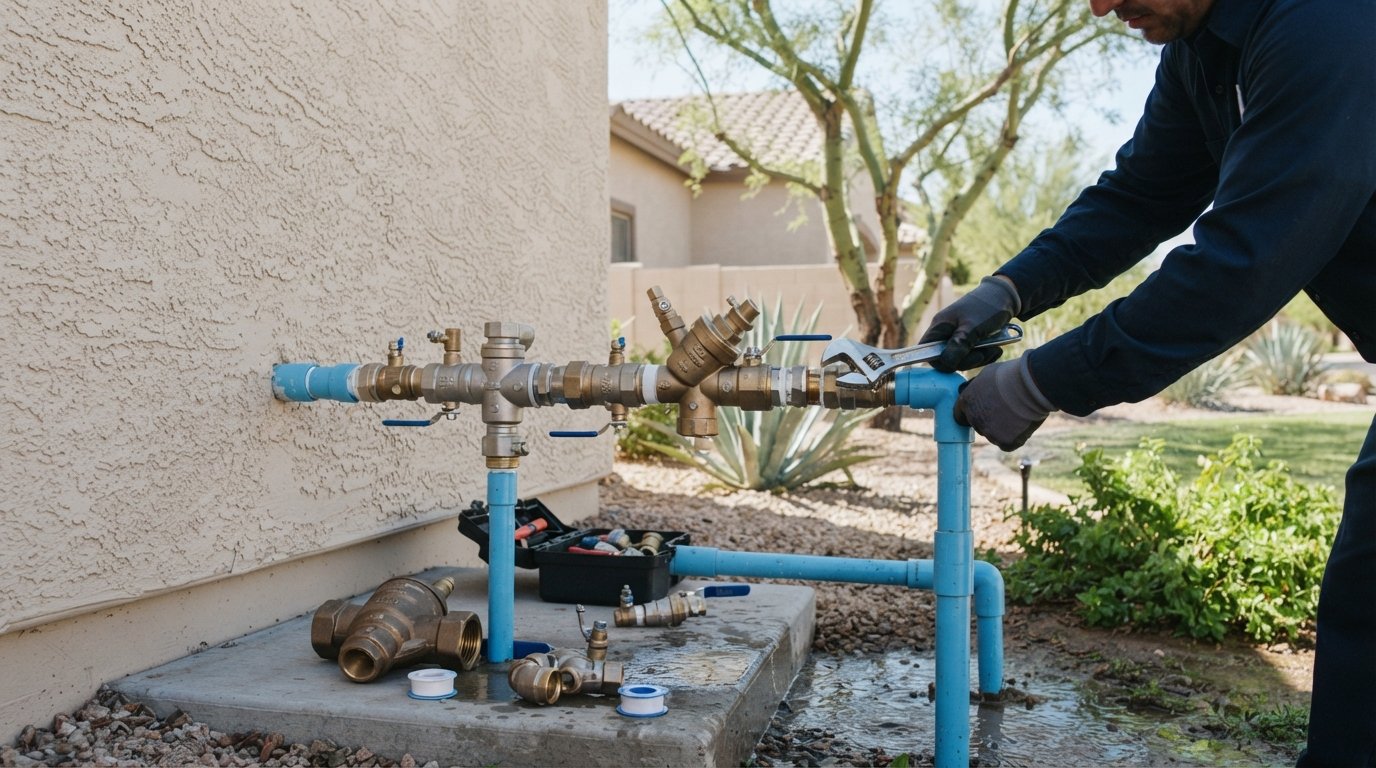
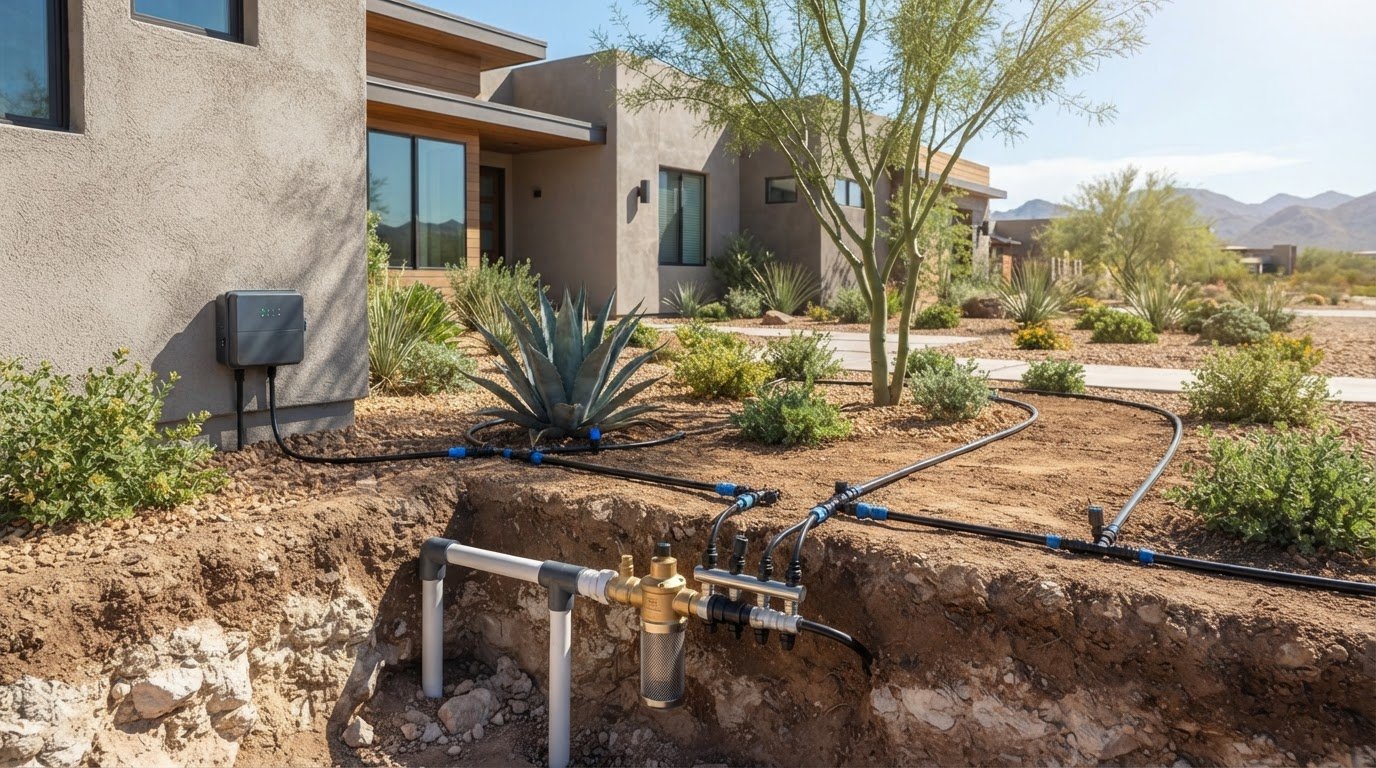
A standard PVB consists of several precision parts that must work in harmony. The canopy acts as a metal or plastic protective shield for the internal components. Beneath it, the bonnet and poppet assembly serve as the primary check valve. These parts are designed to open and vent to the atmosphere if a back-siphonage event occurs. You'll also notice two test cocks, which are small valves used by technicians to verify the device is holding pressure. Two shut-off valves bookend the unit, allowing for isolation during repairs. Most homes in Surprise utilize this style because it's effective for systems where the assembly can be installed at least 12 inches above the highest sprinkler head.
Cross-Connection Risks in Your Backyard
A cross-connection is any point where your potable water supply is physically linked to a non-potable source. This occurs every time a sprinkler head is installed. If a head is submerged in a puddle of stagnant water or a pool-fill line is left dangling, the risk of contamination spikes. A failing assembly doesn't just leak water onto your gravel; it compromises your entire household's health. Professional valve and backflow services ensure these connection points remain one-way streets. This keeps your family's drinking water separate from the chemicals and minerals used to maintain a desert landscape, providing peace of mind with every glass of water you pour.
Common Causes of Backflow Failure in the Desert Environment
Arizona's climate presents mechanical challenges that differ significantly from more temperate regions. While most irrigation components are designed for durability, the combination of intense heat and high mineral content creates a perfect storm for equipment failure. Effective sprinkler backflow maintenance Arizona homeowners invest in must address these specific environmental stressors to prevent a total system breakdown.
UV Degradation and the "Brittle Break" Factor
The intense UV radiation in the West Valley acts as a slow solvent on plastic components. The canopy, or bell, is often the first part to succumb to sun damage. Over several seasons, the plastic loses its flexibility and becomes chalky. This isn't just a cosmetic issue. While a faded canopy looks poor, a brittle one can shatter under the slightest pressure, leaving the internal assembly exposed to debris. Homeowners can mitigate this by using UV-resistant covers or insulated backflow blankets. These protective layers act as a shield, significantly extending the lifespan of the plastic and rubber parts housed inside.
Mineral Descaling: Battling Arizona’s Hard Water
Arizona's hard water contains high concentrations of calcium and magnesium. These minerals precipitate out and form a hard crust on the internal moving parts of the backflow assembly. This buildup is particularly problematic for the poppet and seat. If a layer of calcium prevents the valve from seating perfectly, the device will fail its annual inspection. This calcification also affects the test cocks. These small ports often become so encrusted that they can't be opened or closed without snapping. Simple rinsing at home rarely removes this bonded scale. Professional descaling involves a mechanical cleaning of the internal surfaces to restore a watertight seal. If you notice white, chalky residue around your assembly, it's likely time for professional diagnostics to ensure the internal diaphragms are still functioning correctly.
Thermal expansion adds another layer of complexity. On a 115-degree day, the metal housing and rubber seals expand at different rates. This constant cycle of expansion and contraction eventually causes rubber gaskets to lose their shape and fail. Additionally, monsoon season brings fine desert dust that can bypass basic filters and clog sensitive internal diaphragms. These factors combined make a set-it-and-forget-it approach to irrigation safety impossible in the desert. Consistent sprinkler backflow maintenance Arizona systems require must account for these seasonal shifts to ensure long-term reliability.
Backflow Testing vs. Maintenance: Understanding the Difference
Homeowners often assume that an annual backflow test and comprehensive maintenance are the same thing. They aren't. A certified test is a snapshot in time, a legal requirement mandated by the cities of Surprise and Peoria to ensure your system isn't currently contaminating the city main. However, a device can pass its test on Monday and begin a major leak by Saturday. Investing in dedicated sprinkler backflow maintenance Arizona systems require means looking beyond the paperwork to ensure the hardware survives another brutal summer. While the test satisfies the city, maintenance satisfies the long-term health of your property.
What Happens During a Certified Backflow Test?
A certified tester uses calibrated gauges to measure pressure differentials across the internal check valves. This process verifies that the assembly will successfully vent or close if a back-siphonage event occurs. Once the data is recorded, the results must be submitted to the local water provider. In Surprise, this usually goes through the SAMS Universal Tester website. Peoria requires submission to their Environmental Division within 30 days of the initial test. While this process is vital for legal compliance, it doesn't address the internal wear and tear that lead to equipment failure. To keep your system in peak condition, Learn more about our Valve and Backflow Services.
The Value of a Comprehensive Maintenance Visit
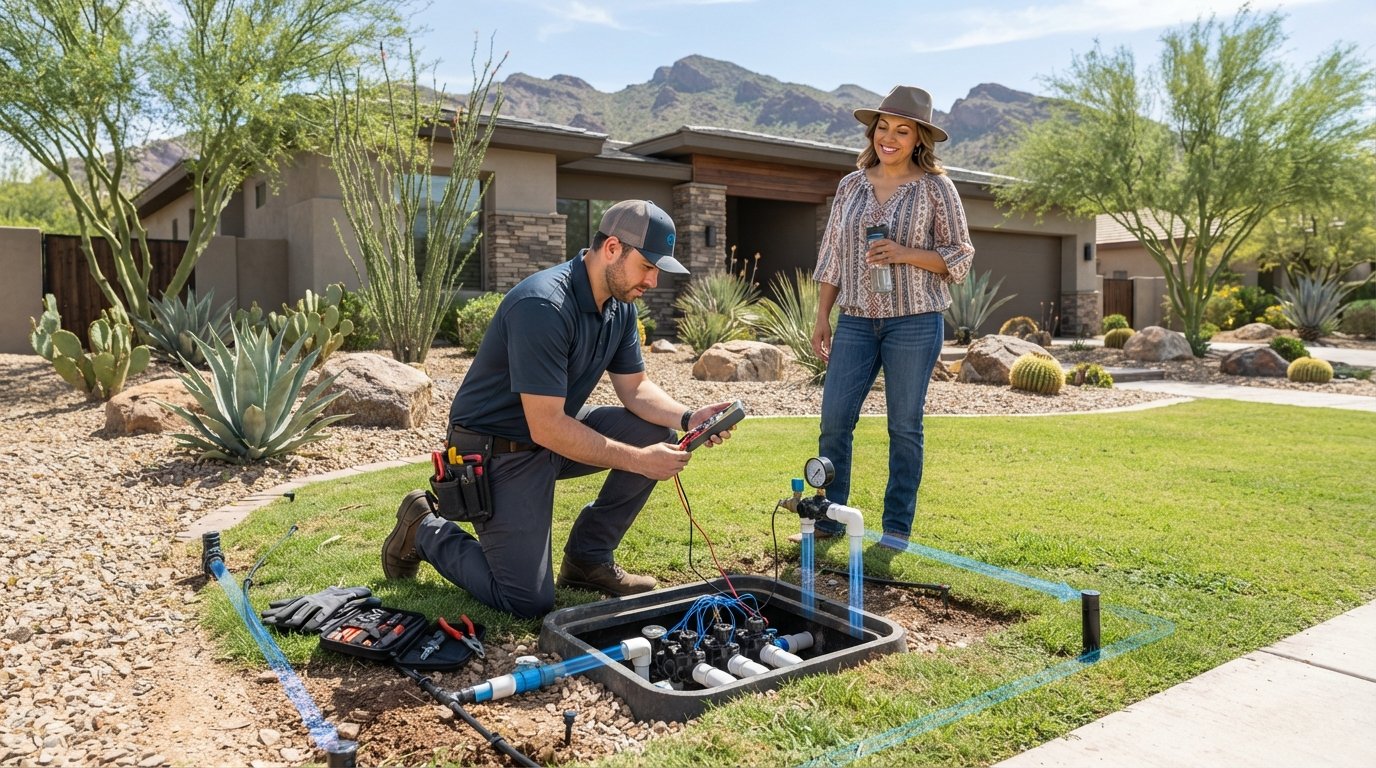
Preventative maintenance is a proactive deep-clean of the device. During a maintenance visit, a specialist will disassemble the unit to lubricate O-rings and rubber seals. In our dry climate, these seals often stick or crack, leading to the "weeping" leaks that drive up water bills. We also inspect the internal poppet for hairline fractures. These small cracks are common in assemblies that have endured years of thermal expansion and intense UV exposure. Catching these issues early prevents the poppet from shattering during a high-pressure event.
Ensuring your shut-off valves are fully functional is another critical step. If a pipe bursts in your yard on a Sunday afternoon, you need these valves to turn easily. If they are seized due to mineral buildup, you're left with a mounting water bill and an emergency situation. Proper sprinkler backflow maintenance Arizona professionals provide focuses on these mechanical details, offering a much higher return on investment than a simple pass/fail certificate. It is far more cost-effective to replace a small internal part during a routine visit than to replace the entire brass assembly after a catastrophic failure.
Homeowner Checklist: Routine Care for Your Backflow Device
While professional diagnostics are essential for technical repairs, a homeowner's watchful eye is the first line of defense against water waste. Consistent sprinkler backflow maintenance Arizona properties require involves more than just an annual test; it necessitates a basic understanding of what a healthy system looks and sounds like. By performing a simple five minute check each month, you can often spot minor issues before they escalate into high water bills or system failures. This proactive approach ensures your irrigation system remains a reliable asset rather than a source of stress.
A healthy backflow assembly is quiet. If you hear a persistent humming or vibrating sound while your sprinklers are running, it often indicates an internal poppet is struggling to seat properly against fluctuating water pressure. Additionally, you should keep the area around the assembly and the underlying valve box clear of desert soil and debris. Winds in the West Valley frequently deposit fine silt that can work its way into the assembly's moving parts, causing premature wear on the rubber seals. This basic housekeeping is a vital part of the sprinkler backflow maintenance Arizona residents perform to prevent debris ingestion.
Step-by-Step Monthly Visual Inspection
Begin your inspection by examining the canopy for signs of sun-bleaching or hairline fractures. As previously discussed, UV degradation is a primary cause of failure in Surprise and Peoria. Next, look closely at the ground directly beneath the assembly. While a small puff of water is normal when the system first turns on, any persistent "weeping" or dampness indicates a failing internal seal. You should also check for white, chalky mineral stains on the brass body. These deposits are clear evidence of slow, undetected leaks. Finally, try to gently move the shut-off handles. If they feel stuck or show signs of heavy rust, they may not work in an emergency, which is a sign you need professional valve and backflow services to restore functionality.
Seasonal Protection Strategies
In the Arizona desert, protection strategies must shift with the seasons. During our rare hard freeze nights, typically between December and February, exposed brass can crack if water expands inside the unit. Applying a dedicated insulation cover is effective, but it is equally important to remove it once the freeze risk passes. Leaving insulation on during the spring can create a moisture trap that accelerates the corrosion of metal components. For the summer months, providing shade is beneficial, but you must ensure the unit has plenty of airflow. Obstructing the atmospheric vent can interfere with the device's ability to prevent back-siphonage. For more comprehensive advice on preparing your system for an Arizona summer, focus on maintaining clear zones around all mechanical components. If you notice any of these warning signs during your routine check, it's best to schedule a professional diagnostic visit with Sonora Sprinkler Inc. to prevent further damage.
Professional Backflow Solutions in Surprise and Peoria
Residential irrigation systems in the West Valley face unique environmental pressures that commercial generalists often overlook. While a large scale contractor might focus on high volume commercial assemblies, a residential specialist understands the specific plumbing configurations and soil conditions found in Surprise and Peoria neighborhoods. Choosing a family-owned business like Sonora Sprinkler Inc., which has served the area since 1999, ensures you receive consistent care from technicians who recognize the history of your property. This local expertise is vital for effective sprinkler backflow maintenance Arizona homeowners need to keep their landscapes thriving without compromising water safety.
Expert Diagnostics and Rebuild Kits
When an assembly fails its annual test, a full replacement isn't always the most logical or cost-effective solution. In many cases, the brass housing of the unit remains perfectly sound while the internal rubber seals or plastic poppets have simply reached the end of their lifespan due to UV exposure. We often recommend high quality rebuild kits as a smarter financial choice. These kits allow us to replace every internal moving part, essentially giving you a new device at a fraction of the cost of a full installation.
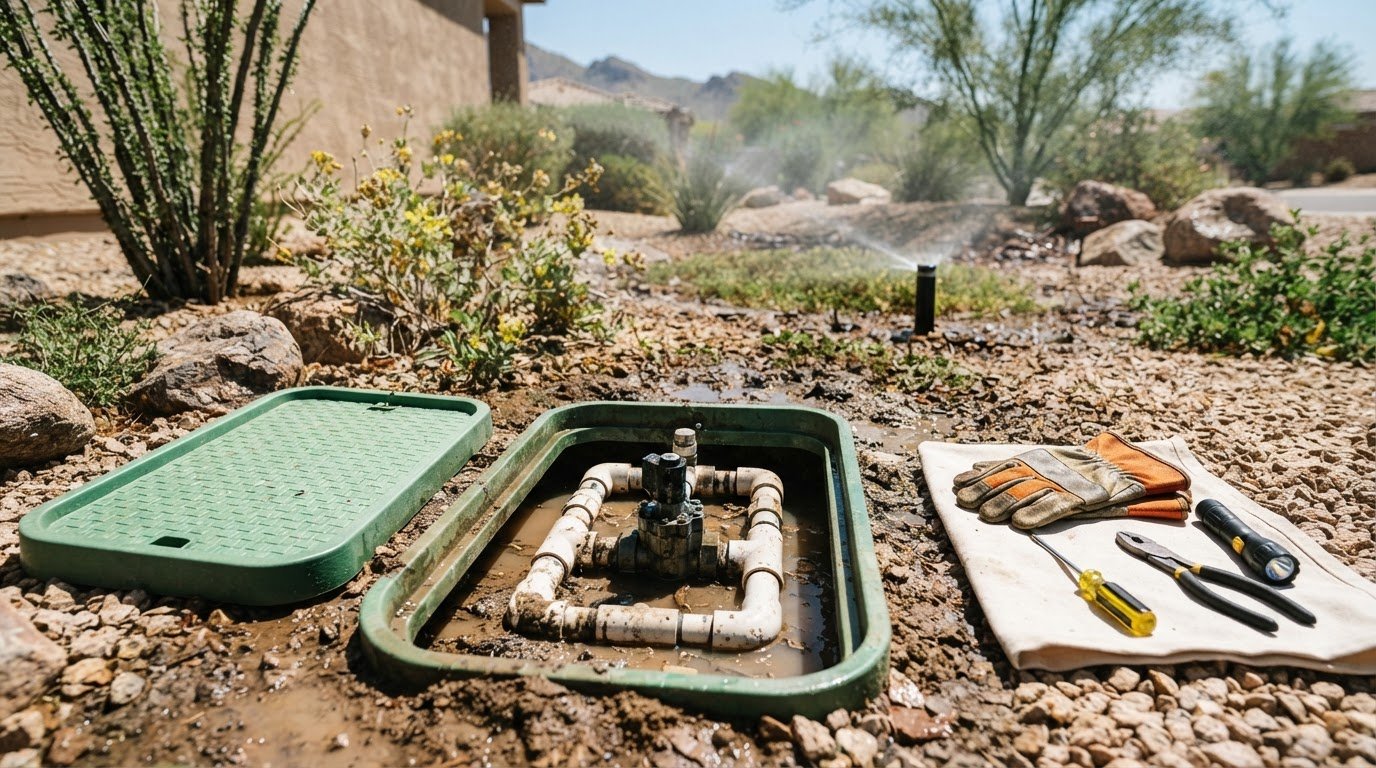
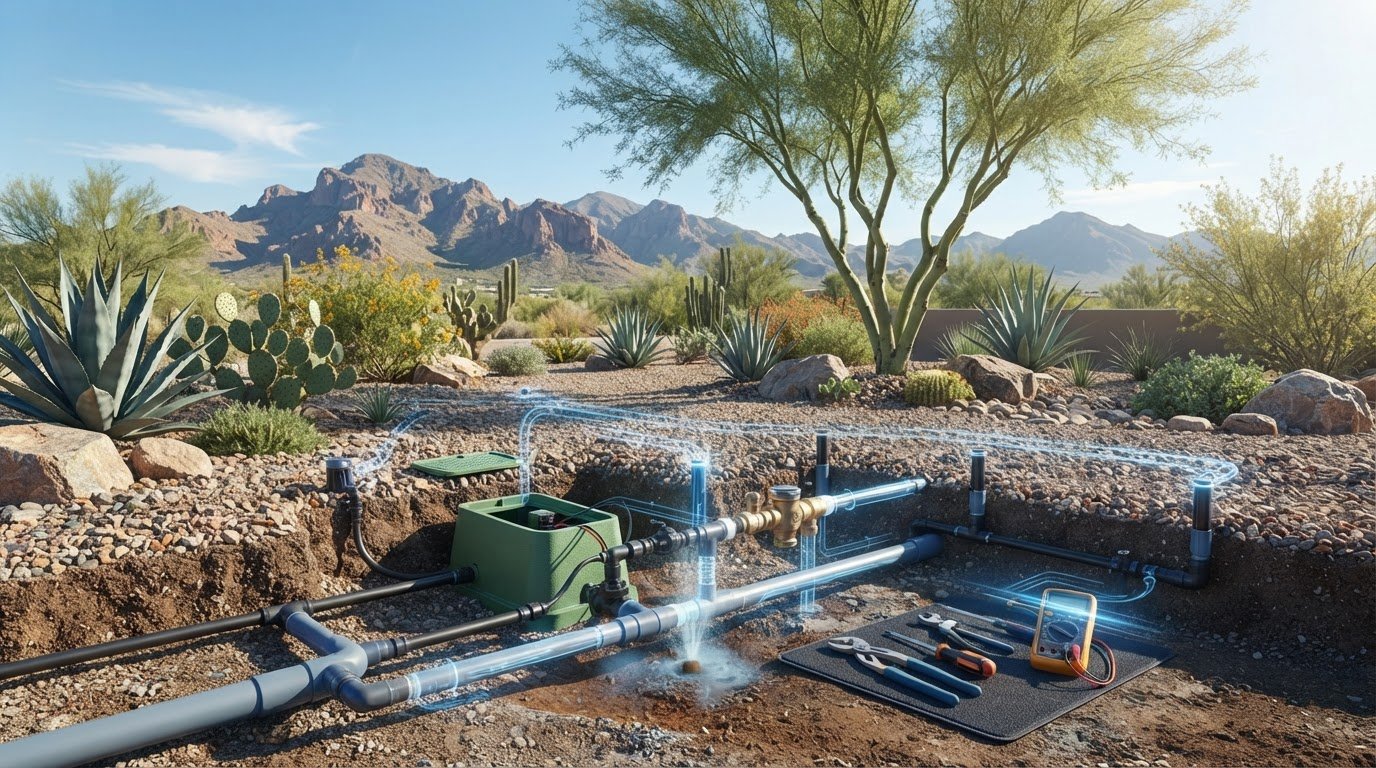
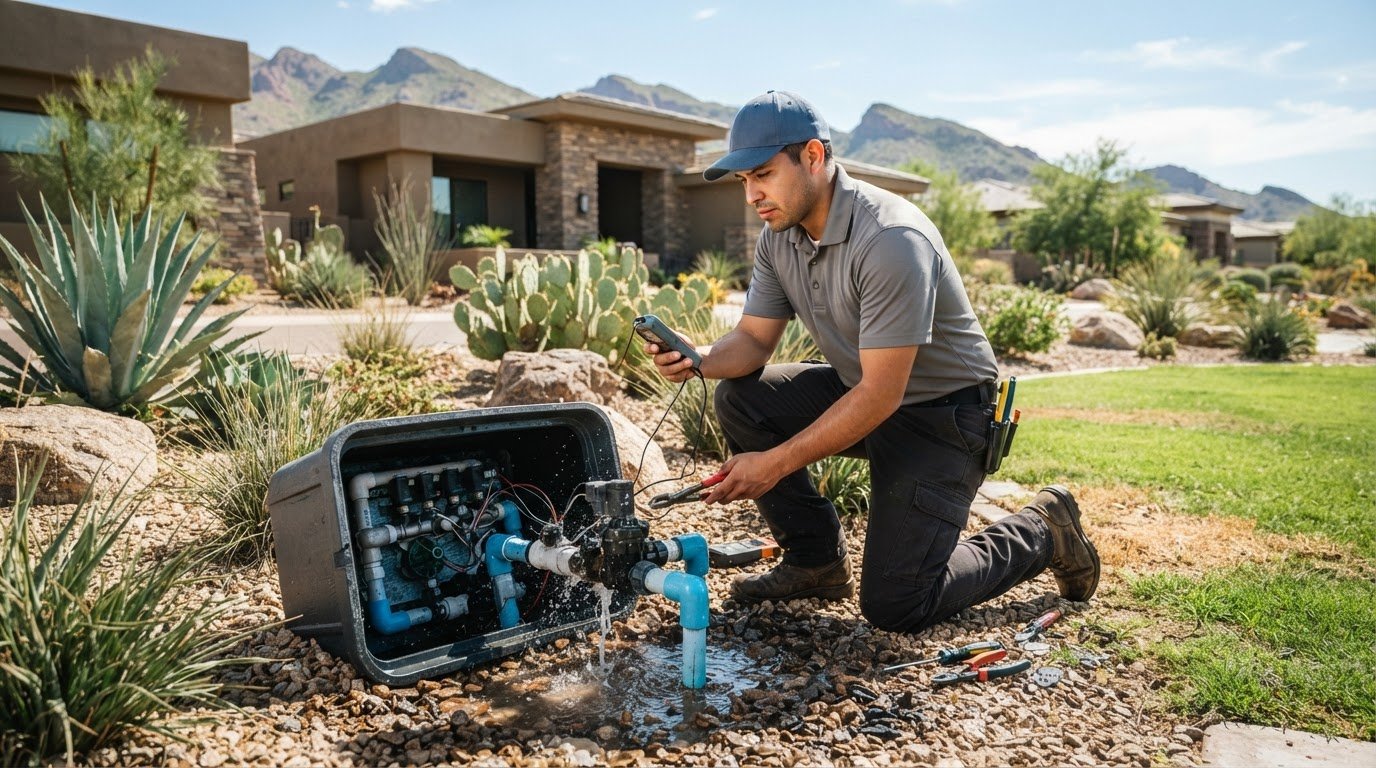
Our diagnostic process also looks beyond the backflow device itself. Sometimes, what appears to be a backflow failure is actually a symptom of an underlying electrical issue. Faulty solenoids or damaged underground lines can mimic the symptoms of a failing valve. By integrating Irrigation Wiring & Diagnostics into our routine visits, we identify the root cause of the problem rather than just treating the symptoms. This thoroughness prevents the frustration of paying for a repair that doesn't actually solve your irrigation troubles.
Schedule Your Maintenance Today
Proactive care is the only way to stay ahead of city reporting deadlines and the potential for water service termination. While the technical requirements for Surprise and Peoria are strict, our team manages the entire submission process for you. We ensure your test results are accurately filed with the local water resource divisions, providing a seamless path to compliance without the administrative headache.
A professionally maintained and certified backflow system provides the ultimate peace of mind, ensuring your family's drinking water remains pure while your desert landscape stays vibrant and healthy. Don't wait for a city violation notice or a flooded yard to take action. Contact Sonora Sprinkler Inc. for Expert Backflow Maintenance and let our seasoned guides protect the long-term health of your property.
Protecting Your Property with Proactive Care
Maintaining a safe and efficient irrigation system in the West Valley requires a consistent focus on mechanical longevity. By prioritizing regular sprinkler backflow maintenance Arizona homeowners can effectively avoid the sudden failure of brittle plastic components and the slow creep of mineral calcification that plagues our desert plumbing. It's vital to remember that a passed city test ensures current compliance, but a thoroughly maintained system ensures long-term performance and protection for your family’s potable water supply. Simple monthly checks and seasonal adjustments are the best ways to keep your system reliable and your water bills predictable.
The team at Sonora Sprinkler Inc. brings specialized residential expertise to every property in Surprise and Peoria. Since 1999, our family-owned and operated business has focused on the expert diagnostics required to keep desert-adapted systems functioning at peak efficiency. By employing licensed and certified backflow technicians who understand the nuances of local water pressure and UV stressors, we provide a level of reliability that protects your property for the long term. We remain dedicated to the health of your landscape and the safety of your household water.
Secure Your Home’s Water Safety - Contact Sonora Sprinkler Inc. Today
Frequently Asked Questions
How often is backflow testing required in Surprise, Arizona?
Annual testing is the standard requirement for residential systems in Surprise. This mandate ensures that your assembly functions correctly to prevent cross-contamination. Reports must be submitted digitally through the SAMS Universal Tester website. Failure to provide these annual results can lead to the termination of your water service by the city. Consistent sprinkler backflow maintenance Arizona professionals offer helps ensure your system passes these inspections without the need for emergency repairs.
Why is my backflow preventer constantly dripping water?
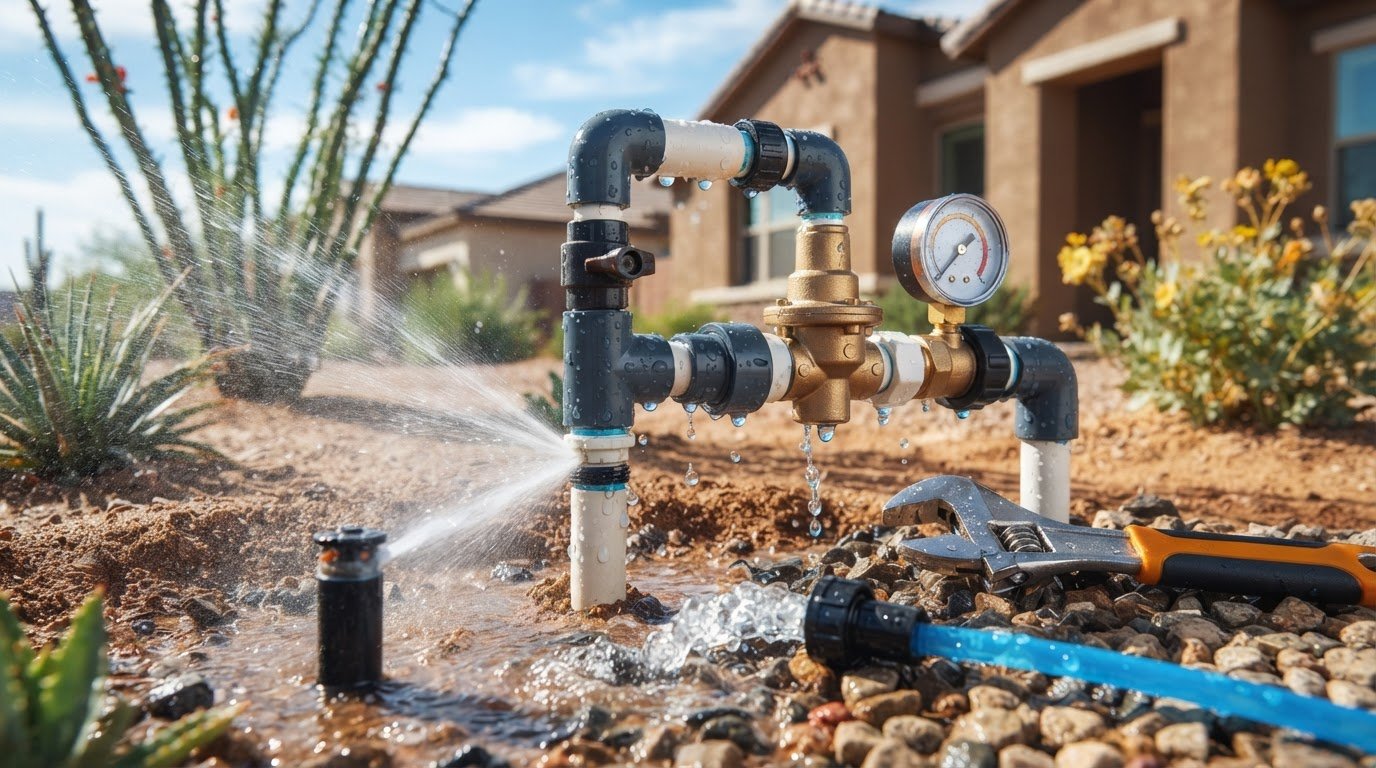
Constant dripping, often called "weeping," usually indicates that a seal has failed or debris is trapped in the check valve. In our desert environment, mineral buildup from hard water often prevents the internal poppet from seating flush against the seal. This creates a small gap where water escapes. If left unaddressed, this minor leak can significantly increase your monthly water bill and eventually lead to a complete mechanical failure of the assembly. For homeowners in other regions like Florida who are dealing with similar leak issues or plumbing emergencies, you can check out Orange Plumbing for 24/7 residential and commercial support.
Can I maintain or repair my own backflow assembly?
While homeowners can perform basic visual checks, all official testing and repairs must be conducted by a certified technician. The Arizona Department of Environmental Quality requires that testers hold valid certifications and use calibrated equipment. Because the backflow assembly is a critical safety device for the public water supply, local municipalities in Surprise and Peoria only recognize reports submitted by these certified professionals. Attempting DIY repairs can also void equipment warranties.
What is the average lifespan of a PVB backflow preventer in Arizona?
A Pressure Vacuum Breaker (PVB) typically lasts between five and ten years in the harsh Arizona climate. The actual lifespan depends heavily on the level of UV protection provided and the frequency of professional maintenance. Without a protective cover, the plastic internal parts and the outer canopy often become brittle and fail much sooner. Regular descaling of mineral deposits also helps extend the functional life of the rubber seals and metal housing.
Does a backflow blanket really protect my system from the heat?
A backflow blanket provides essential protection against UV degradation and minor temperature shifts. By shielding the plastic canopy and internal components from direct sunlight, these covers prevent the "brittle break" factor common in the West Valley. However, it's important to choose a breathable cover to avoid trapping moisture against the brass body. During rare hard freeze nights, these blankets also provide a necessary layer of thermal insulation to prevent the housing from cracking.
What happens if my backflow assembly fails the annual test?
If your assembly fails the annual test, it must be repaired or replaced and then re-tested to ensure compliance. Most failures in our region are caused by worn rubber parts or mineral crusting on the valve seat. Once the certified technician performs the necessary repairs, they'll conduct a follow-up test to verify the device holds the required pressure. The corrected report is then submitted to the city to clear any pending violations.
Will a failing backflow preventer cause low water pressure in my sprinklers?
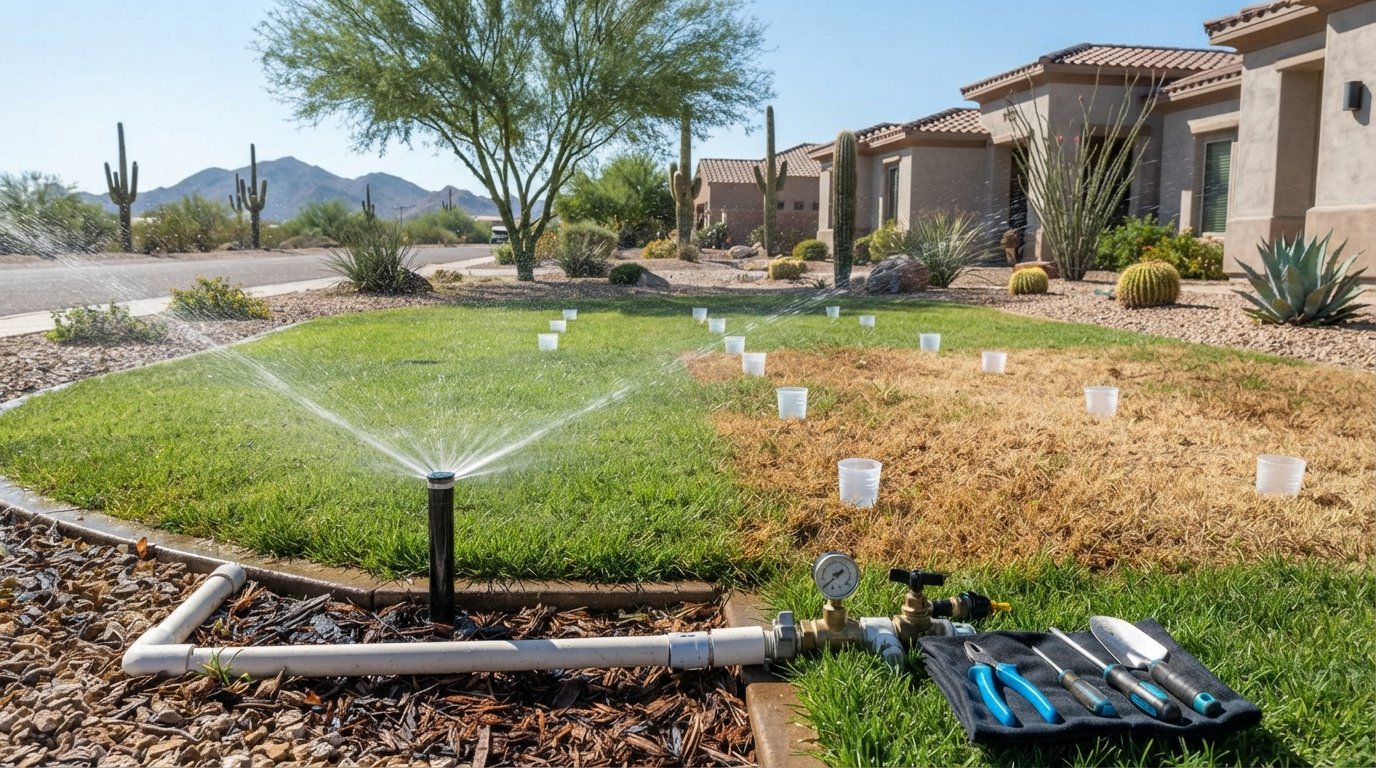
Yes, a malfunctioning backflow assembly can lead to a noticeable drop in sprinkler performance. If the internal poppet is stuck or the check valve cannot open fully, it restricts the volume of water entering your irrigation lines. This often results in "dry spots" on your lawn or pop-up heads that fail to rise completely. Professional sprinkler backflow maintenance Arizona experts provide includes checking these pressure differentials to ensure your landscape receives the water it needs to survive the summer.
How much does a typical backflow maintenance service cost?
The cost of backflow services varies based on whether you need a simple test, a cleaning, or a mechanical rebuild. Across the Phoenix metropolitan area, annual testing typically ranges between $75 and $150. Minor repairs for a failed device, such as replacing a poppet or seal kit, generally range from $100 to $300. Investing in routine maintenance is more cost-effective than a full replacement, which can range from $200 to $500 for the unit alone.