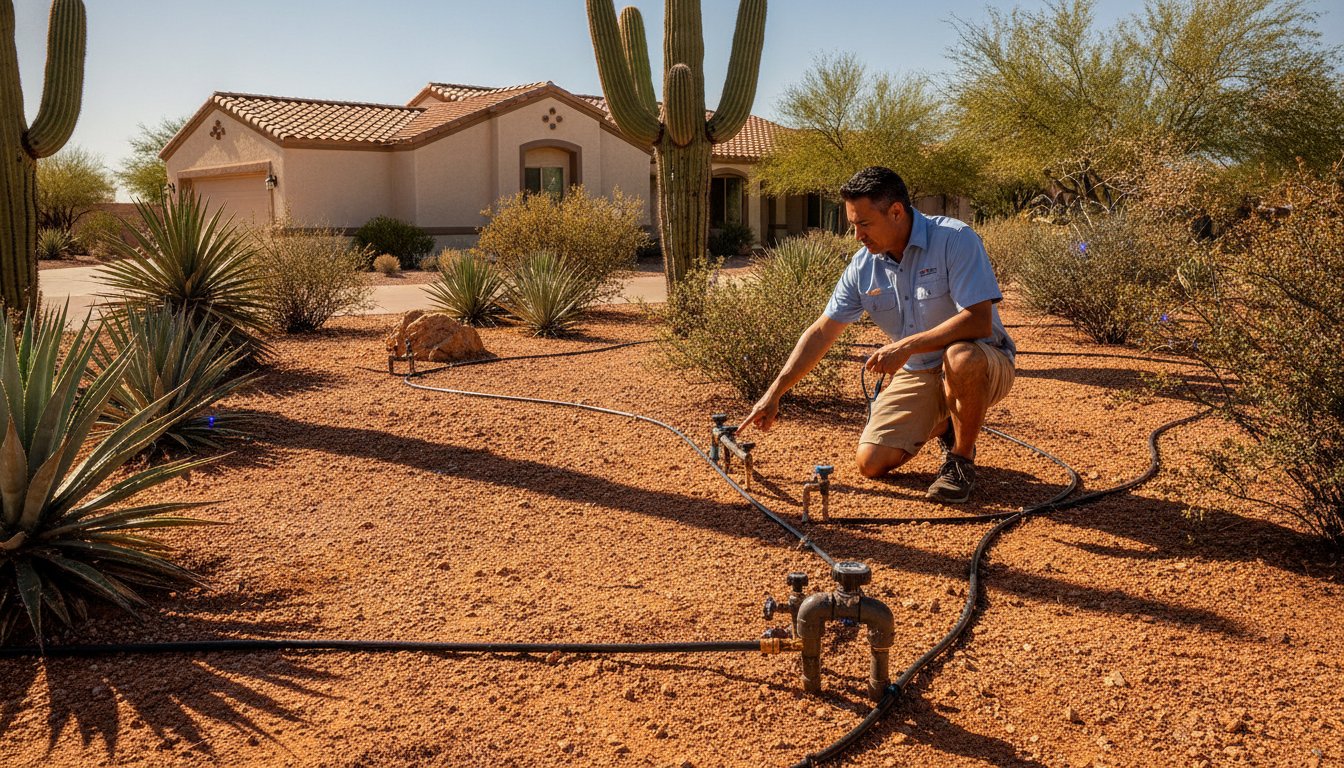
What if your irrigation system is quietly wasting thousands of gallons of water while your plants still look thirsty? In our harsh climate, a standard checkup isn't enough. You need a forensic audit to catch what the heat hides. A professional sprinkler system inspection Arizona homeowners trust is the only way to stop guessing and start saving.
Maintaining a lush yard in the desert shouldn't feel like a constant battle against rising utility costs or failing hardware. You likely already know that the intense sun and shifting soils put immense pressure on every pipe and valve. This guide will show you how a detailed irrigation assessment identifies hidden leaks, solves complex wiring mysteries, and optimizes your water usage for the long term. We'll explore the critical components of a professional evaluation, from backflow testing to drip line efficiency, ensuring your landscape thrives without draining your bank account. By the end, you'll have the peace of mind that comes from a truly efficient, leak-free system.
Key Takeaways
- Understand how Arizona’s extreme UV radiation and caliche soil accelerate the wear of irrigation components, making regular assessments essential for landscape health.
- Learn about the multi-point diagnostic framework used during a professional sprinkler system inspection Arizona experts perform to uncover hidden wiring faults and valve failures.
- Discover the risks of DIY repairs on complex systems and why professional diagnostics are necessary to prevent accidental damage to expensive irrigation controllers.
- Explore how transitioning to smart controllers and utilizing local evapotranspiration data can significantly reduce water waste and lower your monthly utility bills.
- Identify the long-term value of partnering with a residential-only specialist who understands the specific irrigation challenges faced by homeowners in Surprise and Peoria.
The Critical Role of Sprinkler System Inspections in Arizona's Desert Climate
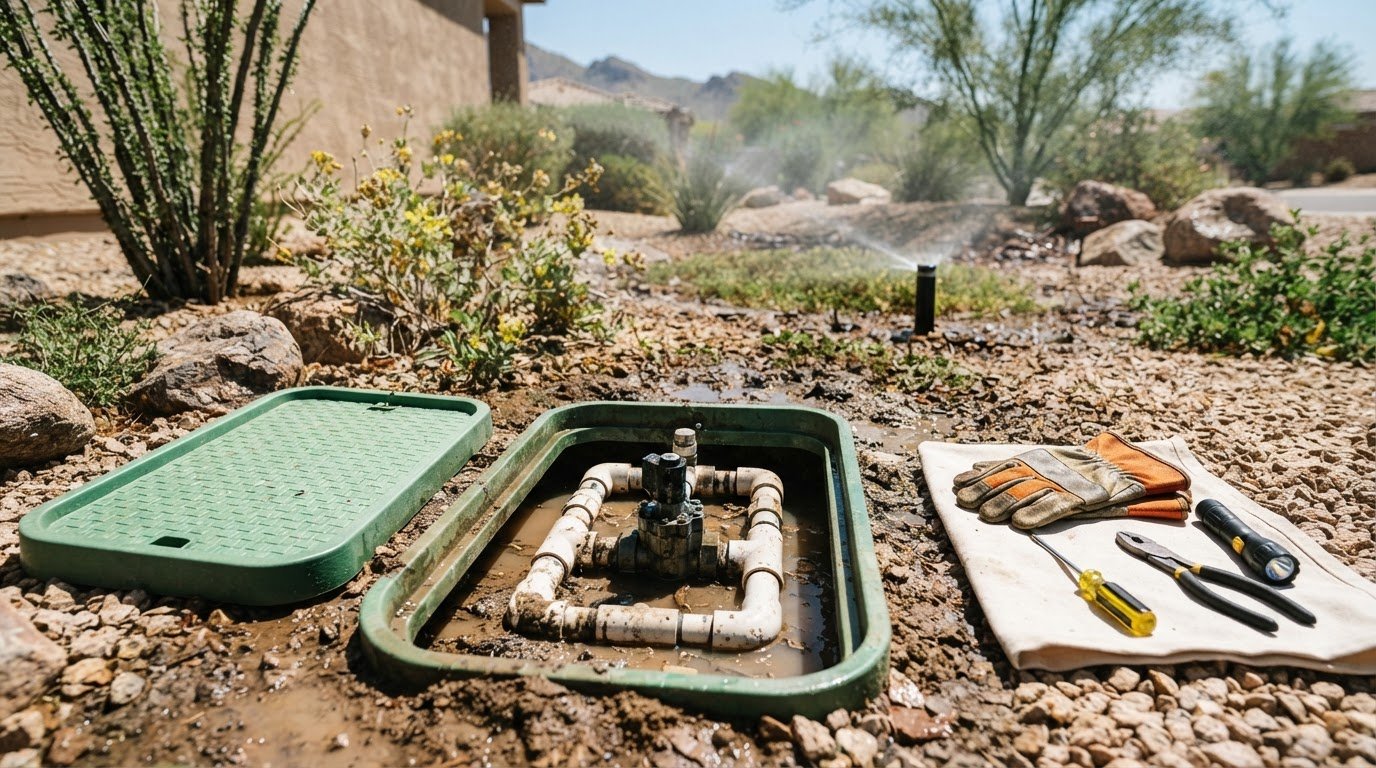
A professional irrigation inspection is a multi-point diagnostic process that evaluates the integrity of valves, electrical wiring, and delivery lines. It's much more than a simple walk-through to see if the grass is green. In our environment, a sprinkler system inspection Arizona homeowners trust must account for the invisible stressors that standard maintenance often overlooks. This includes checking for "open" or "short" circuits in the wiring and ensuring the backflow prevention assembly is functioning to keep your home's drinking water safe.
Arizona presents a unique set of challenges that can quickly compromise even the best systems. The intense sun and extreme UV radiation degrade plastics, while the notoriously hard caliche soil makes underground repairs difficult and hides leaks. Unlike clay-heavy regions where a leak creates a visible swamp, Arizona’s porous or rocky sub-soils can swallow hundreds of gallons of water before a surface puddle ever appears. These silent leaks are often the primary cause of unexplained spikes in water bills. Furthermore, the high mineral content in Southwest water leads to significant calcium buildup, which slowly chokes off emitters and nozzles over time.
Environmental Stressors Unique to Surprise and Peoria
Homeowners in Surprise and Peoria face environmental factors that demand specialized knowledge. We've seen how these local conditions impact system longevity:
- Thermal Stress: Temperatures exceeding 110°F cause poly-tubing and PVC to lose their elasticity, making them prone to cracking under pressure.
- Monsoon Soil Shifting: The heavy rains of the monsoon season cause the earth to expand and contract, which often snaps rigid underground PVC pipe joints.
- Evaporation Rates: Relying on a "set it and forget it" controller leads to massive waste because it doesn't account for the rapid evaporation that occurs in the desert heat.
Financial and Ecological Benefits of Regular Audits
Scheduling a regular sprinkler system inspection Arizona residents rely on provides immediate financial relief and long-term property protection. By identifying silent valve leaks and pressure imbalances, you can stop wasting money on water that never reaches your plants. These audits also extend the lifespan of expensive desert flora by ensuring precise water delivery to the root zone, preventing the salt buildup that often kills sensitive species. In the context of Arizona's Tier 1 water restrictions, irrigation efficiency is defined as the precise application of water to meet plant needs without any measurable runoff or deep percolation beyond the root zone.
Inside the Inspection: A Comprehensive Residential Irrigation Diagnostic Framework
A successful sprinkler system inspection Arizona homeowners invest in follows a logical, step-by-step progression. We start at the brain of the system and work outward to the individual emitters. This systematic approach ensures no technical detail is missed during the assessment. It moves from electrical health to hydraulic integrity, providing a complete picture of your system's performance.
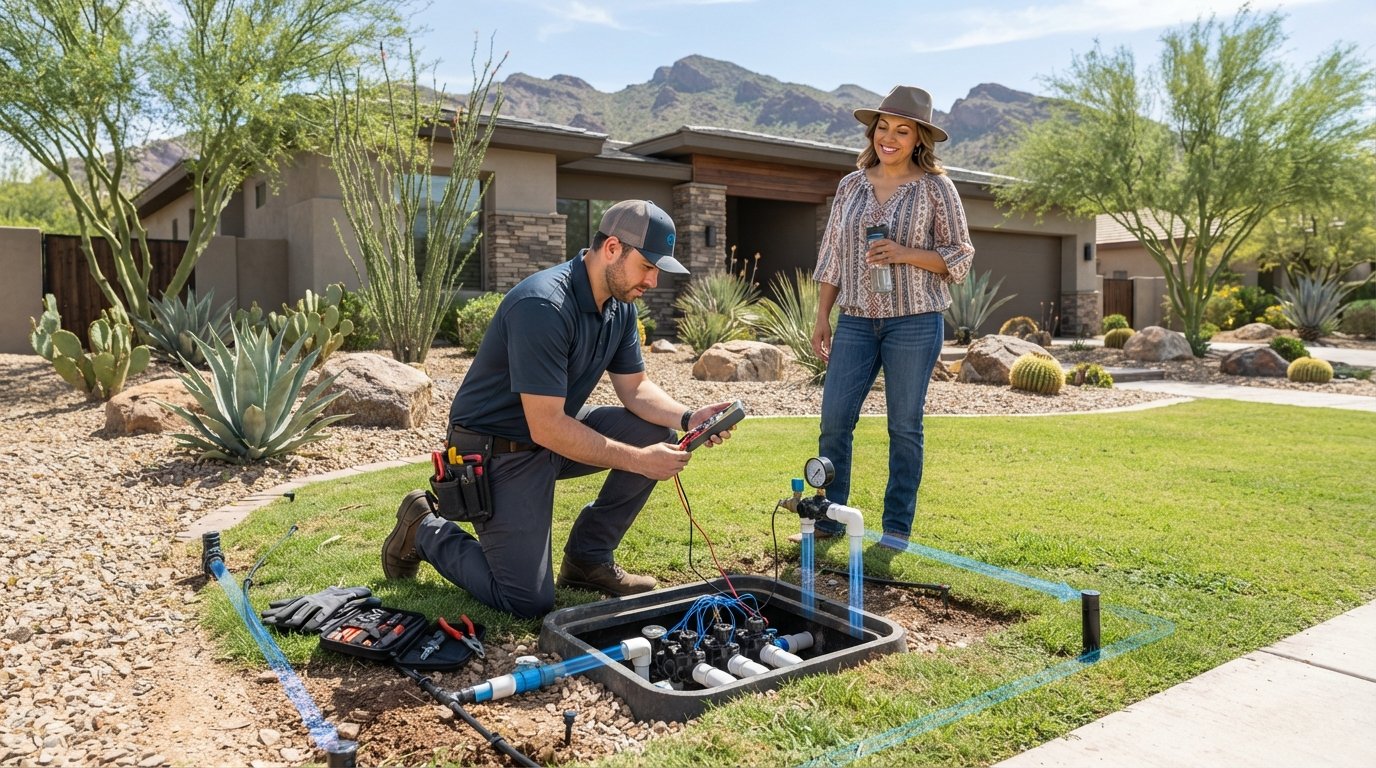
The process begins with a controller and wiring audit. By checking for "open" or "short" circuits, we identify if the solenoid valves are receiving the correct electrical signals. This prevents "phantom" failures where the timer shows a zone is running, but no water actually flows. Next, we move to hydraulic pressure testing. We measure the PSI at various points to ensure the heads have enough pressure to pop up and rotate properly. Too much pressure causes misting and water waste; too little leads to localized dry spots.
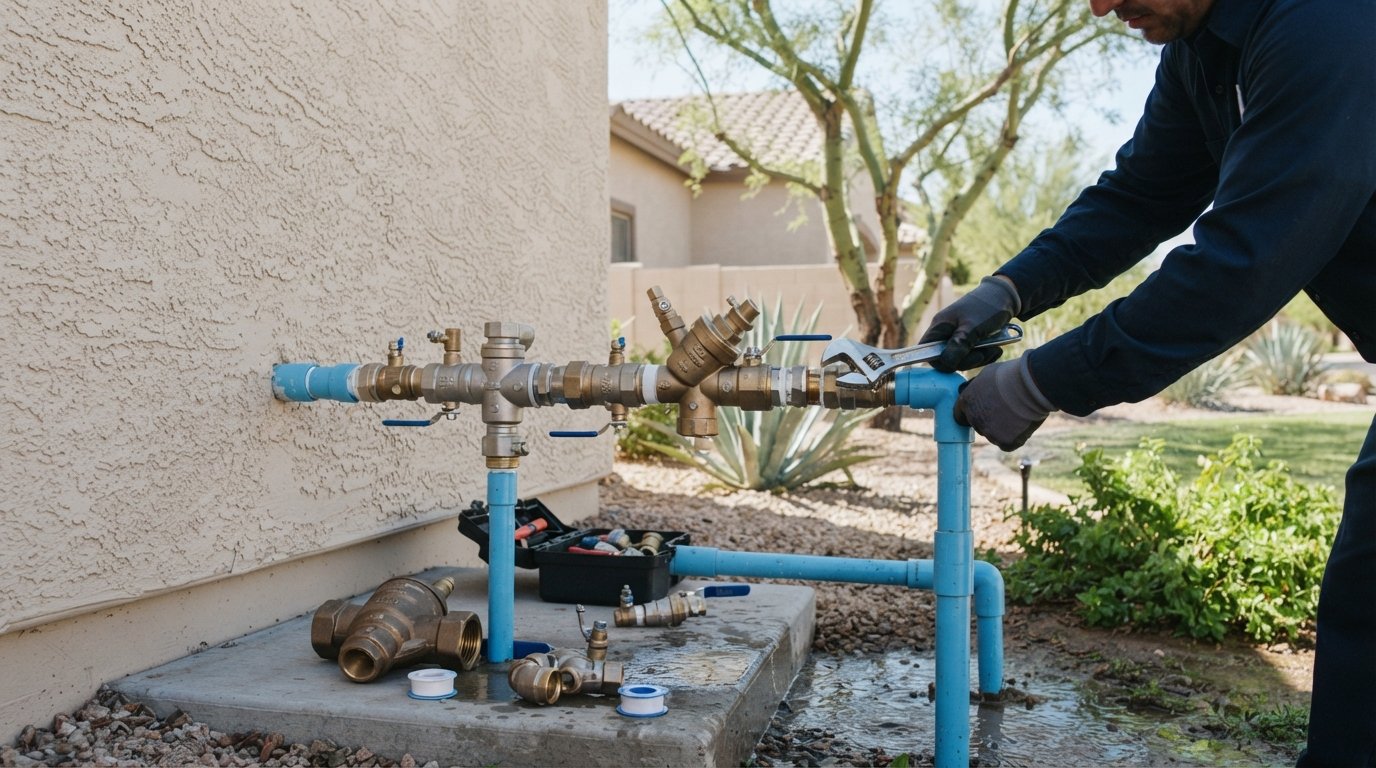
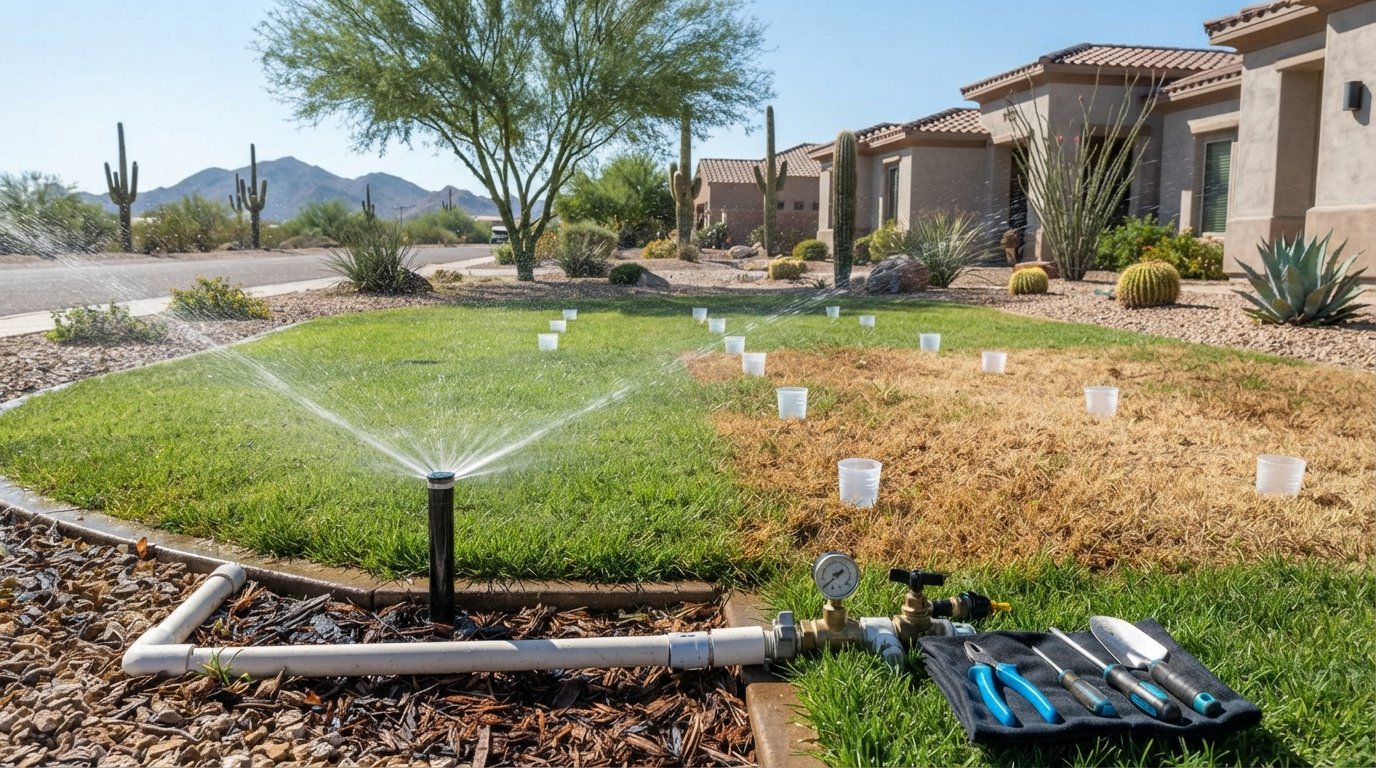
We then verify the mechanical integrity of the irrigation shut off valve and the backflow prevention assembly. These components are critical for preventing cross-contamination and allowing for system isolation during future repairs. Finally, we perform a distribution uniformity check. This confirms that every plant or patch of grass receives the specific volume of water it requires, eliminating over-saturation in one area and drought in another.
The Technical Side: Wiring and Solenoid Diagnostics
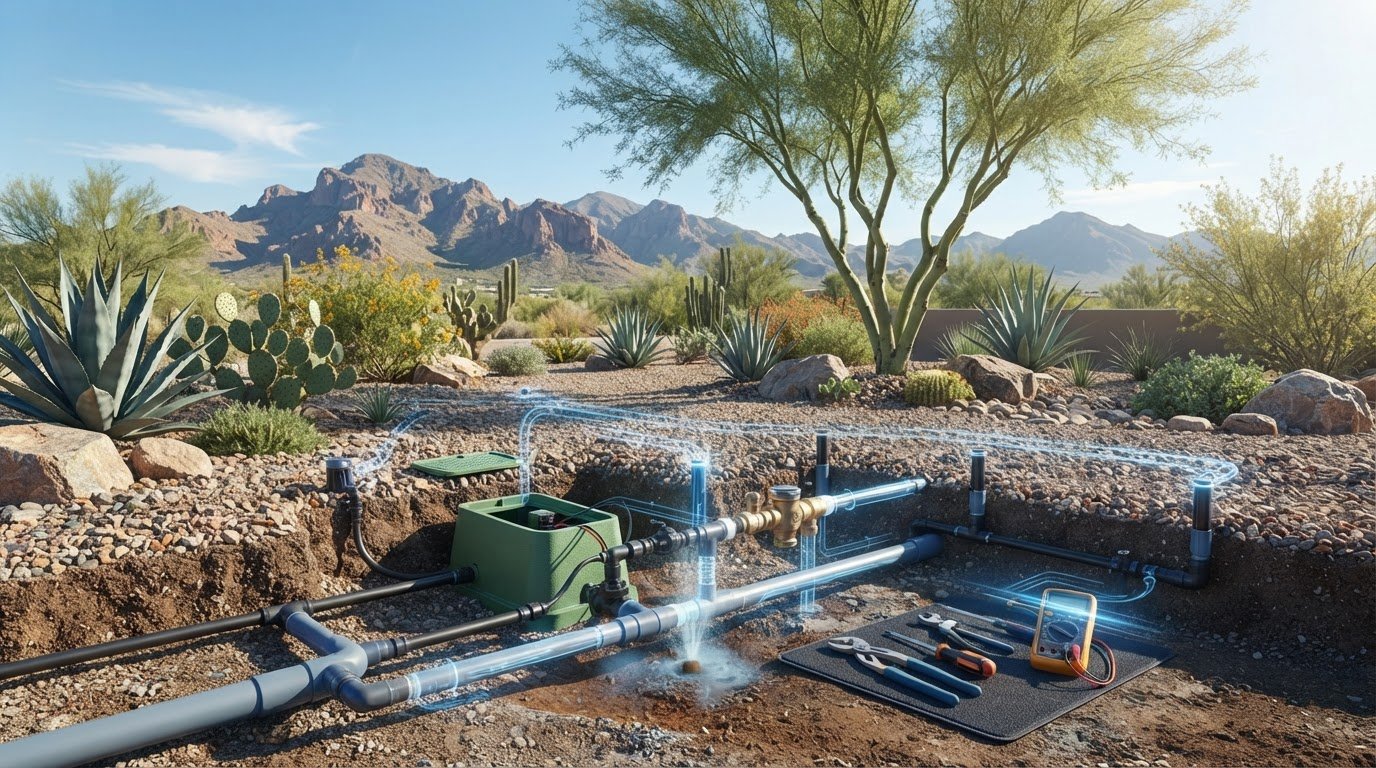
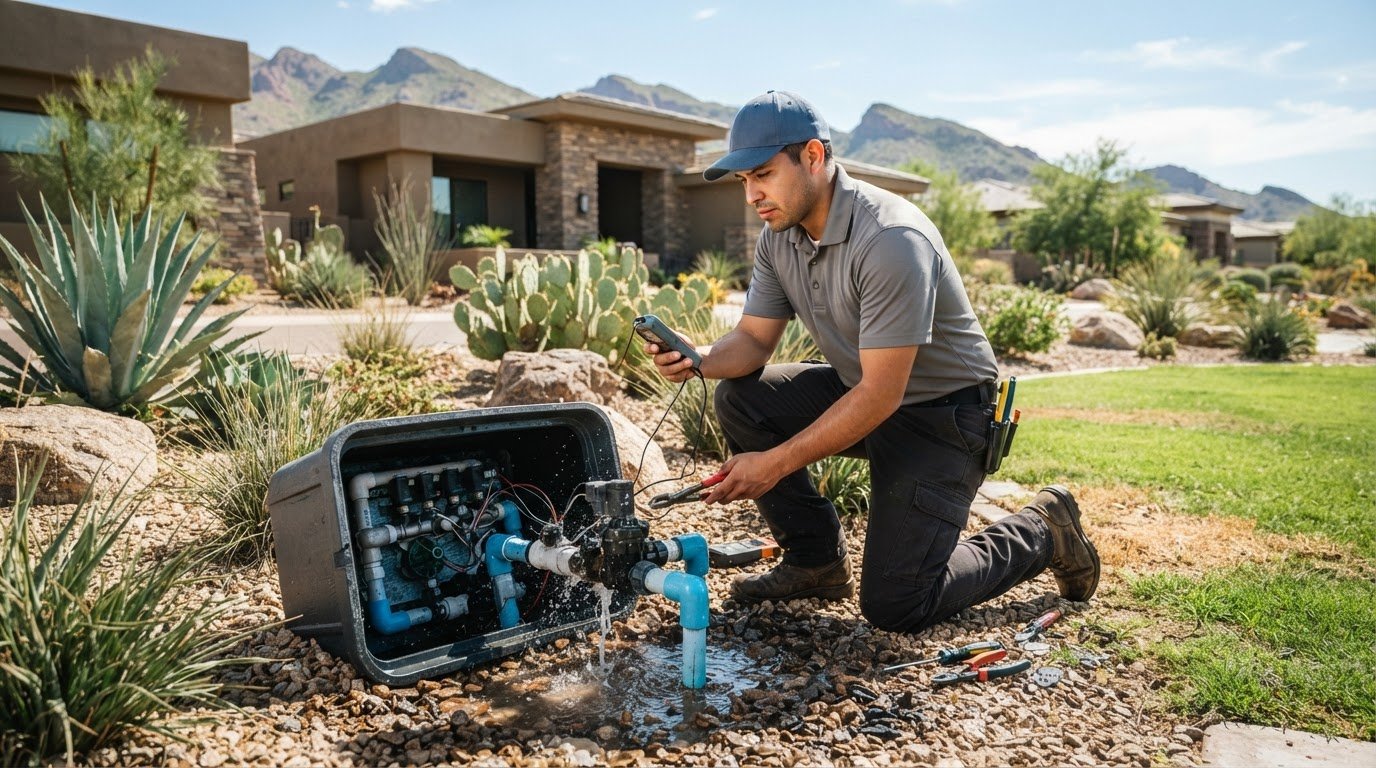
Professional diagnostics involve using specialized meters to trace underground wire breaks. This technology allows us to find the exact point of failure without trenching through your entire landscape. We often identify intermittent failures caused by corroded grease nuts or frayed insulation that a visual check would miss. If you are struggling with a zone that won't turn on, our irrigation wiring diagnostics provide a definitive solution without the guesswork.
Evaluating Drip Irrigation Systems for Emitter Failure
The "salt-crust" problem is a major issue in the Phoenix valley. Minerals in the water harden into white deposits that choke off drip emitters. Because these systems are often hidden under decorative rock, you might not notice a failure until a plant begins to wilt. We also test the pressure regulator to ensure it isn't letting high-pressure surges blow emitters off their lines during cycle starts. If you suspect your system is struggling, you can reach out for a professional evaluation to prevent plant loss.
Checklist: 3 signs your drip system needs a professional flush:
- Visible salt or calcium buildup on emitter tips.
- Uneven plant growth within the same watering zone.
- Emitters that have popped off the poly-tubing or are leaking at the base.
Professional Assessment vs. DIY Checks: Navigating Complex Irrigation Failures
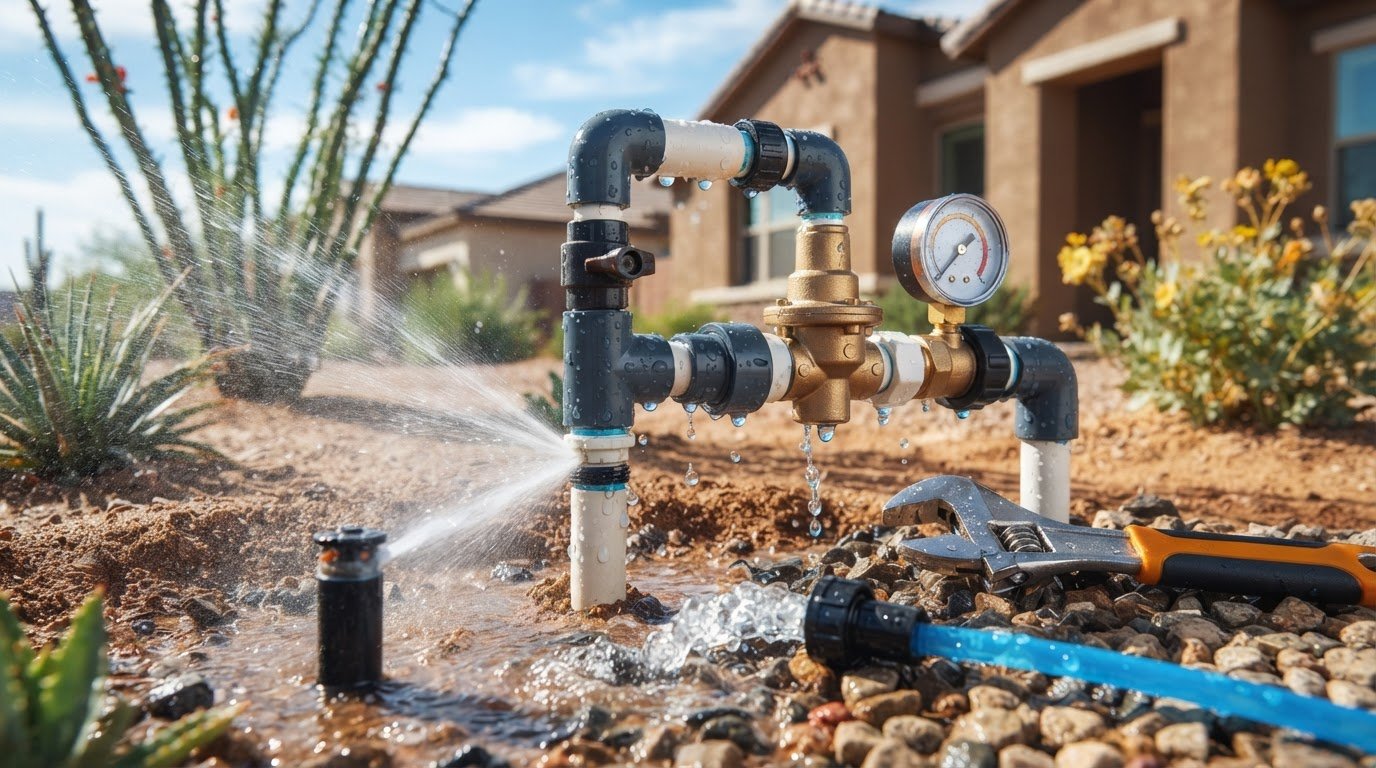
While many homeowners feel comfortable handling basic yard work, a true sprinkler system inspection Arizona experts provide goes far beneath the surface. You might spot a broken sprinkler head or a geyser in the lawn, but identifying why that head failed requires a deeper look. Often, the visible break is just a symptom of a larger issue, like a failing pressure regulator or a surge in the main line. Guessing at these causes often leads to "part-swapping" that costs more in the long run than a professional diagnostic.
Electrical issues are particularly risky for the amateur. A simple mistake while "testing" a solenoid can easily fry a modern irrigation controller, turning a minor repair into an expensive replacement. Similarly, regarding leaks, a quick patch on a cracked line rarely holds up against the expansion and contraction of desert soil. We prioritize professional irrigation PVC pipe replacement over temporary fixes because it ensures the structural integrity of the system for years, not just weeks. This long-term approach prevents the recurring leaks that plague many DIY-maintained properties.
The Tool Gap: What Professionals Use That You Don't Have
Professionals bring a specialized arsenal to your property. We use ultrasonic leak detectors to pinpoint underground PVC fractures without digging exploratory holes across your yard. Earth-ground testers allow us to verify that your system is electrically safe and your controller is protected from power fluctuations. This is vital in Surprise and Peoria, where lightning strikes during monsoon season can travel through irrigation wires and destroy expensive indoor electronics. We also use precision pressure gauges designed specifically for low-flow drip zones to ensure every emitter is operating within its designed parameters.
When a DIY Check is Enough (and When It's Not)
Visual checks are perfect for your monthly maintenance routine. You should regularly look for clogged nozzles or dry spots in the lawn. However, a comprehensive sprinkler system inspection Arizona homeowners schedule for seasonal transitions is non-negotiable. You've reached the "point of no return" when a leaking valve starts to indicate a manifold failure. A manifold failure is often signaled by water pooling around the valve box even when the system is off. This indicates a cracked housing or a failed master valve, both of which require professional tools to resolve without causing further damage to the main line. For those looking to handle basic maintenance, you can find more about troubleshooting your drip system in Surprise to manage common, user-friendly fixes safely.
Post-Inspection Strategies: Upgrading for Long-Term Desert Durability
Once the baseline health of your irrigation is established through a sprinkler system inspection Arizona homeowners can finally move from reactive repairs to proactive efficiency. The data gathered during a professional audit often highlights specific areas where residential sprinkler system upgrades will pay for themselves through immediate water savings. It's about transitioning toward a system that works with our unique environment rather than constantly fighting against it.
One of the most impactful changes is transitioning to smart controllers. These devices don't just run on a simple timer; they use local evapotranspiration (ET) data to automate seasonal adjustments. ET data measures how much moisture is leaving the soil and plants based on real-time temperature, humidity, and wind speeds. This ensures your yard gets exactly what it needs, even as our weather shifts rapidly from dry spring heat to the humid conditions of the monsoon season.
We also look at retrofitting high-efficiency nozzles in turf areas. Standard nozzles often create a fine mist that evaporates before it ever hits the ground. High-efficiency versions produce larger, heavier droplets that resist wind-drift and evaporation. Coupling these with pressure-regulated heads prevents "fogging," which occurs when water pressure is too high for the hardware. This ensures even coverage across the entire zone, reaching the furthest corners of your landscape without wasting water in the air.
Modernizing Your Drip System for Water Conservation
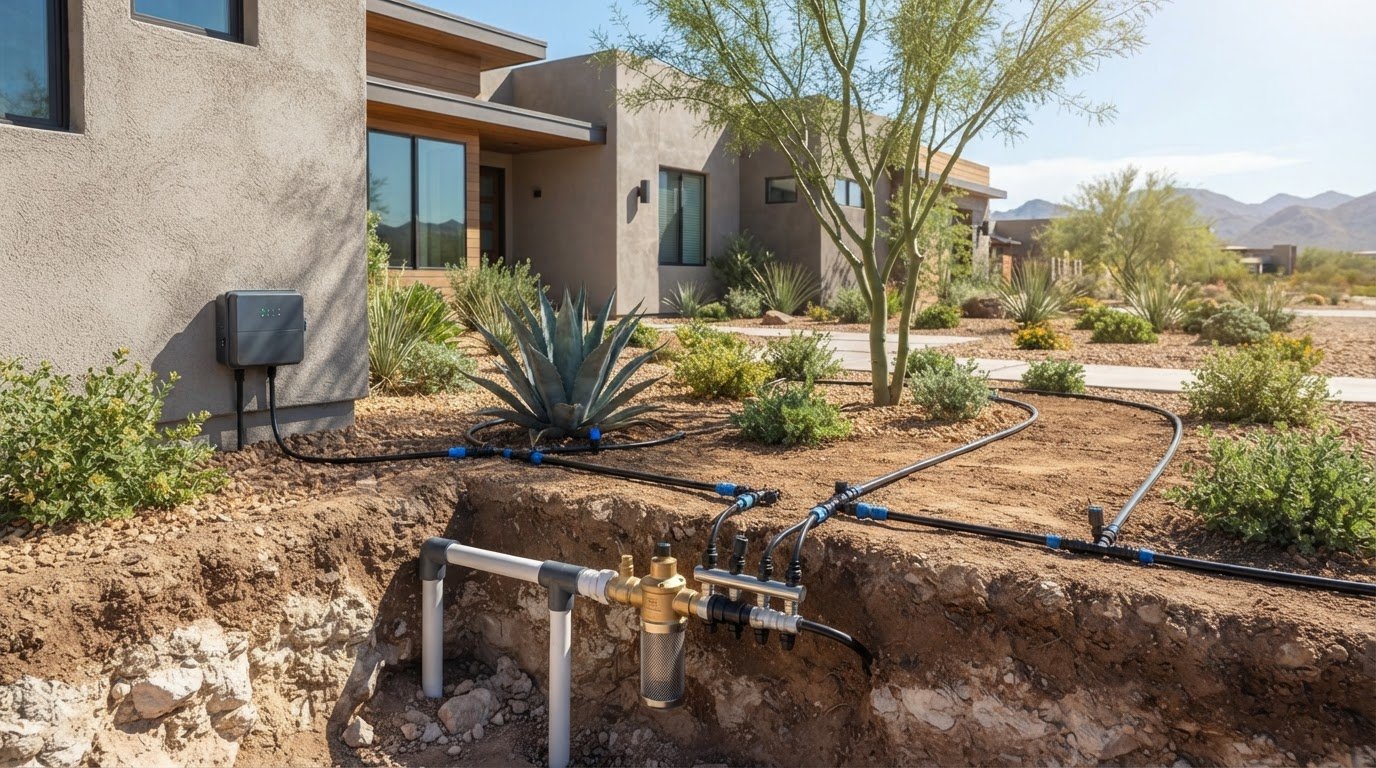
For desert landscapes, the drip system is the primary lifeline for your plants. Replacing standard emitters with pressure-compensating models is vital for properties with even slight elevation changes. These emitters maintain a consistent flow rate regardless of pressure fluctuations in the line. In dense garden beds, multi-outlet manifolds provide a more organized and reliable way to distribute water to multiple plants from a single source. If your current layout feels inefficient or messy, exploring professional drip system design and installation can transform your water management strategy.
Hardening Your System Against Arizona Pests and Heat
Durability in the desert requires the right materials. We recommend using 'Schedule 40' PVC for main lines because this thicker-walled pipe resists root intrusion and the immense pressure of shifting soils better than thinner alternatives. Protective valve boxes are also essential; they must be made of UV-resistant materials to prevent warping and designed to keep out desert rodents that frequently chew on irrigation wiring. Schedule 80 fittings are preferred for high-stress valve manifolds because their increased wall thickness provides superior resistance to the constant pressure cycles and thermal expansion found in Arizona. If you're ready to improve your system’s durability, you can schedule an upgrade consultation with our team today.
Securing Your Landscape with Sonora Sprinkler’s Specialized Inspection Services
Choosing a family-owned business for your irrigation needs offers a level of thoroughness that large landscaping conglomerates often struggle to match. While high-volume companies might prioritize speed, our team focuses on the specific nuances of your residential property. Our commitment to residential-only service ensures that we aren't distracted by massive commercial contracts. For homeowners in Surprise and Peoria, this means receiving a personalized assessment from a neighbor who understands the local environment as well as you do.
The "Sonora Standard" is the foundation of every sprinkler system inspection Arizona residents receive from us. We don't just point out broken parts; we provide a comprehensive diagnostic report that serves as a prioritized roadmap for your system's long-term health. This report covers every technical detail discussed in this guide, from electrical solenoid health to the precision of your drip emitters. We believe in transparency, ensuring you understand exactly where your water is going and how to keep your landscape thriving.
We've designed our process to reduce the friction typically associated with home repairs. Our irrigation repairs and maintenance team handles the entire lifecycle of the service, from the initial diagnostic audit to the final pressure testing. This continuity of care means the expert who identifies a hidden leak is the same one ensuring the repair meets our high standards of durability. It's a steady, reliable approach that builds confidence through functional results and clear communication.
Our Local Roots in Surprise and Peoria
Sonora Sprinkler Inc. has been a fixture in the community since 1999. With nearly 30 years of local experience, we've developed a deep-rooted understanding of how Arizona’s unique climate impacts irrigation hardware. We're familiar with local water district requirements and can help you navigate the technical side of water conservation. This "boots-on-the-ground" expertise allows us to anticipate problems that generic national providers might miss. We know the specific challenges of local soil and heat because we've spent decades solving them for your neighbors.
Ready to Audit Your System?
You don't have to wait for a dead lawn or an unexpectedly high water bill to take control of your irrigation. Proactive care is the most effective way to protect your property investment and ensure your yard remains a desert oasis. A professional sprinkler system inspection Arizona homeowners trust provides the peace of mind that your system is efficient, durable, and ready for the summer heat.
Just as your landscape needs specialized care to survive the heat, your home's HVAC system requires similar attention; you can explore Air Conditioning Repair from Christensen Heating and Cooling to ensure your indoor environment remains a cool sanctuary during the hottest months.
Don't let hidden leaks or wiring faults compromise your landscape's health. Contact Sonora Sprinkler Inc. for a Professional Irrigation Diagnostic and let our master craftsmen ensure your system is operating at peak performance.
Protecting Your Desert Oasis for the Long Term
Ensuring your landscape remains vibrant in our challenging climate requires more than just reactive repairs. A professional sprinkler system inspection Arizona homeowners rely on provides the technical clarity needed to eliminate water waste and prevent sudden failures. By identifying hidden leaks and optimizing your controller with real-time weather data, you can significantly lower your utility costs while extending the life of your plants. Our family-owned business, Sonora Sprinkler Inc., has specialized in desert-specific irrigation since 1999, focusing exclusively on residential properties to provide a tailored, expert experience.
Don't wait for the summer heat to reveal weaknesses in your system. Whether you're dealing with complex wiring issues or simply want to verify your system's efficiency, our master craftsmen are ready to help. Taking action today secures the health of your yard and provides the peace of mind that your investment is protected by local specialists who understand the unique demands of the Southwest. Schedule Your Professional Irrigation Inspection with Sonora Sprinkler Inc. and let us help you maintain a thriving, efficient landscape.
Frequently Asked Questions
How often should I have my sprinkler system inspected in Arizona?
You should schedule a professional assessment at least twice a year to handle our extreme seasonal shifts. A spring checkup ensures your hardware is ready for the 110°F heat, while a fall inspection identifies any damage caused by monsoon soil shifting or thermal expansion. Regular timing prevents minor wear from turning into a total system failure during the hottest months.
What are the signs that my underground irrigation line is leaking?
Unexplained spikes in your water bill or localized "squishy" spots in the landscape are the most common indicators. You might also notice a significant drop in water pressure at the furthest sprinkler heads or emitters. Because our rocky soil can swallow water, a line can leak for months without ever creating a surface puddle, making professional pressure testing essential.
Can a professional inspection really lower my monthly water bill?
A comprehensive sprinkler system inspection Arizona homeowners invest in frequently identifies "silent" leaks that waste thousands of gallons. By repairing stuck valves and optimizing your distribution uniformity, we ensure every drop reaches its target. Many of our clients see a noticeable reduction in their monthly utility costs immediately after we calibrate their system for peak efficiency and fix hidden fractures.
What is the difference between a sprinkler check and an irrigation audit?
A sprinkler check is a basic visual walk-through to find broken heads, while an irrigation audit is a technical diagnostic. During an audit, we measure PSI at the valve, test electrical resistance in the wiring, and evaluate the precise flow rate of your drip emitters. This deeper analysis uncovers the root cause of failures that a simple visual check would miss.
Why is my drip system failing every few years?
Most premature failures are caused by high mineral content in local water and the use of thin-walled poly-tubing. Calcium deposits eventually choke off standard emitters, while UV radiation makes low-grade plastic brittle. Transitioning to pressure-compensating emitters and burying your lines deeper in the soil can significantly extend the lifespan of your drip system in the harsh desert environment.
Do you inspect backflow preventers for residential properties?
We provide comprehensive valve and backflow services to ensure your system remains compliant and safe. Our team evaluates the mechanical integrity of the backflow prevention assembly to protect your home's potable water from cross-contamination. This is a critical component of our residential-only diagnostic process, ensuring that your shut-off valves and safety devices are fully functional and leak-free.
How long does a professional sprinkler system inspection take?
A thorough evaluation typically takes between 60 and 90 minutes for a standard residential property. This timeframe allows us to cycle through every zone, test the controller's wiring, and perform a manual check of every sprinkler head and drip emitter. Larger properties or those with complex wiring issues may require additional time for a complete forensic audit of the hardware.
Is it worth upgrading to a smart irrigation controller in the desert?
Upgrading is highly beneficial because smart controllers use real-time evapotranspiration (ET) data to adjust watering schedules automatically. A sprinkler system inspection Arizona experts perform often reveals that "dumb" timers are either over-watering or under-watering as temperatures fluctuate. Smart systems eliminate this guesswork, providing the precision needed to keep your desert landscape thriving while minimizing your environmental footprint.