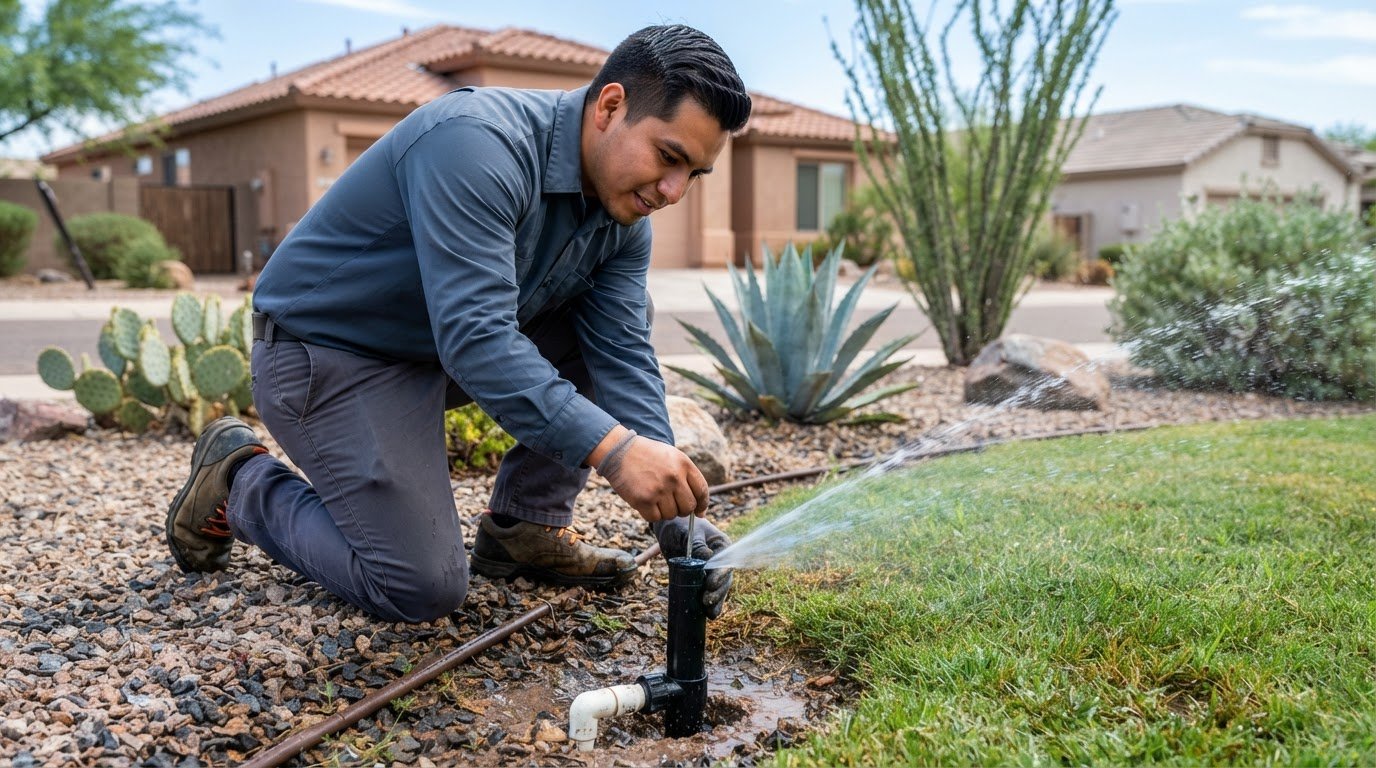
In the Arizona desert, a minor irrigation leak isn't just a nuisance; it is an expensive "water tax" that can quietly double your monthly utility bill before you ever notice a brown patch on the lawn. The intense heat of our region puts a unique strain on residential systems, often causing components to fail prematurely and leaving homeowners with confusing, inconsistent quotes from general landscapers. You deserve to know exactly where your maintenance budget is going and how to ensure your system remains reliable through the harshest seasons.
We understand that finding a fair sprinkler system repair cost Arizona residents can rely on is essential for protecting both your property and your wallet. This guide provides a clear, honest breakdown of what residential irrigation repairs actually cost in 2026, from simple head replacements to complex valve diagnostics. We will explore the technical nuances of Arizona's soil and climate, explain the value of specialized professional service over generalist fixes, and help you navigate the current market rates to ensure your landscape remains a functional, leak-free sanctuary for years to come.
Key Takeaways
- Understand the primary variables that influence the sprinkler system repair cost Arizona residents face, from regional soil conditions to system complexity.
- Learn how to identify the specific components, such as valves and drip emitters, that are most susceptible to desert heat and UV degradation.
- Discover why specialized irrigation diagnostics are more cost-effective than general landscaping fixes by preventing recurring leaks and "desert tax" water waste.
- Gain insights into the "Caliche Factor" and how Arizona's unique hard-pan soil affects labor time and repair longevity for residential PVC systems.
- Identify high-ROI upgrades, like pressure-regulated heads and smart controllers, that protect your expensive desert plants while lowering monthly utility expenses.
Average Sprinkler Repair Costs in Arizona (2026)
Estimating the sprinkler system repair cost Arizona homeowners should expect requires looking beyond national averages. While generic data often suggests a baseline for simple fixes, the unique environmental pressures of the Surprise and Peoria areas create a different set of variables. Whether you reside in a traditional home or are exploring the manufactured home communities featured at sunrisehomescompany.com, our desert climate forces residential systems to work harder. The physical makeup of our soil often complicates what might be a simple task in other regions, and a professional quote in 2026 typically accounts for the high level of technical expertise required to manage these regional challenges effectively.
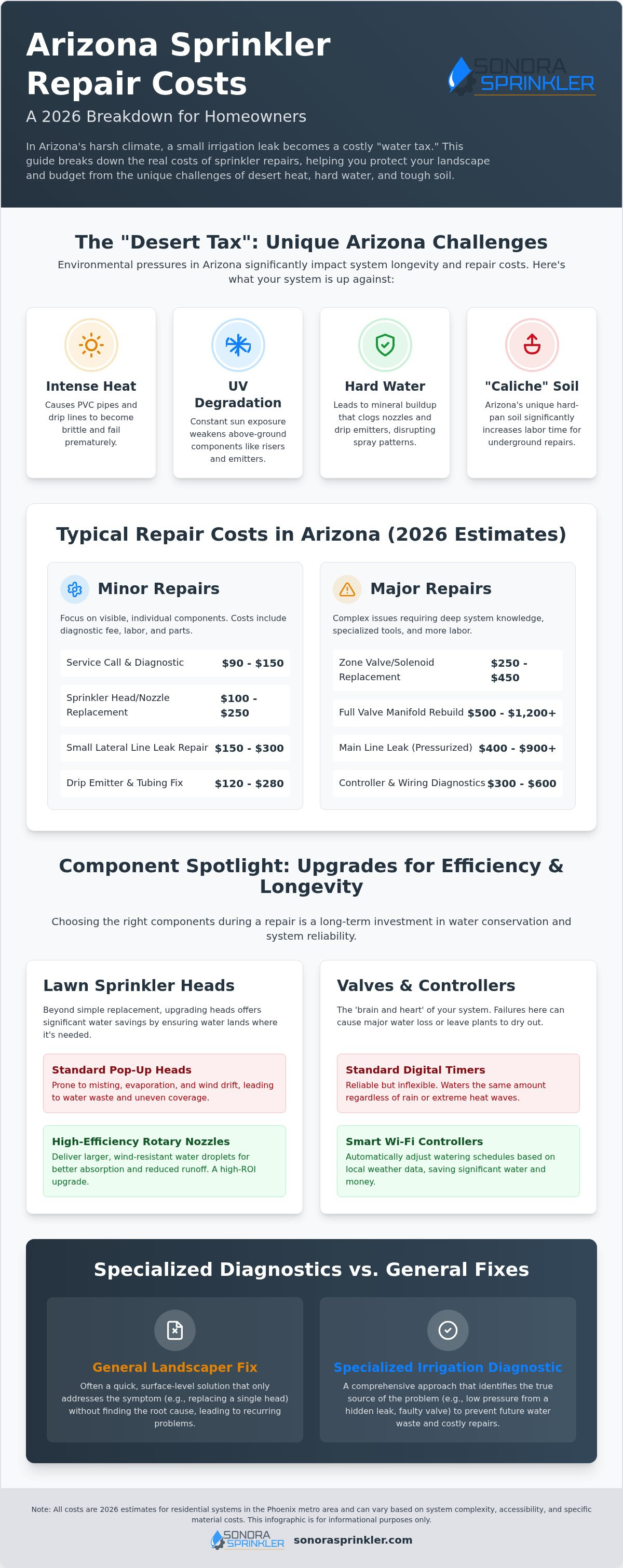
Most reputable specialists in the West Valley utilize a tiered pricing structure that includes an initial diagnostic or service call fee followed by hourly labor and material costs. This ensures that the root cause of a problem, such as a hidden wiring fault or a pressurized line leak, is identified before any parts are replaced. In 2026, the market has seen a stabilization in parts availability, though high-efficiency components and specialized PVC fittings remain a primary factor in the final bill. Investing in professional irrigation repairs and maintenance early can prevent the "desert tax" of massive water waste caused by undetected underground failures.
Minor Repairs and Component Swaps
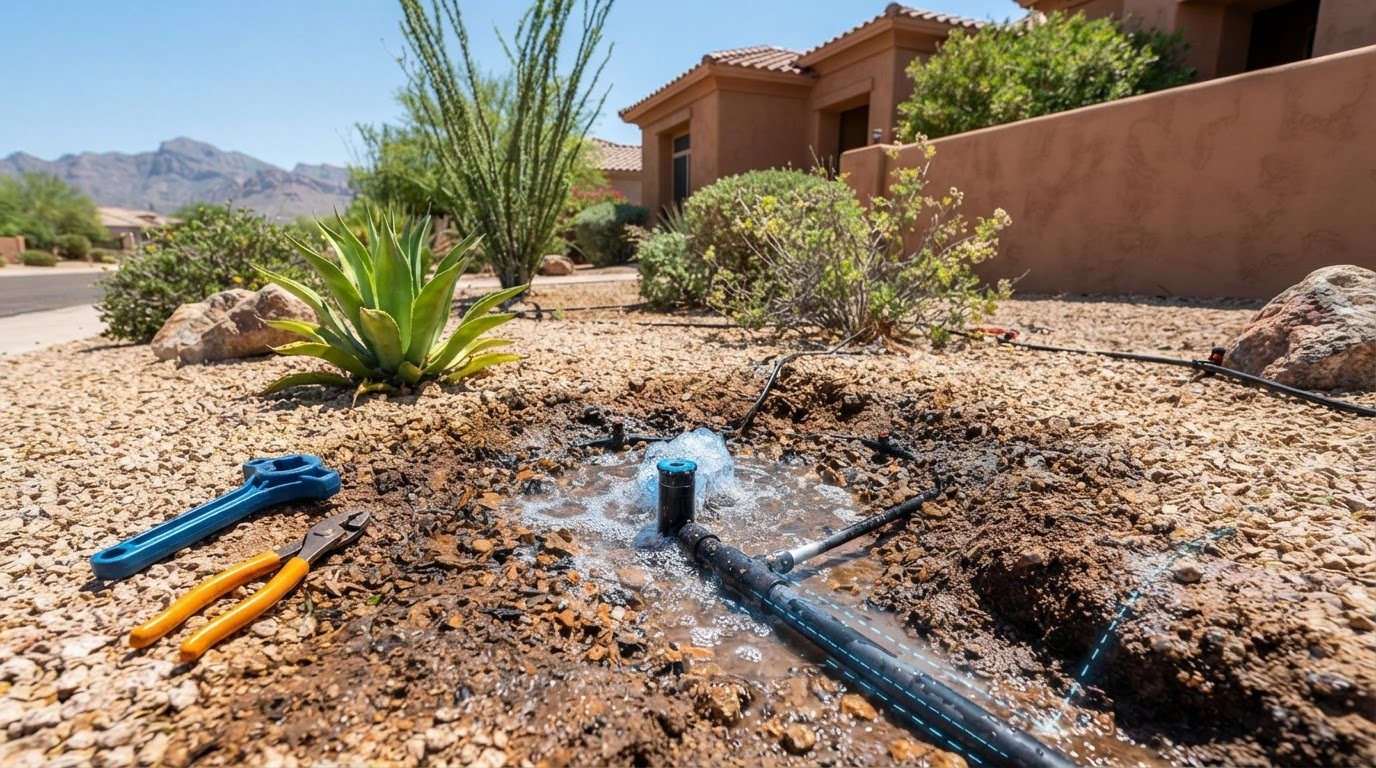
Minor repairs often focus on the visible parts of irrigation sprinkler systems, such as individual pop-up heads or drip emitters. In sandy soil, these swaps are relatively quick, but rocky terrain can increase the time needed to excavate and secure the new component. Small lateral line leaks also fall into this category. Cleaning and adjusting clogged nozzles is a common necessity in Arizona, where mineral buildup from our hard water can disrupt spray patterns and leave your desert plants vulnerable to heat stress.
Major System Overhauls and Diagnostics
When the issues move deeper into the system, the complexity and associated costs increase. Replacing a full valve manifold is a significant undertaking that requires precise plumbing and wiring knowledge to ensure each zone operates independently. Homeowners should also consider the state of their valves and backflow devices, as these must meet specific local codes to prevent water contamination. Large-scale drip system replacements are another common major repair, especially when older lines become brittle from decades of UV exposure and heat, leading to multiple points of failure across the property.
Component Pricing: Heads, Valves, and Drip Lines
The hardware components of a desert irrigation system are its first line of defense against our extreme climate. When calculating the total sprinkler system repair cost Arizona residents must budget for, it's essential to distinguish between the price of the physical part and the technical labor required for a durable installation. Standard pop-up heads are common, but they often lack the efficiency required for modern water conservation. Upgrading to rotary nozzles or pressure-regulated heads can significantly reduce misting and runoff, though these precision components require more careful calibration during the repair process.
Lawn Sprinkler Hardware Costs
Standard pop-up heads are the most frequently replaced items in any residential system. However, homeowners often find that replacing a broken riser pipe or a cracked head is only the beginning. Achieving uniform coverage across a lawn requires an understanding of head-to-head spacing and nozzle flow rates. Consistently maintaining your irrigation system through monthly checks can help you identify when a simple nozzle adjustment is needed versus a full head replacement. High-efficiency rotary nozzles are increasingly popular in Surprise and Peoria because they deliver larger water droplets that resist wind drift, providing better long-term value despite a slightly higher initial part cost.
Drip System and Valve Components
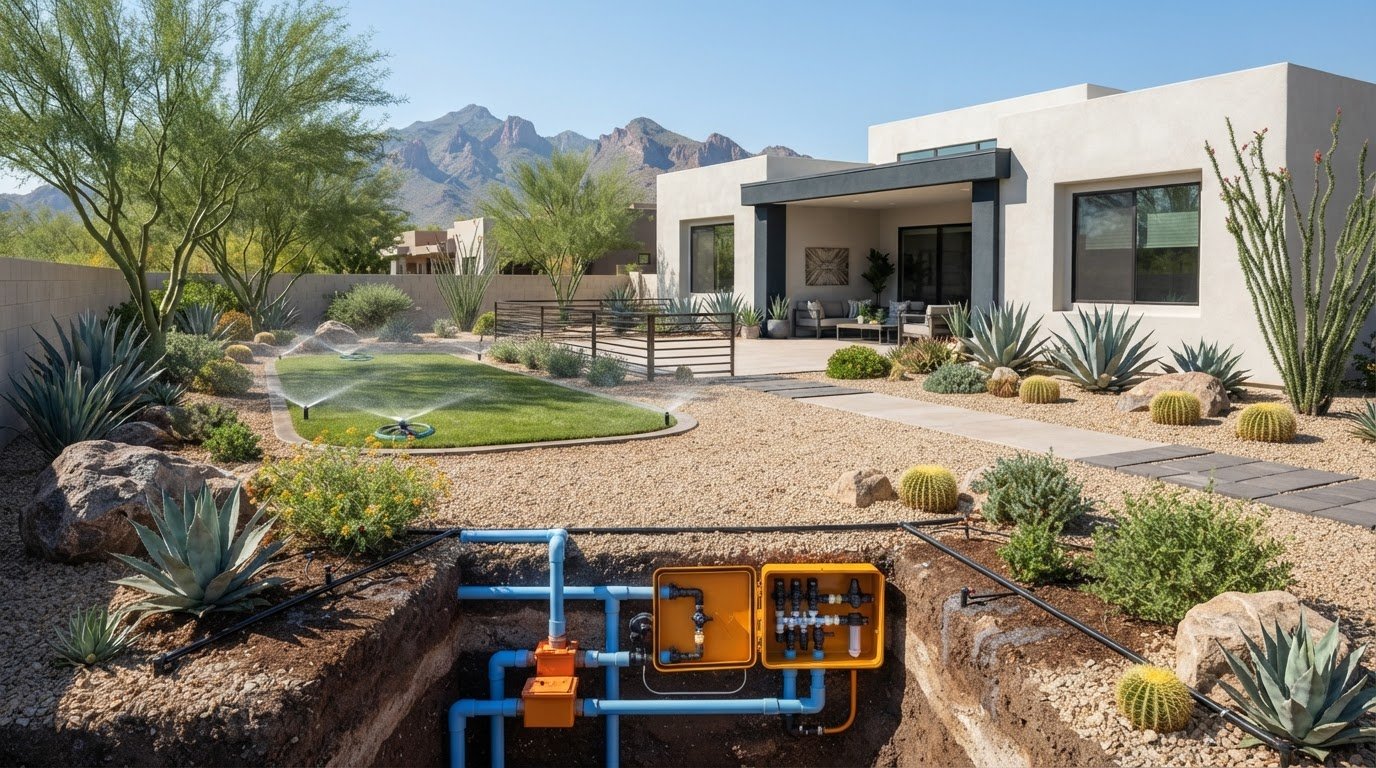
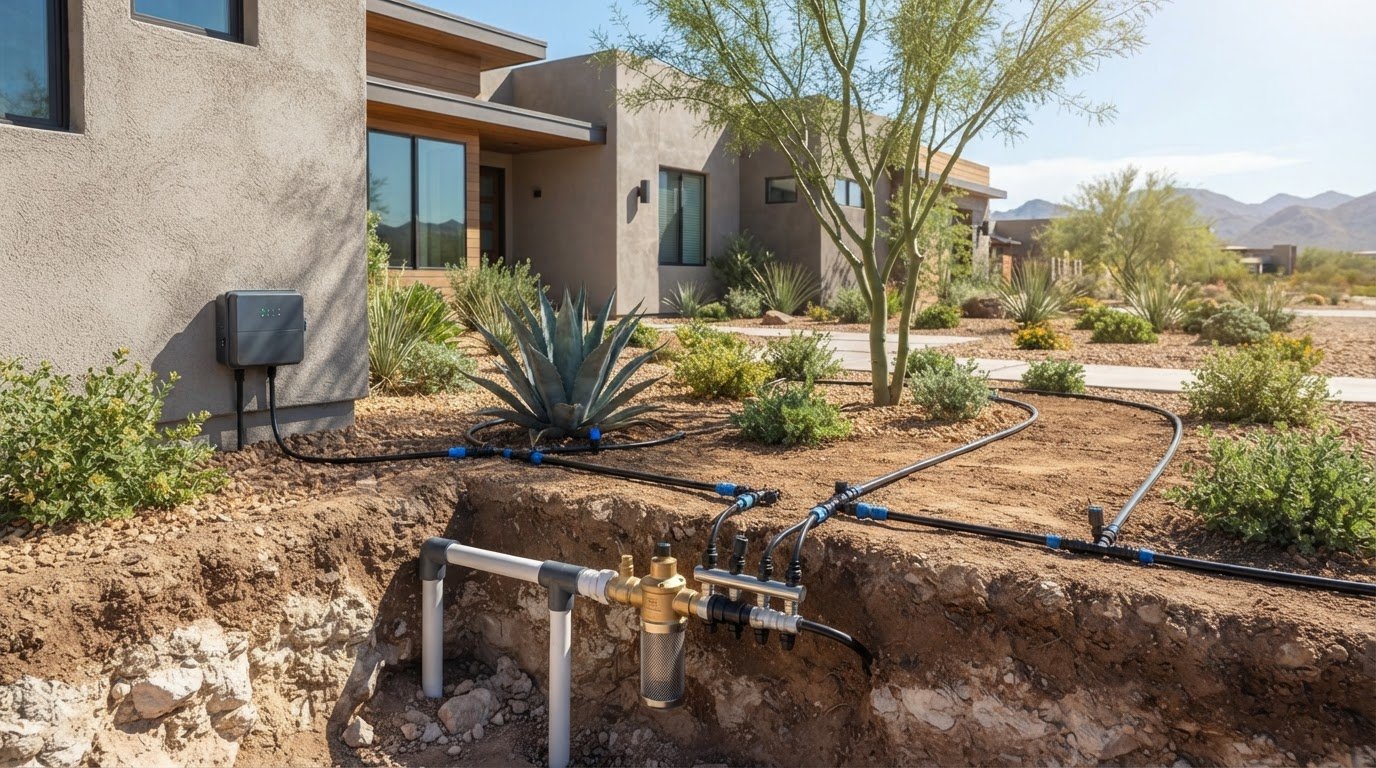
The complexity of a system often lies within the valve box. Residential zones typically rely on anti-siphon or inline valves to control water flow. When a solenoid fails or a diaphragm tears, the system may refuse to turn on or, worse, fail to shut off. Replacing these components requires specialized wiring knowledge to ensure the controller communicates correctly with each zone. Similarly, the health of your drip systems depends on a functional pressure regulator and filter assembly. Without these, the high pressure of city water can blow emitters off their lines or clog the small orifices with sediment.
Finally, the irrigation controller serves as the brain of the entire operation. While standard digital timers are reliable and straightforward, many homeowners are transitioning to smart, Wi-Fi-enabled units. These modern controllers adjust watering schedules based on local weather data, which is vital during Arizona's monsoon season or unexpected heat waves. Whether you're dealing with a faulty valve or need a full timer upgrade, having a specialist handle the installation ensures the longevity of your investment. If you're noticing dry spots or high water bills, feel free to reach out to us for a professional assessment of your system's hardware.
Factors Influencing Your Arizona Irrigation Repair Bill
National pricing guides often fail to reflect the true sprinkler system repair cost Arizona residents face because they ignore the unique geological and atmospheric stressors of the Sonoran Desert. While a $250 national average might apply to a soft-soil environment in the Midwest, homeowners in Surprise and Peoria deal with a much harsher reality. The physical environment here doesn't just wear down components; it complicates the labor required to fix them. Understanding these variables helps you distinguish between a fair quote and an unrealistic estimate that doesn't account for local conditions.
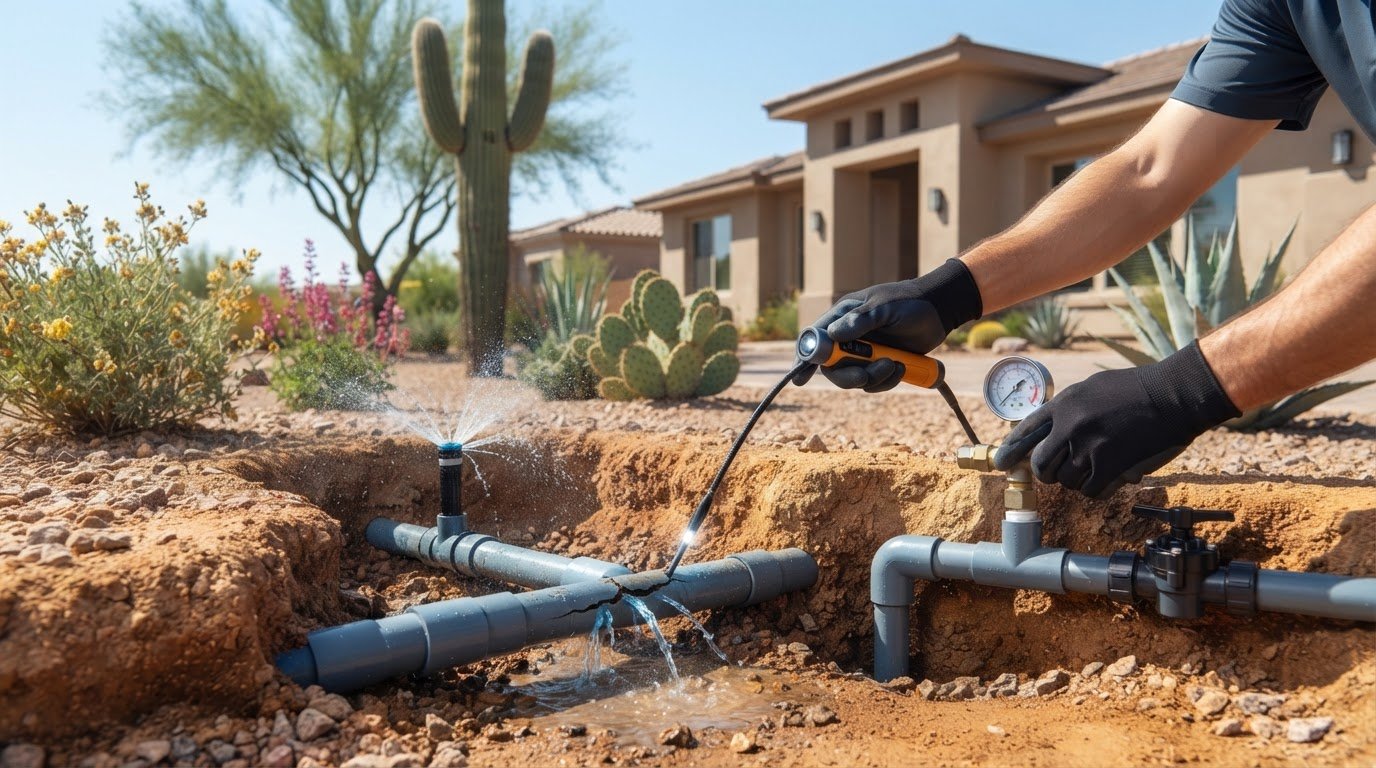
The "Caliche Factor" is perhaps the most significant influencer of labor costs in our region. Caliche is a layer of soil cemented by calcium carbonate, creating a hard-pan surface that often feels like concrete. When a residential PVC line leaks beneath this layer, a technician cannot simply use a shovel. Excavation often requires jackhammers or specialized power picks, which naturally increases the time spent on a project. Additionally, the age of your system acts as a tipping point. Older systems often suffer from "brittle pipe" syndrome, where the heat has compromised the PVC's integrity, leading to a cycle of recurring leaks that may eventually justify a full upgrade over individual repairs.
Environmental Stressors in Surprise and Peoria
Our local climate presents three specific challenges that frequently drive repair needs and costs:
- Thermal Expansion: PVC pipes in the West Valley experience significant movement as temperatures swing from 115 degrees in the sun to cooler desert nights. This constant expansion and contraction can weaken glue joints and cause threaded fittings to crack.
- Monsoon Debris: Heavy winds and dust during monsoon season often push fine silt and organic matter into valve boxes. If this debris enters the system, it can ruin valve diaphragms and cause zones to weep or fail to shut off.
- Root Intrusion: Desert trees like Mesquite and Palo Verde have aggressive, water-seeking root systems. These roots can wrap around and eventually crush irrigation lines, requiring extensive excavation and pipe replacement.
Technical Labor and Specialized Equipment
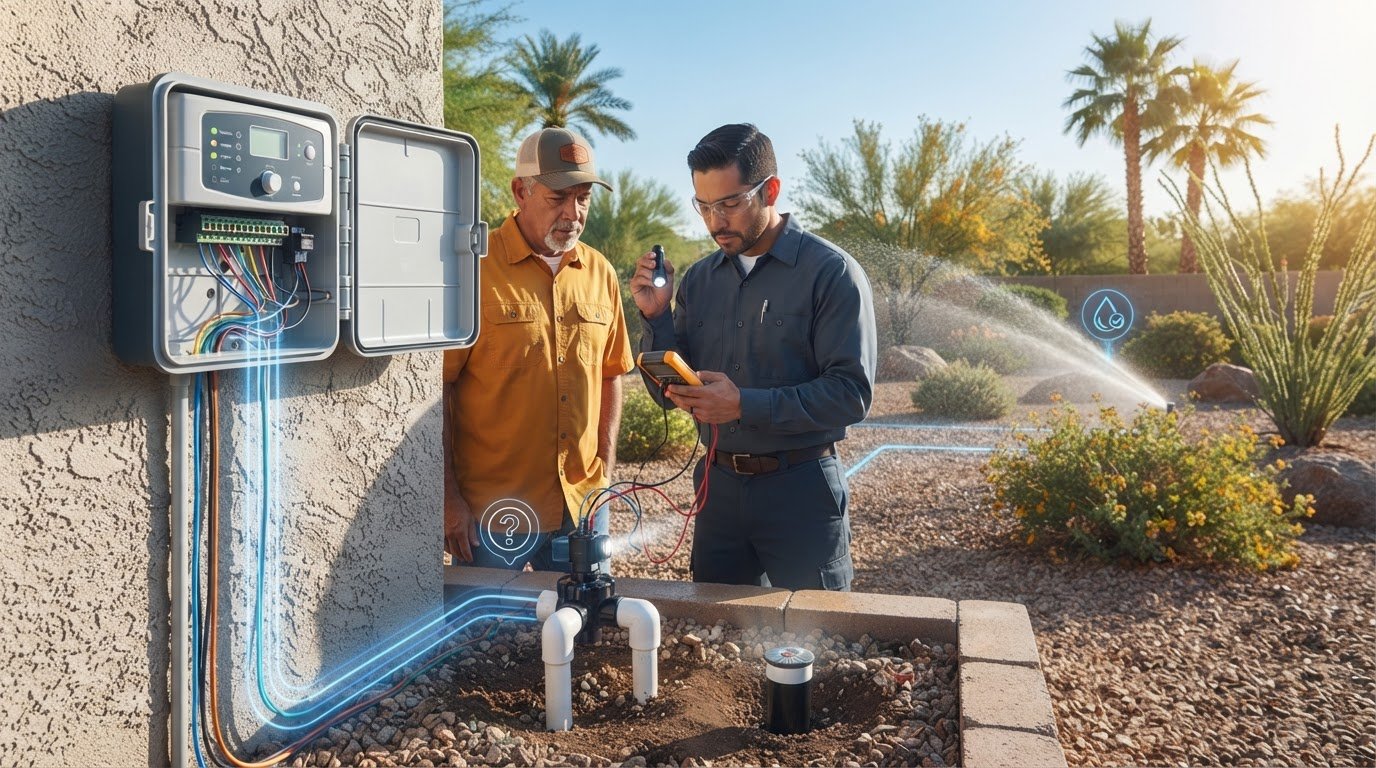
Specialized irrigation knowledge commands a higher rate than general labor because it combines hydraulic engineering with electrical troubleshooting. Many homeowners attempt to save money by hiring a generalist, but without professional wiring diagnostics, they often end up paying for unnecessary part replacements while the root cause remains. We use electronic valve locators and fault-finding equipment to pinpoint issues without tearing up your entire yard. This precision is especially valuable when working around mature landscaping or decorative rock, where accessibility is limited and restoration costs can be high. Investing in a specialist ensures the repair is done right the first time, protecting your expensive desert plants and long-term water budget.
The Real Cost of DIY vs. Professional Repair
The initial savings of a DIY project often evaporate when a repair fails during a July heatwave. While irrigation parts are relatively inexpensive, the technical execution determines whether those components last one season or ten. Many homeowners attempt to lower their immediate sprinkler system repair cost Arizona bill by handling the work themselves, only to find that a small mistake in the desert can lead to significant landscape loss. Precision is the difference between a functional system and one that quietly wastes thousands of gallons of water underground.
Arizona-specific mistakes often result in "re-do" costs that far exceed the price of a professional service call. These technical errors frequently include:
- Using standard PVC cement instead of high-temperature, medium-bodied solvent for pressurized lines.
- Incorrect emitter GPH selection that causes root rot or drought stress in sensitive desert trees.
- Improperly buried wiring that corrodes prematurely in our alkaline, rocky soil.
A licensed irrigation repair company provides more than just a temporary fix; they offer system-wide accountability. Professional calibration ensures that every drop reaches its intended target without misting or runoff. This level of accuracy can save a homeowner hundreds of dollars annually on utility bills, effectively paying for the repair over time through improved efficiency and plant longevity.
When DIY Makes Sense
When to Call a Professional Specialist
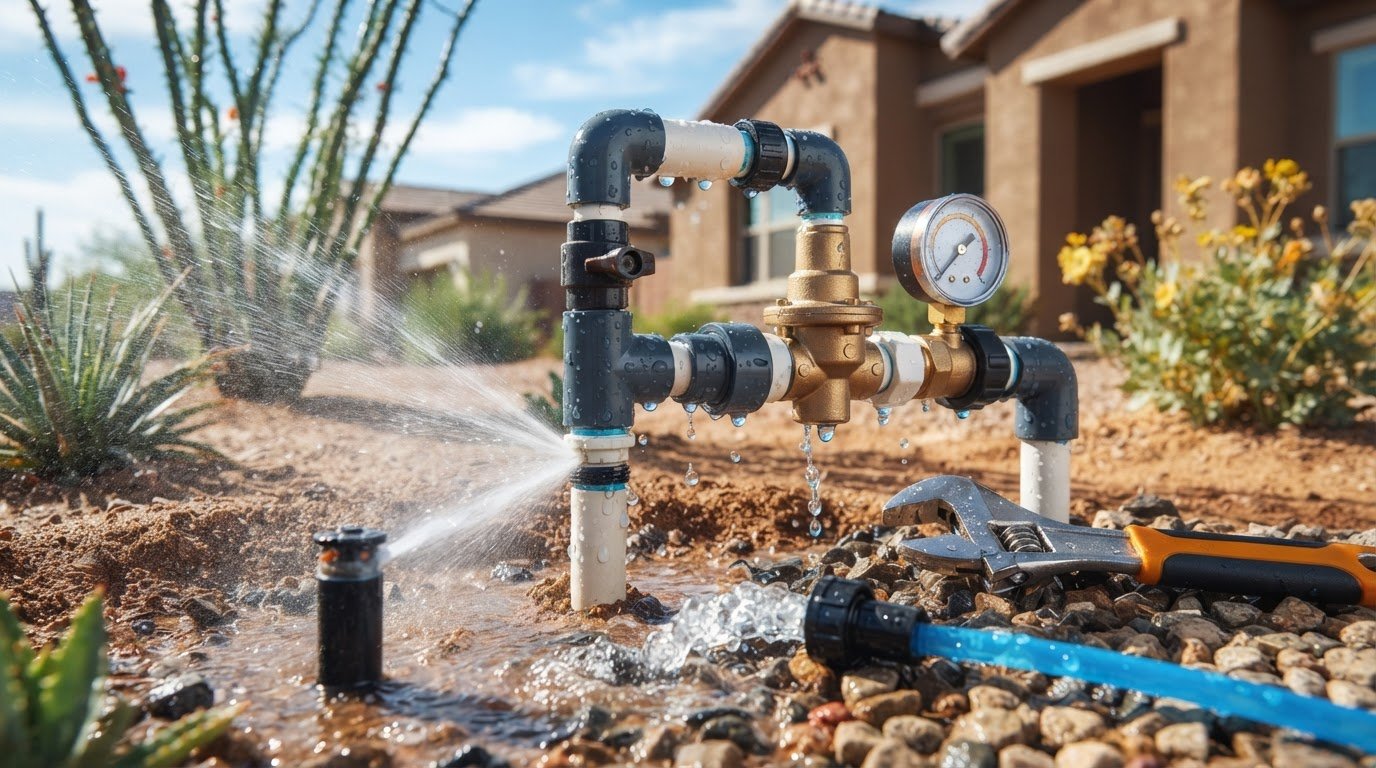
Technical failures require a deeper level of expertise to avoid property damage. Mainline leaks under constant pressure can wash out soil and undermine foundations if not repaired with professional-grade PVC techniques. Wiring failures and solenoid troubleshooting involve complex electrical diagnostics that a generalist might misinterpret, leading to unnecessary part replacements. Crucially, any issues involving the Backflow preventer must be handled by a specialist to ensure your home’s drinking water remains safe and compliant with local health codes. If you're tired of temporary fixes and want a system built for the desert, contact our team for a comprehensive diagnostic review.
Optimizing Your System for Long-Term Savings
The most effective way to manage the long-term sprinkler system repair cost Arizona homeowners experience is to transition from a reactive maintenance mindset to a proactive optimization strategy. In our high-heat environment, a system that simply "works" isn't necessarily efficient. Over time, small inefficiencies in pressure and timing compound, leading to inflated utility bills and premature component failure. By investing in modern hardware and specialized design, you move away from the cycle of emergency fixes and toward a reliable, low-maintenance landscape.
One of the most impactful upgrades is the installation of pressure-regulated heads. When water pressure is too high, it causes "misting" where water evaporates into the dry desert air before ever hitting the ground. Pressure regulation ensures a consistent flow, protecting your plants and your wallet. Similarly, smart irrigation controllers offer a significant return on investment in the Surprise and Peoria climate. These units use local weather data to skip cycles during unexpected rain or adjust for extreme heat waves, ensuring your desert plants get exactly what they need without a drop wasted.
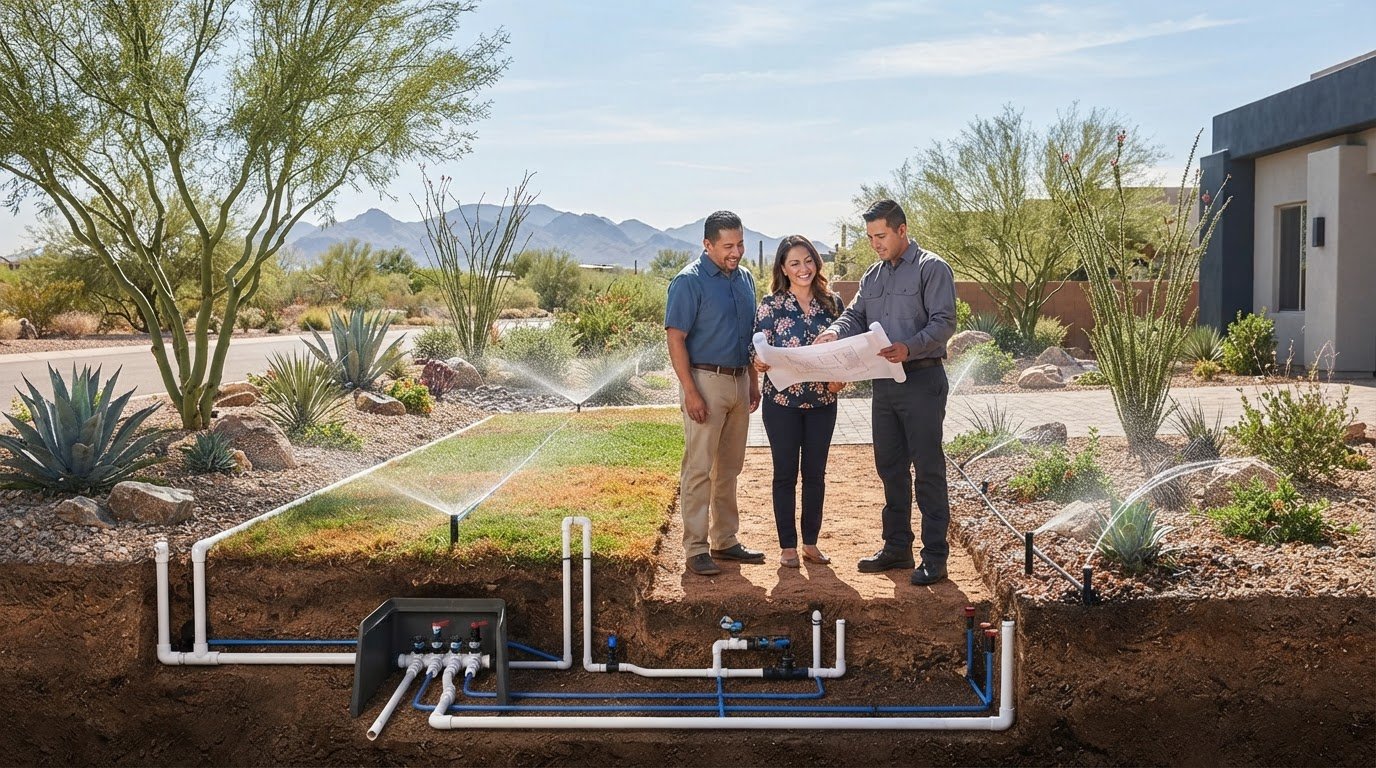
Regular maintenance remains the cornerstone of system longevity. A $100 professional tune-up can often identify a failing valve or a small lateral leak that would otherwise lead to a $500 major repair. During these audits, we evaluate the entire system to ensure even distribution, preventing "hot spots" that lead to expensive plant death. Replacing patchwork repairs with a custom system design eliminates the structural weaknesses that lead to recurring failures and ensures your system is built specifically for your property's unique needs.
Efficiency Upgrades that Pay for Themselves
Converting high-waste spray zones to precision drip irrigation is a vital step for any Arizona property. This transition delivers water directly to the root zone, significantly reducing surface evaporation. Installing rain sensors or weather-based controllers further automates this efficiency. A modest 10% improvement in irrigation efficiency can save a homeowner hundreds of dollars on summer water bills in the Arizona desert.
Protecting Your Landscape Investment
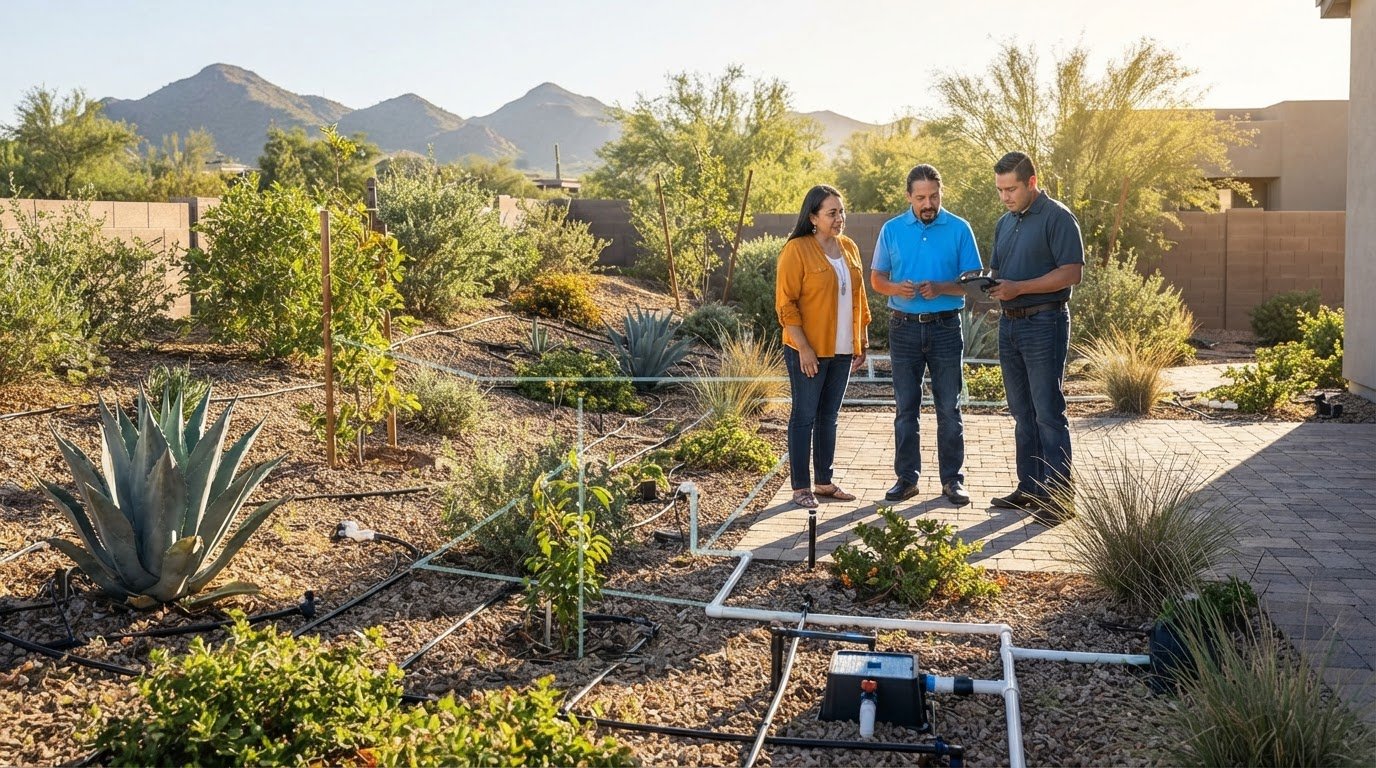
The ultimate goal of any irrigation system is to protect the thousands of dollars you've invested in your trees, shrubs, and lawn. A professional system audit provides a comprehensive look at your system's health, identifying hidden issues before they become catastrophes. This steady approach to water management ensures that your landscape remains vibrant while keeping your monthly costs predictable. If you're ready to stop the cycle of patchwork fixes, contact Sonora Sprinkler for a detailed assessment of your property's needs.
Protecting Your Desert Landscape Investment
Managing your residential irrigation doesn't have to be a source of constant frustration or unexpected expense. By understanding the specific variables that influence the sprinkler system repair cost Arizona homeowners encounter, you can make informed decisions that prioritize the long-term health of your property. We've explored how specialized diagnostics and high-efficiency hardware upgrades act as a safeguard against the harsh Sonoran climate, ensuring every drop of water serves a purpose.
Since 1999, our family-owned business has focused exclusively on residential irrigation in Surprise and Peoria, mastering the nuances of desert drip and PVC systems. We prioritize functional results and technical precision to help you avoid the hidden costs of "patchwork" repairs. If you're ready for a reliable, leak-free system that protects your valuable plants, Get a Professional Irrigation Repair Estimate from Sonora Sprinkler today. We look forward to providing the steady, expert care your landscape deserves.
Frequently Asked Questions
How much does it cost to fix a broken sprinkler pipe in Arizona?
Repairing a broken PVC pipe in the West Valley typically depends on the depth of the line and the soil composition. In Surprise and Peoria, the presence of hard-pan caliche soil often increases the labor time required for excavation. While regional averages for pipe repair usually fall between $150 and $400, the final amount reflects the complexity of the dig and the number of fittings needed to ensure a durable, leak-free connection.
Why is my irrigation repair quote higher than the national average?
Regional quotes often exceed national averages because of the environmental stressors unique to the Sonoran Desert. The high sprinkler system repair cost Arizona residents see is frequently tied to the labor-intensive process of digging through rocky or cemented soil. Additionally, our extreme heat requires specialized techniques and higher-grade materials to ensure that PVC joints and drip lines don't fail under intense thermal expansion and UV exposure.
Is it worth repairing an old 20-year-old sprinkler system?
Determining whether to repair or replace an aging system depends on the condition of the underground infrastructure. At the 20-year mark, PVC pipes often become brittle from decades of heat exposure, leading to a cycle of recurring leaks. If you find yourself paying for multiple service calls each season, investing in a modern installation with high-efficiency components is usually more cost-effective than maintaining a failing, outdated system.
How much do irrigation contractors in Surprise, AZ charge per hour?
Labor rates for specialized irrigation contractors in the Surprise area typically range from $65 to $130 per hour. This rate reflects the technical expertise required for advanced electrical diagnostics and hydraulic design. While general labor may appear cheaper, hiring a specialist ensures that complex issues like wiring faults or valve malfunctions are resolved correctly the first time, preventing expensive re-do costs and long-term water waste.
Can a bad sprinkler valve cause a high water bill?
A malfunctioning valve is a primary cause of undetected water waste and inflated utility bills. If a valve diaphragm is torn or obstructed by monsoon debris, it may "weep," allowing water to flow through the zone even when the controller is off. This constant, low-volume leak is often difficult to spot in desert rock landscaping but can quietly add hundreds of gallons to your monthly water consumption.
How much does it cost to replace a backflow preventer in Peoria?
Replacing a backflow preventer is a critical task that ensures your home's drinking water remains safe from contamination. In Peoria and surrounding cities, these code-required devices typically cost between $465 and $1,760 to replace, depending on the unit size and plumbing complexity. Because these are safety-critical components, they must be installed by a professional who understands local municipal regulations and specific pressure requirements for residential zones.
What is the average cost for a drip irrigation system repair?
Drip system repairs vary based on whether the issue is a single clogged emitter or a crushed mainline buried beneath decorative rock. Industry data suggests a typical range of $70 to $420 for these residential projects. In our climate, UV damage to exposed micro-tubing is the most common culprit. A specialist will also evaluate the pressure regulator to ensure the entire zone operates at the correct levels.
Should I hire a landscaper or an irrigation specialist for repairs?
Hiring an irrigation specialist is the better investment for long-term system reliability. While general landscapers offer basic repairs, they often lack the diagnostic equipment and technical training required for complex wiring or hydraulic issues. A specialist focuses exclusively on the mechanics of water management, providing a level of precision that prevents recurring leaks and ensures your system is optimized for the unique challenges of the Arizona desert.