In the peak of an Arizona summer, a single dry patch in your lawn is more than just an eyesore; it's an urgent warning that your irrigation system is losing its battle against the desert heat. It's frustrating to watch three zones spray with perfect arcs while the fourth barely manages a weak trickle, especially when your plants are facing 110-degree temperatures. You might worry that a massive underground leak is currently eroding the soil beneath your patio, but the reality is often more localized and manageable than you fear.
When you encounter low pressure in one sprinkler zone Arizona homeowners often find that the culprit is unique to our harsh environment. Whether it's a valve assembly warped by extreme surface temperatures or aggressive roots seeking moisture from a PVC line, identifying the specific cause is the first step toward restoring efficiency. This guide provides a professional, step-by-step approach to diagnosing the pressure drop and fixing the issue. You'll learn how to pinpoint the mechanical failure and ensure your system remains water-efficient, protecting both your landscape and your monthly water bill from the stresses of the desert climate.
Key Takeaways
- Learn to distinguish between system-wide pressure failures and isolated lateral line issues to target the exact source of your irrigation problem.
- Identify how desert-specific environmental stressors, such as heat-warped PVC and root intrusion, contribute to low pressure in one sprinkler zone Arizona homeowners experience.
- Gain insight into valve mechanics to determine if a malfunctioning solenoid or a restricted flow control setting is limiting water volume to your plants.
- Follow a structured troubleshooting process to clear debris from sprinkler heads and verify valve functionality before starting any labor-intensive excavation.
- Understand the importance of specialized leak detection when dealing with hard caliche soil to prevent unnecessary damage to your landscape and patio.
Identifying Low Pressure: Is the Problem Isolated to One Zone?
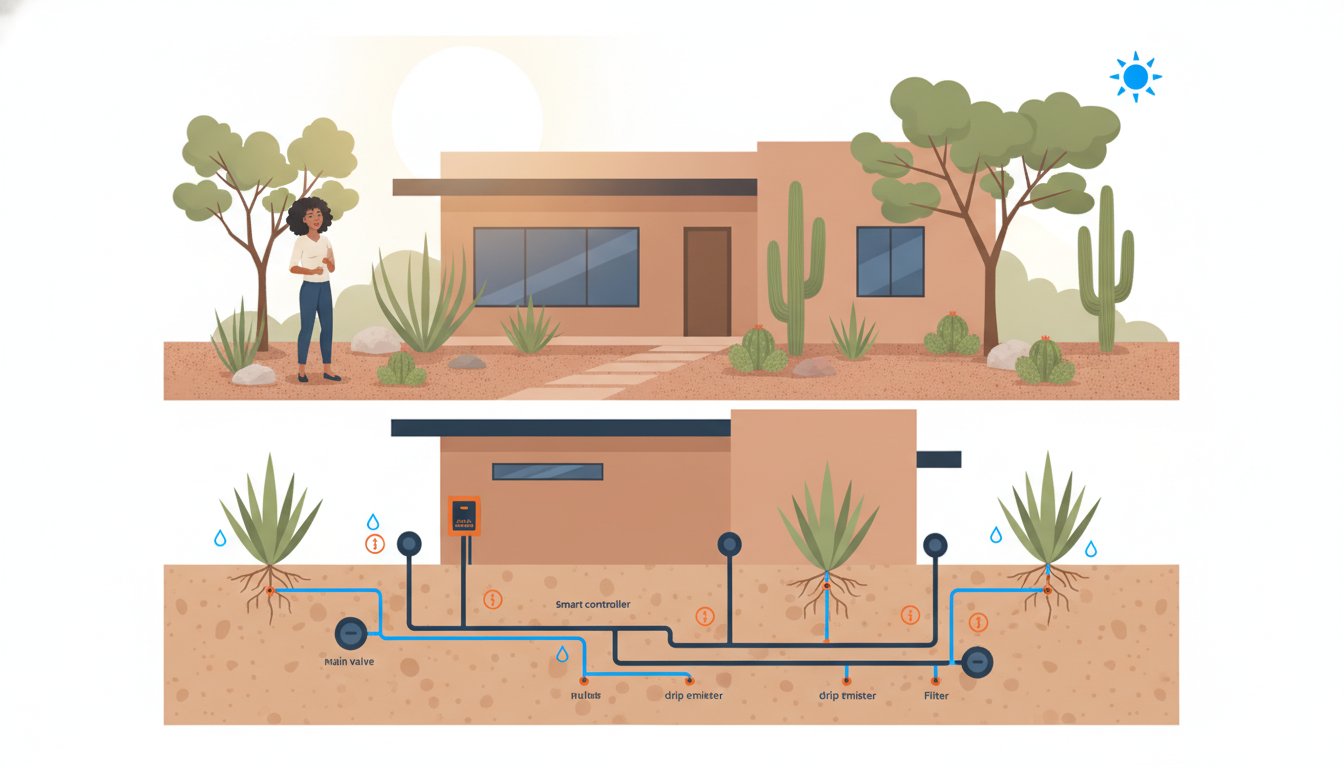
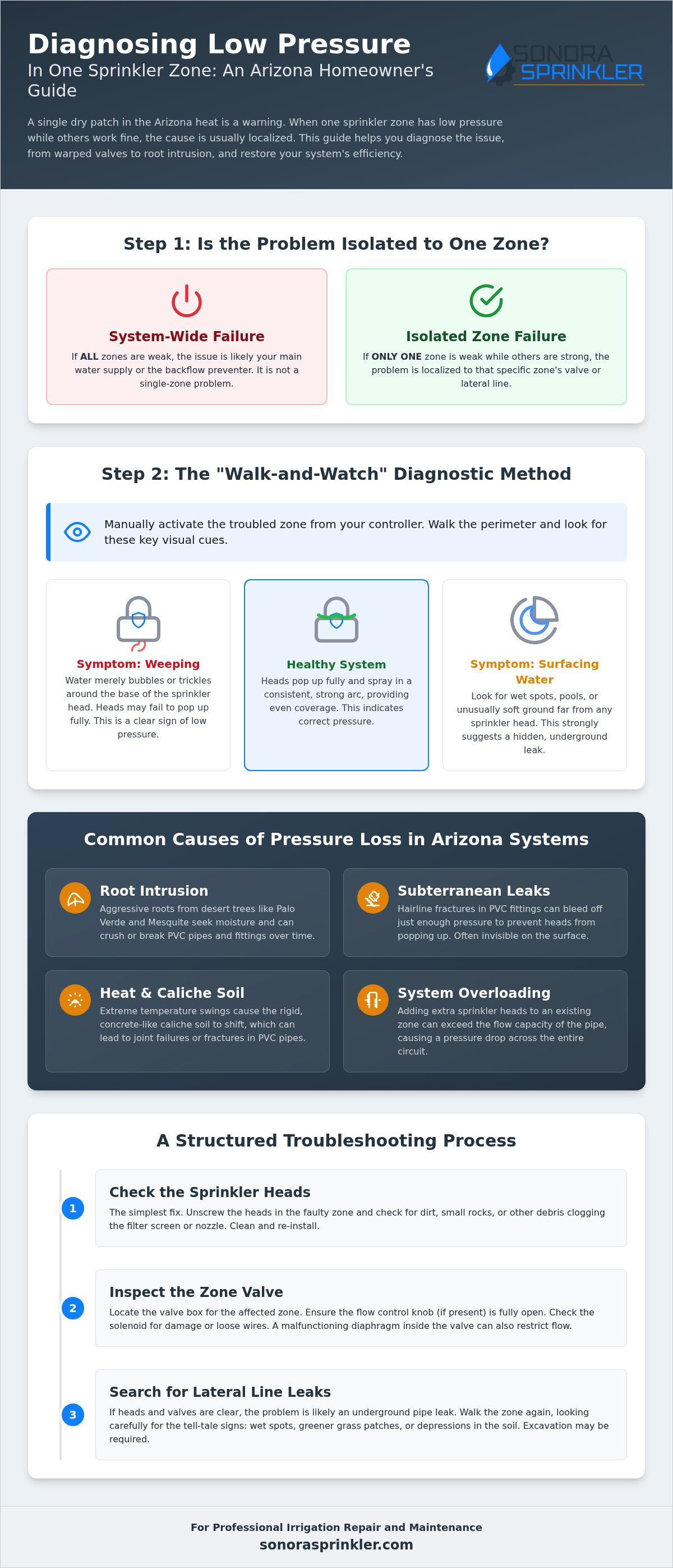
Before you begin digging in the hard Arizona soil, you must determine if the pressure drop is a systemic failure or a localized mechanical issue. Single-zone pressure loss is defined as a failure occurring within a specific lateral line or its dedicated control valve. A lateral line is the pipe downstream from the zone valve. If your other zones are operating with their usual strength, the problem is not your main water supply or your backflow preventer. Understanding how sprinkler systems work allows you to isolate the fault to a single circuit, saving time and preventing unnecessary labor.
Common symptoms of this localized failure include sprinkler heads that fail to pop up fully, "weeping" where water merely bubbles around the base of the head, or persistent dry spots despite the system running. When you experience low pressure in one sprinkler zone Arizona homeowners should first look for these visual cues to confirm the issue is truly isolated to one part of the yard. This clarity prevents you from misdiagnosing a simple valve issue as a more expensive main line repair.
The "Walk-and-Watch" Diagnostic Method
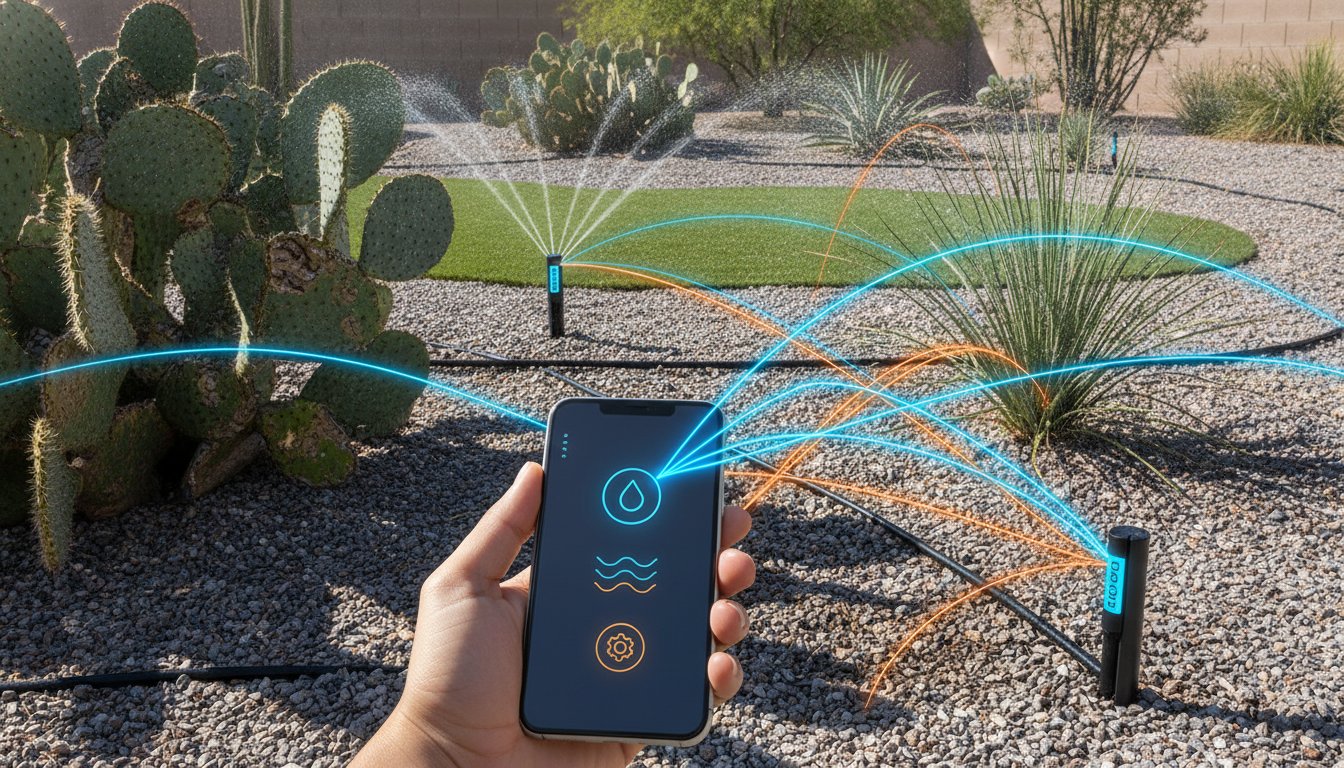
Manually activate the troubled zone from your controller and walk the perimeter of the area while it runs. Watch for "misting," which usually indicates high pressure, versus "weeping," which confirms a lack of sufficient volume. Pay close attention to any "surfacing" water, where a pool forms in the grass or gravel far from a sprinkler head. In our region, a subterranean break can sometimes be hidden by thick caliche layers, causing water to travel several feet underground before it ever reaches the surface. Identifying these wet spots early can lead you directly to a cracked PVC pipe or a loose fitting.
Excluding the Backflow and Main Supply
It's vital to confirm that the main shut-off valve is fully open before assuming a zone-specific failure. If every zone in your yard is struggling, the issue likely lies with the main supply or the backflow preventer. A faulty backflow device rarely restricts flow to just one circuit; it acts as a gatekeeper for the entire system. Testing adjacent zones is the simplest way to verify that the fault is contained within a single lateral line. If Zone 1 is weak but Zone 2 is strong, you've successfully ruled out the main supply, allowing you to focus your irrigation repairs on the components specific to that one area.
Common Causes of Pressure Loss in Arizona Systems
The Arizona desert is a demanding environment for any mechanical system. While standard wear and tear occurs everywhere, our specific climate introduces challenges that homeowners in cooler regions rarely face. When you notice low pressure in one sprinkler zone Arizona conditions are often the underlying reason rather than simple age. The combination of extreme surface temperatures and unforgiving soil creates a unique set of failure points for residential irrigation.
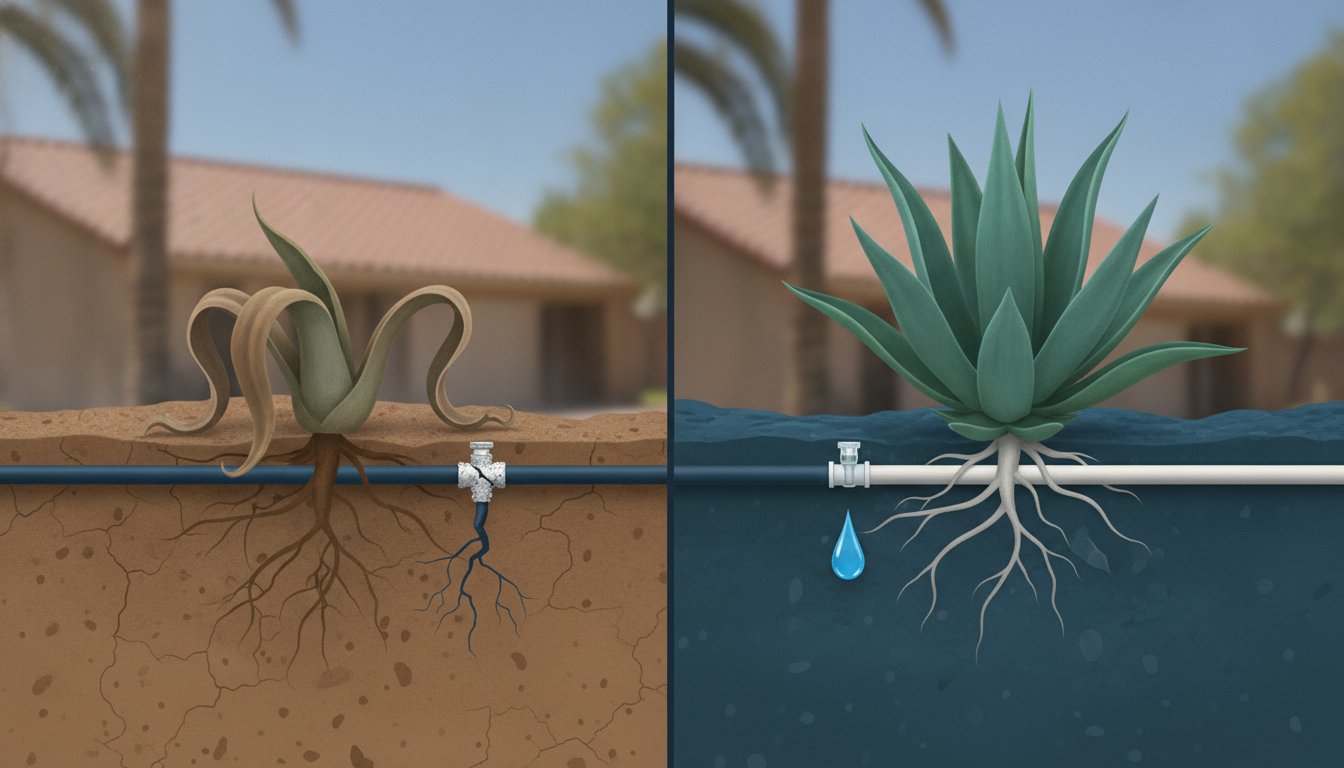
Native trees like Palo Verde and Mesquite have aggressive, moisture-seeking root systems that are perfectly adapted for survival. These roots can detect the slight condensation on a PVC joint and grow around it with incredible precision. Over time, these roots exert enough force to crush the pipe or pull a fitting loose. Consulting resources on Arizona irrigation maintenance can help you understand the long-term impact of these environmental stressors and how to manage them effectively.
Our caliche soil, a layer of calcium carbonate that acts like natural concrete, doesn't allow for much flexibility. As the ground expands and contracts with extreme temperature swings, the rigid soil can cause pipes to shift. This movement often leads to joint failures or hairline fractures in PVC fittings. Additionally, system overloading is a common culprit. During a landscape upgrade, adding just two or three extra heads to an existing zone can exceed the flow capacity of the lateral line, resulting in a noticeable pressure drop across all heads in that circuit.
Root Intrusion and PVC Pipe Integrity
Roots don't just block water; they physically compromise the structure of your system. Once a root has breached a joint or crushed a line, irrigation PVC pipe replacement becomes the only reliable solution. While some systems use poly-pipe, it's less common in our region because desert pests and sharp rocks easily puncture the thinner walls. PVC remains the standard for durability, but it must be protected from the persistent reach of desert flora.
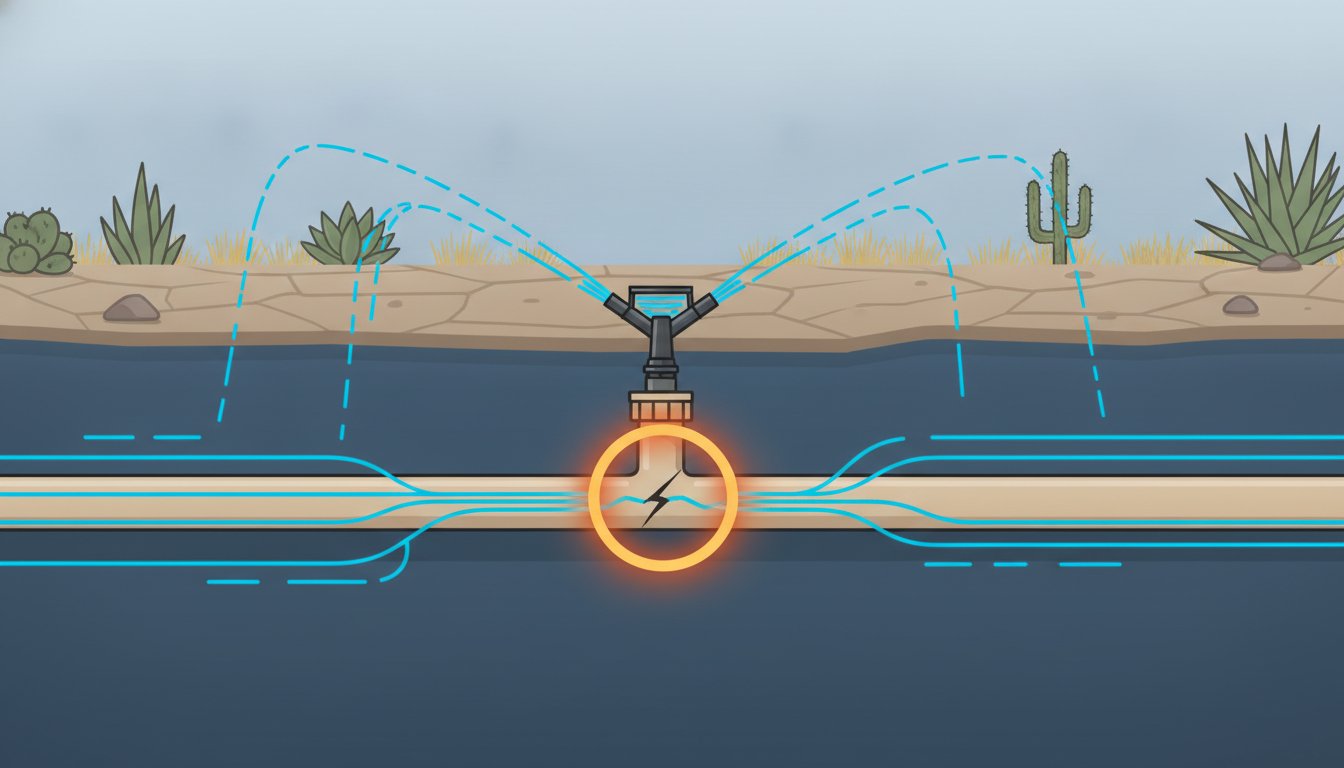
Subterranean Leaks in Lateral Lines
A hairline fracture in a PVC fitting might not cause a geyser, but it will bleed off enough pressure to prevent heads from popping up. Look for "soft spots" in your yard even when the system hasn't run for a day. These damp areas indicate that water is escaping underground. Ignoring these leaks leads to more than just high water bills; it can cause soil erosion or even compromise nearby foundations. If you suspect a hidden leak is the cause of your system's struggle, it's wise to reach out for a professional assessment before the damage spreads.
The Valve Factor: Why Your Irrigation Valve Might Be Failing
The control valve acts as the gatekeeper for every drop of water entering a specific area of your yard. It's a sophisticated piece of equipment that balances electrical signals with mechanical movement. When troubleshooting low pressure in one sprinkler zone Arizona residents often overlook the internal mechanics of the valve itself, assuming the problem must be at the sprinkler head or deep underground. However, if the valve fails to open completely, the entire zone downstream will suffer from a significant drop in both volume and pressure.
The anatomy of a standard irrigation valve consists of three primary components: the solenoid, the diaphragm, and the flow control knob. Each of these parts must function in perfect harmony to deliver full pressure. Arizona's hard water contains high levels of dissolved minerals that eventually precipitate out as scale. This mineral buildup can coat the internal ports of the valve, preventing the diaphragm from lifting fully. Maintaining your valves and backflow assembly is essential for preventing these common desert failures and ensuring your system operates at peak efficiency.
Diaphragm Failure and Mineral Buildup
Rubber diaphragms are sensitive to the extreme thermal cycles of the desert. Over several seasons, the intense heat can cause the rubber to lose its flexibility or warp. When a diaphragm becomes stiff or warped, it may only partially lift when the zone is activated, creating a bottleneck that restricts flow. Furthermore, calcium and magnesium scaling can physically jam the valve's internal seat. This often results in a "weeping" valve, where water either leaks out of the heads when the system is off or fails to provide enough volume when the system is on.
Solenoid and Wiring Diagnostics
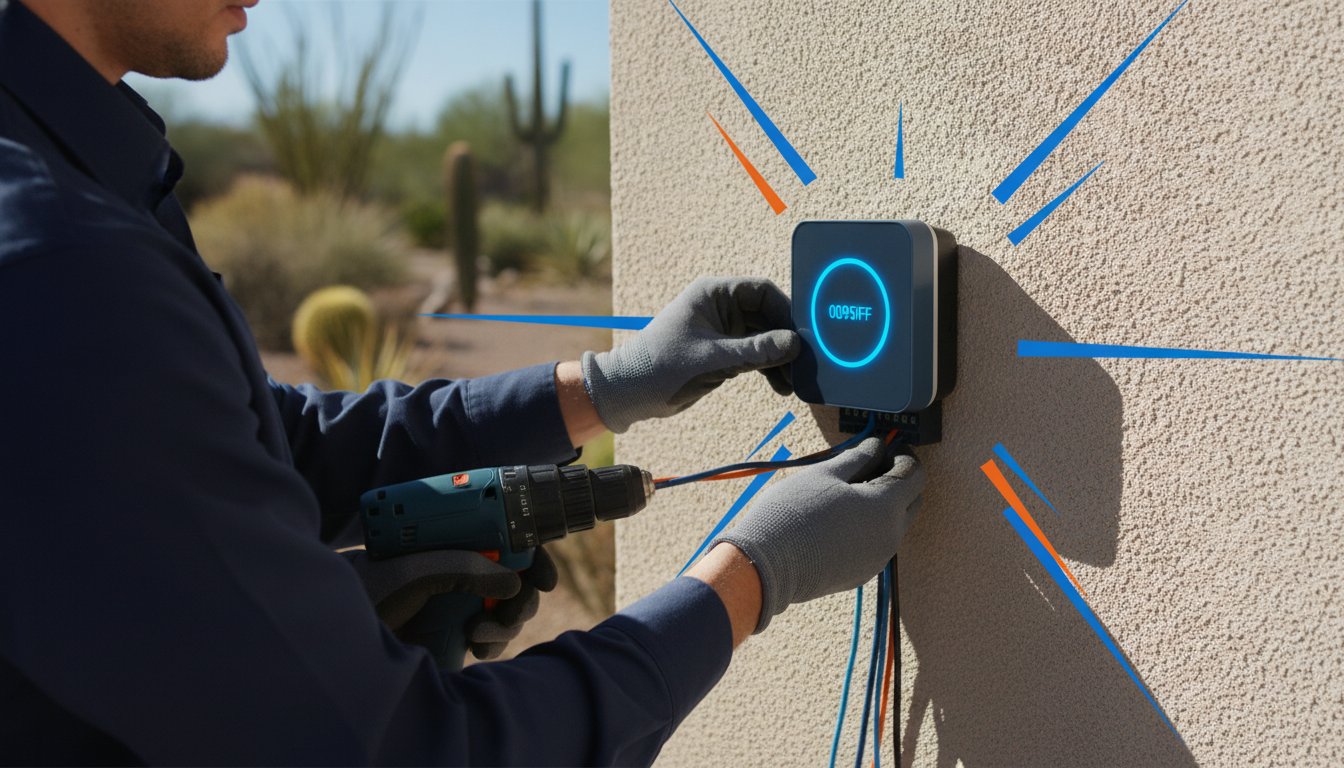
A solenoid is an electromagnetic coil that pulls a plunger to allow water through the valve's pilot port. If the electrical signal from your controller is weak or if the solenoid coil is beginning to fail, the plunger may not lift high enough to fully engage the diaphragm. Consulting a professional guide on troubleshooting sprinkler problems can help clarify if the issue is mechanical or electrical. Testing for irrigation wiring diagnostics is a critical step in ruling out controller issues before you decide to replace the entire valve manifold. Often, replacing a single solenoid is a cost-effective alternative to a full valve rebuild.
Step-by-Step Troubleshooting for Homeowners
Systematic troubleshooting is the most reliable way to avoid digging up your entire yard unnecessarily. By following a logical order of operations, you can often resolve the issue at the surface before considering more invasive repairs. Start with the most accessible components and work your way toward the more complex mechanical parts of the system. This methodical approach ensures you don't overlook a simple fix while searching for a complicated failure.
Cleaning Clogged Nozzles and Filters
Desert dust and fine sand are persistent environmental factors in our region. They frequently get trapped in the small mesh filters located directly beneath the sprinkler nozzles. If you're dealing with low pressure in one sprinkler zone Arizona winds may have simply blown enough debris into your heads to choke the flow. To fix this, unscrew the nozzles while the system is off, remove the plastic filters, and flush them thoroughly with clean water. It's a common occurrence where one or two severely clogged heads can create a perceived pressure drop across the entire circuit. Restoring a clean spray pattern at each head is often the only repair needed to bring the zone back to full efficiency.
Adjusting the Valve Flow Control
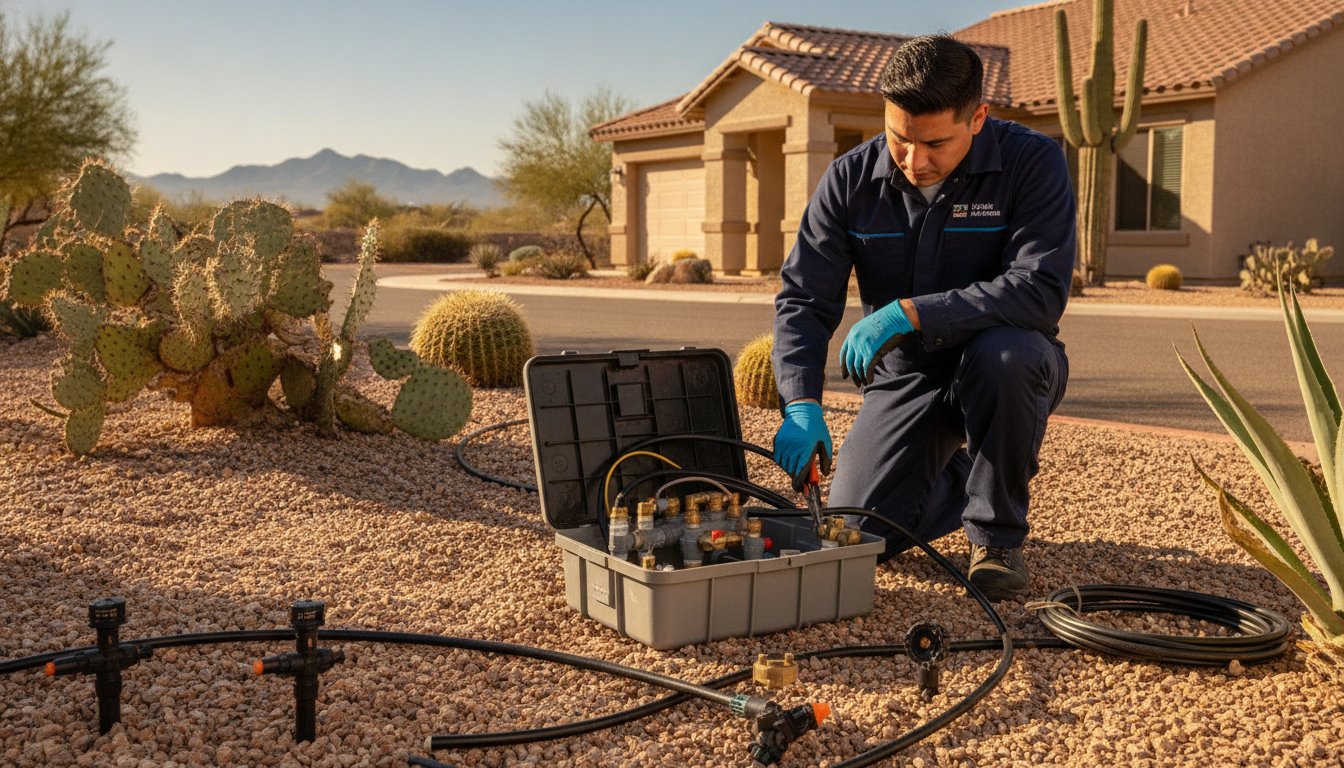
Locate the valve box and find the specific valve for the affected zone. On top of the valve body, you'll usually find a small handle or knob known as the flow control. This is distinct from the solenoid; it's a manual adjustment that physically limits how far the internal diaphragm can lift. If this knob was accidentally turned during other maintenance or has shifted over time, it will restrict the volume of water reaching the heads. Aim for a "Goldilocks" setting where the knob is open enough to provide full flow but not so loose that it vibrates. If you open the manual bleed screw and the pressure suddenly improves, you've confirmed a mechanical restriction within the valve assembly itself.
After checking the heads and the valve settings, walk the path of the pipe between the sprinkler heads. In the intense Arizona heat, subterranean leaks often manifest as unusually vibrant green patches or soil that feels spongy underfoot. Finally, if the heads are clean and the valve is adjusted but pressure remains low, a professional pressure test at the valve outlet can determine if the failure is in the valve's internal seat or a break in the lateral line. If these manual checks don't restore your system's performance, you can schedule a professional diagnostic visit to pinpoint the exact location of the pressure loss without digging up your entire landscape.
When to Call a Professional for Irrigation Repair in Surprise
While surface-level adjustments and nozzle cleanings often resolve minor issues, certain irrigation failures require specialized tools and a deeper understanding of desert hydraulics. If your troubleshooting efforts haven't restored full coverage, the problem likely lies within the subterranean network or the complex internal mechanics of the valve manifold. Dealing with low pressure in one sprinkler zone Arizona homeowners often find that the physical labor involved is the greatest hurdle. Our region's caliche soil is notoriously difficult to penetrate, often requiring heavy-duty equipment just to reach a buried lateral line without causing collateral damage to nearby pipes.
Professional diagnostic services offer a level of precision that manual digging cannot match. Utilizing specialized leak detection equipment allows a technician to pinpoint a hairline fracture or a crushed pipe without trenching your entire lawn or lifting your patio pavers. Sonora Sprinkler Inc. approaches every desert system restoration with the goal of long-term durability. By identifying the exact point of failure, we prevent the "trial and error" digging that often characterizes DIY repair attempts. Investing in a residential sprinkler system upgrade can also provide significant long-term savings by replacing aging, heat-stressed components with modern, water-efficient technology.
Expert Diagnostics in Peoria and Surprise
Local knowledge is indispensable when managing a landscape in the West Valley. We understand how the aggressive root systems of Palo Verdes interact with PVC and how the intense summer sun degrades even the highest quality fittings. DIY repairs on fragile, heat-warped lines often lead to secondary leaks or cross-threaded valves that complicate the original issue. A professional assessment ensures that your system's efficiency is fully restored, protecting the substantial investment you've made in your trees, turf, and desert plants.
Schedule Your Irrigation Inspection
Proactive maintenance is the best defense against the 110-degree peak summer heat. Waiting until a zone completely fails puts your landscape at immediate risk during our driest months. Our comprehensive inspections cover everything from intricate wiring and diagnostics to full PVC pipe replacement. We focus on providing stable, reliable results that give you peace of mind throughout the year. Contact Sonora Sprinkler Inc. for professional irrigation diagnostics today and ensure your system is prepared for the demands of the Arizona climate.
Restoring System Efficiency and Protecting Your Landscape
Maintaining a healthy yard in the West Valley requires more than just a timer; it demands an irrigation system that performs with precision. Addressing low pressure in one sprinkler zone Arizona homeowners face often involves a transition from simple surface cleaning to technical mechanical diagnostics. Whether the culprit is a mineral-clogged valve diaphragm or an aggressive root system compromising your PVC lines, identifying the root cause early prevents unnecessary water waste and protects your property from subterranean damage. You've now equipped yourself with the knowledge to troubleshoot the most common desert-specific failure points.
When the challenge involves digging in caliche soil or utilizing specialized leak detection equipment, relying on a licensed specialist is the safest way to ensure a lasting repair. Sonora Sprinkler Inc. has provided family-owned expertise since 1999, serving as licensed residential irrigation contractors who understand the unique demands of our environment. We specialize in tailored desert irrigation solutions that prioritize the long-term health of your property. If you're ready to resolve your pressure issues and ensure your system is prepared for the heat, Request a Professional Irrigation Diagnostic in Surprise or Peoria. Your landscape can thrive year-round with a system built for the desert.
Frequently Asked Questions
Why is my sprinkler pressure low in only one zone but fine in others?
This indicates that the failure is localized to the components downstream of that specific zone's control valve. If every zone were affected, the issue would lie with the main supply or backflow preventer. When you have low pressure in one sprinkler zone Arizona systems often suffer from a mechanical restriction in the valve diaphragm or a subterranean leak in the lateral pipe that bleeds off volume before it reaches the heads.
Can a broken sprinkler head cause low pressure for the whole zone?
A severely damaged or missing sprinkler head acts as a massive open in the system, allowing water to escape at full volume. This creates a significant pressure drop across the entire circuit, preventing the other heads from popping up or spraying correctly. While a small crack might only cause weeping at one head, a sheared-off riser or broken body will starve the rest of the zone of the pressure it needs to function.
How do I know if my irrigation valve is bad?
You can identify a failing valve by checking for weeping at the heads when the system is off or a failure to activate when the controller sends a signal. If you manually open the valve using the bleed screw and the zone pressure suddenly improves, the internal solenoid or diaphragm is likely compromised. Arizona's hard water often leaves mineral deposits that jam these internal parts, preventing the valve from reaching a full open position.
Will a leak in one zone affect the water pressure in another?
A leak in a lateral line typically only affects the pressure within that specific zone while it is running. Since most residential controllers activate only one zone at a time, a break in Zone 1 won't impact the performance of Zone 2. However, if the leak is in the main supply line before the valves, you'll notice a consistent drop in pressure across every zone in your entire irrigation system.
How do tree roots affect my underground sprinkler lines in Arizona?
Desert trees like Mesquite and Palo Verde have aggressive, moisture-seeking roots that can detect the slight condensation on PVC joints. Over time, these roots grow around the pipe, exerting enough pressure to crush the line or pull fittings apart. This is a primary cause of low pressure in one sprinkler zone Arizona landscapes experience, as the root intrusion creates a physical bottleneck that restricts water flow to the heads.
Is it worth repairing an old sprinkler valve or should I replace it?
Rebuilding a valve by replacing the solenoid and diaphragm is a viable option if the valve body is still structurally sound. However, if the internal plastic housing is pitted from hard water scale or warped by extreme ground heat, a full replacement is the more durable choice. Replacing the entire unit ensures that every internal component is new, providing better long-term reliability and preventing recurring service calls for the same zone.
How can I tell if I have a leak in my lateral irrigation line?
Look for unusually lush green patches or soft spots in your lawn that persist even when the system is not running. If you activate the zone and see water bubbling out of the ground or gravel far from a head, you've located a subterranean break. Because Arizona's caliche soil is so dense, water may travel several feet underground before surfacing, so the wet spot might not be directly over the actual crack.
What is the most common cause of low pressure in Surprise, AZ irrigation systems?
The combination of mineral scaling from hard water and root intrusion from desert landscaping are the most frequent culprits in the Surprise area. Calcium deposits often clog the fine mesh filters inside sprinkler heads or jam the internal ports of control valves. When these factors are combined with the intense heat that warps PVC fittings, the result is a gradual but significant loss of pressure that requires professional diagnostic equipment to resolve.