What if your irrigation system could anticipate an Arizona heatwave before your plants even started to wilt? Many homeowners in Surprise and Peoria struggle with confusing, dial-based timers and a "spaghetti mess" of garage wiring that results in skyrocketing water bills. If you've spent your weekends trying to decode an outdated system while your desert landscape suffers, you're not alone. A professional smart irrigation controller install is about more than just a new gadget. It's about protecting the long-term health of your property through technical precision and local expertise.
We understand the frustration of overwatering and the stress of watching plants struggle during a sudden temperature spike. This guide will show you how to upgrade your landscape with a system that automatically adjusts for our unique weather patterns, saving water without sacrificing your curb appeal. We'll walk through the essential wiring diagnostics required for a successful setup, the benefits of remote smartphone control, and how a properly configured system lowers your monthly utility costs. You'll learn how to transition from a manual headache to a durable, automated solution built specifically for the harsh Arizona climate.
Key Takeaways
- Learn why understanding local evapotranspiration (ET) rates is essential for maintaining a healthy landscape in the Surprise and Peoria heat.
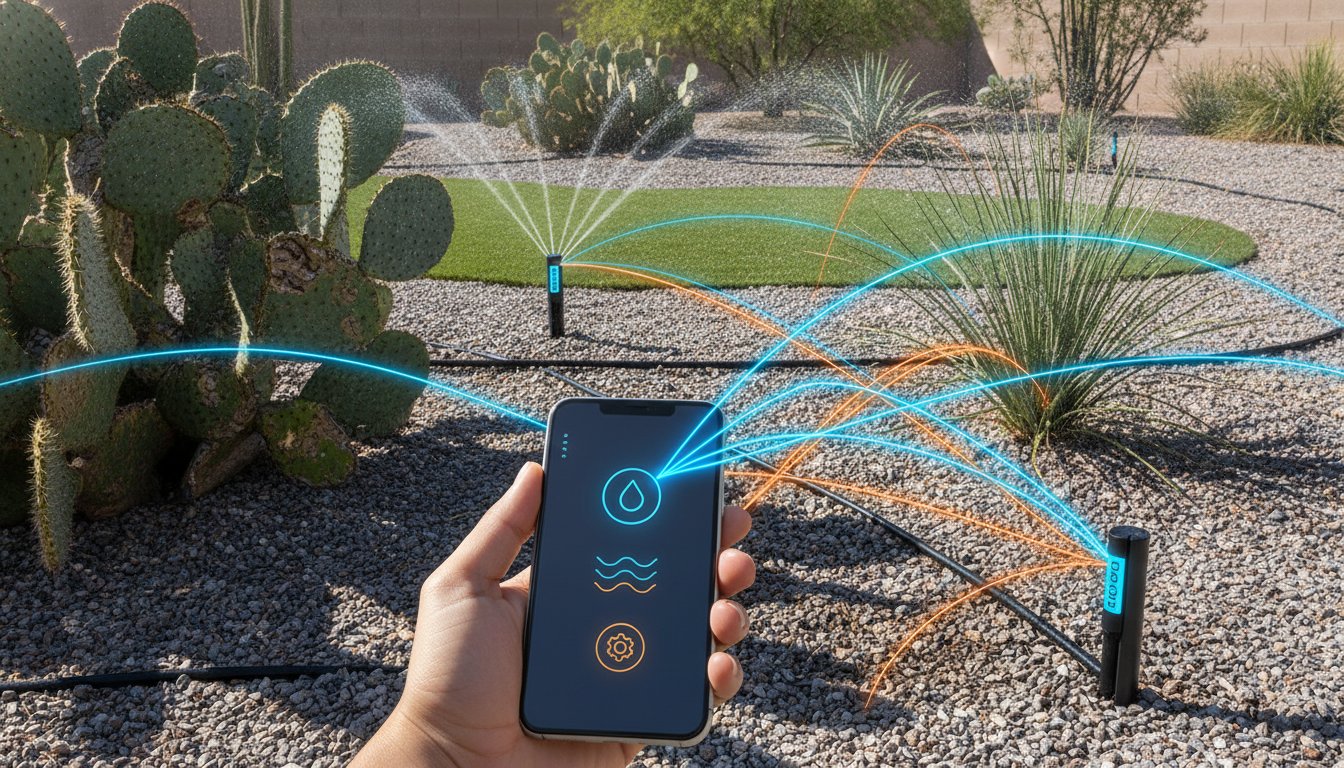
- Discover how a professional smart irrigation controller install can resolve complex wiring issues while providing remote access through your smartphone.
- Follow a structured pre-installation checklist to ensure your existing valves and pipes are functional before upgrading your management hub.
- Master the configuration of "Smart" schedules by inputting specific Arizona soil types like clay or sandy loam to maximize water efficiency.
- Evaluate the benefits of professional diagnostic services from Sonora Sprinkler Inc. to ensure your new system is built for long-term durability.
The Value of a Smart Irrigation Controller Install in the Arizona Desert
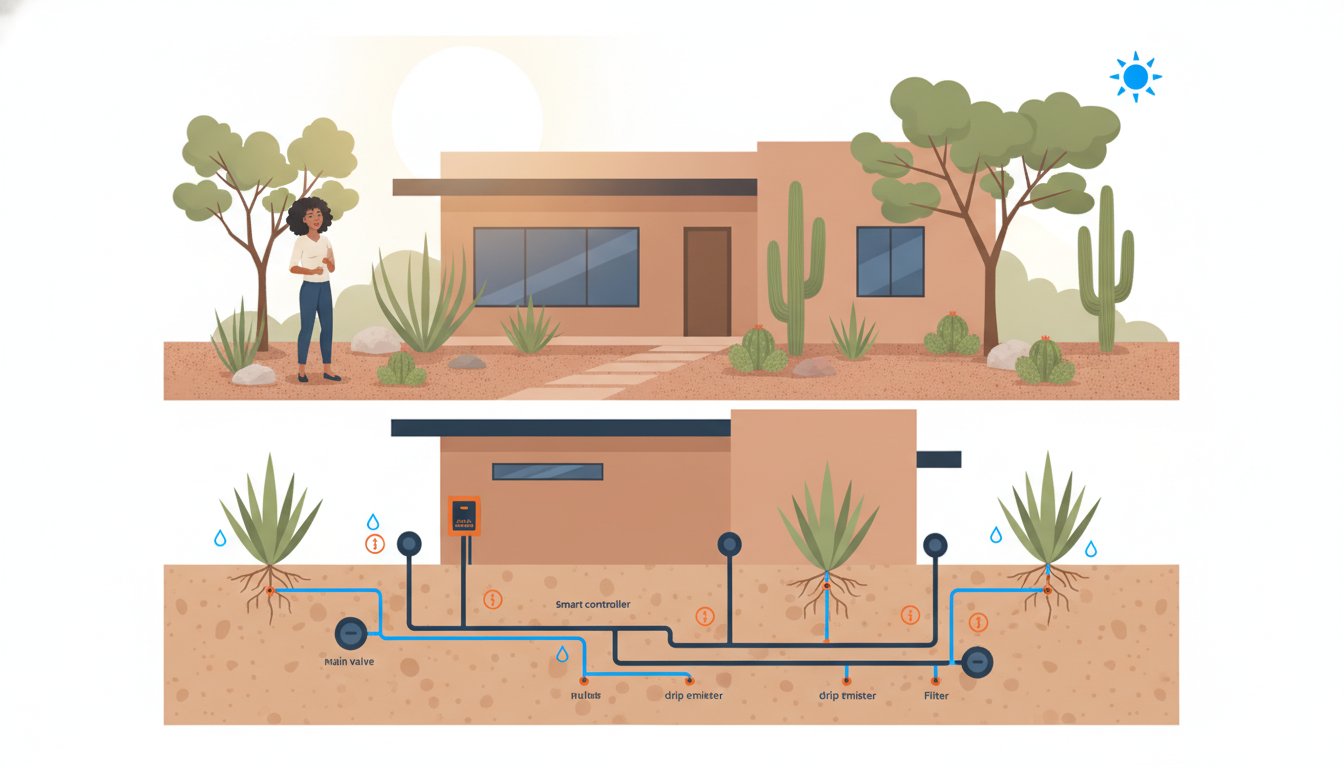
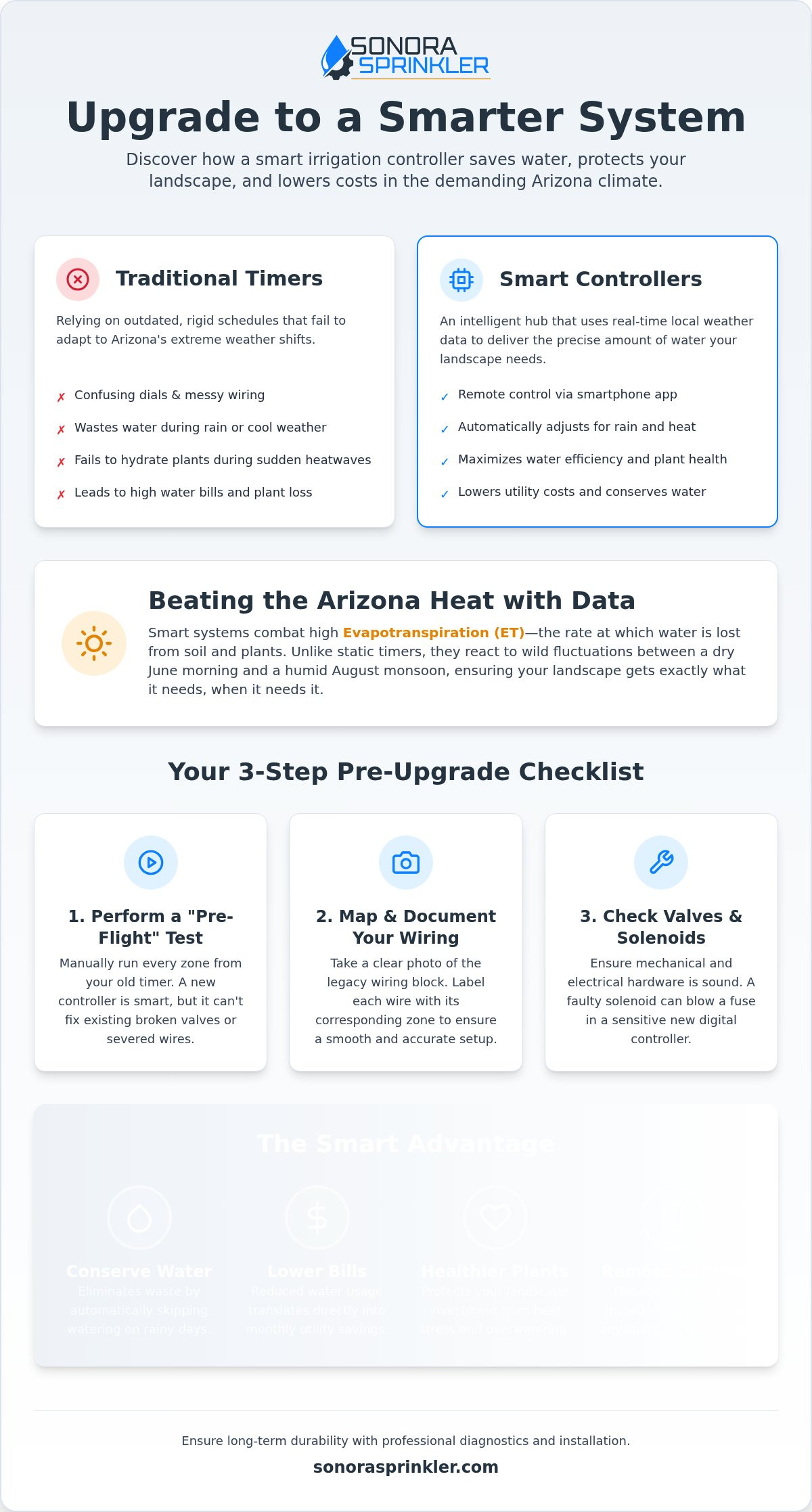
A smart irrigation controller acts as the central intelligence for your property's water management. Unlike traditional timers that follow a rigid, manual schedule, these units function as weather-responsive hubs. They utilize local atmospheric data to determine exactly how much water your soil needs at any given moment. For homeowners in Surprise and Peoria, this technology is particularly vital due to high Evapotranspiration (ET) rates. ET measures the combined process of water evaporating from the soil and transpiring from plants. In our desert environment, these rates fluctuate wildly between a dry June morning and a humid August afternoon during monsoon season.
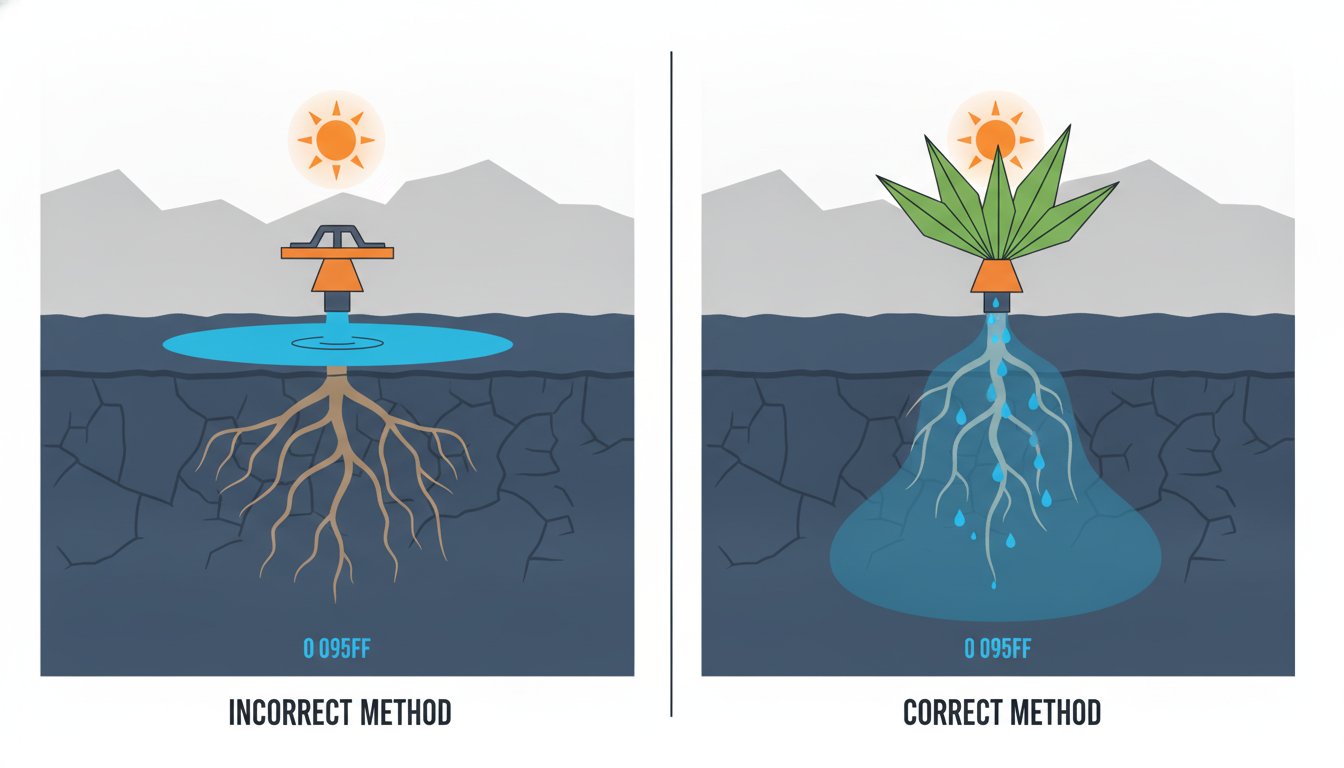
Investing in a smart irrigation controller install moves your property away from the "set-it-and-forget-it" mentality of legacy dials. Traditional mechanical timers often lead to significant water waste or, conversely, plant death when temperatures exceed 110 degrees. These older systems cannot account for the rapid soil moisture loss that occurs during an Arizona summer. By transitioning to a system that makes real-time adjustments, you ensure your landscape receives precise hydration based on actual environmental conditions rather than a static guess made months ago. It's a shift toward data-driven care.
Overcoming the Heat: Why Standard Timers Fail in Arizona
Legacy controllers rely on "baked-in" settings that lack the flexibility to handle sudden Arizona weather shifts. When a monsoon storm brings unexpected moisture, a standard timer will continue its cycle, effectively "watering the rain" and wasting resources. Modern smart units are designed for durability and intelligence. They can pause schedules automatically based on local rain sensors or cloud-data forecasts. This level of modern smart irrigation systems provides a layer of protection that aging mechanical dials simply cannot match. It ensures your plants survive the heat without drowning your budget.
Water Conservation and Local Rebates in Surprise and Peoria
The long-term financial benefits of residential sprinkler system upgrades extend beyond monthly utility savings. In 2026, many West Valley municipalities continue to offer utility rebates for residents who complete a smart irrigation controller install , recognizing the collective value of water conservation. Beyond the hardware, precise watering protects the significant investment you've made in your desert landscape design. Proper hydration prevents the costly replacement of mature trees and shrubs that often perish under the stress of inefficient, traditional irrigation methods. It's a practical step for any responsible homeowner.
Pre-Installation: Assessing Your Existing Irrigation Wiring and Hardware
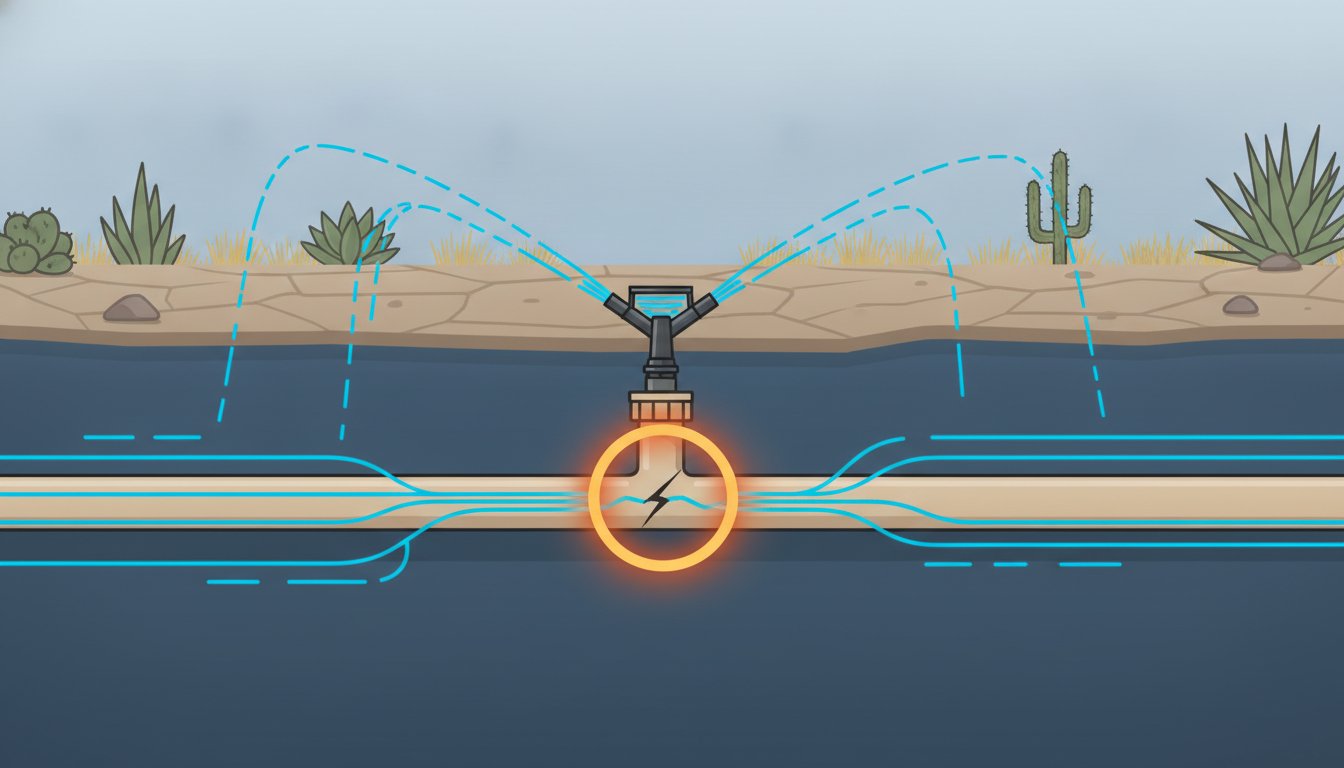
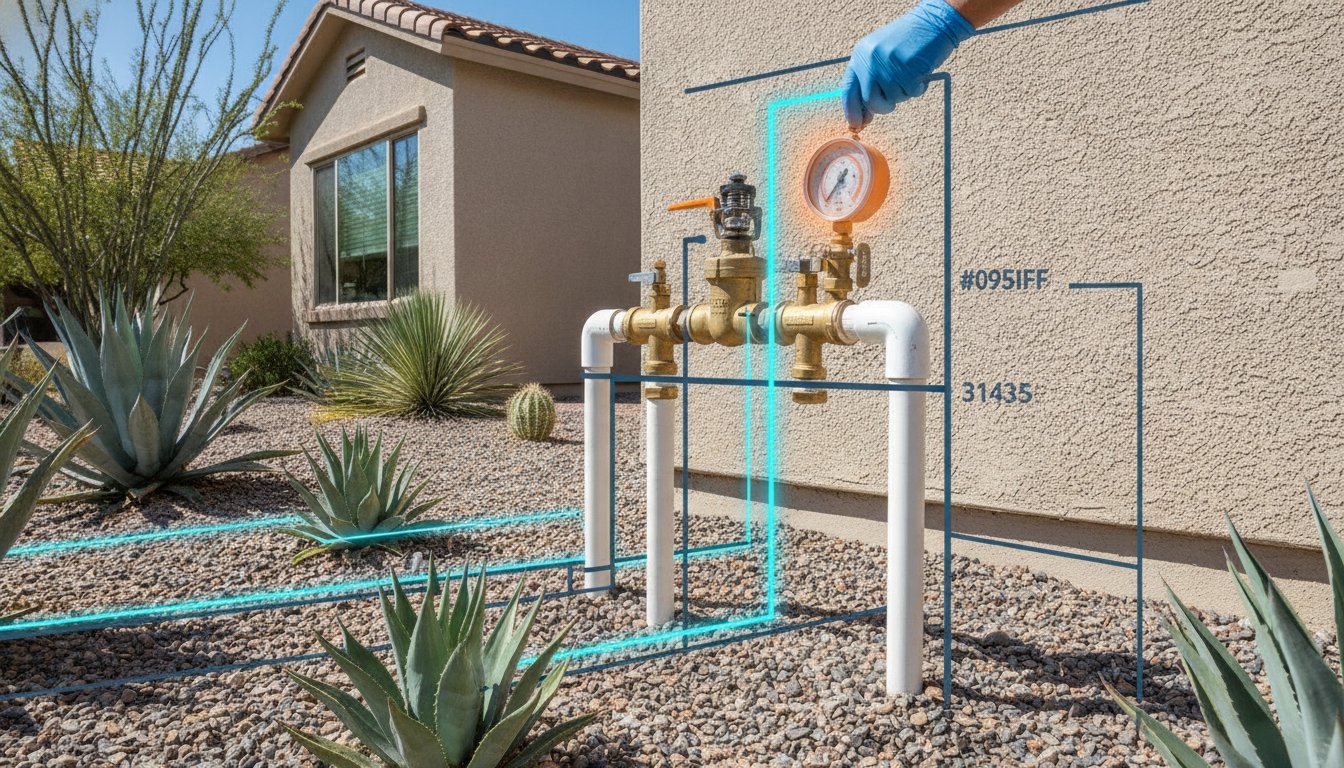
Before beginning a smart irrigation controller install , you must verify the mechanical integrity of your existing hardware. A common misconception is that a high-tech controller will magically fix a zone that isn't turning on. In reality, a smart unit is only as effective as the wiring and valves it communicates with. If a valve is stuck or a wire is severed underground, the new controller will simply report a fault. This is why conducting irrigation wiring diagnostics is a non-negotiable first step, especially for residential properties in Surprise and Peoria where the desert heat can degrade exposed wire insulation over time.
Understanding the relationship between your "Common" wire and your individual "Zone" wires is essential for a successful setup. The Common wire, which is typically white, serves as the return path for the electrical circuit across every zone in your system. Each individual Zone wire carries the specific 24V signal required to open a particular valve. If the Common wire is corroded or poorly connected, your entire system will fail regardless of how advanced your EPA WaterSense labeled controller happens to be. Perform a "pre-flight" test by manually running every zone from your old timer to ensure water flows correctly before you start disconnecting wires.
Mapping Your Zones and Identifying Wire Colors
Creating an accurate zone map is a critical step that prevents confusion later. Before you remove the old unit, take high-resolution photos of the legacy wiring block. This provides a visual reference for which color wire corresponds to which area of your yard. In many older Peoria irrigation boxes, you may encounter non-standard wire colors that don't follow modern conventions. Labeling each wire with masking tape as you disconnect it ensures that your new smart irrigation controller install maintains the correct watering sequence for your turf and desert plants.
Testing Solenoids and Valves Before the Upgrade
A smart controller can be sensitive to electrical issues that an old mechanical dial might ignore. If a solenoid is drawing incorrect amperage, it can blow a fuse in your new digital unit. You can check for failing irrigation valves by listening for a distinct "click" when a zone is activated or by using a multimeter to test resistance. If you notice humming sounds or zones that refuse to shut off, it is often more cost-effective to replace the solenoid or the entire valve assembly before finishing your controller upgrade. If the wiring in your garage looks like a confusing tangle, you may want to consult with a professional to ensure your system's electrical foundation is sound.
Step-by-Step Guide to Your Smart Irrigation Controller Install
Once you've verified that your valves and underground wiring are in good working order, you can proceed with the physical smart irrigation controller install . This process requires a methodical approach to ensure the new hub communicates effectively with your existing infrastructure. Safety is the primary priority during this phase. You must ensure all power to the irrigation system is completely cut before you begin handling any electrical components. Most residential systems in Surprise and Peoria use a standard 24V transformer, but older homes might have a dedicated hardwired connection that requires extra caution.
Modern smart controllers often feature "push-to-connect" terminals. These are a significant improvement over the tiny, easily stripped screws found on legacy units. To ensure a reliable connection, use a wire stripper to expose about half an inch of clean copper on each wire lead. Over years of exposure to the Arizona heat, wire tips can become brittle or oxidized. Trimming them back to fresh metal prevents the intermittent signal loss that often plagues older systems. Once the wires are prepared, you'll simply press them into the corresponding slots on the new mounting plate.
Removing the Legacy Unit and Labeling Wires
Begin by turning off the dedicated irrigation breaker or unplugging the old transformer from the wall outlet. Using masking tape or professional wire labels, mark each wire according to its current terminal position, from zone 1 through zone 12. Don't rely on memory alone. Even a simple four-zone system can become a confusing "spaghetti mess" once the wires are pulled from the old housing. After labeling, carefully disconnect the common wire and each zone wire. Clean the wire tips with a dry cloth to remove any dust or debris that has accumulated inside the old box over the years.
Outdoor Enclosures and Arizona Weatherproofing
In the West Valley, many irrigation controllers are mounted on exterior walls rather than inside a garage. If your smart irrigation controller install is located outdoors, you must use a specific weather-resistant housing. Direct afternoon sun in Surprise can cause internal temperatures to spike, potentially shortening the lifespan of sensitive digital components. We recommend mounting the unit in a shaded area or using a UV-rated enclosure to provide an extra layer of protection. Ensure that all wiring enters the bottom of the unit through a properly secured PVC conduit. This prevents moisture from monsoon storms and desert pests from entering the wiring bay. A secure, sealed enclosure is the best way to protect your investment for the long term.
After the unit is mounted and the wires are connected, plug in the new power transformer. Your final physical step is to verify the Wi-Fi signal strength at the installation site. If your garage or exterior wall is too far from your router, the smart features won't function correctly. Once the signal is confirmed, you're ready to move into the digital configuration phase.
Configuring Your System for Maximum Desert Efficiency
Completing the physical smart irrigation controller install is only half the battle. The true value of this technology lies in how you configure the software to handle the specific environmental stressors of the West Valley. Within your controller's app, you'll typically choose between "Fixed" and "Smart" schedules. While a fixed schedule mimics a traditional timer, a smart schedule uses real-time data to skip or adjust watering based on actual need. For the best results in Surprise and Peoria, we recommend the smart setting, as it dynamically responds to the rapid fluctuations in our local climate.
Accuracy depends heavily on the data you provide during the initial setup. You must input your specific soil type to ensure the system calculates water absorption correctly. Most properties in Surprise consist of heavy clay or sandy loam. These soil types have low infiltration rates, meaning they can't absorb water as quickly as it's often applied. To combat this, enable the "Cycle and Soak" feature. This setting breaks a long watering period into shorter increments with "soak" breaks in between, allowing the water to penetrate deep into the root zone rather than running off into the street.
Weather-Based Scheduling and Local ET Rates
Pinpoint accuracy requires connecting your hub to a reliable data source. When prompted, select the weather station closest to your Peoria neighborhood rather than a general regional airport. This ensures the controller accounts for micro-climates and local wind speeds. High-wind days in the desert can strip moisture from plants at an accelerated rate, so adjusting your "Watering Sensitivity" allows the system to compensate for these drying events. Additionally, configure "Freeze Delays" to protect your pipes and plants during those rare but damaging winter nights when temperatures drop below 32 degrees.
Integrating with Drip Systems and PVC Lines
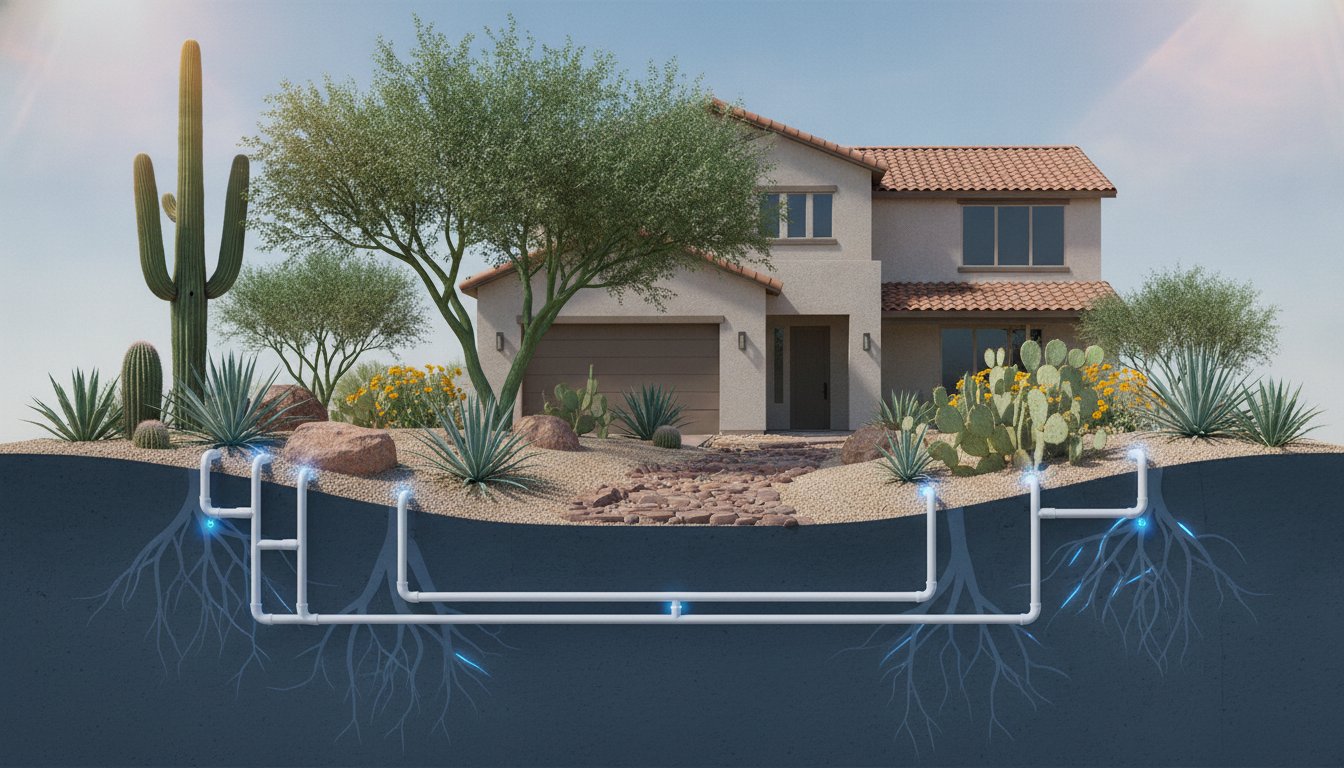
Desert landscapes rely heavily on residential drip systems, which require a different configuration than standard turf sprinklers. Drip zones typically need longer, slower run times to deliver water deep into the soil. In the app, you should specify the "Emitter" type for each zone to ensure the software calculates the correct flow rate. If you've recently undergone PVC pipe replacement for certain zones, the system may have higher efficiency and flow than older, clogged lines. Correctly identifying these parameters prevents the "spaghetti mess" of inconsistent watering across different parts of your yard.
If you find the technical configuration of your new system overwhelming or suspect your wiring isn't communicating correctly with the app, we can help. You can schedule a professional diagnostic visit to ensure your smart controller is perfectly calibrated for your property's specific needs.
Professional Installation vs. DIY: When to Call Sonora Sprinkler Inc.
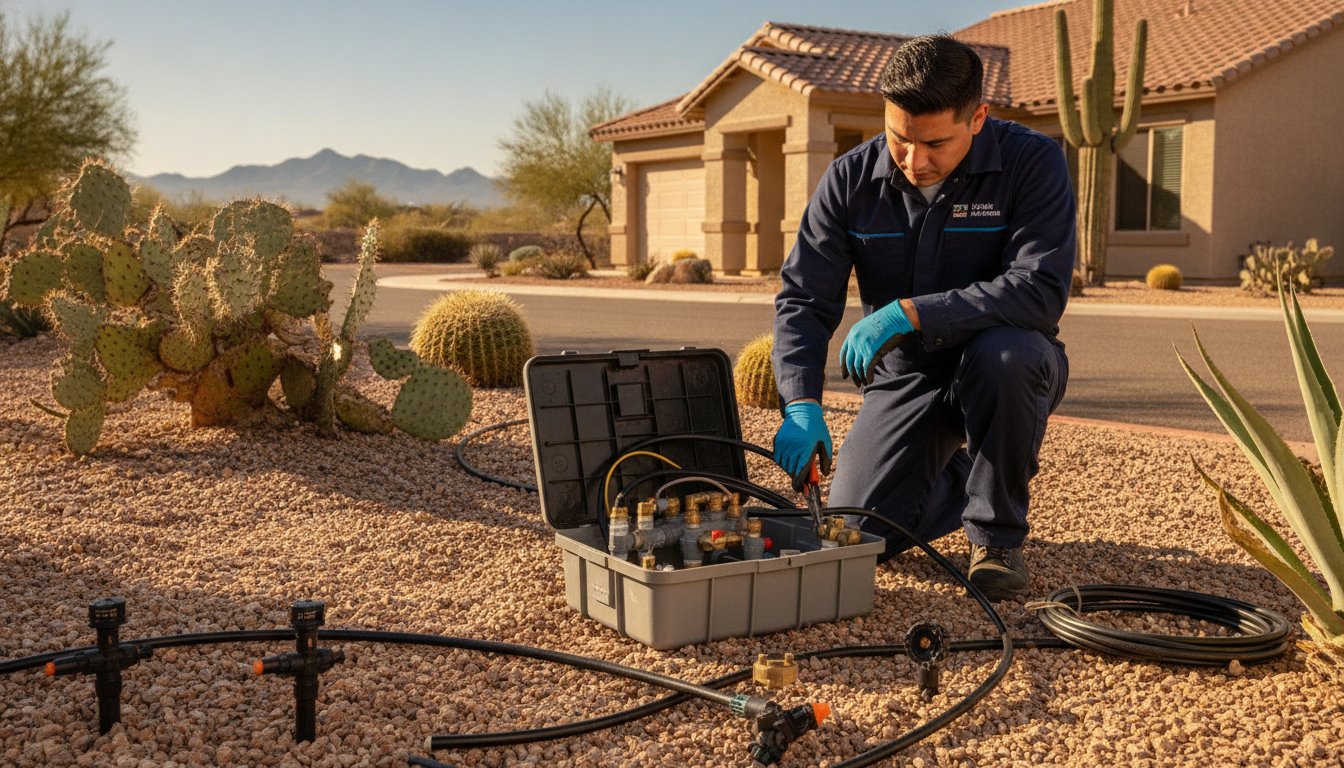
While previous sections detailed the physical and digital steps, the precision required for a smart irrigation controller install often exceeds the scope of a weekend DIY project. Homeowners frequently encounter hidden electrical faults that a standard multimeter might miss. When you choose a professional setup from Sonora Sprinkler Inc., we include an essential sprinkler tune-up. This ensures that your new technology isn't simply trying to manage a system with underlying mechanical failures that could waste the water you're trying to save.
Complex Wiring Diagnostics and Master Valve Setups
Specialized components like a Master Valve or a Pump Start Relay can present significant hurdles for those unfamiliar with advanced irrigation logic. Sonora Sprinkler Inc. utilizes professional-grade wire tracers and diagnostic equipment to locate shorts that cause "ghost zones" or intermittent failures. These electrical nuances, if left unaddressed, can lead to the premature failure of your new controller's motherboard. Our expertise ensures that the high-voltage and low-voltage connections are partitioned and secured according to professional standards, providing a level of durability DIY attempts often lack.
Ensuring Long-Term Reliability for Your Surprise Home
A professional installation also serves as a preventative maintenance visit for your entire property. We integrate a high water bill irrigation check to verify that no underground leaks are undermining your new efficiency settings. By having a local specialist from Sonora Sprinkler Inc. calibrate your system for Arizona's specific shoulder seasons, you gain a level of reliability that generic app settings cannot provide. For a system that stands up to the rigors of the West Valley climate, Contact Sonora Sprinkler Inc. to schedule your upgrade today.
Securing the Future of Your Arizona Landscape
Transitioning to a weather-based system is a foundational step in preserving the value of your West Valley property. As we've discussed, a successful smart irrigation controller install requires a combination of robust wiring diagnostics and precise calibration for local evapotranspiration rates. By moving beyond the limitations of legacy dials, you protect your desert plants from heat stress while maintaining a predictable utility budget. It's a strategic upgrade that replaces guesswork with data-driven reliability.
To further enhance your home's value and visual impact, you can check out LED Artistry for custom low-voltage outdoor lighting that perfectly highlights your Arizona landscape.
Since 1999, Sonora Sprinkler Inc. has served as a trusted partner for residential irrigation needs in Surprise and Peoria. Our family-owned and operated team understands the unique environmental stressors that challenge West Valley landscapes. We focus on delivering professional results that prioritize durability and technical precision. By choosing an established specialist, you ensure your irrigation system remains a reliable asset for your property's long-term health and efficiency.
Schedule Your Professional Smart Controller Install with Sonora Sprinkler Inc. today to start saving water and protecting your desert landscape. We look forward to helping you achieve a more resilient, automated outdoor space.
Frequently Asked Questions
Will a smart irrigation controller work with my old drip system?
Yes, smart controllers are compatible with most existing residential drip systems as long as the valves and solenoids are in good working condition. The primary difference lies in the software configuration, where you'll set longer, slower run times to match the output of your emitters. This ensures your desert plants receive deep hydration without the waste associated with traditional timers.
Do I need a strong Wi-Fi signal at my irrigation box for the install?
A stable Wi-Fi connection is necessary for the unit to receive real-time weather updates and communicate with your smartphone. If your irrigation box is located on an exterior wall or in a far corner of the garage, you may need a Wi-Fi extender to bridge the gap. Without a signal, the controller can't pull the local data required to make automatic watering adjustments.
How much water can I actually save with a smart controller in Surprise, AZ?
Homeowners in Surprise often see a reduction in monthly water use by eliminating unnecessary cycles during monsoon storms and humid days. While savings depend on your previous manual habits, the system's ability to skip watering based on local evapotranspiration rates prevents significant waste. It's a reliable way to maintain your landscape while being responsible with local resources.
Can I install a smart controller outdoors if my old one was in the garage?
You can move the location of your hub, but a smart irrigation controller install on an exterior wall requires a specific weather-resistant enclosure. This housing protects the digital display and internal circuitry from the intense Arizona sun and blowing dust. You'll also need to ensure that the zone wiring is properly routed through conduit to the new outdoor site.
What happens to my smart irrigation if the Wi-Fi goes down?
Your irrigation system will continue to run its most recently saved schedule even if the internet connection is interrupted. Most modern units have internal memory that stores your programming to prevent plant loss during a router failure. The system simply loses its ability to make "smart" weather adjustments or send mobile alerts until the Wi-Fi is back online.
Is it worth upgrading to a smart controller if I only have 3 or 4 zones?
Upgrading is a wise investment regardless of your system's size because the precision of a smart irrigation controller install applies to every zone. Even with a small yard, the ability to prevent overwatering during the cooler months or high-wind days saves money and protects plant health. The convenience of managing your system from a phone provides value for any property owner.
Does a smart controller install require a permit in Peoria or Surprise?
Replacing an existing controller is generally considered a maintenance task and doesn't require a permit in Peoria or Surprise. Permits are typically only necessary if you're installing a completely new main line or a backflow prevention assembly. For a standard hub upgrade and wiring diagnostic, you can proceed without city filings as long as the footprint of the system remains the same.
Can a smart controller detect a leaking PVC pipe automatically?
A smart controller alone cannot detect a leak unless it's integrated with an optional flow meter. While the controller manages the schedule, the flow meter monitors the actual volume of water passing through your pipes. If the system detects a spike in water use that doesn't match the programmed zone, it can send an alert and shut off the master valve to prevent flooding.