In the Sonoran Desert, installing a standard poly pipe system isn't a long-term irrigation solution; it's a temporary fix that essentially guarantees future failure. If you're a homeowner in Surprise or Peoria, you've likely dealt with the frustration of recurring leaks, spikes in your utility bill, and the sight of a prized desert plant wilting because a hidden line failed in the summer heat. It's exhausting to feel like you're constantly patching a system that was never built to withstand our specific environment.
Understanding the debate of poly pipe vs PVC drip system Arizona is the first step toward stopping the cycle of "dig and repair" that plagues so many local yards. You deserve a landscape that thrives without constant maintenance headaches. This guide will show you why your current drip lines keep failing and help you determine if a professional PVC upgrade is the right investment for your property's long-term health. We'll break down the technical differences between these materials, explain how our unique soil affects their lifespan, and outline how a custom-designed system can reliably serve your home for up to 20 years.
Key Takeaways
- Understand why standard polyethylene tubing often fails within five years in the harsh Arizona climate, leading to wasted water and hidden leaks.
- Compare the technical specifications of poly pipe vs PVC drip system Arizona to see why Schedule 40 PVC is the superior choice for long-term desert durability.
- Learn how to navigate the challenges of caliche soil and why a deeper, more robust PVC installation is necessary for protecting your landscape investment.
- Discover the "Rule of Three" to help you decide when it's more cost-effective to replace your failing lines rather than continuing with temporary repairs.
- Explore how custom-designed irrigation systems, engineered for the specific needs of Surprise and Peoria homes, can provide up to 20 years of reliable service.
The Arizona Drip System Dilemma: Why Poly Pipe Fails
Polyethylene tubing, commonly known as poly pipe, is the standard material found in most residential drip irrigation system designs across the West Valley. It's popular among builders and DIY enthusiasts because it's inexpensive and flexible, allowing for quick installation without the need for complex fittings. However, what works in milder climates often fails miserably under the relentless Arizona sun. When evaluating poly pipe vs PVC drip system Arizona , the first thing to recognize is that poly pipe is essentially a temporary material in a permanent environment.
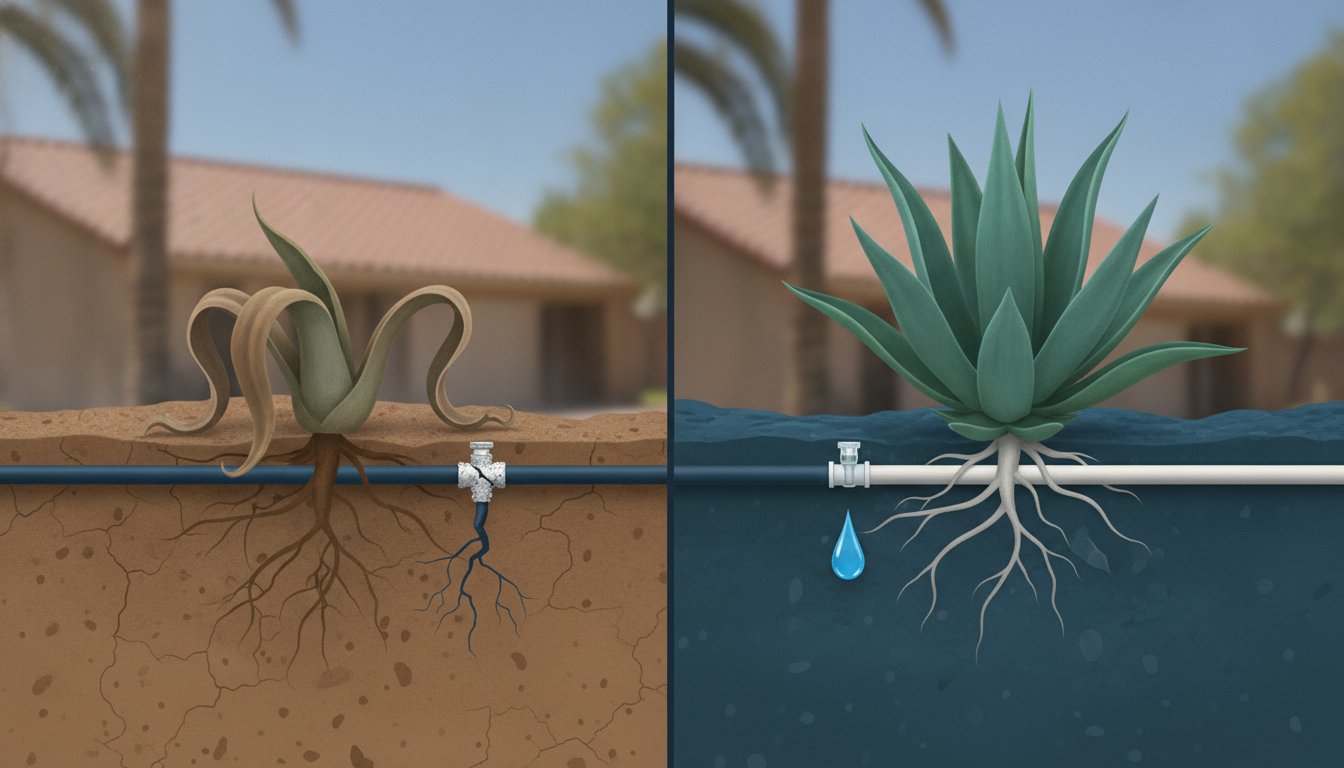
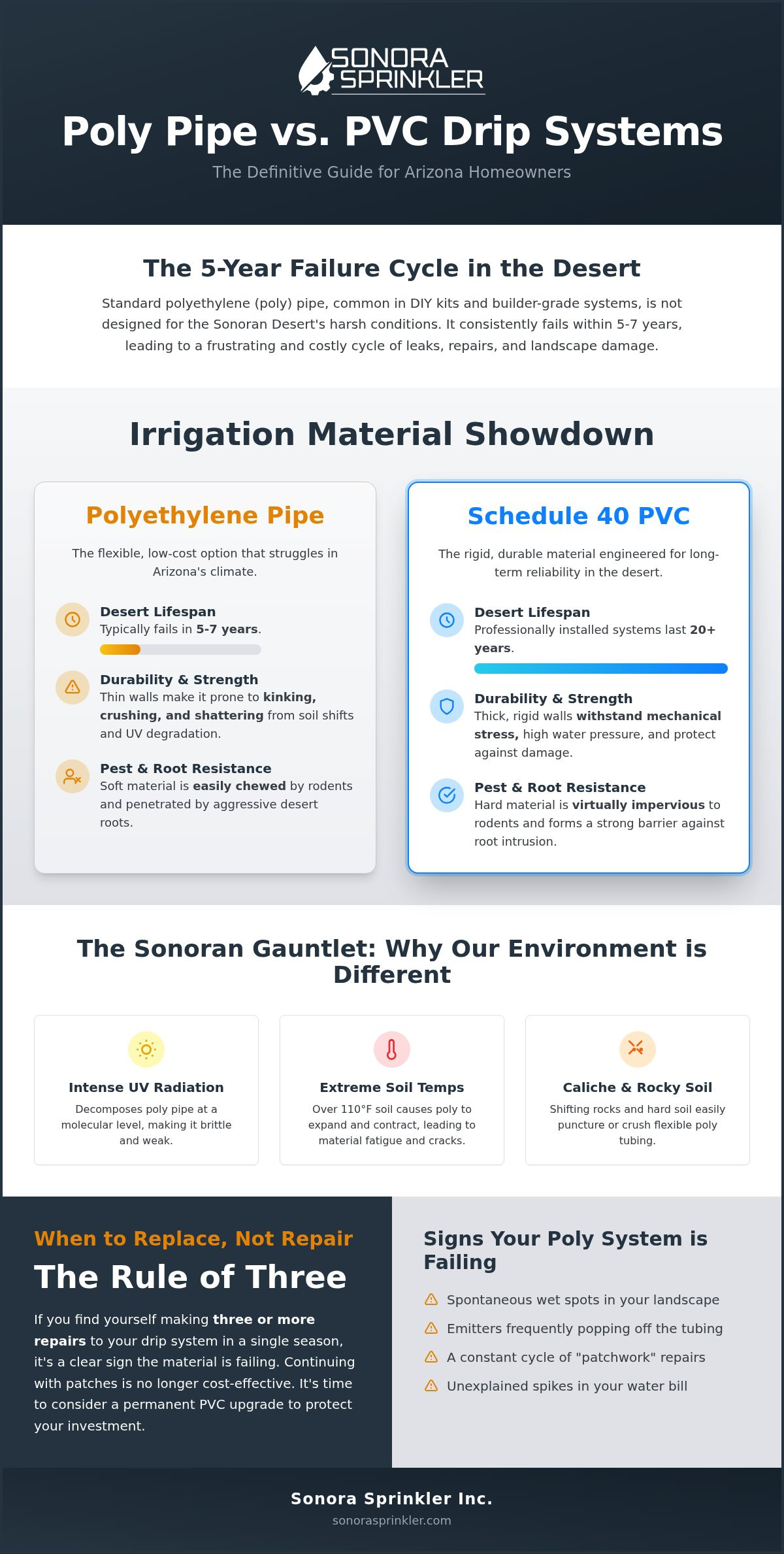
Many homeowners in Surprise and Peoria experience what we call the "five-year failure cycle." For the first few years, a poly system might perform adequately. But as it reaches the half-decade mark, the material begins to lose its structural integrity. This isn't a coincidence; it's the result of constant environmental stress. The intense UV radiation in our region acts as a silent killer, slowly decomposing the polyethylene at a molecular level. By the time you notice the first leak, the entire line is often brittle and prone to shattering.
The Role of the Sonoran Desert Environment
Our local climate presents a unique set of challenges that standard plastic tubing simply wasn't designed to handle. Arizona's high UV index is particularly brutal on exposed or shallow-buried lines. Even when buried beneath a layer of decorative rock, soil temperatures in July can exceed 110°F. These extreme temperatures cause malleable plastics to soften and stretch. When the sun goes down, the ground cools rapidly, forcing the pipe to contract. This constant cycle of expansion and contraction leads to material fatigue, eventually resulting in longitudinal cracks that are nearly impossible to patch effectively. Winter freezes and monsoon-driven soil shifts only accelerate this degradation, leaving the system vulnerable year-round.
Common Symptoms of a Failing Poly System
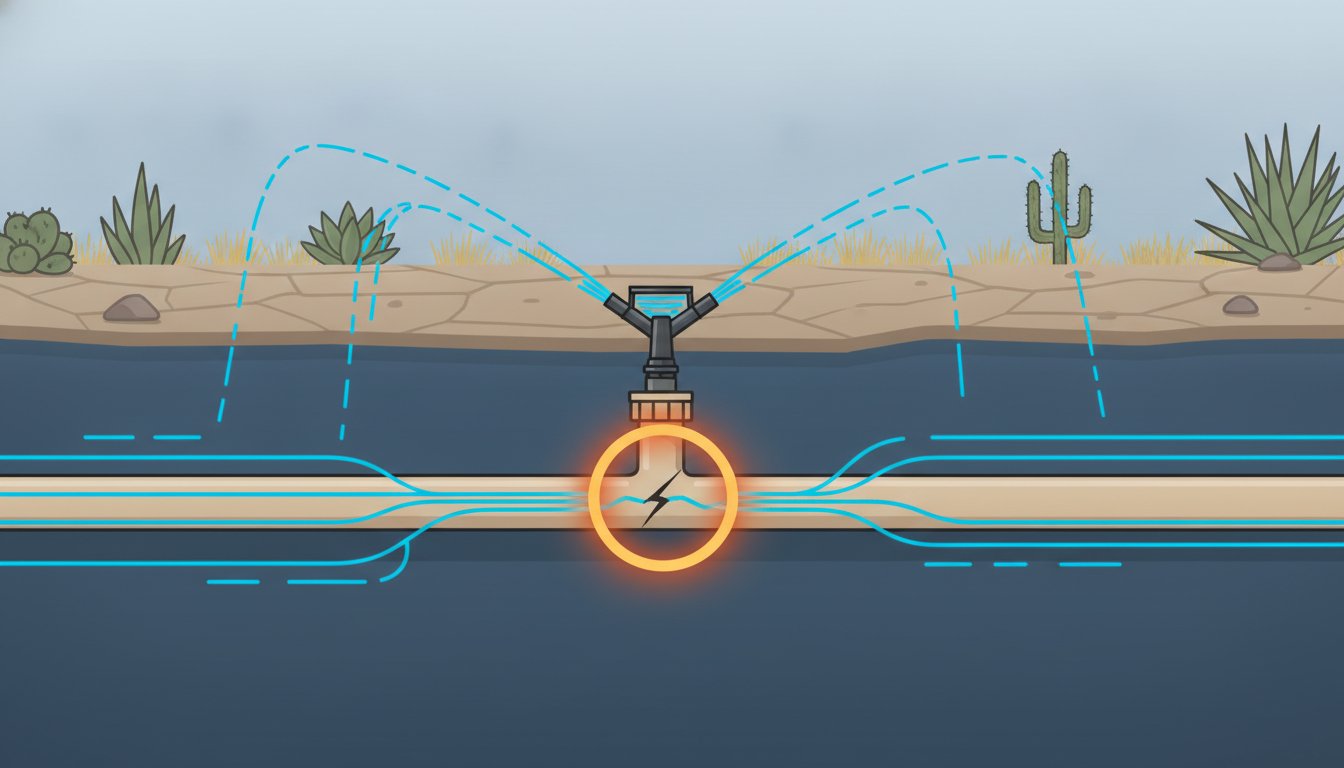
Identifying a failing system early can save your desert plants from dehydration. One of the most common signs is the appearance of spontaneous "wet spots" in your gravel or landscape. These often indicate a pinhole leak or a split in the main poly line. You might also notice that emitters frequently pop off the tubing. This happens because the plastic has softened or thinned to the point where it can no longer hold the barbed fitting securely. If you find yourself in a perpetual cycle of "patchwork repairs," it's a clear signal that the material has reached the end of its functional life. For many residents, transitioning to professionally installed drip systems built with more durable materials is the only way to break this frustrating loop.
Material Science: PVC vs. Poly Pipe for Desert Landscapes
To understand the technical debate of poly pipe vs PVC drip system Arizona , we must look at the physical properties of the materials. PVC, or Polyvinyl Chloride, is a rigid thermoplastic that offers significantly higher durability than the flexible polyethylene used in standard drip tubing. While flexibility is often marketed as a benefit for easy installation, it's actually a major liability in the shifting, rocky soils found throughout Surprise and Peoria. Rigid materials provide a stable foundation that flexible tubing simply cannot match.
The primary difference lies in wall thickness. Most professional installations utilize Schedule 40 PVC. This pipe is thick enough to withstand mechanical stress that would easily crush or puncture thin-walled poly tubing. When soil settles or rocks shift during our heavy monsoon rains, rigid PVC maintains its shape and flow capacity. Poly pipe, by contrast, is highly susceptible to kinking. Once a kink forms, it restricts water flow to your plants and creates a high-pressure point that eventually leads to a blowout. Learn about our professional drip system solutions to see how we prioritize these heavy-duty materials for every project.
Why PVC is the Gold Standard in Surprise and Peoria
In our local environment, structural integrity is paramount. PVC is virtually impervious to root intrusion from aggressive desert trees like Palo Verdes or Mesquites. It also handles the high-pressure surges common in municipal water lines far better than its flexible counterparts. While a poly system might start showing signs of fatigue after just 5 to 7 years, a properly installed PVC system can easily last 20 years or more. This longevity makes PVC the most cost-effective investment for maintaining your property's long-term health and value.
The Hidden Weaknesses of Polyethylene Tubing
Beyond its physical fragility, polyethylene faces chemical and biological threats. In the extreme heat of an Arizona summer, the plasticizers that keep poly pipe flexible begin to leach out. This process makes the tubing brittle and prone to longitudinal splitting. The soft nature of the material also makes it an easy target for desert rodents. Rabbits and ground squirrels, searching for moisture, can easily chew through poly lines to reach the water inside. PVC is far too hard for these pests to penetrate; it provides an extra layer of protection for your landscape. If you're tired of repairing chewed lines, you might consider reaching out to discuss a more permanent irrigation upgrade for your home.
Comparing Performance: PVC vs. Poly Drip Systems
The debate over poly pipe vs PVC drip system Arizona often centers on the initial effort required for installation. While poly tubing is undeniably easier to roll out and bury, its performance in the actual desert environment is where the compromise becomes visible. A high-performing system must do more than just deliver water; it must resist the physical pressures of the ground while ensuring every drop is used efficiently. Given that over half of the water used by an average resident in Peoria is for landscaping, the efficiency of your underground lines is a matter of both environmental responsibility and financial common sense.
Water conservation is a growing priority for West Valley homeowners. Phoenix, like other desert cities, operates under ongoing water conservation guidelines that strictly prohibit water waste. A failing poly system with undetected pinhole leaks doesn't just damage your soil; it can lead to significant runoff and regulatory concerns. If you are experiencing unexplained spikes in your water bill, it's often a sign that your current lines have reached their limit. We provide expert irrigation repairs and maintenance to help identify these hidden failures before they compromise your entire landscape.
Durability in Rocky and Caliche Soils
One of the most significant challenges in Surprise and Peoria is caliche. This is a layer of soil where particles have been cemented together by calcium carbonate, creating a concrete-like substance just inches below the surface. Trenching through caliche for a PVC installation is labor-intensive, but it's necessary for system protection. PVC stands up to the "grating" effect of this abrasive soil. Shifting desert ground acts like sandpaper against flexible poly pipe, eventually wearing through the thin walls. Rigid PVC remains stationary and secure, even when the surrounding earth moves during a heavy monsoon storm.
Maintenance and Repair Costs Over Time
When evaluating the cost of an irrigation system, it's essential to look beyond the first day of installation. Poly systems are cheaper upfront, but they frequently enter a cycle of failure after seven years. The true cost of "cheap" poly includes frequent service calls, the price of replacing dead desert plants, and the labor of digging up your yard every time a new leak appears. PVC offers a much higher return on investment by virtually eliminating these recurring headaches. By following our custom irrigation design and installation process, homeowners can transition to a system that prioritizes long-term reliability over short-term savings. This professional approach ensures your landscape remains a source of pride rather than a source of constant repair bills.
When to Upgrade: Replacing Your Failing Poly Drip Lines
Deciding when to move from constant repairs to a full system replacement is a common challenge for homeowners in the West Valley. We often recommend the "Rule of Three" as a practical guideline. If you've had to repair leaks in the same zone three times within a single year, or if you've replaced three different sections of tubing in one season, the material has likely reached its breaking point. At this stage, continuing to patch the system is simply throwing money at a failing asset. Transitioning to a more permanent solution involves evaluating poly pipe vs PVC drip system Arizona to ensure your next investment lasts for decades rather than years.
Upgrading to a PVC-based system does more than just stop leaks; it protects the financial value of your home. In our region, a well-documented, professional irrigation system is a significant asset during a home sale. Prospective buyers in Surprise and Peoria are increasingly savvy about desert landscaping. They recognize that a PVC system represents a commitment to quality and longevity, whereas a poly system is often seen as a future liability. For a deeper look at what a full setup entails, you can read The Homeowner's Guide to Residential Drip System Installation in Arizona.
Signs Your System is Beyond Simple Repair
Several indicators suggest that your poly lines are no longer viable. You might notice frequent valve failures or consistently low pressure across an entire zone, often caused by multiple hidden pinhole leaks. Physically inspect any exposed portions of your tubing. If it appears "crusty," white, or cracks easily when squeezed, UV degradation has compromised the entire line. Additionally, if your water bills remain high despite seasonal adjustments to your controller, it's a strong sign of subsurface failure that requires immediate attention.
The Professional PVC Installation Process
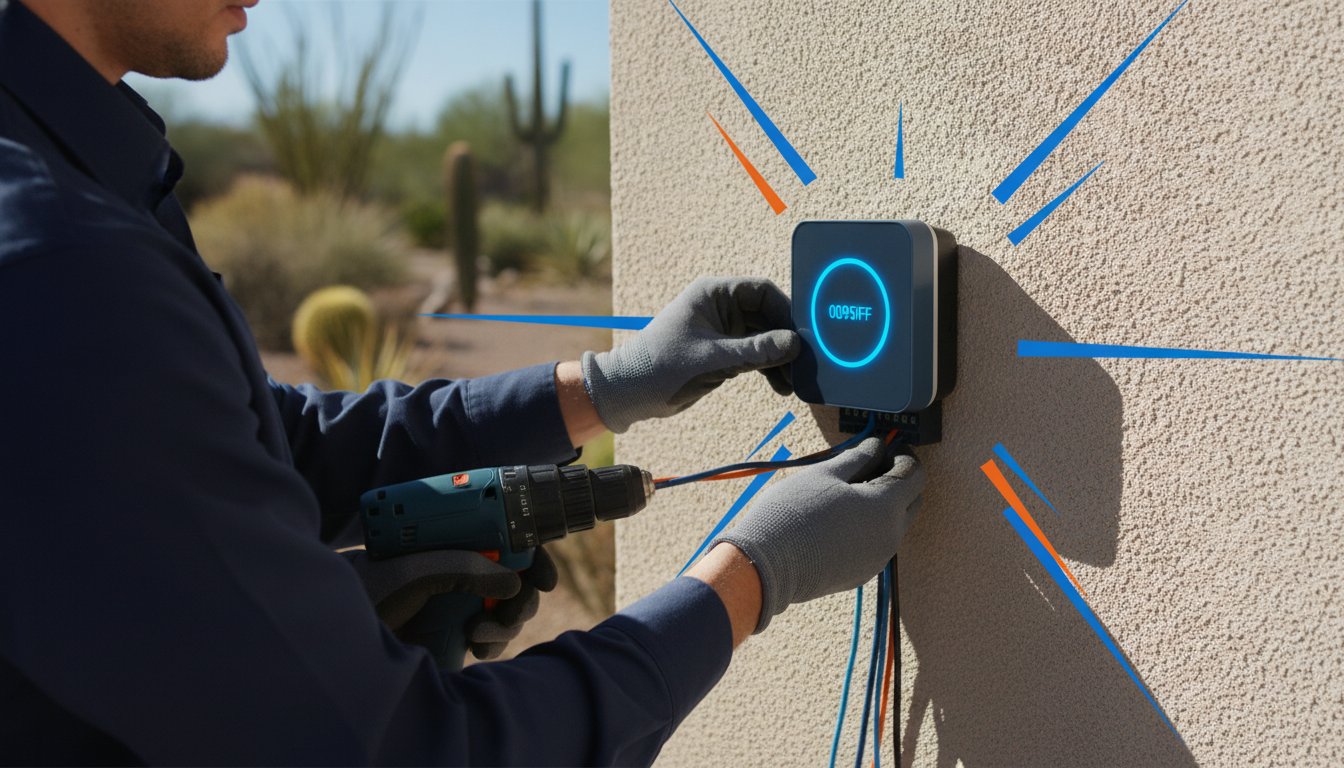
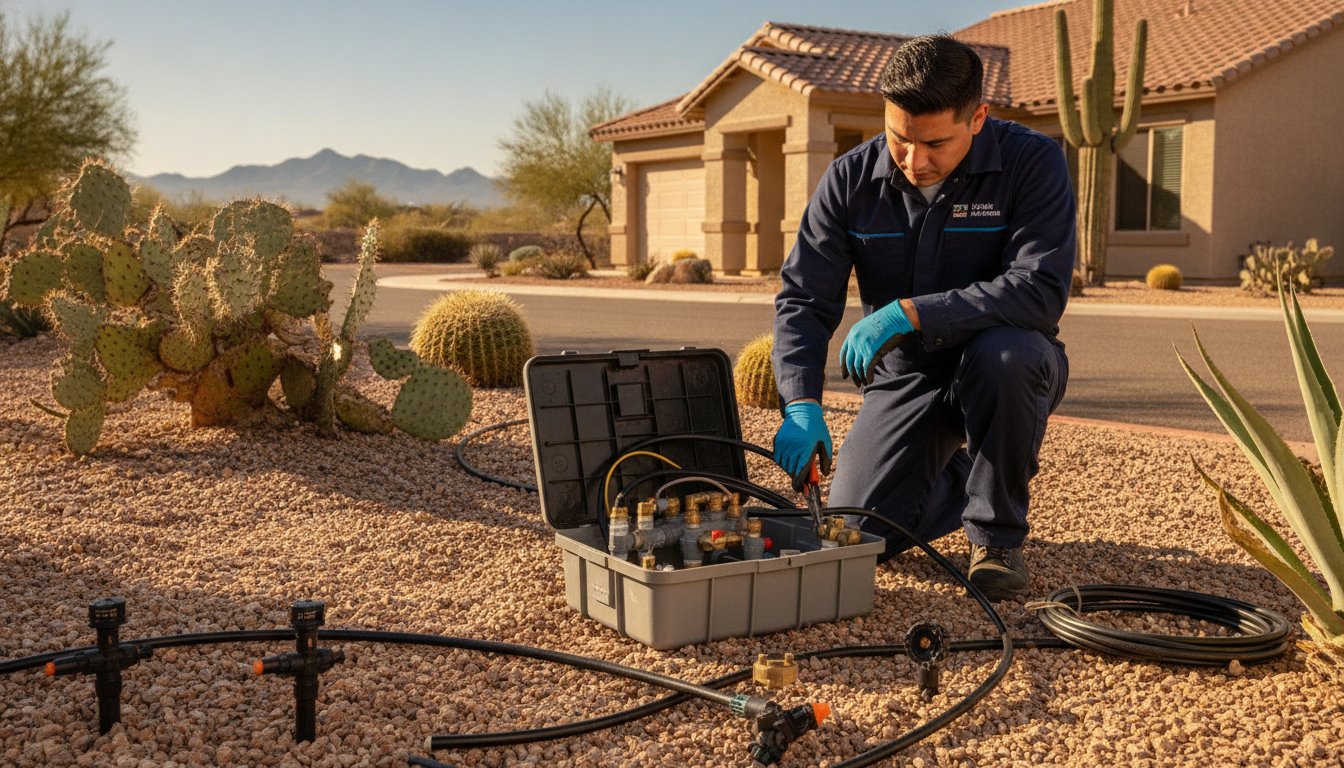
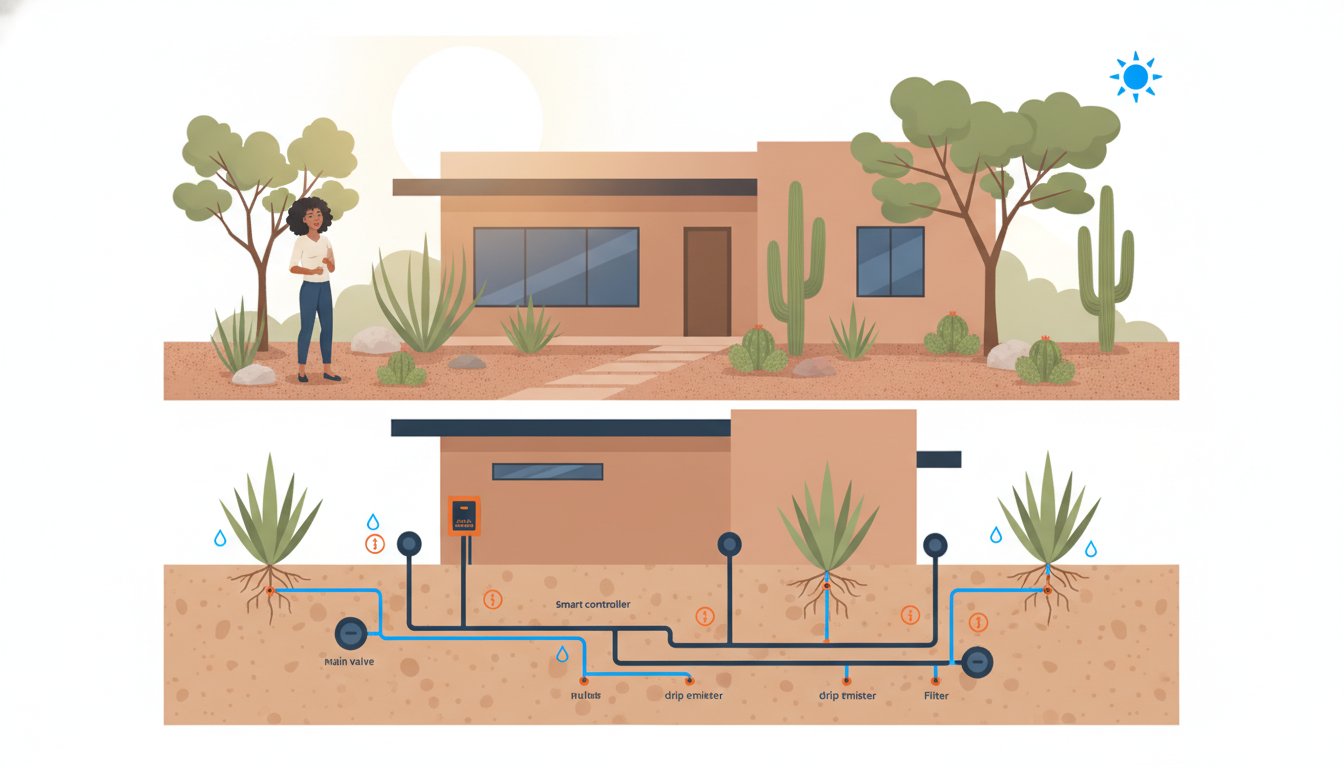
A professional poly pipe vs PVC drip system Arizona upgrade requires a methodical approach to ensure durability. We prioritize proper trenching depths, typically 8 to 12 inches, to protect the PVC from surface heat and mechanical damage. Unlike poly systems that rely on friction-fit barbs, we use high-quality fittings and solvent welding to create a seamless, leak-proof network. This process also allows for precise emitter placement. We ensure each desert-adapted tree and shrub receives water exactly where it's needed, promoting deep root growth and long-term plant health. If your current system is showing these signs of failure, you should contact our team to schedule a system evaluation.
The Sonora Sprinkler Approach: Engineered for the Desert
Sonora Sprinkler Inc. has spent decades refining a specific approach to desert irrigation. We don't believe in one-size-fits-all solutions. Instead, we design custom systems that account for the unique soil conditions and plant needs found in Surprise and Peoria homes. By focusing exclusively on residential properties, we've developed a deep understanding of the mechanical stressors that cause premature failure in standard setups. Our goal is to move you beyond the poly pipe vs PVC drip system Arizona debate by installing a solution that eliminates the need for constant intervention.
Before any major upgrade begins, we conduct a thorough diagnostic assessment. It's vital to understand the "why" behind your current system's failure. This might involve identifying underground wiring issues or assessing the health of your control valves. For those not yet ready for a full overhaul, we offer professional residential irrigation repair in Surprise, AZ to restore immediate efficiency while planning for long-term improvements.
Why Experience Matters in Residential Irrigation
Experience is the foundation of a reliable irrigation system. As a family-owned and operated business since 1999, we treat every landscape with the same care we'd give our own. This tenure in the West Valley has taught us that water conservation isn't just a trend; it's a necessity for our community's future. We prioritize system efficiency in every design, ensuring that your water reaches the roots without being lost to leaks or evaporation. If you're unsure where to start, you can contact us for a professional system evaluation to get a clear picture of your current infrastructure.
Protecting Your Investment
A durable system requires more than just high-quality pipes. It needs a robust support structure, including properly functioning valves and certified backflow prevention. These components act as the "brain" and "heart" of your irrigation, protecting your home's water supply and ensuring the PVC lines aren't subjected to unnecessary pressure spikes. When choosing between poly pipe vs PVC drip system Arizona , the long-term reliability of a rigid PVC installation always proves to be the superior choice for West Valley soil. We provide comprehensive valve and backflow services for Arizona homes to ensure every part of your upgrade works in harmony.
Investing in a professional PVC replacement is about more than just convenience; it's about peace of mind. You can stop worrying about hidden leaks and dying plants, knowing that your yard is protected by a system engineered for the desert. Schedule your irrigation consultation today and let us help you build a landscape that lasts.
Investing in a Permanent Landscape Solution
Maintaining a healthy landscape in the West Valley shouldn't feel like a constant battle against failing infrastructure. By understanding the critical differences in poly pipe vs PVC drip system Arizona , you can make a choice that prioritizes the long-term health of your property over temporary, low-cost fixes. Transitioning to a rigid PVC system protects your plants from undetected leaks and shields your wallet from the recurring costs of the five-year failure cycle common with poly tubing.
Sonora Sprinkler Inc. has served the Surprise and Peoria communities since 1999. We are residential-only specialists who understand how to navigate caliche soil and extreme desert heat. As expert PVC replacement specialists, we focus on engineering systems that provide 15 to 20 years of reliable service. You don't have to settle for a system that requires constant patching and oversight.
Stop the leak cycle-Contact Sonora Sprinkler Inc. for a professional PVC upgrade today. We look forward to helping you build a more efficient, durable, and worry-free outdoor space for your home.
Frequently Asked Questions
Is PVC better than poly for drip irrigation in Arizona?
PVC is superior for long-term residential applications because it doesn't degrade under intense UV exposure or extreme soil heat. While poly is often cheaper to install initially, it lacks the structural wall thickness to withstand the mechanical stresses of the desert. Choosing between poly pipe vs PVC drip system Arizona usually comes down to whether you want a system that lasts 5 years or 20 years. Rigid PVC remains the professional standard for reliability.
How long does a poly pipe drip system last in the desert?
A standard poly system usually begins to fail within 5 to 7 years in the Sonoran Desert. The malleable plastic loses its plasticizers due to extreme heat; this causes it to become brittle and prone to longitudinal splitting. While some lines might last longer in deep shade, the typical lifecycle for residential installations in Surprise and Peoria is significantly shorter than that of rigid pipe alternatives.
Can I mix PVC and poly pipe in the same irrigation system?
You can integrate both materials, often using PVC for the high-pressure mainlines and poly for the final lateral runs to individual plants. This hybrid approach is common, but it still leaves the poly sections vulnerable to the environmental stressors mentioned earlier. For maximum durability, a full PVC system with dedicated risers provides the best protection against leaks and mechanical damage throughout your entire landscape.
Why do my drip lines keep breaking every summer?
Your lines likely break because of the extreme temperature swings and high UV index in our region. Polyethylene expands during the 110°F heat of the day and contracts sharply at night. This constant movement creates material fatigue, leading to cracks and fitting failures. Additionally, the sun's radiation breaks down the molecular bonds in the plastic, making the tubing too weak to hold water pressure over time.
Is it worth the cost to replace poly pipe with PVC?
Replacing failing lines with PVC is a sound financial investment that pays for itself through lower utility bills and fewer plant replacements. When you factor in the cost of recurring service calls and the water wasted by undetected leaks, the long-term ROI of PVC becomes clear. It's the most effective way to end the cycle of constant repairs while increasing your property's resale value and curb appeal.
What is the best type of pipe for Arizona's caliche soil?
Schedule 40 PVC is the best choice for caliche soil because its rigid structure resists the abrasive, concrete-like texture of the earth. Caliche can easily puncture or "grate" against flexible poly tubing as the ground shifts during monsoon season. While trenching PVC into this hard soil requires more effort during installation, the resulting system is much better protected against the physical environment of the West Valley.
Does a PVC drip system require more maintenance than poly?
A PVC system actually requires far less maintenance than a poly system over its lifespan. Because PVC is less prone to cracking, kinking, or being chewed by desert rodents, you'll spend less time troubleshooting mysterious wet spots or replacing popped emitters. Once installed correctly, a PVC system provides a stable, reliable solution that allows you to focus on enjoying your landscape rather than fixing it.
How do I know if my irrigation leak is in a poly line or a PVC main?
Determining the source of a leak often involves observing the volume and location of the water. A PVC mainline leak typically presents as a significant, high-volume surge that may surface near your valve box or main supply. In contrast, when debating poly pipe vs PVC drip system Arizona failures, poly leaks are usually smaller, occurring at multiple points or causing emitters to blow off their connections due to material softening.